

Exhausted? 7 Natural Energy Hacks For The Second Trimester Slump
Welcome to the “Golden Trimester” (Or So They Say)
Hello, beautiful mama. If you are reading this, you have likely crossed the threshold into your second trimester. Everywhere you look, pregnancy books and well-meaning friends probably told you that week 14 would act like a magical switch. You were supposed to wake up, wave goodbye to the nausea, and suddenly possess the boundless energy of a marathon runner ready to paint the nursery, meal-prep for a month, and glow radiantly. But instead, you are sitting here, staring at your screen, wondering why you still feel like you have been hit by a freight train of exhaustion.
First, take a deep breath. Drop your shoulders. Unclench your jaw. As a doula who has walked alongside hundreds of mothers, I am here to tell you a secret: the second-trimester slump is incredibly common, completely valid, and absolutely nothing to feel guilty about. Your body is currently performing one of the most metabolically demanding tasks a human being can undertake. You are literally growing an entirely new organ (the placenta) while simultaneously building the bones, muscles, and nervous system of your sweet baby. That takes fuel, mama. A lot of it.
While it is completely normal to feel tired, you do not have to suffer through the brain fog and heavy limbs day in and day out. There are gentle, holistic, and deeply nourishing ways to support your body’s energy production without relying on extra caffeine (which we all know can just lead to jitters and a worse crash later). In this guide, we are going to explore seven natural, doula-approved energy hacks designed specifically for the unique physiological demands of your second trimester. We will look at how to properly fuel your body, optimize your rest, and protect your peace. Grab a glass of water, get comfortable, and let’s reclaim a little bit of that vitality together.
Why Are You Still So Tired? Decoding the Second Trimester Slump
Understanding Your Body’s Invisible Marathon
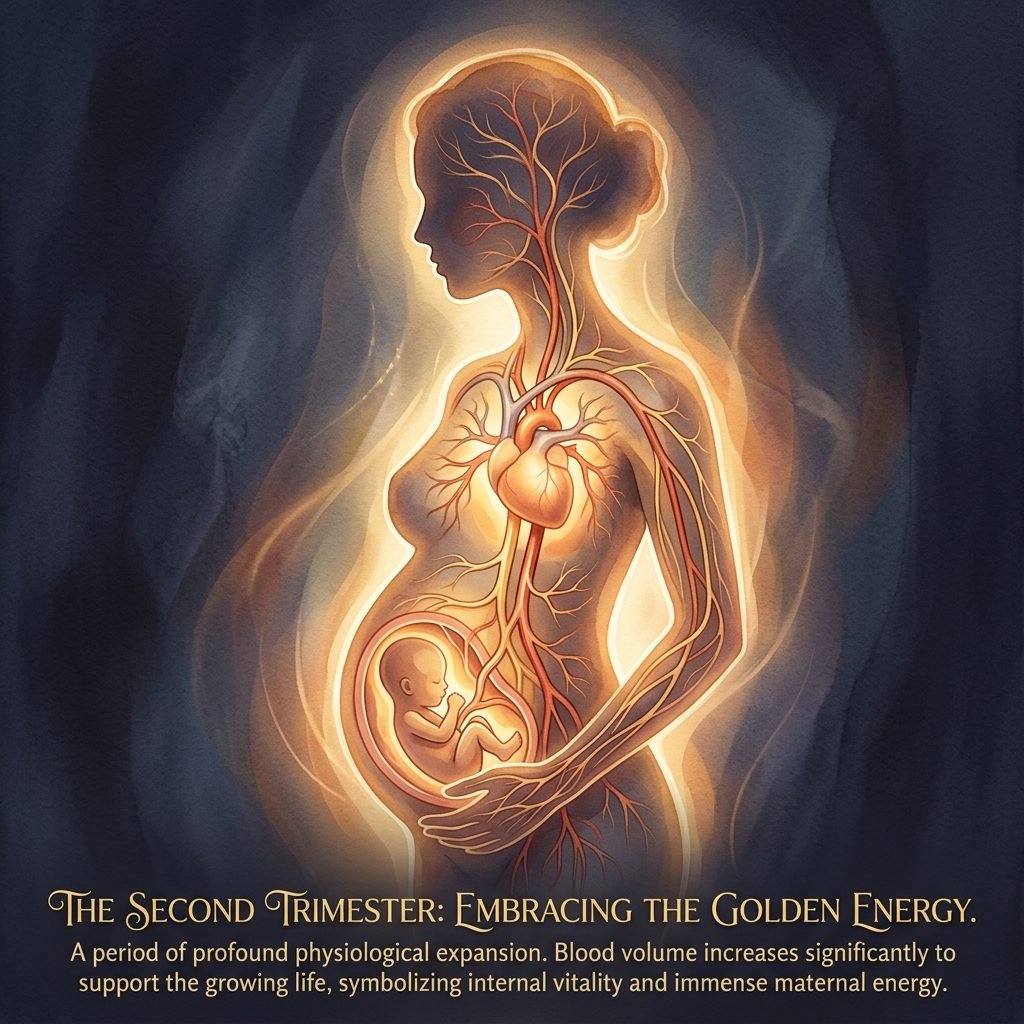
Before we dive into the hacks, we need to understand the why. When you know what your body is doing behind the scenes, it becomes so much easier to offer yourself grace instead of judgment. Many mothers feel a sense of failure when they are exhausted in the second trimester, but the physiological reality of what is happening inside you is staggering.
The Great Blood Volume Expansion
By the time you reach your second trimester, your body is working overtime to increase your total blood volume by up to 50 percent. This massive expansion is necessary to ensure adequate blood flow to the placenta and your growing baby. However, building this much new blood requires your heart to work significantly harder. Your resting heart rate increases, and your cardiovascular system is essentially running a low-grade marathon 24/7. This alone is enough to make a simple walk up the stairs feel like a monumental task.
Hormonal Shifts and Relaxin
While the dramatic spikes of hCG from the first trimester have leveled off, your body is now swimming in high levels of progesterone and relaxin. Progesterone is a natural central nervous system depressant—it is designed to keep your uterus relaxed, but it also makes you feel incredibly sleepy. Relaxin, as the name suggests, loosens your ligaments and joints to prepare your pelvis for birth. This means your muscles have to work double-time just to stabilize your body during normal, everyday movements, leading to faster physical fatigue.
You are not lazy, mama. You are actively building a human life, a temporary organ, and an entirely new cardiovascular network. Rest is not a luxury right now; it is a biological necessity.
Hack #1: The Hydration Station (Elevating Your Water Game)

Why Plain Water Isn’t Always Enough
We all know hydration is important, but in pregnancy, it is the absolute cornerstone of your energy levels. Remember that 50 percent increase in blood volume we just talked about? Your body needs water to create that plasma. If you are even slightly dehydrated, your blood becomes thicker, forcing your heart to work even harder to pump it through your body. This leads directly to brain fog, lethargy, and that heavy, sluggish feeling in the middle of the afternoon.
The Power of Cellular Hydration
Here is the doula secret: simply chugging plain water might actually flush out your minerals, leaving you feeling more tired. To actually absorb the water into your cells where it can create energy, you need electrolytes. Electrolytes are minerals like sodium, potassium, and magnesium that conduct electrical charges in your body, powering your muscles and nerves.
- Start your morning right: Before you reach for anything else, drink a glass of room-temperature water with a pinch of high-quality sea salt (like Celtic or Himalayan) and a squeeze of fresh lemon. This gently wakes up your digestive system and replenishes the minerals lost over night.
- Embrace coconut water: Nature’s sports drink! Coconut water is naturally rich in potassium and magnesium. Try mixing half coconut water and half filtered water over ice for a refreshing, energy-boosting afternoon pick-me-up.
- Eat your water: Hydration does not just come from a glass. Incorporate water-dense fruits and vegetables like watermelon, cucumbers, strawberries, and celery into your daily snacks.
Keep a beautiful, large water bottle next to you at all times. Aim for at least 80 to 100 ounces of hydrating fluids a day, adjusting for your climate and activity level.
Hack #2: Strategic Protein Pacing to Stabilize Blood Sugar

Riding the Blood Sugar Rollercoaster
One of the biggest culprits of the second-trimester slump is the blood sugar rollercoaster. When you are tired, your brain naturally craves quick energy in the form of simple carbohydrates and sugars. You might grab a bagel, a pastry, or a handful of crackers. This causes your blood sugar to spike, giving you a temporary burst of energy, followed by a dramatic crash that leaves you feeling more exhausted than before.
The Doula’s Guide to Protein Pacing
To maintain steady, reliable energy throughout the day, you need to practice protein pacing. This means ensuring that every single time you eat a carbohydrate, you are pairing it with a strong source of protein and a healthy fat. Protein and fat slow down the absorption of glucose into your bloodstream, providing a slow, steady release of energy rather than a spike and crash.
Aim for 75 to 100 grams of protein per day, spread out evenly across your meals and snacks. This not only fuels your energy but provides the essential building blocks for your baby’s developing tissues.
Energy-Boosting Foods: What’s Safe vs. What to Avoid
| Energy Need | What to Choose (Safe & Stabilizing) | What to Avoid (Crash-Inducing) |
|---|---|---|
| Morning Fuel | Scrambled eggs with spinach, avocado on whole-grain toast | Sugary cereals, plain white bagels, sweet pastries |
| Mid-Day Snack | Apple slices with almond butter, Greek yogurt with chia seeds | Candy bars, plain crackers, fruit juice without fiber |
| Afternoon Pick-Me-Up | Handful of walnuts and a hard-boiled egg, hummus with carrots | Highly caffeinated energy drinks, excessive coffee |
| Evening Wind-Down | A small bowl of oatmeal with hemp hearts, chamomile tea | Heavy, greasy meals right before bed, late-night ice cream |
Doula Tip: Prepare a ‘snack station’ in your fridge on Sundays. Hard-boil some eggs, wash your berries, and portion out nuts. When the fatigue hits, having safe, energy-stabilizing food ready to grab is a game-changer.
Hack #3: The Magic of Micro-Naps and Restorative Rest

Redefining What It Means to Rest
In our fast-paced world, we are often conditioned to believe that if we are not sleeping deeply in a bed for eight hours, it does not count as rest. But when you are dealing with second-trimester exhaustion, you need to become a master of the micro-nap and conscious resting.
The 20-Minute Rule
If you have the luxury of napping during the day, keep it short. A nap lasting 20 to 30 minutes is ideal for an energy boost. This length allows you to rest your brain and body without entering the deeper stages of sleep. If you sleep for an hour, you risk waking up in the middle of a deep sleep cycle, which will leave you experiencing sleep inertia—that groggy, disoriented feeling that makes you feel worse than before you lay down.
Yoga Nidra: The Secret Weapon for Pregnancy Fatigue
What if you are at work, or you simply cannot fall asleep during the day? Enter Yoga Nidra, also known as ‘yogic sleep.’ This is a guided meditation practice that brings you to the threshold of sleep while remaining conscious. It is incredibly restorative; studies suggest that just 30 minutes of Yoga Nidra can feel equivalent to two hours of deep sleep for your nervous system.
- How to practice: Find a quiet spot. Lay on your left side with a pillow between your knees and one under your head (or recline comfortably in a chair if you are at work).
- Listen and let go: Put in your headphones and listen to a 15-20 minute guided Yoga Nidra track specifically for pregnancy (easily found on free meditation apps or video platforms).
- Body scan: The practice will guide you to consciously relax every single muscle in your body, from your toes to your jaw, shifting your nervous system from ‘fight or flight’ to ‘rest and digest.’
Hack #4: Gentle Movement That Actually Gives You Energy

The Counterintuitive Cure for Fatigue
When you are completely exhausted, the absolute last thing you probably want to do is exercise. The couch is calling your name, and moving sounds impossible. However, gentle, intentional movement is actually one of the most effective ways to generate energy. It increases blood circulation, delivers a fresh supply of oxygen to your brain and tissues, and prompts your body to release endorphins—nature’s feel-good, energizing hormones.
Choosing the Right Movement
The goal here is not to break a massive sweat or hit a personal record. The goal is to wake up your body gently. High-intensity workouts might deplete your already low energy reserves, so pivot toward movements that feel nourishing rather than punishing.
- The 15-Minute Golden Hour Walk: Step outside in the late afternoon or early evening. The fresh air and natural light help regulate your circadian rhythm, signaling to your brain that it is still daytime, which can banish the afternoon slump. Walk at a pace where you can comfortably hold a conversation.
- Prenatal Yoga & Pelvic Tilts: Get on your hands and knees and practice gentle Cat-Cow stretches. This relieves the pressure of your growing uterus off your spine and encourages optimal blood flow through your pelvis. Follow this with gentle hip circles to release tension.
- The Reclined Butterfly (Supta Baddha Konasana): Lay back on a supportive bolster at a 45-degree angle. Bring the soles of your feet together and let your knees fall open (support your knees with pillows). Rest your hands on your belly and take ten deep, expansive breaths. This opens the chest, allowing for deeper oxygen intake.
A Gentle Reminder: Listen to your body. If a walk feels like too much today, simply doing some gentle neck rolls and shoulder shrugs while seated can help release stagnant energy.
Hack #5: Optimizing Your Iron and B-Vitamin Intake
Fueling the Cellular Engine
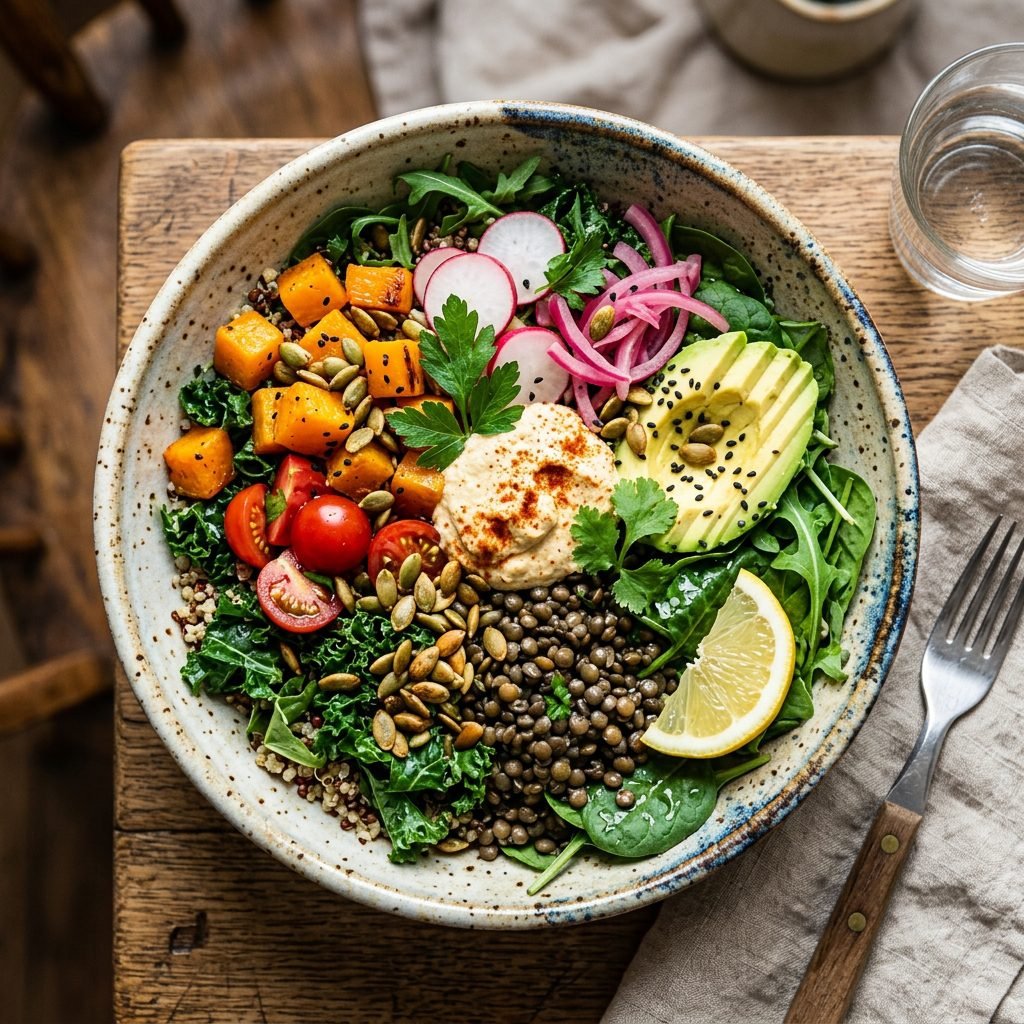
Sometimes, second-trimester fatigue goes beyond normal pregnancy tiredness and dips into the territory of nutrient depletion. Because your body is creating so much extra blood, your demand for iron and B-vitamins (especially B12 and Folate) skyrockets. Iron is the crucial component of hemoglobin, the protein in your red blood cells that carries oxygen to your tissues and to your baby. If your iron is low, your oxygen delivery is low, and you will feel profoundly exhausted.
Maximizing Iron Absorption
Your healthcare provider will likely check your iron levels during your second-trimester blood work, but you can proactively support your levels through your diet. There are two types of iron: heme (from animal sources) and non-heme (from plant sources). Heme iron is much easier for your body to absorb.
- Heme Iron Sources: Grass-fed beef, organic chicken, turkey, and safe, low-mercury fish.
- Non-Heme Iron Sources: Lentils, spinach, pumpkin seeds, and black beans.
The Golden Rule of Iron: To maximize absorption, especially from plant-based sources, always pair your iron-rich foods with Vitamin C. Squeeze fresh lemon juice over your spinach salad, or eat some strawberries after a bowl of lentils. Conversely, avoid drinking tea, coffee, or consuming high amounts of dairy within an hour of your iron-rich meal, as calcium and tannins can block iron absorption.
The B-Vitamin Boost
B-vitamins are the spark plugs of your body; they help convert the food you eat into usable cellular energy. Ensure your prenatal vitamin contains a highly bioavailable form of Folate (methylfolate) and B12. Nutritional yeast is also a fantastic, pregnancy-safe way to add a cheesy, savory flavor to your meals while packing a massive B-vitamin punch. Sprinkle it on popcorn, eggs, or roasted vegetables.
Hack #6: Establishing a Sacred Wind-Down Routine

Better Daytime Energy Starts the Night Before
It sounds ironic, but one of the best ways to have more energy during the day is to focus heavily on how you go to sleep at night. As your belly grows in the second trimester, physical discomfort, heartburn, and the baby kicking can start to disrupt your nighttime sleep. If you are waking up exhausted, you are already starting your day at an energy deficit.
Creating a Sleep Sanctuary
You need to signal to your brain that the day is over and it is time to produce melatonin, the sleep hormone. This requires a dedicated wind-down routine.
- The Digital Sunset: At least one hour before bed, turn off all screens. The blue light emitted by phones and televisions halts melatonin production. Instead, read a physical book, listen to a podcast, or chat with your partner.
- Magnesium Magic: Magnesium is a vital mineral that helps relax muscles, prevents leg cramps (a common second-trimester nuisance), and calms the nervous system. Consider applying a high-quality magnesium lotion to your calves and feet before bed, or taking a warm bath with Epsom salts.
- The Pillow Fortress: Proper alignment is key to staying asleep. Invest in a U-shaped or C-shaped pregnancy pillow. Sleep on your side (left is optimal for blood flow, but right is okay too) with a pillow between your knees to align your hips, a pillow under your belly for support, and a pillow behind your back to prevent you from rolling over.
- Keep it Cool: Pregnancy naturally raises your basal body temperature. Keep your bedroom cool, ideally between 60 and 67 degrees Fahrenheit, to promote deeper, more restorative sleep cycles.
Hack #7: Protecting Your Peace and Setting Boundaries

The Hidden Drain of Emotional Fatigue
Finally, we must address the energy drain that no one talks about: emotional and mental fatigue. The second trimester is often when reality sets in. You might be planning a baby shower, setting up a registry, figuring out maternity leave, dealing with unsolicited advice from relatives, and worrying about the actual birth. This mental load consumes a massive amount of cognitive energy.
The Empowering Art of Saying ‘No’
As a doula, one of my primary jobs is helping mothers build a protective bubble around their peace. You are not obligated to attend every social event, host every holiday, or engage in draining conversations about your pregnancy. Your primary job right now is to nurture yourself and your baby.
- Audit your calendar: Look at your commitments for the next month. Cross off anything that feels like a heavy obligation rather than a joy. Use the simple script: ‘Thank you so much for thinking of me, but I need to use my weekends to rest right now.’
- Limit decision fatigue: Delegate tasks wherever possible. Let your partner research the best car seat. Ask a trusted friend to help narrow down the registry. You do not have to make every single decision alone.
- Release the nesting pressure: The urge to clean and organize every square inch of your house is real, but it can wait. The nursery does not have to be Pinterest-perfect by week 20. Pace yourself. Do one small task a day rather than trying to conquer the whole house in a weekend.
Your Daily Affirmation: ‘My worth is not measured by my productivity. Resting is productive. By caring for myself, I am actively caring for my baby.’
Mama, the second trimester is a beautiful time of growth, but it is deeply demanding. By hydrating properly, stabilizing your blood sugar, resting intentionally, moving gently, eating nutrient-dense foods, optimizing your sleep, and fiercely protecting your peace, you can navigate this slump. Listen to your body, give yourself endless grace, and remember that you are doing incredible, life-giving work every single second of the day.
Conclusion
You Are Doing Beautifully, Mama
Navigating the second trimester can feel like a balancing act between the joy of feeling those first sweet little kicks and the physical reality of growing a human being. Remember that exhaustion is not a sign of weakness; it is a biological signal that your body is prioritizing the monumental task of creating life. Implementing these seven natural energy hacks—from smart hydration and protein pacing to fiercely protecting your mental peace—will give your body the gentle, holistic support it craves right now.
As you move through the rest of this trimester, I want you to carry this doula wisdom with you: give yourself permission to do less. Celebrate the small victories, whether that means going for a 15-minute walk or simply taking a restorative nap. You are exactly the mother your baby needs, and by nurturing your own energy and well-being today, you are laying a strong, loving foundation for the beautiful journey ahead. Rest well, eat nourishing foods, and trust the incredible wisdom of your body.