
How to Capture Tiny Newborn Details: A Guide to Macro Photos at Home
Oh, sweet mama, I know exactly where you are right now. You are in that beautiful, hazy, milk-scented bubble of the early postpartum days. You look at your little one and wonder how on earth their fingernails can be so tiny, or how those eyelashes can be so perfectly formed. It feels like if you blink, they will change—and the truth is, they do. As a doula and a fellow mama, I know that the ‘newborn fog’ is real, and while your heart stores these memories, our brains sometimes need a little help. That is where the magic of macro photography comes in. Capturing the ‘tiny details’ isn’t just about taking a photo; it is about preserving the wonder of those first breaths and the miniature miracles that make your baby unique. You do not need a professional studio or a thousand-dollar camera to document these fleeting moments. With a little bit of patience, some soft light, and a whole lot of love, you can capture professional-quality macro shots right from your nursing chair. Let us walk through this together, sister-to-sister, and create a visual legacy of your baby’s first days.
The Magic of the Macro: Why Tiny Details Matter

The Emotional Weight of the Small Things
In the world of newborn photography, we often focus on the ‘big’ shots—the baby in the basket, the family portrait, the nursery reveal. But as a doula, I have observed that it is the smallest details that often trigger the most profound memories years later. Macro photography focuses on extreme close-ups, bringing out textures and details that the naked eye might overlook in the rush of diaper changes and sleep deprivation. Think of the lanugo—that soft, downy hair often found on a newborn’s shoulders or ears—which disappears within weeks. Or the milia, those tiny white milk spots on a brand-new nose. These are the markers of the ‘fourth trimester,’ a sacred time of transition.
Why You Should Start Today
- Babies change daily: That little ‘pout’ or the way their toes curl changes as they gain weight and awareness.
- It is a bonding exercise: Taking these photos requires you to slow down, breathe, and really look at your baby.
- Healing through art: For many postpartum moms, focusing on the beauty of their baby can be a soothing, meditative practice amidst the chaos of recovery.
“These tiny features are the roadmap of your baby’s first journey into the world. Capture them now, for they are the most beautiful landmarks you will ever visit.”
Gathering Your Gear: From Smartphones to Professional Lenses
You Already Have What You Need
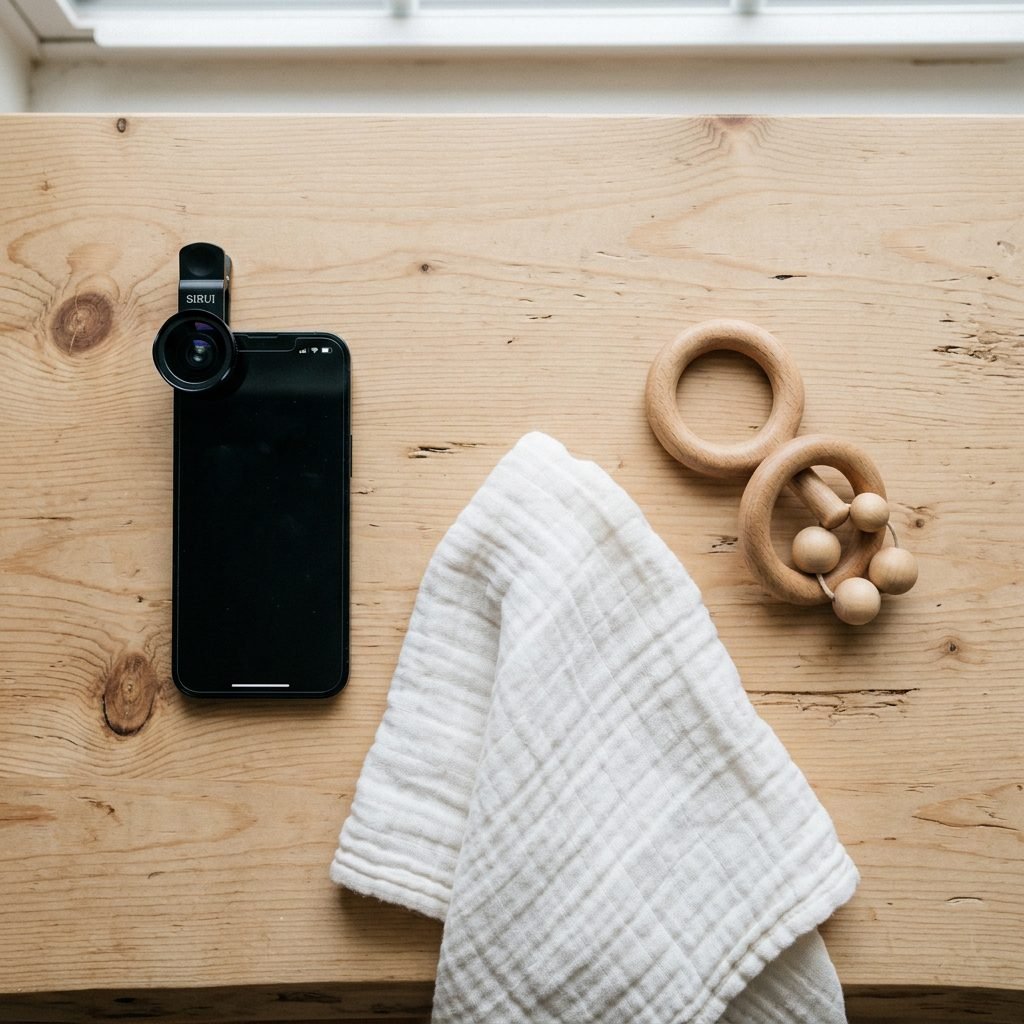
Mama, do not let the word ‘macro’ intimidate you. You do not need to be a tech wizard to get these shots. If you have a smartphone from the last few years, you likely already have a macro mode built-in. Most modern iPhones and Androids automatically switch to a macro lens when you get close to an object. However, if you want to level up your game, there are some very affordable tools that can help. For those using a DSLR or mirrorless camera, a 100mm macro lens is the gold standard, but a 50mm prime lens can also do wonders if you crop the image later.
The DIY Macro Toolkit
| Tool | Purpose | Budget Friendly? |
|---|---|---|
| Smartphone Macro Attachment | Clips onto your phone to allow for 10x magnification. | Yes ($15-$30) |
| White Foam Board | Acts as a reflector to bounce light into the shadows. | Yes ($5) |
| Neutral Muslin Swaddle | Provides a non-distracting, textured background. | Yes ($20) |
| Remote Shutter/Timer | Prevents camera shake for those crisp, sharp details. | Yes (Free apps) |
Doula Tip: If you are using a smartphone, try not to use the digital zoom. Instead, physically move the phone closer to the baby. Digital zoom often results in ‘grainy’ or ‘noisy’ photos that lose the very detail you are trying to capture. Keep your lens clean! A quick wipe with a soft cloth to remove those inevitable fingerprint smudges will make a world of difference.
The Essential ‘Tiny Details’ Checklist
What to Capture Before It Fades
When you are tired, it is hard to think creatively. That is why I always suggest having a ‘shot list’ ready. When the baby is in a deep sleep and the light is hitting just right, you can refer to this list and tick them off one by one. Remember, we are looking for texture and contrast. The way the light catches the tip of a tiny nose or the peeling skin on a wrist is what makes these photos art.
The ‘Must-Have’ Macro List
- The Eyelashes: Best captured from the side while the baby is sleeping. Look for the way they cast a shadow on the cheek.
- The Lips: Look for the ‘milk blister’ if they have one—it is a classic sign of a well-fed newborn!
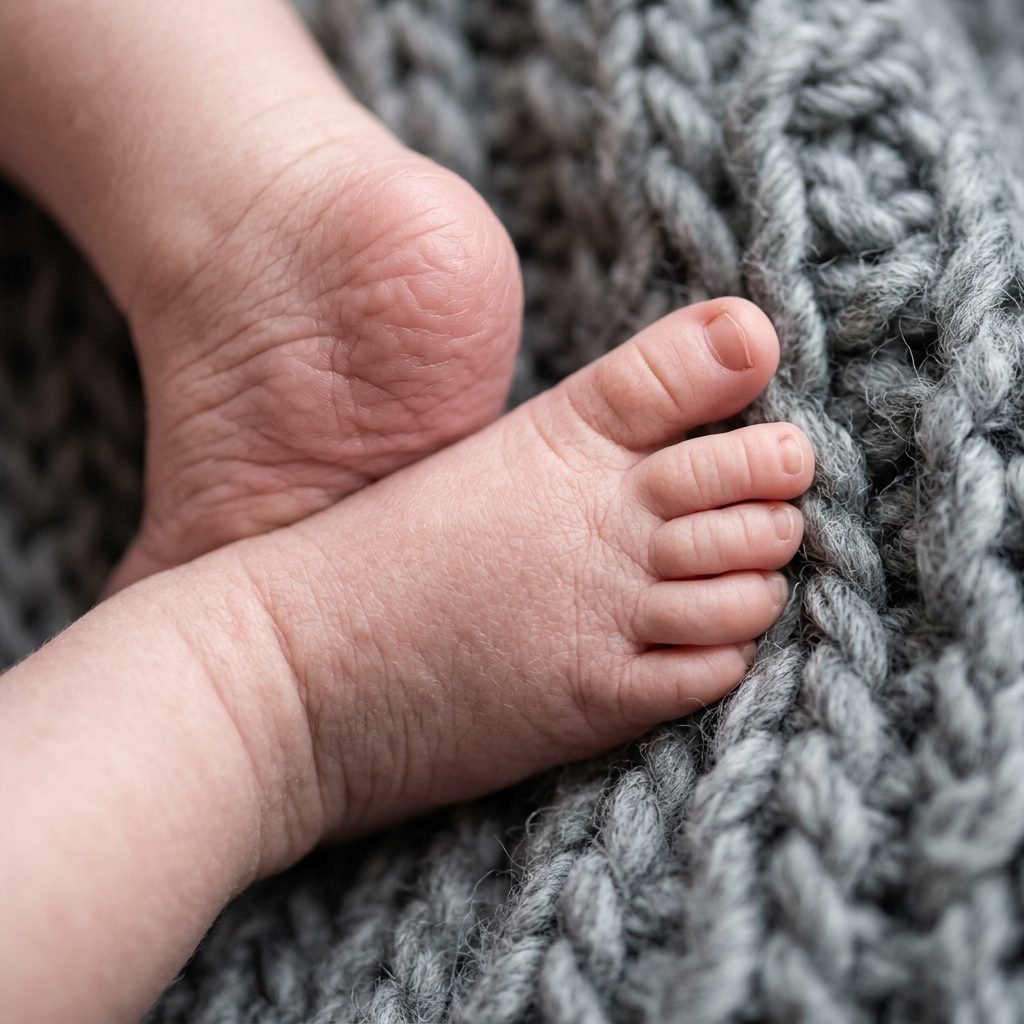
- The Toes: Specifically, the ‘creases’ on the soles of the feet and the tiny, translucent toenails.
- The Crown: The swirl of hair at the top of the head is unique to every child.
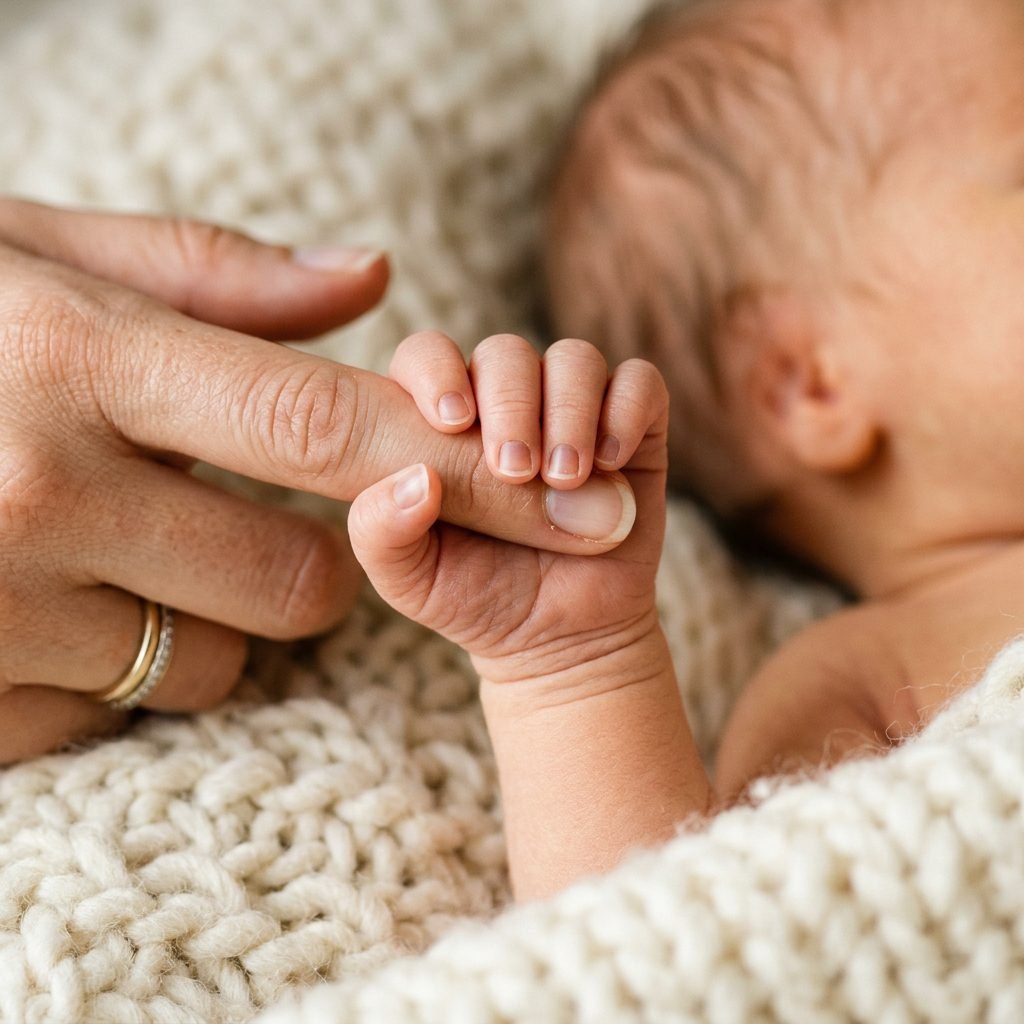
- The Hands: Capture the baby’s hand holding onto your own thumb. The contrast in size is heart-melting.
- The Hospital Band: If you still have it on, the contrast of the plastic band against the soft skin is a powerful memory of their first days.
Stylist’s Secret: If your baby has dry, flaky skin (very common in the first 10 days!), do not hide it! That peeling skin is a beautiful hallmark of a fresh newborn. It shows their transition from the watery world of the womb to the air of our world. It is a detail you will actually miss later.
Creating the Perfect, Cozy Studio at Home

Light is Your Best Friend
You do not need fancy studio lights. In fact, natural light is much softer and more flattering for baby skin. Find a large window, but avoid direct, harsh sunlight which can create ‘hot spots’ and make the baby squint. North-facing windows are the ‘holy grail’ for photographers because they provide consistent, soft light all day long. Position your baby so the light is coming from the side or from the top of their head. Never have the light shining up their nose—it creates unflattering shadows!
Setting the Scene for Comfort
- Warm it up: A warm baby is a sleepy baby. Aim for a room temperature of around 75 degrees Fahrenheit. Use a small space heater if necessary, but keep it well away from the baby.
- White Noise: Use a white noise machine or a ‘shusher’ app to mimic the sounds of the womb. This helps the baby stay in that deep, ‘macro-friendly’ sleep.
- Neutral Palettes: Stick to whites, creams, soft greys, or pastels. We want the focus to be on the baby’s skin and features, not a busy pattern on a blanket.
“The best studio in the world is the one where your baby feels safe, warm, and loved. Your home is already the perfect gallery.”
Doula-Expert Tip: Feed the baby right before you plan to take photos. A ‘milk drunk’ baby is much easier to pose and will not startle as easily when you move the camera close to their face.
Mastering the Shot: Lighting, Focus, and Patience
Technical Tips for Crisp Details
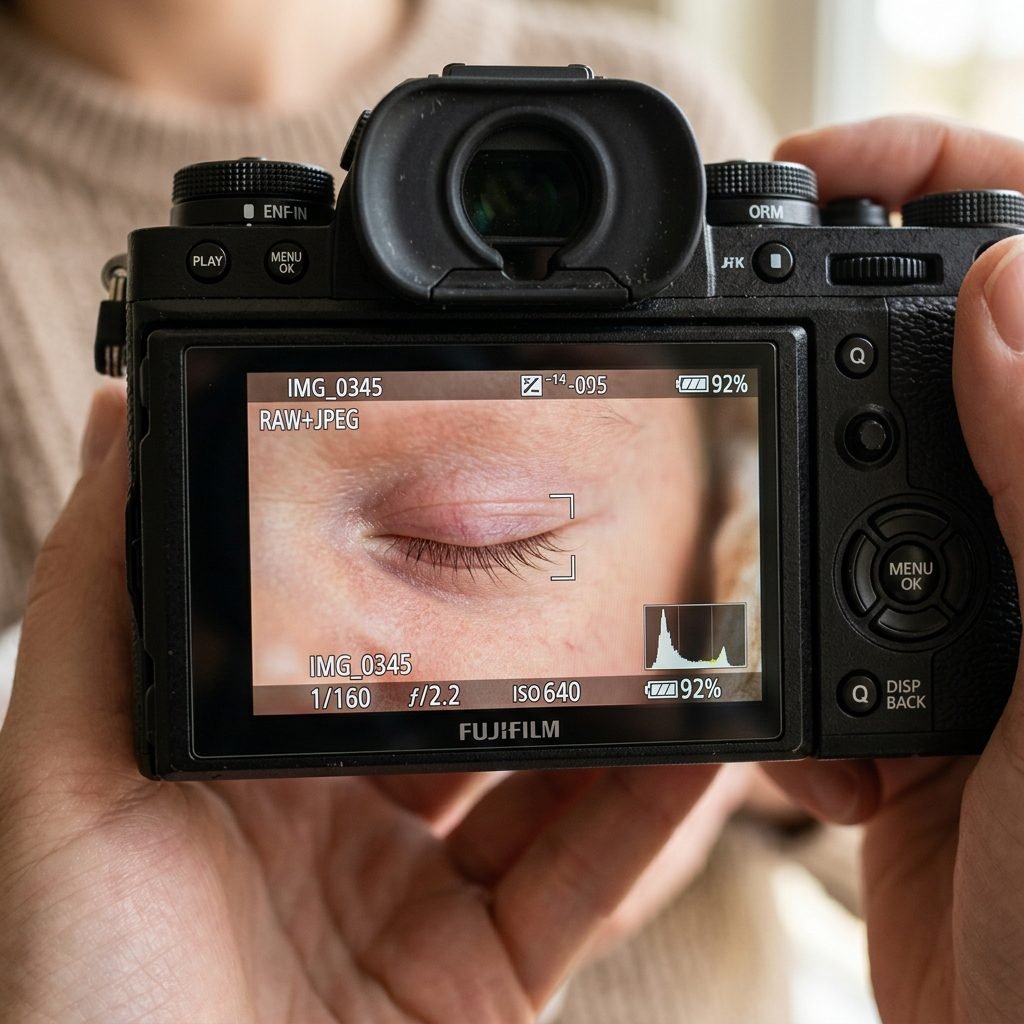
The biggest challenge with macro photography is the ‘depth of field.’ When you are very close to a subject, only a tiny sliver of the image will be in focus. This can be beautiful and ‘dreamy,’ but it can also be frustrating if the focus lands on the cheek instead of the eyelashes. If you are using a DSLR, use an aperture of around f/2.8 or f/4 to get that soft background while keeping the main detail sharp. If you are using a phone, tap the screen exactly where you want the focus to lock.
Avoiding the ‘Blur’
- Hold your breath: Literally! When you are about to press the shutter, take a breath and hold it to minimize body shake.
- Use a tripod: If you have one, it can be a lifesaver for keeping things steady.
- Burst Mode: Babies have tiny micro-movements. Using ‘burst mode’ (holding down the shutter button) allows you to take 10-20 photos in a few seconds, increasing your chances of getting one perfectly sharp shot.
Patience is Key: You might spend 20 minutes getting the baby settled and only 5 minutes actually taking photos. That is okay! If the baby wakes up or gets fussy, stop. There is always tomorrow. This should be a joyful experience, not a stressful one.
Safety and Soothing: The Golden Rules for a Happy Baby
Safety is Non-Negotiable
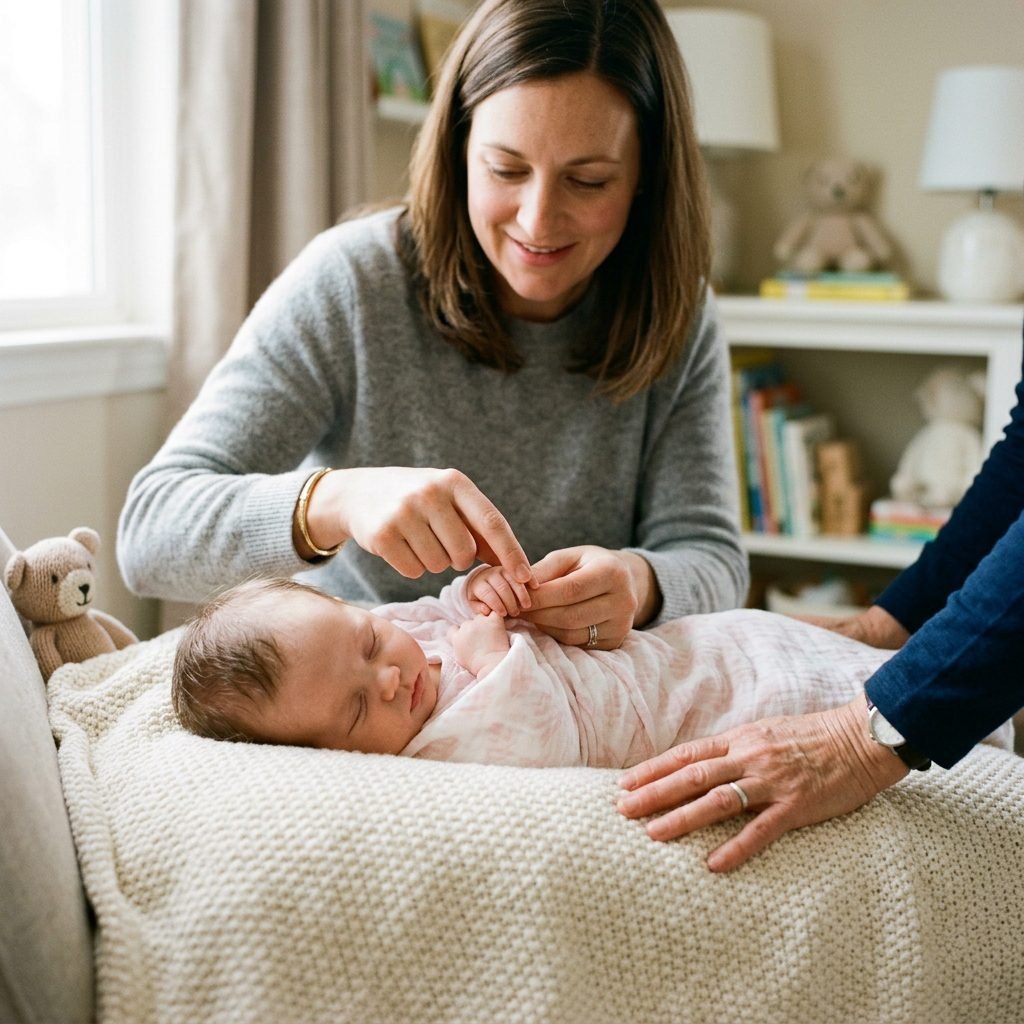
As a doula and nurse, my first priority is always safety. No photo is worth risking your baby’s comfort or well-being. Newborns cannot regulate their temperature well, and they have no neck control. When doing macro shots, you are often focusing so hard on the lens that you might lose track of the baby’s positioning. Always have a ‘spotter’ (like your partner or a friend) within arm’s reach of the baby at all times.
The Doula’s Safety Checklist
- Never leave a baby unattended: Even if they are in the middle of a large bed.
- Watch the circulation: If you are posing those tiny toes, make sure you aren’t holding them in a way that restricts blood flow. Look for a healthy pink color.
- Support the head: If you are doing a shot of the baby’s profile, ensure their neck is in a neutral position and their airway is clear.
- Clean hands: You will be touching the baby to adjust their fingers or toes—make sure your hands are clean and warm!
A Note on Your Body: Mama, you are recovering too. If you had a C-section or a difficult birth, do not overextend yourself. Sit on the floor with the baby or have someone bring the baby to you on the sofa. Your healing is just as important as these photos.
| Safety Aspect | What to Do |
|---|---|
| Height | Always keep the baby on a low surface (like a rug on the floor). |
| Temperature | Check the baby’s chest; it should be warm, not hot or sweaty. |
| Spotter | Have another adult present to keep eyes on the baby while you look through the lens. |
Conclusion
Capturing these tiny details is a gift you are giving to your future self. One day, when that tiny baby is heading off to kindergarten, or even getting married, you will look back at these macro photos and be transported back to the quiet, sacred moments of their first days. You will remember the weight of them in your arms, the softness of their skin, and the incredible miracle of their existence. Don’t worry about being perfect. Don’t worry if the house is messy in the background—that is what the close-up lens is for! Just focus on the love, the light, and those beautiful, tiny details. You are doing an amazing job, mama. Happy snapping!