

Why You Still Feel Exhausted Years Later: The Cure for Postpartum Depletion
Hello, sweet mama. I see you.
If you are reading this while hiding in the bathroom for two minutes of peace, or if you’ve been ‘pushing through’ for three years and still feel like you’re walking through waist-deep mud, I want you to take a deep breath. You are not failing. You are not lazy. And you certainly aren’t ‘just a mom’ who needs to drink more coffee.
As a doula and maternal wellness advocate, I hear the same story every day: mothers who are two, five, or even ten years postpartum who still feel a level of exhaustion that sleep doesn’t touch. This isn’t just the ‘tired’ that comes with raising kids; this is a deep, systemic hollowed-out feeling known as Postpartum Depletion. It is a physiological and emotional state where the demands of motherhood have outpaced your body’s ability to recover. Today, we are going to stop the cycle of ‘just getting by’ and start the journey of refilling your cup—for real this time.
“Your body didn’t just ‘make’ a baby; it was harvested to create a life. You deserve the same level of intensive care and nourishment that you gave your little one during those nine months.”
The Invisible Thief: What Exactly is Postpartum Depletion?
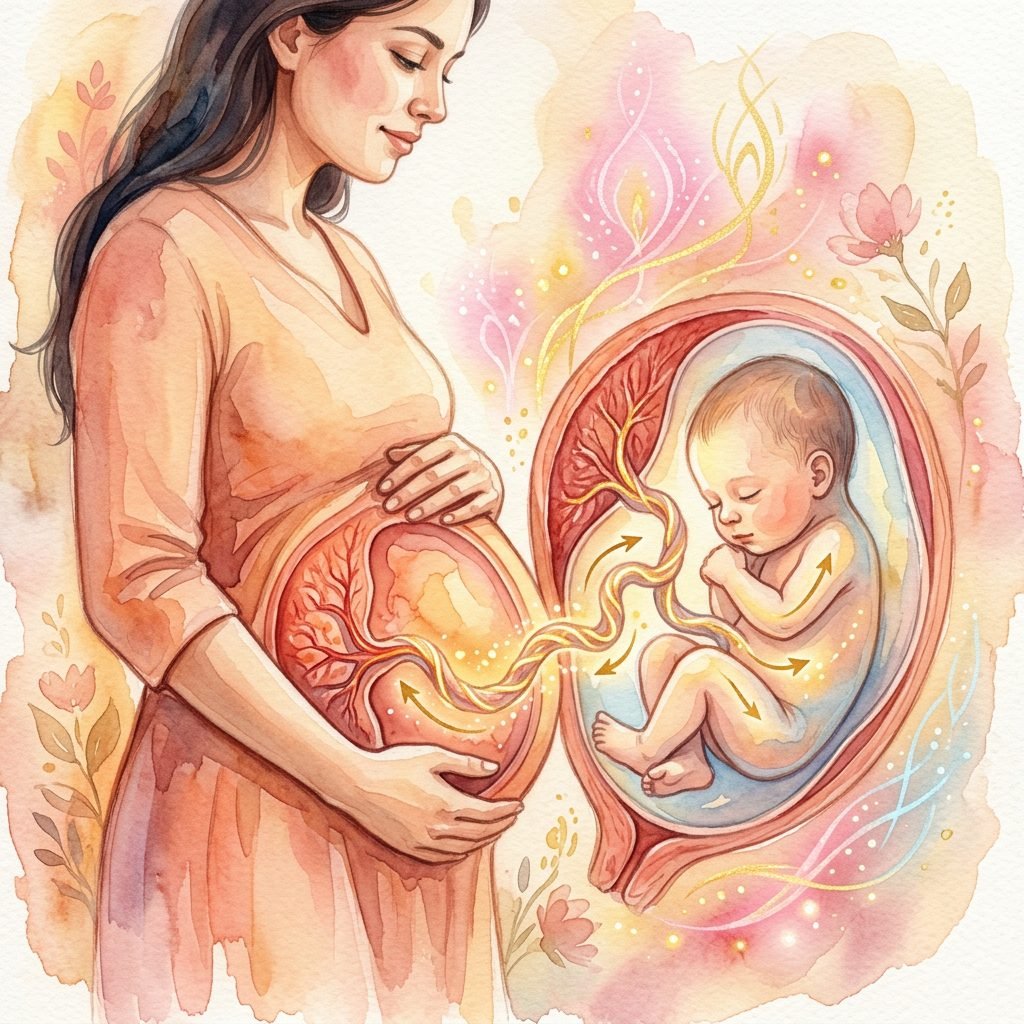
Understanding the Biological Toll
Postpartum depletion is a term coined by Dr. Oscar Serrallach to describe a constellation of symptoms affecting the physical, hormonal, and emotional well-being of mothers. It isn’t a disease, but a state of being ‘tapped out.’ During pregnancy, your body is biologically programmed to prioritize the fetus. If you aren’t consuming enough nutrients, your body will literally pull minerals from your own bones and brain to ensure the baby survives.
The ‘Baby Brain’ is Actually a Nutrient Gap
We joke about ‘mom brain,’ but the reality is that the brain actually shrinks during pregnancy to rewire itself for caregiving. If we don’t replenish the DHA, zinc, and magnesium lost during this process, that ‘fog’ doesn’t lift. Add to that the demands of breastfeeding—which can cost a mother up to 500-700 calories a day and massive amounts of micronutrients—and it’s no wonder you feel like a shell of your former self years later.
- The Placental Harvest: The placenta acts as a nutrient pump, often leaving the mother deficient in iron and B12.
- The Sleep Debt: Chronic sleep fragmentation alters your cortisol levels, keeping you in a state of ‘survival mode.’
- The Micro-nutrient Gap: Modern diets often lack the density required to heal the massive cellular shift of birth.
The ‘Normal’ Trap: Why Society Ignores Your Fatigue

The Myth of the ‘Bounce Back’
Our culture is obsessed with how a mother looks six weeks after birth, but it cares very little about how she feels six years after birth. We have replaced ‘The Village’ with ‘The Scroll,’ where we see curated images of productivity that make us feel inadequate. This societal pressure forces mothers to return to high-stress environments far too early, preventing the deep rest required for the nervous system to reset.
The Disappearance of the Postpartum Window
In many traditional cultures, the first 40 days are sacred—a time for the mother to be fed, massaged, and held so she can hold her baby. In our modern world, we are often grocery shopping by day five. This ‘rushing’ keeps the sympathetic nervous system (fight or flight) activated for years. When you stay in fight or flight for too long, your adrenal glands become exhausted, leading to that ‘tired but wired’ feeling where you’re exhausted all day but can’t sleep at night.
| Cultural Support | Modern Reality |
|---|---|
| 40 days of bed rest and warm foods | Return to work/chores within days or weeks |
| Intergenerational help with housework | Isolated nuclear family units |
| Focus on maternal nutrient replenishment | Focus on ‘losing the baby weight’ |
The Depletion Checklist: Symptoms You Shouldn’t Ignore

Is it Depression, Anxiety, or Depletion?
It is very common for Postpartum Depletion to be misdiagnosed as clinical depression or generalized anxiety. While they can overlap, depletion is primarily a physiological deficiency. You might find that ‘self-care’ like a bubble bath doesn’t help because your cells are literally crying out for minerals and rest.
Common Signs You Are Depleted
- Extreme Fatigue: You wake up feeling unrefreshed, even if the baby slept through the night.
- Hyper-vigilance: You feel jumpy, or like you’re constantly waiting for the ‘next shoe to drop.’
- Cognitive Fog: Difficulty finding words, losing your keys, or feeling ‘spaced out.’
- Loss of Libido: Your body is in survival mode; reproductive drive is the first thing it shuts down to save energy.
- Emotional Fragility: Feeling like you have ‘no skin,’ where every small request from your children feels like an assault.
| Feature | Normal Motherhood Fatigue | Postpartum Depletion |
|---|---|---|
| Recovery | Resolved by a good night’s sleep | Persistent regardless of sleep amount |
| Mood | Occasional irritability | Chronic overwhelm and ‘mom rage’ |
| Physical | General tiredness | Hair loss, brittle nails, aching joints |
| Memory | Slightly forgetful | Severe ‘brain fog’ and disorientation |
Refueling the Tank: The Nutritional Foundations of Recovery

Food as Medicine
To heal depletion, we have to stop eating like we’re on a diet and start eating like we’re in rehab. Your body needs building blocks to repair tissue and balance hormones. This means moving away from cold, raw salads and toward warm, easy-to-digest, nutrient-dense foods.
The ‘Big Four’ Nutrients for Moms
- Iron & Ferritin: Low iron is the number one cause of maternal fatigue. Aim for slow-cooked meats, liver (if you’re brave!), or high-quality supplementation.
- Healthy Fats (DHA/EPA): Your brain is 60% fat. Replenish it with wild-caught salmon, walnuts, and avocado.
- Magnesium: The ‘chill pill’ mineral. It helps with sleep, muscle tension, and anxiety.
- Trace Minerals: Use high-quality sea salt or liquid mineral drops in your water to ensure your cells are actually hydrating.
“Think of your energy like a bank account. For years, you’ve been making withdrawals. It’s time to make some aggressive deposits.”
Beyond the Plate: Restoring Your Nervous System

Taming the Cortisol Dragon
You cannot supplement your way out of a stressful lifestyle. If your nervous system is stuck in ‘high alert,’ your body won’t absorb the nutrients you’re eating anyway. We need to signal to your brain that the emergency is over.
Somatic Practices for Busy Moms
You don’t need an hour of meditation. Try these ‘micro-hits’ of calm throughout the day:
- The 4-7-8 Breath: Inhale for 4, hold for 7, exhale for 8. This physically forces your vagus nerve to switch from sympathetic to parasympathetic mode.
- Cold Water Shock: Splashing ice-cold water on your face can ‘reset’ your nervous system when you feel mom-rage bubbling up.
- Grounding: Stand barefoot on the grass for 5 minutes. It sounds ‘woo-woo,’ but the electron transfer actually reduces systemic inflammation.
The Power of ‘No’
Recovery requires boundaries. If you are depleted, you cannot be the PTA president, the perfect house cleaner, and the gourmet chef. Lower the bar. Then lower it again. Your children need a regulated mother more than they need a clean playroom.
The Road Home: A Step-by-Step Plan for Healing

Your 90-Day Recovery Roadmap
Healing from years of depletion doesn’t happen overnight. It took time to get here, and it will take time to get back. I recommend a 90-day focus to start seeing real changes in your energy levels.
Step 1: Get the Right Bloodwork
Don’t let a doctor tell you your labs are ‘normal.’ Ask for your specific numbers for Ferritin (aim for at least 50-70), Vitamin D, B12, and Full Thyroid Panel (TSH, Free T3, Free T4).
Step 2: Prioritize Protein and Warmth
Eat 30 grams of protein at breakfast. This stabilizes your blood sugar and prevents the afternoon cortisol spike that leads to evening exhaustion.
Step 3: Radical Rest
Commit to one ‘Restorative Hour’ a week where you are not productive. No laundry, no scrolling. Just lying down, listening to music, or staring at the ceiling. Your worth is not measured by your output.
“You are the heart of the home. When the heart is strong, the whole body thrives. Taking care of yourself is the most selfless thing you can do for your family.”
Conclusion
You Are Worth the Effort
Mama, if you’ve been feeling like a ghost in your own life, please know that this is not your permanent state. Postpartum depletion is a heavy burden, but it is one we can lift together. By nourishing your body with the minerals it lost, calming your nervous system, and releasing the guilt of not being ‘perfect,’ you will find your spark again. You aren’t just ‘getting older’—you are recovering from the most physically demanding feat a human can perform. Be gentle with yourself. You are doing a beautiful job, and now, it’s time to let the village (and this guide) carry you for a while.
Medical Disclaimer: I am a doula and wellness educator, not a doctor. This content is for informational purposes only and is not intended as medical advice. Always consult with a healthcare professional before starting new supplements or making significant changes to your health routine, especially if you have underlying conditions.