
What to Drink and Eat During Labor: The Ultimate Hospital-Approved Hydration Guide
Hello, mama. As you prepare for the incredible marathon of bringing your little one into the world, it is natural to focus on the big things: the nursery, the car seat, and the birth plan. But there is one vital element that often gets overlooked until the first contraction hits—how you will fuel your body. Think of labor as the ultimate endurance event. Just as a marathon runner wouldn’t dream of starting a race on an empty stomach or without a hydration plan, your uterus—which is, after all, the strongest muscle in your body—needs energy to perform its job effectively. In this guide, we are going to walk through the evidence-based approach to eating and drinking during labor, moving past outdated ‘ice chips only’ rules into a space of empowerment, safety, and nourishment. Whether you are planning a home birth or a hospital delivery, understanding how to stay hydrated and fueled will help you maintain your strength, focus, and stamina for that beautiful moment when you finally hold your baby.
The Science of Labor Fuel: Why Your Uterus Needs Energy
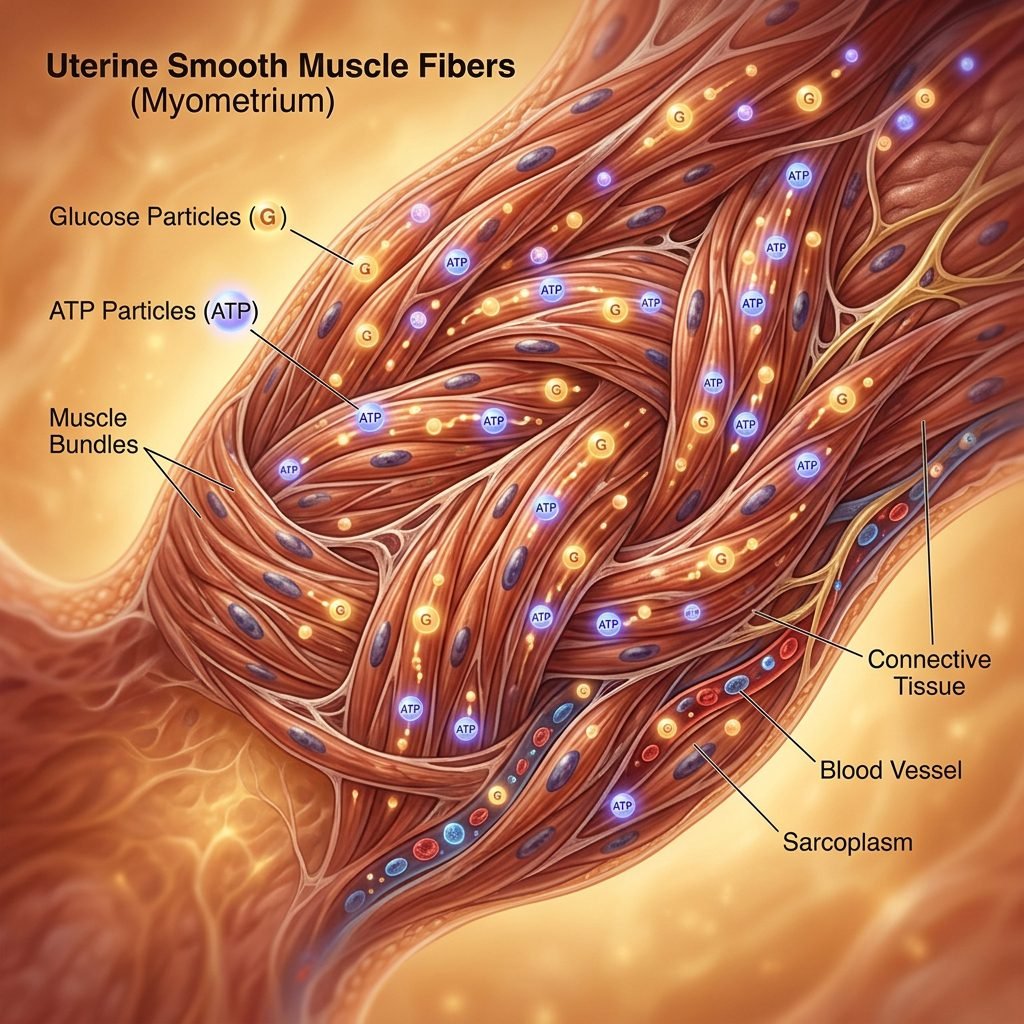
For decades, hospital policies strictly limited laboring women to nothing but ice chips, primarily due to concerns about aspiration if general anesthesia were needed for an emergency C-section. However, modern medical research, including significant reviews by organizations like the American Society of Anesthesiologists, suggests that for low-risk pregnancies, light eating and drinking are not only safe but beneficial. When your body enters labor, it requires an immense amount of glucose and oxygen. If you are deprived of calories for 12, 18, or 24 hours, your body may enter a state of ketosis, which can actually slow down contractions and lead to exhaustion.
The Muscle Power Connection
Your uterus is a smooth muscle that requires ATP (adenosine triphosphate) to contract. Without adequate hydration and caloric intake, muscle fatigue sets in faster. This can lead to longer labor times and an increased likelihood of interventions. Staying fueled helps keep your blood sugar stable, preventing the ‘shakes’ often associated with transition and ensuring you have the ‘pushing power’ needed for the second stage of labor.
Remember, sweet mama: You are doing the work of a world-class athlete. Your body deserves the fuel required to finish the race strong.
Hydration Strategy: Beyond Plain Water
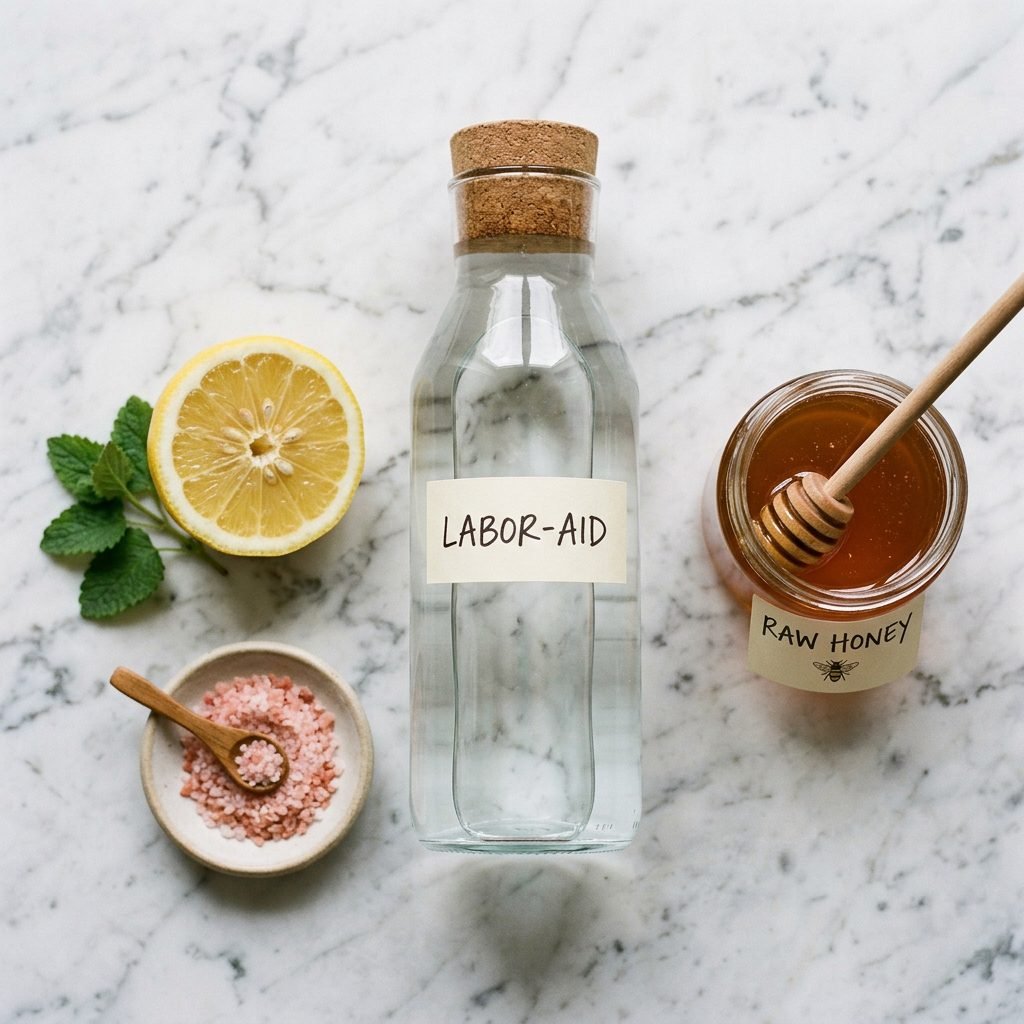
While water is essential, labor requires more than just H2O. You are losing fluids through sweat, heavy breathing (especially during those deep labor breaths), and sometimes even vomiting. To stay truly hydrated, you need electrolytes—specifically sodium, potassium, and magnesium. These minerals help your muscles communicate and prevent cramping.
Top Recommended Labor Drinks
- Coconut Water: Nature’s Gatorade, packed with potassium and easy on the stomach.
- Red Raspberry Leaf Tea: Often called ‘the uterine tonic,’ it can be served iced with a splash of honey.
- Labor-Aid (Homemade Electrolyte Drink): A mix of water, lemon juice, a pinch of sea salt, and honey.
- Bone Broth: Provides protein and minerals in a very easy-to-digest liquid form.
| Drink Type | Benefit | Best Phase to Consume |
|---|---|---|
| Clear Water | Basic Hydration | All Phases |
| Electrolyte Drinks | Prevents Muscle Cramping | Active Labor |
| Apple Juice (Diluted) | Quick Glucose Boost | Transition Prep |
| Peppermint Tea | Eases Nausea | Active Labor |
Eating in Early Labor: Building Your Foundation

Early labor is the best time to eat a ‘real’ meal. This phase can last anywhere from a few hours to a couple of days. Since you are likely still at home or in the early stages of hospital admission, focus on complex carbohydrates and small amounts of protein. Avoid heavy, greasy, or highly acidic foods that might cause heartburn or upset your stomach later.
The Early Labor Menu
Focus on foods that provide a slow release of energy. Here are some doula-approved options:
- Oatmeal: Topped with a few berries or a drizzle of maple syrup.
- Whole Wheat Toast: With a thin layer of almond butter or avocado.
- Bananas: The ultimate labor food—easy to peel, easy to eat, and high in potassium.
- Greek Yogurt: If you tolerate dairy well, the protein can help keep you full longer.
- Eat small portions every 2 to 3 hours.
- Chew thoroughly to aid digestion while your body redirects blood flow to the uterus.
- Pair every snack with 8 ounces of fluid.
Active Labor Nutrition: Quick Energy Hits
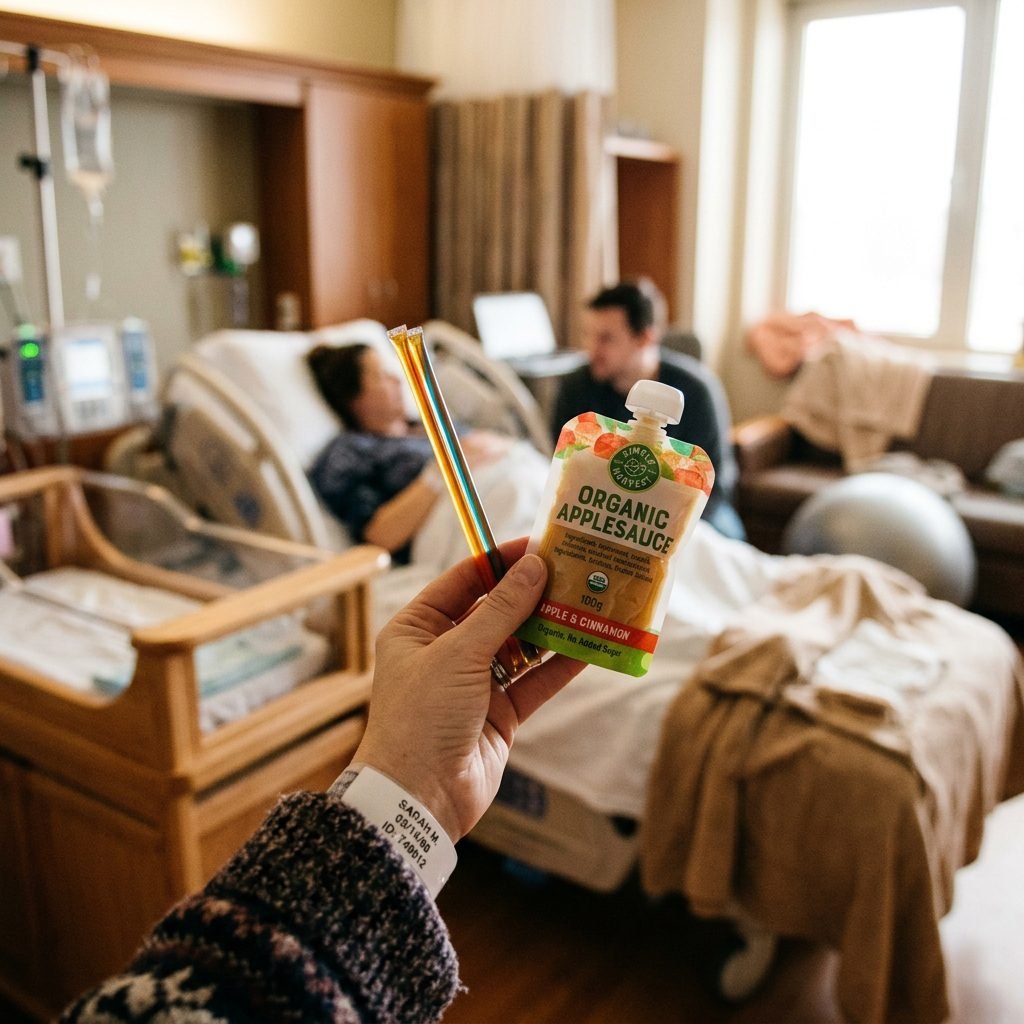
As labor intensifies and you move into the active phase (usually around 6cm dilation), your appetite will naturally decrease. Most women find the thought of a full meal unappealing. This is where ‘micro-fueling’ becomes essential. You want high-glucose, low-residue foods that require zero effort to consume.
The Power of Honey and Gel
Many doulas recommend honey sticks or energy gels (the kind used by cyclists). They provide an instant hit of glucose that goes straight to the bloodstream. If you are feeling nauseous, frozen fruit pops or clear fruit juice can provide that same energy without the weight of solid food.
| Food Item | Why It Works | Ease of Consumption |
|---|---|---|
| Honey Sticks | Pure Glucose | High (No chewing) |
| Frozen Grapes | Hydrating & Cooling | Medium |
| Apple Sauce Pouches | Easy Digestion | High |
| Watermelon Chunks | 92% Water | Medium |
Affirmation: Every sip I take gives me the strength for the next wave. I am fueled, I am capable, I am strong.
Navigating Hospital Policies and Self-Advocacy

It is important to recognize that every hospital has its own protocol. While the evidence supports eating and drinking, some providers may still be hesitant. This is where your birth plan and your support team (partner or doula) come in. Communication is key to ensuring you get the nourishment you need while respecting the medical team’s safety standards.
How to Discuss Nutrition with Your Provider
If your hospital still follows a strict ‘nothing by mouth’ policy, consider using these scripts to start a conversation during your prenatal visits:
“I’ve been reading the latest evidence from the American Society of Anesthesiologists regarding oral intake during labor for low-risk pregnancies. Can we discuss how I can stay hydrated and maintain my energy levels during delivery?”
If you have an epidural, the rules may change slightly as your risk profile shifts. However, most providers will still allow clear liquids. Always ask for clarification on what constitutes a ‘clear liquid’ at your specific facility, as many include Jell-O, Italian ice, and broth in this category.
The Ultimate Labor Fuel Hospital Bag Checklist
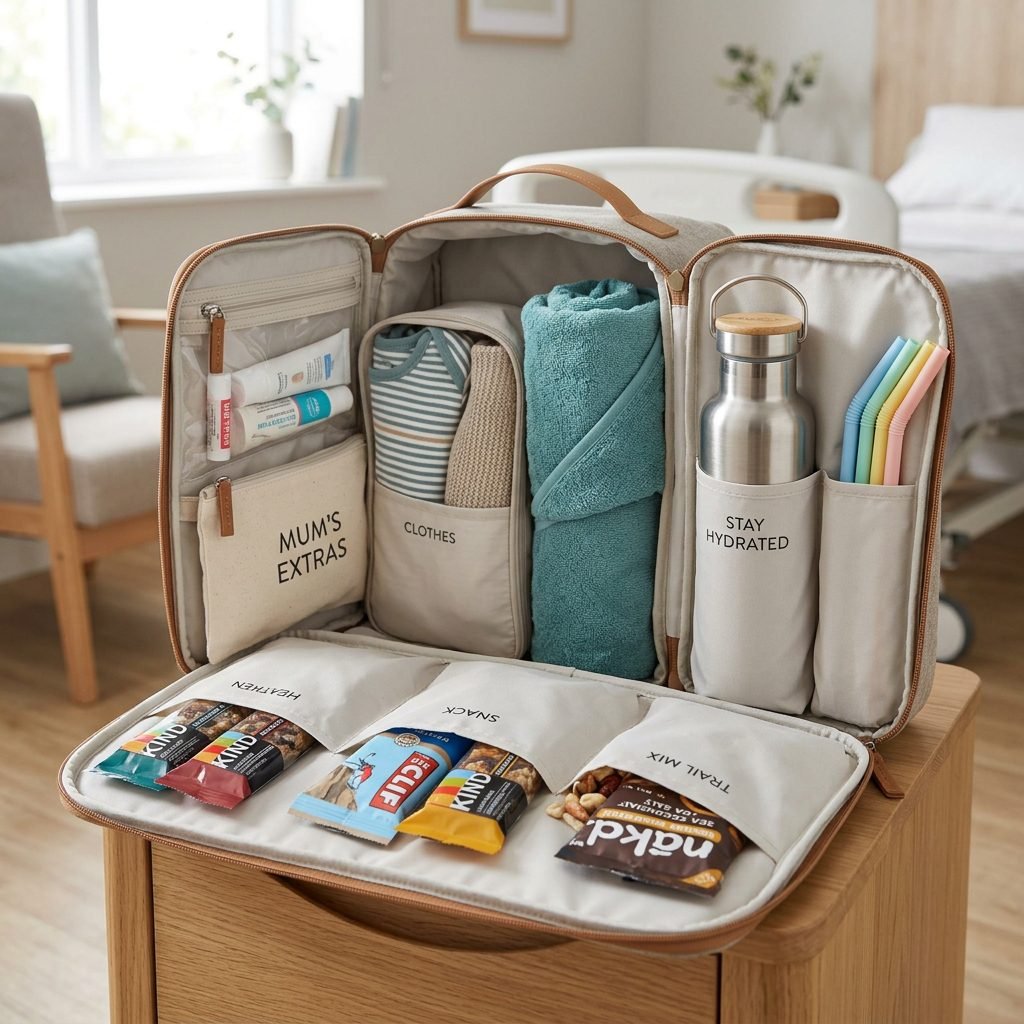
Don’t leave your nutrition to chance or the hospital cafeteria (which might be closed when you need it most!). Pack a dedicated ‘Labor Fuel’ bag. Here is exactly what you need to include for a 24-hour labor period:
- Bendable Straws: These are a total game-changer. They allow you to drink in any position—even lying down or on all fours—without spilling.
- Insulated Water Bottle: To keep your Labor-Aid or water ice-cold for hours.
- Coconut Water: 2-3 individual cartons.
- Honey Sticks: At least 10 sticks.
- Mints or Hard Candy: To combat ‘dry mouth’ and provide a tiny sugar boost.
- Electrolyte Powder Packets: Easy to mix into hospital water.
- Snacks for the Partner: Don’t forget that your support person needs to stay fueled too! Pack protein bars and nuts for them.
Safety First: When to Stop Eating
If your labor involves certain complications, such as a planned or high-risk C-section, or if you are receiving heavy sedation, your medical team will likely ask you to stop all oral intake. Always follow the direct instructions of your medical team in these specific scenarios to ensure the highest level of safety for you and your baby.
Conclusion
Fueling your labor is about more than just satisfying hunger; it is about honoring the physical intensity of birth and giving your body the tools it needs to succeed. By focusing on smart hydration and easy-to-digest energy sources, you are setting yourself up for a more focused and empowered delivery experience. Remember to pack your bendable straws, choose your favorite electrolyte drinks, and most importantly, listen to your body. It knows exactly what it needs. You are doing an incredible job, mama. You are almost there!