How to Do Curb Walking Correctly to Speed Up Labor and Open Your Pelvis
Welcome to the Final Stretch, Mama!
If you are reading this, you are likely in those final, heavy, and expectant weeks of pregnancy where every twinge feels like it could be ‘the one.’ First, take a deep breath. You have done an incredible job growing a human being, and your body knows exactly what to do. As a doula, I often see mothers looking for that ‘magic button’ to help things move along when they hit the 39 or 40-week mark. While there is no overnight miracle, curb walking is one of the most effective, evidence-based, and gentle tools we have in our birthing kit to help encourage your baby to find the optimal position for birth.
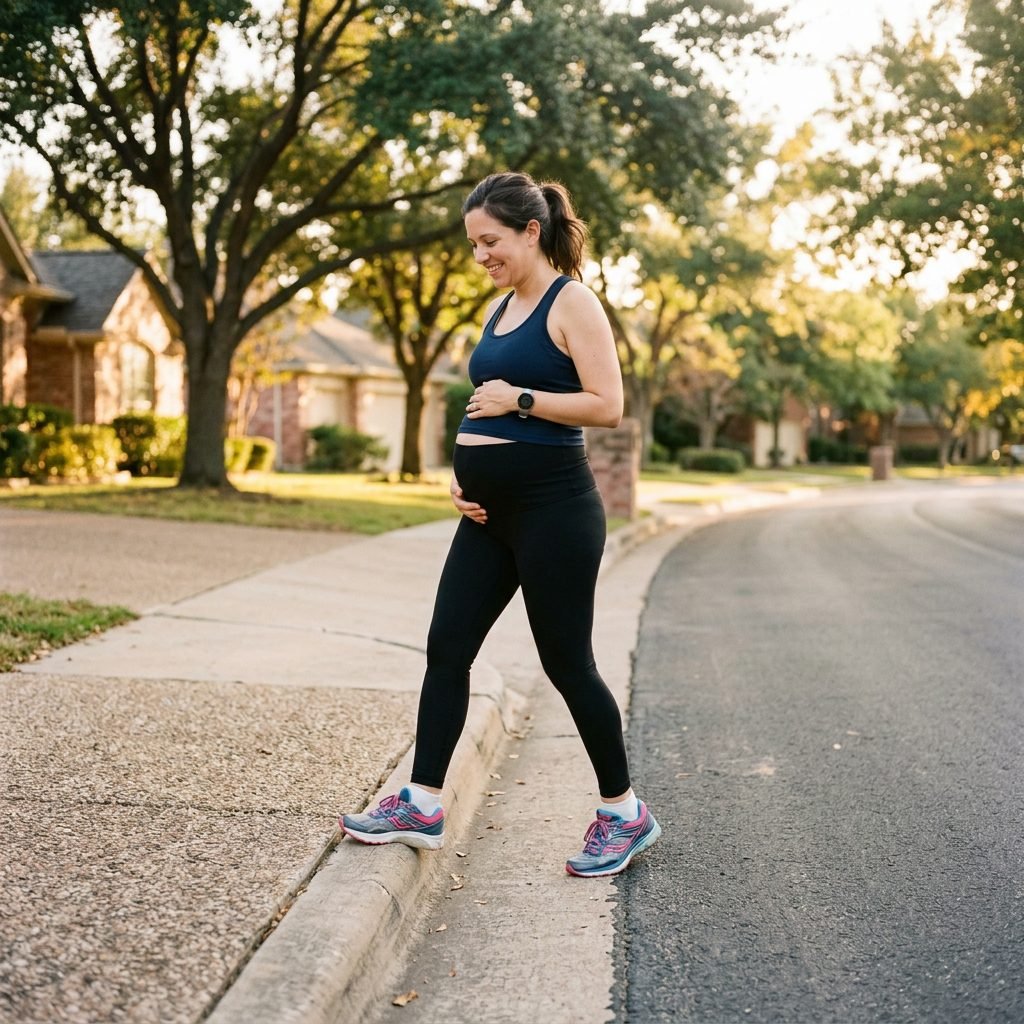
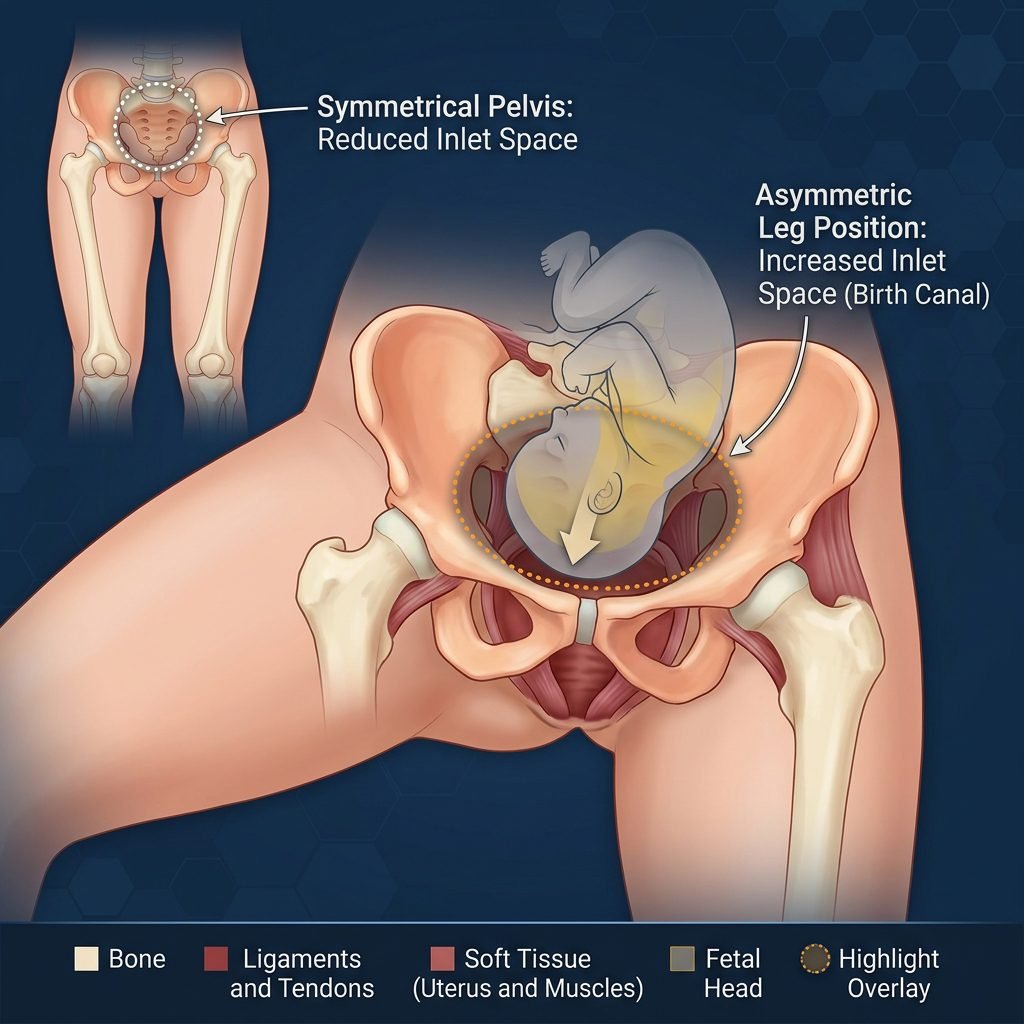
Curb walking isn’t just about ‘walking’—it is about asymmetry. By creating an uneven level between your hips, you are physically opening the pelvic bones and allowing gravity to help your baby’s head descend into the birth canal. In this guide, we are going to walk through the ‘why,’ the ‘how,’ and the ‘when’ of this classic labor-prep technique, ensuring you feel safe, supported, and empowered as you prepare to meet your little one.
The Science of Asymmetry: Why Curb Walking Actually Works
Understanding Your Pelvic Anatomy
To understand why curb walking is so effective, we have to look at the pelvis not as one solid bone, but as a dynamic, moving system. Your pelvis is made up of several bones held together by ligaments that become quite soft and stretchy in late pregnancy thanks to a hormone called relaxin. When you walk on a flat surface, your hips stay level. However, when you curb walk—placing one foot on the elevated curb and the other on the street—you create a pelvic tilt.
Opening the Pelvic Inlet and Outlet
This tilting motion does two very important things:
- Creates Space: It shifts the sacroiliac (SI) joints and the symphysis pubis, widening the pelvic diameter by precious millimeters.
- Encourages Rotation: The rocking motion helps a ‘high’ baby move down and encourages a baby who might be slightly off-center (asynclitic) to square up and tuck their chin, which is the smallest diameter of the head for delivery.
“My pelvis is open, my body is soft, and my baby is moving down with ease and grace.”
By using gravity and movement, you are essentially ‘jiggling’ the baby into the right spot. Think of it like a key in a lock; sometimes you have to wiggle it just right to get it to turn. Curb walking is that wiggle.
Preparation and Safety: Is Your Body Ready to Walk?

When to Start and When to Wait
Before you lace up your sneakers, it is vital to ensure your body and your baby are ready for this activity. Generally, doulas and midwives recommend starting curb walking around 37 to 38 weeks of pregnancy, once you have reached ‘early term.’ We want the baby to stay tucked away until they are fully cooked!
Safety Checklist for Mamas
Before you head outside, check in with yourself using these safety guidelines:
- Check Your Balance: Your center of gravity has shifted significantly. If you feel dizzy or unstable, always have a partner nearby to hold your hand.
- Watch for SPD/PGP: If you suffer from Symphysis Pubis Dysfunction or Pelvic Girdle Pain, curb walking might be too painful. If you feel a sharp, stabbing pain in your pubic bone, stop immediately.
- Hydration is Key: Bring a water bottle. Dehydration can cause ‘false’ contractions (Braxton Hicks) that don’t actually dilate the cervix.
- The Right Gear: Wear supportive, non-slip sneakers. This is not the time for flip-flops or cute maternity sandals!
| Condition | Safe to Curb Walk? | Recommendation |
|---|---|---|
| Normal Pregnancy (37+ weeks) | Yes | 20-30 minutes, twice a day. |
| Symphysis Pubis Dysfunction (SPD) | Caution | Try smaller steps or avoid if painful. |
| Placenta Previa | No | Consult your OB/GYN before any exercise. |
| History of Rapid Labor | Yes | Stay close to home or your birth center. |
The Step-by-Step Curb Walking Protocol

How to Do It Correctly
It sounds simple, but there is a specific rhythm that works best for opening the pelvis. Follow these steps for an effective session:
- Find a Quiet Street: Choose a curb that is not too high (standard 4-6 inches is perfect) and a street with minimal traffic.
- The Stance: Place your right foot up on the curb and your left foot down on the street. Your body will be slightly tilted.
- The Movement: Walk forward slowly. Keep your right foot on the curb and your left foot on the street the entire time. This creates a constant, rhythmic ‘up-down’ motion in the hips.
- The Pace: This is not a power walk. Move at a slow, steady pace. Focus on the sensation of your hips opening.
- Switch Sides: After about 10 minutes, turn around and walk back so that your left foot is now on the curb and your right foot is on the street. This ensures both sides of the pelvis are getting that opening stretch.
- Breathing: Use your Labor Breath. Inhale deeply through your nose for a count of 4, and exhale slowly through pursed lips for a count of 8. This keeps your muscles relaxed.
Maximizing the Session
If you start to feel a contraction while walking, stop and lean. Lean against a tree, a mailbox, or your partner. Sway your hips through the contraction, and once it passes, resume your walk. This tells your body that the movement is helping the labor progress.
The ‘No-Curb’ Alternatives: Stairs and Yoga Blocks
Indoor Options for Rainy Days or Privacy
Sometimes the weather doesn’t cooperate, or you might live in an area without safe curbs. Don’t worry, mama—you can achieve the same asymmetric benefits inside your own home! Here are three doula-approved alternatives:
1. The Sideways Stair Walk
Go to your staircase. Instead of walking up facing forward, turn sideways. Step up one stair with your lead foot, then bring your trailing foot up to meet it. Repeat this all the way up the flight. This ‘lateral’ movement is fantastic for shifting the baby’s position.
2. Yoga Block ‘Steps’
If you have a sturdy yoga block (cork is best for stability), place it on a non-slip floor. Step up onto the block with one foot, then step down with the other, back and forth. You can even do this while watching your favorite show or listening to a birth podcast.
3. The ‘Captain Morgan’ Pose
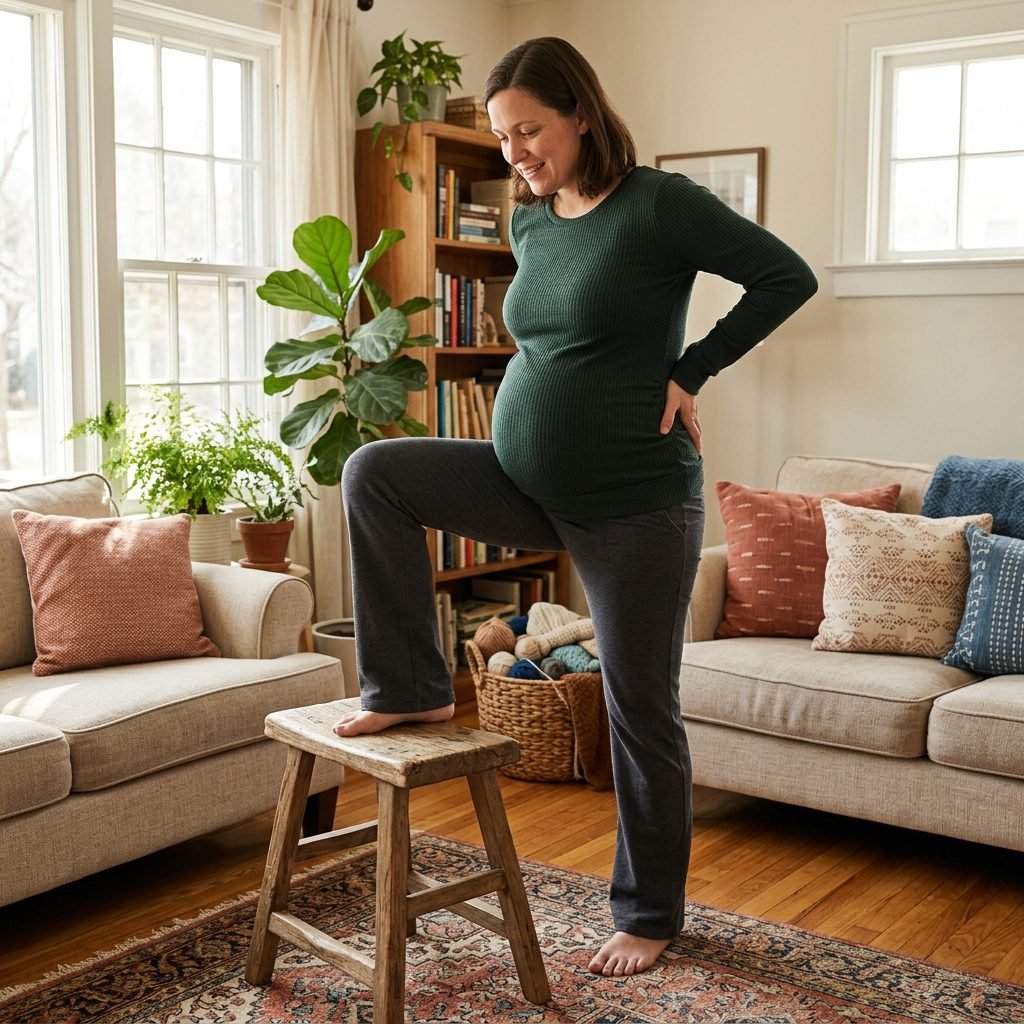
While standing, lift one leg and rest your foot on a chair or a sturdy stool (like a Captain Morgan pose). Lean into the raised leg, then back. This opening of the groin and hip is a stationary version of curb walking that you can do even during active labor.
| Labor Phase | Best Movement | Goal |
|---|---|---|
| Early Labor | Curb Walking / Stairs | Encourage baby to engage in the pelvis. |
| Active Labor | Swaying / Captain Morgan | Maintain pelvic opening during contractions. |
| Transition | Resting / Slow Sway | Conserve energy for pushing. |
Partner Support and When to Transition to the Birth Nest

Walking Together
Partners, this is your time to shine! Curb walking can be tiring, and her balance is off. Your job is to be her anchor. Walk beside her on the street side, offering an arm for stability. If she has a contraction, let her drape her arms over your shoulders and slow-dance through it.
When to Stop Walking and Head Inside
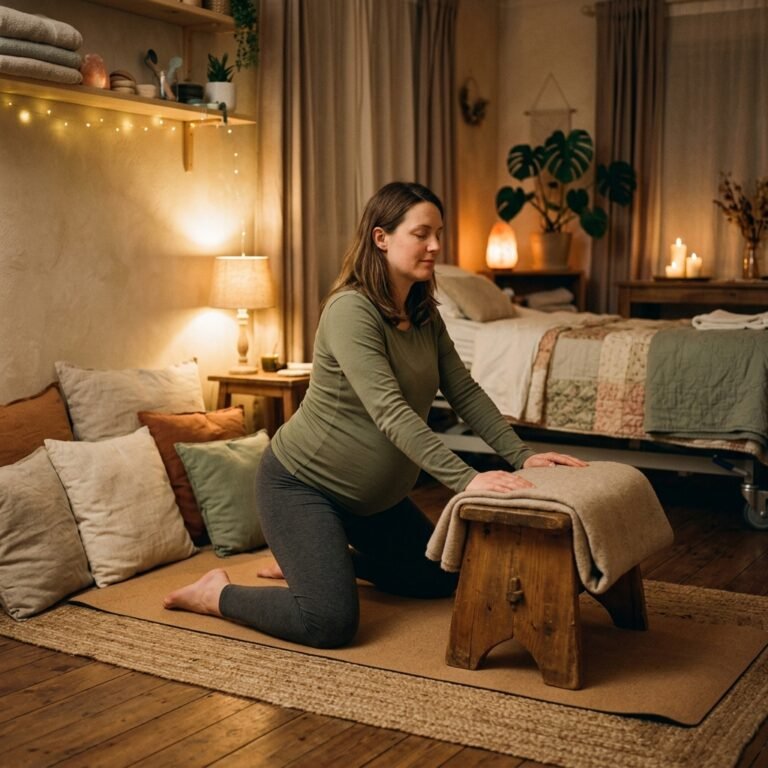
While we want to encourage labor, we also want to ensure you don’t exhaust yourself before the ‘marathon’ of pushing begins. You should stop curb walking and head to your ‘birth nest’ (home or hospital) if:
- The 5-1-1 Rule: Contractions are 5 minutes apart, lasting 1 minute each, for at least 1 hour.
- Your Water Breaks: If you feel a gush or a steady trickle, it is time to stop walking and call your provider.
- Intensity Shifts: If you can no longer talk or laugh through a contraction, your body is moving into active labor.
- Bloody Show: An increase in mucus tinged with pink or brown is a sign that the cervix is dilating significantly.
“I trust my body. I trust my baby. We are a team, and we are ready for this birth.”
Remember, the goal of curb walking is to start the engine, not to run the whole race. Once labor is established and consistent, transition to positions that allow for rest and gravity, like sitting on a birth ball or side-lying with a peanut ball.
Conclusion
You’re Doing Great, Mama!
Curb walking is a beautiful, simple way to work with your body rather than against it. By using the simple laws of physics—asymmetry and gravity—you are giving your baby the best possible path into your arms. Whether you are walking the curbs of your neighborhood or using a yoga block in your living room, know that every step is bringing you closer to that first breath, that first cuddle, and that incredible moment of meeting your soul’s greatest love.
Be patient with yourself. If the baby isn’t ready today, that’s okay. You are still building strength and preparing your pelvis for the big day. Rest when you need to, hydrate often, and keep that beautiful head held high. You’ve got this!