
Why Am I So Itchy? Understanding Postpartum Hives And How To Get Relief Fast
The Unexpected Itch: You Are Not Alone
Oh, mama, I see you. You’ve just crossed the threshold of birth, bringing a new life into the world, and instead of just soaking in those newborn snuggles, you’re frantically scratching at your arms, legs, or belly. It’s frustrating, isn’t it? You expected the sleepless nights and the diaper changes, but nobody mentioned the intense, burning itch of postpartum hives. First, take a deep breath. You aren’t doing anything wrong, and your body isn’t failing you. This is a surprisingly common part of the ‘fourth trimester’ for many women.
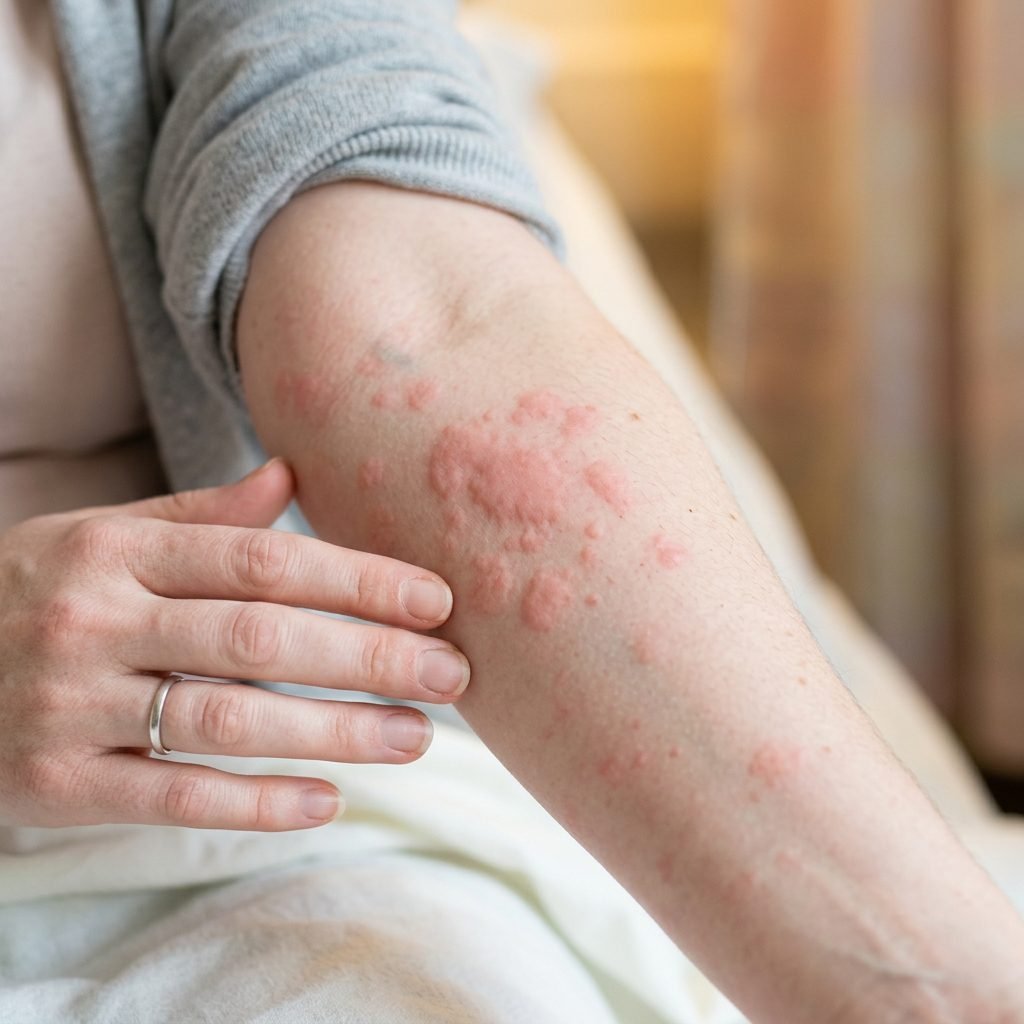
Postpartum hives, or urticaria, often appear when you least expect them—sometimes days or even weeks after delivery. They can look like raised red welts or small clusters of bumps that seem to migrate across your body. As your doula and sister-in-arms, I want to walk you through exactly why this is happening, how to soothe your skin safely (especially if you are breastfeeding), and when it’s time to call your provider. We’re going to get you some relief so you can get back to what matters most: bonding with your sweet babe.
The Science of the Scratch: Why Now?
The Great Hormonal Shift
During pregnancy, your body is a high-estrogen environment. The moment that placenta is delivered, your hormone levels—specifically estrogen and progesterone—take a massive, sudden dive. This hormonal ‘crash’ is necessary to trigger milk production and return your uterus to its pre-pregnancy size, but it can also wreak havoc on your immune system. This sudden fluctuation can trigger a histamine release, leading to those itchy red welts we call hives.
Immune System Recalibration
While you were pregnant, your immune system was naturally suppressed to protect your baby. Postpartum, your immune system ‘wakes up’ and begins to recalibrate. Sometimes, it overreacts to normal stimuli, viewing everything from your laundry detergent to the dust in the air as a threat. This hyper-vigilance manifests as an allergic skin reaction.
Stress and Sleep Deprivation
Let’s be honest: the early weeks of motherhood are a beautiful, exhausting blur. Cortisol, the stress hormone, is often elevated due to lack of sleep and the physical demands of recovery. High cortisol levels are known to exacerbate skin conditions and can be a primary trigger for chronic hives in the postpartum period.
Identifying Your Rash: Is It Hives or Something Else?
Hives vs. PUPPP vs. Dry Skin
It is important to distinguish between standard postpartum hives and other skin conditions that can crop up. While hives can appear anywhere and often move around, other conditions have specific patterns.
| Condition | Typical Appearance | Location | Timing |
|---|---|---|---|
| Postpartum Hives | Raised, red or skin-colored welts (wheals) that blanch (turn white) when pressed. | Can appear anywhere; often moves from place to place. | Birth to 6 weeks postpartum. |
| PUPPP Rash | Small, pimple-like bumps that may cluster into large patches. | Usually starts in stretch marks on the belly; rarely spreads above the breasts. | Typically late 3rd trimester, but can linger postpartum. |
| Hormonal Dryness | Flaky, tight, and itchy skin without significant raised welts. | Common on legs, arms, and hands. | Anytime during breastfeeding/postpartum. |
Remember, mama: If your rash is accompanied by swelling of the lips or tongue, or if you find it difficult to breathe, seek emergency medical care immediately. This could be a sign of a severe allergic reaction.
Immediate Relief: Cooling the Fire
The Power of Cool
Histamines hate the cold. When the itching becomes unbearable, reach for a cold compress or a bag of frozen peas wrapped in a soft cloth. Apply it to the itchy area for 10 to 15 minutes at a time. This constricts the blood vessels and helps calm the inflammatory response.
Soothing Bath Rituals
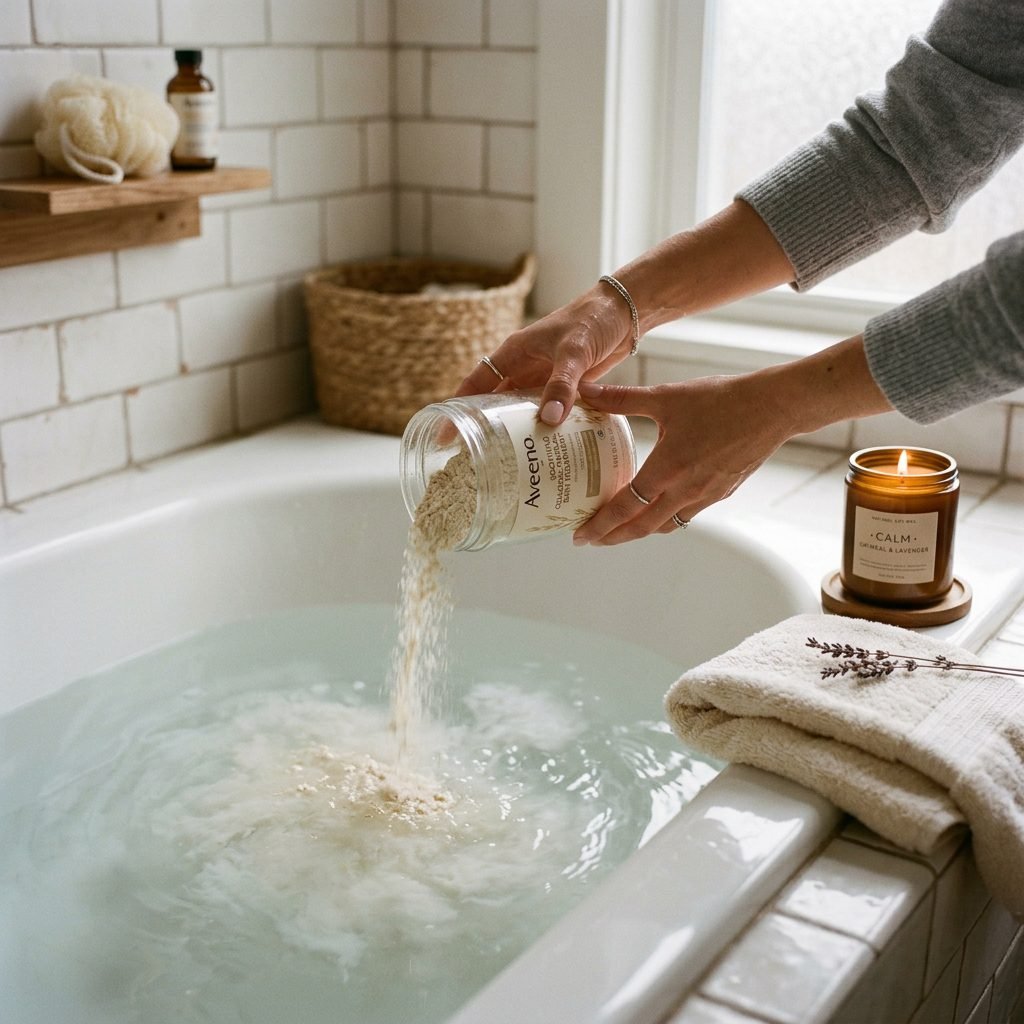
If the hives are widespread, a lukewarm bath can be your best friend. Avoid hot water, as heat dilates blood vessels and can actually make hives worse. Add one cup of colloidal oatmeal or a half-cup of baking soda to the water to help neutralize the pH of your skin and provide a protective barrier.
Loose, Breathable Fabrics
This is the time to embrace your ‘big clothes.’ Tight leggings or synthetic fabrics like polyester can trap sweat and friction against your skin, further irritating the hives. Stick to 100% organic cotton or bamboo fabrics that allow your skin to breathe and stay cool.
Safe Medications and Natural Remedies
Over-the-Counter Options
For most mothers, an oral antihistamine is the fastest way to stop the itch. However, if you are breastfeeding, you want to be mindful of what you take. Always consult your doctor, but generally, the following are considered:
- Loratadine (Claritin) or Cetirizine (Zyrtec): These are second-generation antihistamines that are typically preferred because they are less likely to cause drowsiness for you or the baby.
- Diphenhydramine (Benadryl): Very effective for acute flares, but can cause significant drowsiness and may temporarily impact milk supply if used frequently.
Topical Relief
You can also use topical treatments to spot-treat the most annoying welts:
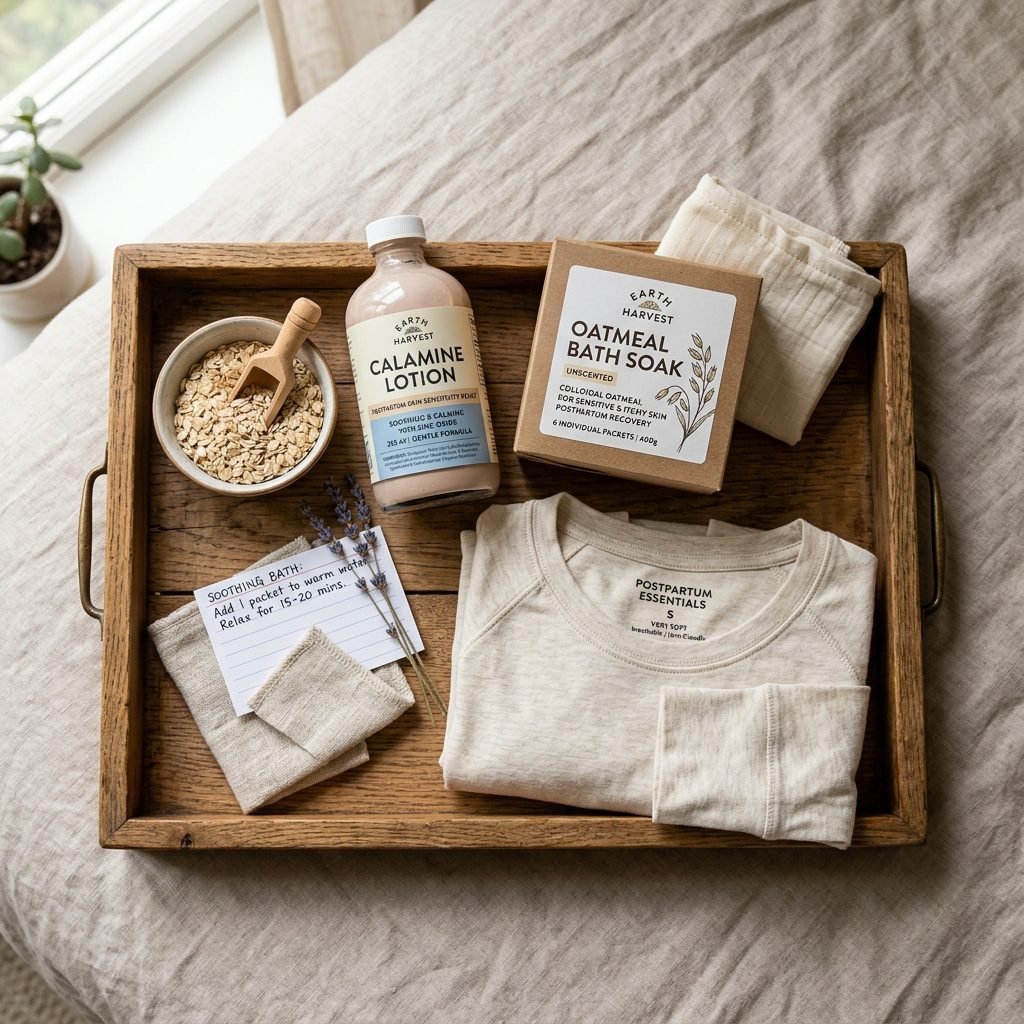
- Calamine Lotion: The classic pink stuff works wonders for cooling the skin.
- 1% Hydrocortisone Cream: A mild steroid cream can help reduce inflammation, but use it sparingly and avoid applying it to your nipples if you are nursing.
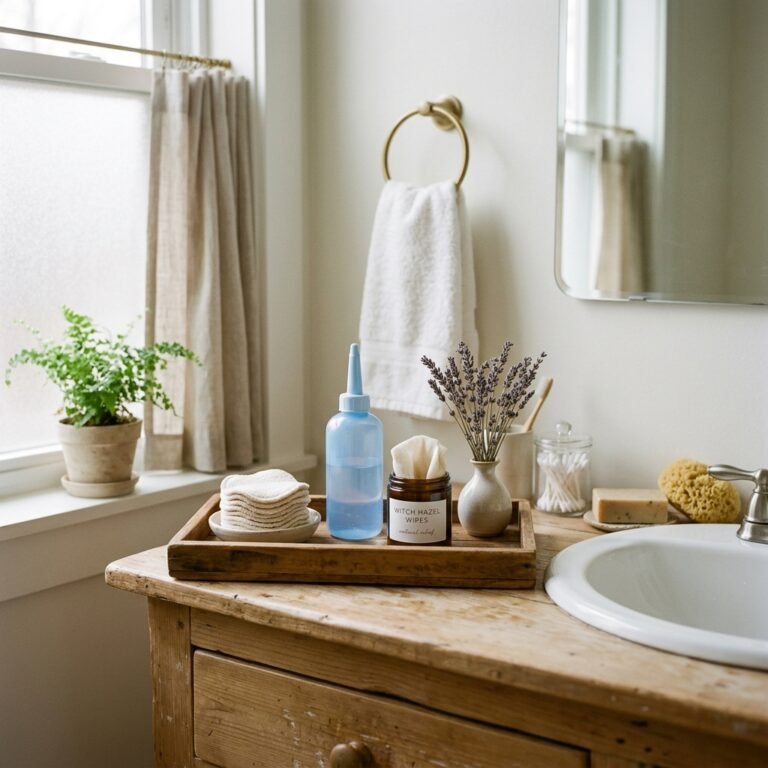
- Witch Hazel: Applying chilled witch hazel with a cotton ball can provide instant, temporary relief from the stinging sensation.
The Doula’s Checklist for Skin Recovery
Daily Habits for Itch-Free Days
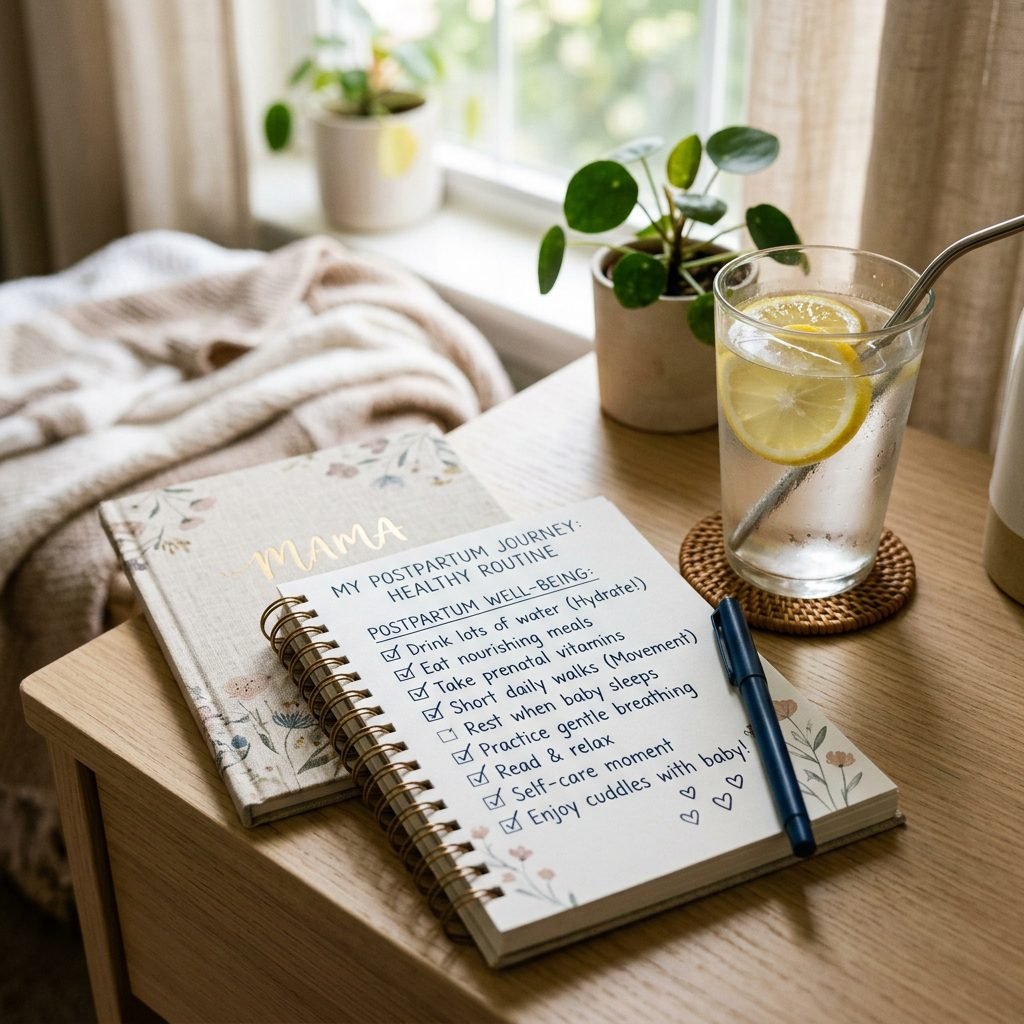
Recovery isn’t just about medicine; it’s about how you treat your body during this sensitive time. Follow this checklist to help your skin heal faster:
- Hydrate Like a Pro: Aim for at least 100 ounces of water a day. Dehydrated skin is more prone to irritation.
- Switch Your Detergent: Even if you’ve never been sensitive before, switch to a ‘free and clear’ detergent for your clothes and bedding.
- Short, Lukewarm Showers: Limit your time in the water to 5-7 minutes to avoid stripping natural oils.
- Pat, Don’t Rub: When drying off, gently pat your skin with a towel. Rubbing triggers more histamine release.
- Manage the Stress: I know, easier said than done with a newborn! But even 5 minutes of deep belly breathing can lower the cortisol that fuels hives.
| Action Item | Why It Helps | ||
|---|---|---|---|
| Drink Water | Flushes out toxins and keeps skin cells plump. | Fragrance-Free Soap | Prevents chemical irritation on sensitive postpartum skin. |
| Cool Bedroom | Prevents ‘night sweats’ which can trigger heat hives. |
When to Call Your Healthcare Provider

Don’t Suffer in Silence
While postpartum hives are usually a temporary hormonal glitch, you should never hesitate to reach out to your OB-GYN or midwife. You should definitely call them if:
- The hives do not respond to over-the-counter antihistamines within 48 hours.
- The rash is painful, blistering, or oozing (which could indicate an infection).
- You develop a fever or joint pain along with the rash.
- The hives are preventing you from sleeping or caring for your baby.
A quick script for your doctor: ‘Hi, I am [Number] days postpartum and I have developed widespread hives. They are very itchy and affecting my sleep. I would like to discuss breastfeeding-safe treatment options and ensure this isn’t related to my postpartum medications.’
Conclusion
You’ve Got This, Mama
Postpartum hives are a literal itch in the side during an already challenging transition, but remember: this is temporary. Your body has just performed the most incredible feat of endurance, and it’s simply finding its way back to center. By staying cool, hydrated, and using gentle remedies, you can soothe the fire and focus on those sweet newborn smells instead. Be patient with your skin, be kind to your mind, and know that this too shall pass. You are doing an amazing job, and your health—both physical and emotional—is a priority. Rest up, stay comfortable, and don’t forget to ask for help when you need it!