Saving Your Strands: How to Handle Postpartum Shedding Like a Pro
Welcome to the ‘Great Shed,’ Mama—You Are Not Alone
Oh, sweet mama, I see you. You’re finally finding your rhythm with the midnight feedings, the diaper blowouts, and that sweet, milky baby scent, and then it happens. You’re in the shower, and suddenly, it looks like a small woodland creature has taken up residence in your drain. Or you run your fingers through your hair, and a handful of strands comes away with ease. It’s startling, isn’t it? I remember that exact moment of panic myself, and as a doula, I’ve held the hands of countless women as they navigated this exact transition. This is the postpartum shed, and while it feels like you’re losing a piece of yourself, I want to reassure you right now: this is a temporary, normal, and even biological sign of the incredible work your body has done.
During pregnancy, those high levels of estrogen acted like a magic potion, keeping your hair in the ‘growth’ phase much longer than usual. You likely enjoyed the thickest, glossiest hair of your life! But now that your hormones are leveling out to their pre-pregnancy states, those hairs that were ‘resting’ are all deciding to leave at once. It’s not that you’re going bald; it’s just that your hair cycle is playing catch-up. In this guide, we are going to walk through this journey together, from understanding the science to practical styling hacks and the deep soul-care you need while your body recalibrates. Let’s save those strands and your peace of mind, one step at a time.
The Biology of the Bloom and the Shed
Why Does This Happen? Understanding the Hormonal Shift
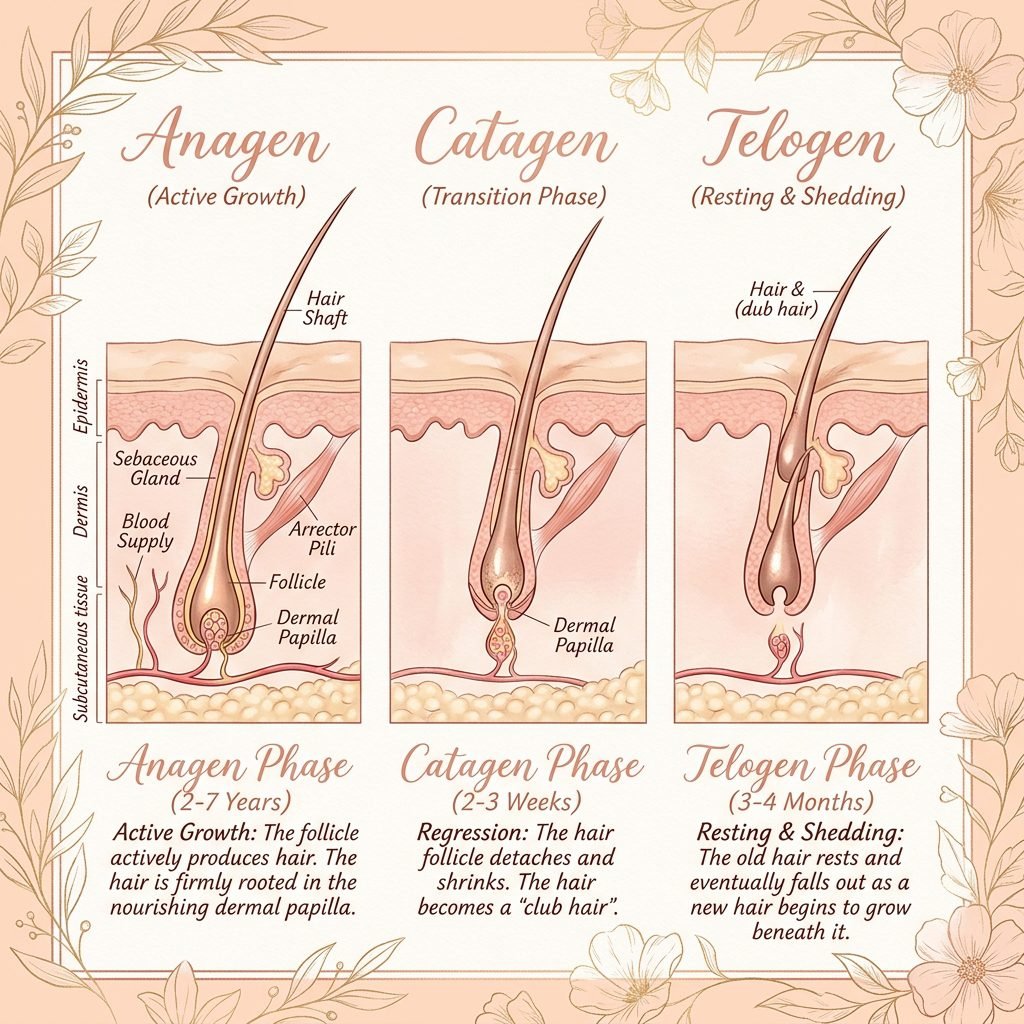
To handle this like a pro, we first have to understand the ‘why.’ Your hair goes through three main phases: Anagen (growth), Catagen (transition), and Telogen (resting/shedding). Usually, about 85-90% of your hair is growing, while the rest is resting. However, pregnancy hormones—specifically that beautiful surge of estrogen—keep almost all your hair in the Anagen phase. You weren’t actually growing more hair; you just weren’t losing the 50 to 100 strands we usually lose every single day.
Once you deliver your baby and the placenta (which was your hormone factory), your estrogen levels take a sharp dive. This tells all those ‘overdue’ hairs to move into the Telogen phase simultaneously. This condition is clinically known as Telogen Effluvium. It usually starts around 3 months postpartum and can peak around the 6-month mark. It is a physical manifestation of your body’s transition from ‘growing a human’ to ‘sustaining a human’ and recovering itself.
The Postpartum Hair Timeline
Knowing what to expect can take the edge off the anxiety. Here is a general breakdown of what the next year might look like for your tresses:
| Timeframe | What to Expect | Your Doula’s Advice |
|---|---|---|
| 0–3 Months | The ‘Glow’ lingers; hair remains thick. | Enjoy it! Take the photos. |
| 3–6 Months | The ‘Great Shed’ begins; noticeable loss in the shower. | Be gentle; switch to wide-tooth combs. |
| 6–9 Months | Shedding slows; ‘baby hairs’ begin to sprout. | Focus on nutrition and scalp health. |
| 9–12 Months | Hair volume begins to stabilize. | Consider a ‘reset’ haircut to blend regrowth. |
“Your body is not failing you; it is recalibrating. Every strand that leaves is making room for the new version of you that is emerging from the fourth trimester.”
Gentle Rituals: Caring for Your Hair Without the Stress
How to Wash, Brush, and Style with Kindness
When you’re in the thick of the shedding phase, your instinct might be to stop washing or brushing your hair altogether out of fear. But mama, those hairs are already in the resting phase; they are going to come out regardless. The goal now is to prevent unnecessary breakage of the hair that is staying. We want to treat your scalp like a sacred garden.
The Golden Rules of Postpartum Hair Washing
- Skip the Daily Wash: Try to limit washing to 2 or 3 times a week. This preserves the natural oils that protect the hair shaft.
- Cool it Down: Hot water can strip moisture and stress the scalp. Use lukewarm water for your wash and a cool rinse at the end to seal the cuticle.
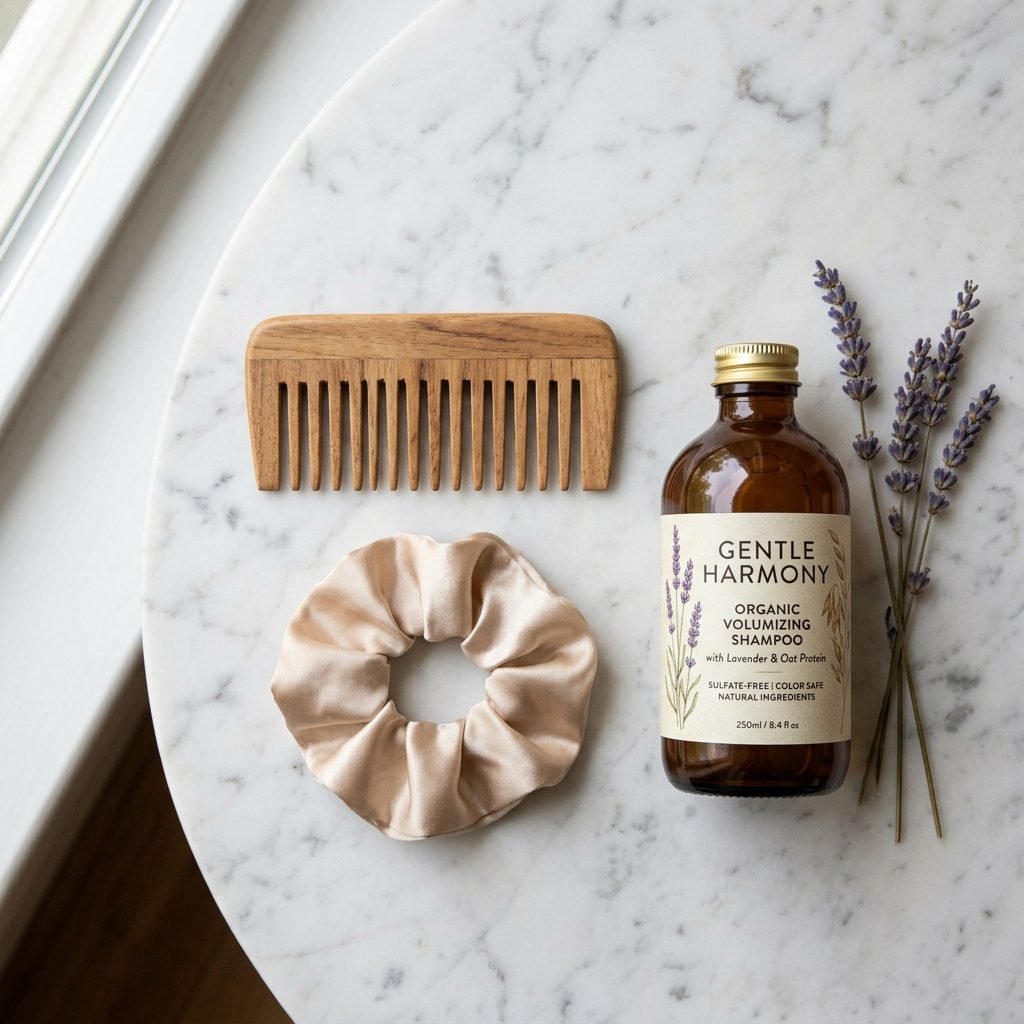
- Volumizing over Conditioning: Use a lightweight volumizing shampoo. Apply conditioner only to the ends of your hair. Heavy conditioners near the scalp can weigh hair down, making the thinning more visible.
Brushing and Styling Hacks
Put away the fine-tooth combs and the round brushes for a little while. Instead, reach for a wide-tooth comb or a brush specifically designed for wet hair with flexible bristles. Start from the bottom and work your way up to avoid tugging at the roots. If you love a good ‘mom bun,’ I hear you—it’s the official uniform of the fourth trimester! However, try to avoid tight elastics. Switch to silk or satin scrunchies which glide over the hair without snapping the delicate new growth at your temples.
“Gentle hands, gentle heart. Treat your hair with the same softness you use when stroking your baby’s cheek.”
Nourishing from Within: The Postpartum Diet for Hair
Fueling Regrowth with Targeted Nutrition
As a doula, I always tell my clients that your hair is a ‘non-essential’ tissue in the eyes of your body. When you are healing from birth and perhaps breastfeeding, your body sends nutrients to your vital organs and your milk supply first. Your hair gets the leftovers. To handle shedding like a pro, we need to ensure there’s enough ‘fuel’ to go around. You cannot ‘stop’ the hormonal shed with food, but you can optimize the environment for the new hair that is trying to grow in.
Top Nutrients for Hair Recovery
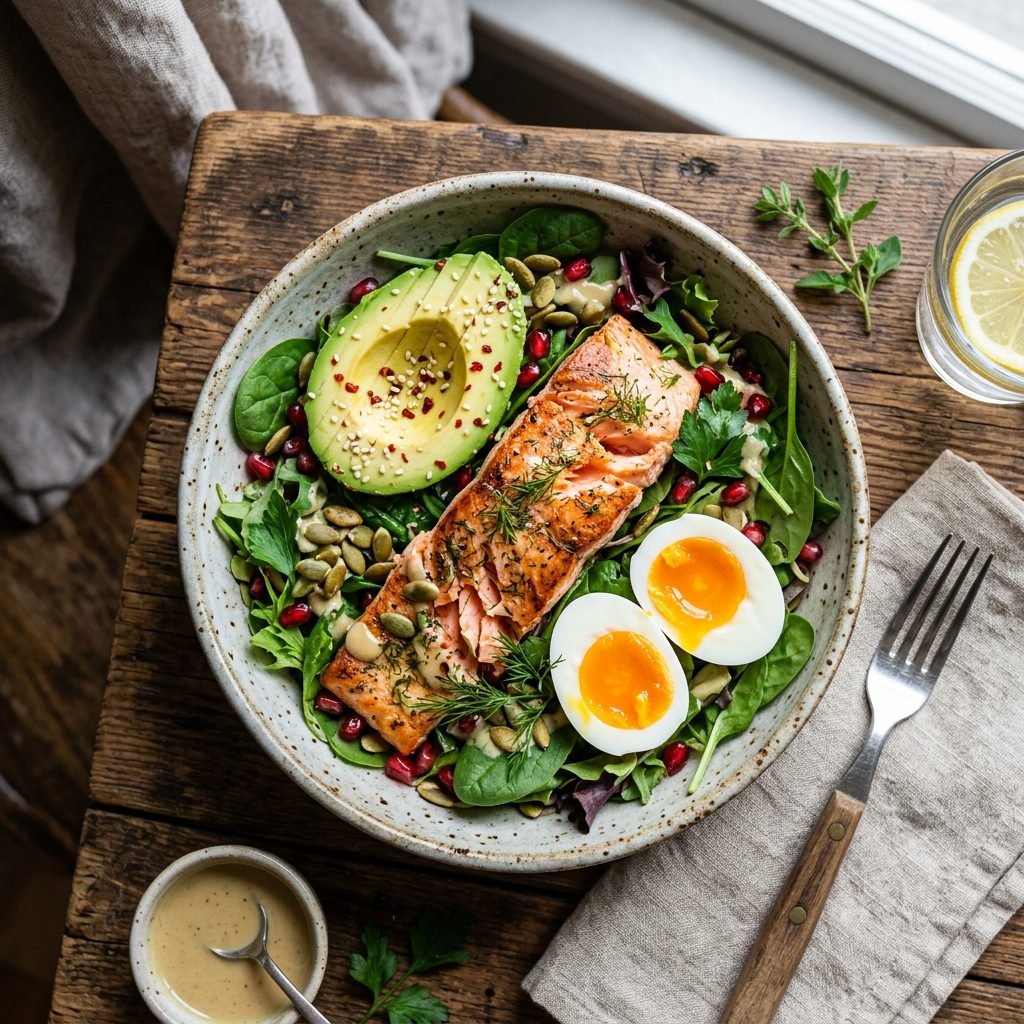
- Iron and Ferritin: Low iron is a major contributor to hair thinning. If you lost a lot of blood during delivery, your iron stores might be low. Focus on grass-fed beef, lentils, and spinach.
- Vitamin C: This helps you absorb that iron! Pair your steak with bell peppers or your lentils with a squeeze of lemon.
- Biotin and B-Vitamins: These are the building blocks of keratin. Eggs (specifically the yolks) are a powerhouse here.
- Omega-3 Fatty Acids: Found in salmon and walnuts, these keep your scalp hydrated and reduce inflammation.
- Zinc: Vital for tissue growth and repair. Pumpkin seeds are a great, easy snack for busy moms.
Hydration is Non-Negotiable
Your hair shaft is made up of about 25% water. If you are dehydrated, your hair will become brittle and snap before it even has a chance to grow. Aim for at least 10 to 12 glasses of water a day, especially if you are nursing. Think of it as watering the roots of your future hair.
| Nutrient | Best Food Sources | Why Your Hair Needs It |
|---|---|---|
| Protein | Chicken, Tofu, Greek Yogurt | Hair is made of protein (keratin). |
| Vitamin E | Almonds, Sunflower Seeds | Protects hair from oxidative stress. |
| Vitamin D | Sunlight, Fatty Fish | Helps create new hair follicles. |
The ‘Mom Fringe’ and Styling Through the Transition

Professional Styling Secrets for Thinning Hair
There comes a point, usually around 6 or 7 months, where the shedding stops and the ‘halos’ begin. You’ll see these tiny, fuzzy baby hairs sticking up right at your hairline. While they are a celebrated sign of regrowth, they can be a bit tricky to style! This is where we lean into the Maternal Fashion Stylist expertise.
Strategic Haircuts
If you’ve been holding onto long hair, now might be the perfect time for a ‘reset’ cut. A blunt bob or a lob (long bob) can make your hair look instantly thicker by removing the straggly, thin ends. If you’re seeing a lot of loss around the temples, consider curtain bangs. They are incredibly trendy and perfectly hide the sparse areas while blending in the new regrowth as it comes in.
Accessories are Your Best Friend
When in doubt, accessorize! A wide, knot-style headband is a lifesaver for hiding thinning at the crown and keeping those fuzzy new hairs flat. Root touch-up sprays or even a bit of matte eyeshadow that matches your hair color can be brushed onto the scalp to hide visible skin in areas where hair is sparse. It’s a quick confidence booster for those days you want to feel a bit more ‘put together’ for a brunch or a photo session.
Product Recommendations
- Dry Shampoo: Adds instant texture and volume, making hair look fuller.
- Scalp Serums: Look for caffeine or rosemary-based serums which can stimulate blood flow to the follicles.
- Lightweight Mousse: Apply to damp roots to give a lift that lasts all day.
The Emotional Toll: It’s More Than Just Hair

Holding Space for Your Feelings
We need to talk about the emotional side of this, sister. For many of us, our hair is tied to our identity, our femininity, and our sense of ‘self’ that often feels buried under piles of laundry and nursing pads. Seeing it fall out can trigger a sense of grief or even postpartum anxiety. It is okay to cry about your hair. It is okay to feel frustrated that after everything your body has been through, this is ‘one more thing’ you have to deal with.
I want you to practice radical self-compassion. When you look in the mirror and see those thinning patches or those wild new sprouts, try to reframe the narrative. Those sprouts are proof of your body’s resilience. They are the physical evidence that you are healing. You are in a season of becoming, and just like the seasons of the earth, the winter of the shed will eventually give way to the spring of regrowth.
Daily Affirmations for the Shedding Phase
- “My worth is not measured by the thickness of my hair.”
- “My body is a miracle, and I am healing at my own pace.”
- “This is a season, not a permanent state.”
- “I am beautiful in every stage of motherhood.”
Conclusion
You’ve Got This, Mama
Postpartum shedding is a wild ride, but you are now equipped to handle it like a pro. Remember, the ‘great shed’ is a temporary bridge between your pregnancy self and your motherhood self. By focusing on gentle care, robust nutrition, and strategic styling, you can navigate these months with grace and confidence. Most importantly, be patient with yourself. Your hair will return, your hormones will settle, and one day soon, you’ll be complaining about those wild ‘baby hair’ flyaways that just won’t stay down—and you’ll smile, knowing it means you’ve made it to the other side.
Keep nourishing yourself, keep breathing through the transitions, and know that you are doing an incredible job. Your strands will save themselves in time; for now, just focus on saving your peace. You are beautiful, mama, hair or no hair.