

How to Create a Bulletproof Bedtime Routine to Beat the 4-Month Sleep Regression
Oh, sweet mama. Pull up a chair, pour yourself a hot cup of chamomile tea (or let’s be real, reheat that morning coffee for the fourth time today), and let’s take a deep, grounding breath together. If you are reading this, chances are you are in the thick of it. You thought you had finally cracked the code on this whole newborn sleep thing. Your sweet baby was giving you glorious stretches of rest, and you were finally starting to feel like a functioning human being again. And then, almost overnight, the script flipped. Your peaceful sleeper is suddenly waking up every two hours, fighting naps, and leaving you feeling desperate, exhausted, and wondering what you did wrong.
First and foremost, hear this loud and clear: You did absolutely nothing wrong. Your baby is not broken, and you are not failing. What you are experiencing is the infamous 4-month sleep regression. As a certified doula and pediatric sleep consultant, I am here to wrap a warm, reassuring arm around your shoulders and tell you that this is actually a massive, beautiful developmental milestone. Your baby’s brain is waking up to the world! But knowing that doesn’t make the sleep deprivation any less agonizing.
Deep breath in. Deep breath out. You are the exact mother your baby needs, and together, we are going to navigate this transition. This is not a permanent state; it is a season.
To survive this season and lay the foundation for a lifetime of healthy sleep habits, we need to lean into structure, comfort, and biology. We need to create a bulletproof bedtime routine. A well-crafted routine acts as a powerful sensory cue for your baby, signaling that the busy day is over and it is time to transition into restorative rest. Let’s dive into the evidence-based, practical, and deeply comforting steps to reclaim your nights and gently guide your little one through the 4-month sleep shift.
The Science Behind the 4-Month Sleep Shift

Understanding Your Baby’s Changing Brain
Before we can fix the sleep, we need to understand the sleep. When your baby was a newborn, their sleep was quite simple. They drifted easily between two stages: active sleep and quiet sleep. They could fall asleep virtually anywhere—in a noisy living room, bright daylight, or mid-feed. But right around the 3.5 to 4.5 month mark, a massive neurological shift occurs. Their sleep architecture matures to become more like yours and mine.
The Four Stages of Sleep
Instead of just two simple stages, your baby is now cycling through four distinct stages of sleep, including lighter sleep and deep, restorative non-REM sleep. Here is why this causes the ‘regression’:
- The Lighter Sleep Phase: As they transition between sleep cycles (which last about 45 to 50 minutes for an infant), they enter a very light stage of sleep. If they don’t know how to fall asleep independently, this light sleep phase wakes them up completely.
- Increased Awareness: Their vision is improving, and the world is suddenly fascinating! A shadow on the wall or a slight change in temperature is now enough to pull them out of a slumber.
- Decreased Melatonin Production: The maternal melatonin they received through the placenta and breastmilk is wearing off, and their own tiny bodies are just learning to regulate their circadian rhythm.
Because they are waking up fully between cycles, they look for the exact same conditions they had when they fell asleep. If you rocked them to sleep, they will cry out for you to rock them again. This is where our bulletproof bedtime routine comes in. It helps teach them the cues to wind down so they can begin connecting those cycles.
The Step-by-Step Bulletproof Bedtime Routine

Crafting a Comforting, Predictable Evening Flow
A successful bedtime routine shouldn’t take hours, nor should it be a source of stress. It should be a 20 to 30-minute predictable sequence of events that happens in the exact same order, at roughly the exact same time, every single night. This repetition builds neurological pathways in your baby’s brain that equate these actions with sleep.
The 5-Step Doula-Approved Wind Down
- Step 1: The Environment Shift (Dim the Lights): About 30 minutes before you want your baby asleep, begin dimming the lights in your home. Turn off overhead lighting and switch to warm, amber-toned lamps. This signals to the pineal gland to start producing melatonin.
- Step 2: The Warm, Soothing Bath: A bath isn’t just for getting clean; it’s a powerful sleep cue. The drop in body temperature after getting out of a warm bath naturally makes us sleepy. Keep the water comfortably warm (around 98-100 degrees Fahrenheit) and use a gentle, lavender-infused, baby-safe wash.
- Step 3: Infant Massage and Pajamas: Once out of the tub, move to the dimly lit nursery. Use a baby-safe lotion or organic coconut oil to give a gentle massage. Focus on long, firm strokes down their legs and arms. Firm pressure is regulating for the nervous system, while light tickling can be stimulating.
- Step 4: The Final Feed: Offer the breast or bottle in the nursery. The goal here is a full tummy, but we want to avoid them falling completely asleep at the breast or bottle. Keep them in a state of ‘drowsy but awake.’ If they start to doze, gently tickle their toes or unlatch them for a moment.
- Step 5: Sleep Sack, Book, and Bed: Zip them into a cozy, hip-healthy sleep sack (remember, no more swaddling once they show signs of rolling!). Read a short, rhythmic board book. Finally, turn on the white noise, say your chosen sleep phrase (e.g., ‘I love you, time for sleep’), and place them in the crib.
Pro-Tip: Your energy dictates their energy. If you are rushing and anxious, they will feel it. Take a deep breath, drop your shoulders, and project calm confidence. You are their safe harbor.
Mastering Wake Windows and Spotting Sleep Cues
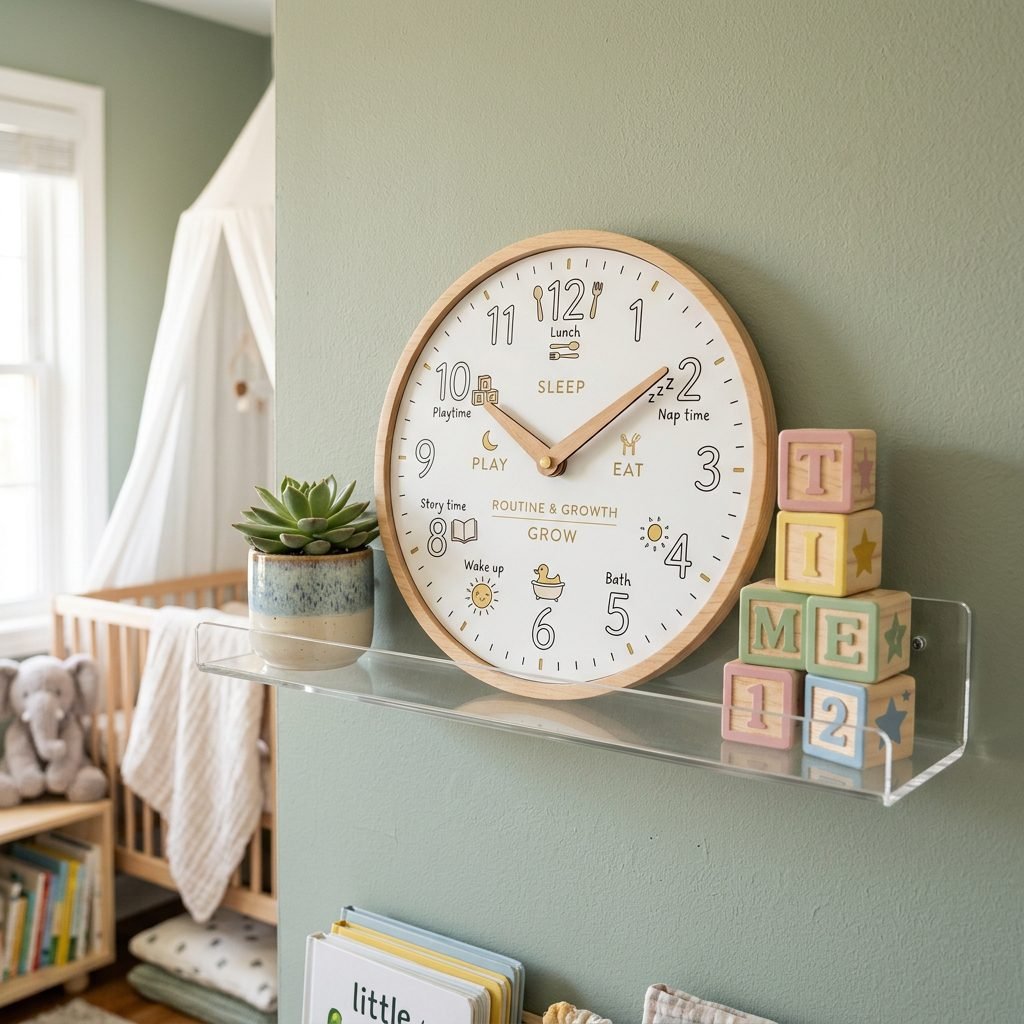
Timing is Everything: The Secret to Avoiding Overtiredness
You can have the most beautiful, spa-like bedtime routine in the world, but if you start it when your baby is already overtired, you are fighting a losing battle. An overtired baby’s body is flooded with cortisol and adrenaline (the fight-or-flight hormones), making it incredibly difficult for them to settle and stay asleep.
Understanding 4-Month Wake Windows
At 4 months old, a baby’s wake window—the amount of time they can comfortably stay awake between naps—is surprisingly short. It typically ranges from 90 minutes to 2 hours. The first wake window of the day is usually the shortest, while the window right before bedtime is the longest.
| Time of Day | Average Wake Window | What to Look For (Sleep Cues) |
|---|---|---|
| Morning (After Wake Up) | 90 minutes | Staring blankly, losing interest in toys, subtle yawning. |
| Mid-Day (Between Naps) | 90 – 105 minutes | Rubbing eyes, pulling at ears, slight fussiness. |
| Late Afternoon | 105 – 120 minutes | Turning face away from stimulation, burying face in your chest. |
| Before Bedtime | 120 – 135 minutes (Max) | Jerky movements, arching back, loud crying (Late Cues – avoid these!). |
The trick is to start your 30-minute bedtime routine before they hit that overtired wall. If their last nap ended at 4:00 PM, they should be asleep for the night by 6:00 PM or 6:15 PM at the latest. Don’t be afraid of an early bedtime! Sleep begets sleep, and an early bedtime often leads to a later, more restful morning wake-up.
Setting the Stage: Crafting a Sleep-Inducing Nursery

The Holy Trinity of the Sleep Environment
As an interior organizer and nursery designer, I always tell my clients that a nursery must be functional first and beautiful second—though we can absolutely achieve both! When it comes to the 4-month sleep regression, the physical environment of the nursery plays a massive role in how well your baby transitions between sleep cycles.
The Three Pillars of Nursery Sleep Design
- 1. Pitch Black Darkness: I mean cave-like darkness. At 4 months, your baby is incredibly distracted by their environment. Even the glow of a streetlamp slipping through the blinds can pull them out of a sleep cycle. Invest in high-quality blackout curtains. If light is bleeding through the edges, use stylish magnetic curtain weights or inexpensive blackout window film. You should not be able to read a book in the room when the lights are off.
- 2. Continuous White Noise: The womb was incredibly loud—roughly the volume of a vacuum cleaner! A silent room is actually jarring for a baby. Use a white noise machine placed across the room from the crib (not directly next to their ears). Keep it at a safe volume (around 50-60 decibels). Opt for continuous ‘pink noise’ or ‘brown noise’ (like a rushing river or deep fan) rather than ocean waves or lullabies, as the pitch changes in music can actually stimulate the brain.
- 3. The Optimal Temperature: Babies sleep best in a cool room. The ideal temperature for infant sleep is between 68°F and 72°F (20°C to 22°.2C). Dress them in a breathable cotton or bamboo onesie underneath a proper TOG-rated sleep sack. A good rule of thumb is to dress them in one more layer than you would comfortably wear to sleep. Check their core temperature by feeling the back of their neck or their chest; it should feel warm and dry, never sweaty.
By optimizing these three elements, you are removing the environmental roadblocks that cause unnecessary night wakings, allowing your bedtime routine to do its magic.
Navigating Night Wakings Like a Pro (The ‘Le Pause’ Method)
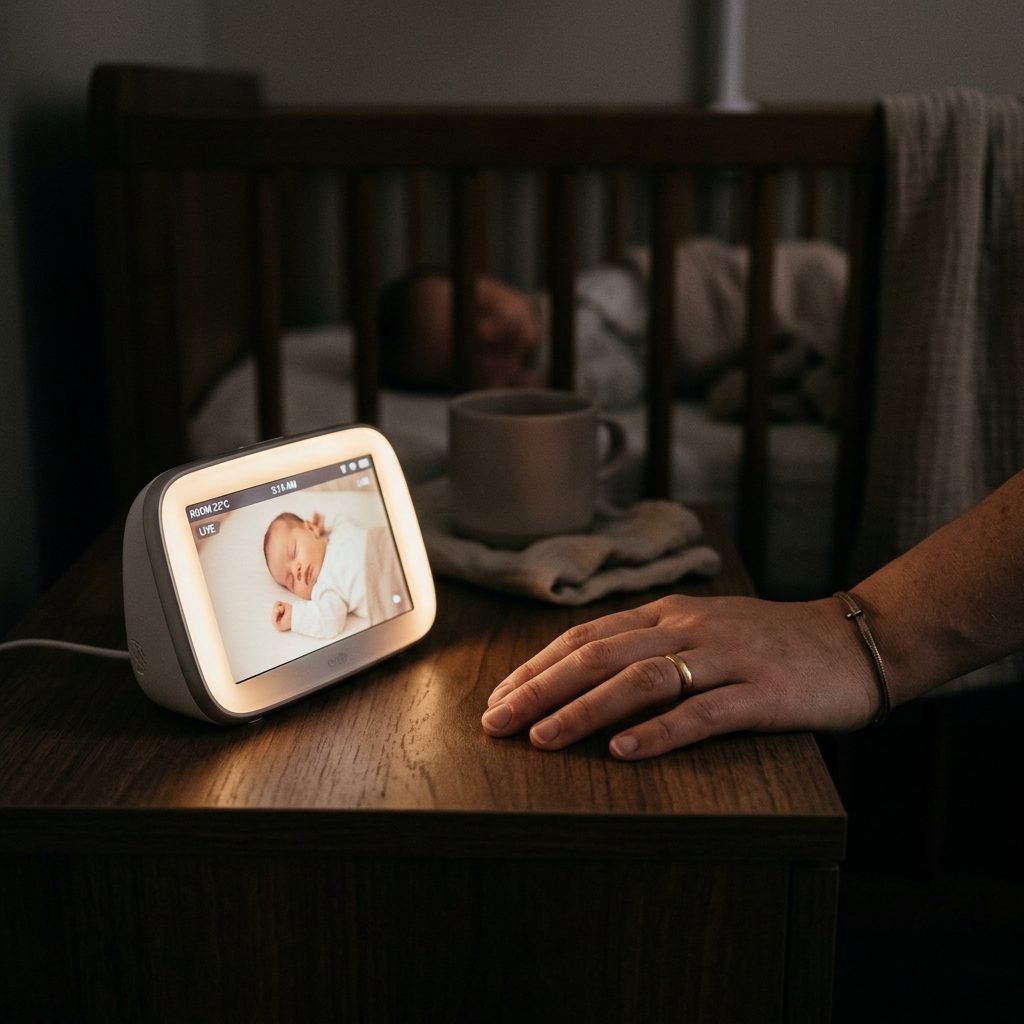
What to Do When They Still Wake Up
Let’s be realistic, mama. Even with the most perfect bedtime routine, a 4-month-old is still going to wake up at night. They are growing rapidly, and many still legitimately need 1 to 3 night feedings. However, our goal during this regression is to prevent them from waking up every 45 minutes simply because they don’t know how to connect their sleep cycles.
Introducing ‘Le Pause’
When you hear your baby stir, grunt, or even let out a short cry on the monitor, your instinct is probably to sprint into the room and scoop them up. I want to gently challenge you to practice what the French call ‘Le Pause’. Babies are notoriously noisy sleepers. They often cry out or thrash while completely asleep during active sleep phases.
| Action Step | Time to Wait | What to Do |
|---|---|---|
| 1. The Initial Stir | 0 – 3 minutes | Do nothing. Watch the monitor. Breathe. See if they settle on their own. |
| 2. The Escalation | 3 – 5 minutes | If crying becomes steady, enter the room quietly. Do not turn on lights. |
| 3. The Soothing Ladder | As needed | Start with the least intervention: Shush from the door. Then, place a heavy hand on their chest. Then, replace the pacifier. |
| 4. The Intervention | If not settling | If they are truly distressed or it has been over 3 hours since a feed, pick them up, feed or rock, and try to place them down drowsy again. |
By giving them just a few minutes to figure it out, you are providing them the sacred space to practice self-soothing. You aren’t leaving them to cry it out; you are simply pausing to see what they are capable of. More often than not, you will be shocked to see them suck their thumb, rub their head side to side, and drift back off to sleep.
Troubleshooting Common Bedtime Roadblocks

When Things Don’t Go According to Plan
Real motherhood isn’t a textbook, and some nights, the routine will just fall apart. A blowout diaper right as you are zipping the sleep sack, a baby who screams through the previously beloved bath, or a sudden refusal to take the final bottle—these things happen! Give yourself grace.
Quick Fixes for Common Disruptions
- The Bath Hater: If your baby suddenly hates the bath during this regression, skip it! Swap it out for a warm, damp washcloth wipe-down on the changing table. The goal is the routine, not the soap. You can reintroduce the tub in a few weeks.
- The Drowsy Feeder: If your baby keeps falling dead asleep on the breast or bottle during the final feed, move the feed to the beginning of the routine, before the bath. This breaks the feed-to-sleep association and ensures they go into the crib awake.
- The False Start: If your baby goes to sleep perfectly at 7:00 PM but wakes up screaming at 7:45 PM, this is called a ‘false start.’ It almost always means they were overtired when they went to bed. Tomorrow night, pull bedtime earlier by 15 to 20 minutes.
Remember, consistency is key, but flexibility preserves your sanity. If you have an off night, just reset and try again tomorrow. You are building lifelong habits, and that is a marathon, not a sprint.
Conclusion
My beautiful, strong, resilient mama. Surviving the 4-month sleep regression is a rite of passage. It tests your patience, your coffee tolerance, and your emotional bandwidth. But by implementing this bulletproof bedtime routine, respecting their wake windows, and optimizing their sleep environment, you are handing your baby the tools they need to master this developmental leap. You are teaching them that sleep is a safe, cozy, and wonderful place to be.
There will be nights where you feel like you are taking two steps forward and one step back. Lean on your support system, ask your partner to take the first night shift, and please, be fiercely gentle with yourself. You are doing a profound job. The clouds will part, the sleep cycles will connect, and you will sleep again. I promise.
Medical Disclaimer: The information provided in this article is for educational and informational purposes only and is not intended as a substitute for professional medical advice, diagnosis, or treatment. Always seek the advice of your pediatrician or other qualified healthcare provider with any questions you may have regarding a medical condition or your infant’s health and sleep safety.