

Why Does My Belly Button Hurt? 5 Remedies for Umbilical Pain
Hello, beautiful mama. If you are reading this, chances are you have stumbled upon one of the most surprising and least talked-about discomforts of pregnancy: belly button pain. Between the morning sickness, the endless fatigue, and the lightning crotch, no one really warns you that your actual navel might start to ache, stretch, burn, or even pop inside out like a little turkey timer.
First, take a deep breath. You are not alone, and this is incredibly common. As a doula, I sit with mothers every single week who point to the center of their beautiful, growing bumps and ask, ‘Is it supposed to feel this tight?’ or ‘Why does it hurt when my shirt simply brushes against my belly button?’
Your body is doing something absolutely miraculous. It is stretching, shifting, and making space for a brand-new human life. Every ache is a sign of that profound expansion, but that doesn’t mean you have to suffer through it.
Whether you are in your second trimester and feeling that initial stretch, deep into your third trimester with an ‘outie’ that feels bruised, or navigating postpartum recovery as your abdomen finds its new normal, umbilical pain can be incredibly distracting. In this comprehensive guide, we are going to wrap you in a warm, sisterly hug of information. We will explore exactly why your belly button hurts, how to distinguish normal stretching from something that needs a doctor’s attention, and, most importantly, provide you with 5 practical, comforting remedies to bring you relief today.
The Mystery of the Sensitive Center: Why Your Belly Button Aches
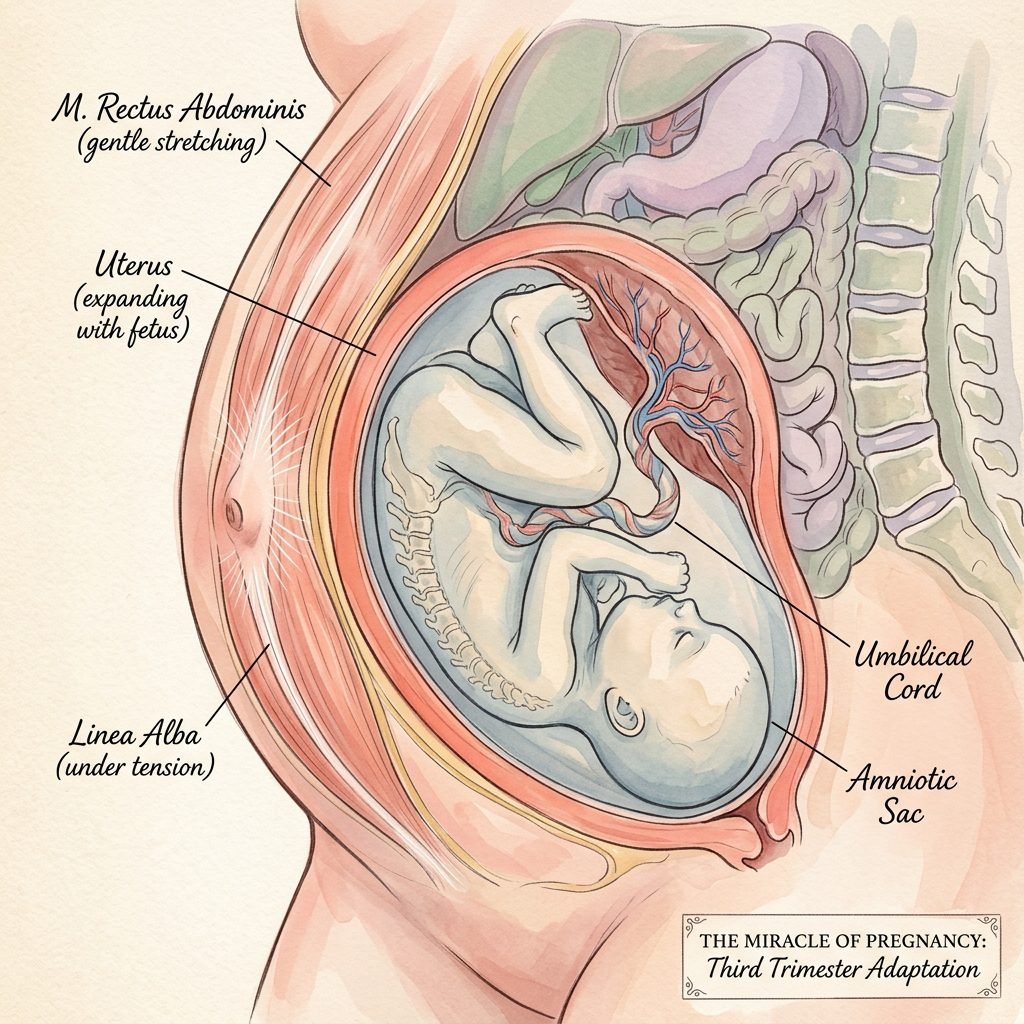
To understand how to fix the pain, we first need to understand the ‘why.’ Your belly button is essentially scar tissue from when you were in your own mother’s womb. It is the thinnest part of your abdominal wall, which makes it particularly vulnerable to the massive internal changes happening right now.
1. The Great Expansion (Skin and Muscle Stretching)
By the time you reach 20 to 24 weeks of pregnancy, your uterus has grown to the height of your navel. As your baby continues to grow, your skin and abdominal muscles are stretched to their absolute limits. Because the skin around the belly button is already thin, this rapid stretching can cause a tight, burning, or tearing sensation. It is simply your body making room.
2. Uterine Pressure and Fetal Positioning
Sometimes, the pain is less about the surface skin and more about what is directly behind it. If your baby is positioned just right—perhaps with a little foot or a firm little bottom pressing directly against the back of your navel—it can cause localized, sharp pain. You might notice this pain increases when your baby goes through an active kicking cycle.
3. The Emergence of the ‘Outie’
If you have always had an ‘innie,’ the transition to an ‘outie’ can be physically jarring. As the expanding uterus pushes against the abdominal wall, it can force the belly button outward. This newly exposed skin has never rubbed against clothing before, making it hyper-sensitive, raw, and easily irritated by the friction of your maternity jeans or shirts.
4. Umbilical Hernia in Pregnancy
In some cases, the pressure inside your abdomen becomes so great that a small piece of fatty tissue or bowel pokes through the weakened muscle ring around your navel. This is called an umbilical hernia. It sounds scary, but it is actually quite common! Most pregnancy-induced umbilical hernias are small, harmless, and resolve on their own after birth. However, they can cause a dull ache or a sharp pinch when you laugh, cough, or lift something heavy.
5 Gentle, Doula-Approved Remedies for Umbilical Pain
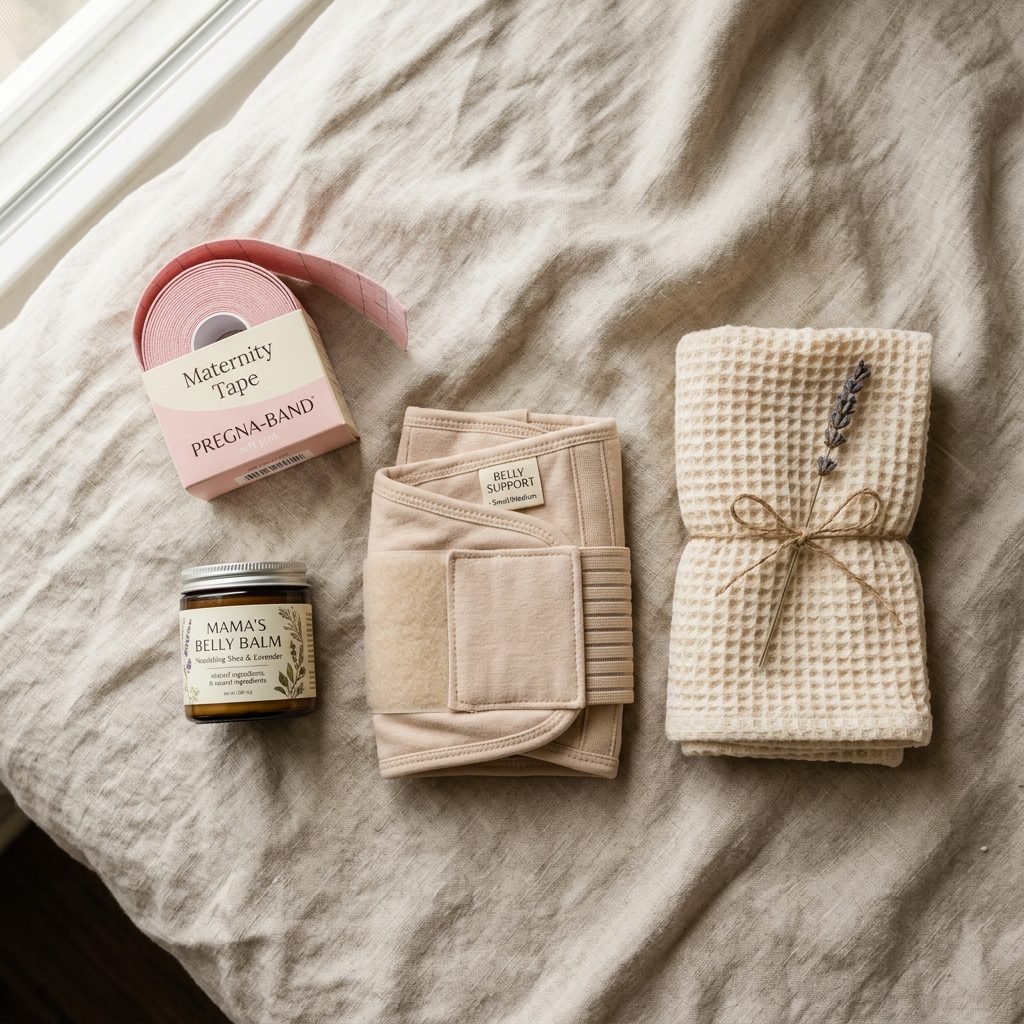
Now that we know why your belly button is protesting, let us talk about how to soothe it. Here are 5 highly effective, pregnancy-safe remedies you can start using right now to ease the ache.
1. The Magic of Belly Taping (Kinesiology Tape)
Kinesiology tape is a doula’s secret weapon. When applied correctly, it gently lifts the skin, relieving the pressure and weight on your abdominal muscles and navel. It is like a supportive hug for your bump.
- Clean and dry the skin: Ensure your belly is free of lotions or oils so the tape adheres properly.
- Cut your strips: Cut two to three strips of kinesiology tape, rounding the edges with scissors so they do not peel up easily.
- Apply with a gentle lift: Anchor the bottom of the tape just above your pubic bone. Gently pull the tape upward, lifting the belly slightly, and anchor it above your belly button. Do not stretch the ends of the tape, only the middle.
- Protect the navel: If your belly button is highly sensitive, place a small, non-stick cotton pad directly over it before applying the tape across your abdomen.
2. Deep Hydration and Soothing Balms
If your pain feels more like a burning, itchy stretch, your skin is crying out for moisture. Well-hydrated skin is more elastic and less prone to painful micro-tears.
- Look for thick, nutrient-dense balms containing shea butter, cocoa butter, or calendula.
- Apply the balm gently in a circular motion around the belly button at least twice a day.
- For raw ‘outies,’ a tiny dab of pure lanolin (the same kind used for nursing) or a pregnancy-safe healing ointment can create a protective barrier against clothing friction.
3. Maternity Support Belts and Bands
If taping feels too complicated, a maternity support belt is a fantastic alternative. A good support band redistributes the weight of your baby off your lower abdomen and navel, transferring it to your hips and back.
Pro Tip: Put your support band on while lying down on your back. This allows the baby to shift slightly upward, so when you secure the band and stand up, you are truly lifting the weight rather than just squeezing it.
4. Strategic Resting Positions
Gravity is not always your friend during pregnancy. Taking the physical weight off the front of your abdomen can provide immediate relief to an aching belly button.
- Side-Lying with Support: Lie on your left side to promote optimal blood flow. Place a firm pregnancy pillow or a peanut ball between your knees and ankles to align your hips. Tuck a small, soft wedge pillow directly under your bump to stop it from pulling downward.
- The Hands and Knees Gentle Rock: Get on all fours on a soft yoga mat. Let your belly hang completely loose. This takes the pressure off the back of your navel. Gently rock your hips back and forth for 5 to 10 minutes.
5. Warm (Not Hot!) Compresses
A gentle, warm compress can relax the tight, spasming muscles around your belly button and soothe the stretching skin.
- Soak a soft washcloth in warm water. Wring it out thoroughly.
- Ensure the temperature is comforting, not scalding. It should be under 100 degrees Fahrenheit.
- Place it over your belly button while you recline, leaving it on for 15 minutes. You can do this several times a day.
Wardrobe Tweaks: Dressing Your Bump Without the Rub

When your belly button pops out and becomes hyper-sensitive, your everyday wardrobe can suddenly feel like sandpaper. Adjusting how you dress is one of the fastest ways to eliminate surface-level umbilical pain.
Over-the-Bump vs. Under-the-Bump
If you are experiencing friction pain, it is time to evaluate your waistbands. Under-the-bump maternity pants often have a seam that sits right across the lower abdomen. As your belly grows, this seam can ride up and slice right across your sensitive navel. Switch to seamless, over-the-bump leggings or trousers. The continuous panel of soft fabric acts as a protective shield for your belly button.
Fabric Matters
Synthetic fabrics like polyester can trap heat and sweat, exacerbating itchiness and irritation around the navel. Opt for natural, breathable fibers.
- Bamboo Viscose: Incredibly soft, cooling, and gentle on raw skin.
- Organic Cotton: Breathable and absorbs moisture, preventing sweat buildup in the belly button folds.
- Loose, Flowy Dresses: When in doubt, remove waistbands entirely. A loose maxi dress allows air circulation and zero friction.
If you absolutely must wear a structured garment that rubs, try placing a large, soft silicone scar sheet or a simple adhesive bandage over your belly button to act as a temporary shield during the day.
What’s Safe vs. What to Avoid for Belly Button Relief
When you are in pain, it is tempting to try anything for relief. However, pregnancy requires us to be mindful of what we apply to our bodies and how we treat our changing anatomy. Here is a quick, easy-to-read guide on what is safe and what you should skip when treating umbilical pain.
| Safe Relief Methods | What to Avoid |
|---|---|
| Applying pure aloe vera, calendula, or shea butter for itching. | Using hydrocortisone creams or strong medicated anti-itch gels without OB-GYN approval. |
| Warm compresses (under 100°F) applied for 15 minutes. | Heating pads left on high heat or applied directly over the baby for extended periods. |
| Wearing a properly fitted maternity support band. | Wearing rigid waist trainers, shapewear, or corsets that compress the baby. |
| Gentle prenatal yoga stretches (like Cat-Cow) to relieve tension. | Deep abdominal massaging or aggressively pushing on a bulging belly button. |
| Using kinesiology tape for gentle, upward belly support. | Ignoring a sharp, sudden pain accompanied by a hard, red bulge at the navel. |
What About Postpartum Belly Button Pain? Healing After Birth

We cannot talk about maternal wellness without addressing the postpartum period. Many mothers are surprised to find that their belly button still hurts after the baby is born. If you are in your postpartum recovery phase, this section is for you.
The Great Retraction
Just as it took 40 weeks for your abdomen to stretch, it takes time for it to shrink back. As the uterus involutes (shrinks) and the abdominal muscles attempt to knit back together, the skin and tissue around the belly button can feel deeply bruised or tender. This is a normal part of tissue retraction.
Diastasis Recti and the Navel
If you have Diastasis Recti (a separation of the abdominal muscles), the connective tissue behind your belly button (the linea alba) has been stretched thin. This can make the navel area feel weak or achy. Working with a Pelvic Floor Physical Therapist to safely rebuild your core is the best remedy for this specific type of postpartum pain.
C-Section Sensitivities
If you had a Cesarean section, your incision is much lower than your navel, but the nerves in your abdominal wall are all connected. As those nerves wake up and heal, you might experience phantom pains, tingling, or sharp little zaps near your belly button. Additionally, if you had a tubal ligation or a laparoscopic procedure after birth, the incision is often made directly inside the belly button, requiring specific, gentle wound care.
Postpartum reminder: Give yourself grace. Your body just performed a miracle. Keep the area clean, avoid heavy lifting, and wear high-waisted, gentle compression underwear to help you feel held together while you heal.
Trusting Your Gut: When to Call Your Midwife or OB-GYN

As a doula, my biggest piece of advice is always: Trust your maternal intuition. While mild stretching, itching, and dull aches are par for the course, there are certain red flags that warrant a call to your healthcare provider. Never feel silly for calling your doctor—they are there to keep you and your baby safe.
Please contact your provider immediately if you experience any of the following alongside your belly button pain:
- Severe, sharp, or stabbing pain that does not go away when you change positions.
- A noticeable bulge near the navel that becomes hard, red, or extremely painful to the touch (this could be a sign of an incarcerated hernia).
- Pain accompanied by a fever, chills, nausea, or vomiting.
- Any bleeding, oozing, or foul-smelling discharge coming directly from the belly button.
- Cramping that feels like rhythmic contractions, especially if you are not yet full-term.
Your body is incredibly wise. Listen to the whispers before they become shouts, and always seek professional medical advice when something feels off.
Conclusion
Navigating pregnancy is a wild, beautiful, and sometimes uncomfortable journey. Aching belly buttons might not make it into the glossy maternity magazines, but they are a very real part of the process for so many mothers. Remember to stay hydrated, utilize the magic of belly taping and support bands, and give yourself permission to rest in comfortable positions.
You are doing an incredible job, mama. Every stretch, every ache, and every weird little symptom is bringing you one step closer to holding your beautiful baby. Be gentle with yourself, dress for comfort, and never hesitate to lean on your support system when you need it.
Medical Disclaimer: The information provided in this article is for educational and informational purposes only and is not intended as medical advice. I am a doula and maternal wellness educator, but I am not your doctor. Always consult with your OB-GYN, midwife, or a qualified healthcare provider regarding any pain, symptoms, or medical conditions during pregnancy and postpartum.