

Sit Without Tears: The Best Donuts & Cushions for Severe Tailbone Pain
Oh Mama, I Hear You—The Pain is Real
If you are reading this while hovering awkwardly over a chair or leaning heavily on one butt cheek, please know that I see you, and I feel for you. As a doula, I’ve sat on many floors and hospital beds with mothers who describe tailbone pain (or coccydynia) as anything from a dull ache to a sharp, lightning-bolt sensation that makes sitting down to nurse feel like a marathon of endurance. Whether you are in your third trimester and the hormone relaxin has turned your joints to jelly, or you’ve recently birthed a beautiful human and your tailbone took a literal hit during the process, the struggle is valid.
You aren’t just ‘sore.’ You are navigating one of the most physically demanding transitions of your life while dealing with a focal point of pain that affects every basic movement: sitting, standing, and even sleeping. In this guide, we are going to dive deep into why this happens, how to choose the right support, and the exact cushions that will help you sit without tears. We’re going to treat your recovery with the sisterly warmth you deserve and the expert precision your body needs.
Understanding the ‘Why’ Behind the Ache
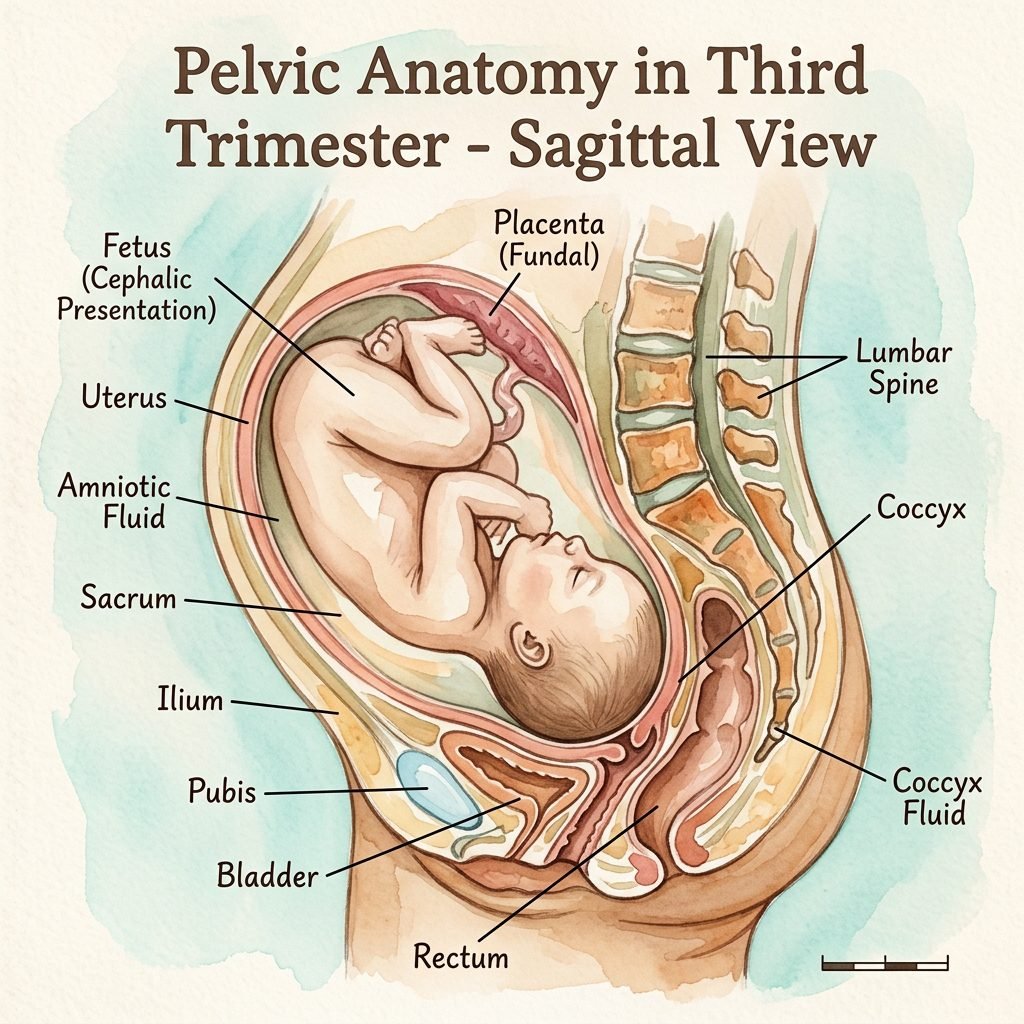
Before we look at the solutions, let’s talk about why your tailbone is screaming. Your coccyx is a small, triangular structure at the very bottom of your spinal column. During pregnancy, your body produces relaxin, a hormone that softens the ligaments in your pelvis to allow for the baby’s passage. This is a miracle of biology, but it also means your tailbone becomes more mobile and less supported.
Common Causes of Maternal Tailbone Pain
- Pressure from the Baby: In the third trimester, the weight of the baby’s head can press directly against the coccyx.
- The Pushing Stage: During vaginal delivery, the tailbone actually needs to move backward to make room for the baby. If the baby is large, the birth is rapid, or the mother is in a restricted position (like lying on her back), the tailbone can be bruised or even fractured.
- Postural Shifts: Your center of gravity changes, leading to a forward tilt of the pelvis that puts undue stress on the lower spine.
You are not alone, and this is not ‘just part of being a mom’ that you have to suffer through in silence. Your body did something monumental, and it’s okay to need specialized tools to help it heal.
The Great Cushion Debate: Donut vs. U-Shape vs. Wedge
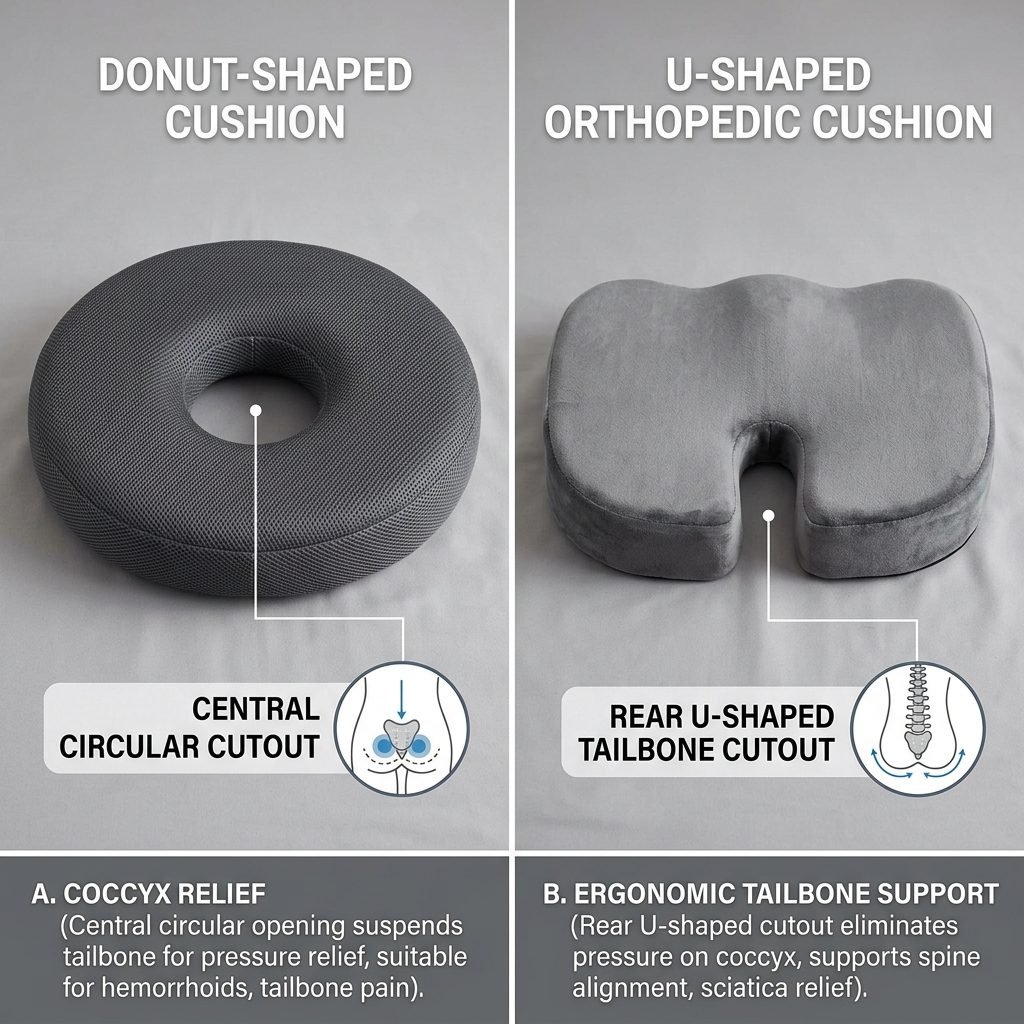
Not all cushions are created equal. When you are dealing with severe pain, a standard throw pillow from the couch just won’t cut it—it’s too soft and collapses under your weight, providing no actual relief for the tailbone. We need orthopedic-grade support.
Types of Support Cushions
When selecting a cushion, you need to match the shape to your specific pain point. Here is a breakdown of the most effective styles:
| Cushion Type | Best For | Key Benefit |
|---|---|---|
| Donut Pillow | Acute Coccydynia | Circular cutout completely removes pressure from the tailbone. |
| U-Shaped / Coccyx Cutout | Postpartum & Sciatica | A ‘U’ shape at the back prevents the tailbone from touching any surface. |
| Wedge Cushion | Pelvic Alignment | Tilts the pelvis forward, which is great for driving or office work. |
| Inflatable Rings | Short-term Travel | Portable but often lack the stability of memory foam. |
For most mothers, I recommend a high-density memory foam U-shaped cushion. Unlike the traditional donut, which can sometimes put pressure on the hips or pelvic floor (not ideal if you have stitches!), the U-shape allows for airflow and ensures the tailbone is ‘floating’ in mid-air.
What to Look for in a Healing Cushion
Don’t just click ‘buy’ on the first cheap pillow you see. For severe pain, the details matter. As your doula, I want you to look for these four specific features:
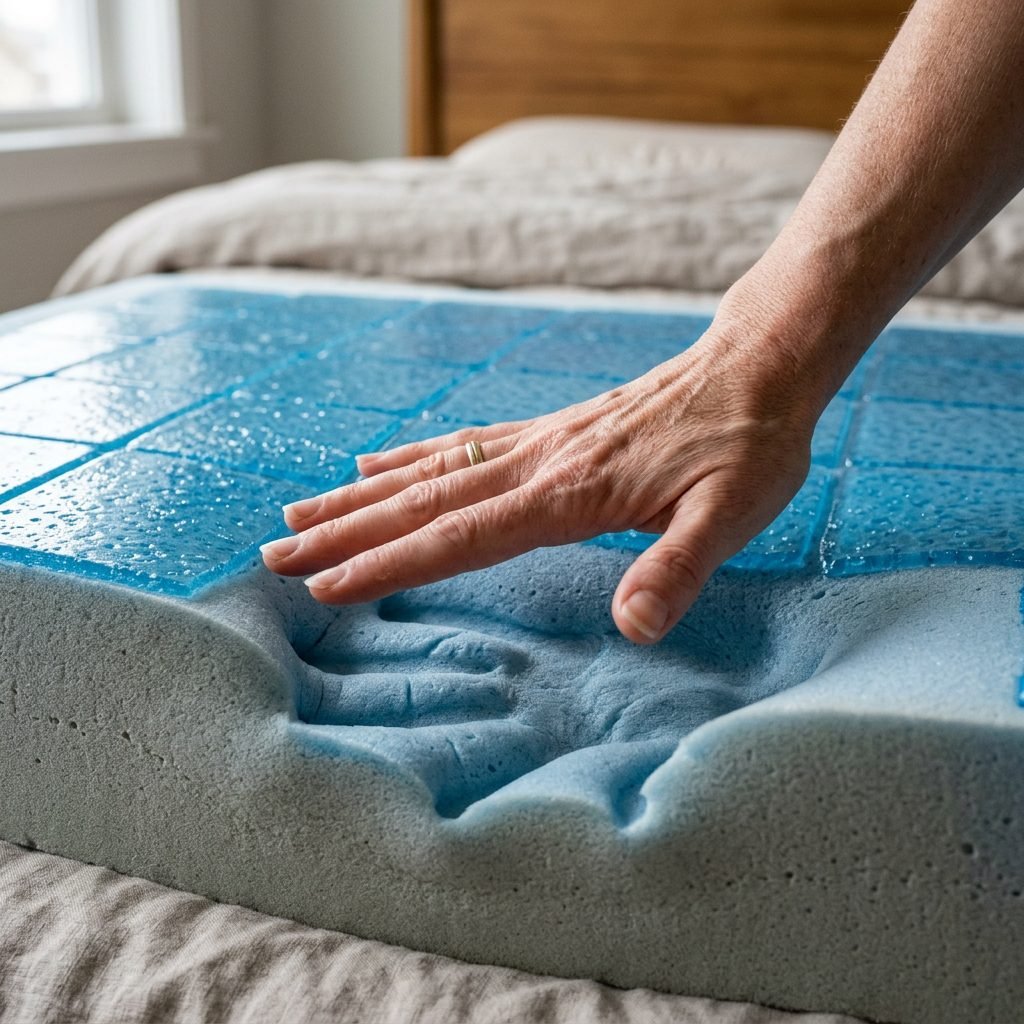
- Density and Firmness: If the cushion is too soft, it will bottom out. You want 100% pure memory foam that holds its shape even after hours of nursing.
- Non-Slip Bottom: There is nothing worse than a cushion that slides around when you are trying to sit down with a sleeping baby. Look for a rubberized bottom.
- Washable Cover: Let’s be real—postpartum life involves leaking milk, baby spit-up, and sweat. A removable, machine-washable velvet or mesh cover is non-negotiable.
- Portability: Look for a cushion with a built-in handle. You’ll want to move it from the nursing chair to the dining table to the car.
Pro-Tip: If you are dealing with inflammation (that ‘hot’ feeling in your tailbone), look for a cushion that features a cooling gel layer. It can be a game-changer for those first two weeks postpartum.
Doula-Approved Positions for Sitting and Nursing

Even with the best cushion, how you sit matters. Your goal is to keep the weight off your tailbone and distributed onto your ‘sits bones’ (the ischial tuberosities).
Step-by-Step: How to Sit Correctly
- Place your orthopedic cushion on a firm chair (avoid soft, deep sofas).
- Slowly lower yourself, keeping your back straight. Do not ‘slump’ back.
- Ensure your knees are slightly lower than your hips; use a footstool if necessary.
- When nursing, use a breastfeeding pillow (like a Boppy or My Brest Friend) in addition to your tailbone cushion to bring the baby to your breast, so you aren’t leaning forward and putting pressure on your spine.
Sisterly Reminder: If it hurts to sit, don’t sit! Side-lying nursing is a life-saver for tailbone injuries. Lay on your side with a pillow between your knees and bring the baby belly-to-belly with you.
Gentle Exercises to Relieve Tailbone Pressure

While rest is vital, gentle movement can help realign the pelvis and release the muscles that are pulling on your tailbone. Always check with your healthcare provider before starting any postpartum exercise.
The Best Relief Moves
- Cat-Cow Stretch: On all fours, gently arch and round your back. This helps move the baby off the spine and stretches the lower back.
- Pelvic Tilts: While lying on your back with knees bent, gently flatten your lower back against the floor, then release. This ‘wakes up’ the deep core without straining the tailbone.
- Child’s Pose (Wide Knee): This opens the pelvic floor and allows the tailbone to relax without any direct pressure.
What to Avoid: Avoid deep squats or heavy lifting if your tailbone pain is acute. These can put too much strain on the already-weakened pelvic ligaments.
When Should You See a Professional?
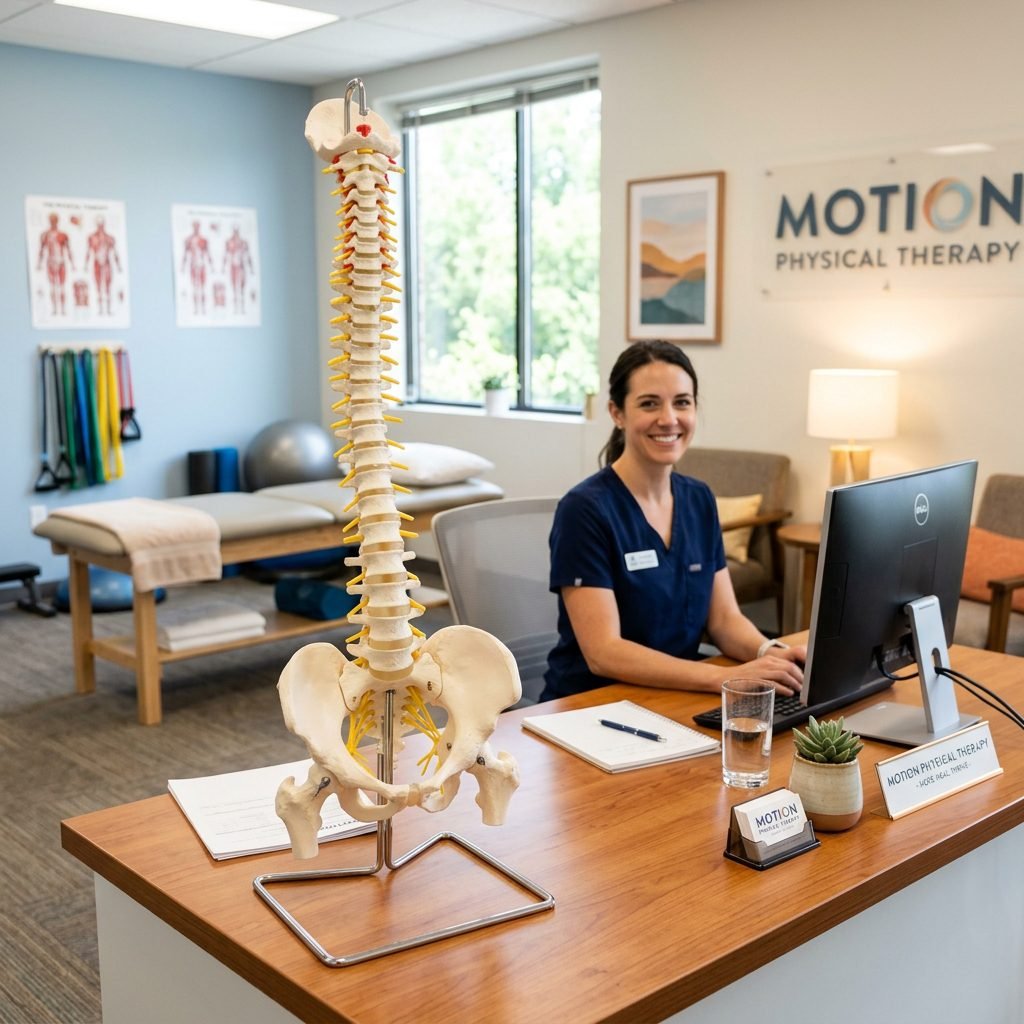
Most tailbone pain resolves within 6 to 12 weeks postpartum as hormones stabilize and inflammation goes down. However, sometimes the tailbone can become ‘stuck’ or the pelvic floor muscles can become hypertonic (too tight) in response to the pain.
Signs You Need a Pelvic Floor Physical Therapist (PT):
- Pain that hasn’t improved at all by your 6-week checkup.
- Pain that radiates down your legs or causes numbness.
- Sharp pain during bowel movements.
- Pain that makes it impossible to walk or care for your baby.
A Pelvic Floor PT can perform internal or external ‘mobilizations’ to gently move the tailbone back into its proper alignment. It sounds intimidating, but it is often the ‘magic key’ to permanent relief.
Conclusion
You’ve Got This, Mama
Severe tailbone pain can feel like a thief, stealing the joy from those quiet moments of holding your newborn. But please remember: this is a season, not a forever. By using the right orthopedic cushions, practicing mindful positioning, and being patient with your healing body, you will sit comfortably again. Invest in your comfort—you aren’t just buying a pillow; you are buying the ability to focus on your baby instead of your pain. You are doing a wonderful job, and your recovery matters just as much as everything else you do for your family. Rest, sit supported, and be gentle with yourself.