Sugaring vs. Waxing: Which Hair Removal Method hurts Less While Pregnant?
Welcome to Your Changing Body, Mama
Let us set the scene: You are standing in your bathroom, looking down, and suddenly realizing that your lovely, growing bump has completely eclipsed your view of your toes. You are not alone! Every expectant mother reaches this monumental milestone. As your belly blossoms, your center of gravity shifts, and the simple act of shaving your legs or maintaining your bikini line becomes an Olympic-level gymnastics routine.
It is perfectly natural to want to feel groomed, fresh, and comfortable, especially as you approach your due date and start packing your hospital bag. But when shaving is no longer practical (or safe, given the blind angles!), many mothers-to-be turn to professional hair removal. That brings us to the ultimate question: Sugaring vs. Waxing?
As your doula and maternal wellness guide, I am here to wrap my arms around you and walk you through this decision. Pregnancy changes everything—including your pain tolerance and skin sensitivity. What used to be a quick, breezy wax appointment might suddenly feel daunting. Today, we are going to dive deep into the world of prenatal hair removal, demystify the unglamorous realities of pregnancy skin, and help you choose the gentlest, safest method for your beautiful body. Grab a cup of red raspberry leaf tea, take a deep breath, and let us explore the sweetest ways to stay smooth and comfortable.
Why Your Skin Feels So Different Right Now (The Hormonal Shift)

The Physiology of Pregnancy Skin
Before we compare hair removal methods, we need to talk about what is happening beneath the surface of your skin. If you have noticed that even a gentle scratch feels more intense these days, you are not imagining things. Your body is undergoing a miraculous, systemic transformation.
The Blood Volume Boom
During pregnancy, your body produces up to a 50% increase in blood volume to support your growing baby. This means there is significantly more blood flowing just beneath the surface of your skin. This extra blood flow is what gives you that famous “pregnancy glow,” but it also means your skin is engorged, warmer, and hyper-reactive to touch, temperature, and friction.
Hormones and Sensitivity
Your estrogen and progesterone levels are soaring. These hormones are essential for maintaining your pregnancy, but they also lower your pain threshold and make your skin more prone to inflammation. Furthermore, the melanocyte-stimulating hormone (MSH) is in overdrive, which can make your skin more susceptible to hyperpigmentation if it experiences trauma.
“Your body is doing the monumental work of growing a human life from scratch. If things feel a little more sensitive right now, it is only because your body is fiercely protecting you and your baby. Give yourself grace, Mama.”
Because of these profound changes, the hair removal method you used faithfully for years might suddenly cause irritation, redness, or unexpected discomfort. This is why choosing a method that minimizes trauma to the live skin cells is absolutely crucial during your second and third trimesters.
The Sugaring Method: A Sweet, Gentle Alternative
What Exactly is Sugaring?
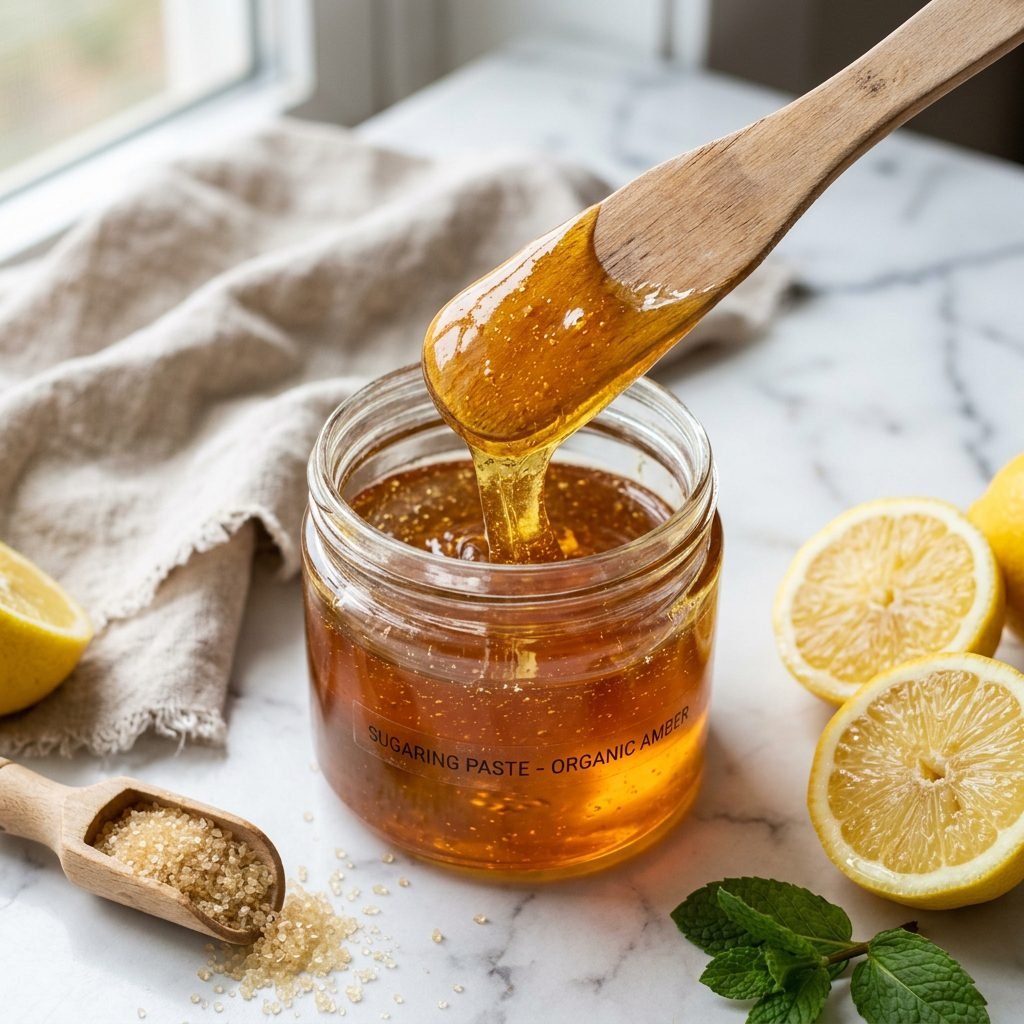
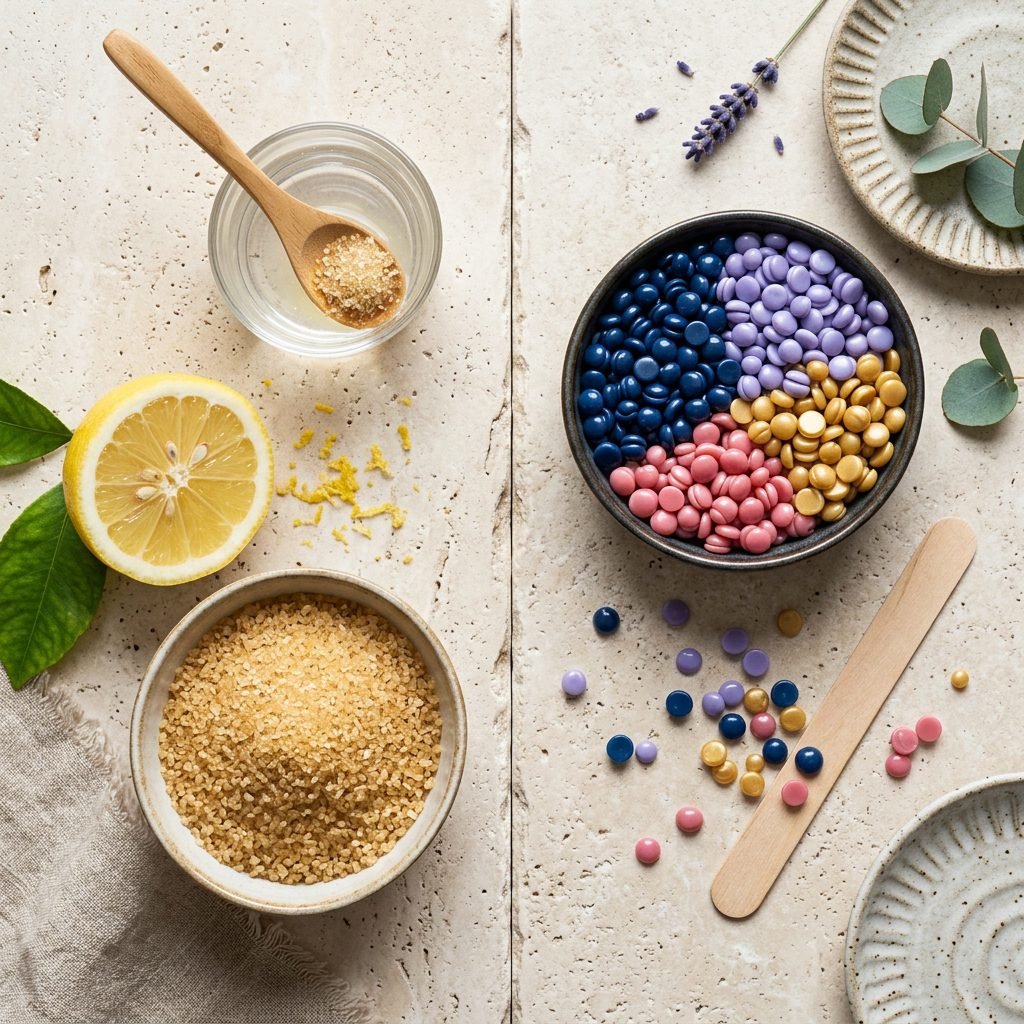
Sugaring is an ancient hair removal technique that dates back to ancient Egypt, and it is experiencing a massive renaissance—especially among expectant mothers. The magic of sugaring lies in its profound simplicity. The paste is made from just three edible, non-toxic ingredients: organic sugar, purified water, and lemon juice.
How Sugaring Works on the Skin
Unlike traditional waxing, the sugaring paste is applied at room temperature or slightly lukewarm. This completely eliminates the risk of burning your hyper-sensitive pregnancy skin. The practitioner molds the golden paste against the natural direction of your hair growth, allowing the sugar to seep into the hair follicle and wrap around the root.
Then comes the crucial difference: the paste is flicked off in the natural direction of hair growth. This technique prevents the hair from snapping at the surface, which drastically reduces the risk of painful ingrown hairs—a common nuisance when your immune system is occupied with pregnancy.
Why Doulas Love Sugaring for Pregnancy
- It Only Sticks to the Hair: Sugar is water-soluble, meaning it cannot adhere to live skin cells. It only exfoliates dead skin cells and grabs the hair, resulting in significantly less skin trauma.
- No Heat Required: Because your baseline body temperature is already elevated, avoiding hot wax prevents unnecessary vasodilation and stinging.
- Chemical-Free: Everything applied to your skin can potentially be absorbed. Sugaring uses 100% natural, edible ingredients, giving you ultimate peace of mind.
Traditional Waxing: The Classic Choice
Understanding Waxing During Pregnancy
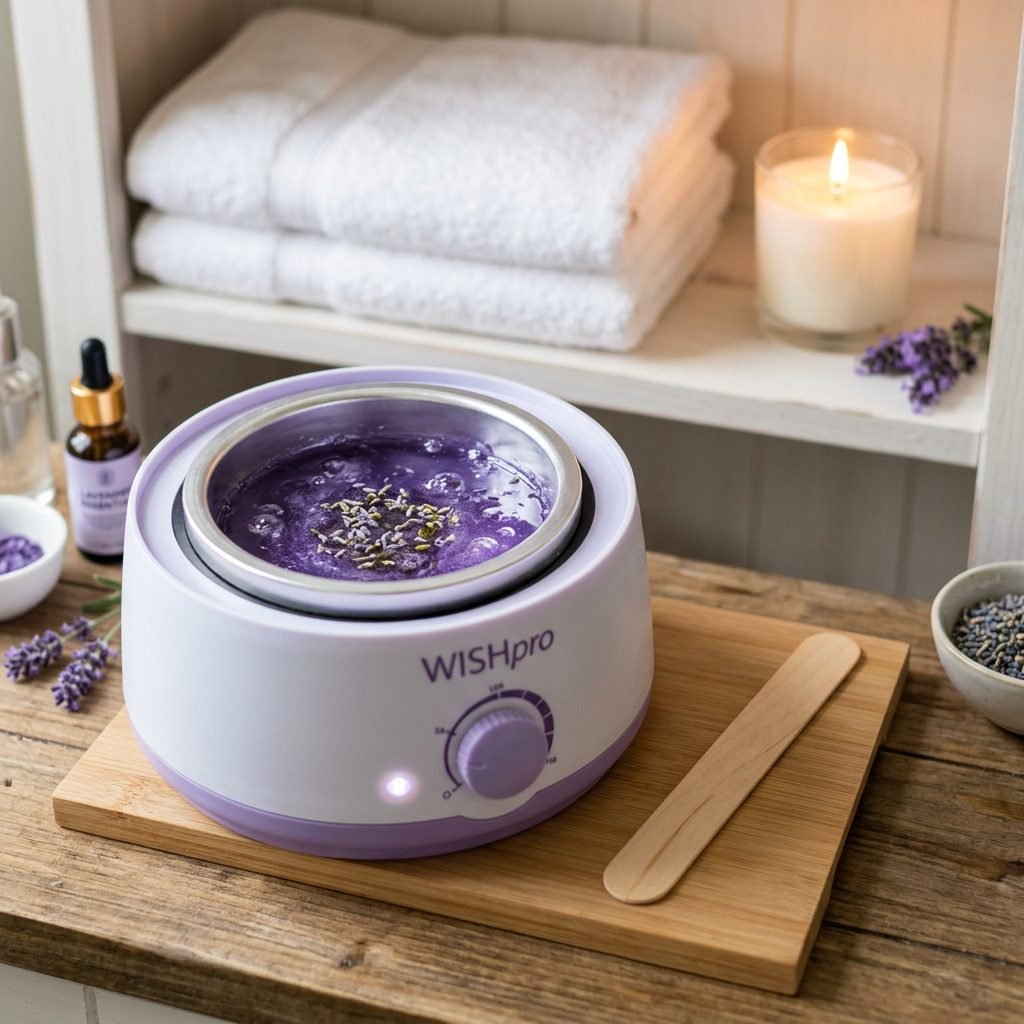
Waxing is the method most of us are familiar with. It is fast, efficient, and available at nearly every salon. However, when you are pregnant, not all waxes are created equal. If you choose to wax, it is vital to understand the difference between soft wax and hard wax.
Soft Wax vs. Hard Wax
- Soft Wax (Strip Wax): This involves spreading a thin layer of hot, resin-based wax over the skin, pressing a cloth or paper strip on top, and ripping it off against the hair growth. Doula Warning: Soft wax adheres to live skin cells. On delicate pregnancy skin, this can cause bruising, severe redness, and even skin lifting. I generally advise my mamas to avoid soft wax on sensitive areas like the bikini line during pregnancy.
- Hard Wax (Stripless Wax): This wax is applied in a thicker layer, allowed to cool and harden, and then removed without a strip. Hard wax shrink-wraps around the hair rather than sticking strongly to the skin. If you are going to wax while pregnant, hard wax is the only way to go.
The Drawbacks for Expectant Mothers
Even with hard wax, the temperature must be warm enough to melt the resin, which can feel uncomfortably hot on your sensitized skin. Additionally, waxing removes hair against the direction of growth. This unnatural pulling motion can snap the hair follicle beneath the skin, leading to those dreaded, painful ingrown hairs. Because your blood vessels are dilated, waxing is also more likely to cause pinpoint bleeding during pregnancy.
“If you have been waxing for years and your body is accustomed to it, you may tolerate it fine during pregnancy. But if you are trying professional hair removal for the first time while pregnant, waxing might be more intense than you anticipate.”
The Ultimate Showdown: Sugaring vs. Waxing in Pregnancy
Comparing Your Options Safely
To help you make the best, most informed decision for your prenatal comfort, let us break down the differences in a clear, side-by-side comparison. When looking at pain, safety, and technique, the differences become vividly clear.
| Feature | Sugaring Method | Traditional Hard Waxing |
|---|---|---|
| Ingredients | Sugar, Lemon, Water (100% Natural) | Resins, Rosins, Beeswax, Chemicals |
| Temperature | Lukewarm / Body Temperature | Hot (Can cause heat sensitivity) |
| Skin Adherence | Only sticks to dead skin & hair | Sticks to hair and live skin cells |
| Pull Direction | With natural hair growth | Against natural hair growth |
| Pain Level (Pregnancy) | Moderate (Generally considered less painful) | High (Can cause stinging and bruising) |
| Ingrown Hair Risk | Very Low | Moderate to High |
The Verdict: Which Hurts Less?
Based on the physiology of pregnancy, the mechanics of the pull, and the temperature of the product, Sugaring is widely considered the less painful and gentler option for pregnant women. Because it does not pull at your live skin cells and does not require heat, it significantly reduces the fiery, stinging aftermath that often accompanies traditional waxing. If you are looking for the path of least resistance for your sensitive bump and bikini line, sugaring is the doula-approved winner.
Doula-Approved Tips to Minimize Pain Before Your Appointment
Preparation is Your Best Friend
Whether you choose sugaring or waxing, setting your body up for success will drastically reduce your pain levels. As a doula, I teach my clients that preparation and breathwork are the keys to managing any physical discomfort. Here is your step-by-step prep routine for a comfortable appointment.
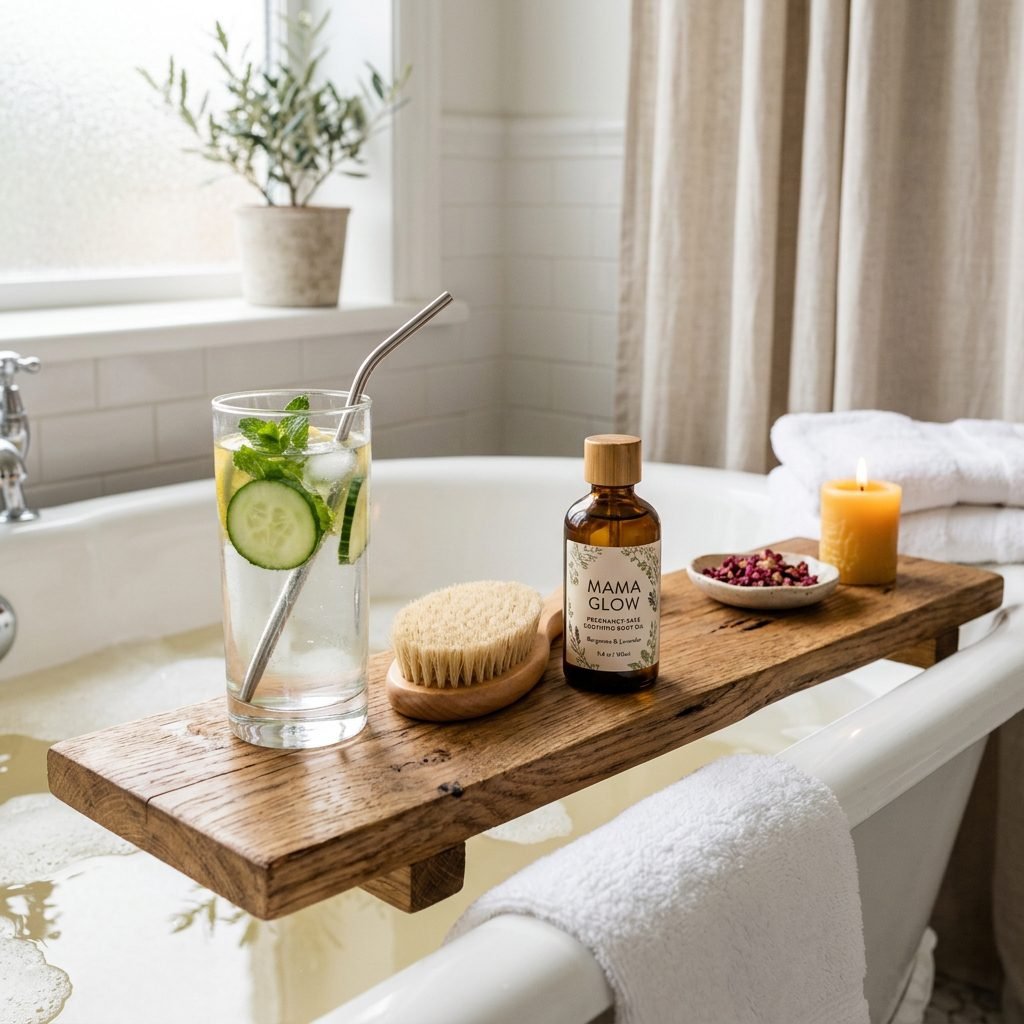
- Hydrate from the Inside Out: Drink plenty of water in the 48 hours leading up to your appointment. Plump, hydrated skin releases hair follicles much more easily than dry, tight skin.
- Gentle Exfoliation: Two days before your appointment, use a pregnancy-safe scrub or a dry brush on the area. This removes dead skin cells that might trap the hair, making the removal process smoother.
- Skip the Caffeine: I know giving up that morning cup of coffee is hard, but caffeine restricts blood vessels and heightens nerve sensitivity. Opt for a calming herbal tea on the morning of your appointment.
- Time it Right: Try to schedule your appointment in the late morning or early afternoon. Avoid going right after a workout when your blood is pumping heavily to the skin’s surface.
- Utilize Labor Breathing: Use this appointment to practice your labor breathing! When the practitioner is about to pull, take a deep breath in through your nose, and exhale slowly through “horse lips” (fluttering your lips). This relaxes your pelvic floor and drastically reduces the sensation of pain.
“Remember, you are in control of your appointment. If you need a break, ask for one. A good practitioner will gladly pause, let you take a breath, and proceed only when you are ready.”
Post-Appointment Care for a Happy, Bump-Friendly Glow
Soothing Your Skin Afterward
You did it! You breathed through it, and now you are smooth and ready for anything. But the care does not stop when you leave the salon. Post-removal care is critical during pregnancy to prevent irritation, folliculitis, and hyperpigmentation.
The 48-Hour Healing Window
For the first 24 to 48 hours after your appointment, your hair follicles are completely open and vulnerable to bacteria and heat. Treat your skin like it is recovering from a very mild sunburn.
- Wear Loose, Breathable Clothing: Ditch the tight maternity leggings for a day. Opt for loose, 100% cotton dresses or wide-leg lounge pants to prevent friction.
- Avoid Extreme Heat: No hot baths, saunas, or intense, sweaty workouts. Stick to lukewarm, gentle showers.
- Soothe Naturally: Apply pure, alcohol-free aloe vera gel or a gentle witch hazel spray to calm inflammation. Avoid heavy, heavily fragranced lotions that can clog the open follicles.
- Cold Compresses: If you feel swollen or tender, apply a cool, damp washcloth to the area for 10 minutes. The coolness will constrict the blood vessels and provide instant relief.
By following these gentle, restorative steps, your skin will bounce back quickly, leaving you feeling fresh, clean, and beautifully prepared for the weeks ahead.
Conclusion
Embracing Your Changing Body
At the end of the day, Mama, whether you choose the sweet, gentle pull of sugaring, the classic efficiency of hard wax, or simply decide to let your body hair grow wild and free—you are doing beautifully. Pregnancy is a season of profound surrender. Your body is expanding, adapting, and performing daily miracles to nurture the little life inside you.
If reaching your legs has become a comedy routine, let professional hair removal be a moment of self-care rather than a chore. Based on the physiology of pregnancy, sugaring stands out as the gentler, safer, and less painful option. It respects your sensitive skin, avoids unnecessary heat, and utilizes beautiful, natural ingredients.
Whatever you choose, communicate openly with your practitioner, practice your deep, grounding breaths, and remember to give yourself endless grace. You are preparing to meet your baby, and every choice you make for your comfort is a valid, beautiful choice. Stay hydrated, stay comfortable, and trust in the incredible strength of your body.