The Holy Grail of Pregnancy Safe Skincare for Horrible Hormonal Breakouts
Welcome to the Glow-Up You Actually Deserve
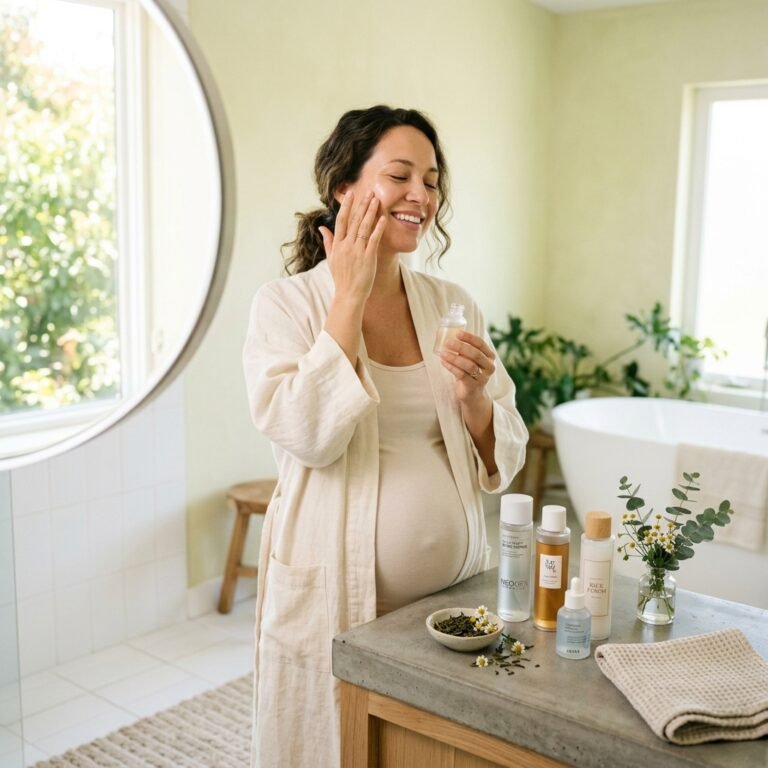
Oh, sweet mama, I see you. I know exactly what you are going through. You were promised the ‘pregnancy glow’—that ethereal, lit-from-within radiance that makes you look like a Renaissance painting. Instead, you woke up with a chin full of cystic bumps that haven’t made an appearance since your sophomore year of high school. It feels unfair, doesn’t it? Your body is already doing the heavy lifting of growing a tiny human, and now your skin has decided to join the rebellion. As a doula and a sister in this journey, I want you to take a deep breath. You are still radiant, even if your pores currently disagree. Hormonal breakouts during pregnancy are incredibly common, affecting nearly 50% of expectant mothers. These aren’t just ‘zits’; they are signs of your body’s incredible hormonal shift. But here is the good news: you don’t have to just ‘suffer through it.’ While many traditional acne-fighting powerhouses like Retin-A and high-dose Salicylic Acid are off-limits for now, there is a holy grail of pregnancy-safe skincare that can soothe the inflammation, clear the congestion, and bring back your confidence without ever risking your baby’s safety.
The Hormonal Rollercoaster: Why Your Skin is Reacting This Way
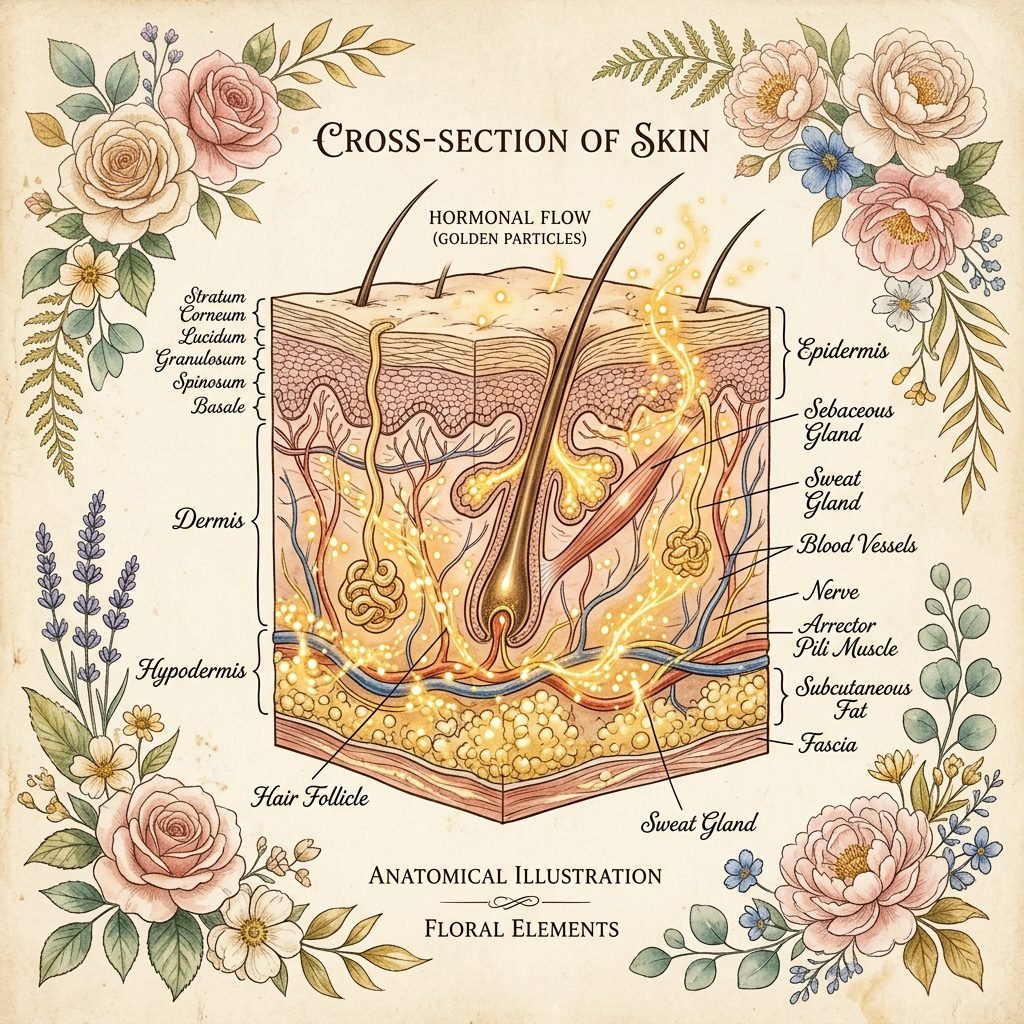
Before we dive into the solutions, let’s talk about the ‘why.’ Knowledge is power, and understanding your body can take some of the frustration out of those morning mirror sessions. During the first and second trimesters, your body experiences a massive surge in progesterone. While progesterone is vital for maintaining a healthy pregnancy, it also tells your sebaceous glands to go into overdrive. This leads to an increase in sebum (oil), which can clog pores and create the perfect breeding ground for bacteria. Additionally, your body is producing more androgens, which can thicken the lining of your pores, making it harder for oil to escape.
Remember, mama: these breakouts are a physical manifestation of the powerful hormones sustaining your baby. Your skin is working hard, just like the rest of you.
It is also important to recognize that pregnancy increases your blood volume by nearly 50%. This can lead to increased sensitivity and redness. What used to be a ‘tough’ complexion might now be reactive and easily irritated. This is why we shift our focus from ‘attacking’ the acne to ‘nurturing’ the skin back to balance. We are looking for ingredients that calm inflammation while gently clearing out the debris.
The ‘No-Fly’ List: Skincare Ingredients to Retire Until Postpartum
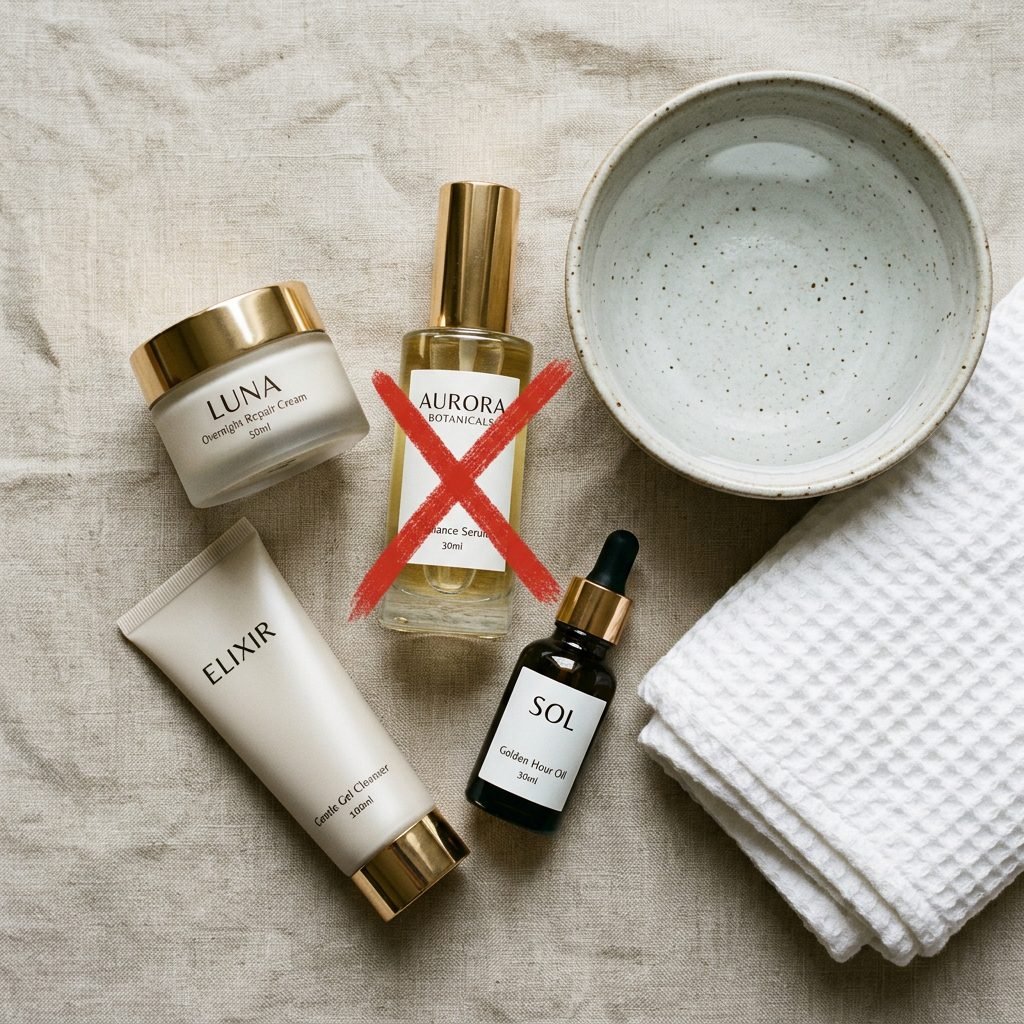
Safety is our absolute priority. When you are pregnant, your skin becomes more permeable, and certain chemicals can enter the bloodstream and potentially cross the placenta. While the research on topical absorption is often limited, the medical community follows the ‘precautionary principle.’ We avoid ingredients that are known teratogens in high oral doses or those that have shown potential risks in animal studies.
The most important group to avoid are Retinoids. Whether it is prescription Tretinoin (Retin-A), Accutane, or over-the-counter Retinol, these Vitamin A derivatives are strictly off-limits due to the risk of birth defects. We also need to be careful with certain acids and lightening agents. Below is your quick-reference guide for what to tuck away in the back of the drawer for now.
| Ingredient Category | What to Avoid | The Potential Risk |
|---|---|---|
| Retinoids | Retinol, Retinyl Palmitate, Tretinoin, Tazarotene | Known risk of fetal retinoid syndrome and birth defects. |
| Beta Hydroxy Acids (High Dose) | Salicylic Acid (over 2%), Willow Bark Extract | High concentrations are linked to pregnancy complications (aspirin-related). |
| Lightening Agents | Hydroquinone, Glutathione | High absorption rate (up to 45%) into the bloodstream. |
| Antibiotics (Oral) | Tetracycline, Doxycycline, Minocycline | Can affect fetal bone growth and discolor baby teeth. |
| Chemical Sunscreens | Oxybenzone, Avobenzone | Potential endocrine disruptors that may affect fetal development. |
If you see ‘Anti-Aging’ on a label, proceed with extreme caution. Most of those products rely on the ‘Big R’ (Retinol). Always flip the bottle over and read the fine print, or better yet, use a pregnancy-safe scanning app to verify the ingredients.
The Holy Grail Alternatives: Ingredients That Actually Work
The Superstar: Azelaic Acid
If there is one ingredient you need in your arsenal, it is Azelaic Acid. Dermatologists and doulas alike hail this as the gold standard for pregnancy acne. It is a naturally occurring acid found in grains like barley and rye. It works by killing acne-causing bacteria, reducing inflammation, and gently exfoliating the skin. Most importantly, it is incredibly effective at treating melasma (the ‘mask of pregnancy’) and post-inflammatory hyperpigmentation. Look for a 10% concentration over-the-counter, or ask your doctor for a 15-20% prescription (Finacea) if your breakouts are severe.
The Gentle Exfoliator: Lactic Acid
Since high-dose Salicylic Acid is out, we turn to Alpha Hydroxy Acids (AHAs). Lactic Acid is the gentlest of the bunch. Because it has a larger molecular size, it doesn’t penetrate as deeply as Glycolic Acid, making it less likely to irritate sensitive pregnancy skin. It sloughs off dead skin cells on the surface, preventing them from falling into the pore and causing a clog, while also acting as a humectant to pull moisture into the skin.
The Brightener: Vitamin C
Pregnancy acne often leaves behind stubborn dark spots. Vitamin C (L-Ascorbic Acid) is your best friend here. It is a powerful antioxidant that protects your skin from environmental damage and helps brighten the complexion. When used under sunscreen, it actually boosts the efficacy of your SPF, protecting you from the hormonal pigmentation that often accompanies sun exposure during pregnancy.
The Natural Alternative: Bakuchiol
Missing your Retinol? Meet Bakuchiol. This plant-based extract offers similar benefits to Retinol—stimulating collagen production and accelerating cell turnover—without the safety concerns or the irritating side effects. It is a game-changer for mamas who want to maintain their anti-aging routine while fighting breakouts.
Your Step-by-Step Pregnancy Glow Routine: Morning and Night
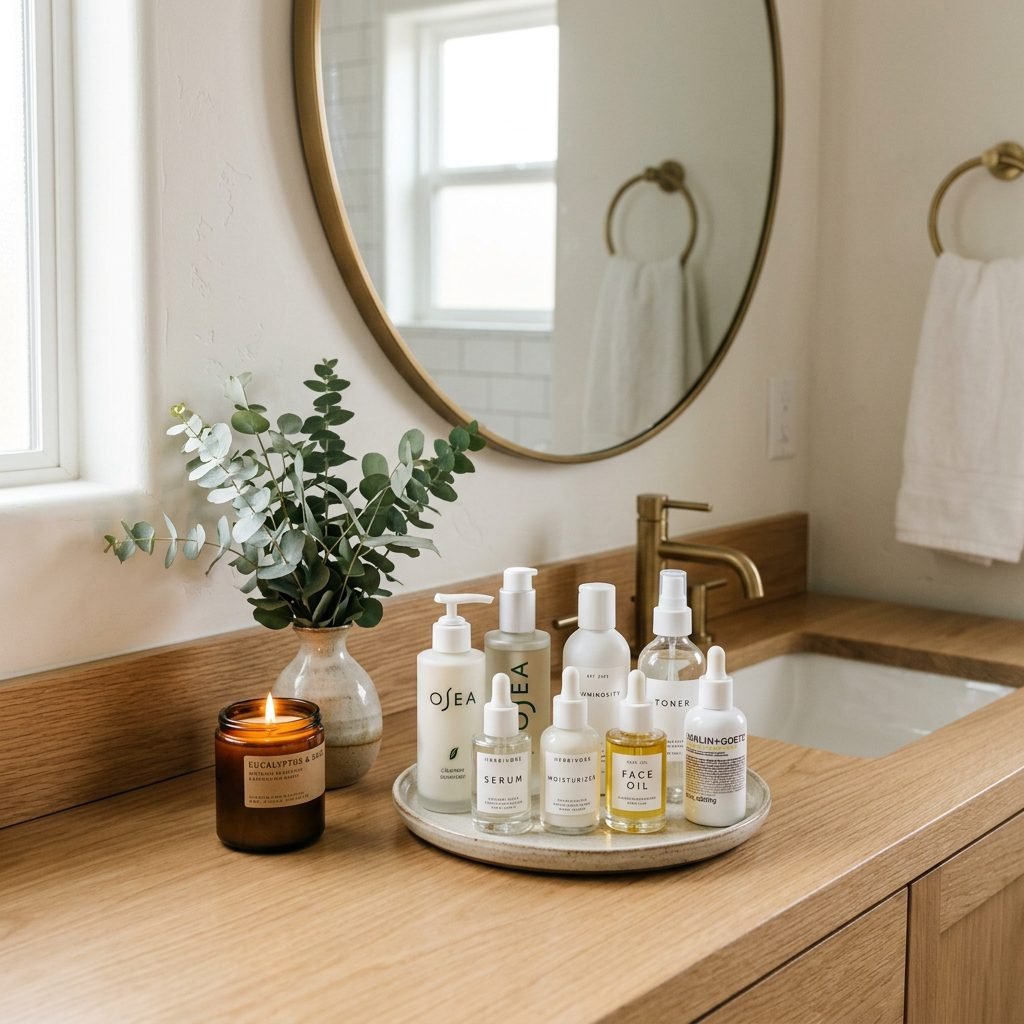
Consistency is key when dealing with hormonal skin. You don’t need a 12-step routine that leaves you exhausted before bed. You need a simple, effective ritual that respects your skin barrier. Here is a doula-approved template for your daily care.
Morning Routine: Protect and Prevent
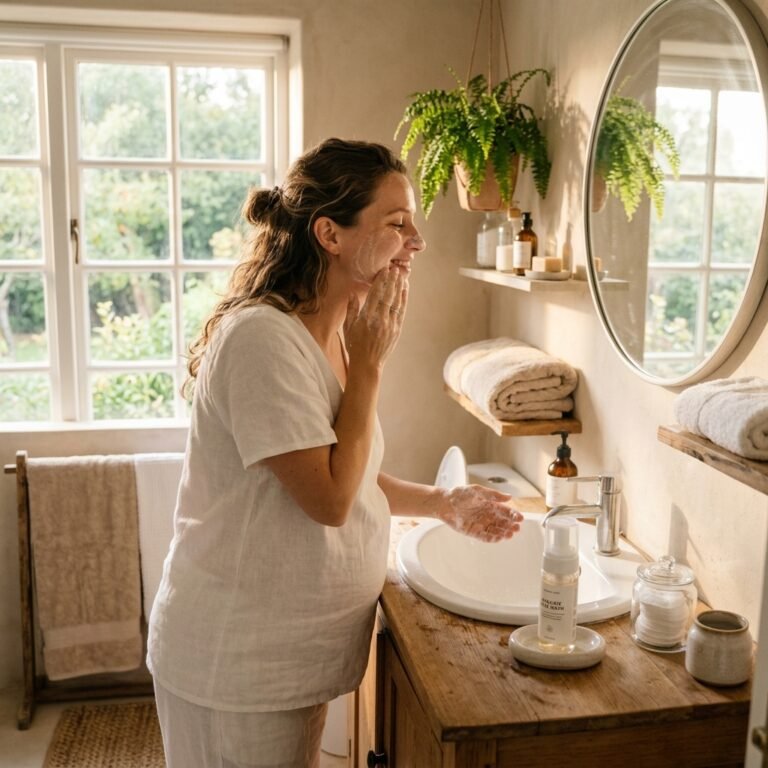
- Step 1: Gentle Cleanser. Use a sulfate-free, non-foaming cleanser. You want to remove the sweat from the night without stripping your natural oils.
- Step 2: Vitamin C Serum. Apply to dry skin to brighten and protect.
- Step 3: Hyaluronic Acid. Pregnancy skin is often dehydrated. This molecule holds 1000x its weight in water, keeping your skin plump.
- Step 4: Mineral Sunscreen (SPF 30+). Look for Zinc Oxide or Titanium Dioxide. These sit on top of the skin and reflect UV rays, preventing melasma from darkening.
Evening Routine: Treat and Repair
- Double Cleanse. Use a pregnancy-safe cleansing balm or oil first to break down sunscreen and makeup, followed by your gentle cleanser. This ensures your pores are truly clear.
- Targeted Treatment. This is where you apply your Azelaic Acid or Bakuchiol. Focus on the areas where you break out most (usually the jawline and chin).
- Niacinamide (Optional). If you have significant redness or large pores, a Niacinamide serum can help calm the skin and regulate oil production.
- Barrier-Repair Moisturizer. Look for ceramides and fatty acids. Your skin does its best repair work while you sleep (even if you’re getting up three times to pee!).
Affirmation: I am nourishing my skin and my baby with every choice I make. My beauty is not defined by a breakout.
Beyond the Bottle: Holistic Habits for Clearer Pregnancy Skin

As a doula, I look at the whole person. Skincare isn’t just what you put on your face; it’s how you care for your body from the inside out. Hormonal acne is an internal process, so we need internal solutions to support your topical routine.
Hydration and Electrolytes
You are likely tired of hearing ‘drink more water,’ but during pregnancy, your fluid needs skyrocket. Dehydrated skin produces more oil to compensate for the lack of moisture. Try adding a squeeze of lemon or a pinch of sea salt to your water to ensure your cells are actually absorbing the hydration.
The Silk Pillowcase Trick
Your skin is more sensitive now. Traditional cotton pillowcases can harbor bacteria and create friction that inflames existing acne. Switching to a 100% Mulberry Silk pillowcase can reduce irritation and keep your skin cleaner throughout the night. Just be sure to wash it every 3-4 days with a fragrance-free detergent.
Watch the Sugar Spikes
While those pregnancy cravings are real, high-glycemic foods (white bread, sugary snacks, sodas) cause a spike in insulin, which in turn triggers more androgen production. Try to pair your carbs with a protein or a healthy fat to stabilize your blood sugar and keep your skin calmer.
| Habit | Why It Helps | Sisterly Tip |
|---|---|---|
| Zinc Supplementation | Reduces inflammation and bacterial growth. | Check with your midwife first; it’s often in your prenatal! |
| Face Towels | Prevents cross-contamination. | Use a fresh, small bamboo washcloth every single day. |
| Stress Management | Lowers cortisol, which triggers oil. | Try 5 minutes of prenatal box breathing before bed. |
The Postpartum Shift: Navigating Skin Changes After Baby Arrives

I want to give you a heads-up about the ‘Fourth Trimester.’ Once that beautiful baby arrives, your estrogen and progesterone levels will plummet. For some women, this clears the acne instantly. For others, the sudden drop—combined with the stress of new parenthood and lack of sleep—can trigger a new wave of breakouts or extreme dryness. This is completely normal.
If you are breastfeeding, continue to stick with the pregnancy-safe list, as many ingredients can still pass into breast milk. Be gentle with yourself during this time. Your body has just performed a miracle. If you have ‘postpartum rage’ skin, focus on hydration and basic cleansing. You don’t have to have a perfect complexion to be a perfect mother.
You are doing an incredible job, mama. This phase is temporary, but the strength you are building is forever.
Conclusion
Embrace the Journey, One Drop at a Time
Navigating the ‘Holy Grail’ of pregnancy-safe skincare is about more than just vanity; it’s about self-care and feeling like yourself in a body that is constantly changing. By swapping out harsh retinoids for Azelaic Acid and Bakuchiol, and by prioritizing a gentle, consistent routine, you can manage those hormonal breakouts with grace. Remember that your skin is a living organ that is adapting to the most profound transformation of your life. Be patient, be consistent, and most importantly, be kind to the woman in the mirror. You are growing a life, and that is the most beautiful glow there is.