

Is Collagen Safe During Pregnancy? Benefits for Stretch Marks and Skin
Welcome to the Glow and the Growing Pains, Mama
Hello, sweet friend. If you are reading this, you are likely navigating the beautiful, sometimes overwhelming journey of growing a tiny human. Your body is doing something absolutely miraculous right now—it is stretching, shifting, and creating life from scratch. With all that stretching often comes a few concerns: the itchy tightness of a growing belly, the appearance of stretch marks, and perhaps a bit of extra clicking in your joints. You might have heard whispers in your mom-groups or seen influencers touting the wonders of collagen for that ‘pregnancy glow’ and skin resilience. But as a doula and someone who cares deeply about your wellness, I know your first question is always: Is it actually safe for my baby?
In this heart-to-heart guide, we are going to peel back the layers of the collagen craze. We will look at what the science says, how it helps your skin cope with the incredible demands of pregnancy, and how to choose the cleanest options for you and your little one. Think of this as a cozy chat over a cup of bone broth—practical, reassuring, and rooted in maternal wisdom.
Understanding the ‘Glue’ of Your Body: What is Collagen?

Collagen is the most abundant protein in your body. Think of it as the ‘glue’ that holds everything together—your skin, hair, nails, bones, ligaments, and even your blood vessels. During pregnancy, your body’s demand for certain amino acids, like glycine and proline (which are the building blocks of collagen), increases significantly. This is because you aren’t just maintaining your own tissues; you are literally building a new skeletal system and skin for your baby.
The Different Types of Collagen
While there are many types, the ones we care about most during pregnancy are:
- Type I: Found in skin, tendons, and bone. This is the big player for skin elasticity and preventing that ‘overstretched’ feeling.
- Type II: Found in cartilage. This helps support your joints as they loosen up due to the hormone relaxin.
- Type III: Found in muscles and organs. It works alongside Type I to provide structure and elasticity.
Your body is a master architect right now. Providing it with the right raw materials is one of the most loving things you can do for yourself and your baby.
The Big Question: Is Collagen Safe During Pregnancy?
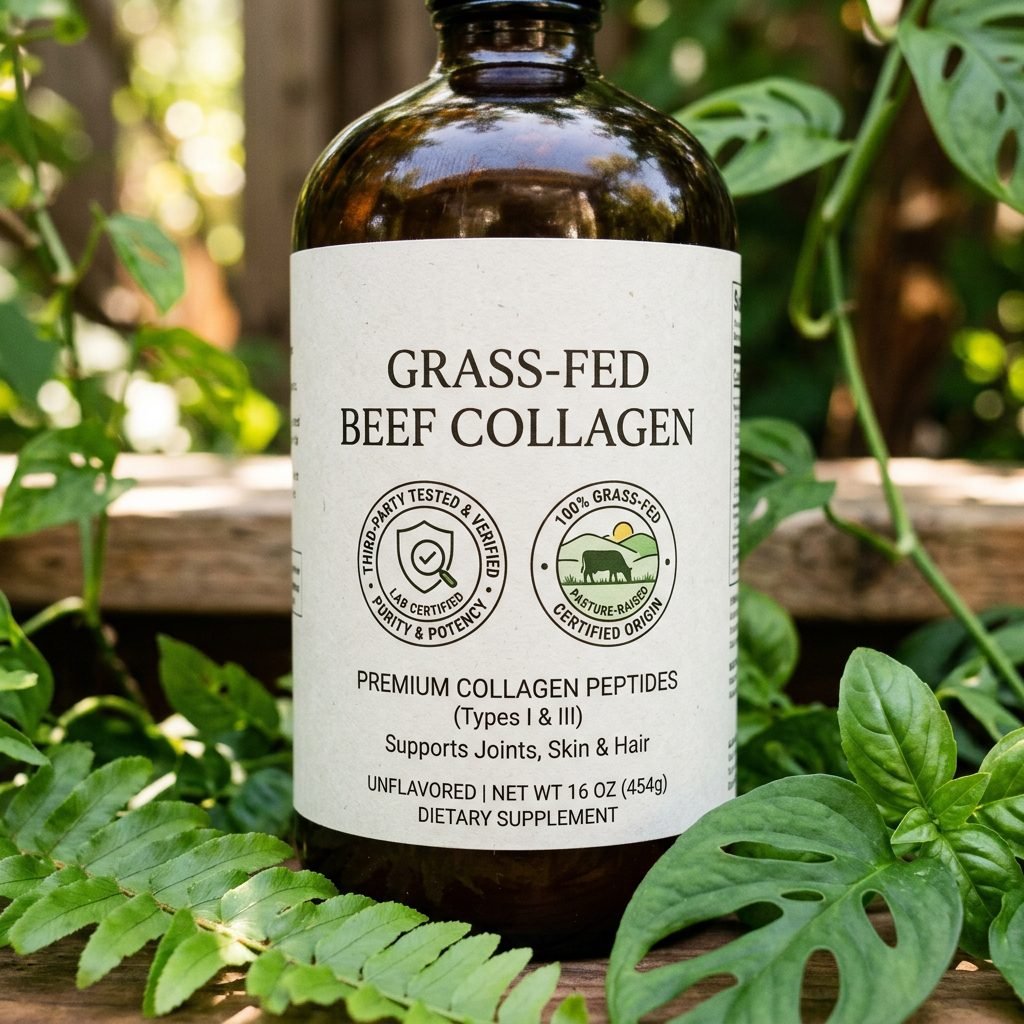
The short answer is: Yes, generally collagen is considered safe and even beneficial during pregnancy. However, because it is classified as a supplement rather than a drug, the quality varies wildly between brands. As a doula, I always tell my mamas that ‘food first’ is the golden rule, but high-quality supplements can bridge the gap.
Why Quality Matters Most
When you are pregnant, your body is more sensitive to heavy metals and synthetic additives. Some low-quality collagen powders sourced from factory-farmed animals can contain traces of lead, mercury, or antibiotics. To stay safe, you must look for these specific green flags:
- Third-Party Testing: Ensure the brand is tested by an independent lab (like NSF or USP).
- Grass-Fed or Wild-Caught: This ensures the source animal was healthy and free of hormones.
- Clean Ingredients: Avoid ‘flavors,’ artificial sweeteners like sucralose, or dyes.
| Feature | What to Look For | What to Avoid |
|---|---|---|
| Source | Grass-Fed Bovine or Wild Marine | Conventional/Industrial Farmed |
| Processing | Hydrolyzed (Easier to digest) | Non-hydrolyzed or ‘Gelatin’ (Harder on the gut) |
| Additives | Unflavored or Natural Stevia | Artificial Sweeteners & Gums |
| Testing | Heavy Metal Screened | No lab transparency |
The Stretch Mark Struggle: Can Collagen Help Skin Elasticity?

Ah, the ‘tiger stripes.’ While genetics play a massive role in whether or not you get stretch marks, the structural integrity of your dermis (the middle layer of skin) is the second most important factor. Stretch marks occur when the skin stretches faster than the collagen fibers can repair themselves, leading to tiny tears.
How Collagen Supports the Dermis
By increasing your intake of collagen peptides, you are providing your fibroblasts (the cells that make collagen) with the tools they need to stay active. This helps the skin remain more pliable and resilient. It’s not just about the belly, either! Collagen supports the skin on your breasts, hips, and thighs—all areas that undergo rapid change.
The Vitamin C Connection
Did you know your body cannot actually synthesize collagen without Vitamin C? If you are taking a collagen supplement but skipping your fruits and veggies, you aren’t getting the full benefit. Pair your collagen with:
- A squeeze of fresh lemon in your water.
- A handful of strawberries or kiwis.
- Bell peppers in your dinner salad.
Think of Vitamin C as the ‘worker’ and Collagen as the ‘brick.’ You need both to build a strong, flexible wall.
Beyond the Skin: Holistic Benefits for the Expectant Mother

While we often focus on the mirror, collagen does so much work behind the scenes. Pregnancy puts an incredible strain on your physical structure, and collagen is there to catch you.
1. Joint and Pelvic Support
As your baby grows, your center of gravity shifts. The hormone relaxin makes your ligaments ‘stretchy’ to prepare for birth, but this can lead to SPD (Symphysis Pubis Dysfunction) or general hip pain. Collagen helps maintain the strength of those loosened ligaments.
2. Gut Health and Digestion
Many mamas struggle with ‘pregnancy brain’ and ‘pregnancy gut.’ Collagen contains glutamine, an amino acid that helps seal the gut lining. This can be incredibly soothing if you are dealing with pregnancy-induced sensitivity or mild digestive upset.
3. Postpartum Hair and Nail Strength
We’ve all heard of the dreaded postpartum hair shed. While you can’t completely stop hormonal shifts, entering the postpartum period with ‘full tanks’ of collagen can help your hair and nails recover much faster once the baby arrives.
How to Safely Incorporate Collagen into Your Routine

Ready to start? Let’s make it easy and delicious. You don’t need fancy pills; simple powders or real foods are best for absorption. Most experts suggest 10g to 20g of collagen per day during pregnancy.
The Best Ways to Take It:
- The Morning Stir: Mix a scoop of unflavored hydrolyzed collagen into your morning decaf coffee or herbal tea. It dissolves completely and has no taste!
- The Smoothie Boost: Blend collagen with spinach, frozen berries, Greek yogurt, and a splash of almond milk for a protein-packed breakfast.
- The Healing Bone Broth: If you prefer the ‘food first’ route, sipping on warm, organic bone broth is the most natural way to get Type II collagen. It’s also very settling for a nauseous stomach.
A Note on Timing
There is no ‘wrong’ time to take collagen, but many mamas find that taking it in the morning helps with satiety (keeping you full), while others prefer it at night to help with tissue repair while they sleep.
Conclusion
You Are Doing a Great Job, Mama
At the end of the day, whether you choose to use a collagen supplement or simply focus on collagen-rich foods like slow-cooked meats and bone broth, the most important thing is that you are listening to your body. Collagen is a wonderful tool in your ‘pregnancy toolkit’ to help support your skin’s incredible elasticity and your joints’ newfound flexibility. It is a gentle way to nourish yourself from the inside out.
Remember, your stretch marks are a map of where your baby once lived—they are beautiful. But supporting your skin’s health is also a form of self-care that can make you feel more comfortable and confident in your changing body. You’ve got this, sister. Be gentle with yourself, stay hydrated, and keep glowing.