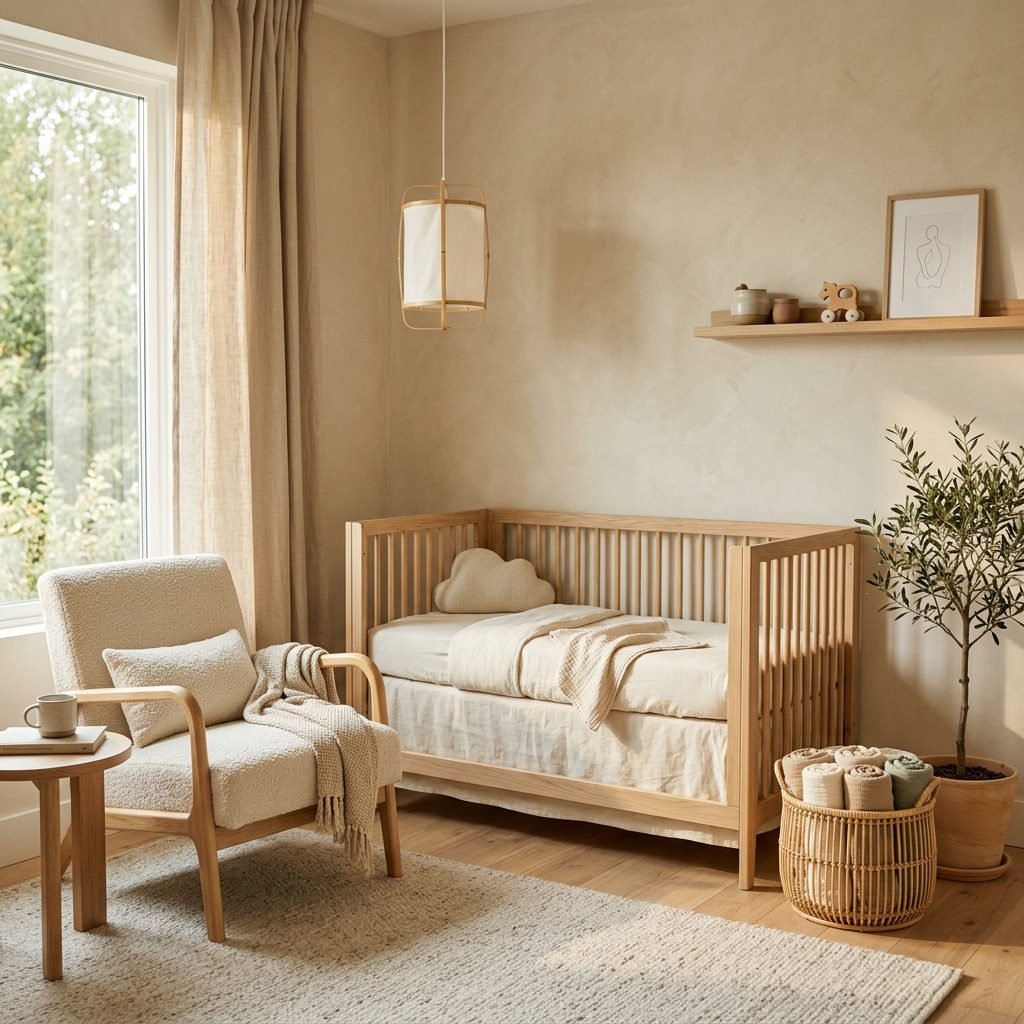
15 Gorgeous Japandi Nursery Decor Ideas for a Calm, Minimalist Space
Designing a Sanctuary for You and Your Baby
Welcome, Mama. As you prepare to welcome your sweet baby into the world, that deeply ingrained nesting instinct is likely kicking into high gear. You are probably looking at empty rooms or cluttered home offices, envisioning the perfect space for your little one to sleep, grow, and thrive. But if the thought of bright plastic toys, chaotic primary colors, and overwhelming visual clutter makes your chest feel tight, you are in the right place. Enter the beautiful, deeply grounding world of Japandi nursery design.
Japandi is a magical design marriage between Japanese wabi-sabi (the philosophy of finding beauty in imperfection and nature) and Scandinavian hygge (the concept of ultimate coziness, warmth, and comfort). As a doula and postpartum nurse, I cannot overstate how important your physical environment is during the fourth trimester. When you are waking up for a 3:00 AM feeding, running on two hours of fragmented sleep, the space around you can either elevate your anxiety or gently soothe your nervous system.
“Your baby’s nursery is not just a room for them to sleep; it is a sanctuary for you to heal, bond, and breathe during one of the most transformative seasons of your life.”
A calm, minimalist space reduces sensory overload for your newborn—whose brand-new nervous system is easily overstimulated—and provides a deeply restorative backdrop for your postpartum healing. By intentionally choosing natural textures, muted tones, and highly functional pieces, you are setting the stage for better sleep and gentler days. Let us dive into 15 gorgeous Japandi nursery decor ideas that will help you create the ultimate calm, minimalist space.
The Foundation: Earthy Color Palettes & Natural Textures
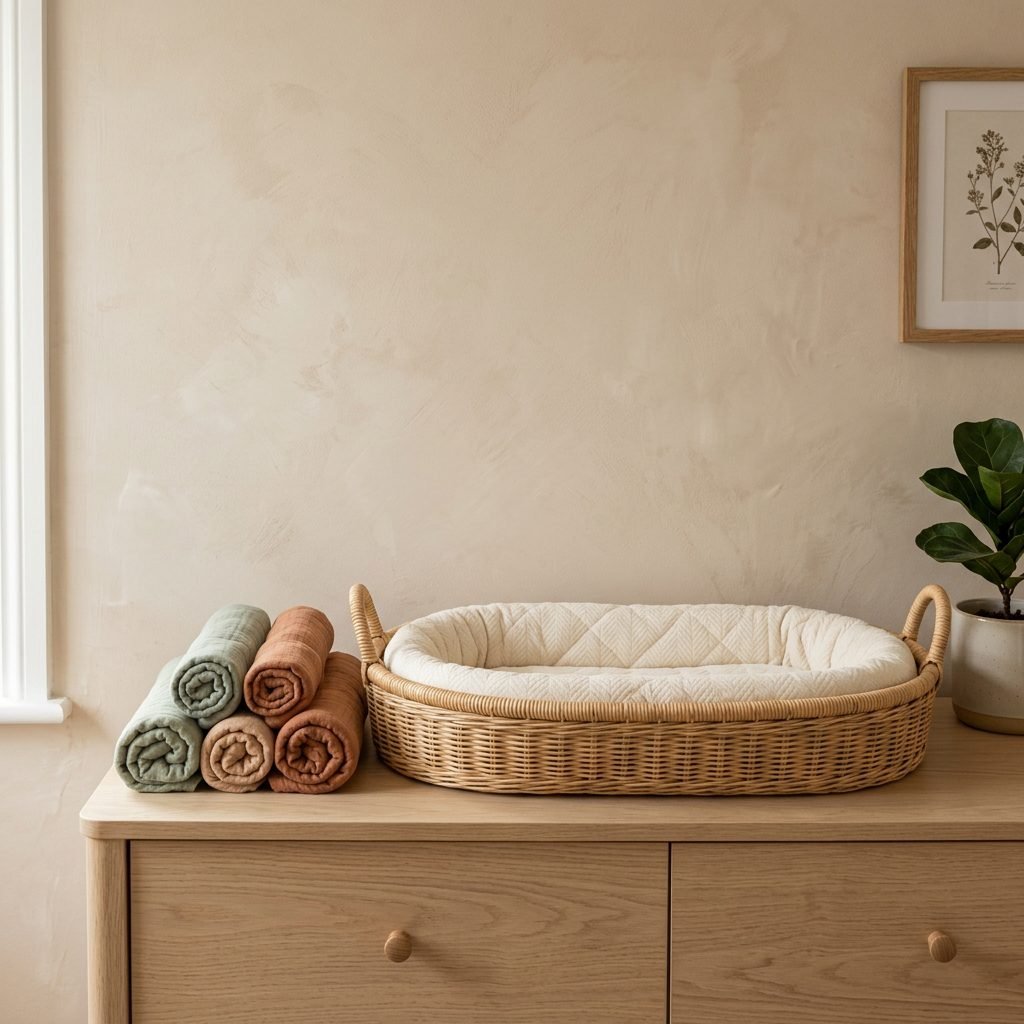
The core of any Japandi space is its connection to nature. Unlike traditional nurseries that often lean on pastel pinks or baby blues, Japandi embraces the colors of the earth. This neutral foundation is incredibly versatile and grows effortlessly with your child from infancy to the toddler years.
1. Warm, Muted Neutrals
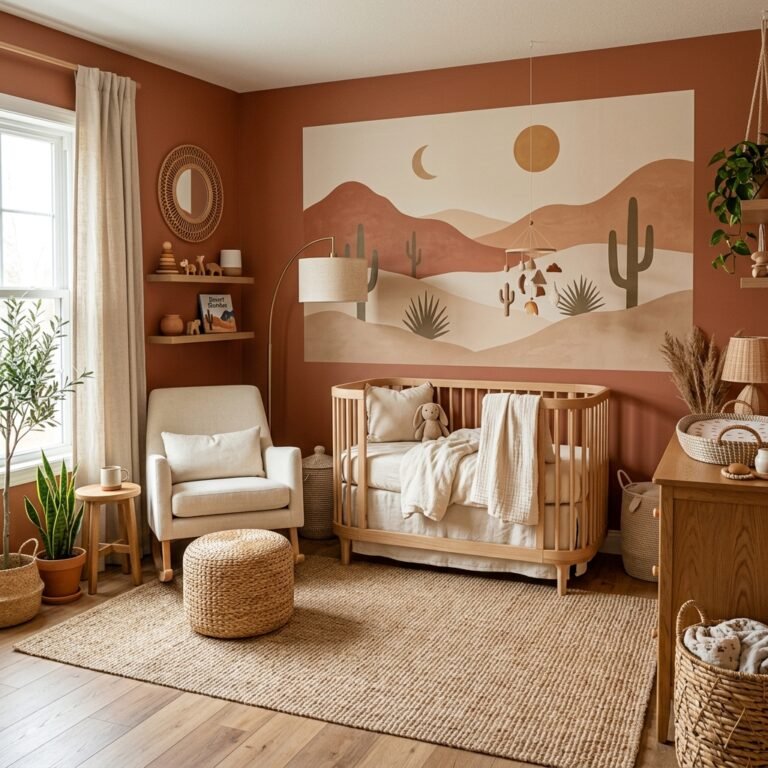
Step away from stark, sterile whites and embrace warm, muddy neutrals. Think oatmeal, soft taupe, warm beige, muted sage green, and gentle terracotta. From a pediatric sleep perspective, these soft, low-contrast colors prevent visual overstimulation, helping your baby’s brain wind down when it is time for a nap. When choosing paint, always opt for Zero-VOC formulas to ensure your baby’s delicate lungs are breathing clean, toxin-free air.
2. Limewash or Roman Clay Accent Walls
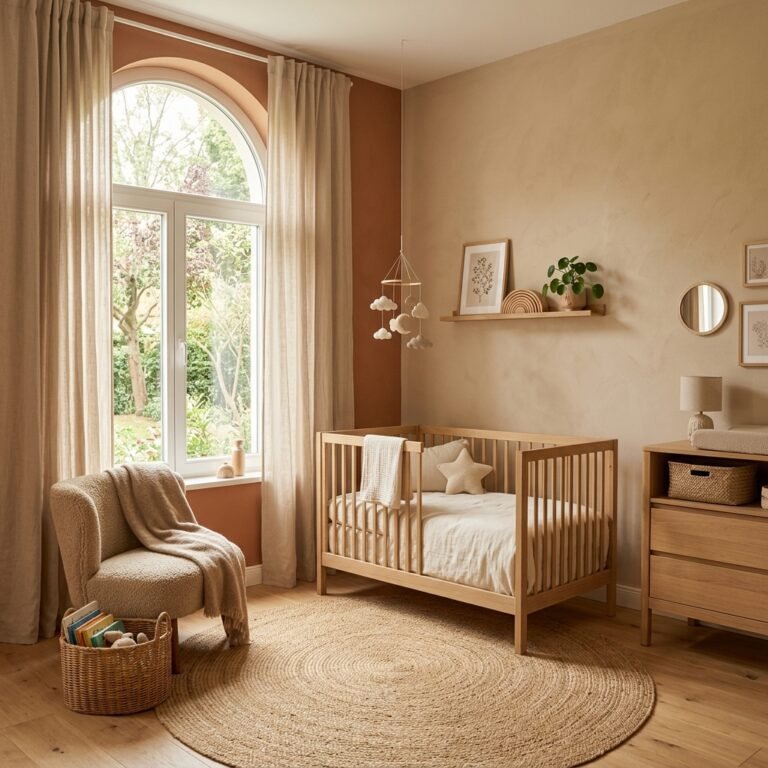
Japandi design thrives on texture rather than busy patterns. Instead of a loud wallpaper, consider a limewash or Roman clay treatment on an accent wall. This creates a soft, cloud-like, mottled texture that feels incredibly organic and grounded. It adds depth and warmth to the room without adding visual noise.
3. Light, Unfinished Woods
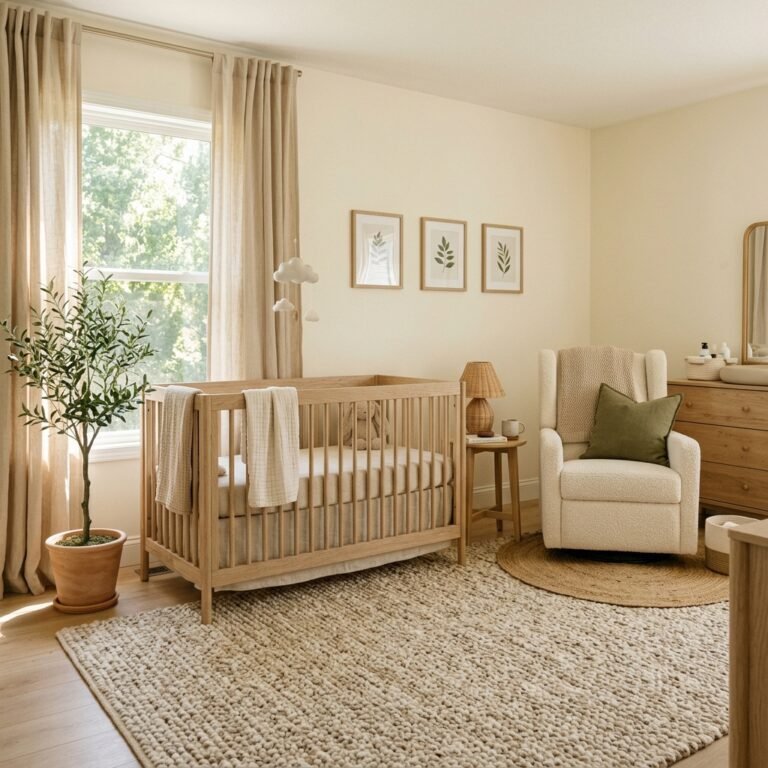
Wood is the anchor of Scandinavian design. Incorporate light woods like birch, ash, beech, or white oak for your crib, dresser, and shelving. The grain of the wood brings a touch of the outdoors inside. Avoid heavy, dark varnishes; instead, look for matte or raw finishes that feel soft and natural to the touch.
4. Layered Natural Textiles
Because the color palette is restrained, you must bring in coziness through tactile elements. Layering is key here. Think organic cotton muslin swaddles, breathable linen crib sheets, and chunky wool rugs. As a maternal stylist and doula, I always recommend prioritizing fabrics that are gentle on both your baby’s sensitive skin and your own healing body. A plush, washable cotton rug is perfect for all those hours you will spend doing tummy time and floor play.
| Traditional Nursery Element | Japandi Minimalist Swap |
|---|---|
| Bright pastel painted walls | Warm oatmeal or limewash texture |
| Synthetic polyester carpets | Natural wool or washable cotton rugs |
| Heavy, dark cherry wood furniture | Light ash, birch, or white oak furniture |
| Busy, themed wallpaper | Solid, calming, earth-toned walls |
Minimalist Furniture with Maximum Functionality
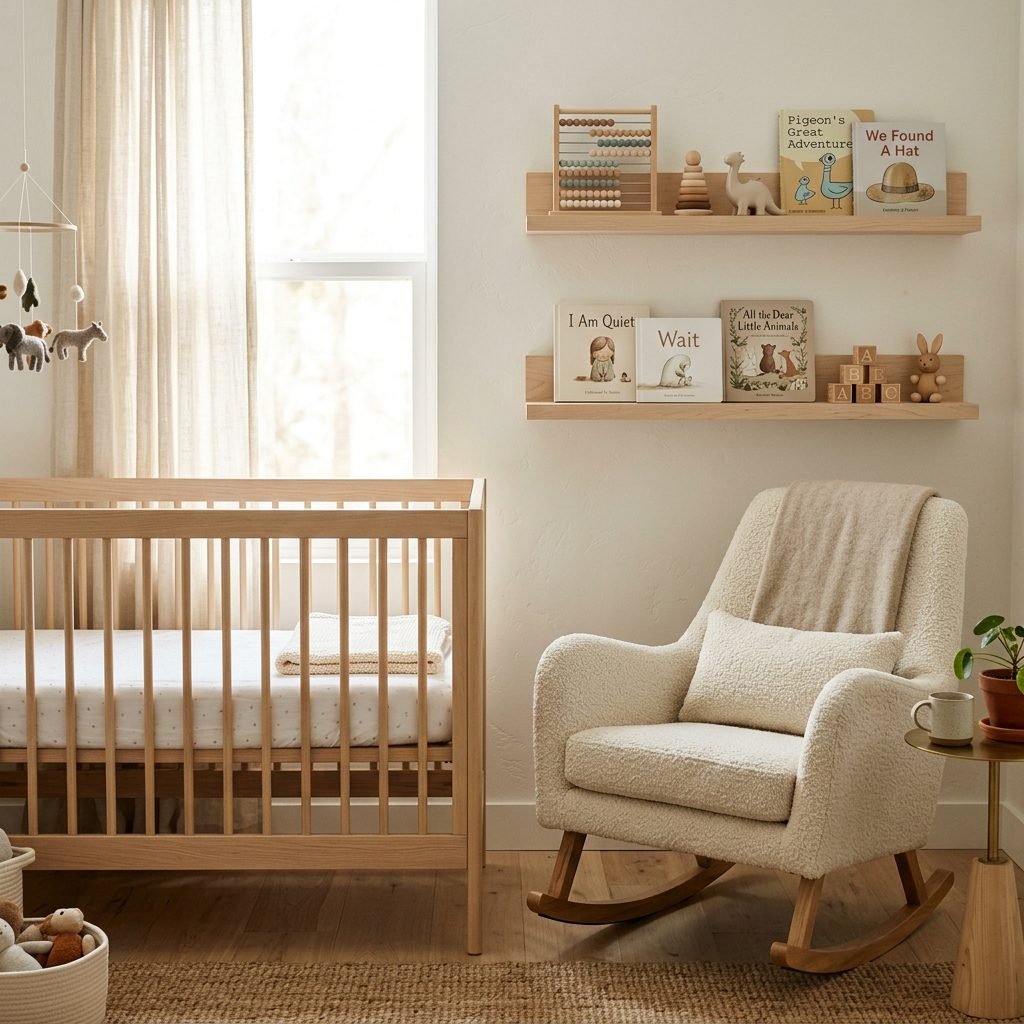
In a Japandi nursery, every piece of furniture must earn its keep. Clutter is the enemy of calm, so we want to select items that are highly functional, beautifully simple, and ergonomically supportive for a recovering mother.
5. The Low-Profile, Convertible Crib
Japanese design often features low-to-the-ground furniture. A low-profile crib with clean, spindle lines not only looks incredibly sleek but is also a lifesaver for your back. As a postpartum nurse, I see so many mothers straining their healing abdominal muscles (especially after a C-section) trying to lift a sleeping baby over a high crib rail. A lower profile allows for a smoother, safer transfer.
6. The Ergonomic, Bouclé Nursing Chair
You will spend hundreds of hours in this chair. Do not sacrifice your spinal health for aesthetics! Look for a nursing chair that offers firm lumbar support, a high enough back to rest your head, and armrests at the right height to support a nursing pillow. To keep it Japandi, choose one upholstered in a textured, cream bouclé or a soft, neutral linen. It brings that essential hygge coziness while blending seamlessly into the room.
7. Hidden Storage Woven Baskets
Babies come with a surprising amount of stuff. The key to minimalism isn’t owning nothing; it is having a beautiful place to hide it. Use large lidded baskets made of water hyacinth, seagrass, or rattan to store extra blankets, burp cloths, and plush toys. Keeping the visual field clear of clutter directly lowers cortisol levels for both you and your baby.
8. Floating Birch Bookshelves
Instead of a bulky, freestanding bookcase that eats up floor space, install floating birch or ash wood shelves. Use these to display a curated selection of beautiful wooden toys and neutral-toned storybooks. By facing the book covers outward, the books themselves become the artwork, adding color and joy to the room in a very intentional, controlled way.
- Pro-Tip for Postpartum Moms: Keep a small, beautiful woven basket right next to your nursing chair. Stock it with your essentials: a large water bottle, one-handed snacks, lip balm, and a spare burp cloth. This is your “nursing survival station,” disguised as beautiful decor!
Bringing the Outdoors In: Nature-Inspired Accents
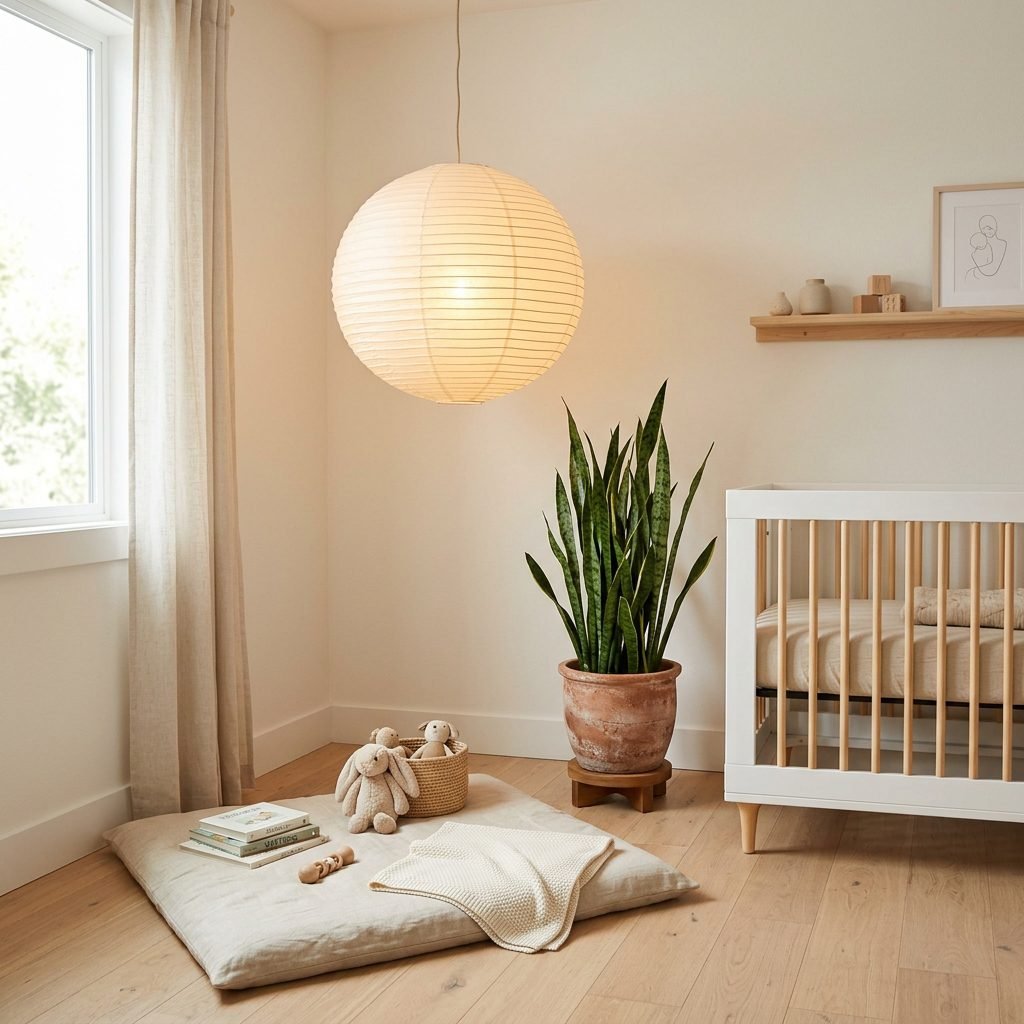
Japandi style honors the natural world. By bringing elements of nature into the nursery, you create a grounding environment that promotes deeper breathing and relaxation. Furthermore, the right lighting is crucial for establishing your baby’s circadian rhythm.
9. Safe, Air-Purifying Plants
Adding a touch of greenery breathes literal and figurative life into the room. Plants like the Snake Plant (Sansevieria) or a small Parlor Palm are excellent choices. They are known for their air-purifying qualities. Important note: Always ensure any plant you bring into the house is non-toxic to pets and children, and keep them elevated or safely out of reach once your baby becomes mobile.
10. Wabi-Sabi Wall Art
Instead of cartoonish animal prints, opt for abstract, wabi-sabi inspired art. Think simple line drawings, soft watercolor botanical prints, or framed textured fabric. The goal is to evoke a sense of calm. You can even frame beautiful, high-contrast black-and-white art cards—these are incredibly beneficial for a newborn’s developing eyesight in the first 12 weeks of life.
11. Paper Lantern or Rattan Pendant Lighting
Harsh overhead lighting is the quickest way to wake a sleepy baby (and a sleepy mama!). Swap out standard fixtures for an oversized Japanese paper lantern or a woven rattan pendant. These materials diffuse the light beautifully, casting a soft, warm glow.
“Lighting is sleep magic. Always use amber or red-toned bulbs in your nursery lamps. Blue light suppresses melatonin, but an amber glow mimics a sunset, cueing your baby’s brain that it is time to sleep.”
As a pediatric sleep consultant, I highly recommend having a layered lighting strategy. Use your soft pendant light for evening routines, and a small, dimmable amber nightlight for those middle-of-the-night diaper changes.
| Lighting Phase | Ideal Nursery Lighting Source | Purpose |
|---|---|---|
| Daytime Play | Natural sunlight (open linen curtains) | Establishes daytime wakefulness and circadian rhythm. |
| Bedtime Routine | Diffused paper lantern (warm white bulb) | Signals the brain to start winding down. |
| Midnight Feedings | Small amber/red nightlight | Provides visibility without disrupting melatonin production. |
The Art of Clutter-Free Organization
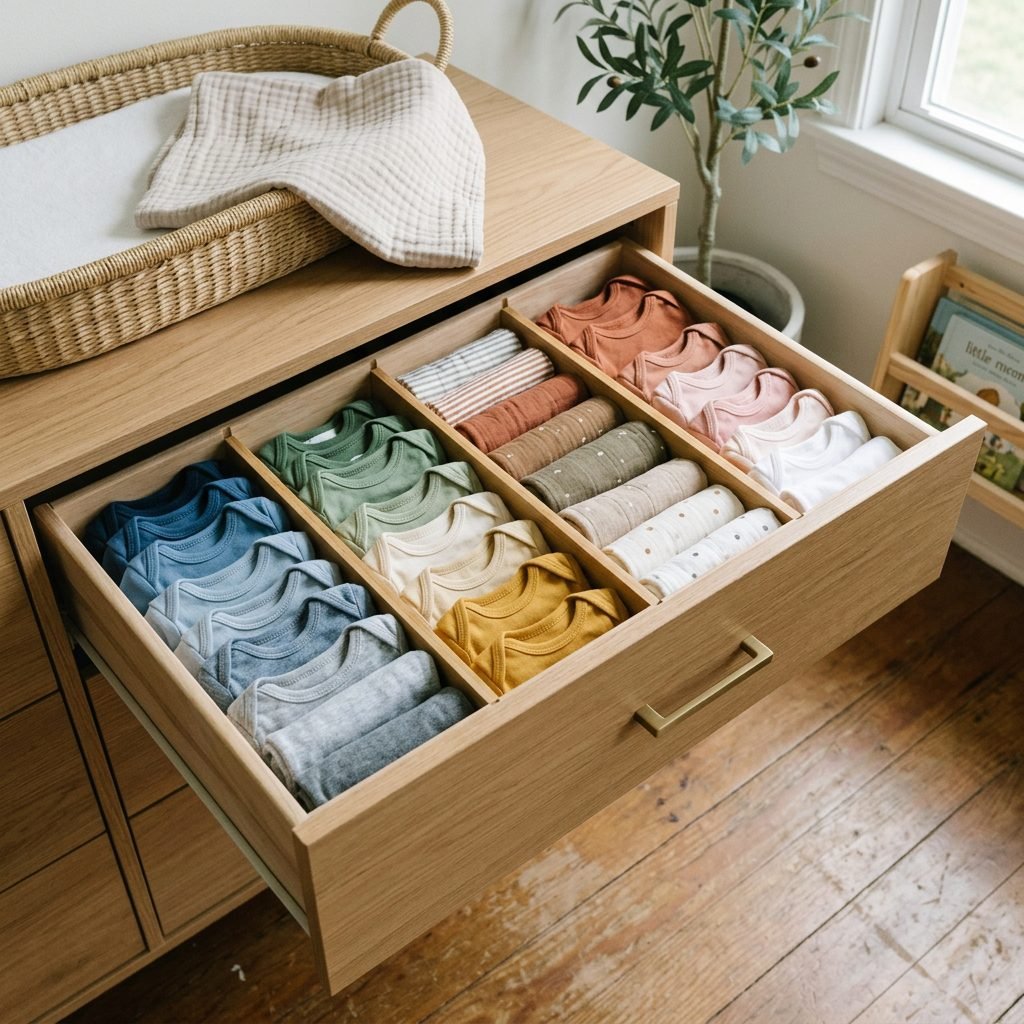
A beautiful room means nothing if it is impossible to maintain. Japandi design is deeply rooted in functional organization. When everything has a designated home, tidying up takes minutes, allowing you to focus your energy on resting and bonding with your baby.
12. The “Less is More” Toy Rotation
You do not need a room overflowing with toys. Embrace the Scandinavian concept of intentional play by setting up a toy rotation. Keep only 4 to 6 high-quality, open-ended wooden toys or sensory items out on display at a time. Store the rest out of sight in your woven baskets or a closet. Rotating the toys every few weeks keeps your baby engaged and prevents the room from feeling chaotic.
13. Drawer Dividers for Wabi-Sabi Folding
Baby clothes are impossibly tiny and notoriously difficult to keep organized. Invest in adjustable bamboo drawer dividers for your dresser. Use the KonMari folding method (folding items into small rectangles that stand upright) to organize onesies, sleepers, and pants by size and color. Opening a perfectly organized, color-coordinated drawer brings a surprising moment of zen to a busy day.
14. Dual-Purpose Changing Stations
Skip the traditional, single-use changing table. Instead, invest in a beautiful, high-quality, light wood dresser and secure a changing tray or a woven changing basket to the top. This piece of furniture will serve your child well into their teenage years. Organize the top drawer with everything you need for diapering—diapers, wipes, diaper cream, and a spare onesie—so you never have to step away or bend down while holding your baby.
15. The Cozy Floor Cushion or Tatami Mat
Japanese homes frequently utilize floor seating. Bring this concept into the nursery with a high-quality tatami mat or a plush, neutral floor cushion. This creates a dedicated, comfortable space for you to sit on the floor during tummy time, read books as your baby grows, or simply stretch your aching back while your little one explores their play gym.
- Safety First: Always ensure that heavy dressers and shelves are securely anchored to the wall. Minimalism is beautiful, but safety is paramount.
- Keep it Simple: If an item does not serve a clear purpose or bring you a sense of peace, give yourself permission to let it go.
Your Peaceful Motherhood Journey Begins Here
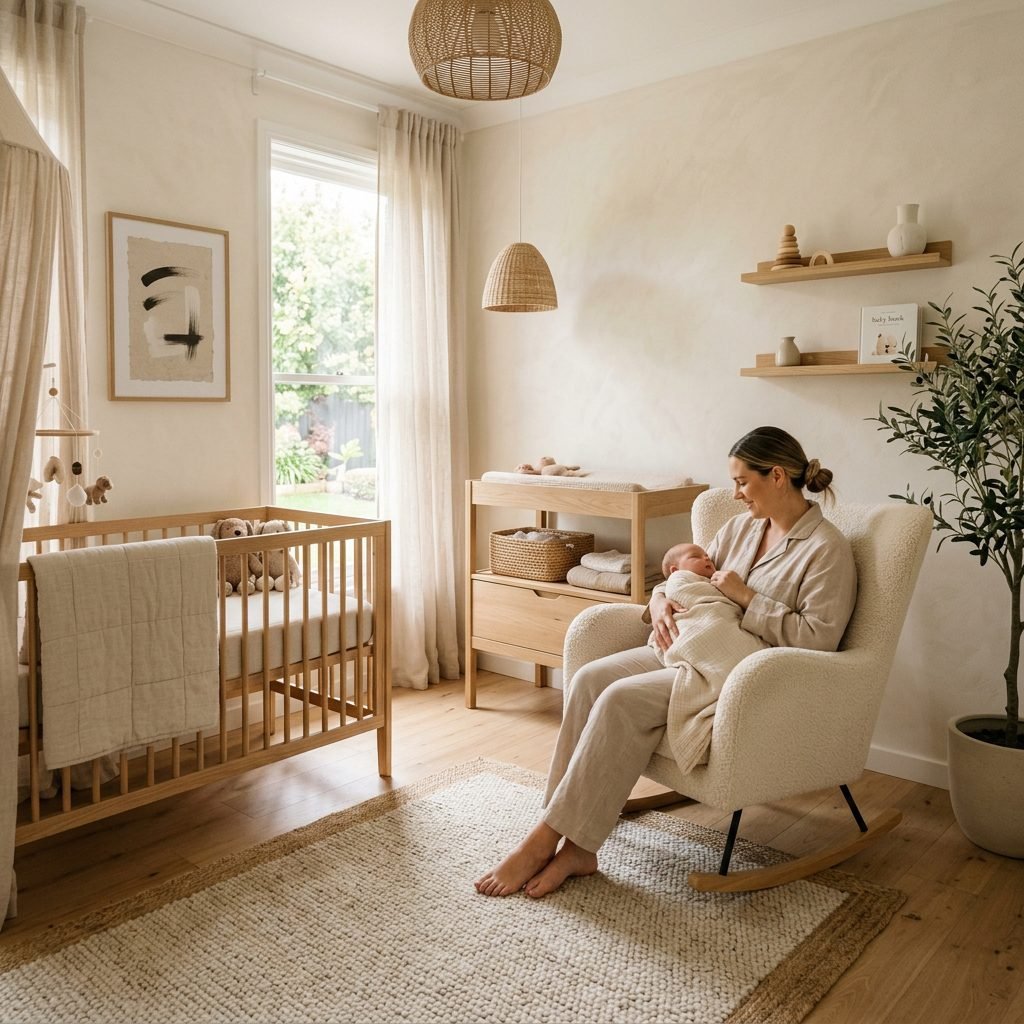
Creating a Japandi nursery is about so much more than following a design trend. It is a profound act of self-care and maternal nesting. By choosing warm neutrals, functional minimalist furniture, nature-inspired accents, and clever organization, you are crafting a sanctuary. You are building a space that will hold you gently during the exhausting, beautiful, and deeply emotional transition into motherhood.
Remember, Mama, your nursery does not have to be perfectly spotless to be beautiful. Wabi-sabi teaches us to embrace the imperfect. There will be days when burp cloths are draped over the pristine crib and the toy baskets are overturned. That is the beautiful reality of life with a baby. But by establishing this calm, minimalist foundation, you ensure that peace is always just a quick, five-minute tidy away.
Take a deep breath, trust your instincts, and enjoy the process of creating a serene space for your little one. You are going to be an incredible mother, and this beautiful room is just the beginning of your story together.
Medical & Safety Disclaimer: The information provided in this article is for educational and inspirational purposes only. Always follow safe sleep guidelines provided by the American Academy of Pediatrics (AAP), including placing your baby alone, on their back, in a bare crib. Ensure all furniture is safely anchored to the wall to prevent tipping. Consult with your pediatrician regarding any concerns about your baby’s sleep, environment, or development, and always speak to your healthcare provider about your own postpartum physical recovery.
Conclusion
Your Peaceful Motherhood Journey Begins Here
Creating a Japandi nursery is about so much more than following a design trend. It is a profound act of self-care and maternal nesting. By choosing warm neutrals, functional minimalist furniture, nature-inspired accents, and clever organization, you are crafting a sanctuary. You are building a space that will hold you gently during the exhausting, beautiful, and deeply emotional transition into motherhood.
Remember, Mama, your nursery does not have to be perfectly spotless to be beautiful. Wabi-sabi teaches us to embrace the imperfect. There will be days when burp cloths are draped over the pristine crib and the toy baskets are overturned. That is the beautiful reality of life with a baby. But by establishing this calm, minimalist foundation, you ensure that peace is always just a quick, five-minute tidy away.
Take a deep breath, trust your instincts, and enjoy the process of creating a serene space for your little one. You are going to be an incredible mother, and this beautiful room is just the beginning of your story together.
Medical & Safety Disclaimer: The information provided in this article is for educational and inspirational purposes only. Always follow safe sleep guidelines provided by the American Academy of Pediatrics (AAP), including placing your baby alone, on their back, in a bare crib. Ensure all furniture is safely anchored to the wall to prevent tipping. Consult with your pediatrician regarding any concerns about your baby’s sleep, environment, or development, and always speak to your healthcare provider about your own postpartum physical recovery.