15 Fast Food Orders Safe for Gestational Diabetes (That Won’t Spike You)
Hey Mama, Take a Deep Breath
I know that feeling—the one where you’re staring at a blood sugar monitor and then at a menu, feeling like your world has suddenly become very small. When that Gestational Diabetes (GD) diagnosis hits, it can feel like a thief. It steals your spontaneity, your favorite cravings, and those ‘quick and easy’ dinner nights when you’re just too exhausted to cook. But as your sister in this journey and your doula, I want to tell you something vital: You can still live your life, and yes, you can still eat out.
Gestational diabetes isn’t about perfection; it’s about management and finding the right balance of protein, healthy fats, and complex carbohydrates. We are looking for ‘steady hills’ in your blood sugar, not ‘mountain peaks.’ This guide is designed to be your best friend in the drive-thru lane. We’ve done the carb-counting and the ingredient-checking for you, so you can focus on growing that beautiful human being without the stress of the ‘spike.’
The Golden Rules of Fast Food with GD
Before we dive into the specific orders, let’s talk about the ‘why’ behind our choices. When you have GD, your body is struggling to process glucose efficiently due to placental hormones. To keep your numbers in range, we follow the ‘Pairing Principle.’ Never let a carb go out alone! Always pair it with a strong protein or a healthy fat to slow down digestion.
The Doula’s Fast Food Cheat Sheet
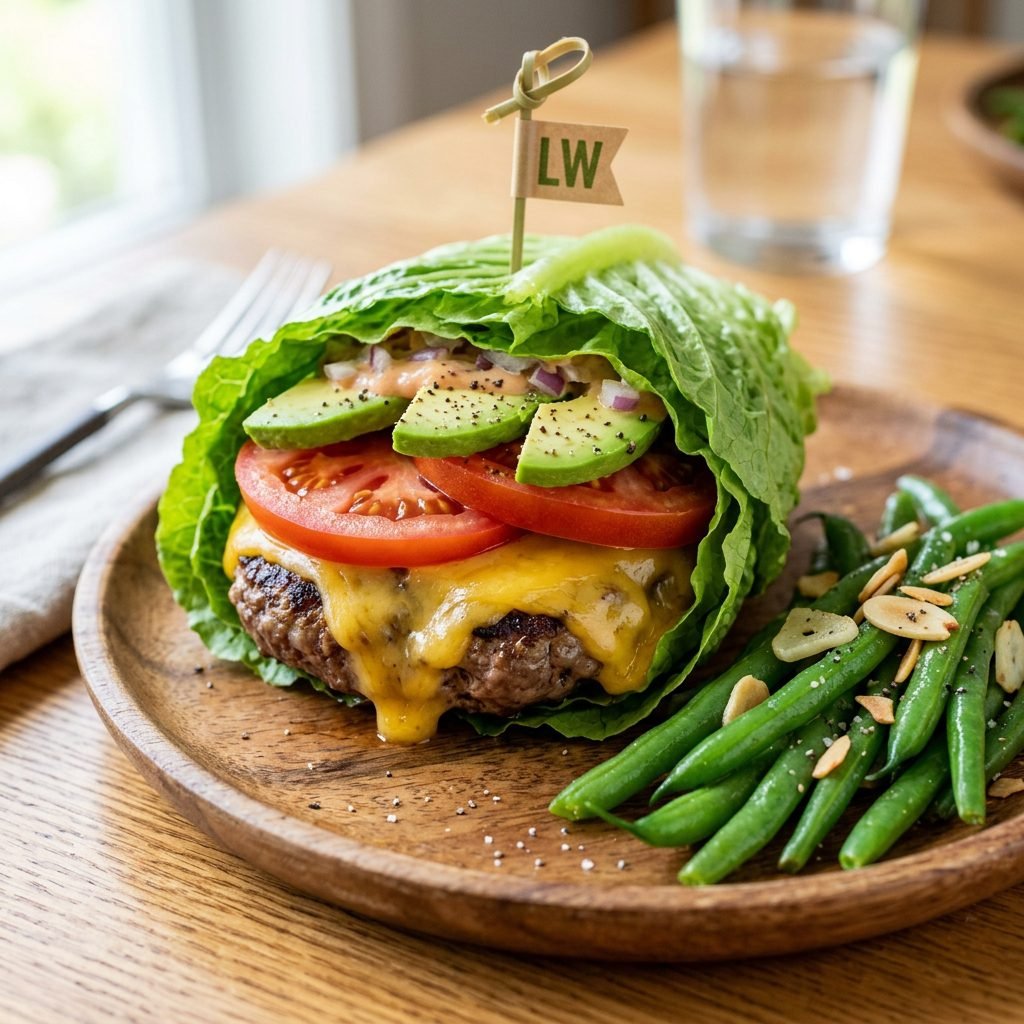
- Ditch the Bun: Most fast-food buns contain 25-40g of refined carbs and added sugar. Asking for a ‘lettuce wrap’ or ‘protein style’ is the single biggest win you can make.
- Watch the ‘Hidden’ Sugars: Teriyaki sauce, BBQ sauce, and ‘honey’ dressings are sugar bombs. Stick to buffalo, ranch, mustard, or olive oil.
- The Fry Trap: A small order of fries can have 30-50g of high-glycemic carbs. If you must have them, eat them last, after your protein and fiber, to blunt the spike.
- Hydration is Key: Always choose water, unsweetened tea, or sparkling water. Even ‘diet’ sodas can sometimes trigger an insulin response in certain mamas, so observe how your body reacts.
| What’s Safe (Green Light) | What to Avoid (Red Light) |
|---|---|
| Grilled Proteins (Chicken, Beef, Fish) | Breaded and Fried Proteins |
| Leafy Greens and Non-Starchy Veggies | Large Servings of Rice, Pasta, or Potatoes |
| Avocado, Cheese, and Nuts | Sweetened Dressings and Glazes |
| Unsweetened Beverages | Milkshakes, Sodas, and Frappuccinos |
Top 15 GD-Safe Fast Food Orders
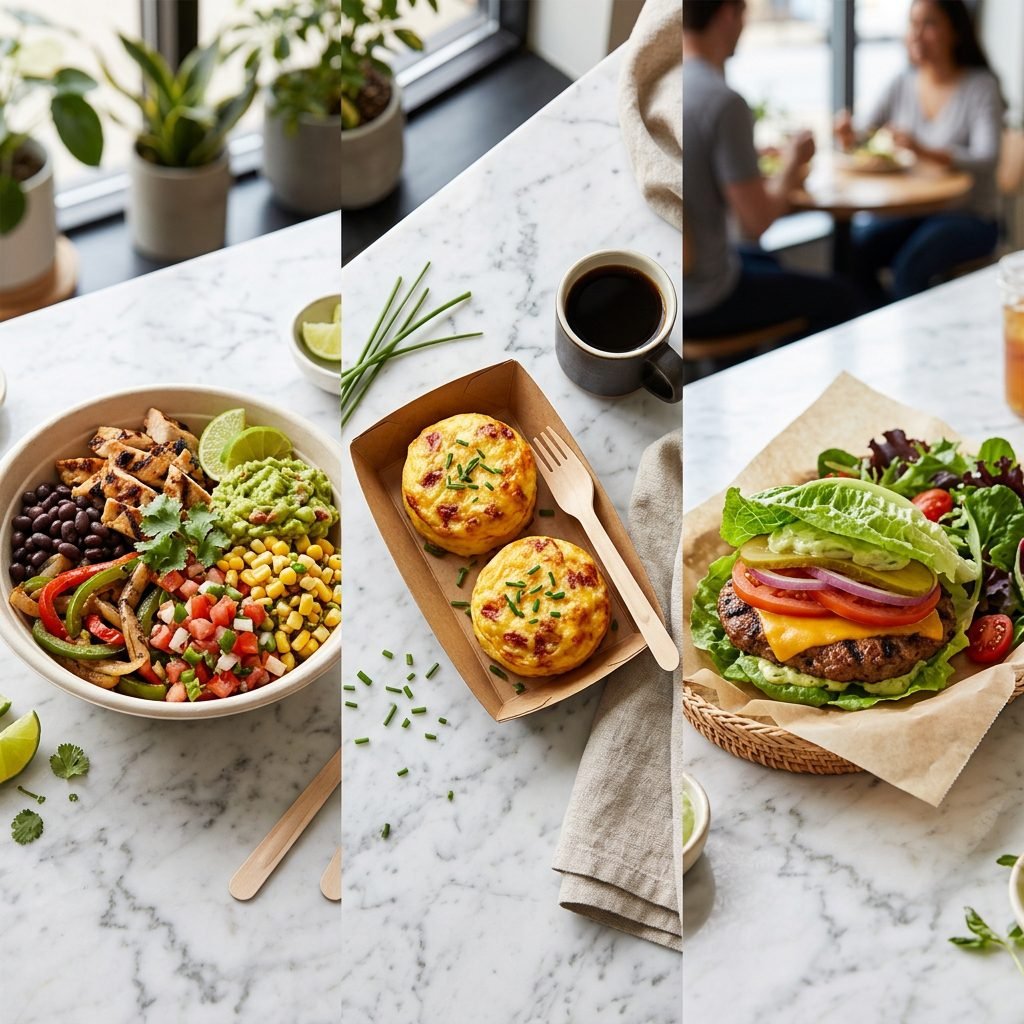
Here are 15 specific orders that are generally well-tolerated by the GD community. Remember, every body is different, so always check your numbers one or two hours after eating to see how these specific meals affect you.
1. Chick-fil-A: Grilled Nuggets + Kale Crunch Side
This is the gold standard of GD fast food. The grilled nuggets are pure protein, and the Kale Crunch salad provides fiber and healthy fats from the almonds. Total Carbs: ~10-12g.
2. Chipotle: Wholesome Lifestyle Bowl
Ask for the ‘Wholesome’ bowl (usually Whole30 approved). It includes greens, chicken or steak, fajita veggies, and guacamole. Pro Tip: Skip the rice and beans to keep the carb count ultra-low, or add just a half-scoop of beans for fiber.
3. In-N-Out: Double-Double ‘Protein Style’
Asking for ‘Protein Style’ replaces the bun with thick, crunchy leaves of iceberg lettuce. It’s satisfying, high in protein, and feels like a real treat. Total Carbs: ~8-11g.
4. Starbucks: Kale & Mushroom Egg Bites + Steamed Almond Milk Latte
Perfect for a morning on the go. The egg bites are high in protein and fat, which keeps you full. Ensure the latte is ‘unsweetened.’ Total Carbs: ~12-15g.
5. Wendy’s: Apple Pecan Salad (Modified)
This is a great option if you crave crunch. Crucial Modification: Use only half the dressing and skip the dried cranberries, as they are concentrated sugar. The pecans and blue cheese provide excellent fats.
6. Taco Bell: Power Menu Bowl (No Rice)
Taco Bell is surprisingly GD-friendly if you customize. Order the Power Bowl with extra lettuce, chicken, cheese, and guacamole. By removing the rice and beans, you remove the spike risk. Total Carbs: ~10g.
7. Jimmy John’s: The ‘Unwich’
Any of their sandwiches can be made as an ‘Unwich’ (lettuce wrap). The Turkey Tom or the Vito are excellent choices. Avoid the chips and grab a pickle instead!
8. McDonald’s: Egg McMuffin (No Muffin)
If you’re caught in a breakfast pinch, order two Egg McMuffins and toss the bread. You’re left with eggs, Canadian bacon, and cheese—a perfect high-protein start. Total Carbs: ~2-4g.
9. Panera Bread: Fuji Apple Chicken Salad (No Pecans/Modified)
Ask for the salad without the apple chips and use a vinaigrette instead of the sweet Fuji dressing. The chicken and greens are a solid foundation.
10. Burger King: Whopper Junior (No Bun, No Ketchup)
Ketchup is surprisingly high in sugar. Ask for extra mayo and mustard instead. Eat it with a fork and knife for a ‘burger salad’ feel.
11. Panda Express: String Bean Chicken Breast + Super Greens
Avoid the orange chicken! The String Bean Chicken is one of the lowest sugar options. Pairing it with ‘Super Greens’ instead of rice or noodles is a GD win. Total Carbs: ~15-18g.
12. Popeyes: Blackened Tenders + Green Beans
Most people forget Popeyes has a ‘blackened’ (non-breaded) chicken option. It’s spicy, flavorful, and very low carb. The green beans are a much better side than the biscuit.
13. Subway: Rotisserie-Style Chicken Protein Bowl
Subway now offers any sub as a bowl. Load up on the rotisserie chicken, spinach, peppers, and cucumbers. Use oil and vinegar for the dressing.
14. Five Guys: Burger Bowl with All the Veggies
Five Guys will put your burger in a foil tin. Load it with mushrooms, onions, peppers, and extra cheese. It’s a high-calorie, high-satiety meal that usually keeps numbers very stable.
15. Arby’s: Classic Roast Beef (No Bun)
It’s simple, but it works. The roast beef is lean and protein-dense. Pair it with a side salad if available.
The ‘Spike-Proof’ Customization Strategy

Sometimes you aren’t at one of these 15 places. What do you do then? You use the GD Customization Matrix. This is how you turn any menu into a safe haven for your blood sugar.
“I am in control of my plate, and my plate supports my baby’s health.”
| Instead of… | Try This… | Why It Works |
|---|---|---|
| French Fries | Side Salad or Apple Slices | Increases fiber, reduces simple starch. |
| Soda/Juice | Sparkling Water with Lemon | Eliminates liquid sugar spikes. |
| White Bun/Bread | Lettuce Wrap or Extra Veggies | Cuts 30g+ of refined carbohydrates. |
| Sweet BBQ Sauce | Buffalo or Mustard | Reduces hidden high-fructose corn syrup. |
| Breaded Chicken | Grilled Chicken | Removes the flour-based carb coating. |
The Order of Operations (The ‘Fiber First’ Rule)
Did you know that the order in which you eat your food matters? To keep your numbers even lower, try to eat in this specific sequence:
- Fiber first: Eat your side salad or the veggies inside your wrap.
- Fats and Proteins second: Eat the burger patty, the cheese, and the avocado.
- Carbs last: If you are having a small portion of carbs (like a few beans or a slice of apple), eat them at the very end. The fiber and protein already in your stomach will act as a ‘buffer,’ slowing down the sugar absorption.
Post-Meal Magic: What to Do After You Eat

Even with the perfect order, sometimes our hormones play tricks on us. If you’re worried about a spike after a fast-food meal, there are three ‘doula-approved’ tricks to help your body process that glucose.
1. The 15-Minute Power Walk
Movement is like a vacuum for blood sugar. Your muscles use glucose for energy without needing as much insulin. A 15-minute brisk walk right after your meal can drop your numbers significantly. If you’re at work, try a few flights of stairs or some seated leg lifts.
2. The ‘Apple Cider Vinegar’ Hack
Some mamas find that a tablespoon of apple cider vinegar in a large glass of water before or after a meal helps improve insulin sensitivity. It’s an old doula trick that many GD mamas swear by!
3. Forgive the Number
If you check your sugar and it’s high, do not panic. Stress releases cortisol, which actually raises blood sugar further. One high number will not hurt your baby. It is simply data. Note what you ate, note the number, and move on to your next healthy choice. You are doing a great job, mama.
The GD Mama’s Emergency Kit
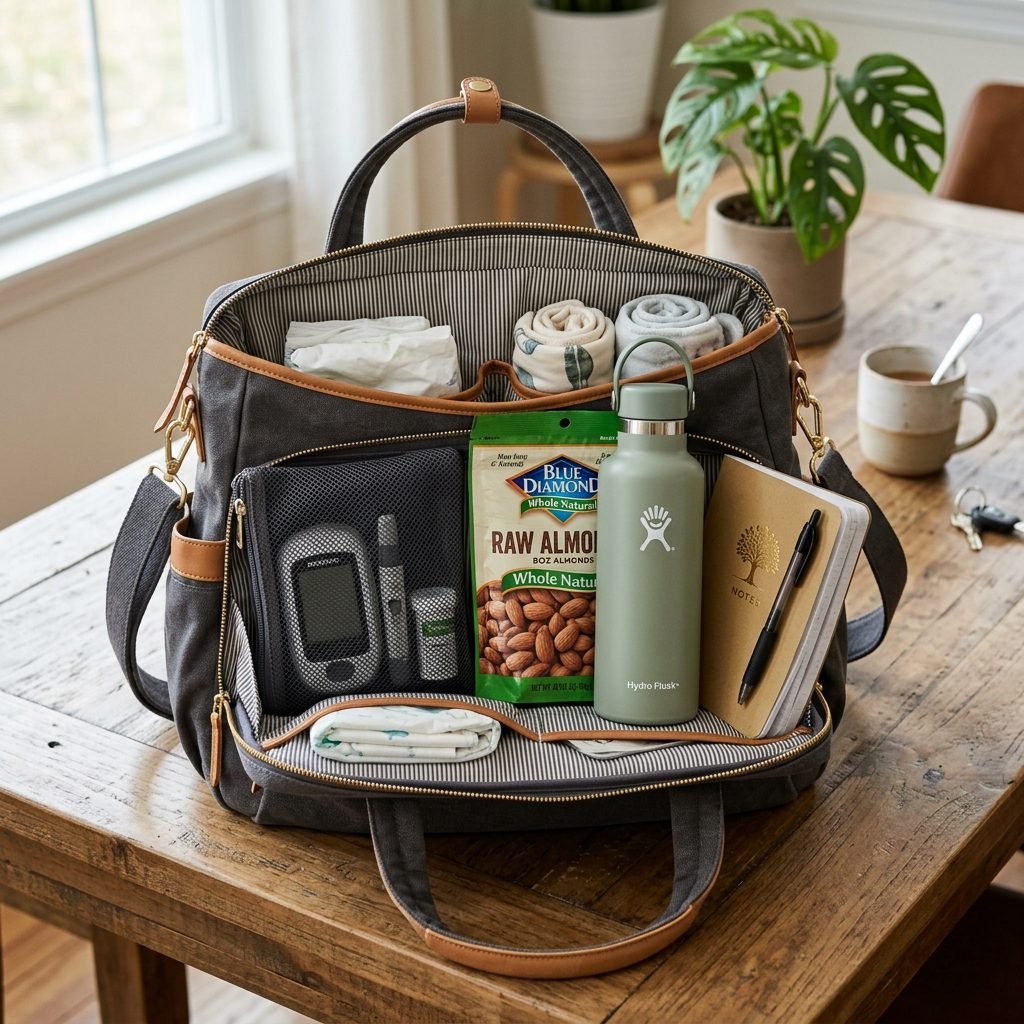
Sometimes the fast-food place is out of salads, or they accidentally put sauce on your burger. For these moments, I always recommend my mamas carry a ‘GD Emergency Kit’ in their purse.
- Individual Almond Packs: Perfect for adding extra fat and protein to a meal that feels too carb-heavy.
- Sugar-Free Electrolytes: Helps with hydration and keeps you feeling full.
- A Small Container of Hemp Seeds: You can sprinkle these on anything for an instant boost of fiber and healthy fats.
- Your Glucose Monitor: Consistency is your superpower.
“My body is a capable, nourishing home for my baby. I choose foods that honor our strength.”
Conclusion
You’ve Got This, Mama
Gestational diabetes is a temporary season, even though it feels like a lifetime when you’re in the middle of it. By choosing these 15 fast food orders and using our customization hacks, you are taking proactive steps to protect your health and your baby’s growth. Remember, you are more than a number on a screen. You are a powerful woman navigating a complex challenge with grace.
Next time you’re in that drive-thru line, don’t feel guilty. Order your protein-style burger, ask for that extra side of ranch, and enjoy your meal knowing you’ve made a smart, loving choice for your body. You’re doing incredible work!