Superfood or Gross? The Surprising Benefits Of Eating Liver For Pregnant Moms
Welcome to the World of Deep Nourishment, Mama
Hello, sweet friend. If you are reading this, you are likely in the thick of the beautiful, exhausting journey of growing a human being. Your body is doing something miraculous right now—it is literally weaving a new life out of the nutrients you provide. I know that during pregnancy, your relationship with food can feel like a rollercoaster. One day you are craving pickles, and the next, the very thought of a salad makes you want to crawl under the covers. But today, we are going to talk about a food that often gets a bad reputation: liver. I can hear the collective ‘yuck’ from some of you, and I totally get it! But as your doula and sister in this journey, I want to pull back the curtain on why liver is often called ‘nature’s multivitamin.’ It is one of the most nutrient-dense foods on the planet, and when consumed correctly, it can be a game-changer for your energy, your baby’s brain development, and your postpartum recovery. Let’s dive into the science and the soul of this controversial superfood together.
The Nutrient Powerhouse: Why Liver is a Pregnancy Goldmine
Nature’s Most Concentrated Multivitamin
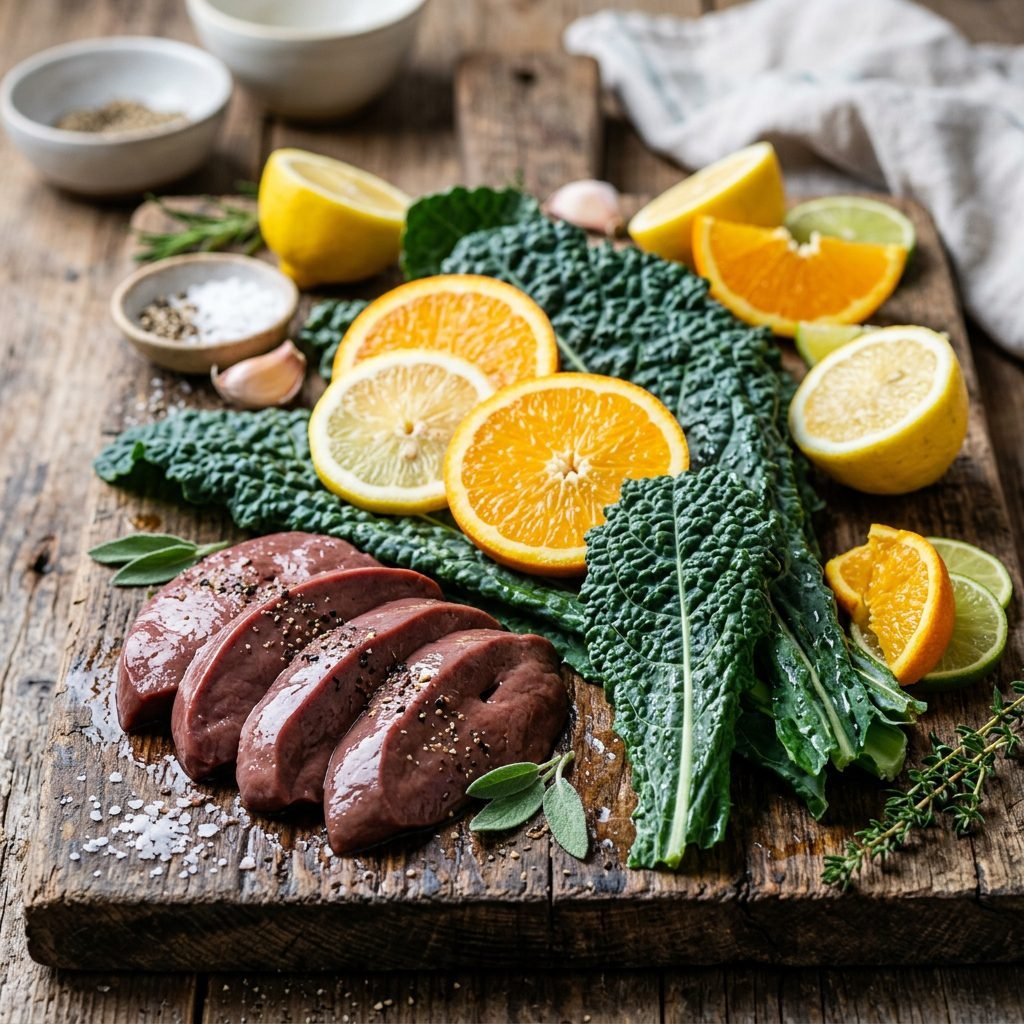
When we look at the nutritional profile of liver, especially beef liver, it is almost staggering how much goodness is packed into a small serving. During pregnancy, your body’s demand for specific vitamins and minerals skyrockets. You aren’t just eating for two in terms of calories; you are eating for two in terms of micronutrients. Liver provides a bioavailable form of these nutrients that the body can absorb much more easily than synthetic supplements.
The B-Vitamin Bonanza
Liver is exceptionally high in the B-vitamin family, particularly Vitamin B12 and Folate. You probably already know that Folate is the superstar of the first trimester because it helps prevent neural tube defects. While many prenatal vitamins use synthetic folic acid, liver provides natural folate, which is much easier for many women to process, especially those with the MTHFR gene mutation. Vitamin B12 is equally vital; it works alongside folate to help form healthy red blood cells and maintain your nervous system. If you’ve been feeling that heavy ‘pregnancy fog’ or extreme lethargy, a boost in B12 might be exactly what your system is crying out for.
Bioavailable Minerals
Beyond vitamins, liver is rich in Zinc, Copper, and Selenium. These minerals play a crucial role in supporting your immune system—which is naturally suppressed during pregnancy—and ensuring that your baby’s cellular development stays on track. Think of liver as a high-potency insurance policy for your prenatal health.
The Vitamin A Controversy: Navigating Safety with Wisdom
Retinol vs. Beta-Carotene: What You Need to Know
I know what you might be thinking: ‘But my doctor said to stay away from too much Vitamin A!’ This is the most common concern I hear from mamas, and it is a valid one. High doses of synthetic Vitamin A (retinoids) found in some medications and low-quality supplements have been linked to birth defects. However, the Vitamin A found in liver is preformed Vitamin A (retinol), which is a natural food source.
Setting the Record Straight on Dosage
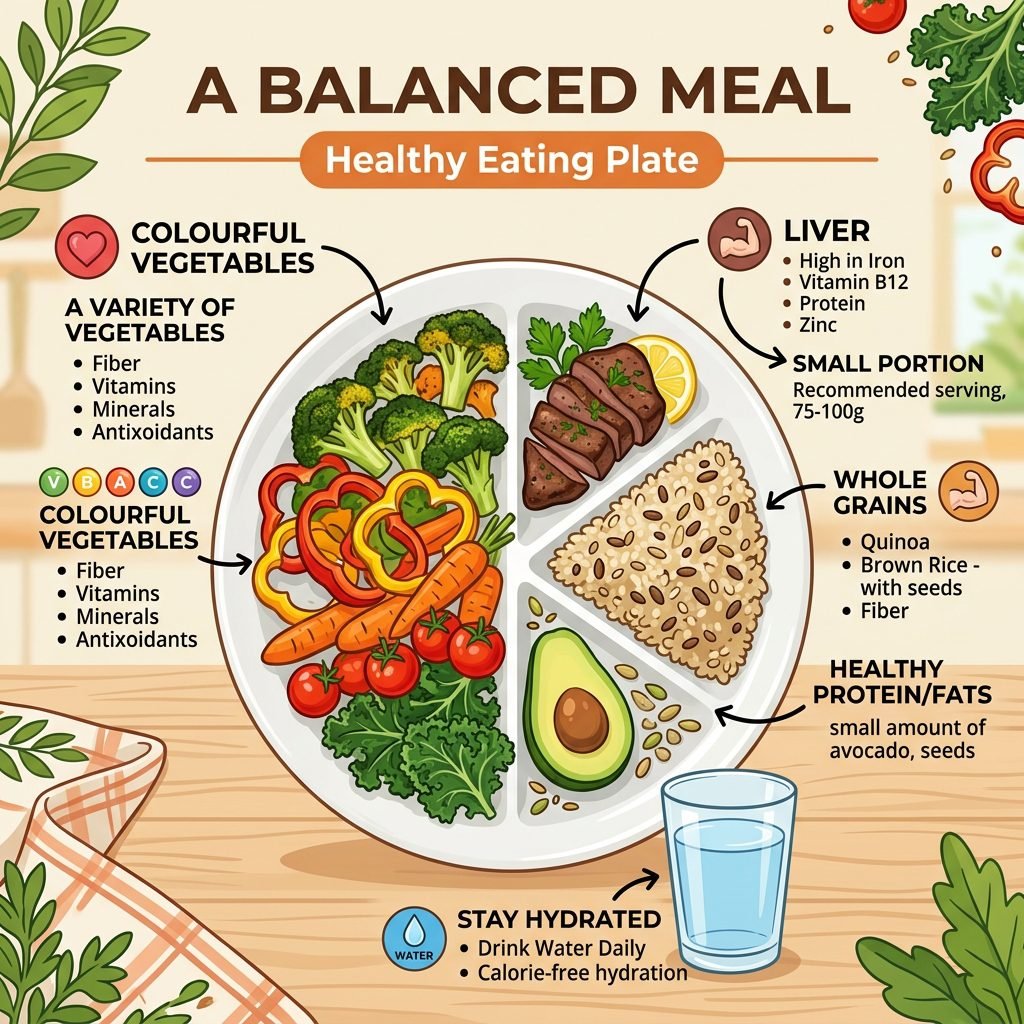
The key here, as with all things in motherhood, is moderation. The Recommended Dietary Allowance (RDA) for Vitamin A during pregnancy is approximately 770 to 2,500 IU per day. A small serving of beef liver (about 1-2 ounces) once or twice a week is generally considered safe and incredibly beneficial. It provides the Vitamin A necessary for your baby’s embryonic growth, including the development of the heart, lungs, kidneys, eyes, and bones.
Gentle reminder: You don’t need to eat a giant steak of liver every day. A little bit goes a long way in nourishing your growing miracle.
Safe vs. Risky Organ Meat Consumption
To keep you and baby safe, it is important to distinguish between different types of organ meat preparations. Here is a quick guide to help you navigate your choices:
| Food Source | Safety Status | Doula Tip |
|---|---|---|
| Grass-Fed Beef Liver | Safe & Recommended | Limit to 2-3 oz once a week. |
| Chicken Liver | Safe | Milder flavor, great for pâté. |
| Raw Liver Smoothies | Avoid | Risk of foodborne illness like Listeria. |
| Deli-Counter Pâté | Avoid | Potential bacterial contamination. |
| Cod Liver Oil | Use Caution | Check labels for Vitamin A levels. |
Iron and Energy: Your Secret Weapon Against Anemia

Fighting the Second-Trimester Slump
By the time you reach your second trimester, your blood volume increases by nearly 50%. This is a massive feat for your body! To create all that extra blood, you need a significant amount of Iron. Iron deficiency anemia is incredibly common in pregnancy and can leave you feeling breathless, dizzy, and utterly exhausted. This is where liver shines as an absolute hero.
Heme Iron: The Gold Standard
There are two types of iron: heme (from animal sources) and non-heme (from plant sources). While spinach and lentils are great, the heme iron found in liver is absorbed at a much higher rate—up to 35%, compared to only 2-20% for plant-based iron. If your iron levels are dipping, adding a small amount of liver to your diet can help pull you out of that exhaustion pit much faster than a standard iron pill, and usually without the dreaded constipation that comes with supplements.
Copper: The Iron Assistant
One of the reasons liver is so effective is that it also contains Copper. Copper is essential for the metabolism of iron; it helps ‘unlock’ the iron so your body can actually use it to build hemoglobin. It is nature’s perfect synergy, all wrapped up in one food source.
Choline: The ‘Brain Builder’ Most Moms are Missing

The Underrated Hero of Fetal Development
If Folate is the star of the first trimester, Choline is the unsung hero of the entire pregnancy. Recent studies suggest that the majority of pregnant women are not getting enough choline, which is critical for your baby’s brain development and lifelong memory function. It also helps prevent placental complications.
Liver vs. Eggs
While eggs are a fantastic source of choline, beef liver is actually one of the most concentrated sources available. Just a small serving can provide a significant portion of your daily requirement. Think of it as ‘brain food’ for your little one. Providing your baby with adequate choline now can have lasting effects on their cognitive health for years to come.
Affirmation: Every nutrient-dense bite I take is building a strong foundation for my baby’s future.
The Postpartum Connection
Choline isn’t just for the baby; it’s for you too, mama! It helps support your liver function and your own brain health, which is vital when you are dealing with ‘mom brain’ and the hormonal shifts of the postpartum period. Starting to build your stores now will serve you well during the ‘fourth trimester’ and beyond.
Culinary Secrets: How to Actually Enjoy (or Hide) Liver
Making it Palatable for the Picky Palate
I know, I know. The taste and texture of liver can be… challenging. But you don’t have to eat a plate of ‘liver and onions’ like it’s 1950. As a doula, I’ve learned some ‘sneaky’ ways to help mamas get these nutrients without the ‘ick’ factor.
The ‘Frozen Pill’ Method
This is my favorite hack for mamas who cannot stand the taste. Buy high-quality, grass-fed beef liver. Cut it into tiny, pill-sized pieces. Freeze them on a parchment-lined tray. Once frozen, pop them into a container. Every morning, you can swallow 1-2 ‘pills’ with water. You get all the benefits with zero taste!
The 75/25 Blend
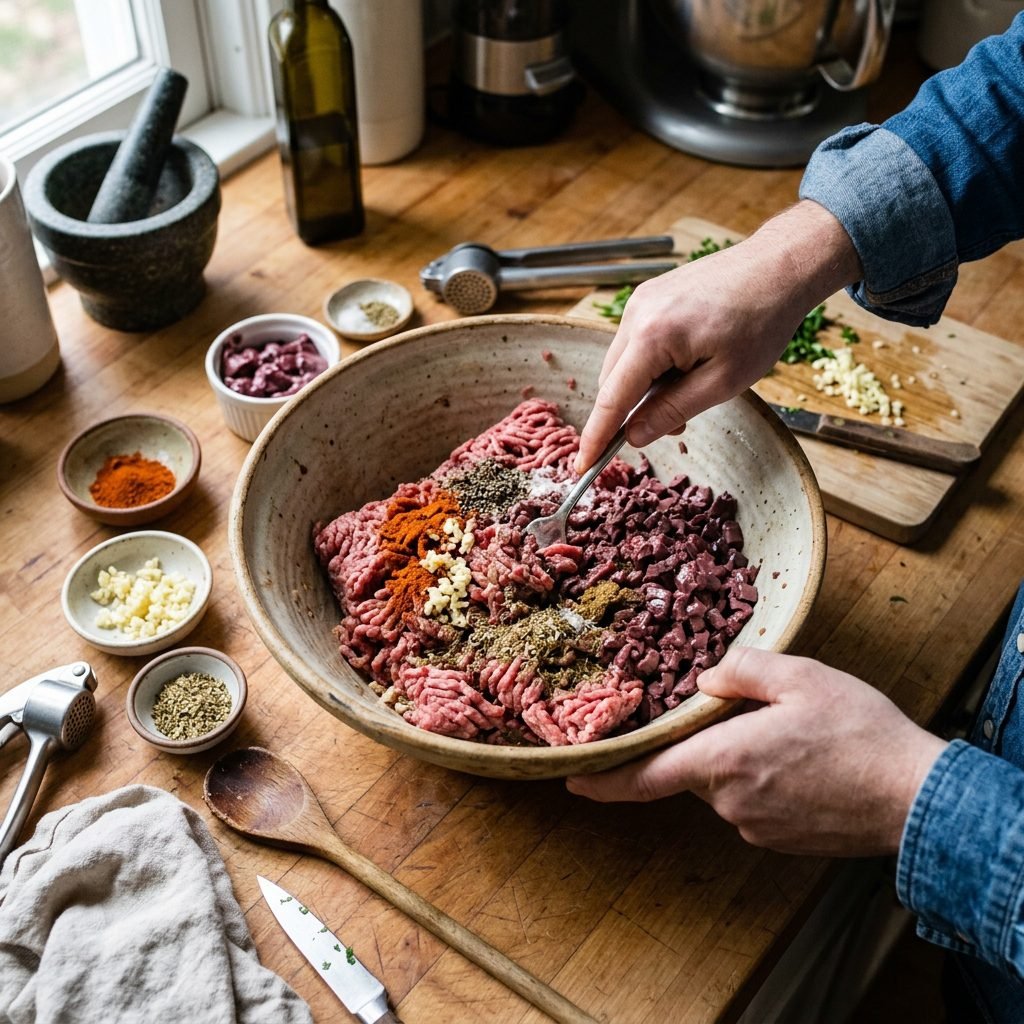
Another great way to incorporate liver is by grinding it up and mixing it into other meats. If you are making chili, bolognese, or burgers, mix 25% ground liver with 75% ground beef. The strong flavors of the beef and spices will completely mask the liver. Your family won’t even know they are eating a superfood meal!
The Soaking Technique
If you do want to try cooking it, try soaking the raw liver in milk or lemon water for about 30 minutes before cooking. This helps draw out the metallic tang and softens the flavor significantly. Sauté it quickly with plenty of butter, garlic, and caramelized onions for the most traditional (and surprisingly tasty) experience.
Sourcing and Safety: Quality is Non-Negotiable

Why Grass-Fed Matters More Than Ever
When it comes to eating liver, the source is everything. The liver’s job in the animal is to filter toxins, but it doesn’t store those toxins. Instead, it stores nutrients. However, an animal raised in a factory farm, exposed to pesticides and hormones, will not have the same nutrient profile as an animal raised on pasture.
The Organic Advantage
Always look for organic, grass-fed, and pasture-raised liver. You want to ensure that the animal was healthy and lived a natural life. This ensures that the liver is packed with the highest possible levels of vitamins and minerals without any unwanted extras. If you can’t find it at your local grocery store, check out local farmers’ markets or reputable online meat delivery services.
Storage and Handling
Because organ meats are highly perishable, treat them with care. Keep liver in the coldest part of your fridge and use it within 1-2 days of purchase, or freeze it immediately. When cooking, ensure it reaches an internal temperature of 160°F (71°C) to kill any potential bacteria, which is a vital safety step during pregnancy.
A Note on Postpartum Healing

Restoring Your Temple After Birth
Your need for liver doesn’t end once the baby arrives. In fact, the postpartum period is one of the most important times to focus on nutrient density. During birth, you lose a significant amount of blood, and if you are breastfeeding, your body is working overtime to produce liquid gold for your baby.
Replenishing the Deep Reserves
In many traditional cultures, liver is the first food given to a new mother to help her regain her strength. The high iron and B12 content help combat postpartum fatigue and may even play a role in stabilizing mood during the ‘baby blues’ period. If you can continue your ‘liver pill’ routine or enjoy a weekly nutrient-dense meal, your body will thank you for the extra support during this intense time of healing.
Sisterly Advice: Be gentle with yourself. If the idea of liver is just too much right now, that’s okay. There are many ways to nourish yourself. But if you can swing it, even a little bit, it’s a gift to your healing body.
Conclusion
Embracing Your Inner Wise Woman
So, is liver a superfood or gross? The truth is, it’s a bit of both! It might not be the most glamorous food in your pantry, but its benefits for you and your growing baby are undeniable. From building your baby’s brain with choline to keeping your energy levels up with heme iron, liver truly is nature’s gift to expectant mothers. Remember, mama, you don’t have to do this perfectly. Whether you decide to try the ‘frozen pill’ method or whip up a gourmet pâté, you are making an intentional choice to nourish your body and your baby. You are doing an incredible job, and your dedication to your health is the first of many beautiful acts of love you will perform for your child. Stay strong, stay nourished, and trust your intuition. You’ve got this!