The Easiest DIY No-Sew Fleece Baby Blanket Tutorial for Beginners
Embracing the Nesting Season with a Handmade Touch
Hello, sweet mama. If you are reading this, you are likely in that beautiful, bustling phase of nesting—that biological urge to prepare a safe, soft, and welcoming space for your little one. Or perhaps you are a devoted friend or doula looking to gift something that carries the warmth of your own hands. There is something profoundly grounding about a DIY project that doesn’t require a sewing machine, especially when your ‘pregnancy brain’ is in full swing and you want a result that is both immediate and beautiful.
The no-sew fleece blanket is a staple for a reason. It is durable, incredibly soft, and machine-washable, making it the perfect companion for tummy time, stroller walks, or late-night snuggles. As a doula, I always remind my clients that the items we make for our babies become part of their sensory story. This blanket isn’t just fabric; it’s a layer of security you’ve crafted while dreaming of their arrival. Let’s walk through this simple, meditative process together, ensuring you have everything you need to create a masterpiece for your nursery.
Why Fleece is the Ultimate Choice for Your Little One
The Sensory Benefits of Fleece
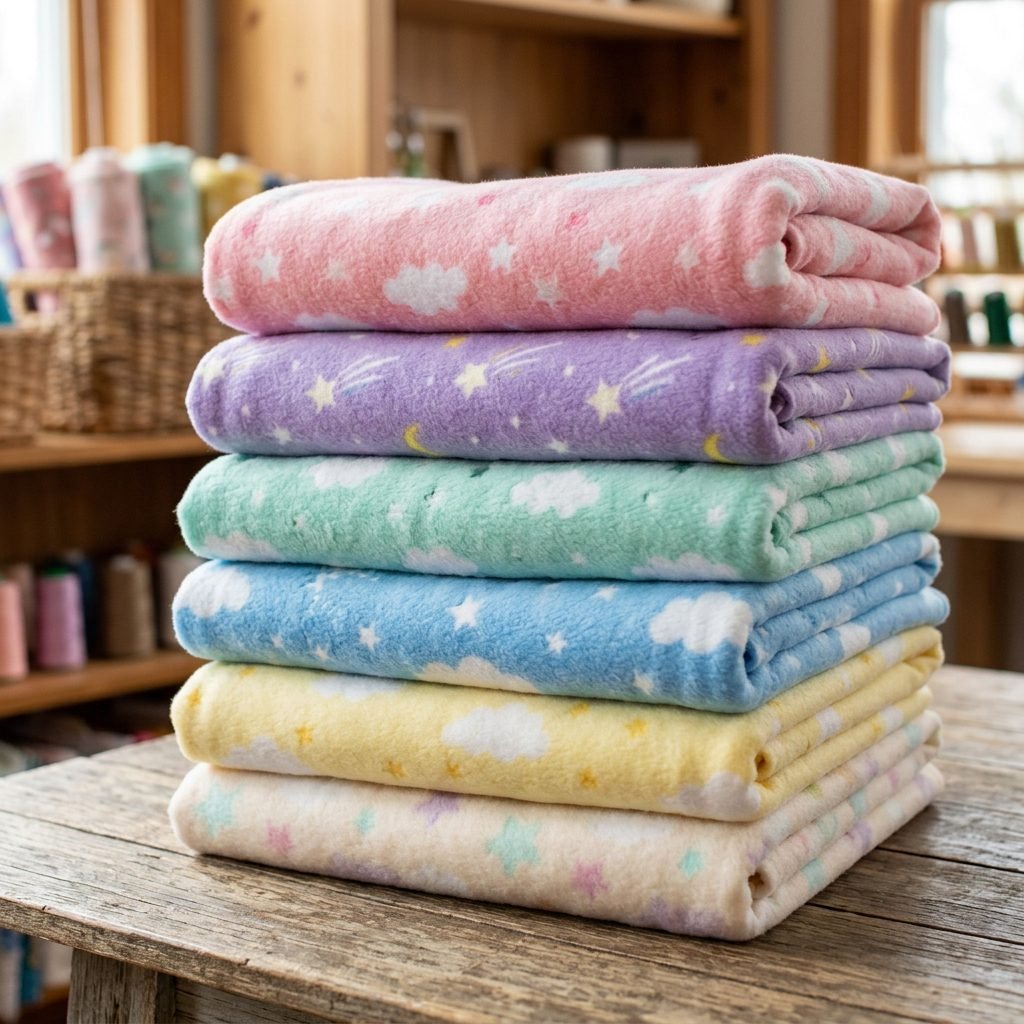
Fleece is a synthetic wonder that mimics the warmth of wool without the itchiness or the complex care requirements. For a newborn, tactile stimulation is a vital part of their development. The soft, plush texture of high-quality fleece provides a soothing surface that helps babies feel secure. From an expert perspective, fleece is also excellent because it is moisture-resistant and quick-drying—essential features for the inevitable spit-ups and diaper leaks.
Choosing the Right Type of Fleece
Not all fleece is created equal, mama! When you are at the craft store, look for ‘Anti-Pill’ fleece. This variety is designed to stay smooth and soft even after dozens of trips through the washing machine. ‘Blizzard’ fleece is another popular choice; it is slightly thicker and very warm, making it ideal for winter babies. Avoid ‘Coral’ or ‘Minky’ fleece for this specific project, as those fabrics tend to shed significantly when cut and can be quite slippery to tie.
“Creating for your baby is a form of meditation. With every knot you tie, you are weaving your love and protection into the fabric of their lives.”
Your Crafting Kit: Materials and Budget Breakdown
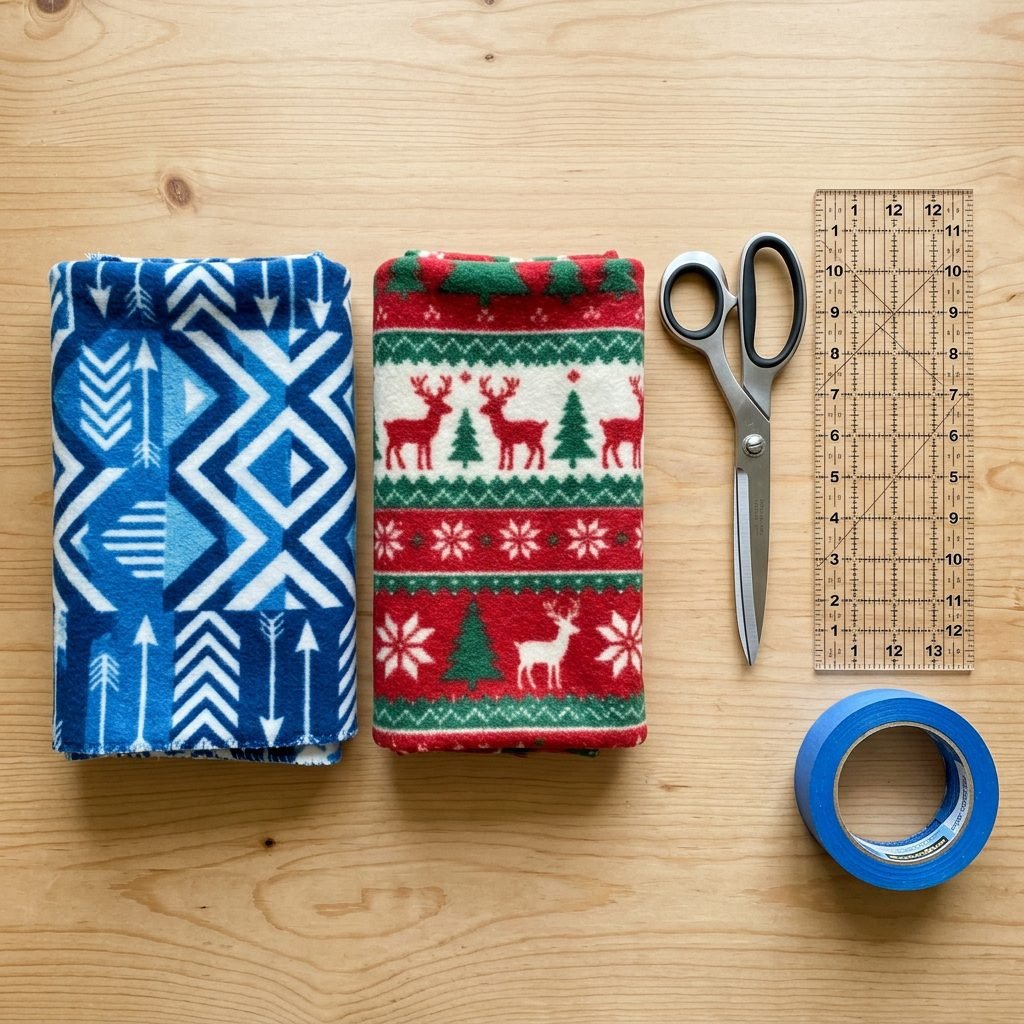
One of the best things about this project is that it is budget-friendly. You don’t need expensive gadgets—just a few basics that you might already have in your junk drawer or craft bin. Below is a breakdown of what you’ll need for a standard 30″ x 40″ baby blanket.
| Item | Purpose | Estimated Cost |
|---|---|---|
| Anti-Pill Fleece (2 pieces) | The main body of the blanket (1.25 yards each) | $10 – $20 |
| Fabric Scissors | To ensure clean, sharp cuts without fraying | $5 – $15 |
| Rotary Cutter & Mat | Optional, but makes straight lines much easier | $0 – $25 |
| Measuring Tape/Ruler | To measure the fringe and corner squares | $2 – $5 |
| Painter’s Tape | A ‘pro-tip’ for marking your cutting line | $3 – $5 |
Total Estimated Investment: $20 – $70 (Depending on whether you already own quality scissors). Remember, you are making a high-end, double-layered blanket that would easily retail for $50+ in a boutique!
Step 1: Preparing Your Fabric and Workspace
Squaring Up Your Fabric
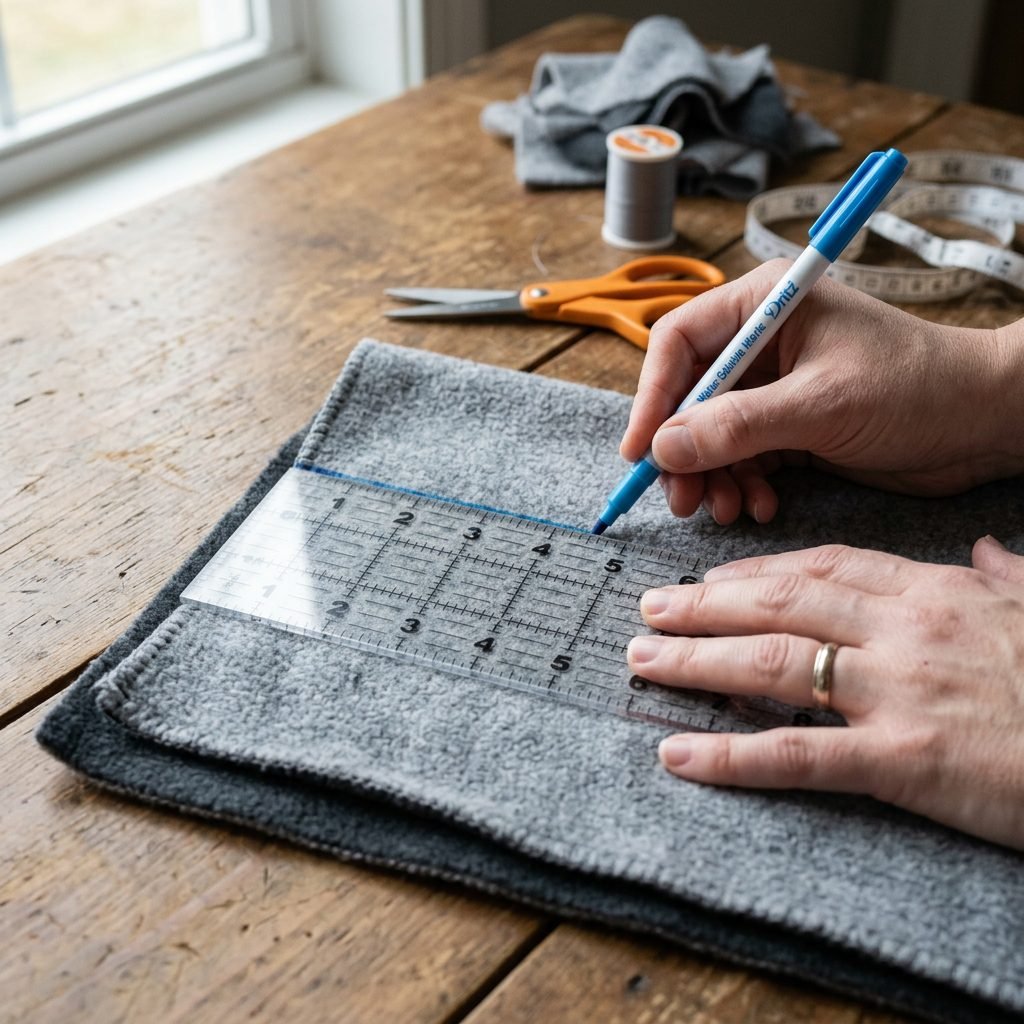
Start by laying your two pieces of fleece on top of each other, wrong sides together. This means the ‘pretty’ or vibrant sides should be facing outward on both the top and bottom. Because fleece is cut from large bolts at the store, the edges are often crooked. Use your scissors or rotary cutter to trim the edges so that both pieces are exactly the same size and perfectly rectangular. This is the foundation of a neat blanket.
The Magic Corner Trick
To ensure your blanket lies flat and doesn’t bunch up at the corners, you must remove a square from each of the four corners. Use your ruler to measure a 5-inch by 5-inch square at each corner. Cut this square out completely through both layers of fabric. Don’t worry, mama—it feels scary to cut a hole in your fabric, but this is what allows the fringe to be tied without creating a bulky, awkward lump at the ends.
Step 2: Cutting the Fringe with Precision
Marking Your Depth
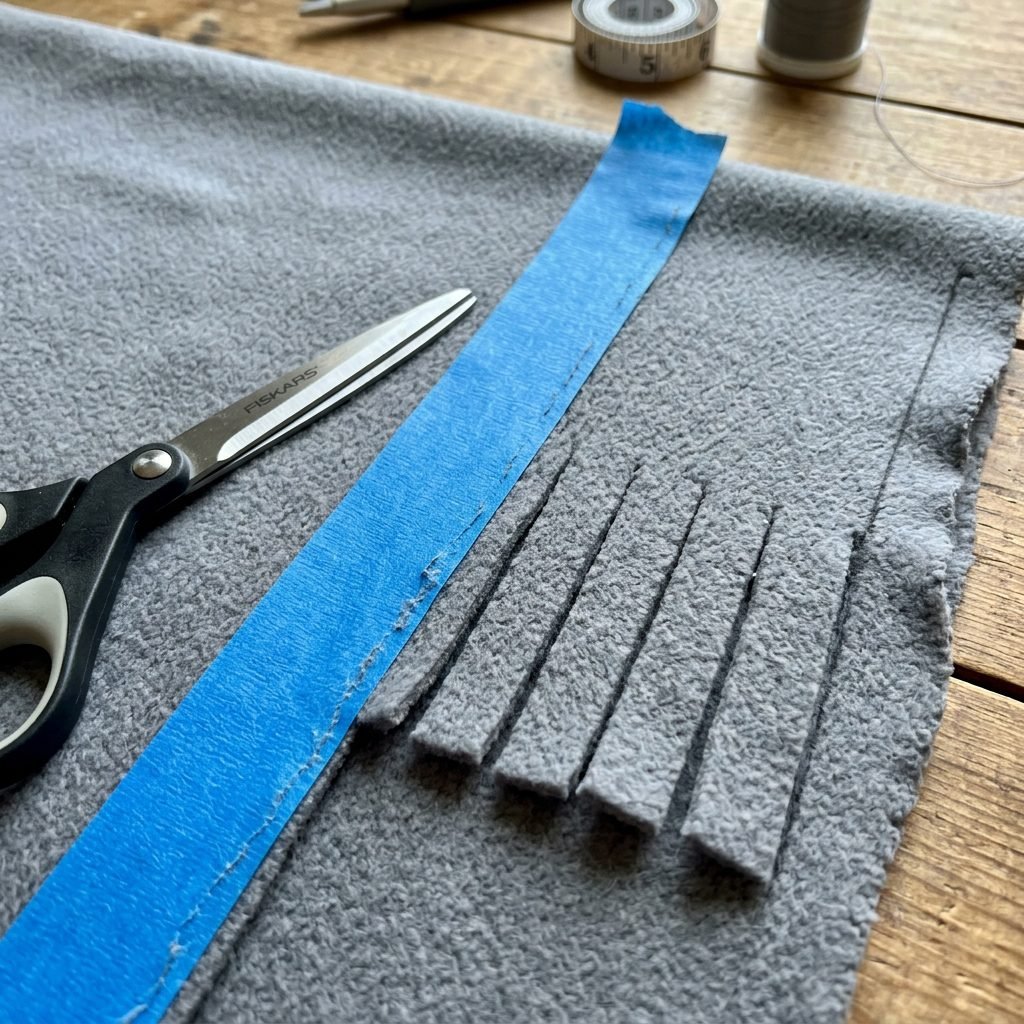
Now that your corners are removed, you are ready to create the fringe. The fringe should be as deep as the squares you cut out—in this case, 5 inches deep. A fantastic hack for beginners is to lay a strip of painter’s tape 5 inches from the edge all the way around the blanket. This gives you a physical ‘stop’ line so all your fringe pieces are the exact same length.
The Width of the Cut
Using your fabric scissors, cut strips that are approximately 1 inch wide. You don’t need to be perfect here! A little variation adds to the handmade charm. Cut from the edge of the fabric up to the edge of your painter’s tape. Continue this process around all four sides of the blanket. Make sure you are cutting through both layers of fleece at the same time to ensure the strips align perfectly for tying.
Step 3: The Tying Process – Two Ways to Finish
Option A: The Classic Double Knot
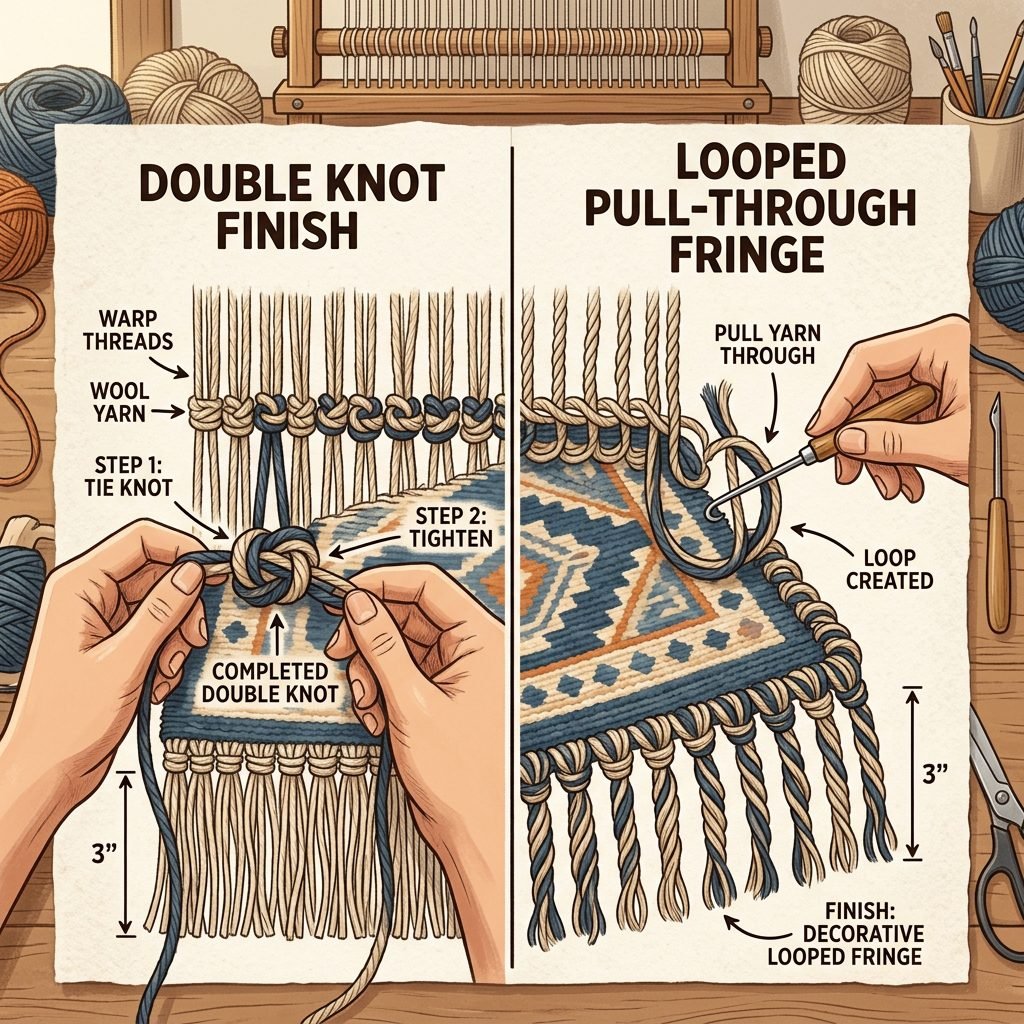
This is the most secure method, especially for blankets that will be loved hard and washed often. Take the top fringe piece and the bottom fringe piece that are directly layered. Tie them into a simple overhand knot, then tie them again to create a double knot. Pull firmly but not so tight that the fabric puckers. This creates a cute, pom-pom like border.
Option B: The ‘Pull-Through’ Method (The Stylish Loop)
If you want a flatter, more professional look, try the pull-through method. Use a small pair of scissors or a seam ripper to poke a tiny hole at the top of each fringe pair (near the base). Then, take the ends of the fringe and pull them through the hole from the bottom up. This creates a beautiful braided effect that looks like it came from a high-end nursery boutique.
“Take your time with the knots. Think of it as a rhythmic exercise in patience—something that will serve you well in the early days of motherhood.”
Safety First: Using Your Blanket Responsibly
Safe Sleep Guidelines
As your doula and wellness companion, I must remind you of the ABC’s of Safe Sleep: Alone, on their Back, in a Crib. While this blanket is perfect for supervised snuggles, nursing sessions, or as a play mat, it should never be placed in a crib or bassinet with a sleeping infant under 12 months of age. Loose bedding is a risk factor for SIDS.
Sensory Play and Tummy Time
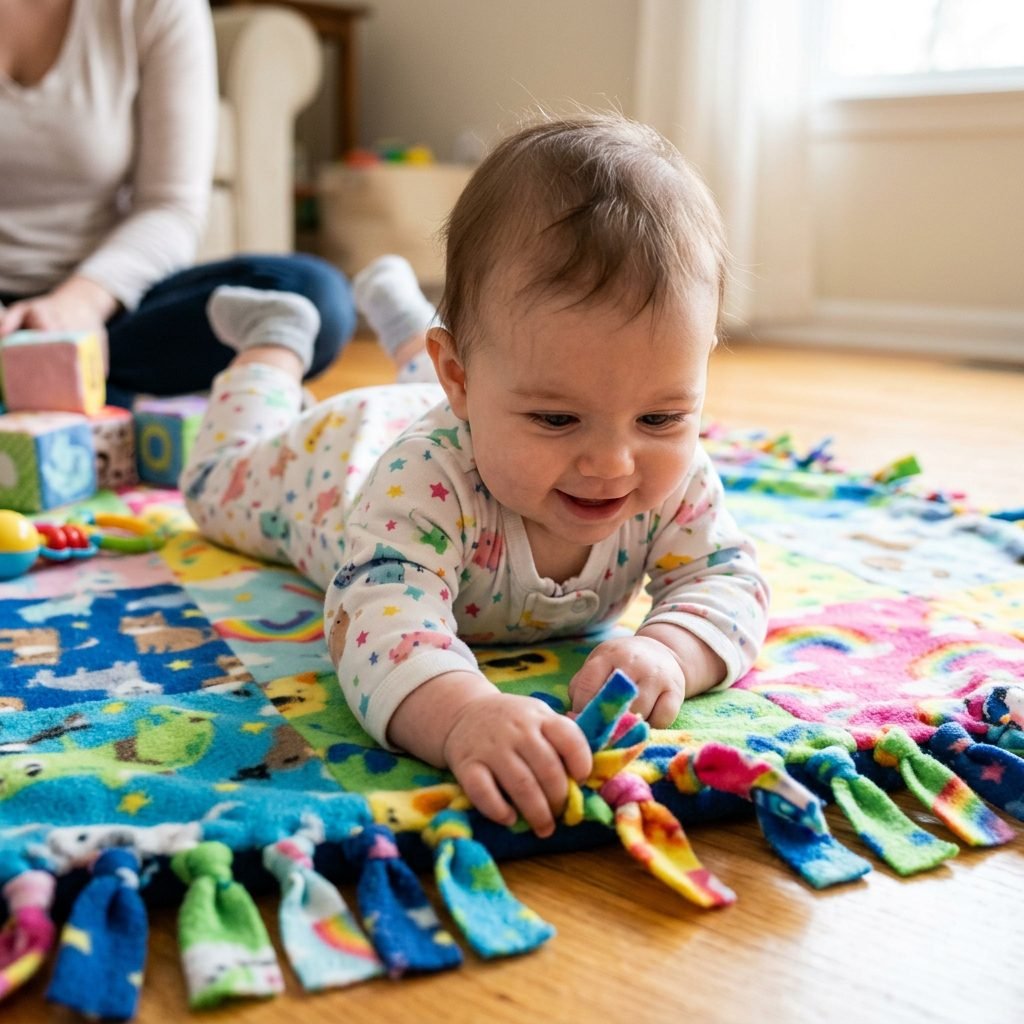
This blanket is an excellent tool for tummy time! The double layer provides extra cushioning on hard floors, and the fringe border offers a wonderful tactile experience for babies who are beginning to reach and grasp. The different textures of the knots help stimulate their fine motor skills as they explore the edges of their little world.
Conclusion
A Legacy of Warmth and Love
Congratulations, mama! You have just created a beautiful, functional piece of nursery decor that will likely become a cherished heirloom. Whether this blanket catches the first rolls of your infant during tummy time or provides the soft backdrop for a monthly milestone photo, it is a testament to your care and preparation. Making something for your child is a powerful way to bond before they even arrive.
Remember to wash your new blanket on a cold, gentle cycle and tumble dry on low heat to keep the fleece from ‘pilling’ or losing its softness. You’ve done a wonderful job today. Take a moment to wrap the blanket around your shoulders, feel its warmth, and breathe in the peace of your prepared home. You are going to be an amazing mother.