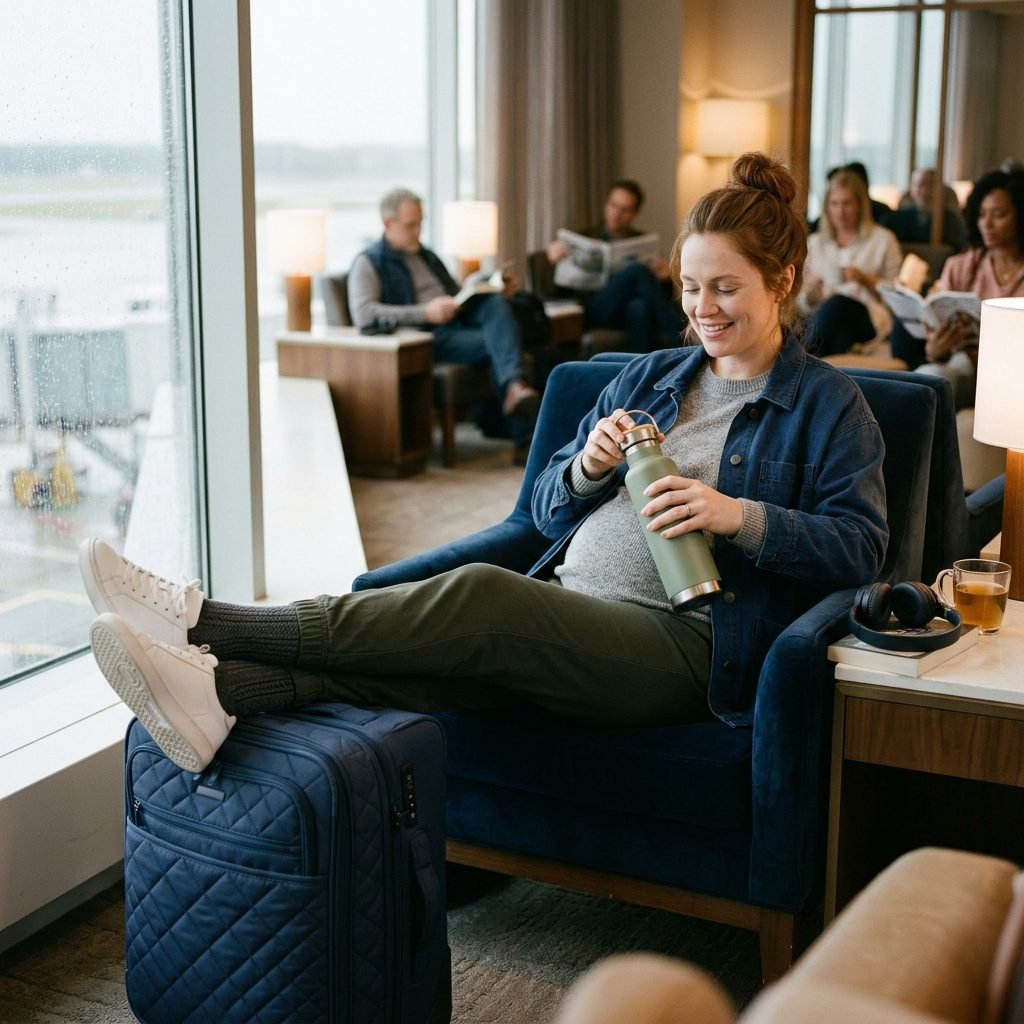
5 Best Compression Socks To Prevent Cankles While Traveling
Welcome to Your Babymoon Prep, Mama!
Hello, beautiful mama! If you are gearing up for a babymoon, a work trip, or a journey to visit family before your little one arrives, I am so incredibly excited for you. Traveling during pregnancy is such a special time to connect with your partner, your baby, and yourself. But let us have a heart-to-heart about something completely normal, slightly annoying, and rarely glamorous: pregnancy swelling. Yes, we are talking about the dreaded ‘cankles.’ When you combine the beautiful, life-giving surge of pregnancy hormones with the realities of travel—like sitting in tight airplane seats, changes in cabin pressure, and endless car rides—your feet and ankles can quickly double in size.
As a doula and maternal wellness expert, I want to wrap my arms around you and reassure you: you are not alone, and this is entirely normal. Your body is currently performing the miraculous task of increasing its blood volume by up to 50 percent to nourish your growing baby. That extra fluid has to go somewhere, and thanks to gravity, it usually ends up in your lower extremities. But just because it is normal does not mean you have to suffer through heavy, achy, swollen legs on your trip!
Take a deep breath, drop your shoulders, and remind yourself: ‘My body is doing exactly what it needs to do to grow my baby, and I deserve to feel comfortable and supported every step of the way.’
The ultimate secret weapon for any traveling mama-to-be? A phenomenal pair of compression socks. Gone are the days of thick, medical-looking, beige stockings that are impossible to wrestle onto your feet. Today’s compression socks are chic, breathable, and designed to gently hug your calves, promoting healthy blood flow and keeping those cankles at bay. In this comprehensive, sisterly guide, we are going to dive into the science of pregnancy swelling, review the 5 best compression socks to prevent cankles while traveling, and share my top doula-approved holistic tips for keeping your legs light and energized on the go. Let us get those legs feeling fabulous so you can focus on making beautiful travel memories!
The Science of the Swell: Why Travel Triggers Pregnancy Cankles
Understanding Your Miraculous, Changing Body
Before we dive into the magical world of compression wear, it is so important to understand exactly why your body is responding this way. Knowledge is power, mama, and understanding your physiology is the first step in giving yourself the grace and care you deserve. Edema, the medical term for swelling, is a hallmark of pregnancy, especially in the second and third trimesters. But why does travel make it so much more pronounced?
The Perfect Storm: Blood Volume, Hormones, and Gravity
First, let us talk about your blood volume. By the time you reach your third trimester, your body is pumping nearly 50% more blood and bodily fluids than it did before you were pregnant. This incredible adaptation is vital for softening your tissues for delivery and ensuring your baby gets all the nutrients they need through the placenta. However, this extra fluid naturally pools in your lowest points due to gravity. Combine this with the hormone relaxin, which loosens your ligaments and joints to prepare for birth, and your veins are actually relaxing and widening, making it harder for them to pump blood back up to your heart.
The Travel Factor
When you add travel into this mix, you are creating the perfect recipe for cankles. Whether you are on a long-haul flight, a cross-country train, or a multi-hour road trip, prolonged sitting causes blood to pool in your lower legs. Furthermore, the decreased cabin pressure in airplanes can cause tissues to expand slightly, pushing more fluid into your extremities. The result? Achy, heavy, swollen ankles that make putting your shoes back on at baggage claim a near-impossible feat.
How Compression Socks Come to the Rescue
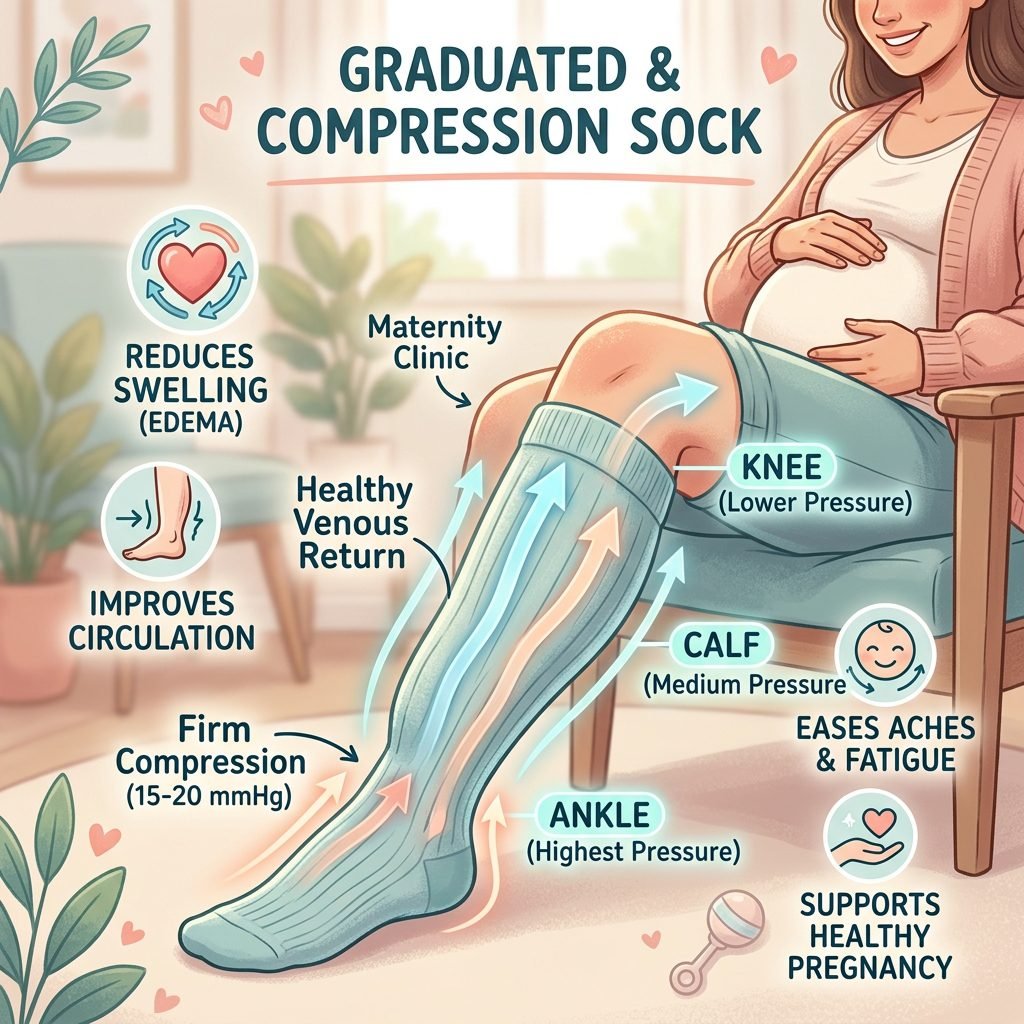
This is where graduated compression socks step in like a supportive best friend. ‘Graduated’ means the socks are tightest at the ankle and gradually become less tight as they move up the calf. This specific design acts like a gentle, continuous massage, actively squeezing the blood and lymphatic fluid upward, fighting gravity, and assisting your circulatory system in returning fluid to your heart. For pregnancy travel, a moderate compression level of 15-20 mmHg (millimeters of mercury) is exactly the sweet spot you are looking for—firm enough to prevent swelling, but gentle enough to remain comfortable for hours.
The 5 Best Compression Socks for Traveling Mamas
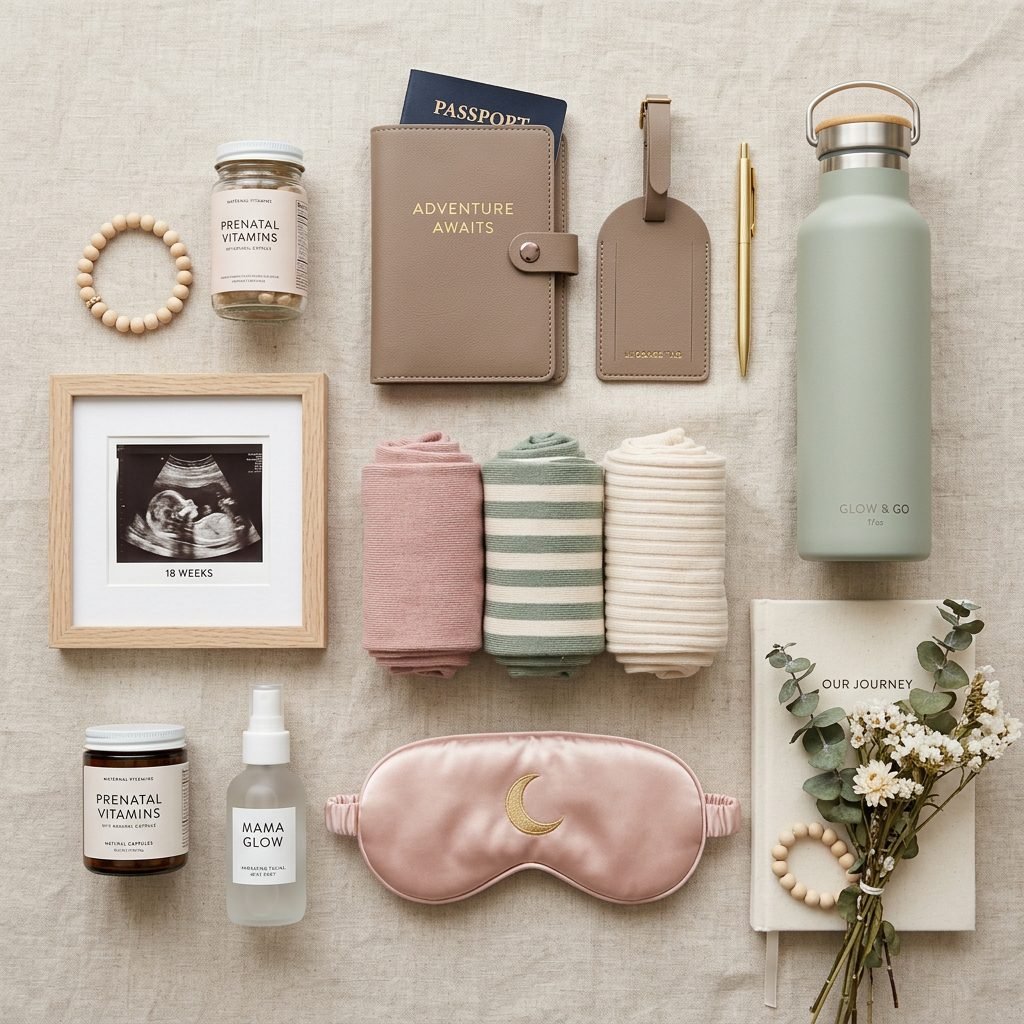
My Top Doula-Approved Picks for Your Babymoon
Not all compression socks are created equal, especially when you are navigating a beautiful, changing pregnant body. You need fabrics that breathe, bands that do not dig into your calves, and designs that make you feel confident and put-together. After testing, reviewing, and listening to hundreds of expectant mothers, I have curated the absolute best options for your travel needs. Here are the top five compression socks that will save your ankles on your next trip.
1. The All-Day Comfort Champion: Wellow Compression Socks
Wellow has truly revolutionized the compression sock game for pregnant women. Made from a butter-soft bamboo blend, these socks are incredibly easy to pull on—a major bonus when your bump is getting in the way! They offer a gentle 15-20 mmHg compression that feels like a warm hug for your legs. Because bamboo is naturally moisture-wicking and temperature-regulating, these are my absolute favorite for long flights where cabin temperatures can wildly fluctuate.
2. The Maternity-Specific Hero: Kindred Bravely Everyday Compression Socks
Kindred Bravely understands the pregnant body better than almost anyone. Their Everyday Compression Socks are specifically designed with the expectant mother in mind. They feature a slightly wider calf option and a non-pinching top band, ensuring that while your ankles get the support they need, your calves are not left with painful red indentations. These are perfect for road trips and long days of walking during your babymoon.
3. The Stylish Statement: Comrad Knee-High Compression Socks
Who says compression wear has to look clinical? Comrad brings fashion to function with their beautiful array of colors, stripes, and dip-dyed patterns. Offering a precise 15-25 mmHg of graduated compression, they provide a slightly firmer hold, which is excellent for mamas prone to severe swelling or varicose veins. They look exactly like chic knee-high socks, meaning you can confidently pair them with a maternity dress or skirt while navigating the airport.
4. The Premium Cushion: Bombas Everyday Compression Socks
If you are dealing with sore soles on top of swollen ankles, Bombas is your holy grail. These socks feature their signature honeycomb arch support and a seamlessly constructed toe, making them the most comfortable option for sensitive feet. The 15-20 mmHg compression is highly effective, and the premium cotton blend is incredibly durable. Plus, for every pair purchased, Bombas donates a pair to someone in need, which is a beautiful bonus.
5. The Athletic Support: Physix Gear Sport Compression Socks
For the highly active mama or the one embarking on a travel itinerary that involves a lot of walking, Physix Gear offers a fantastic, durable option. Made from a double-stitched nylon and spandex blend, these socks offer robust 20-30 mmHg compression (check with your provider if you need this firmer level) and excellent arch and heel support. They are highly breathable and designed not to slip down, no matter how many miles you log exploring a new city.
At-a-Glance Comparison Guide
To help you choose the perfect pair for your specific travel needs, I have created this handy comparison table. Remember, investing in the right pair will make a world of difference for your comfort!
| Brand & Model | Compression Level | Best Feature | Ideal Travel Scenario |
|---|---|---|---|
| Wellow Bamboo Socks | 15-20 mmHg | Ultra-soft, easy to put on | Long-haul flights, sensitive skin |
| Kindred Bravely Everyday | 15-20 mmHg | Non-pinching top band | Road trips, wider calves |
| Comrad Knee-Highs | 15-25 mmHg | Chic patterns & colors | Wearing with dresses/skirts |
| Bombas Everyday | 15-20 mmHg | Cushioned footbed & arch | Walking tours, sore feet |
| Physix Gear Sport | 20-30 mmHg | No-slip athletic grip | Active babymoons, severe edema |
The Doula’s Guide to Putting On Compression Socks (Without Tears!)
Mastering the Roll-Down Method
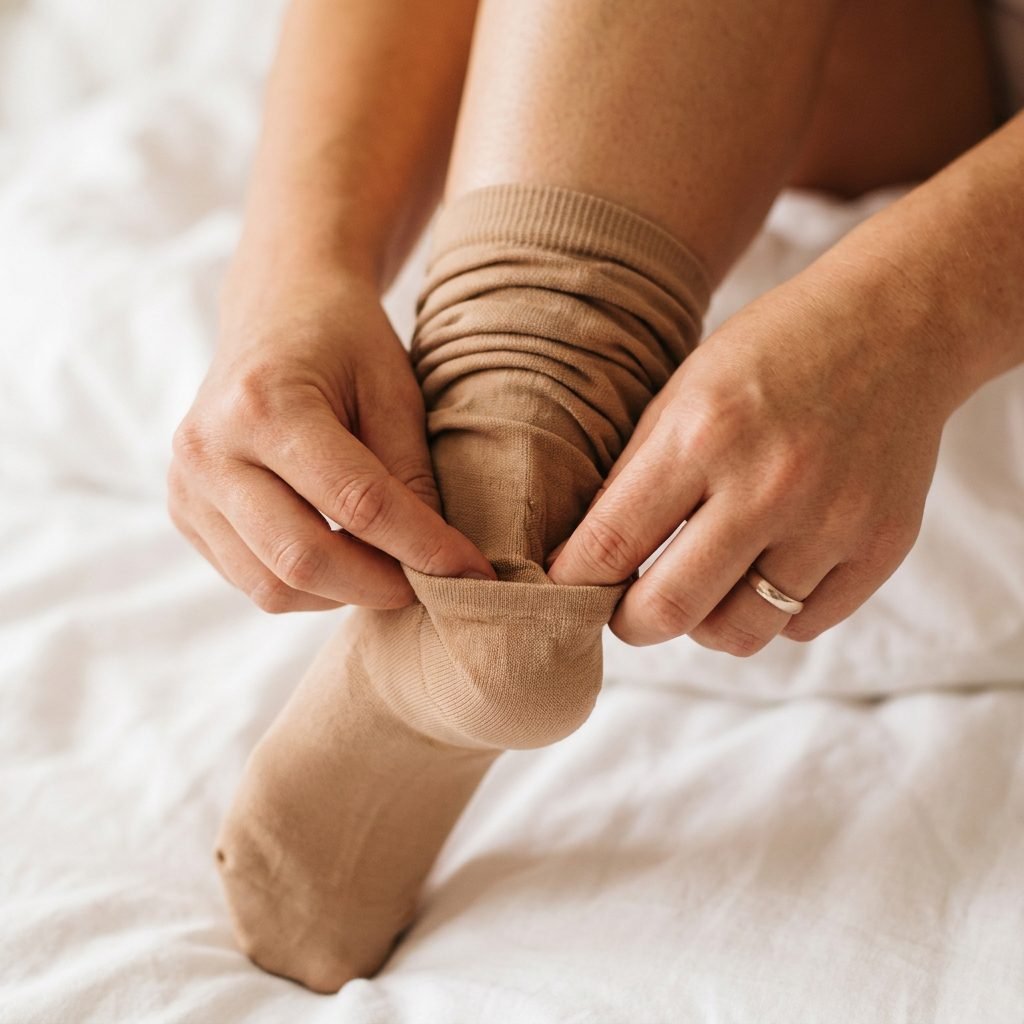
Let us be completely honest, mama: putting on compression socks when you have a beautiful, growing belly in the way can feel like an Olympic sport. I have had clients tell me they broke a sweat just trying to get them over their heels! Because compression socks are designed to be tightest at the ankle, you cannot just scrunch them up and pull them on like regular socks. You need a strategy. As your doula, I am going to teach you the foolproof ‘Roll-Down Method’ that will save your back, your breath, and your sanity.
Pro-Tip: Put your compression socks on first thing in the morning before you even get out of bed! This is when your legs are the least swollen, making the socks significantly easier to slide on.
Step-by-Step Instructions for Easy Application
- Sit comfortably with support: Sit on the edge of your bed or a sturdy chair. If your belly is quite large, prop your foot up on a low stool or bring your knee out to the side (a modified tailor-sitting position) to make room for your bump.
- Reach inside the sock: Slip your hand into the compression sock all the way down to the heel.
- Pinch the heel: Pinch the fabric right at the heel cup with your thumb and index finger.
- Turn it inside out: While holding the heel, pull the top of the sock down and turn the leg portion completely inside out, leaving just the toe box right-side in. The sock should now look like a little pouch.
- Slip your toes in: Carefully slide your toes into the pouch, making sure the heel of the sock lines up perfectly with your actual heel. This is the most crucial step—if the heel is off, the compression will not sit correctly!
- Roll it up the calf: Once your foot is snugly in the toe and heel, gently grasp the folded edge of the sock and roll it up over your ankle and up your calf.
- Smooth it out: Never fold the top band over itself! Smooth out any wrinkles or bunches, ensuring the band sits comfortably just below the crease of your knee.
If you are still struggling, do not hesitate to ask your partner for help. Consider it their first official duty of the babymoon! There are also inexpensive devices called ‘sock aids’ or ‘sock donners’ available online that can completely eliminate the need to bend over.
Beyond the Socks: Holistic Hydration & Movement Hacks for the Journey
Your Comprehensive Travel Comfort Plan
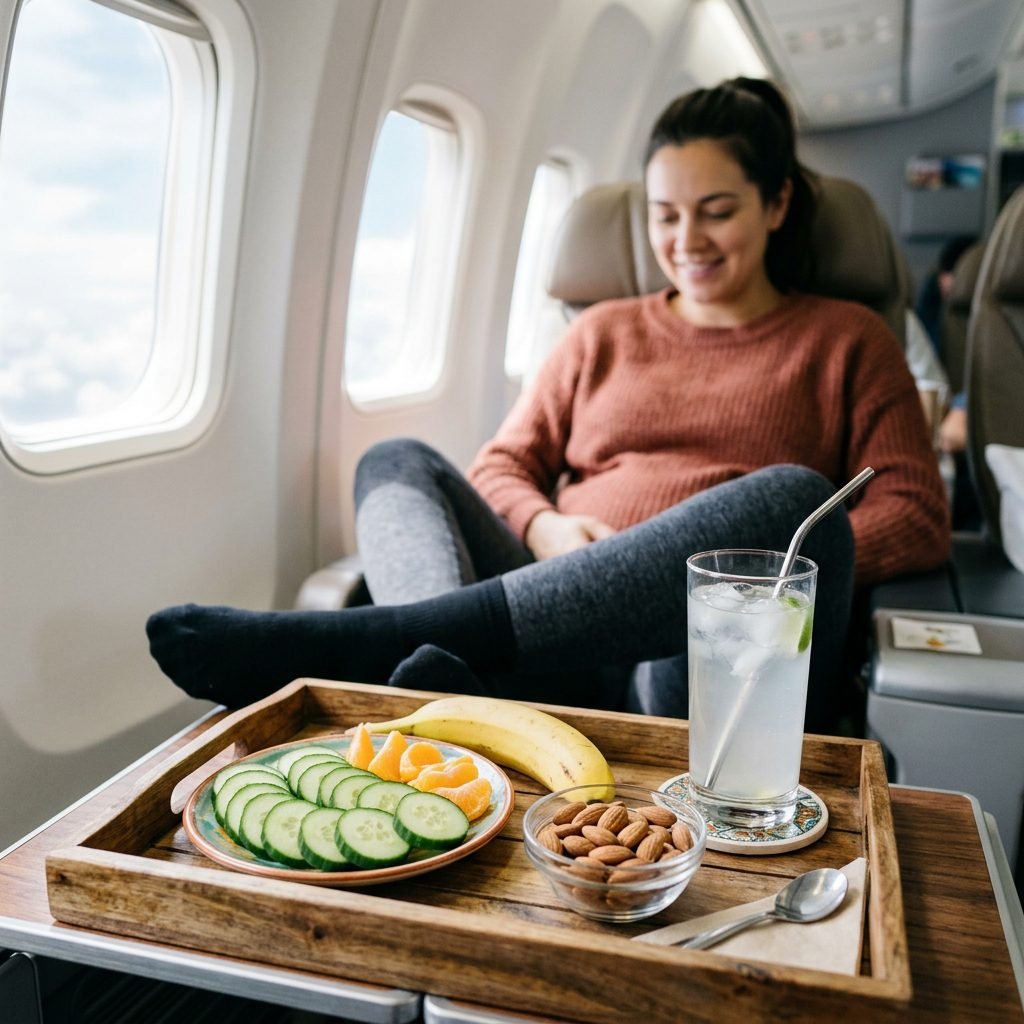
While wearing the best compression socks is your primary defense against cankles, true maternal wellness requires a holistic approach. As a postpartum recovery nurse and doula, I always tell my clients that compression is just one piece of the puzzle. To keep your blood flowing beautifully and your body feeling vibrant during your travels, we need to focus on hydration, nutrition, and strategic movement.
The Hydration Paradox
It sounds counterintuitive, but the absolute best way to combat water retention is to drink more water. When your body is dehydrated, especially in the notoriously dry air of an airplane cabin, it goes into panic mode and aggressively holds onto every drop of fluid it has, leading to worse swelling. Aim to drink at least 8 to 10 ounces of water for every hour you are in the air or in the car. Yes, this means you will be taking frequent trips to the restroom, but look at the bright side: those bathroom breaks are built-in opportunities to stretch your legs!
In-Seat Exercises to Keep Blood Flowing
If you are stuck in a window seat or trapped in a car, you can still encourage circulation with simple, gentle movements. Try these doula-approved in-seat exercises every 30 to 45 minutes:
- Alphabet Ankles: Extend your legs slightly and trace the letters of the alphabet in the air with your big toes. This engages the calf muscles, which act as a pump to push blood back to your heart.
- Heel-Toe Rocks: Keep your feet flat on the floor. Lift your heels high while keeping your toes down, then rock back onto your heels, lifting your toes. Repeat 15-20 times.
- Glute Squeezes: Simply squeeze your glutes tightly for 5 seconds, then release. This engages your pelvic floor and promotes circulation through your entire lower body.
Nutrition: What to Pack and What to Pass On
Travel days are notorious for salty, processed snacks. While a little treat is absolutely fine, excess sodium is the enemy of swollen ankles. High-sodium foods force your body to retain extra water. Instead of relying on airport food courts or gas station snacks, pack your own pregnancy-safe, swelling-reducing treats.
| Travel Snacks: What’s Safe & Helpful | Travel Snacks: What to Avoid |
|---|---|
| Fresh fruit (bananas, oranges for potassium) | Salty pretzels and potato chips |
| Unsalted nuts and seeds (almonds, walnuts) | Fast food burgers and fries |
| Cucumber slices and celery sticks (high water content) | Highly processed deli meats (high sodium) |
| Coconut water (natural electrolytes) | Sugary sodas and excessive caffeine |
| Hard-boiled eggs (protein to stabilize blood sugar) | Pre-packaged salty trail mixes |
Red Flags: When Swelling Needs Medical Attention
Listening to Your Body’s Wisdom
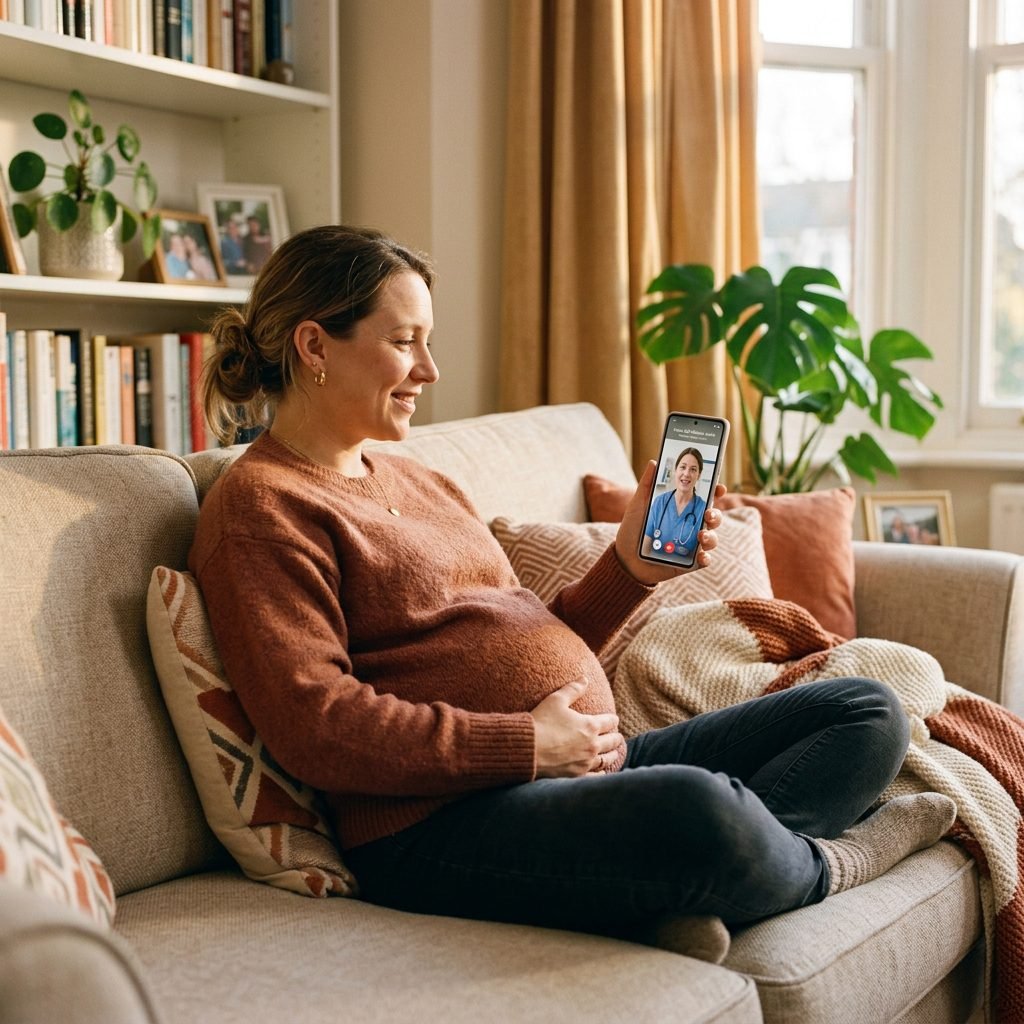
As we wrap up our travel prep, I want to put on my clinical hat for just a moment. As your virtual doula, my priority is not just your comfort, but your absolute safety. Mild to moderate swelling in your feet and ankles after a long day of travel is incredibly common and usually harmless. However, pregnancy is a delicate time, and there are specific warning signs that indicate swelling is no longer just a travel nuisance, but a potential medical emergency.
Deep Vein Thrombosis (DVT)
Pregnancy naturally makes your blood more prone to clotting—an evolutionary safeguard to prevent excessive bleeding during childbirth. However, this hypercoagulability, combined with the immobility of travel, increases your risk for a Deep Vein Thrombosis (DVT), which is a blood clot in the leg. If you experience swelling in only ONE leg, accompanied by localized warmth, redness, or severe pain/tenderness in the calf, seek immediate medical attention. Do not wait until you get home from your trip.
Preeclampsia Warning Signs
Preeclampsia is a serious blood pressure condition that can develop during pregnancy. While gradual ankle swelling is normal, sudden and severe swelling is not. If you experience sudden swelling in your hands or face, particularly around your eyes, this is a major red flag. Other symptoms of preeclampsia include a severe headache that will not go away with Tylenol, visual disturbances (like seeing spots or flashing lights), and pain in your upper right abdomen. If any of these occur during your travels, head to the nearest emergency room or urgent care immediately.
Always trust your intuition, mama. If something feels ‘off’ or your swelling seems extreme, never hesitate to call your OB-GYN or midwife. They would much rather you call for a false alarm than ignore a potential issue. You are the best guardian of your body and your baby!
Conclusion
Safe Travels and Happy Babymooning!
There you have it, sweet mama—your ultimate, doula-approved guide to conquering travel cankles! By understanding your body’s incredible changes, investing in a high-quality pair of compression socks from our top 5 list, mastering the roll-down method, and staying beautifully hydrated, you are setting yourself up for a comfortable, joyful journey. Remember, this trip is about celebrating the incredible transition you are about to make into motherhood. Do not let swollen ankles steal your joy. Prop those feet up whenever you can, sip your water, ask for help when you need it, and take a moment to marvel at the amazing things your body is doing. Have a wonderful, safe, and wildly comfortable trip. You’ve got this!