
Is Your Baby Ready to Stop Swaddling? 5 Signs to Watch For
Embracing the Next Chapter of Sleep
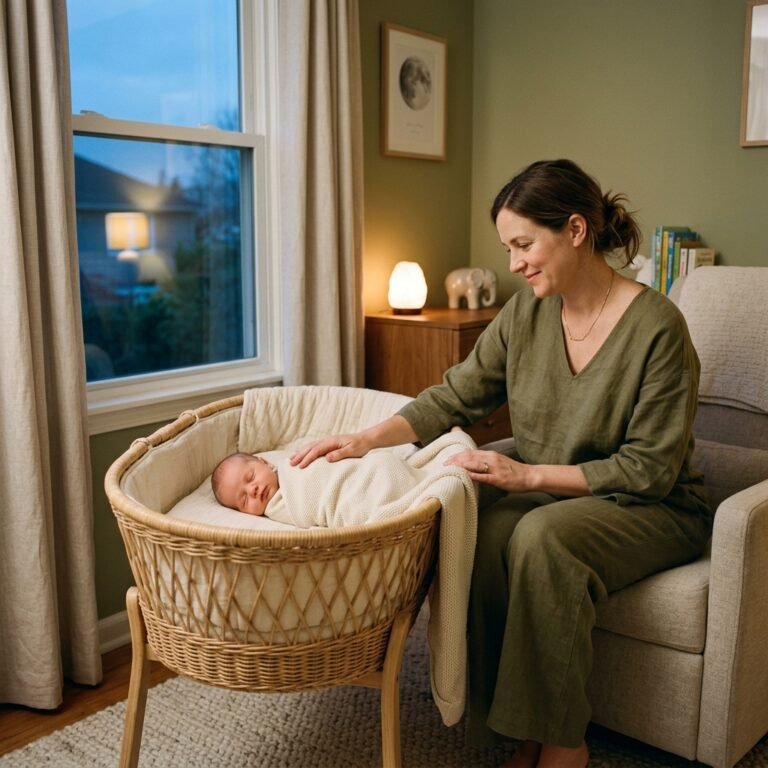
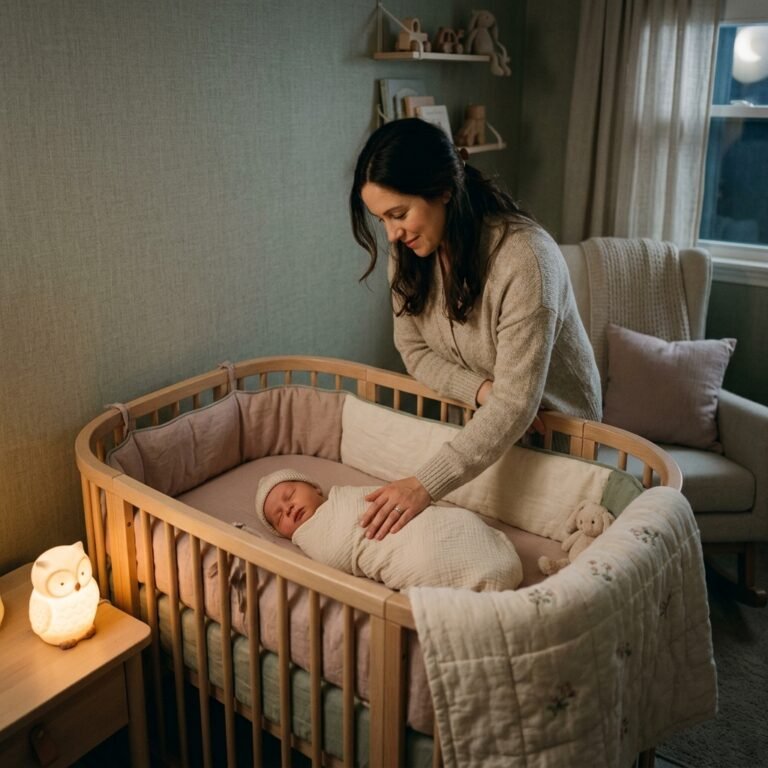
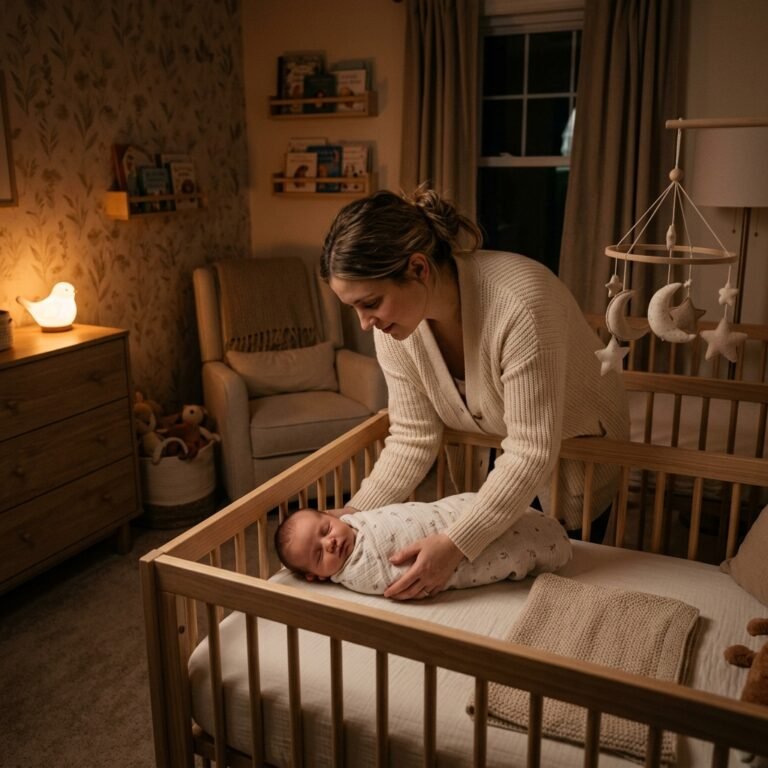
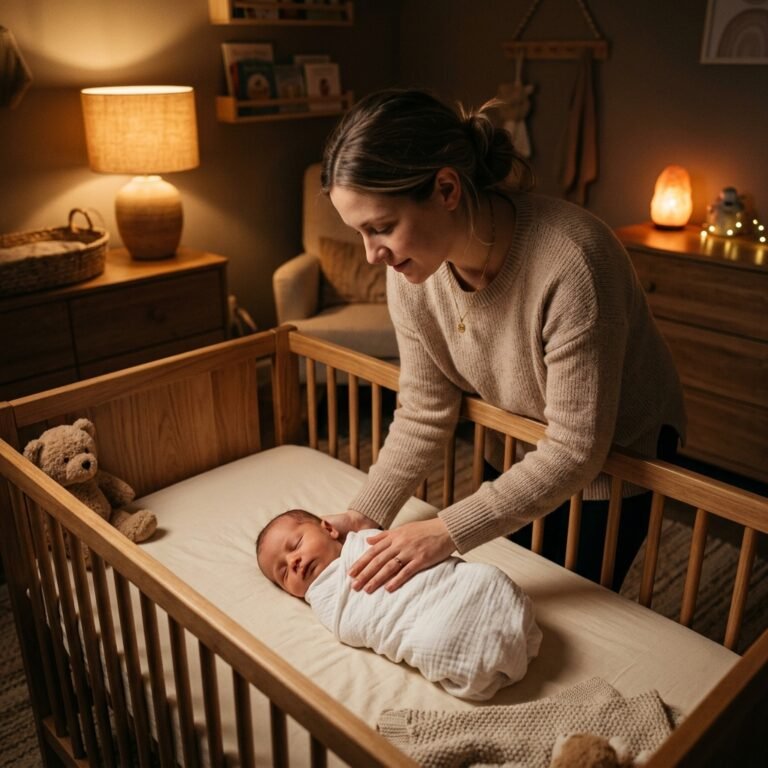
Oh, mama, I see you. You’ve finally mastered the ‘burrito wrap.’ You can fold those muslin corners in your sleep, and that snug little swaddle has been your ticket to a few precious hours of rest. It feels like just yesterday you were bringing your tiny bundle home, and the swaddle was your ultimate tool for soothing the Moro reflex and keeping your little one feeling secure. But as your baby grows and develops, there comes a bittersweet moment when that cozy wrap starts to become more of a hindrance than a help. Transitioning out of the swaddle can feel incredibly daunting—it’s natural to worry that your hard-won sleep schedule will come crashing down. As a doula and sleep consultant, I want to reassure you: this is a beautiful sign of your baby’s physical development and strength. It is a milestone to be celebrated, even if it means a few nights of adjustment. In this guide, we are going to walk through this transition together, sister to sister. We will look at the evidence-based safety signs, the behavioral cues, and the practical steps to ensure your baby (and you!) continues to sleep safely and soundly. You’ve got this, and I’m right here to hold your hand through the process.
Sign #1: The Big Roll — The Non-Negotiable Safety Cue
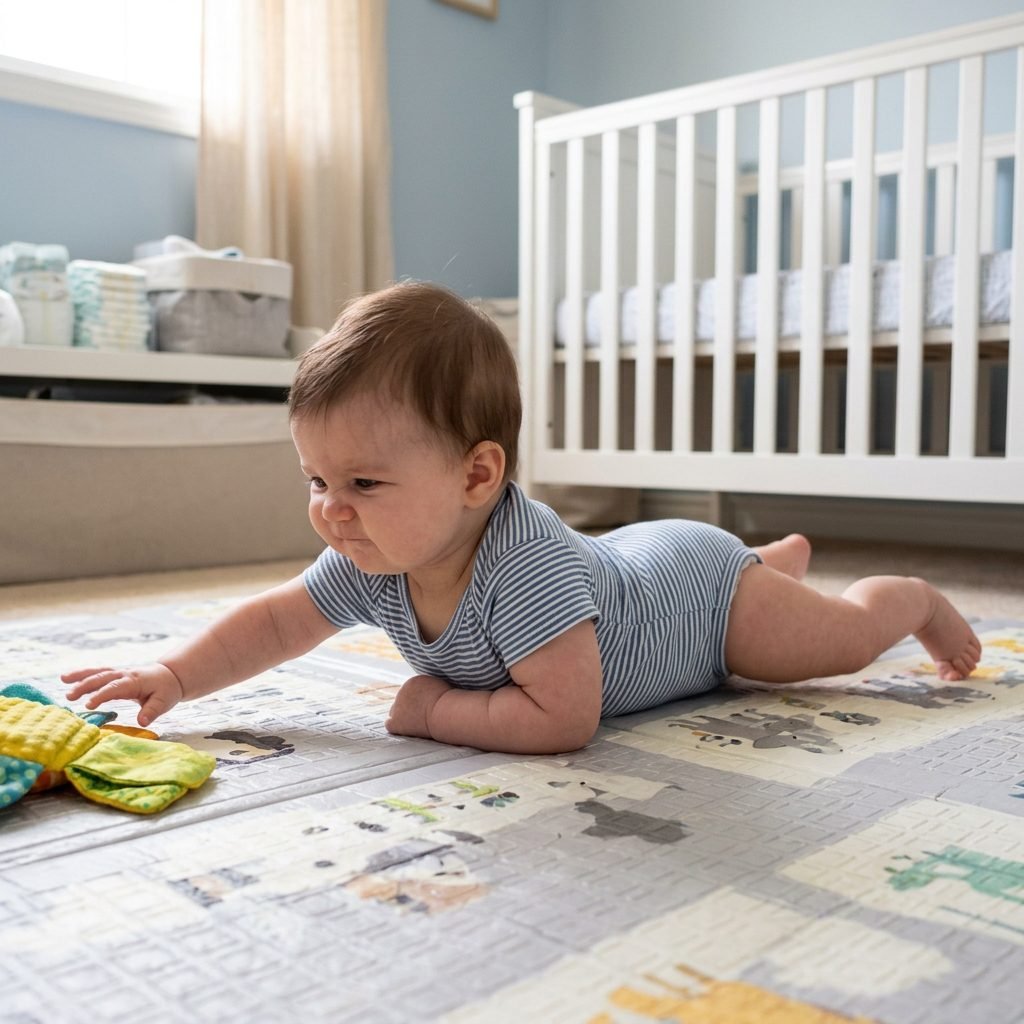
This is the most critical sign of all. According to the American Academy of Pediatrics (AAP), the moment your baby shows any signs of attempting to roll over, the swaddle must be retired immediately. If a baby rolls onto their tummy while their arms are pinned inside a swaddle, they may not have the upper body strength or the use of their limbs to push themselves up or turn their head to clear their airway. This poses a significant SIDS (Sudden Infant Death Syndrome) risk.
What to Look For
- The Side-Sleeper Lean: If you notice your baby consistently shimmying onto their side during naps or nighttime.
- The Hip Bridge: Lifting the legs and arching the back as if trying to gain momentum for a roll.
- The Full Roll: Even if they only do it once during tummy time, it’s time to transition.
I know it’s tempting to think, ‘Oh, they only roll when they’re awake,’ but babies often practice their new physical skills in their sleep. Safety always comes first, mama. If they are rolling, we stop swaddling tonight. No exceptions.
| Developmental Stage | Swaddle Status | Action Required |
|---|---|---|
| Newborn (0-2 months) | Safe & Recommended | Snug wrap, arms in. |
| First signs of rolling | Unsafe | Transition to arms-free immediately. |
| Consistently rolling | Dangerous | Use a sleep sack or wearable blanket only. |
Remember: A rolling baby is a strong baby, but a rolling baby needs their arms free to stay safe. You are doing the right thing by giving them the freedom they need.
Sign #2: The Midnight Escape Artist — When the Wrap Becomes a Hazard

Have you been waking up to find your baby’s arms poking out of the top of the swaddle? Or worse, is the blanket bunched up near their face? If your baby has become a ‘Houdini’ and is constantly breaking free, the swaddle is no longer serving its purpose. In fact, a loose swaddle is a major safety hazard because the fabric can easily cover the baby’s nose and mouth.
Why They Are Breaking Out
As babies get older, they develop more intentional movement. They aren’t just twitching; they are pushing, pulling, and exploring. If they are fighting the swaddle, they are telling you they want more range of motion. This is often a sign that their sensory needs are changing—they might want to touch their face or suck on their fingers to self-soothe.
- Check for loose fabric: If the swaddle is loose every morning, the ‘snugness’ factor is gone.
- Assess the frustration: If your baby cries the moment the swaddle goes on, they might be feeling restricted rather than comforted.
If your baby is an escape artist, it’s time to move to a wearable blanket or a transition suit that provides the weight they crave without the risk of loose bedding.
Sign #3: The Fading Moro Reflex — Biological Readiness

The primary reason we swaddle newborns is to calm the Moro reflex (that involuntary ‘startle’ reflex where their arms fly out and they wake themselves up). Around 3 to 4 months of age, this reflex naturally begins to disappear. When the reflex fades, the swaddle is no longer doing the heavy lifting of keeping them asleep.
Testing the Reflex
You can observe this during floor play. Does your baby still startle at loud noises or sudden movements? If their movements are becoming more fluid and controlled, they are biologically ready to sleep without the ‘hug’ of a swaddle. This is a great time to introduce self-soothing techniques, like allowing them to find their hands to suck on.
| Age Range | Moro Reflex Intensity | Sleep Strategy |
|---|---|---|
| 0-8 Weeks | High / Intense | Traditional Swaddle (Arms In) |
| 8-12 Weeks | Moderate / Fading | One-Arm-Out Transition |
| 12-16 Weeks+ | Low / Absent | Sleep Sack (Arms Free) |
When the reflex is gone, the swaddle can actually start to interfere with their sleep quality because it prevents them from finding a comfortable position. Trust their body’s development!
Sign #4: Fighting the Wrap — Behavioral Resistance

Sometimes the sign isn’t physical safety—it’s a clear behavioral ‘no thank you’ from your little one. If your bedtime routine has turned into a wrestling match, your baby is likely ready for a change. While some babies love the swaddle until the very last second, others begin to resist the restriction as they become more aware of their surroundings.
Is it a Sleep Regression or Swaddle Resistance?
The 4-month sleep regression often coincides with the need to stop swaddling. This can be a ‘perfect storm’ for tired parents. However, if your baby is specifically crying only during the swaddling process but settles once they have some freedom, they are likely ready for a sleep sack.
- Listen to the cues: Grunting, arching, and pushing against the fabric are all signs of resistance.
- Empower their choice: Giving them the freedom to move can actually help them navigate the 4-month regression more effectively as they learn to roll to a more comfortable position.
Affirmation for Mama: I am listening to my baby’s needs. We are learning a new rhythm together, and we are both capable of adapting to this change.
Sign #5: Reaching for Milestones — Physical Exploration
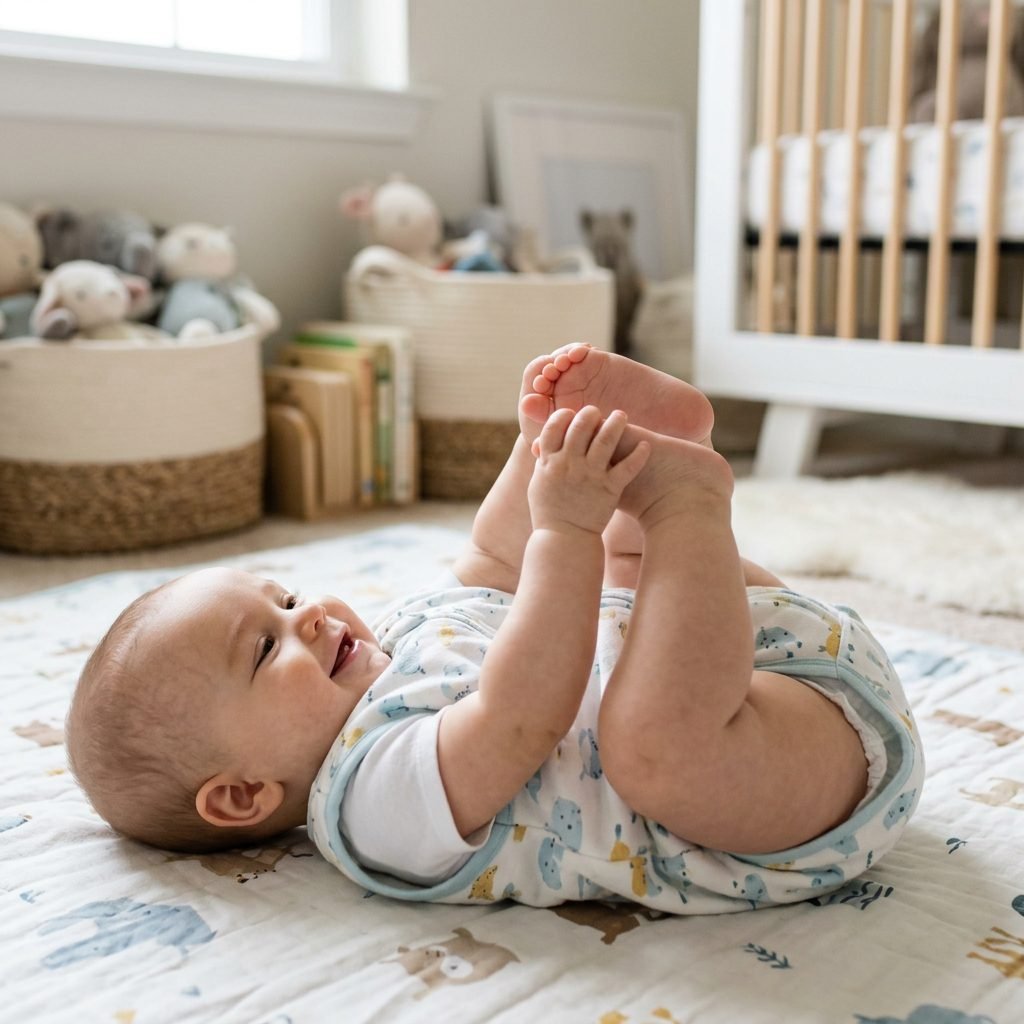
During the day, is your baby reaching for toys? Are they grabbing their toes? Are they bringing their hands to their mouth to explore textures? These fine and gross motor milestones are signs that your baby’s brain is wired for movement. When a baby is restricted for 12+ hours a day in a swaddle, it can occasionally limit their opportunities to practice these skills if they wake up early or spend long periods in the wrap.
The Connection Between Play and Sleep
A baby who is active and ‘working hard’ during the day on their milestones will naturally be more tired for sleep. By transitioning out of the swaddle, you allow them to continue that sensory exploration even in the quiet moments before they drift off. They might rub their ears to soothe themselves or stroke the soft fabric of their sleep sack.
| Milestone Reached | Benefit of Arms-Free Sleep |
|---|---|
| Hand-to-Mouth | Allows for self-soothing (thumb/finger sucking) |
| Grabbing Objects | Allows baby to find and use a pacifier independently |
| Tummy Time Strength | Ensures baby can safely reposition their head if they roll |
If your baby is a ‘busy’ baby during the day, they will likely appreciate the ‘business’ of moving their arms at night!
The Gentle Transition: A Step-by-Step Guide to Success
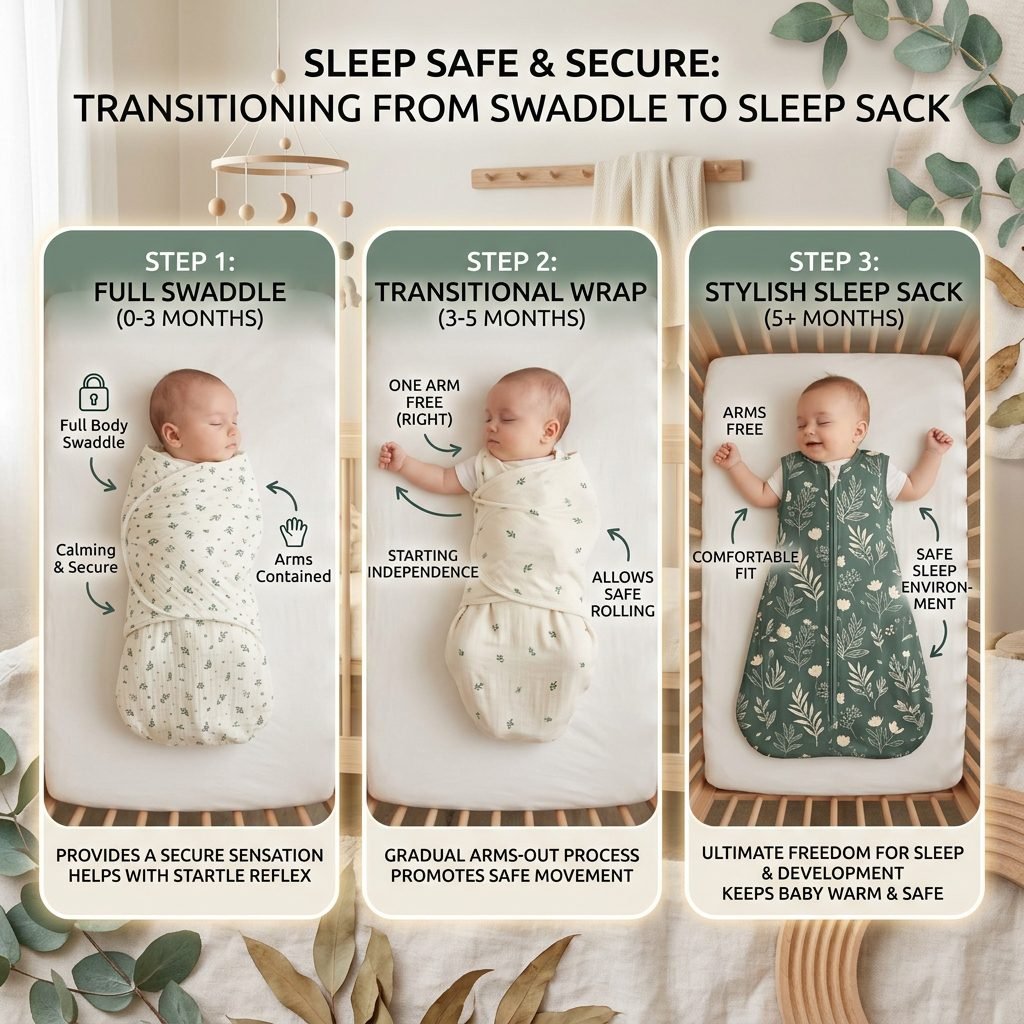
So, you’ve identified the signs. Now, how do we actually do it without losing our minds? There are two main philosophies: the ‘Cold Turkey’ method and the ‘Slow Fade.’ As a doula, I usually recommend the Slow Fade for sensitive babies, but Cold Turkey is best for babies who are already rolling.
The ‘Slow Fade’ Method (Best for Non-Rollers)
- One Arm Out: Swaddle your baby with one arm out for 3-4 nights. This allows them to get used to the sensation of one limb being free while still feeling the security of the wrap around their torso.
- Both Arms Out: Once they are sleeping well with one arm out, transition to both arms out but keep the swaddle wrap around their chest (ensure it is secure and cannot slide up).
- The Sleep Sack: Move fully to a sleeveless sleep sack or wearable blanket.
The ‘Cold Turkey’ Method (Required for Rollers)
If your baby has rolled, you must switch to a sleep sack immediately. To help with the transition:
- Keep the environment consistent: Use the same white noise, room temperature (68-72°F), and blackout curtains.
- Hands-on soothing: For the first few nights, you may need to offer more physical touch—patting their chest or holding their hand—as they learn to settle their arms.
| Method | Pros | Cons |
|---|---|---|
| Cold Turkey | Fastest, safest for rollers | 1-3 nights of disrupted sleep |
| The Slow Fade | Gentler on the baby | Takes 7-10 days to complete |
| Transitional Suit | Muffles the startle reflex | Must be stopped at the first sign of rolling |
The Stylish & Safe Sleep Sanctuary: What Comes After the Swaddle?

Once the swaddle is gone, you enter the world of sleep sacks (also known as wearable blankets). These are wonderful because they keep your baby warm without the danger of loose blankets in the crib. When choosing a sleep sack, consider the TOG rating (Thermal Overall Grade), which measures how much warmth the fabric provides.
Choosing the Right Sleep Sack
- 0.5 TOG: Extra light, perfect for summer or rooms over 74°F.
- 1.0 TOG: Standard weight, ideal for year-round use (69-73°F).
- 2.5 TOG: Heavily quilted, best for cold winters or rooms below 68°F.
Look for features like two-way zippers for easy midnight diaper changes and soft, breathable fabrics like organic cotton, bamboo, or wool. Not only are these functional, but they also come in the most darling prints to match your nursery aesthetic!
Pro-Tip: Always have at least two sleep sacks on hand. One for the baby, and one for when the first one inevitably gets hit by a ‘diaper blowout’ at 3 AM.
Conclusion
You’ve Got This, Mama
Moving away from the swaddle is a significant transition, but it is one that marks your baby’s growth into a stronger, more independent little human. Whether you are doing it because of that first exciting roll or because your little Houdini is just too wiggly for a wrap, remember that consistency and patience are your best friends. It might take a few nights for your baby to figure out what to do with their newly freed arms, but soon, they will be finding their hands to self-soothe and discovering their favorite sleeping positions. Trust your instincts, follow the safety guidelines, and don’t forget to take a deep breath. You are doing an incredible job navigating these early milestones. Sleep will return, and in the meantime, enjoy those extra snuggles as your baby learns this new skill. Happy sleeping!