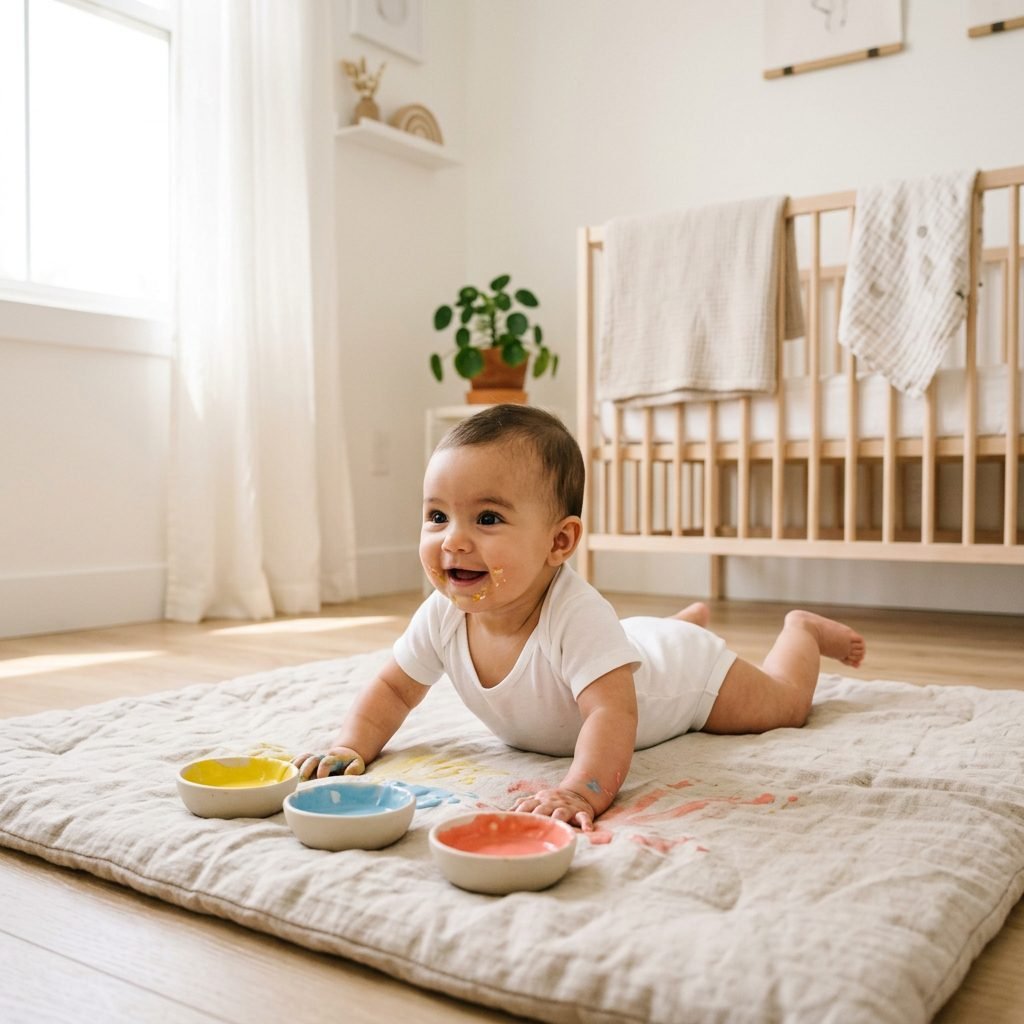
Safe And Taste-Safe Edible Sensory Play Ideas For Your 4 Month Old Baby
Welcome to the Magic of Sensory Discovery
Oh, mama, what a beautiful season you are in! At 4 months old, your little one is waking up to the world in the most heart-melting way. They are discovering their hands, finding their voice, and—as you’ve likely noticed—putting absolutely everything in their mouth. As a doula and maternal wellness guide, I want to reassure you: this isn’t just a phase to ‘get through’; it is a vital developmental milestone. Your baby is using their mouth as a primary sensory organ to learn about texture, temperature, and shape.
In this guide, we aren’t just talking about ‘keeping them busy.’ We are diving into evidence-based sensory play that respects your baby’s need to explore while keeping safety at the forefront. We’ll cover how to create ‘taste-safe’ environments where you don’t have to panic the second a tiny hand travels to a tiny mouth. Grab a cup of tea, take a deep breath, and let’s explore how to nourish your baby’s growing brain through the joy of messy, edible play.
The Sensory Explosion: Why 4 Months is the Sweet Spot
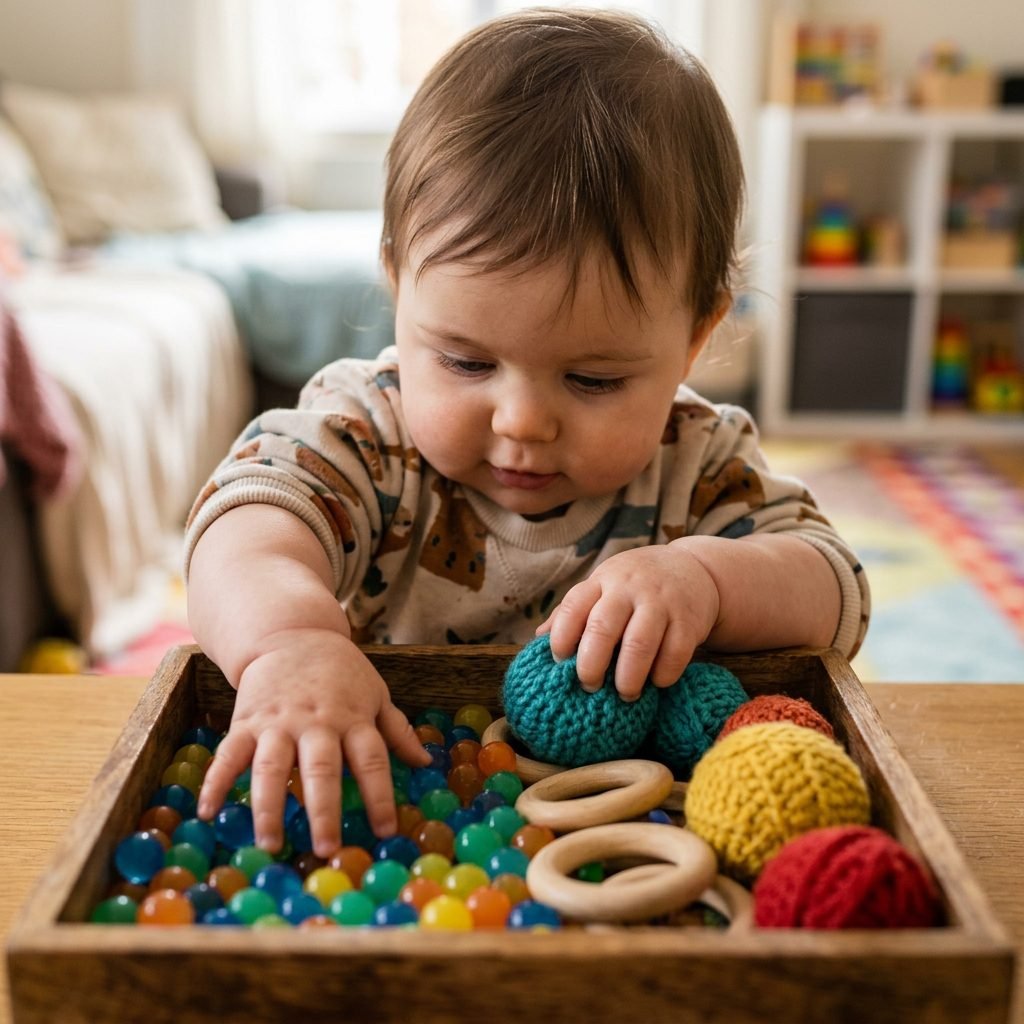
Understanding the 4-Month Brain
At 4 months, your baby is undergoing a massive neurological shift. Their vision is improving, allowing them to track objects more smoothly, and their reach is becoming more intentional. This is the ‘grasp and pull’ stage. Sensory play at this age isn’t about complex tasks; it’s about tactile feedback and cause-and-effect.
Developmental Milestones Targeted:
- Fine Motor Skills: Learning to rake objects with their fingers and transfer items from one hand to the other.
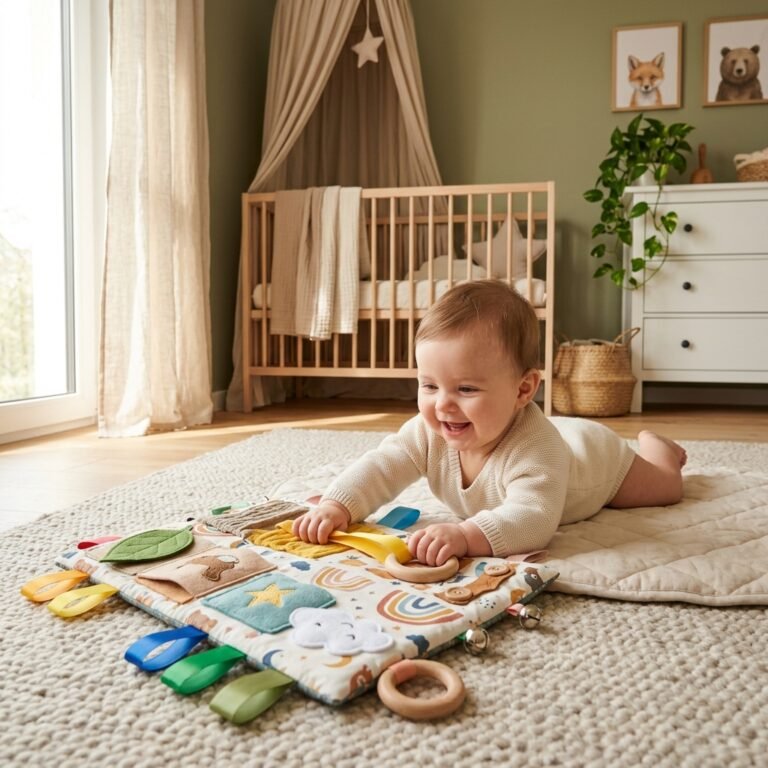
- Gross Motor Skills: Strengthening the neck and core during tummy time play.
- Cognitive Mapping: Understanding that ‘if I touch this, it feels cold/squishy/rough.’
“Sensory play is the work of the child. For a 4-month-old, a simple puddle of water or a spoonful of puree is a whole world of scientific discovery.”
By providing taste-safe materials, you are giving your baby the freedom to explore without the constant ‘no’ or ‘don’t touch that.’ This builds confidence and curiosity from the very start.
The ‘Taste-Safe’ Manifesto: Safety Guidelines for Mouthing Explorers
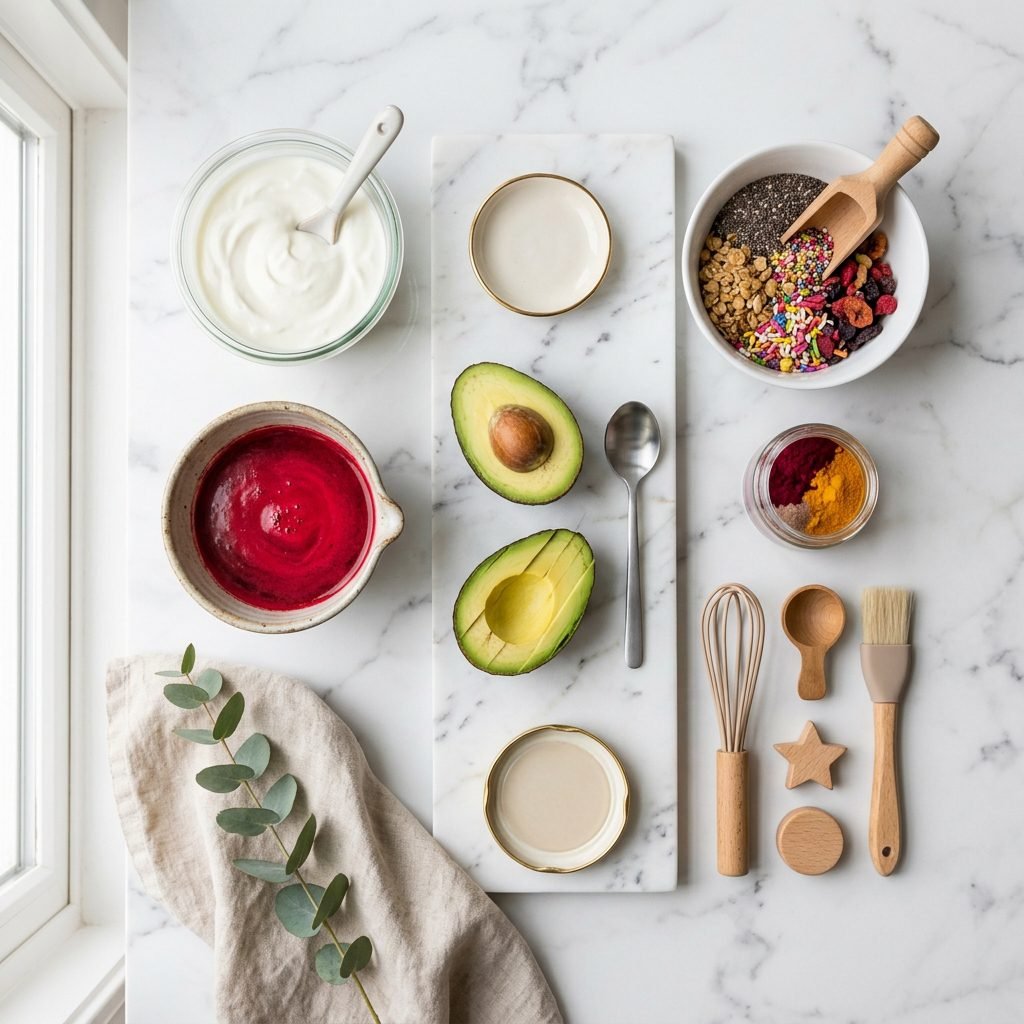
Safety is our North Star
Before we dive into the recipes, let’s talk about the ‘rules of the mat.’ While these ideas are ‘taste-safe,’ they are not intended to be full meals. Always remember that supervision is non-negotiable. Even safe textures can pose a gagging risk if a large amount is scooped up at once.
The Safety Matrix
| Material Category | Safe & Recommended | Avoid for 4-Month-Olds |
|---|---|---|
| Bases | Breastmilk, Formula, Single-grain infant cereal, Water | Dry rice, Uncooked beans, Kinetic sand, Shaving cream |
| Thickeners | Mashed avocado, Pureed peas, Plain Greek yogurt | Honey (Botulism risk!), Cornstarch (in large dry amounts) |
| Colors | Beet juice, Turmeric (tiny pinch), Spinach juice | Artificial food dyes (can be irritating to sensitive skin) |
Always perform a patch test on your baby’s leg if you are using a new food item (like yogurt or a specific fruit juice) to ensure there is no skin sensitivity or allergic reaction. Since most babies start solids between 4 and 6 months, consult your pediatrician before introducing play materials that contain common allergens like dairy or gluten.
The Messy Menu: 5 Edible Sensory Recipes for Tiny Hands
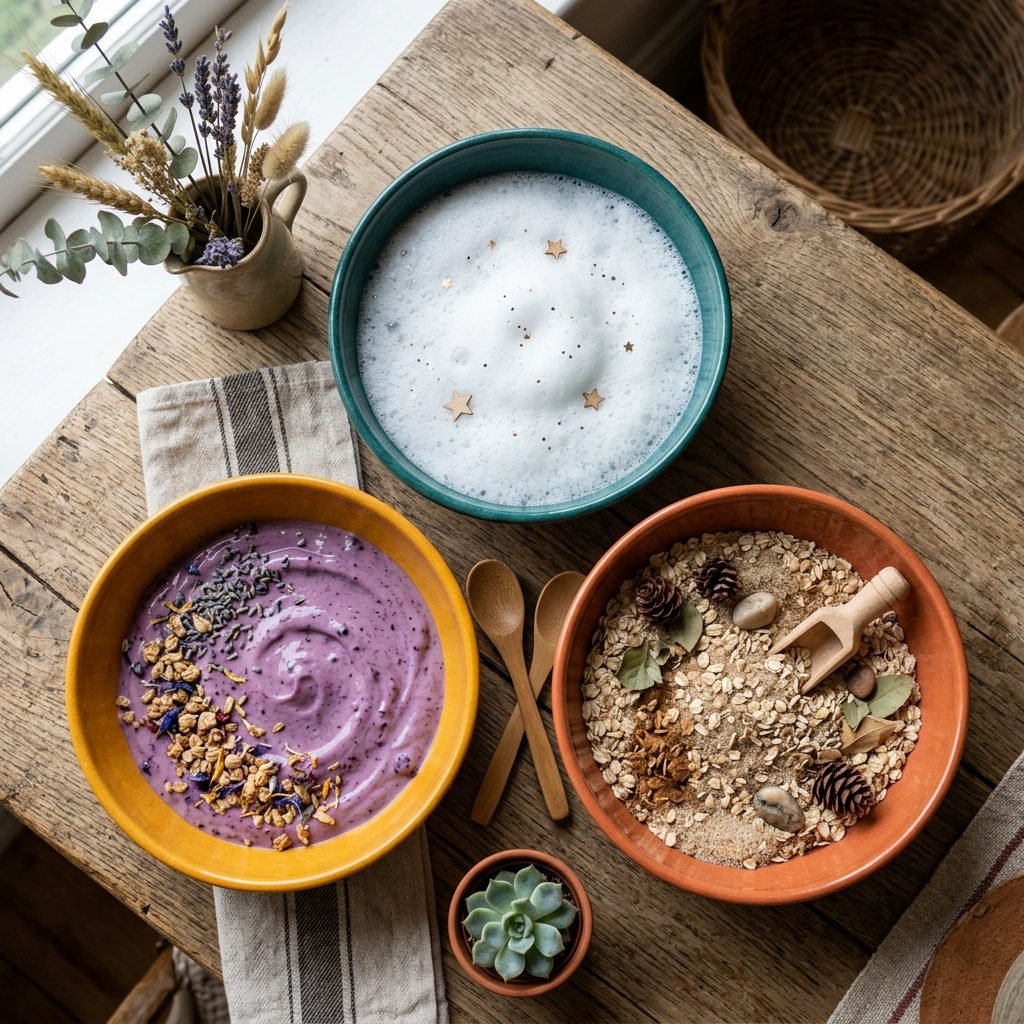
Creative, Non-Toxic Recipes
These recipes are designed to be quick, affordable, and completely safe for those inevitable ‘hand-to-mouth’ moments. We want textures that are intriguing but easy to wash off.
1. The ‘Silky Cloud’ (Whipped Aquafaba)
Aquafaba is simply the liquid from a can of chickpeas. When whipped, it creates a foam similar to shaving cream but is 100% plant-based and safe to taste.
- Ingredients: Liquid from 1 can of low-sodium chickpeas, 1/4 tsp cream of tartar (optional for stability).
- Method: Whip with a hand mixer for 5-8 minutes until stiff peaks form.
- Play Tip: Plop a few mounds on a tray during tummy time and let them ‘smush’ it.
2. Rainbow Yogurt ‘Paint’
Perfect for the high chair or a splat mat. This encourages ‘painting’ with fingers while offering a cooling sensation.
- Ingredients: Plain, full-fat Greek yogurt and natural fruit purees (blueberry for purple, mango for orange).
- Method: Mix 2 tablespoons of yogurt with 1 teaspoon of puree.
- Play Tip: Use a large white cutting board as the ‘canvas’ so the colors pop.
3. The Oatmeal ‘Sandbox’
At 4 months, we avoid dry rice due to choking risks, but blitzed oats provide a wonderful, safe alternative.
- Ingredients: 2 cups of old-fashioned oats.
- Method: Pulse in a blender until it reaches a coarse, sand-like consistency.
- Play Tip: Hide a large, chunky silicone teether in the ‘sand’ for them to find.
| Recipe | Primary Sensory Benefit | Mess Level (1-5) |
|---|---|---|
| Aquafaba Foam | Visual & Bubbles | 3 |
| Yogurt Paint | Taste & Cold Texture | 5 |
| Oat Sand | Dry Tactile & Sound | 2 |
Low-Prep Pantry Play: Minimalist Ideas for Busy Afternoons
When You Have Zero Time
Mama, I know some days you barely have time to brush your hair, let alone whip chickpea liquid. Here are three zero-prep edible sensory ideas using things you likely already have in your kitchen.
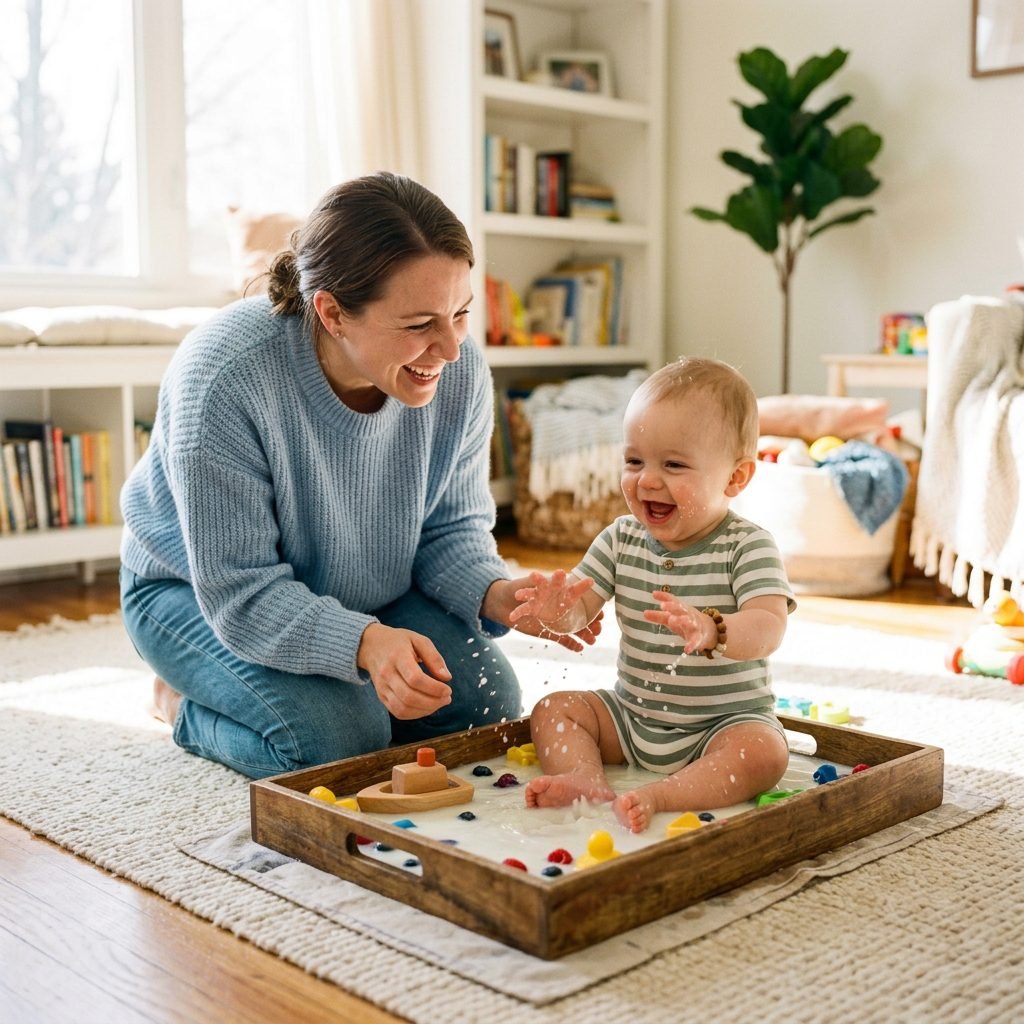
The ‘Cooling Pool’ (Breastmilk or Formula)
Pour a very thin layer of breastmilk or formula into a shallow baking tray. Place your baby in tummy time in front of it. The scent is familiar and comforting, and the splashing action teaches cause-and-effect. It’s also incredibly soothing for teething gums if the liquid is chilled.
The Sticky Banana Mash
Peel a banana and place it in a large freezer bag (seal it tight!). Let your baby squish it from the outside. Once they are ready for direct contact, put a small amount of mashed banana directly on their high chair tray. The viscous, sticky texture is a brand-new sensation for their nervous system.
The Jell-O Dig (Unflavored Gelatin)
Use unflavored gelatin mixed with a bit of watered-down fruit juice (like apple). Set it in a shallow dish with a few of their favorite sterilized plastic links inside. The ‘jiggle’ and the effort to ‘rescue’ the toy is fantastic for hand-eye coordination.
“Don’t overthink it. To a 4-month-old, a simple tray of water is as exciting as a trip to the beach.”
Designing the Experience: Stylish Setups and Easy Cleanup
Contain the Chaos with Style
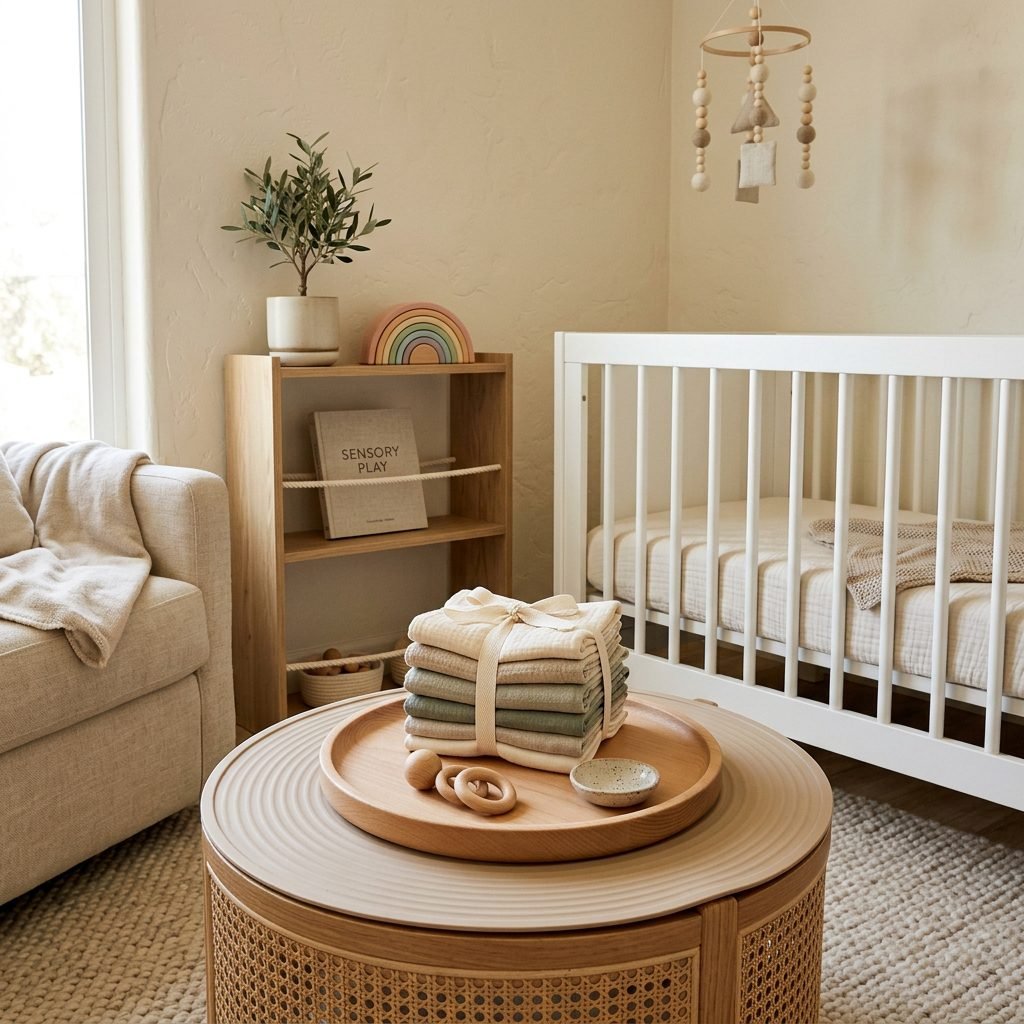
You don’t need to turn your home into a daycare center to enjoy sensory play. With the right tools, you can keep the mess contained and your aesthetic intact.
The Essentials Kit:
- A Silicone Splat Mat: Look for muted, earthy tones like sage or clay that blend with your decor.
- The ‘Active’ Tray: A large, high-rimmed baking sheet or a dedicated wooden sensory tray.
- Long-Sleeved Bibs: These are life-savers for yogurt paint sessions.
| Item | Purpose | Budget Est. |
|---|---|---|
| Silicone Mat | Floor protection | $20 – $35 |
| Sensory Tray | Material containment | $10 – $25 |
| Natural Sponges | Texture & Cleaning | $5 – $10 |
The ‘Clean-Up’ Strategy:
- The Warm Towel Transition: Have a warm, damp washcloth ready before you start.
- The ‘Bath-Next’ Rule: Schedule messy play right before bath time so you aren’t doing double the work.
- Containment First: Always keep a ‘dry zone’ nearby (like a clean towel) to move the baby to immediately after play ends.
Beyond the Mess: Tracking Developmental Wins Through Play
What to Look For During Play
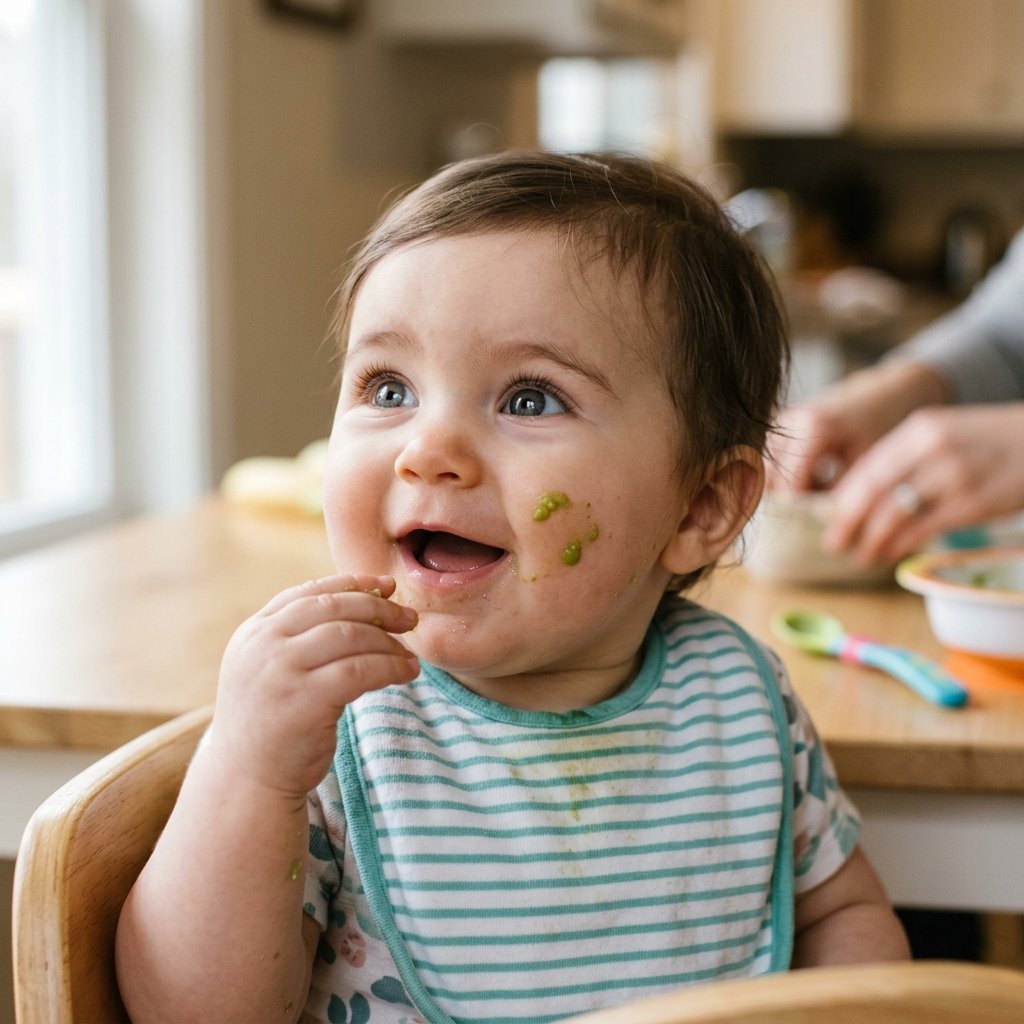
As you watch your baby explore, you are witnessing their brain building new connections. Here is a checklist of the ‘wins’ you might see during these sessions:
- Bilateral Coordination: Are they using both hands to pat the foam?
- Sensory Regulation: Do they seem calm and focused, or overstimulated? (If they cry or arch their back, it’s okay to stop! Some babies need slower introductions).
- Visual Tracking: Are they following their hand as it moves through the oat sand?
A Note on Teething
At 4 months, many babies are beginning the teething journey. Sensory play with cold materials (like chilled purees or refrigerated gelatin) provides much-needed relief to inflamed gums. It’s a win-win: they learn, and they feel better!
“You are doing an incredible job. By providing these safe spaces for exploration, you are telling your baby that the world is a curious, wonderful place to be.”
Conclusion
You’ve Got This, Mama!
Sensory play doesn’t have to be perfect, and it certainly doesn’t have to be Instagram-worthy every single time. The goal is connection and exploration. Whether you are whipping up aquafaba foam or just letting them splash in a bit of breastmilk, you are providing the building blocks for a lifetime of curiosity. Remember, you are your baby’s favorite toy and their safest harbor. Enjoy these messy, beautiful moments—they go by in the blink of an eye. You are doing a wonderful job nurturing that little mind!