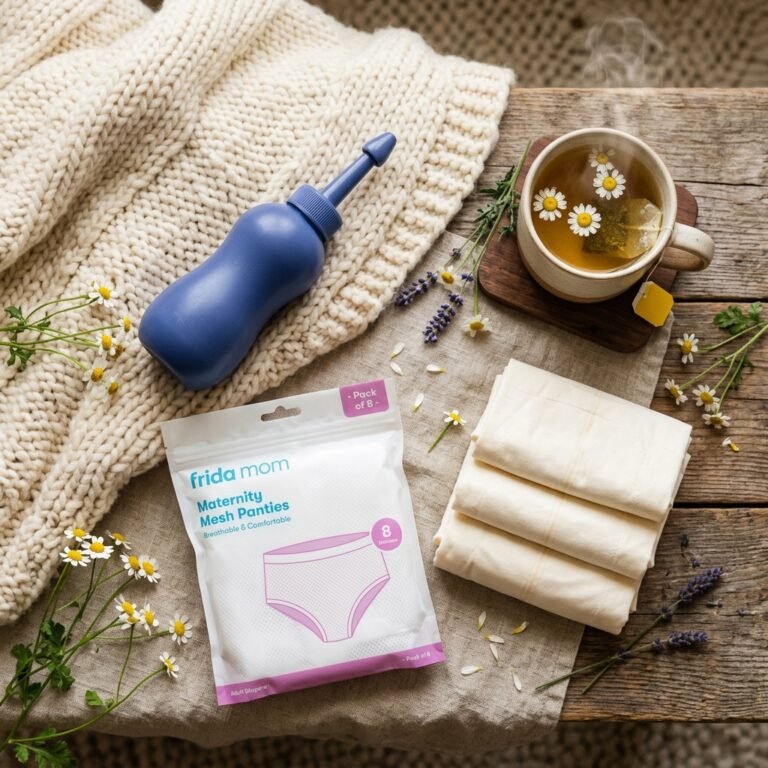

Scar Healing Secrets: 5 Must-Have Products for C-Section Incision Care
Welcome to the Healing Circle, Mama
If you are reading this, you have likely recently brought a beautiful life into the world through a Cesarean birth, or you are preparing for the possibility. First, let me wrap you in a virtual hug. Whether your C-section was planned or a sudden change in your birth story, the physical and emotional journey of recovery is significant. As a doula, I have sat by the bedsides of hundreds of women as they navigate those first few days of ‘the sting,’ the numbness, and the eventual itching that comes with a healing incision. Your body has performed a miracle, and that scar? It is a silver thread in the tapestry of your motherhood. But let’s be honest, sister—it can be uncomfortable, itchy, and even a bit scary to look at initially. Recovery is not a race; it is a sacred process of knitting yourself back together. In this guide, we are going to dive deep into the ‘secrets’ of scar healing, focusing on five essential products that will not only help your skin heal beautifully but also provide the comfort you deserve during this fourth trimester. You are not alone in this; we are going to walk through every stage of your incision care together, with the tenderness and expertise you need.
The Raw Truth of the Early Days: You Are Not Alone

The first time you look at your incision, you might feel a rush of emotions. It might look red, slightly swollen, and much longer than you expected. Please know that this is completely normal. Many mothers feel a sense of ‘disconnection’ from their lower abdomen after a C-section. The nerves have been disrupted, leading to a strange combination of numbness and hypersensitivity. You might feel like you need to hold your belly when you laugh, cough, or sneeze—that is your body’s way of asking for support.
“My body is strong, my body is healing, and every day I am getting closer to feeling like myself again.”
In these early weeks, the goal isn’t ‘scar removal’—it is infection prevention and basic tissue support. You are in the inflammatory phase of healing, where your body is sending all its little workers to the site to close the gap. This is why you feel heat and see redness. It is vital to treat yourself with the same gentleness you offer your newborn. Here is a quick look at what you should be prioritizing versus what can wait:
| Phase | Priority Care | What to Avoid |
|---|---|---|
| Weeks 1-2 | Rest, hydration, and keeping the area dry. | Lifting anything heavier than the baby. |
| Weeks 3-6 | Gentle cleansing and high-waisted support. | Submerging in baths or pools. |
| Weeks 6+ | Scar therapy and desensitization. | High-impact exercise without clearance. |
The Essential Five: Your C-Section Recovery Toolkit
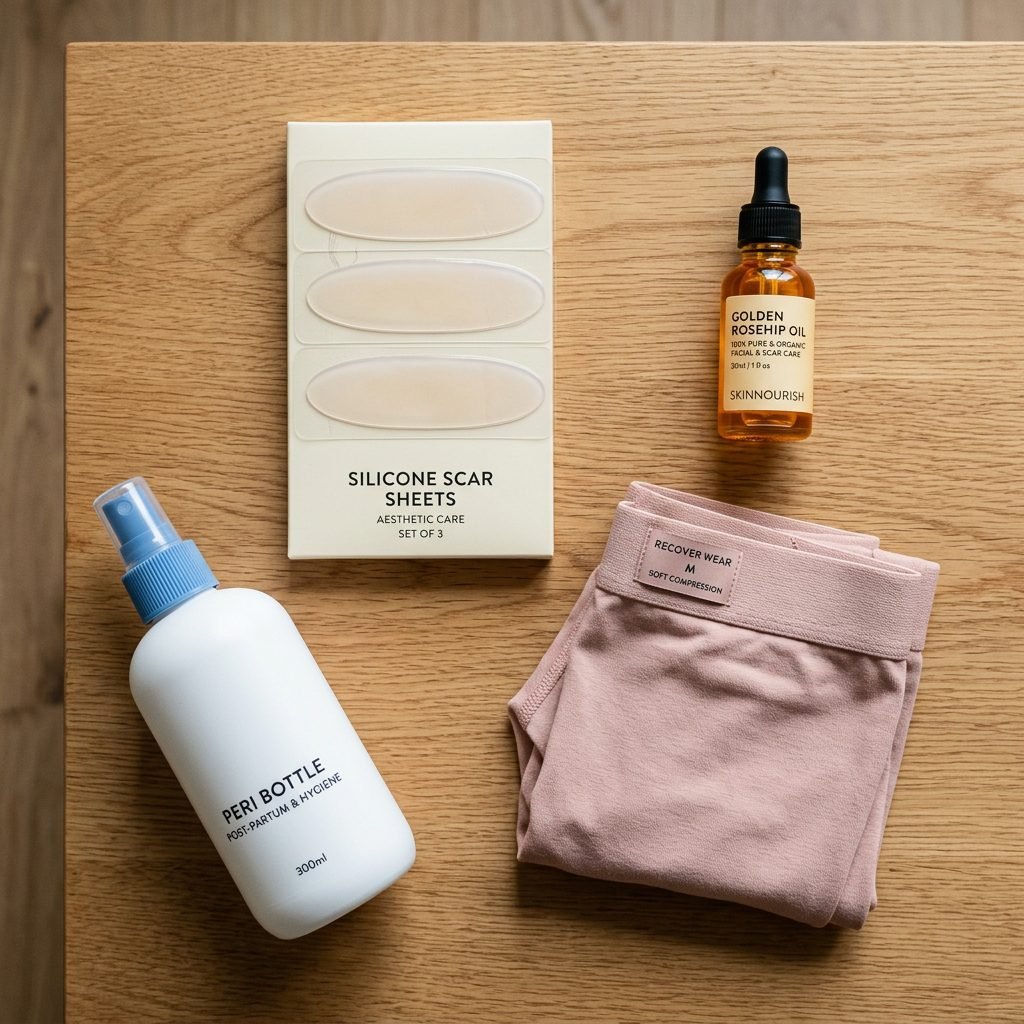
When we talk about ‘secrets’ to scar healing, we are really talking about the science of occlusion, hydration, and tension reduction. After supporting many mamas through this, I have narrowed down the must-haves to these five powerhouses.
1. Medical-Grade Silicone Scar Sheets
This is the gold standard in scar care. Silicone creates a protective barrier that mimics the skin’s natural moisture levels. By keeping the scar ‘occluded’ (covered), it prevents the body from overproducing collagen, which is what leads to raised, keloid, or hypertrophic scars. Wait until your incision is fully closed (usually 4-6 weeks) before applying.
2. High-Waisted Compression Underwear
Normal underwear elastic often hits right at the incision line—ouch! You need ‘granny panties’ with a purpose. Look for medical-grade compression that provides a gentle ‘hug’ to your uterus. This reduces swelling (edema) around the scar and makes you feel much more secure when moving around.
3. Vitamin E and Rosehip Oil Blend
Once the scabs have naturally fallen off, nourishment is key. Rosehip oil is rich in essential fatty acids and antioxidants that promote skin regeneration. Vitamin E helps with skin elasticity. Together, they make the perfect medium for scar massage later on.
4. A Perineal Squirt Bottle (The Peri Bottle)
You might think these are only for vaginal births, but they are a lifesaver for C-section moms too. In the first 14 days, you don’t want to scrub your incision. Using a peri bottle with warm water allows you to rinse the area gently without the pressure of a heavy shower head.
5. Silver Nursing Cups (Multi-Use Secret!)
While usually for nipples, many doulas recommend silver for its antimicrobial properties. While you won’t put them on the scar, having a clean, silver-infused cloth or gel pad can help if you develop a minor heat rash in the ‘shelf’ above the incision—a common postpartum annoyance.
The Healing Roadmap: Navigating the Timeline
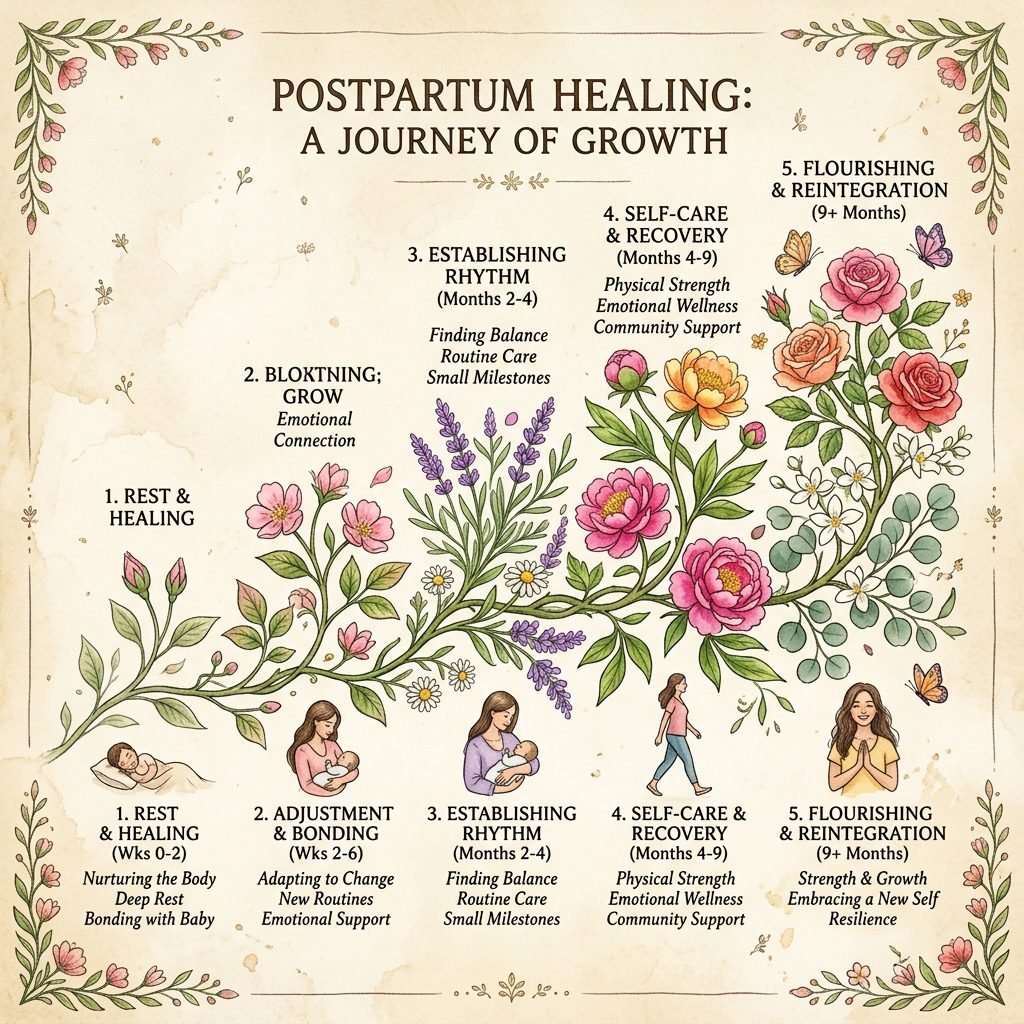
Understanding the timeline of healing can take the anxiety out of the process. Your scar will go through several ‘looks’ before it reaches its final state, which can take up to 12 to 18 months.
- The Pink Phase (0-3 Months): The scar is fresh and active. It will likely be bright pink or even purple. This is the best time for silicone therapy.
- The Itchy Phase (2-6 Months): As nerves begin to regenerate, you will feel ‘zaps’ or intense itching. Do not scratch! Instead, use a cold compress or gently pat the area.
- The Maturation Phase (6-12 Months): The scar begins to fade to a silvery white or a tone closer to your skin color. It becomes flatter and softer.
During this journey, your nutrition plays a massive role. Your body needs Vitamin C, Zinc, and high-quality protein to build the collagen bridges across your incision. Think of your meals as the building blocks of your new skin.
The Doula’s Secret: The Art of Scar Tissue Massage

This is the step most doctors forget to mention, but it is the most vital for long-term comfort. Once your doctor clears you (usually at the 6-week checkup), you must start scar desensitization and massage. If the tissue isn’t moved, it can create ‘adhesions’—where the scar sticks to the underlying muscle or organs. This can cause back pain, bladder urgency, or a ‘pulling’ sensation years later.
How to Perform Scar Massage:
- Desensitization: Start by rubbing different textures over the scar—a soft cotton ball, a silk scarf, then a rougher washcloth. This retrains the nerves to not overreact to touch.
- The Skin Roll: Gently pinch the skin near the scar and see if you can ‘roll’ it between your fingers. If it feels stuck, spend more time there.
- Circular Friction: Using your rosehip oil, place two fingers on the scar and move the skin in small circles. You aren’t sliding over the skin; you are moving the skin with the tissue underneath.
“Touching my scar is an act of reclaiming my body. I am not broken; I am healing.”
Emotional Healing: More Than Just Skin Deep

We cannot talk about physical scars without acknowledging the emotional ones. For some, the C-section was a traumatic event. For others, it was a relief. Whatever you feel is valid. Sometimes, the ‘secret’ to healing the scar is first healing your relationship with the birth story. If you find yourself avoiding looking at your scar, that is okay. Take it one day at a time. Maybe today you just touch the skin an inch away from the scar. Tomorrow, maybe you look at it in the mirror for three seconds. Self-compassion is the most effective ointment you will ever use. Your body didn’t fail you; it navigated a complex path to bring your baby home. You are a warrior, and every warrior honors their marks.
Conclusion
Your Path Forward
Healing a C-section incision is a marathon, not a sprint. By using silicone sheets, prioritizing compression, and practicing the art of scar massage, you are giving your body the best tools for success. But remember, the most important ingredient in your recovery is patience. Give yourself grace on the days when you feel tired, and celebrate the small wins—like the first day the ‘pulling’ sensation stops or the day you realize the numbness is fading. You are doing an incredible job, mama. Wear your strength with pride, and take care of the body that carried you through it all.
Medical Disclaimer: This content is for informational purposes only and does not constitute medical advice. Always consult with your obstetrician or healthcare provider before starting new scar treatments or exercise routines, especially if you notice signs of infection such as fever, foul-smelling discharge, or increasing redness at the incision site.