7 Magical Ways To Bond With Your Bump Before Birth
Welcome, sweet mama. If you are reading this, you are likely navigating the beautiful, stretching, and sometimes overwhelming journey of pregnancy. As a doula, I often hear expectant mothers whisper a secret fear: ‘What if I don’t feel connected to my baby yet?’ If this is you, please take a deep, nourishing breath and release that guilt right now. Bonding with your bump is not always an instantaneous lightning bolt of maternal realization. Sometimes, it is a slow, gentle unfolding—a relationship built day by day, kick by kick, and heartbeat by heartbeat.
Remember this: Your body is already doing the magnificent work of nurturing your baby. The emotional connection will bloom in its own perfect time. You are exactly the mother your baby needs.
In the whirlwind of tracking milestones, agonizing over registry lists, and managing the physical symptoms of pregnancy, the simple, sacred act of connecting with the little life growing inside you can easily be pushed to the back burner. But taking intentional moments to bond with your baby before birth not only reduces maternal stress and anxiety, but it also begins to lay the neurological foundation for your baby’s sense of safety and attachment.
Today, I am putting on my doula hat to share seven magical, practical, and deeply reassuring ways to bond with your bump. Whether you are 12 weeks along and just starting to show, or 36 weeks and feeling like a human incubator, these practices will help you anchor into the present moment and celebrate the miraculous life you are growing.
The Beautiful Science of Womb Connection
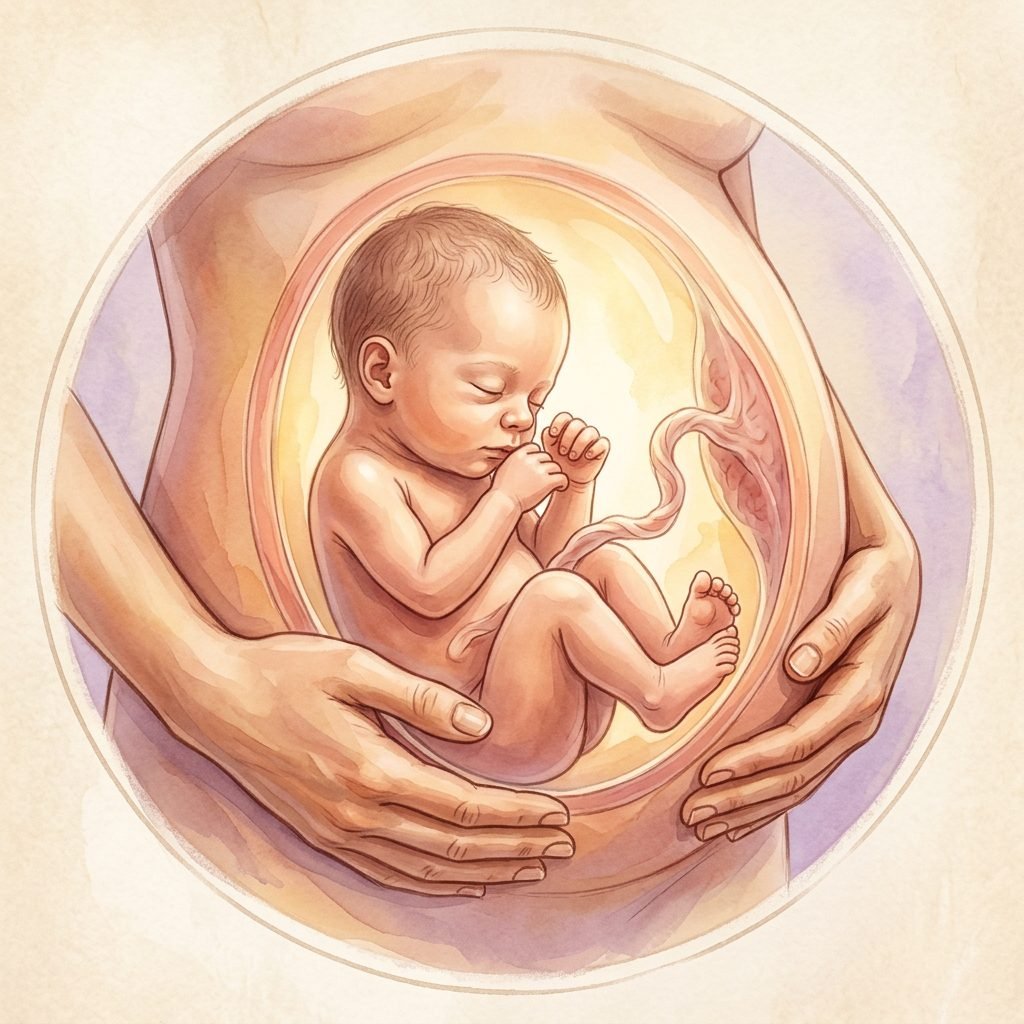
Before we dive into the magical practices, let us take a moment to marvel at the science of your baby’s sensory development. Understanding what your baby can feel, hear, and experience inside the womb can deeply enhance how you choose to connect with them. By the second trimester, your womb is no longer a silent, dark cocoon. It is a vibrant sensory environment where your baby is actively learning about you.
When Does Your Baby Start to Experience the World?
Your baby’s sensory network develops in a fascinating sequence. Knowing this timeline can help you tailor your bonding activities to their developmental stage.
| Sensory Milestone | Approximate Timeline | What Baby Experiences |
|---|---|---|
| Touch | 8 to 14 weeks | Baby begins to respond to tactile stimulation. By mid-pregnancy, they can feel you rubbing your belly. |
| Hearing | 18 to 22 weeks | Baby starts hearing your heartbeat, digestion, and voice. By 26 weeks, they react to external noises. |
| Vision (Light) | 26 to 28 weeks | Baby’s eyes open. They can perceive bright light shining through your abdominal wall. |
| Taste & Smell | 13 to 15 weeks | Amniotic fluid is flavored by your diet. Baby develops taste buds and begins swallowing the fluid. |
As you can see, your baby is intimately aware of your presence long before their birth day. Your voice is their favorite lullaby, and the rhythmic swoosh of your heartbeat is their ultimate comfort. Let us explore how to intentionally engage these developing senses.
1. The Art of Mindful Belly Massage and Gentle Belly Mapping
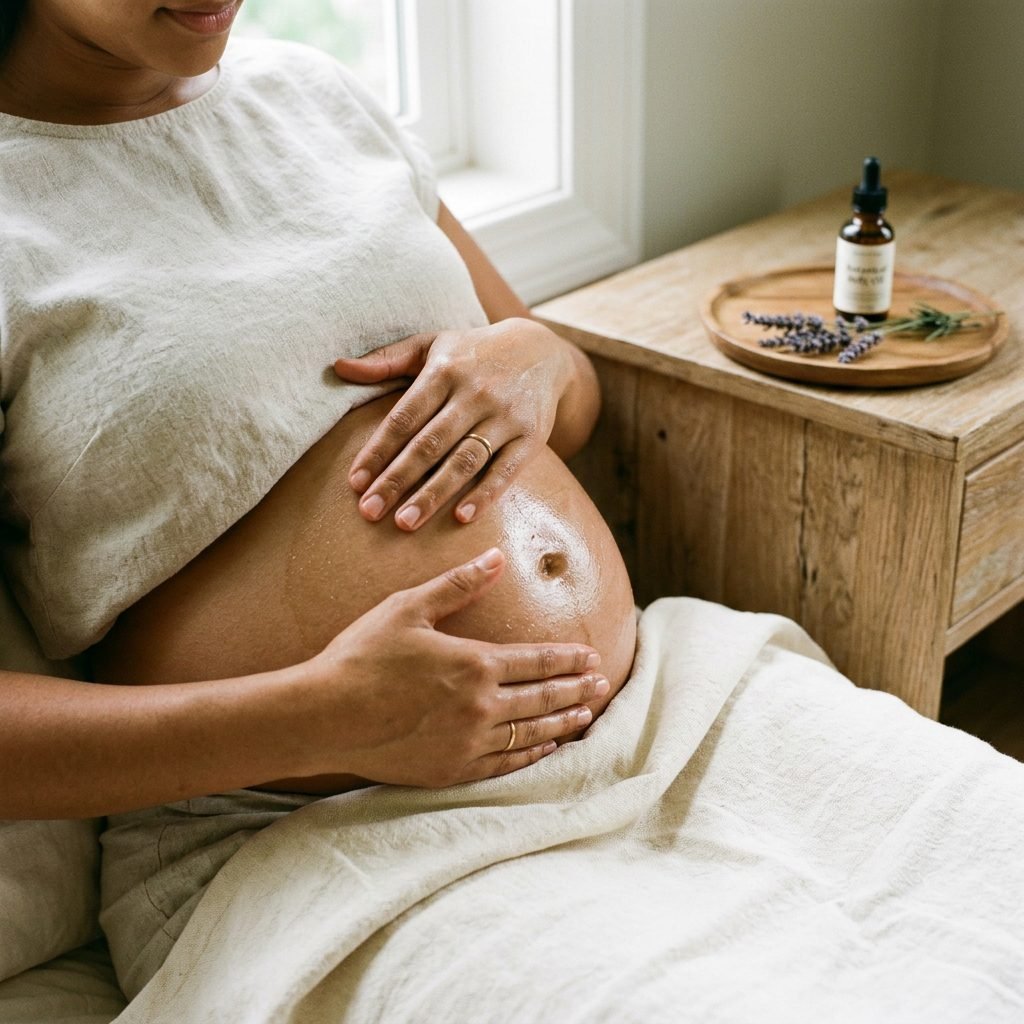
Touch is the very first sense your baby develops, making physical connection one of the most powerful ways to bond. Mindful belly massage goes beyond simply applying stretch mark cream; it is an intentional practice of acknowledging your baby’s presence. As you enter your third trimester, you can even explore ‘belly mapping’—a technique used by doulas and midwives to determine the baby’s position by feeling for the head, back, and tiny kicking feet.
How to Perform a Mindful Belly Massage
- Create a Sacred Space: Dim the lights, play soft instrumental music, and sit in a comfortable, supported position (like a recliner or propped up with pillows in bed).
- Warm Your Hands: Rub your hands together to create warmth. Apply a generous amount of pregnancy-safe belly oil or butter.
- Breathe and Connect: Take three deep, diaphragmatic breaths. Visualize your breath traveling down to your womb, wrapping your baby in a warm embrace.
- Gentle Strokes: Use slow, circular, clockwise motions across your belly. The clockwise direction supports your own digestion while offering a soothing rhythm for the baby.
- Respond to Movement: If your baby kicks or pushes against your hand, gently press back in the same spot. This is often the very first game of ‘tag’ you will play with your child!
Pregnancy-Safe Oils for Belly Massage
| Safe to Use | Avoid During Pregnancy | Benefits for Mama |
|---|---|---|
| Sweet Almond Oil | Rosemary Oil | Deeply hydrating, improves skin elasticity |
| Coconut Oil | Clary Sage (until full term) | Soothes itchy, stretching skin naturally |
| Jojoba Oil | Peppermint (in high doses) | Mimics skin’s natural sebum, absorbs quickly |
| Diluted Lavender Oil | Clove or Cinnamon Oil | Promotes relaxation and better sleep |
Doula Tip: Never press hard enough to cause discomfort. If you feel a hard, smooth surface, that is likely your baby’s back! A smaller, round, hard lump is usually the head, while little fluttery movements indicate hands or feet.
2. Harnessing the Power of Your Voice and Melodies

By 24 weeks, your baby’s inner ear is fully formed. They are constantly eavesdropping on your world! The most prominent sound they hear is your voice, which resonates through your bones and fluids, sounding deeper and richer to them than it does in the open air. This makes talking, singing, and reading to your bump incredibly powerful.
Creating a Prenatal Playlist
Music has a profound effect on fetal development. Studies suggest that babies can recognize and be soothed by music they heard frequently while in the womb after they are born. Create a ‘Bump Playlist’ filled with songs that make you feel joyful, relaxed, or deeply emotional. Play this playlist while you are resting, driving, or taking a bath.
Reading to Your Bump
Reading aloud is a beautiful way to bond, especially if you feel silly just ‘talking’ to your belly. It also establishes a reading routine that will seamlessly transition into their bedtime routine once they arrive.
- Choose rhythmic, rhyming books: The cadence of Dr. Seuss or classic nursery rhymes is highly engaging for fetal hearing.
- Read your own favorite books: It doesn’t have to be a children’s book! Read your favorite novel, poetry, or even an uplifting article aloud. The tone of your voice is what matters most.
- Involve your partner: Have your partner read a specific book to the bump every night. Babies learn to recognize the deeper pitch of a partner’s voice very well.
Birth Affirmation to Speak to Your Baby: ‘I am so happy you chose me to be your mother. We are working together, we are safe, and I cannot wait to hold you in my arms.’
3. Floating Together: The Magic of Prenatal Water Therapy

There is something deeply poetic about immersing yourself in water while your baby is simultaneously floating in their own amniotic sac. Prenatal water therapy—whether it is a warm bath or a gentle swim—offers profound physical relief for your aching joints and creates a unique environment for bonding.
The Weightless Connection
When you submerge your body in water, the effects of gravity are drastically reduced. This weightlessness relieves the pressure on your pelvis and lower back. But more magically, because the water supports your belly, you will often feel your baby’s movements much more distinctly. Without the distraction of physical discomfort, you can tune in entirely to the flips, rolls, and hiccups happening inside.
How to Create a Bonding Bath Ritual
- Check the Temperature: Ensure the water is warm, not hot. The water temperature should never exceed 98°F to 100°F (36.6°C to 37.7°C) to avoid raising your core body temperature to unsafe levels.
- Add Magnesium: Dissolve 1 to 2 cups of pure Epsom salts into the water. Magnesium is incredibly soothing for round ligament pain and restless legs.
- Dim the Senses: Turn off harsh bathroom lights. Light a pregnancy-safe, non-toxic candle (like beeswax or soy with faint lavender).
- Float and Focus: Lay back, place your hands gently on the water line where your belly peaks through, and simply observe. Talk to your baby about how the water feels.
Safety Warning: Always ensure you have a non-slip mat in the tub, and do not hesitate to ask your partner for a hand getting in and out of the bath as your center of gravity shifts in the third trimester.
4. Guided Visualization and Prenatal Breathwork

Bonding isn’t just physical; it is deeply energetic and spiritual. Guided visualization is a powerful tool used by doulas to help mothers connect with their babies and prepare mentally for labor. By using your breath to calm your nervous system, you create a biochemical environment of peace for your baby. When you are relaxed, your body releases endorphins and oxytocin (the love hormone), which cross the placenta and bathe your baby in feelings of safety and bliss.
A Step-by-Step Womb Visualization Script
Find a quiet space, close your eyes, and follow this simple visualization practice for just 5 to 10 minutes a day:
- Step 1: Grounding Breath. Inhale deeply through your nose for a count of four, feeling your belly expand. Exhale slowly through your mouth with a soft sigh for a count of six.
- Step 2: The Golden Light. Imagine a warm, glowing golden light starting at the crown of your head. Let this light slowly wash down your shoulders, your chest, and pool warmly around your womb.
- Step 3: Visualizing the Cocoon. Picture your baby resting peacefully inside the amniotic fluid. See their tiny fingers, their closed eyes, and the rhythmic beating of their heart.
- Step 4: Sending Love. With every inhale, imagine drawing in love and strength. With every exhale, imagine sending that love directly down the umbilical cord, filling your baby’s space with bright, protective energy.
Practicing this breathwork not only bonds you to your baby but also serves as incredible preparation for managing contractions during active labor.
5. Expanding the Circle: Partner and Sibling Bump Bonding

Bonding with the bump is not a solo mission! Involving your partner, or older siblings, helps build the family unit before the baby even arrives. It also provides a beautiful opportunity for you to feel supported and cherished during your pregnancy.
Partner Bonding Techniques
Partners often feel a bit disconnected from the pregnancy because they aren’t experiencing the physical changes. Giving them specific, actionable ways to connect is crucial.
| Trimester | Partner Bonding Activity | Why It Works |
|---|---|---|
| First Trimester | Attending ultrasounds & reading weekly updates. | Makes the invisible pregnancy feel tangible and real. |
| Second Trimester | Talking/singing near the belly & applying belly butter. | Baby begins to recognize the partner’s unique voice and touch. |
| Third Trimester | Playing the ‘Kick Game’ & practicing labor massage. | Creates interactive play with the baby and prepares for birth support. |
Sibling Bonding
If you have older children, helping them bond with the bump can ease the transition of bringing a new baby home. Let them paint your belly with non-toxic, washable paints. Have them sing their favorite preschool songs to the baby, or ask them to help you pick out a special stuffed animal for their new sibling. Remind them that the baby can hear them, which makes them feel important and involved.
Doula’s Desk: Have your partner kiss your belly goodnight every single evening. It establishes a beautiful routine and gives them a dedicated moment of connection amidst busy workdays.
6. Creating a ‘Womb to World’ Sensory Transition Item
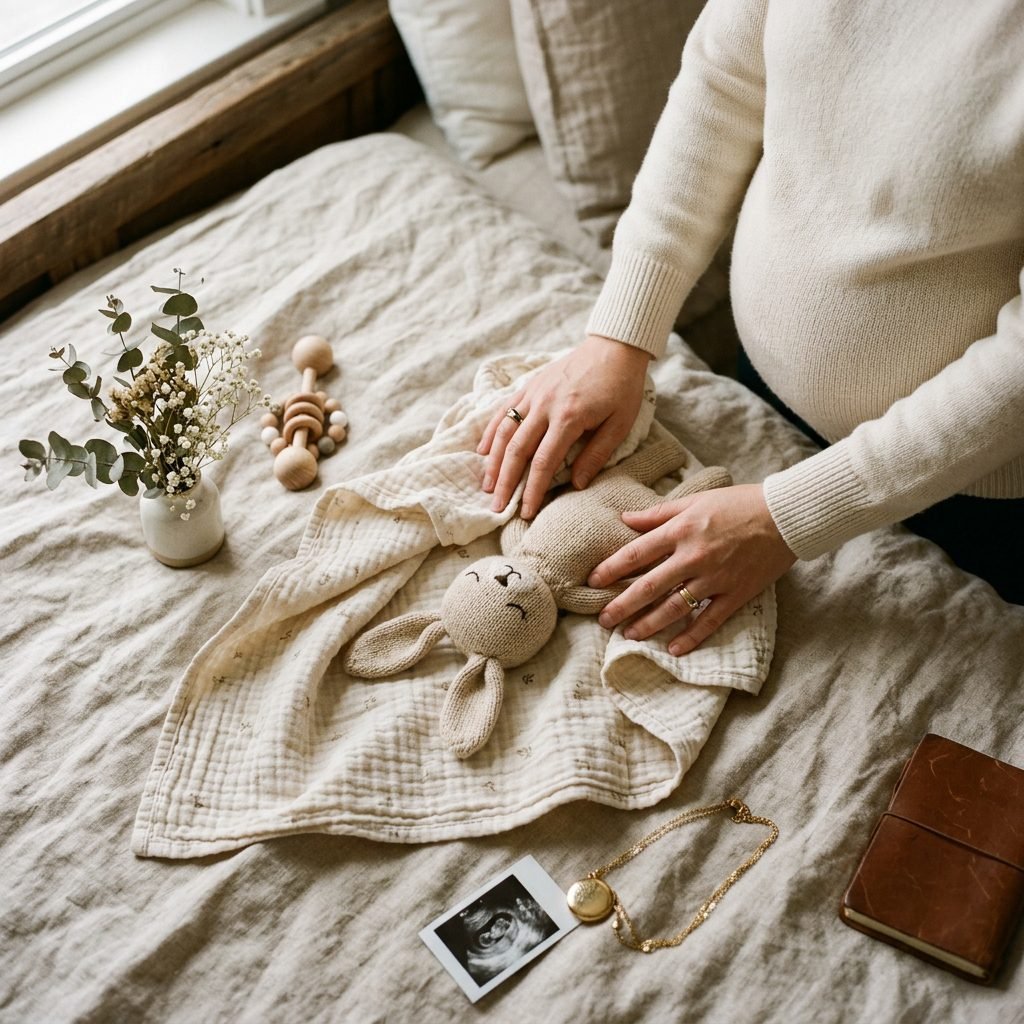
One of my favorite doula secrets for postpartum soothing is the concept of a ‘Womb to World’ transition item. Babies are born with a highly developed sense of smell, and the scent of their mother is their ultimate biological safe haven. By preparing a sensory item during your pregnancy, you are not only bonding with your baby now, but you are creating a powerful tool to comfort them during the fourth trimester.
How to Create a Scent-Infused Lovie or Blanket
The goal is to deeply infuse a soft, safe item with your unique maternal scent before the baby is born.
- Select the Item: Choose a small, breathable muslin lovie, a soft swaddle blanket, or a baby-safe plush toy. Ensure it has no choking hazards (like hard button eyes).
- Sleep with It: Starting around 34 weeks, sleep with this item tucked into your pajamas or resting tightly against your chest every night.
- Wear It: If you are lounging around the house, tuck the lovie into your shirt. The item will absorb your natural pheromones, the scent of your skin, and the subtle smell of your breastmilk if you are leaking colostrum.
- Bring It to the Hospital: Pack this item in your hospital bag. When the baby is placed in the bassinet or needs to be held by a nurse for a check-up, keep the lovie near them.
This item acts as an olfactory bridge between the cozy, familiar womb and the bright, stimulating outside world. Knowing you are preparing this comfort for them is a profound act of maternal love and foresight.
7. Penning Your Heart: Letters to Your Unborn Baby

In the age of digital everything, there is profound magic in putting pen to paper. Journaling to your unborn baby is a therapeutic way to process your own complex emotions about motherhood while creating a priceless heirloom for your child. On the days when you feel physically exhausted or disconnected, writing a short note can instantly bridge the emotional gap between you and your bump.
Getting Started with Bump Journaling
You don’t need to be a poet to write to your baby. Buy a beautiful, dedicated notebook and keep it on your nightstand. Write when you feel inspired, when the baby is kicking up a storm, or when you are feeling anxious and need an outlet.
5 Heartfelt Journaling Prompts
- ‘The moment I found out you were growing inside me, I felt…’
- ‘My biggest hope for your life is…’
- ‘Today we did [Activity] together, and you kicked so much when…’
- ‘What I want you to know about the family you are being born into is…’
- ‘Even though I am feeling scared about labor, I know we will get through it because…’
Imagine the emotional weight of gifting this journal to your child on their 18th birthday, or when they are expecting a child of their own. It is a tangible record of a mother’s love, blooming before they even took their first breath.
Conclusion
Sweet mama, the journey to meeting your baby is just as important as the destination. Whether you choose to bond through the soothing strokes of a belly massage, the rhythmic hum of your favorite song, or the quiet reflection of a handwritten letter, know that every tiny effort is weaving an unbreakable thread between your heart and theirs. Do not stress if you miss a day, or if you simply feel too tired to do anything but sleep. Your body is a magnificent, tireless home for your baby, and that alone is a profound act of love.
As you move closer to your birthing day, trust in the connection you are building. Your baby knows your voice, they know your scent, and they know the exact rhythm of your heart. You are already their whole world. Take a deep breath, place your hands on your beautiful bump, and honor the magic of the life you are growing. You’ve got this, and your doula village is cheering you on.