

Eating For Hormones: The Postpartum Diet That Balances Moods Fast
Welcome to Your Fourth Trimester Healing Journey
Oh, sweet mama. Pull up a comfortable chair, wrap yourself in your coziest, softest blanket, and let us take a deep, grounding breath together. You have just achieved something nothing short of miraculous. Your body has spent the last nine months meticulously knitting together a brand new human life, and then, in a phenomenal display of strength, you brought that baby into the world. Now, you are standing on the shores of the fourth trimester, a deeply sacred, often overwhelming space where everything feels raw, tender, and beautifully chaotic.
If you are reading this while holding a sleeping newborn on your chest, feeling a sudden wave of inexplicable tears, or experiencing a surge of anxiety that seems to come from nowhere, please hear me right now: You are doing a wonderful job, and you are not broken. What you are experiencing is one of the most dramatic biological shifts a human being can go through. In the days immediately following childbirth, your body undergoes a monumental hormonal crash. The hormones that sustained your pregnancy plummet to pre-pregnancy levels (and sometimes lower) in a matter of days. It is no wonder you feel like you are on an emotional rollercoaster.
As a doula and postpartum recovery specialist, I am here to wrap a warm, sisterly arm around your shoulders and tell you that while this hormonal shift is inevitable, the depth and duration of the mood swings do not have to be. Food is incredibly powerful. The way we nourish our bodies in the postpartum period can act as an anchor in the storm of fluctuating hormones. In many traditional cultures around the world, the first forty days postpartum are dedicated entirely to resting and eating specific, warming, nutrient-dense foods designed to rebuild the mother’s depleted stores. Today, we are going to explore how you can use beautiful, deeply nourishing foods to balance your hormones, stabilize your moods fast, and reclaim your joy in early motherhood. Let us begin this journey of healing together.
The Great Hormone Crash: You Are Not Alone, This Is Normal

Before we even talk about what to put on your plate, we need to talk about what is happening inside your beautiful, healing body. So many mothers sit in my office, tears streaming down their faces, whispering that they feel like they are losing their minds. They describe sudden fits of rage over a dropped spoon, profound weeping at a diaper commercial, or a deep, hollow exhaustion that sleep does not seem to fix. My first response is always to validate this incredibly common experience.
Deep breath, mama. The sudden weeping, the flash of frustration, the overwhelming feelings—these are not personal failures. They are not signs that you are a bad mother. They are physiological responses to the most severe hormonal drop a human body can experience. You are safe, you are normal, and this will pass.
Let us break down exactly what is happening so you can view your body with immense compassion rather than judgment. During pregnancy, your placenta acts as a massive hormone factory, producing sky-high levels of estrogen and progesterone to keep your baby safe and growing. The moment you deliver the placenta, that factory closes its doors. Within just 48 to 72 hours postpartum, your estrogen and progesterone levels drop to rock bottom. This sudden withdrawal is the primary culprit behind the “baby blues,” which affect up to 80 percent of all new mothers.
The Key Hormones at Play
- Estrogen and Progesterone: These are your “feel-good” and “calming” hormones. Their sudden absence leaves your brain scrambling to regulate your mood, often resulting in weeping, anxiety, and irritability.
- Prolactin and Oxytocin: As your milk comes in, prolactin surges to produce milk, while oxytocin (the love hormone) surges to release it and contract your uterus. While oxytocin promotes bonding, the constant fluctuation can make you feel emotionally sensitive.
- Cortisol: The stress hormone. Labor is a marathon, and newborn sleep deprivation keeps your body in a mild state of “fight or flight,” elevating cortisol levels which can lead to feelings of being wired but tired, and can trigger postpartum rage.
- Thyroid Hormones: Up to 10 percent of women experience postpartum thyroiditis, where the thyroid becomes inflamed, leading to wild swings between hyperthyroidism (anxiety, palpitations) and hypothyroidism (depression, sluggishness, weight retention).
Understanding this biological reality is your first step toward healing. You cannot out-think a hormone crash, but you can absolutely out-nourish it. By providing your body with the exact building blocks it needs to synthesize new neurotransmitters (like serotonin and dopamine) and clear out excess stress hormones, you can gently guide your body back to a state of calm equilibrium.
Building Your Hormone-Healing Plate: The Vital Nutrients
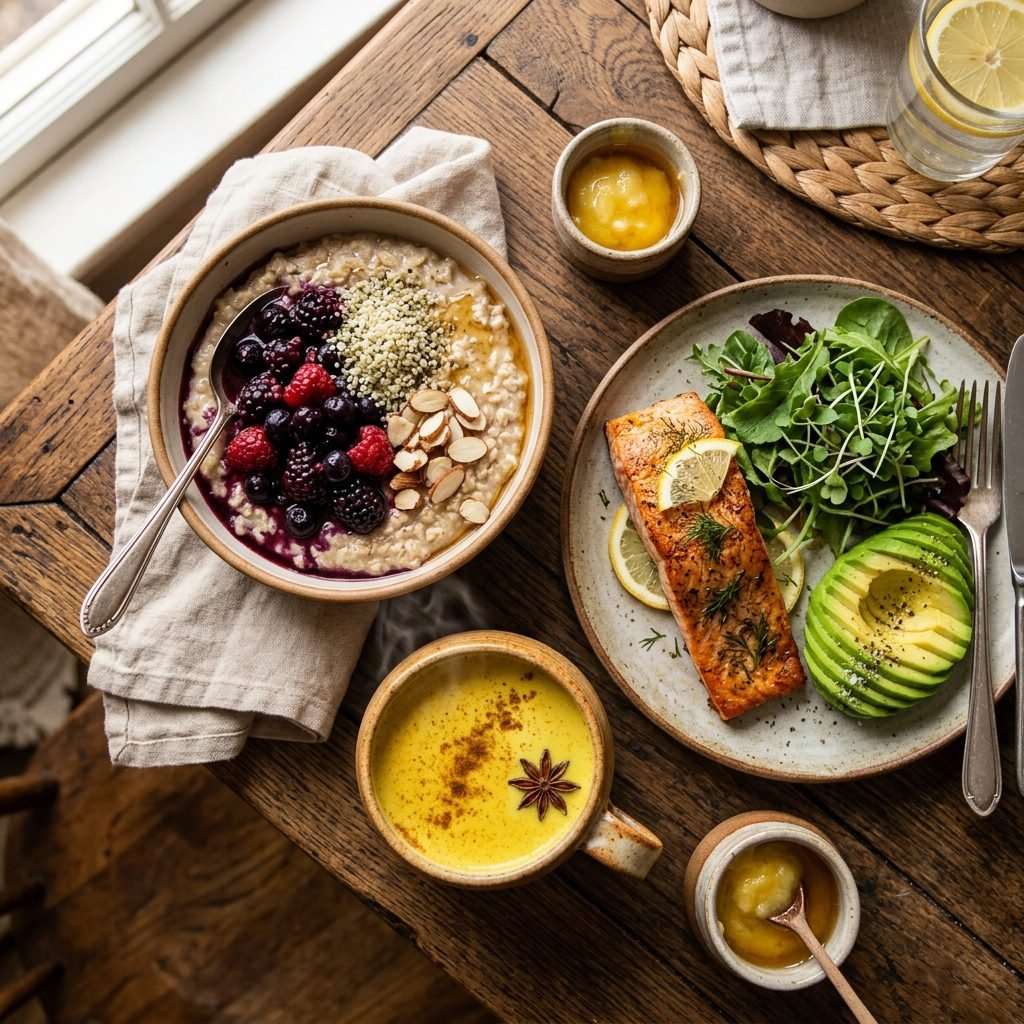
Now that we know what we are up against, let us talk about your armor: nutrient-dense, restorative foods. In the first few weeks postpartum, your digestive system is sluggish and your internal organs are shifting back to their original places. According to Traditional Chinese Medicine and Ayurvedic doula practices, the postpartum body is considered “cold” and “empty.” Therefore, the golden rule of postpartum eating is to focus on foods that are warm, soft, easily digestible, and profoundly hydrating. Icy smoothies and raw salads, while healthy in normal circumstances, require too much energy for a freshly postpartum body to break down.
The Core Nutrients for Mood Stabilization
To balance your moods fast, we need to focus on specific micronutrients that directly impact brain health and hormone synthesis. Here is what your body is begging for right now:
- Omega-3 Fatty Acids (DHA & EPA): Your baby took a massive amount of your essential fatty acids to build their brain during the third trimester. Depleted Omega-3 levels in the mother are directly linked to postpartum depression and anxiety. Replenishing these fats helps reduce cellular inflammation and supports the production of serotonin.
- Iron and Vitamin B12: Blood loss during childbirth (whether vaginal or cesarean) leaves almost all mothers borderline anemic. Low iron means less oxygen to your brain, which translates to brain fog, extreme fatigue, and feelings of depression. B12 is crucial for nerve health and energy production.
- Magnesium: Often called “nature’s tranquilizer,” magnesium is rapidly depleted by stress (and childbirth is a massive physical stressor). Replenishing magnesium helps lower cortisol, relaxes tight muscles, and promotes the deep, restorative sleep you desperately need when the baby finally sleeps.
- Zinc: This trace mineral is essential for immune function and hormone balance, specifically supporting the thyroid and helping to regulate mood swings.
- High-Quality Protein & Collagen: Protein provides the amino acids necessary to build neurotransmitters. Collagen and gelatin, found in bone broths and slow-cooked meats, provide glycine, an amino acid that promotes tissue healing (crucial for perineal or c-section recovery) and deeply calms the central nervous system.
When you sit down to eat, I want you to look at your plate and ask yourself: “Is this warm? Is this comforting? Does this contain a healthy fat and a solid source of protein?” If the answer is yes, you are exactly on the right track. Remember, mama, this is not the time for caloric restriction or bouncing back. This is the time for deep, unapologetic nourishment. You are feeding the body that just grew a universe.
The Postpartum Mood-Balancing Diet: What to Add and What to Limit
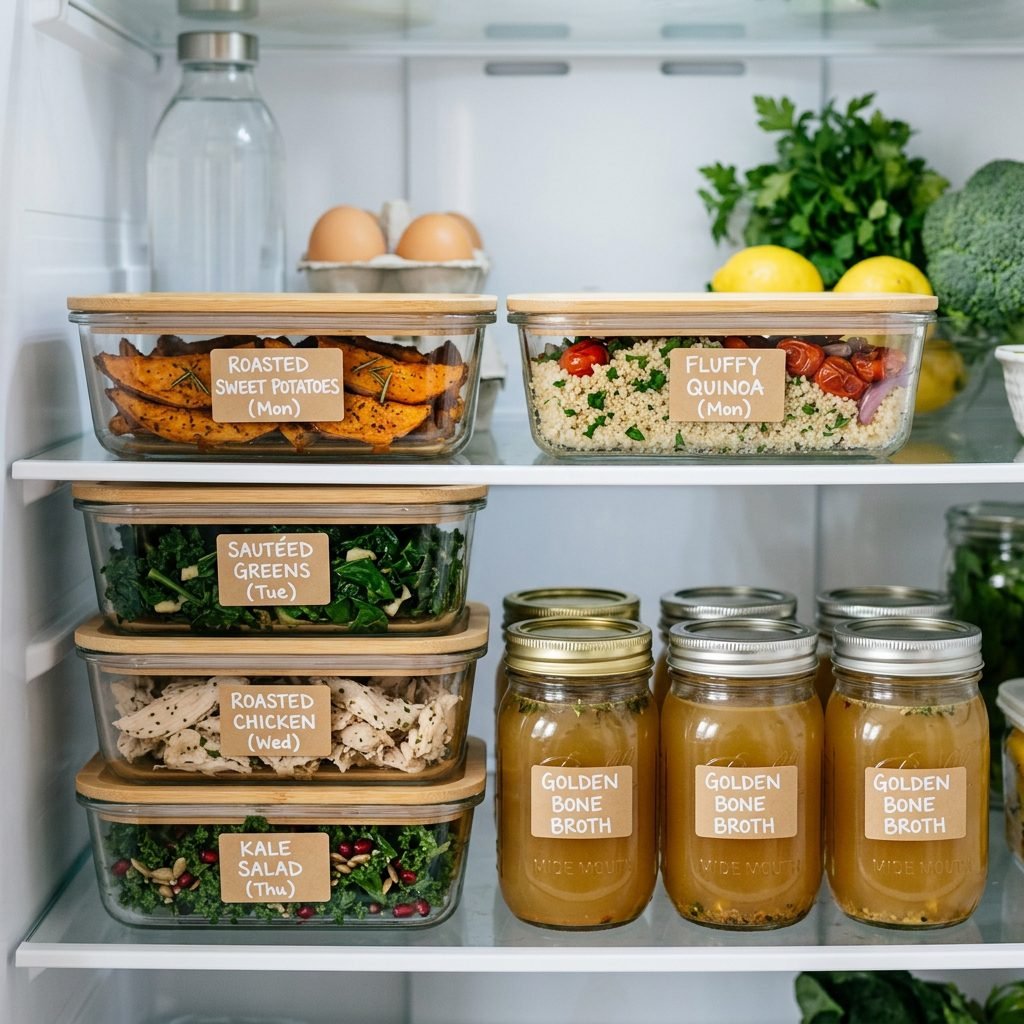
Transitioning to a hormone-balancing diet does not mean you need to become a gourmet chef while holding a crying baby. It simply means making strategic swaps that give you the most nutritional bang for your buck. As a postpartum doula, I always encourage my clients to focus on addition rather than restriction. What beautiful, healing foods can we add to your day to make you feel more grounded?
However, there are a few things that can exacerbate the hormonal rollercoaster. High amounts of refined sugars, artificial additives, and excessive caffeine can cause massive spikes and crashes in your blood sugar. Blood sugar instability mimics anxiety in the body, triggering cortisol release and making you feel jittery, irritable, and tearful. Let us look at a clear, easy-to-follow guide on what to embrace and what to gently minimize during your fourth trimester.
| Hormone-Balancing Superfood | Why It Helps Your Mood & Recovery | What to Limit Instead |
|---|---|---|
| Warm Bone Broth | Rich in collagen, glycine, and trace minerals. Heals tissues, deeply hydrates, and calms the nervous system. | Cold, sugary sports drinks that spike blood sugar and cause energy crashes. |
| Wild-Caught Salmon & Sardines | Packed with Omega-3s (DHA/EPA) which are scientifically proven to reduce the risk of postpartum depression and anxiety. | Highly processed deli meats or fried foods cooked in inflammatory seed oils. |
| Pasture-Raised Eggs | Nature’s multivitamin. The yolks are rich in choline, which supports brain health, memory, and mood regulation. | Sugary breakfast cereals or pastries that offer no sustained protein or healthy fats. |
| Stewed Apples & Pears | Warm, cooked fruits are gentle on postpartum digestion. The soluble fiber feeds good gut bacteria, where 90% of serotonin is made. | Raw, icy smoothies or large raw salads which can cause gas and bloating in early postpartum. |
| Dark Leafy Greens (Cooked) | Spinach, kale, and Swiss chard cooked in butter or ghee provide vital iron, folate, and magnesium to combat fatigue. | Excessive caffeine (more than 1-2 cups). Caffeine can overstimulate exhausted adrenal glands. |
| Oats & Quinoa | Complex carbohydrates that provide a slow, steady release of energy and naturally support healthy breast milk production. | Refined white flour products that cause rapid blood sugar fluctuations and mood dips. |
| Avocado & Coconut Oil | Healthy fats are the building blocks of hormones. They keep you satiated and help stabilize erratic mood swings. | Trans fats and highly processed snacks that increase systemic inflammation. |
When reviewing this list, please give yourself grace. If your mother-in-law brings over a batch of chocolate chip cookies, eat the cookie and enjoy it! Joy is also a nutrient. The goal is simply to ensure that the foundation of your diet is built on the deeply nourishing, warm, and restorative foods listed on the left side of the table. By focusing on these healing ingredients 80 percent of the time, you will give your hormones the stable environment they need to recalibrate.
Low-Effort, High-Nourishment Meal Ideas for Exhausted Mothers
I know exactly what you are thinking right now: “This all sounds wonderful, but I am currently surviving on three hours of broken sleep and whatever granola bar I can open with one hand while nursing.” I see you, mama. The reality of postpartum life is that you have very little time, zero energy, and often only one free hand. Complex recipes are out of the question. You need meals that are fast, prep-friendly, and highly functional.
Here is a gentle, realistic, doula-approved 3-day meal framework designed specifically for the exhausted mother. These ideas focus on minimizing prep time while maximizing hormone-balancing nutrients.
Day 1: Grounding & Replenishing
- Breakfast: Golden Milk Oatmeal. Cook rolled oats in full-fat coconut milk. Stir in a teaspoon of turmeric, a pinch of black pepper, and a scoop of collagen powder. Top with walnuts. (Why: Turmeric fights inflammation, collagen heals tissues, oats support lactation.)
- Lunch: The One-Handed Bone Broth Mug. Heat up a large mug of high-quality beef or chicken bone broth. Stir in a pinch of sea salt and a teaspoon of ghee. Pair with a hard-boiled egg and half an avocado. (Why: Instantly hydrates, provides immediate amino acids, and requires zero cooking if pre-boiled.)
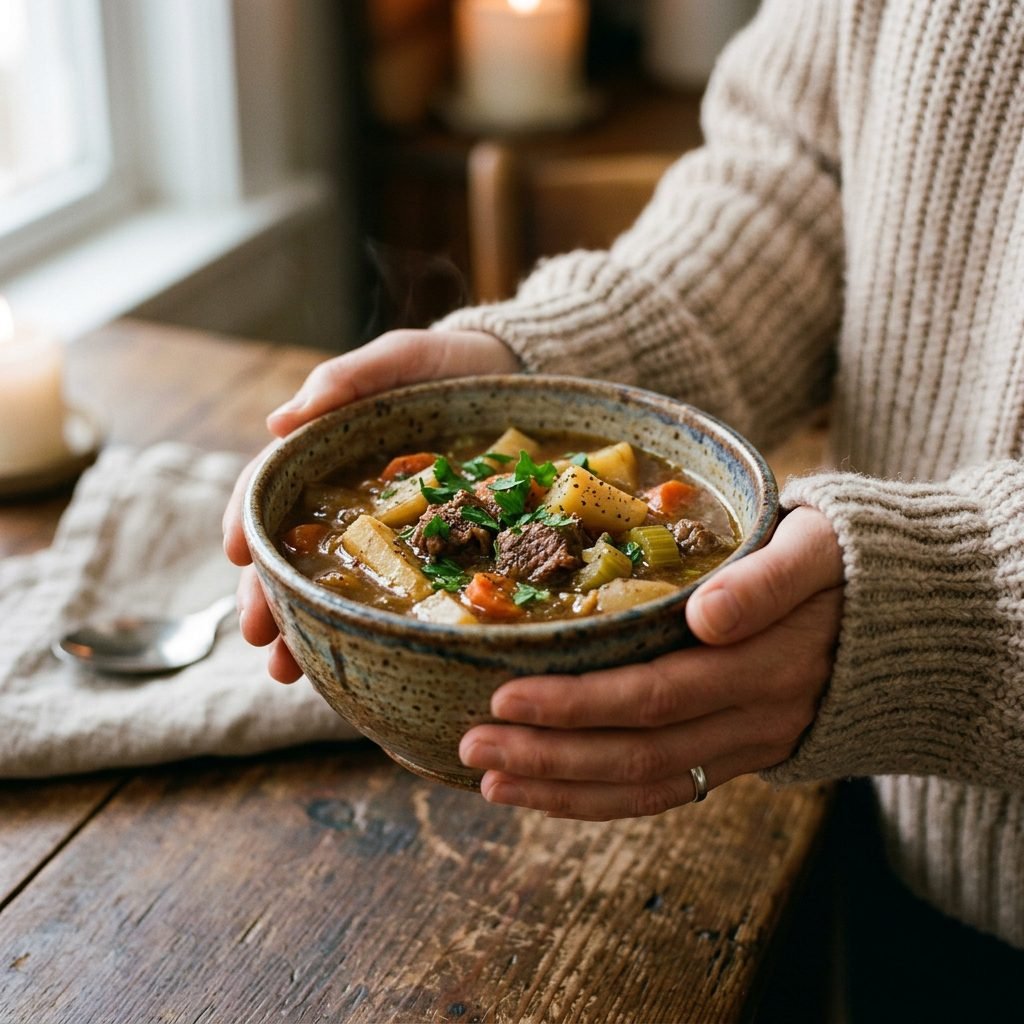
- Dinner: Slow-Cooker Beef Stew. Toss chuck roast, carrots, potatoes, and onions into a slow cooker in the morning. Let it cook all day. (Why: Warm, soft, incredibly rich in iron and B12 to combat anemia and fatigue.)
Day 2: Brain-Boosting & Hydrating
- Breakfast: Scrambled Eggs with Spinach. Softly scramble two pasture-raised eggs in butter. Stir in a handful of spinach until wilted. Serve with a slice of sourdough toast. (Why: Choline for brain fog, iron for energy, butter for hormone building blocks.)
- Lunch: Leftover Stew. Postpartum eating relies heavily on leftovers. Do not cook lunch if you do not have to! Heat up a bowl of last night’s stew.
- Dinner: Baked Salmon and Sweet Potato. Place a salmon filet and a pierced sweet potato on a baking sheet. Bake at 400°F for 25 minutes. Mash the sweet potato with plenty of butter or coconut oil. (Why: Massive dose of Omega-3s for mood stabilization, complex carbs for deep sleep.)
Day 3: Comforting & Calming
- Breakfast: Warm Stewed Apples. Chop an apple, simmer in a saucepan with a little water, cinnamon, and a spoonful of almond butter until soft. (Why: Cinnamon stabilizes blood sugar, warm apples are incredibly gentle on digestion.)
- Lunch: Quick Lentil Soup. Open a can of high-quality organic lentil soup. Heat it on the stove and stir in a handful of kale and a drizzle of olive oil. (Why: Lentils are a fantastic source of folate and magnesium, calming the nervous system.)
- Dinner: Chicken and Rice Congee. A traditional Asian postpartum dish. Simmer white rice in a large amount of chicken broth for hours until it becomes a thick, creamy porridge. Stir in shredded cooked chicken and a dash of soy sauce or coconut aminos. (Why: The ultimate comfort food. Extremely easy to digest, deeply hydrating, and restorative.)
Doula Tip: Create a “Nourishment Station” next to your primary nursing or feeding chair. Stock it with a massive insulated water tumbler (with a straw!), a jar of raw almonds, soft Medjool dates, and beef jerky or meat sticks. When you are trapped under a sleeping baby, you will still have access to protein and healthy fats.
Hydration, Rest, and Rebuilding Your Depleted Stores

While food is the foundation of your hormone-balancing protocol, we cannot ignore the critical role of hydration and rest. In the postpartum period, especially if you are breastfeeding, your fluid requirements skyrocket. Breast milk is about 87 percent water. If you are not taking in enough fluids, your body will pull water from your own cells to make milk, leaving you dehydrated. Dehydration is a massive trigger for anxiety, headaches, and a sudden drop in milk supply, all of which will send your stress hormones soaring.
The Art of Postpartum Hydration
Plain water is good, but mineral-rich water is better. When you sweat out postpartum hormones (hello, night sweats!) and produce milk, you lose vital electrolytes. To truly hydrate your cells and support your adrenal glands (which manage your stress response), try adding a pinch of high-quality sea salt and a squeeze of fresh lemon to your water. Alternatively, sip on red raspberry leaf tea, which is traditionally used to tone the uterus and balance postpartum hormones, or coconut water, which is naturally packed with potassium and magnesium.
Continuing Your Supplementation
I always gently remind my clients: Do not put your prenatal vitamins away once the baby arrives! Your body needs those vitamins now more than ever to heal from the trauma of birth and to produce nutrient-dense milk. Continue taking your high-quality prenatal vitamin for at least the first six months postpartum. Additionally, speak with your healthcare provider about adding a high-quality Omega-3 fish oil supplement and a magnesium glycinate supplement before bed to promote deep, restorative sleep and further stabilize those shifting moods.
The Ultimate Nutrient: Rest
Finally, we must talk about rest. You can eat all the wild-caught salmon and bone broth in the world, but if you are constantly on your feet, entertaining guests, and trying to keep an immaculate house, your cortisol levels will remain chronically elevated. High cortisol actively blocks the production of your calming hormones. Give yourself radical permission to rest. Stay in bed or on the couch. Let the laundry pile up. Let the dishes sit in the sink. Your only job right now is to heal, to eat warm foods, and to bond with your baby. By embracing this period of deep rest and nourishment, you are laying the foundation for a vibrant, joyful, and hormonally balanced motherhood.
Conclusion
Grace, Time, and Nourishing Your Beautiful Body
My beautiful friend, as we wrap up this guide, I want you to look down at your body. Look at your soft belly, your tired hands, your heavy breasts. This body is a miracle. It has stretched, yielded, and broken open to bring life into the world. It deserves to be treated with the utmost reverence, gentleness, and care. Balancing your postpartum hormones is not about “bouncing back” or rushing the healing process. It is about deeply honoring the transition you have just made by feeding yourself foods that heal, warm, and restore.
Take it one meal at a time, one sip of broth at a time, and one day at a time. Ask your partner, your mother, or your friends to help prepare these nourishing foods for you. You are worthy of being mothered, too. The tears will eventually slow down, the fog will lift, and your hormones will find their gentle rhythm once again. Until then, eat warmly, rest deeply, and know that you are surrounded by a sisterhood of mothers who have walked this exact path. You are doing beautifully.