The Complete Sleep Sack Layering Guide for Safe Infant Sleep in Spring and Autumn
Welcome to the Nursery Thermostat Dance, Mama
If you are reading this while staring at your baby monitor, wondering if your little one is too hot or too cold, I want you to take a deep, grounding breath. Drop your shoulders away from your ears. You are in exactly the right place, and you are doing a wonderful job. The transition seasons of spring and autumn are notoriously tricky for infant sleep. One day it feels like a crisp winter morning, and by mid-afternoon, the sun is blazing through the nursery windows. As a mother, a doula, and a pediatric sleep specialist, I know firsthand the anxiety that comes with dressing a baby for sleep when the weather simply cannot make up its mind.
During the newborn and infant stages, your baby’s ability to regulate their own core body temperature is still developing. Unlike adults, who can simply kick off a blanket or pull up a duvet when the room temperature shifts, babies rely entirely on us to create a safe, comfortable microclimate for them. This is where the magic of the sleep sack (or wearable blanket) comes in. It eliminates the suffocation risks associated with loose blankets while providing the cozy, womb-like security your baby craves.
However, a sleep sack alone isn’t magic; it is all about how you layer beneath it. Overheating is a recognized risk factor for Sudden Infant Death Syndrome (SIDS), while being too cold will lead to frequent night wakings and a very exhausted family. In this comprehensive guide, we are going to break down the science of TOG ratings, provide you with exact, evidence-based layering formulas, and empower you to dress your baby with absolute confidence. Grab a warm cup of tea (or your giant postpartum water bottle), and let’s master the art of safe infant sleep in spring and autumn.
Demystifying TOG Ratings: Your Secret Weapon for Transition Seasons
Before we can talk about what pajamas to put on your baby, we have to talk about TOG. TOG stands for Thermal Overall Grade. It is a standardized measurement used in the textile industry to calculate the thermal insulation of a product. In the simplest terms: the higher the TOG rating, the warmer the sleep sack. Understanding TOG is your absolute best defense against the unpredictable temperature swings of spring and autumn.
Why Spring and Autumn Require a Flexible Approach
During the peak of summer or the dead of winter, dressing your baby is relatively straightforward because indoor temperatures remain fairly consistent. But in April or October, the temperature in your home might be a balmy 74 degrees Fahrenheit when you put your baby down at 7:00 PM, only to plummet to a chilly 67 degrees Fahrenheit by 3:00 AM. If you dress your baby for the 3:00 AM chill at bedtime, they will overheat. If you dress them for the 7:00 PM warmth, they will wake up freezing in the middle of the night.
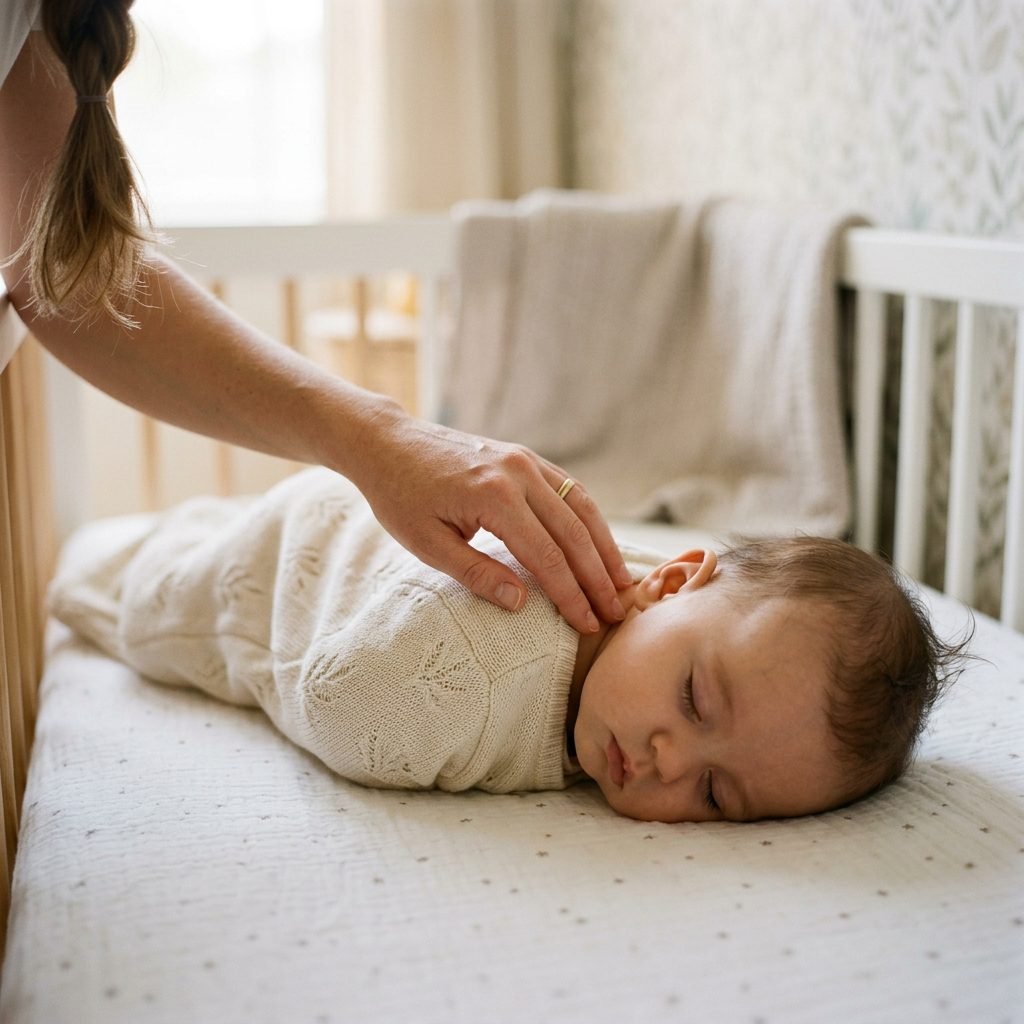
Mama reminder: Cold hands and feet are completely normal for infants due to their immature circulatory systems. Never gauge your baby’s core temperature by feeling their fingers or toes. Instead, place two fingers gently on the nape of their neck or their chest. If their skin feels warm and dry, they are perfectly fine. If they feel sweaty or clammy, they are too hot. If they feel cool to the touch, they need an extra layer.
For transition seasons, you will generally want to keep two specific sleep sack TOG ratings in your nursery arsenal: a 1.0 TOG (perfect for moderate room temperatures between 68 and 73 degrees) and a 2.5 TOG (ideal for cooler nights when the room dips below 68 degrees). Having both options on hand allows you to adapt instantly to the weather forecast without panicking.
The Golden Rules of Safe Infant Sleep Layering
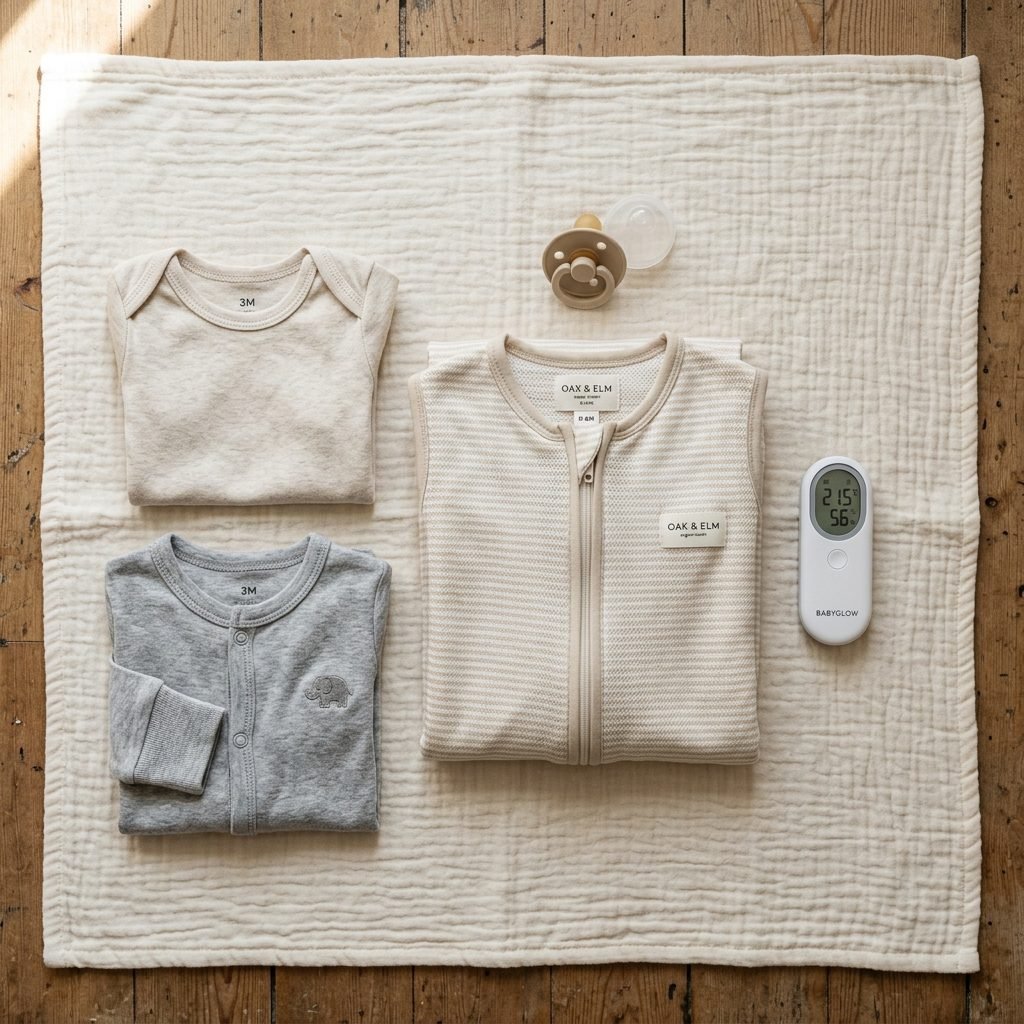
As we dive into the specifics of clothing, we must anchor our choices in the evidence-based safe sleep guidelines established by the American Academy of Pediatrics (AAP). Safety and comfort must always go hand-in-hand. Here are the non-negotiable rules for layering your baby for sleep:
- No Loose Blankets Ever: Blankets, quilts, and top sheets pose a significant suffocation and strangulation risk. A properly fitted sleep sack is the only safe top layer for an infant in a crib.
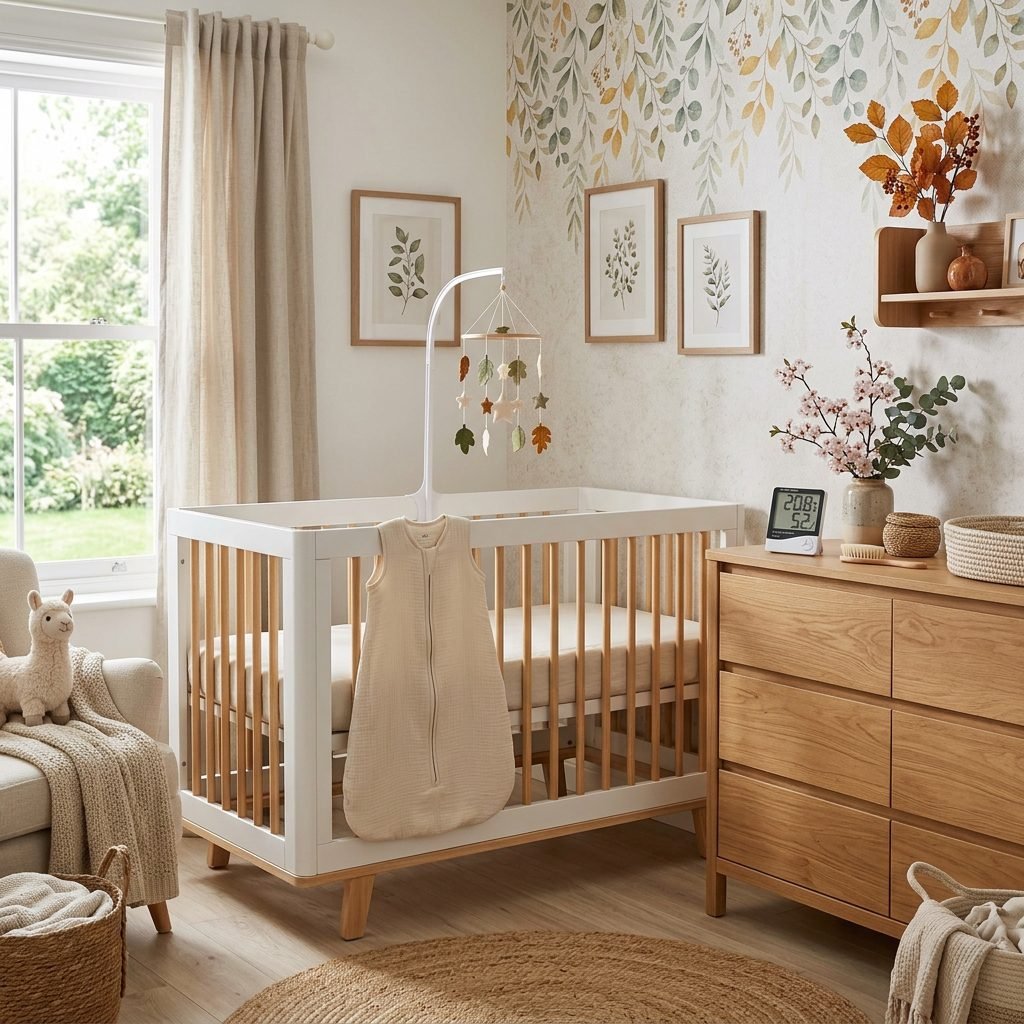
- Monitor the Room, Not the Weather: Always dress your baby based on the actual temperature inside the nursery, not the temperature outside. A reliable digital indoor thermometer is a nursery essential.
- The Plus-One Rule: As a general baseline, a baby needs one more layer of clothing than an adult would wear to be comfortable in the same room. (A sleep sack counts as one layer).
- Beware of Hats Indoors: Babies release excess body heat through their heads. Once you are indoors and your baby is sleeping, hats and beanies must be removed to prevent dangerous overheating.
- Snug Fit is Safe Fit: Ensure the neck and armholes of the sleep sack are appropriately sized. Your baby’s head should never be able to slip down inside the neck hole of the sleep sack.
When dealing with the fluctuating temperatures of spring and autumn, it is always safer for a baby to be slightly cool rather than too hot. Overheating suppresses a baby’s arousal mechanism, making it harder for them to wake up if they experience respiratory distress. If you are ever in doubt between two layers, choose the lighter option.
The Ultimate Spring and Autumn Layering Matrix
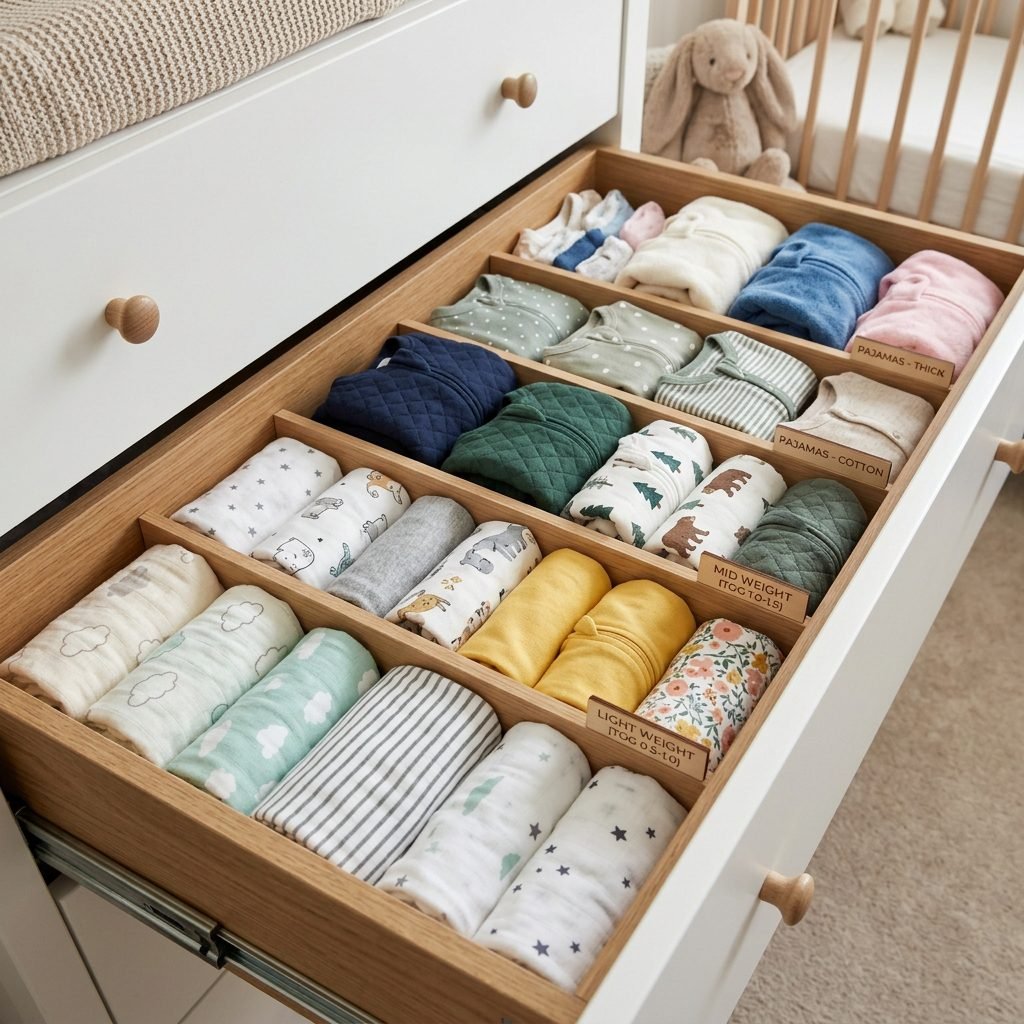
This is the exact matrix I provide to my doula and sleep consulting clients. It takes the guesswork completely out of bedtime. Pin this, screenshot it, or write it down and tape it next to your nursery light switch. Remember, these are guidelines. Every baby runs a little differently—some are hot sleepers, and some run cold. Always use the neck-check method to adjust to your specific child.
How to Use This Matrix
First, check your nursery’s indoor thermometer. Then, select the appropriate TOG sleep sack and add the corresponding base layers. When temperatures are expected to drop significantly overnight, opt for layers that are easy to add or remove without fully undressing the baby.
| Nursery Temperature (Fahrenheit) | Recommended Sleep Sack TOG | Base Clothing Layers Underneath |
|---|---|---|
| 75°F – 77°F (Warm Spring/Early Autumn) | 0.5 TOG | Short-sleeve cotton bodysuit ONLY. |
| 72°F – 74°F (Mild/Standard Room Temp) | 1.0 TOG | Short-sleeve bodysuit OR thin long-sleeve pajamas. |
| 69°F – 71°F (Cool Spring/Autumn Night) | 1.0 TOG | Long-sleeve footed pajamas + Short-sleeve bodysuit underneath. |
| 66°F – 68°F (Chilly Autumn Night) | 2.5 TOG | Long-sleeve footed pajamas. |
| 64°F – 65°F (Cold Drafty Nursery) | 2.5 TOG | Long-sleeve footed pajamas + Long-sleeve bodysuit underneath. |
Notice how the 1.0 TOG sleep sack is the workhorse of the transition seasons. By simply swapping a short-sleeve bodysuit for a long-sleeve footed pajama, you can stretch the use of a 1.0 TOG sack across a wide 5-6 degree temperature variance. This is why layering is so much more effective than buying a dozen different sleep sacks!
Managing the 3 AM Temperature Drop Without Waking Your Baby
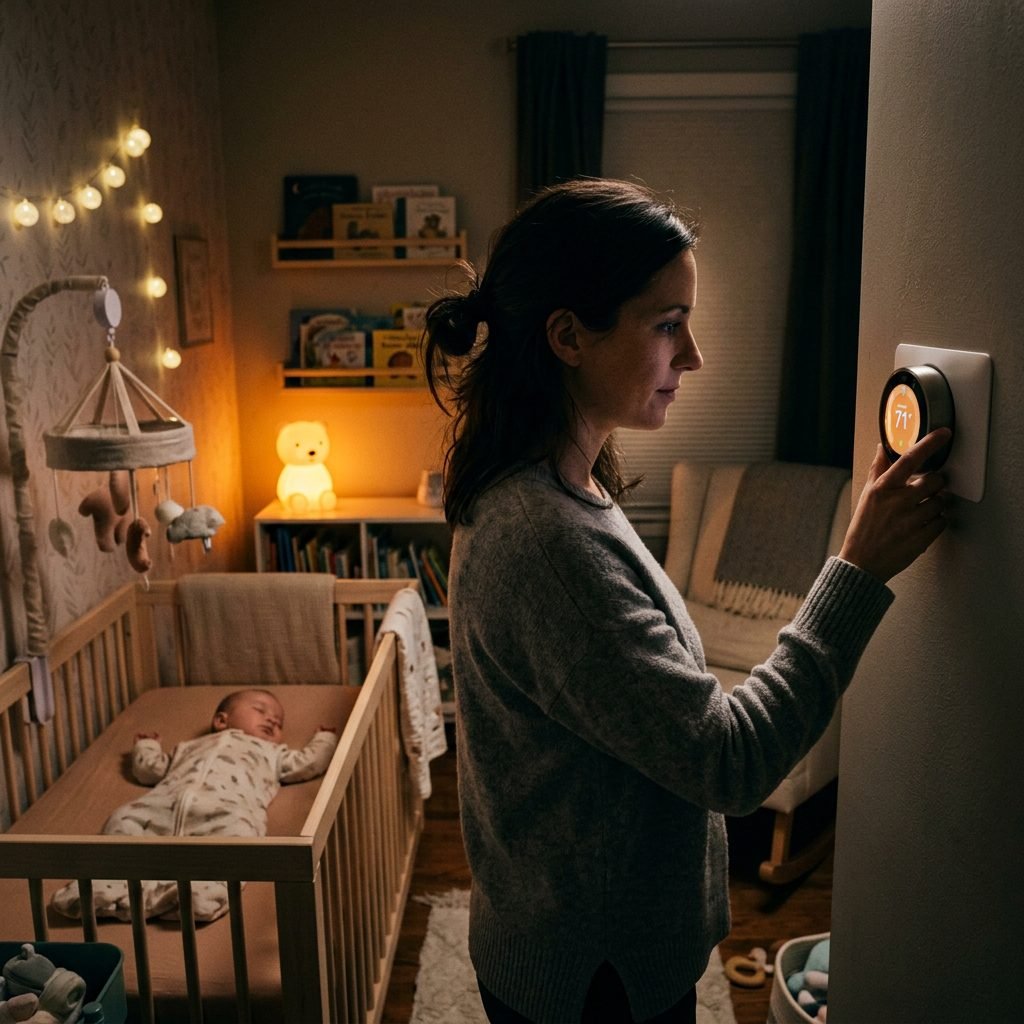
One of the most common questions I get from exhausted parents in April and October is: What do I do when the room is 73 degrees at bedtime, but I know it will be 67 degrees by 3 AM? You do not want to dress them for 67 degrees at 7 PM, because they will sweat through their clothes. But you also do not want to wake a sleeping baby at 3 AM to completely change their outfit.
The Ninja Layering Technique
Here is my favorite doula trick for handling massive overnight temperature drops seamlessly:
- Dress for the Bedtime Temperature: At 7 PM, put your baby in a short-sleeve bodysuit and a 1.0 TOG sleep sack. This ensures they fall asleep comfortably without sweating during the warmest part of the night.
- Prep the Midnight Layer: Before you go to bed yourself (around 10 PM or 11 PM), lay a pair of soft, slightly oversized, footless long-sleeve pajamas or a lightweight sweater next to the crib.
- The Dream Change: When you go in for a dream feed, or when you notice the room temperature dropping on the monitor, gently unzip the sleep sack from the bottom (always buy two-way zipper sleep sacks!).
- Add the Layer: Without removing the baby from the crib, gently slip the oversized long-sleeve layer over their arms and chest, or simply swap the 1.0 TOG sleep sack for a 2.5 TOG sleep sack. Because you aren’t unsnapping bodysuits or pulling things over their head, they are much less likely to fully wake up.
If your baby is highly sensitive to touch and wakes easily, your best strategy is to control the room environment rather than the clothing. Utilize a programmable thermostat or a safe, nursery-approved space heater with an automatic temperature shut-off feature to keep the room hovering precisely at 70 degrees all night long.
Fabric Matters: Selecting the Best Materials for Fluctuating Weather
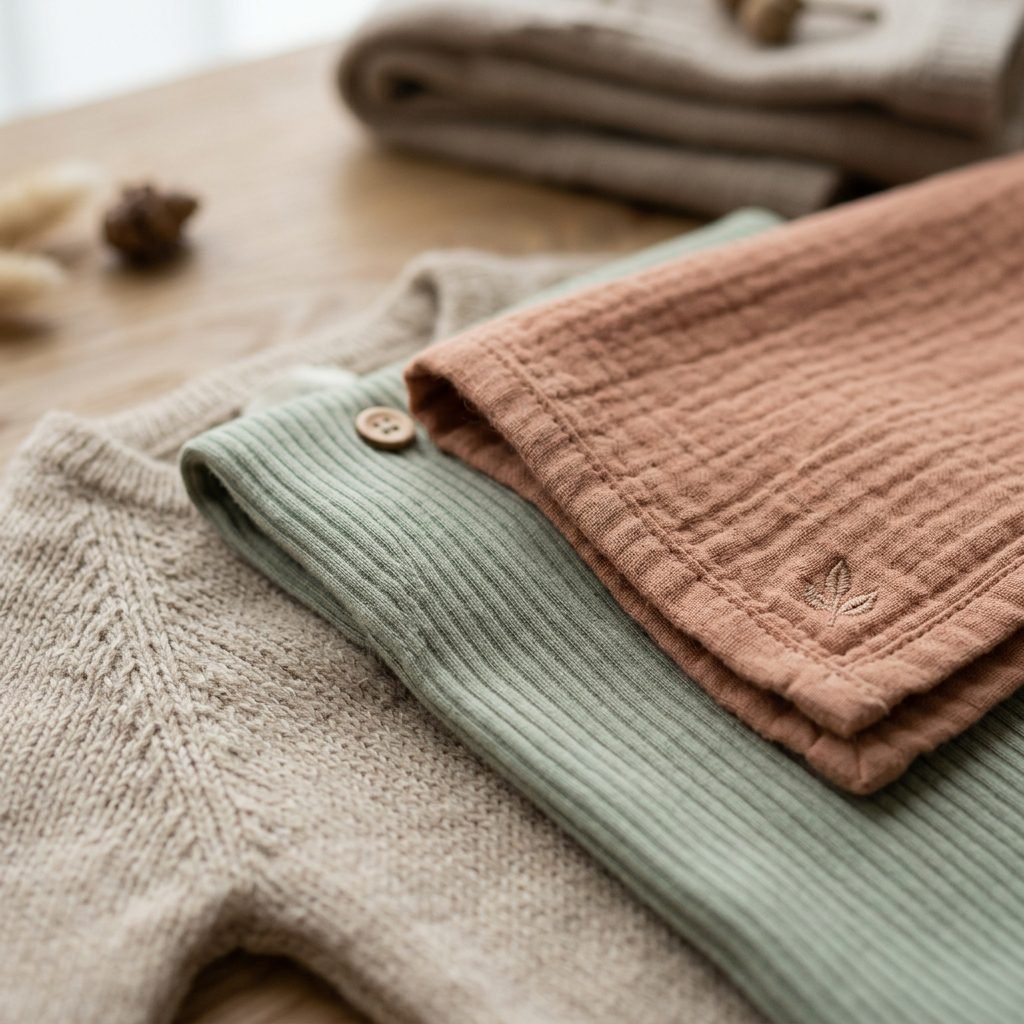
Not all sleep sacks are created equal, even if they have the same TOG rating. The fabric composition plays a massive role in how well the garment regulates your baby’s body heat. In spring and autumn, you want fabrics that are highly breathable, moisture-wicking, and gentle on sensitive newborn skin.
The Top Fabric Contenders for Transition Seasons
| Fabric Type | Best For | Pros | Cons |
|---|---|---|---|
| Organic Cotton | Everyday use, mild weather. | Highly breathable, durable, easy to wash, affordable, hypoallergenic. | Absorbs moisture but doesn’t wick it away well; can feel cold if baby sweats. |
| Bamboo Viscose | Warm spring nights, hot sleepers. | Silky soft, naturally cooling, excellent stretch, highly breathable. | Can be too thin for chilly autumn nights; takes longer to air dry. |
| Merino Wool | Wildly fluctuating temperatures. | The ultimate temperature regulator. Keeps baby warm when it’s cold, and cool when it’s hot. Wicks moisture beautifully. | More expensive upfront investment; requires gentle washing care. |
| Microfleece | Very drafty, cold autumn nights. | Very warm, dries incredibly fast, stain-resistant. | Synthetic material; not breathable. High risk of overheating if the room warms up unexpectedly. |
For spring and autumn, Merino Wool is often considered the gold standard by sleep consultants, despite the higher price tag. Because wool naturally micro-manages moisture and heat, a single merino wool sleep sack can safely be used across a much wider temperature range (often replacing both a 1.0 and 2.5 TOG sack). If wool isn’t in the budget, high-quality Organic Cotton is your best, safest bet. I strongly advise avoiding synthetic microfleece during transition seasons, as it traps heat and does not allow the baby’s skin to breathe during unexpected warm spikes.
Daytime Naps vs. Nighttime Sleep: Adjusting the Routine
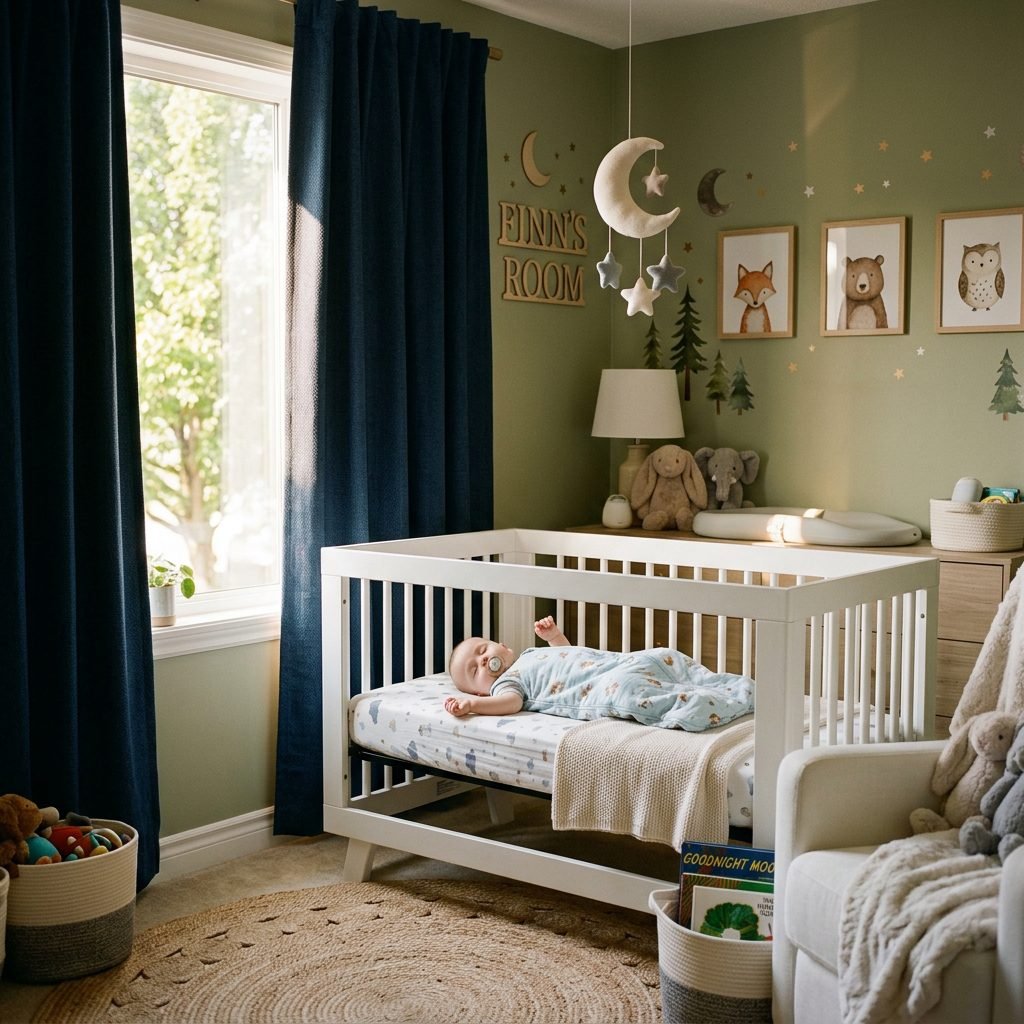
It is incredibly common for parents to nail the nighttime sleep layering, only to struggle with daytime naps. Spring and autumn afternoons can be surprisingly warm, with sunlight streaming through the nursery windows and raising the room temperature by 5 to 10 degrees compared to the overnight low.
Naptime Layering Adjustments
- Check the Sun Exposure: If your nursery gets direct afternoon sunlight, the temperature will spike. Always check the thermometer right before naptime; do not rely on the reading from breakfast.
- Shed the Base Layers: If your baby slept in long-sleeve footies and a 1.0 TOG sack overnight, they will likely only need a short-sleeve bodysuit and a 0.5 TOG or 1.0 TOG sack for a 2:00 PM nap.
- Blackout Curtains: Investing in high-quality thermal blackout curtains not only keeps the room dark to promote melatonin production, but it also insulates the windows, preventing the afternoon sun from turning the nursery into a sauna.
Consistency in your sleep routine is vital, but flexibility in your layering is just as important. Your baby will learn that the sleep sack signals “sleep time,” regardless of whether there is a long-sleeve or short-sleeve shirt underneath it.
Conclusion
Trust Your Mama Intuition
Navigating infant sleep is one of the most challenging aspects of early motherhood. There will be nights where you second-guess your choices, nights where you check the monitor a dozen times, and nights where the weather simply defies logic. Give yourself grace. By understanding TOG ratings, choosing breathable fabrics, and utilizing the layering matrix, you have already done the heavy lifting to ensure your baby is safe and comfortable.
Remember, the neck-check is your ultimate truth-teller. If your baby’s neck is warm and dry, you have nailed the layering. Trust your instincts, trust the guidelines, and try to get some rest yourself. You are doing a beautiful job, and this tricky transition season will soon pass into more predictable weather.
Medical Disclaimer: The information provided in this article is for educational and informational purposes only and is not intended as a substitute for professional medical advice, diagnosis, or treatment. Always seek the advice of your pediatrician or other qualified healthcare provider with any questions you may have regarding your infant’s health, sleep safety, or medical conditions. Never disregard professional medical advice or delay in seeking it because of something you have read on this website. Always follow the safe sleep guidelines provided by the American Academy of Pediatrics (AAP).