

Zika Proof: The Ultimate Guide to Pregnancy Safe Bug Spray Brands
Hello, Sweet Mama-to-be!
I know exactly what is running through your mind right now. You want to enjoy the beautiful outdoors, feel the sun on your face, and maybe even take a gentle walk through the park, but then you hear that familiar, high-pitched buzz. Suddenly, the worry kicks in. Is that a mosquito? Does it carry Zika? And if I use bug spray, will the chemicals hurt my growing baby? It’s a lot to carry, but I want you to take a deep breath and let that tension go. As your doula and sister-in-wellness, I am here to tell you that you can protect yourself from both the bugs and the chemicals. You don’t have to choose between being ‘Zika proof’ and being ‘toxin-free.’ We are going to navigate the world of EPA-registered repellents together so you can step outside with absolute confidence and peace of mind.
“Your body is a sacred vessel, and protecting it from environmental stressors is an act of deep love for your little one. You have the power to stay safe, stay comfortable, and stay present in your pregnancy journey.”
In this guide, we are going to break down the science of safe ingredients, look at the brands that actually work, and discuss how to apply these products so they protect your skin without entering your bloodstream in high amounts. Let’s get you ready for a bite-free, worry-free season.
The Safety Spectrum: Decoding Repellent Ingredients
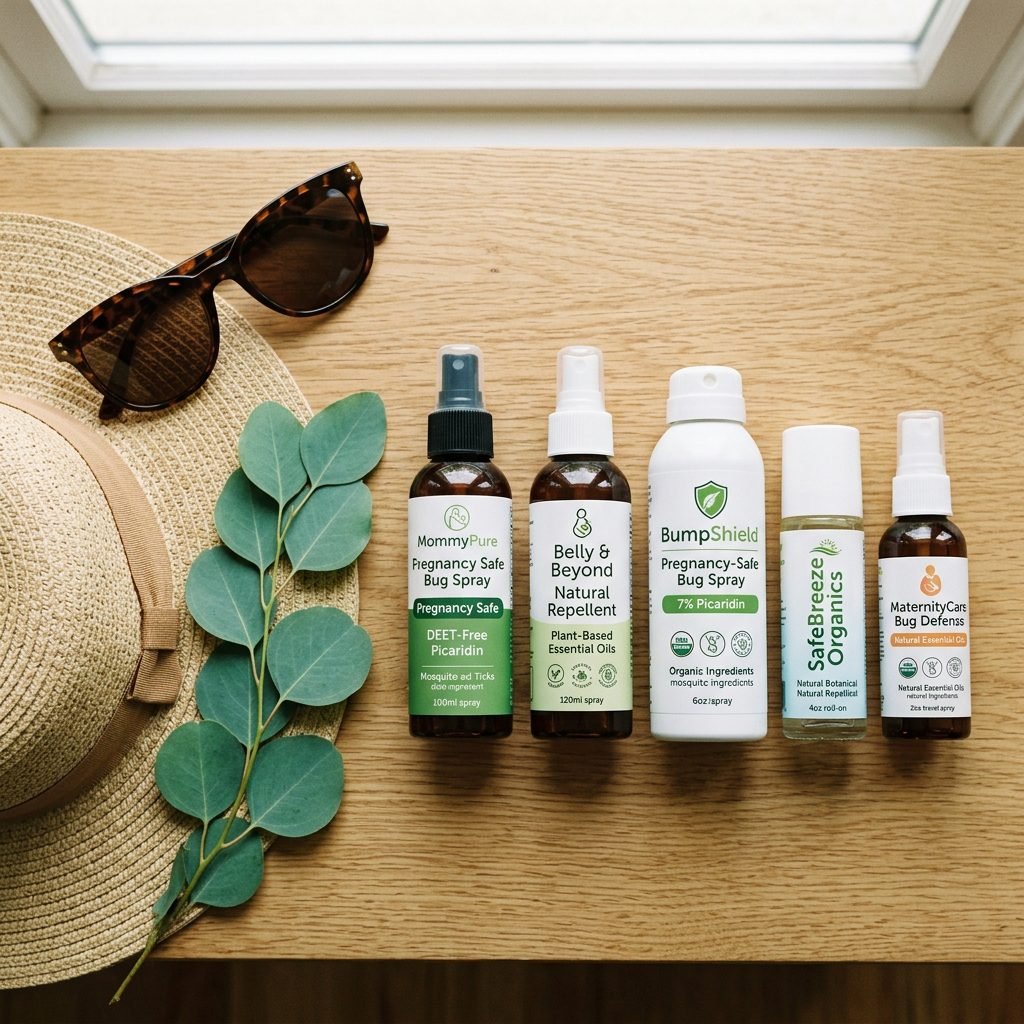
When you are pregnant, your body becomes a bit of a magnet for mosquitoes. Did you know that pregnant women actually exhale more CO2 and have a slightly higher body temperature? Both of these are like a dinner bell for those pesky biters. But before you grab the first bottle you see, we need to talk about what’s inside. The Environmental Protection Agency (EPA) and the CDC have done extensive research on which ingredients are safe for expectant mothers. The key is looking for EPA-registered products, which means they have been vetted for both safety and effectiveness.
The ‘Big Three’ Safe Ingredients
When you’re scanning labels at the drugstore, I want you to look for these three gold-standard ingredients. They are the ones we doulas trust most for our clients:
- DEET: Despite some of the old myths, DEET is considered the gold standard for protection. When used in concentrations of 15% to 30%, it is highly effective and has been studied extensively in pregnant populations with no adverse effects.
- Picaridin: This is a synthetic version of a compound found in pepper plants. It’s odorless, non-greasy, and won’t melt your plastic sunglasses like DEET can! It’s a fantastic alternative for moms with sensitive noses.
- IR3535: This is another synthetic amino acid that is very effective against mosquitoes and ticks. It’s often found in ‘Skin So Soft’ or ‘Avon’ products and is very gentle on the skin.
On the flip side, there are things we want to avoid. While ‘natural’ sounds better, some essential oils can be irritating or haven’t been proven to provide the long-lasting protection needed to prevent Zika or West Nile virus.
| Ingredient | Pregnancy Safety Status | Best For… |
|---|---|---|
| DEET (15-30%) | Safe & Highly Recommended | Heavy mosquito/tick areas |
| Picaridin (20%) | Safe & Highly Recommended | Odorless, clean feel |
| IR3535 | Safe | Short-term outdoor activities |
| Oil of Lemon Eucalyptus (OLE) | Safe (Ages 3+) | Natural-minded protection |
| Citronella/Peppermint Oil | Safe but Low Efficacy | Backyard sitting (not Zika zones) |
Top Pregnancy-Safe Brands You Can Trust
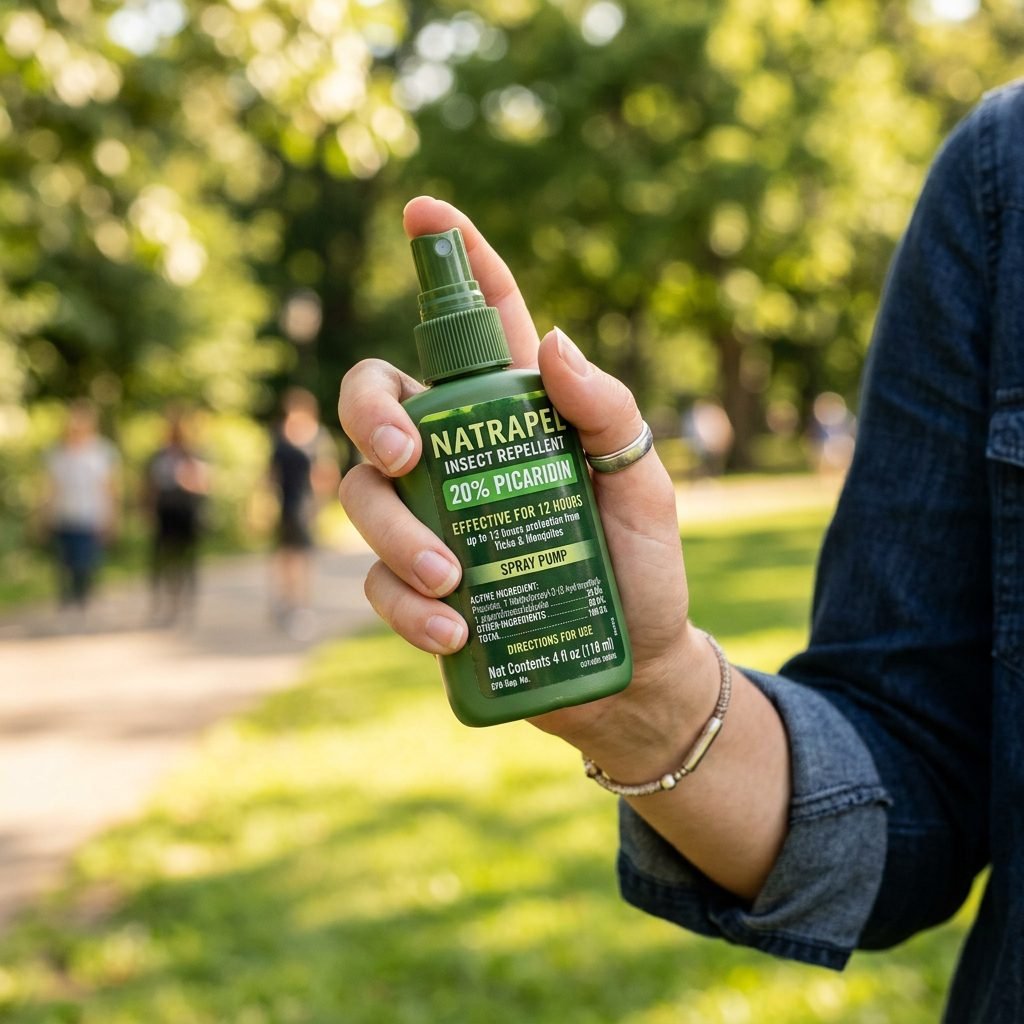
Now that we know the ingredients, let’s talk brands. Not all bug sprays are created equal, and as a mama, you want something that feels good on your skin and doesn’t make you feel like you’re walking in a cloud of fumes. Here are my top recommendations for my clients:
1. Sawyer Products Premium Insect Repellent (Picaridin)
This is often the #1 choice for pregnant women. Why? Because it uses 20% Picaridin. It is virtually odorless, which is a lifesaver if you are still dealing with a bit of morning sickness or a heightened sense of smell. It lasts for up to 12 hours against mosquitoes and ticks, meaning you don’t have to keep reapplying.
2. Off! Family Care (DEET)
If you are heading into a deep woods area or a known Zika zone, Off! Family Care with a lower concentration of DEET (around 15%) is a solid, reliable choice. It provides a great balance of protection without over-exposing you to the chemical. Always look for the ‘Family Care’ line as it tends to be formulated for more frequent, gentle use.
3. Repel Plant-Based Lemon Eucalyptus
For my mamas who really want to stick to a more botanical route, this is the only plant-based ingredient recommended by the CDC for high-level protection. Note: While it is safe for you, it is generally not recommended for children under 3, so keep that in mind if you have a toddler running around!
4. Ranger Ready Picaridin 20%
I love this brand because they offer amazing scents like Scent Zero, Orange, and Night Sky. It feels more like a body mist than a bug spray, which can make your outdoor routine feel a little more like self-care and a little less like a chore.
How to Apply Bug Spray Safely During Pregnancy
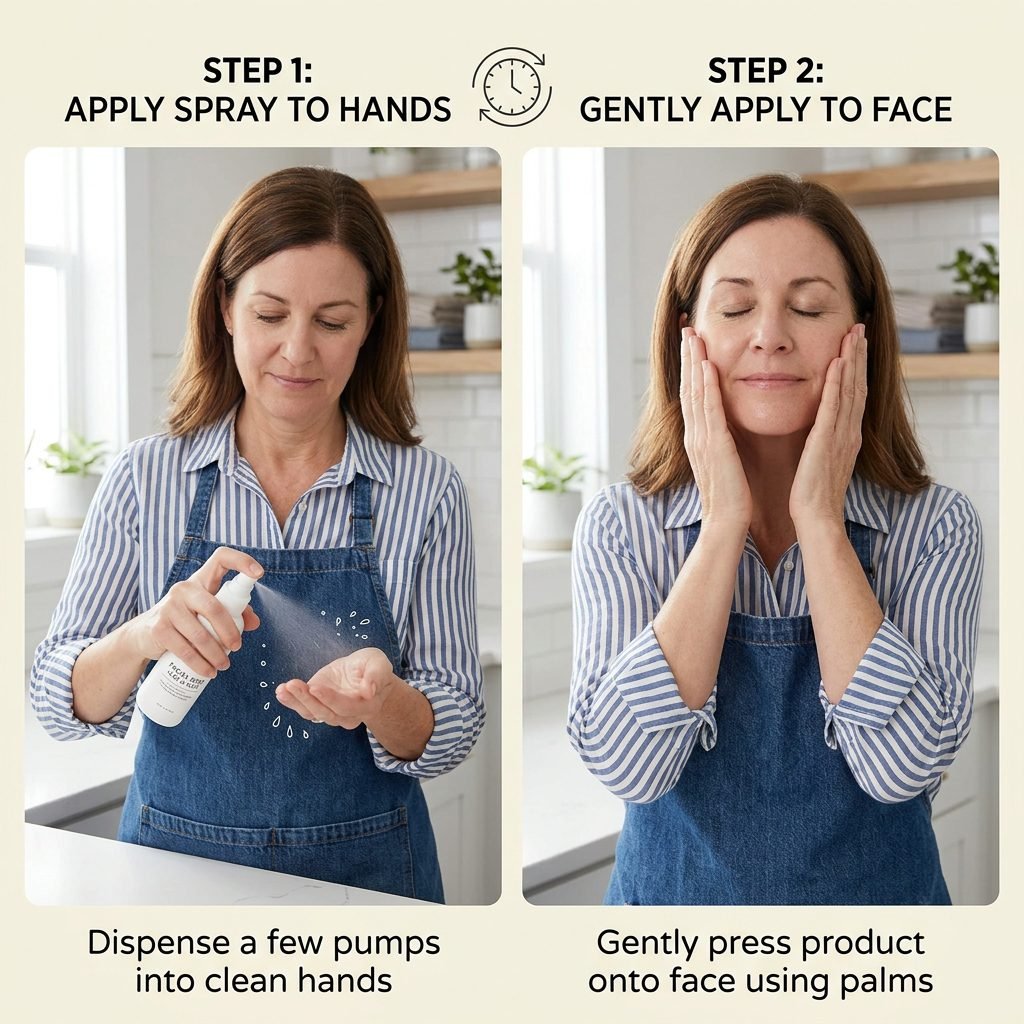
It’s not just about what you use, it’s about how you use it. We want to minimize the amount of product that is absorbed into your skin or inhaled into your lungs. Follow these ‘Doula-Approved’ application steps:
- Spray Outdoors: Never spray in a confined space like a bathroom. Go out on the porch or deck so the mist can dissipate quickly.
- Avoid Your Face: Never spray directly onto your face. Instead, spray a small amount into your palms and then gently pat it onto your forehead, cheeks, and neck, avoiding your eyes and mouth.
- Focus on Clothing: One of my favorite hacks is to spray your clothes rather than your skin. Mosquitoes can bite through thin leggings! Spraying your maternity jeans or your long-sleeved linen shirt provides a barrier without skin contact.
- Wash It Off: Once you come back inside for the day, make it a habit to wash the repellent off your skin with warm soapy water. There’s no need for it to sit on your skin once you are safely behind a screen door.
- Hands Off the Belly: Unless your belly is exposed, there is no need to spray your bump. Keep the focus on your ankles, wrists, and neck.
“Pro-Tip: If you’re using sunscreen and bug spray, always apply the sunscreen first, let it dry for 10 minutes, and then apply the bug spray. This ensures both products can do their job effectively!”
The Zika Reality: What You Need to Know

I don’t want to scare you, but I do want to empower you with the facts. Zika virus can be passed from a pregnant woman to her fetus, and it can cause certain birth defects. This is why being ‘Zika proof’ is so important if you live in or are traveling to an area with active transmission. The virus is primarily spread by the Aedes aegypti mosquito, which actually likes to bite during the daytime, not just at dusk.
Environmental Protection Strategies
Bug spray is your first line of defense, but let’s build a fortress around you with these additional tips:
- Dress the Part: Wear light-colored, loose-fitting clothing. Mosquitoes are attracted to dark colors, and loose fabric makes it harder for them to reach your skin.
- Dump the Water: Walk around your yard and dump out any standing water in flower pots, birdbaths, or gutters. This is where they lay their eggs!
- Stay Cool: Use fans when sitting on the patio. Mosquitoes are weak fliers, and a simple floor fan can create enough of a breeze to keep them away from your seat.
- Check the Map: Always check the CDC’s Zika travel map before planning a babymoon. It’s better to choose a destination that allows you to relax completely without the ‘bug-worry.’
A Natural Approach: When Essential Oils Are Enough
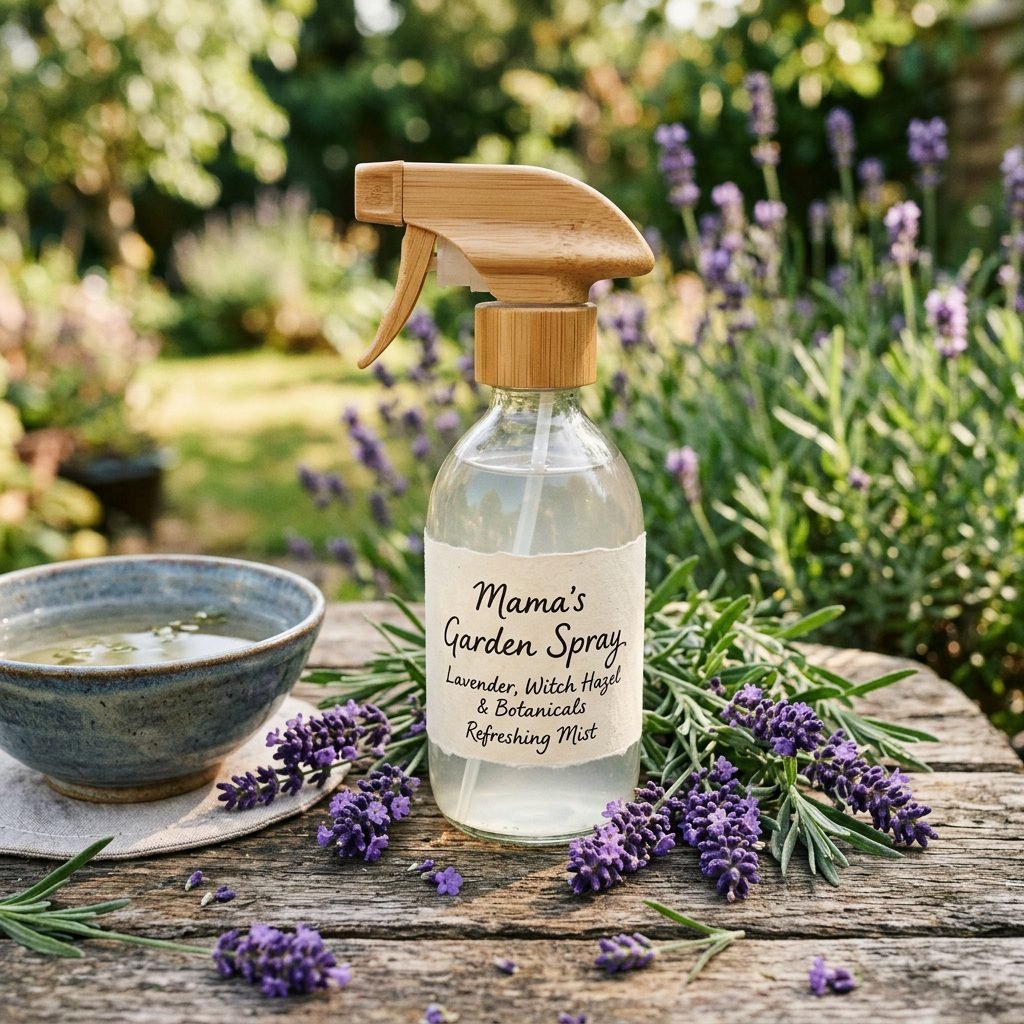
I often have mamas ask me, ‘Can’t I just use Lavender or Peppermint?’ If you are just sitting on your screened-in porch or taking a quick walk in a low-risk area (where Zika or West Nile aren’t concerns), natural repellents can be a lovely, aromatic way to deter the occasional nuisance bite. However, please remember that they usually only work for 20 to 30 minutes, whereas EPA-registered ingredients work for hours.
DIY Gentle Repellent Recipe
If you want a gentle ‘backyard’ spray for low-risk zones, you can mix this up at home:
| Ingredient | Amount | Purpose |
|---|---|---|
| Distilled Water | 4 oz | Base |
| Witch Hazel | 2 oz | Emulsifier |
| Citronella Oil | 10 drops | Repellent |
| Lavender Oil | 10 drops | Soothing/Deterrent |
| Geranium Oil | 5 drops | Tick Deterrent |
Instructions: Mix in a glass spray bottle. Shake well before each use. Reapply every 30 minutes. Warning: Do not rely on this in areas where mosquito-borne illnesses are prevalent.
Conclusion
You’ve Got This, Mama!
Taking care of yourself during pregnancy is a full-time job, and I am so proud of you for doing the research to keep your baby safe. Remember, the best bug spray is the one you will actually wear. Whether you choose the odorless ease of Picaridin or the tried-and-true protection of DEET, know that you are making a smart, informed choice for your health. Don’t let the fear of bugs keep you indoors. Go breathe in that fresh air, get those steps in, and enjoy this incredible time in your life. You are protected, you are prepared, and you are doing an amazing job. Happy (and bite-free) trails to you!