

The Ultimate Postpartum Recovery Plan Checklist Every First-Time Mom Needs
Welcome to the Fourth Trimester, Mama
First of all, take a deep breath. You did it. You brought a whole human being into this world, and whether your birth was a marathon of labor or a scheduled surgical delivery, your body has just performed the most incredible feat of its life. As a doula, I often see moms spend nine months meticulously planning the nursery and the birth plan, only to realize they have no plan for the day they come home from the hospital. That ends today, sweet friend. We are going to walk through the fourth trimester together, focusing entirely on your healing, your hormones, and your heart. This isn’t just a checklist; it is a permission slip to rest, recover, and be cared for. You are not alone in this; this transition is a sacred, messy, and beautiful rite of passage, and you deserve to feel supported through every single day of it.
The First 72 Hours: The ‘Golden Days’ of Physical Healing
Prioritizing the Immediate Recovery Period
The first three days after birth are a whirlwind of adrenaline, exhaustion, and physical intensity. Your body is undergoing a massive hormonal shift as your progesterone and estrogen levels plummet while prolactin and oxytocin soar. During this time, your primary job is to stay in bed. In the doula world, we call this the ‘Five-Five-Five Rule’: five days in the bed, five days on the bed, and five days around the bed.
Managing the ‘Down There’ Care
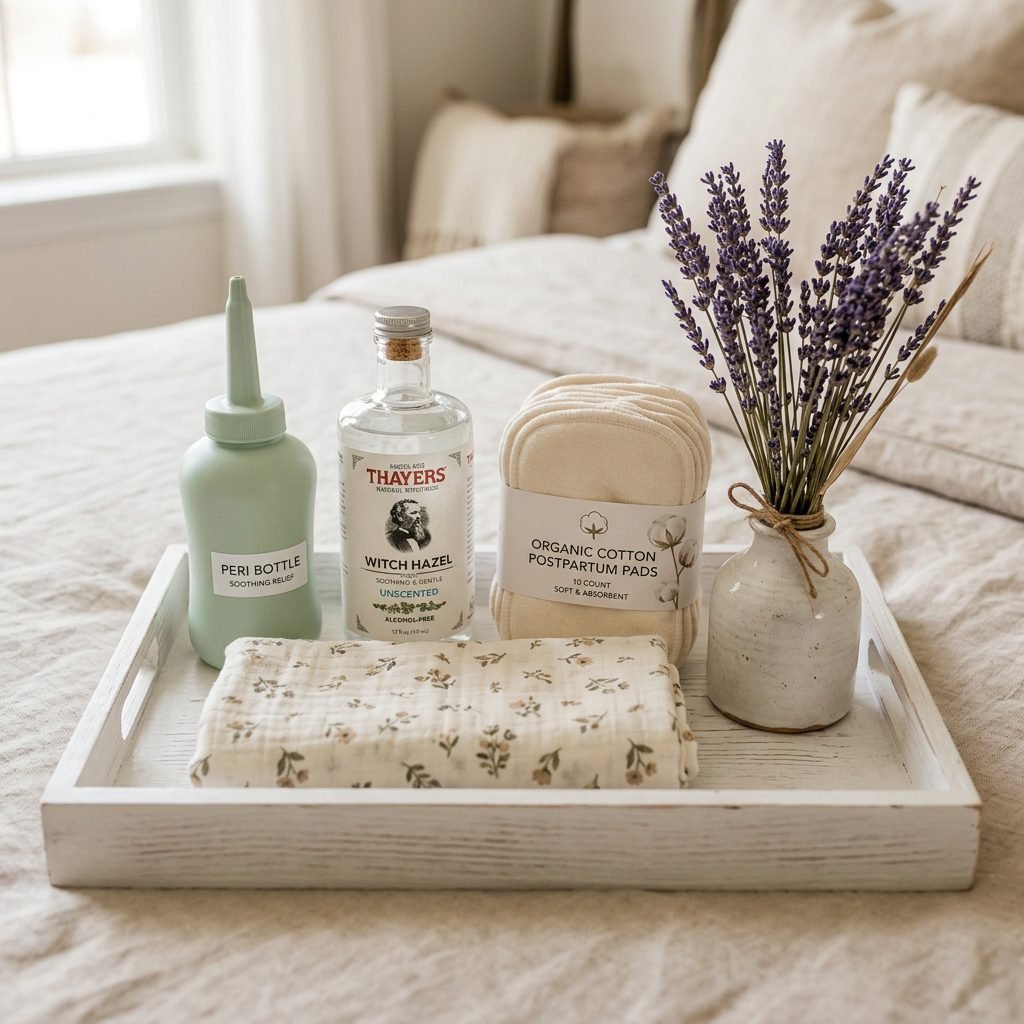
Regardless of how you delivered, your pelvic floor has undergone significant stress. If you had a vaginal delivery, you likely have swelling, bruising, or perhaps stitches. The secret to a faster recovery is consistent, gentle care. You want to keep the area clean without scrubbing.
- The Peri Bottle is Your Best Friend: Never use toilet paper for the first week. Use lukewarm water in a squirt bottle to rinse after every bathroom trip.
- Padiscles: These are maternity pads soaked in witch hazel and aloe vera, then frozen. They provide incredible relief for perineal swelling.
- Sitz Baths: Starting around day three, a 15-minute soak in warm water with Epsom salts can increase blood flow to the area and speed up the healing of stitches.
If you had a C-section, your recovery involves major abdominal surgery. You need to focus on splinting your incision. Keep a firm pillow nearby to press against your stomach whenever you need to cough, sneeze, or laugh. This prevents the feeling that your stitches might pull and offers significant pain relief.
| Recovery Essential | Why You Need It | Pro-Tip |
|---|---|---|
| Mesh Panties | Non-restrictive and holds large pads. | Ask the nurses for extras before you leave the hospital! |
| Adult Diapers | Superior leak protection for the first 48 hours. | Provides a more secure feeling than a pad during sleep. |
| Witch Hazel Liners | Soothes hemorrhoids and perineal tears. | Keep them in the fridge for extra cooling power. |
The Hormonal Rollercoaster: Navigating the ‘Baby Blues’

Understanding Your Emotional Landscape
Around day three to five, you might find yourself crying because your toast is too crunchy or because the baby’s toes are ‘just too cute.’ This is the famous hormonal crash. It is normal, it is physiological, and it is not a reflection of your ability to mother. However, it is vital to distinguish between the ‘Baby Blues’ and Postpartum Depression (PPD) or Anxiety (PPA).
“You are doing a great job. Your worth is not measured by your productivity, but by your presence. It is okay to not be okay today.”
The Baby Blues typically resolve within two weeks as your hormones begin to level out. If you find that your feelings of sadness, hopelessness, or intense anxiety are worsening after the two-week mark, or if you are having intrusive thoughts that scare you, please reach out to your provider immediately. There is zero shame in needing professional support; in fact, it is the bravest thing you can do for your baby.
Creating a ‘Sanity Space’
To help regulate your nervous system, try to create one area of the house that is ‘baby-free’ and clutter-free. Even if it is just a corner of your bedroom with a comfortable chair and a candle, having a space that feels like you can help ground you when the transition feels overwhelming.
Nourishment as Medicine: The Postpartum Diet

Fueling the Healing Process
In many cultures, the postpartum period is defined by ‘warmth.’ This means warm foods, warm drinks, and keeping the body physically warm. From a doula’s perspective, this aids digestion and helps the uterus contract back to its original size (a process called involution). Your body needs collagen, protein, and healthy fats to repair tissues and, if you are breastfeeding, to produce nutrient-dense milk.
- Bone Broth: Rich in minerals and collagen, it’s the ultimate healing elixir for internal repair.
- Oatmeal and Galactagogues: Foods like oats, flaxseed, and brewer’s yeast can help support your milk supply.
- Hydration: Aim for 100 ounces of water a day. If you are breastfeeding, you will feel a thirst like never before. Keep a large straw-bottle with you at all times.
| Nutrient | Best Food Sources | Benefit for Mom |
|---|---|---|
| Iron | Spinach, Red Meat, Lentils | Replenishes blood loss from delivery. |
| Vitamin C | Citrus, Bell Peppers, Strawberries | Aids in collagen synthesis and tissue repair. |
| Omega-3s | Salmon, Walnuts, Chia Seeds | Supports brain health and fights inflammation. |
The Support System: Delegating the ‘Invisible Labor’
Building Your Village
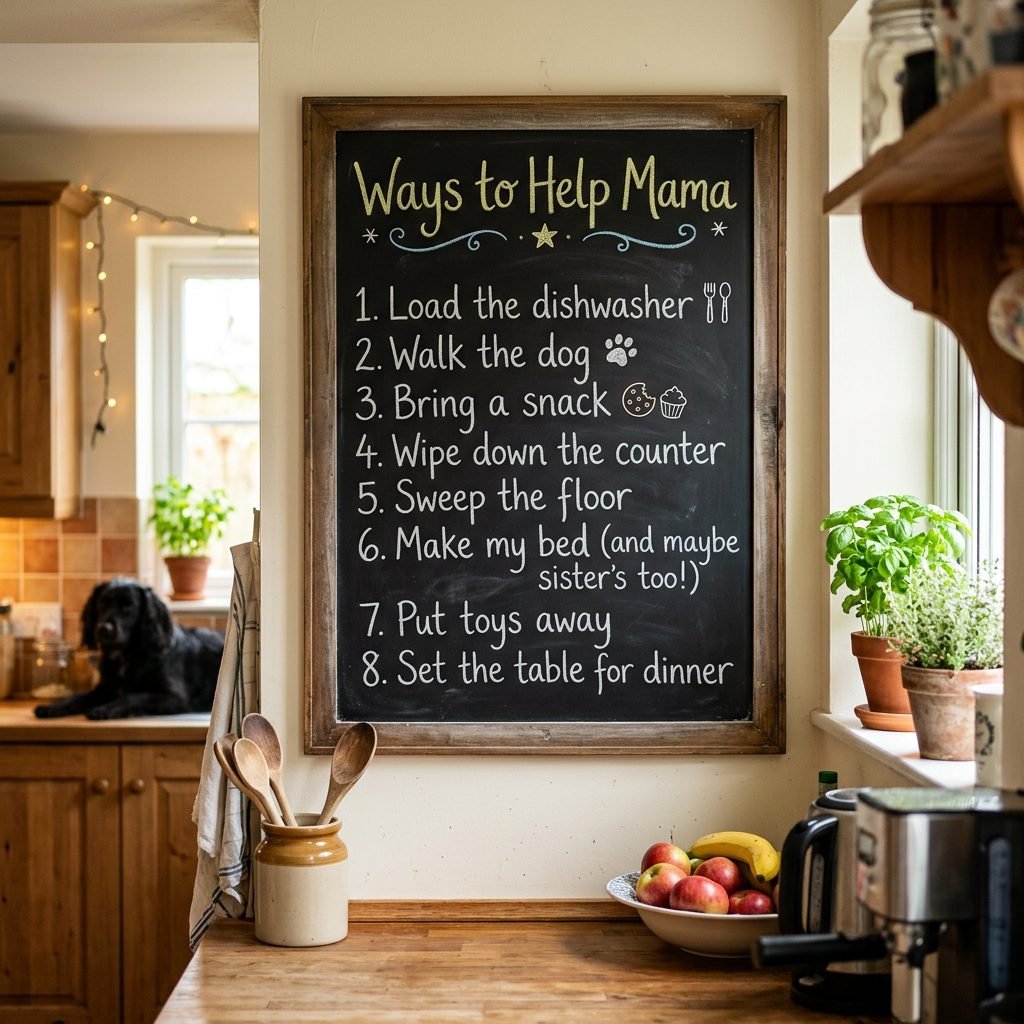
The biggest mistake first-time moms make is trying to play ‘hostess’ when visitors come over. This is the time to be fiercely protective of your energy. If someone asks, ‘How can I help?’, do not say ‘Nothing, I’m fine.’ Instead, have a list ready.
The ‘Visitor’ Rules
- The Door Tax: No one enters the house without bringing a meal, a snack, or a jug of water.
- The Chore Check: Before sitting down to hold the baby, visitors must do one chore: fold a load of laundry, empty the dishwasher, or take the trash out.
- The Time Limit: Keep visits to 30-45 minutes. You need your rest more than they need their ‘baby fix.’
If you can afford it, consider hiring a postpartum doula for the first few weeks. They are trained to care for you—making sure you are fed, hydrated, and emotionally supported while you learn the ropes of newborn care. They are the keepers of the mother, ensuring the mother can be the keeper of the baby.
The Red Flags: When to Call Your Doctor
Safety First for the Healing Mother
While most postpartum recoveries are straightforward, it is crucial to know the warning signs that require immediate medical attention. Your body is communicating with you, and you must listen. Never worry about ‘bothering’ your doctor—that is what they are there for.
- Fever: A temperature of 100.4°F (38°C) or higher could indicate an infection (uterine or at the incision site).
- Excessive Bleeding: If you are soaking through a heavy-duty maternity pad in less than one hour, or passing clots larger than a golf ball.
- Severe Headache: A persistent, worsening headache or vision changes could be a sign of postpartum preeclampsia.
- Leg Pain: Swelling, redness, or heat in one calf could indicate a blood clot (DVT).
- Shortness of Breath: Any difficulty breathing or chest pain requires an immediate call to 911 or a trip to the ER.
Trust your intuition. If something feels ‘off,’ it probably is. You know your body better than anyone else.
Conclusion
You are Doing Beautifully, Mama
The journey of postpartum recovery is not a race; it is a slow, rhythmic unfolding. Some days you will feel like a superhero, and other days you will feel like you’re barely treading water. Both are okay. Remember that it took nine months to grow this miracle, so give yourself at least that long to feel like ‘yourself’ again. Use this checklist as your guide, but always let your own needs take center stage. You are the heart of your home, and by taking care of yourself, you are taking the very best care of your baby. Rest deeply, eat well, and let yourself be loved. You’ve got this, sister.