
The Button-Down Utility Dress: The Ultimate Postpartum Going Home Outfit for Easy Nursing
Welcome to the Fourth Trimester, Mama
Oh, sweet mama, you are standing on the threshold of the most transformative journey of your life. As a doula, I have seen that look in a mother’s eyes many times—the mixture of pure, unadulterated love, exhaustion, and the slight overwhelm of ‘what happens next?’ When you prepare to leave the hospital or birth center, that ‘going home’ outfit isn’t just about a photo op (though you deserve to look and feel beautiful!). It is about functional support, physical comfort, and emotional readiness. Your body has just performed the most incredible marathon, and as you transition into the fourth trimester, your wardrobe needs to be your ally, not your enemy. Enter the hero of the postpartum wardrobe: The Button-Down Utility Dress. This isn’t just a fashion statement; it is a meticulously designed tool for the modern mother. In this guide, we are going to dive deep into why this specific silhouette is the absolute gold standard for your journey home and those first few weeks of newborn bliss. We will talk about the science of skin-to-skin access, the reality of healing bodies, and how to choose a dress that feels like a warm hug during a time of immense change. You’ve got this, and I’m here to make sure you feel as amazing as the miracle you just brought into the world.
You are doing an incredible job. Your body has just performed a miracle, and you deserve to feel comfortable, beautiful, and supported as you transition into this new chapter.
The Magic of the Button-Down: Why Quick Access is a Postpartum Game Changer
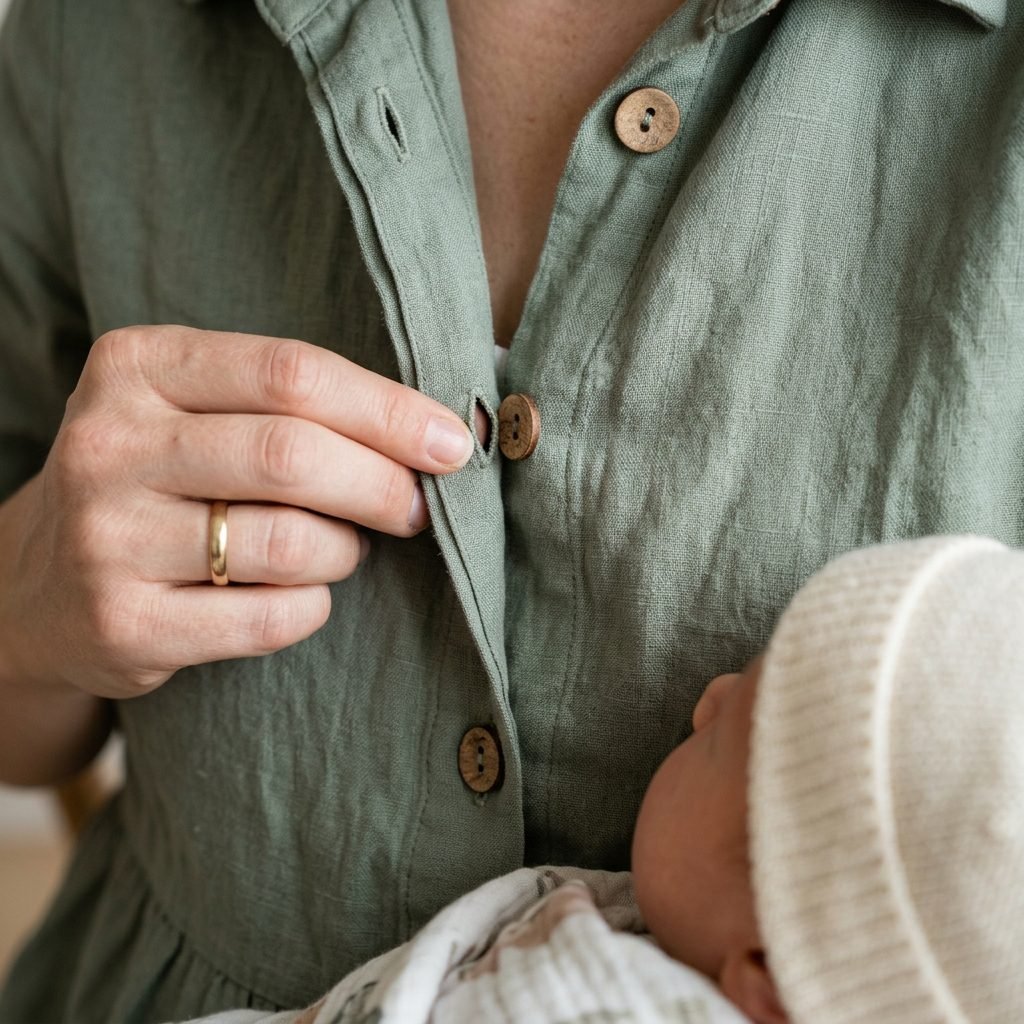
When you are in those first 48 to 72 hours postpartum, your milk is likely starting to come in, your hormones are shifting rapidly, and your baby is learning the rhythm of the breast or bottle. The last thing you want to do is struggle with complicated zippers, tight necklines, or lifting a heavy sweater over your head while balancing a fragile newborn. The button-down utility dress offers a level of nursing accessibility that is unmatched. By simply undoing a few buttons, you have immediate access for breastfeeding or skin-to-skin bonding. This is vital because skin-to-skin contact triggers the release of oxytocin, often called the ‘love hormone,’ which helps with milk let-down and uterine contraction (involution).
One-Handed Functionality
Let’s be real: as a new mom, you will rarely have two hands free. Whether you are holding a sleeping infant, a burp cloth, or a much-needed glass of water, the ability to navigate your clothing with one hand is a superpower. Buttons are tactile and manageable, even when you are sleep-deprived. Unlike nursing ‘flaps’ that can sometimes feel restrictive or medicinal, a button-down front allows you to control exactly how much coverage you want. You can keep it modest or open it wide for a deep latch and maximum connection.
- Speed: No more fumbling when baby is crying for a feed.
- Airflow: Postpartum night sweats are real; buttons allow you to regulate your temperature instantly.
- Longevity: This isn’t a ‘maternity only’ item; it transitions perfectly into your regular wardrobe.
Pockets and Practicality: Why Utility Details Save Your Sanity
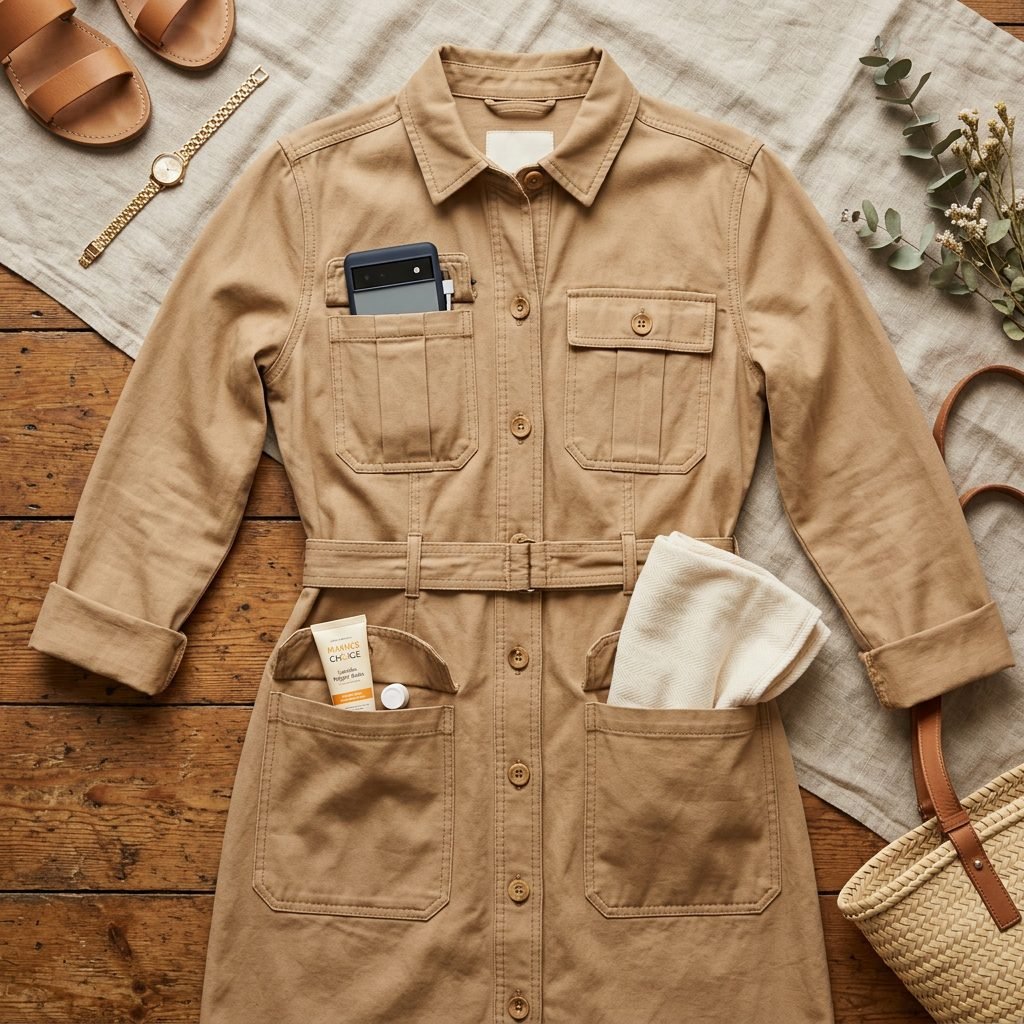
The ‘utility’ in utility dress isn’t just for aesthetics. As a postpartum recovery nurse will tell you, the first few weeks are a game of logistics. You need your phone nearby to track feedings or call your midwife, you need a place for a stray pacifier, and you definitely need a spot for those nursing pads. The multiple pockets found on a utility dress provide a hands-free solution to the ‘new mom juggle.’
The Logistics of the First Week
Imagine you are finally sitting down on the sofa, baby has just latched, and you realize your phone is across the room or your nipple cream is in the other bag. Having deep, functional pockets means your essentials are literally on your person. Look for dresses with chest pockets and deep side pockets. This allows you to keep small items like hair ties, lip balm (hospitals are notoriously drying!), and even a small snack within arm’s reach.
| Pocket Type | What to Store | Why it Matters |
|---|---|---|
| Chest Pockets | Nursing pads, hair ties | Keeps small essentials away from baby’s face but within reach. |
| Deep Side Pockets | Smartphone, burp cloth | Essential for tracking feeds or catching unexpected spit-ups. |
| Interior Pockets | ID or hospital paperwork | Keeps vital documents safe during the discharge process. |
Fabric Science: Choosing Breathable Fibers for the Fourth Trimester

Your postpartum body is going through a massive hormonal shift. As your estrogen and progesterone levels drop, your body works to shed the extra fluid you carried during pregnancy. This often results in postpartum diaphoresis (heavy sweating), especially at night or during nursing sessions. This is why the fabric of your going-home dress is just as important as the style. You want to avoid synthetic fibers like polyester, which trap heat and moisture against your skin.
The Power of Natural Fibers
I always recommend 100% Cotton, Linen, or Tencel (Lyocell) for my clients. Cotton is a powerhouse; it’s breathable, absorbent, and easy to wash—which is crucial when you inevitably deal with diaper leaks or spit-up. Linen is another fantastic choice, especially for summer babies, as it allows for maximum airflow. Tencel is a personal favorite for many moms because it has a silky feel that is incredibly gentle on sensitive skin, and it is naturally moisture-wicking.
- Cotton Poplin: Offers a structured, ‘put-together’ look while remaining cool.
- Linen Blends: Provides the breathability of linen with less wrinkling.
- Jersey Knit Cotton: Provides maximum stretch for those who prefer a softer, pajama-like feel.
Pro Tip: Choose darker colors or busy patterns (like olive, navy, or a small floral) for your going-home outfit. These are much more forgiving when it comes to the inevitable leaks and stains of early motherhood.
Healing in Style: C-Section and Vaginal Birth Recovery Considerations
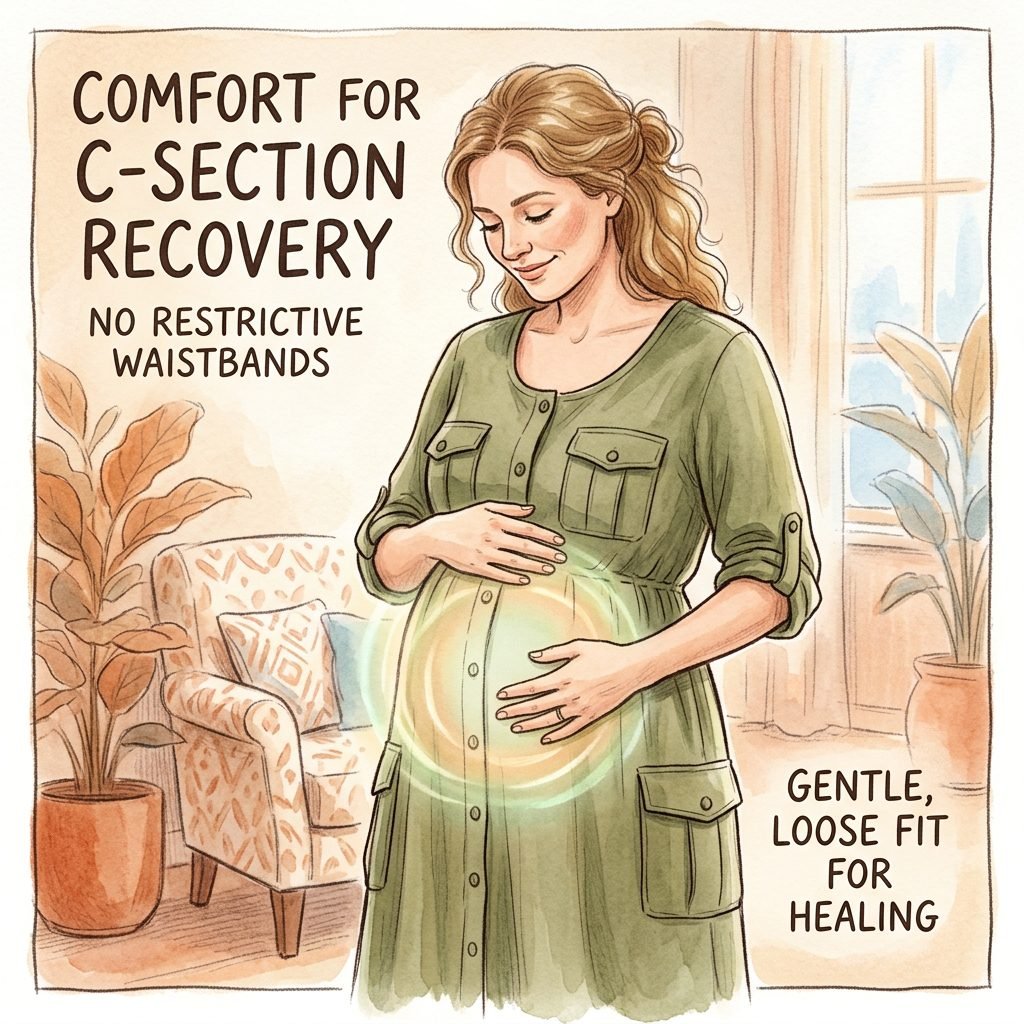
Whether you have a vaginal birth or a Cesarean section, your abdominal area will be sensitive. For C-section mamas, the incision site is usually right at the bikini line, making traditional waistbands or jeans incredibly uncomfortable and even painful. A utility dress with an A-line silhouette or a shift cut is the perfect solution because it skims over the midsection without applying any pressure.
Support Without Compression
While some moms find comfort in light compression high-waisted leggings later on, the first few days are all about low-pressure environments. The utility dress provides a ‘one-and-done’ outfit that doesn’t rub against stitches or sensitive areas. If the dress has a waist tie, you can leave it loose or tie it high above the belly (empire style) to avoid the incision. For those recovering from a vaginal birth, the loose skirt allows for the use of bulky postpartum pads or adult diapers without feeling self-conscious or restricted.
Listen to your body. If something feels tight or irritating, change it. Your comfort is the priority as your tissues begin the hard work of healing.
In the hospital, you’ll likely be wearing mesh panties and large pads. A midi-length utility dress provides the perfect amount of coverage to keep you feeling modest while moving around the hospital halls for those first post-delivery walks.
The Postpartum Capsule Matrix: Styling Your Utility Dress for Every Occasion
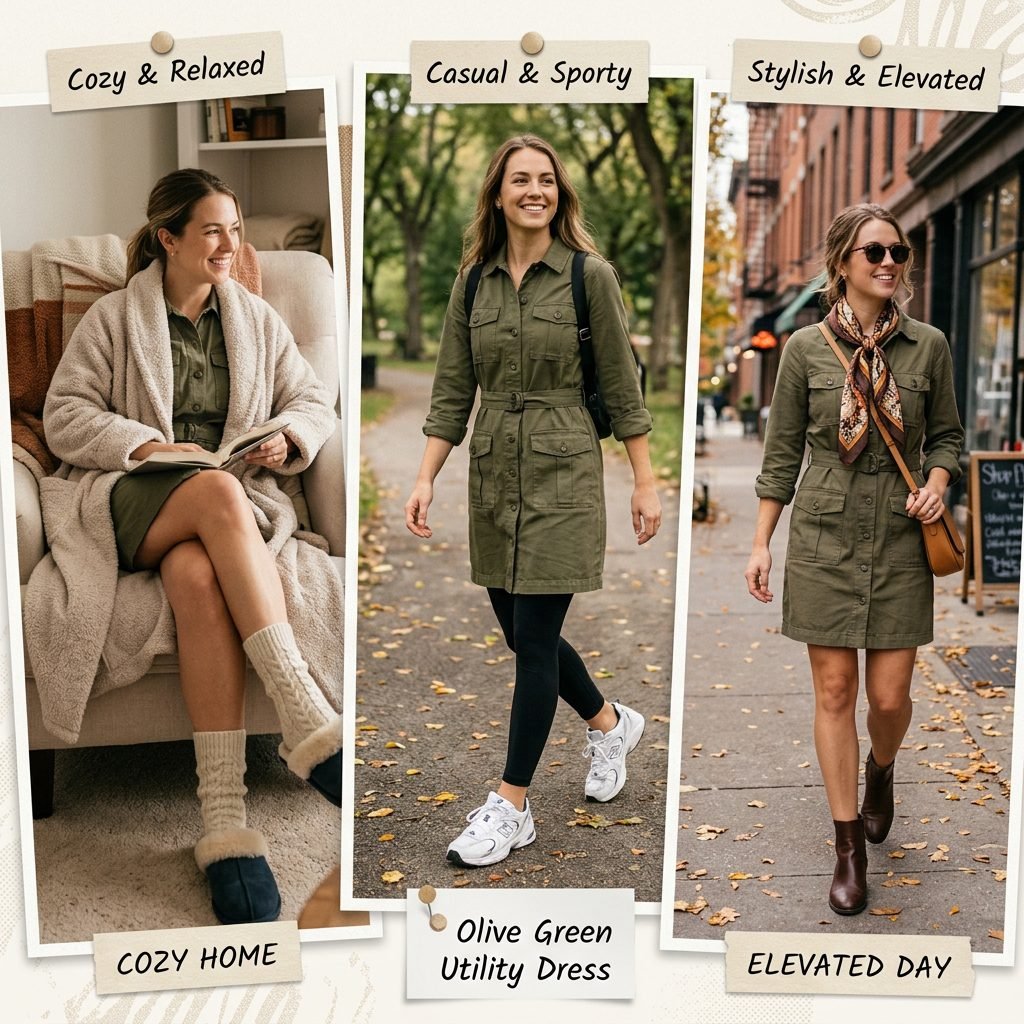
One of the reasons I advocate so strongly for the utility dress is its versatility. You aren’t just buying an outfit for a 20-minute car ride home; you are investing in a piece that will take you through the first six months of motherhood. By swapping out your accessories and layers, you can adapt this single dress to various needs.
The Mix-and-Match Formula
During the first week, you’ll wear it with nothing but a nursing bra and perhaps some cozy socks. By week four, you might pair it with leggings for a trip to the pediatrician. By month three, you can belt it and wear it with boots for your first brunch out with friends. It is the ultimate ‘chameleon’ piece for a changing body.
| Style Pairing | Occasion | Postpartum Benefit |
|---|---|---|
| Dress + Compression Leggings | Pediatrician Visit | Supports the abdominal wall while allowing easy nursing access during weight checks. |
| Dress + Oversized Cardigan | First Home Visitors | Provides a ‘shield’ for night sweats and a cozy layer for nursing. |
| Dress + Support Sneakers | Short Neighborhood Walk | Ensures stability for your changing center of gravity while looking put-together. |
| Dress + Nursing Scarf | Public Outings | Adds an extra layer of privacy for nursing if desired, while the dress provides the base. |
Packing the Hospital Bag: Preparing for the Big Exit
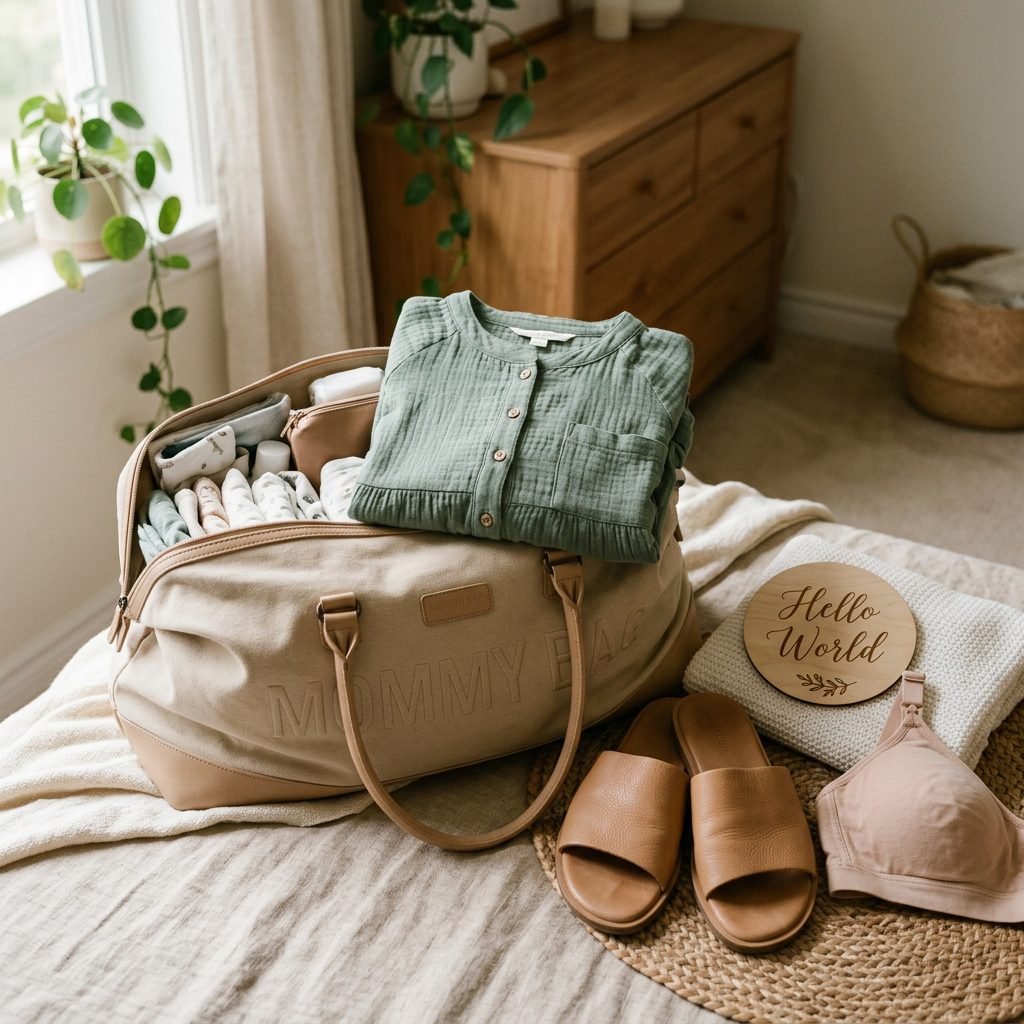
When you are packing your hospital bag around the 36-week mark, the utility dress should be one of the first things you tuck inside. I recommend washing it beforehand in a fragrance-free, baby-safe detergent. Your newborn’s skin is incredibly thin and sensitive, and since they will be snuggled against this fabric during the ride home, you want to ensure it is free from harsh chemicals or strong perfumes.
The Checklist for the Exit
- The Dress: Choose a midi length so you don’t trip while getting into the car.
- Footwear: Pack slip-on shoes or slides. Your feet may be more swollen after delivery than they were during pregnancy due to IV fluids.
- Undergarments: A comfortable, non-underwire nursing bra or camisole to wear underneath.
- Layering: A soft cardigan or denim jacket depending on the season.
Don’t forget that your ‘going home’ photo is a memory you will cherish. The utility dress offers a timeless, classic look that won’t feel dated when you look back at these photos in ten years. It says, ‘I am a mother, I am strong, and I am ready for this adventure.’
A Note on Self-Compassion and the ‘Snap Back’ Myth

As your doula, I want to remind you of something vital: your body will still look about five or six months pregnant when you leave the hospital. This is completely normal and healthy! Your uterus takes about six weeks to return to its pre-pregnancy size. This is why the utility dress is so superior to ‘pre-pregnancy’ clothes. It honors your body exactly as it is in this moment.
Embrace the Transition
The ‘utility’ aspect also represents the transition from being a ‘vessel’ for your baby to being a ‘provider’ for your baby. You are transitioning into a new identity. If you feel a wave of ‘baby blues’ or find yourself crying as you put your dress on, know that it is the hormones, the exhaustion, and the magnitude of the moment. Breathe through it. You are wearing an outfit designed to make your life easier. Let the dress do the work so you can focus on the breathing, the healing, and the bonding.
Conclusion
You Are Ready for the Journey Home
Choosing the right going-home outfit is a small but significant act of self-care. The button-down utility dress checks every box for the postpartum mother: nursing accessibility, C-section safety, breathable comfort, and practical storage. As you buckle your little one into their car seat for the first time and head toward your front door, you deserve to feel empowered and comfortable. Remember, mama, the fourth trimester is a season of grace. Wear the dress, take the photos, smell that sweet baby head, and be gentle with yourself. You have done the incredible, and now, you get to live the beautiful. Welcome home.