A Nutritionist-Approved Pregnancy Meal Plan For Healthy Weight Gain
Welcome to Your Nourishment Journey, Mama
Hello, sweet friend. If you are reading this, you are likely navigating one of the most transformative periods of your life. Your body is doing the incredible work of knitting together a new human being, cell by cell, heartbeat by heartbeat. It is a season of awe, but let’s be honest—it can also be a season of overwhelming advice, especially when it comes to the scale. As your doula and sister in this journey, I want to invite you to take a deep breath. Weight gain during pregnancy isn’t just about numbers; it is about building a home for your little one. It is about blood volume expansion, the growth of the placenta, and the preparation of your body for breastfeeding and recovery.
In this guide, we are moving away from the ‘eating for two’ myth and toward the ‘nourishing for two’ reality. We have collaborated with nutritionists to bring you a meal plan that focuses on high-density nutrients that support your energy and your baby’s brain development, all while honoring the healthy weight gain targets that keep you both safe. We’ll look at the science, the soul, and the snacks (because we definitely need the snacks!). You’ve got this, and I’m right here with you.
Remember, mama: Your body is not a problem to be solved. It is a miracle in progress. Every ounce gained is a testament to the life you are sustaining.
The Science of Growing a Human: Understanding Healthy Weight Gain
How Much Is ‘Just Right’?
One of the first things we discuss in prenatal visits is the target weight gain. It’s important to remember that these are guidelines, not strict rules. Every body is unique, and your pre-pregnancy BMI (Body Mass Index) serves as the starting point for these recommendations. Healthy weight gain ensures that your baby receives enough nutrients to grow while reducing the risk of complications like gestational diabetes or preeclampsia.
Weight gain typically happens slowly in the first trimester (about 1 to 5 pounds total) and then picks up to about 1 pound per week in the second and third trimesters. Here is a breakdown of the generally recommended ranges based on your starting point:
| Pre-Pregnancy BMI | Recommended Total Weight Gain | Weekly Gain (2nd & 3rd Trimester) |
|---|---|---|
| Underweight (BMI < 18.5) | 28–40 lbs | 1.0–1.3 lbs |
| Normal Weight (BMI 18.5–24.9) | 25–35 lbs | 0.8–1.0 lbs |
| Overweight (BMI 25.0–29.9) | 15–25 lbs | 0.5–0.7 lbs |
| Obese (BMI ≥ 30.0) | 11–20 lbs | 0.4–0.6 lbs |
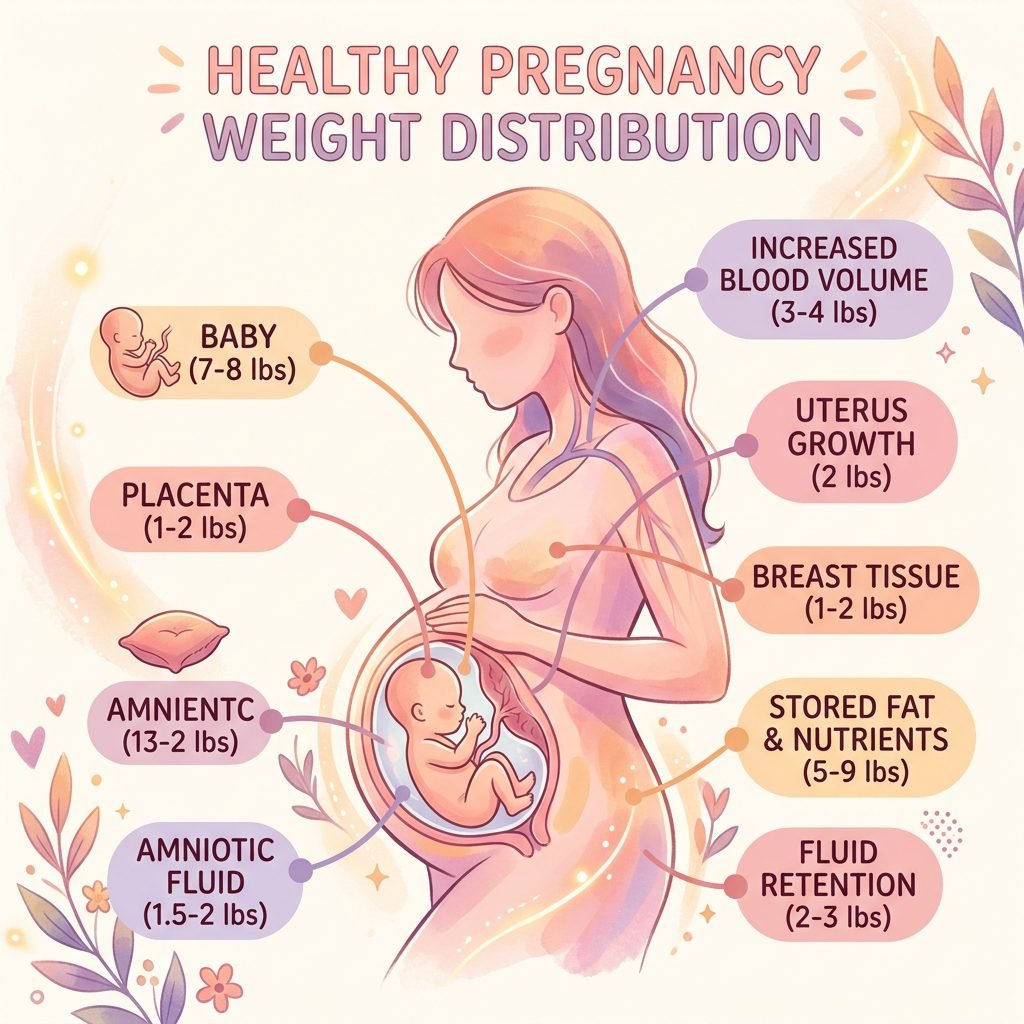
Where Does the Weight Go?
It’s not all ‘baby weight’! If you’re feeling heavy, remember that your body is expanding in many ways. By the end of forty weeks, the weight is distributed roughly like this: 7.5 lbs for the baby, 1.5 lbs for the placenta, 2 lbs for amniotic fluid, 2 lbs for uterine growth, 2 lbs for breast tissue, 4 lbs for increased blood volume, and about 7 lbs of stored fat, protein, and other nutrients needed for breastfeeding.
The Pillars of Prenatal Nutrition: What Your Baby Needs
Focusing on Micronutrients
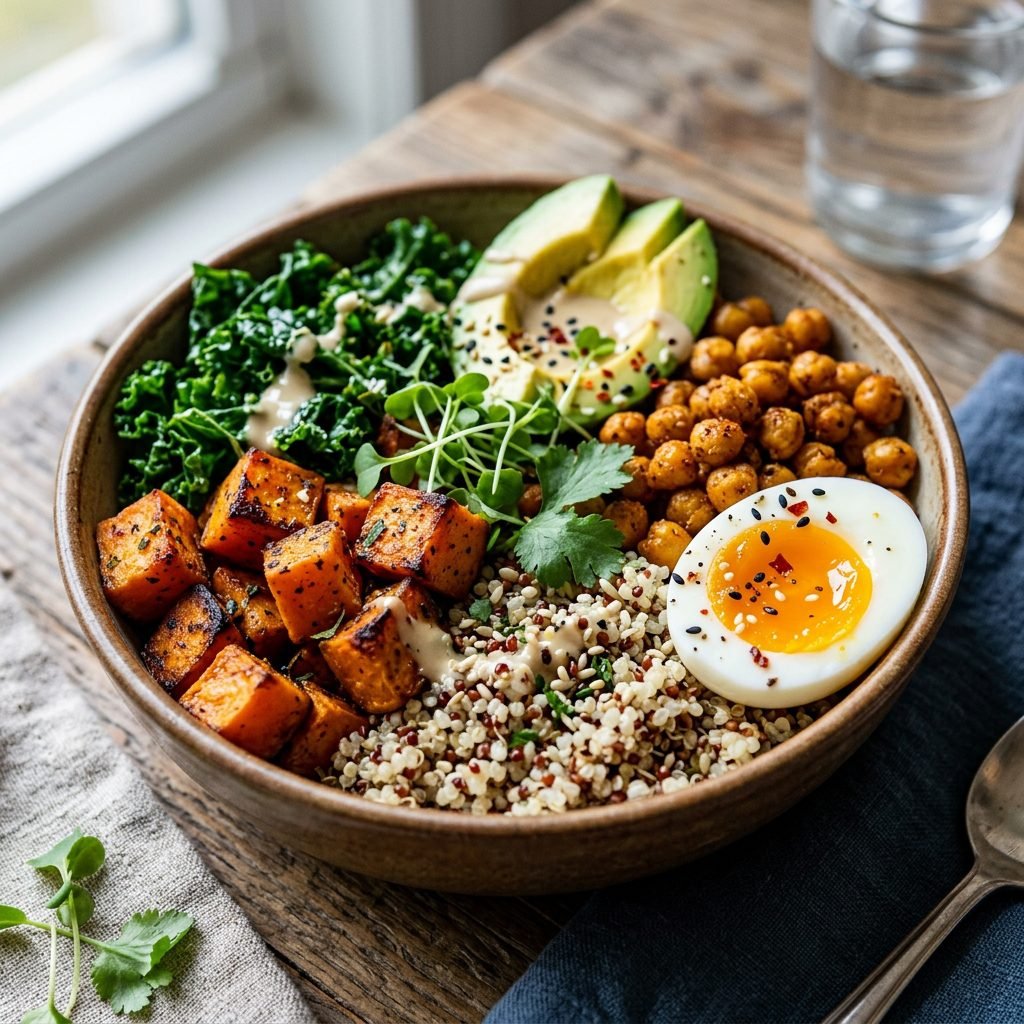
When we talk about a nutritionist-approved plan, we are looking for specific ‘super-nutrients’ that do the heavy lifting during pregnancy. It isn’t just about calories; it’s about the quality of those calories. Here are the big four you should focus on:
- Folate (Vitamin B9): Crucial for neural tube development. Found in leafy greens, citrus, and beans.
- Iron: Your blood volume increases by nearly 50% during pregnancy. Iron prevents anemia and keeps you from feeling like a zombie. Look to lean meats, lentils, and spinach.
- Calcium & Vitamin D: For your baby’s bones and your own bone density. Think yogurt, fortified plant milks, and sardines.
- DHA (Omega-3): This is ‘brain food’ for your little sprout. Wild-caught salmon, walnuts, and chia seeds are excellent sources.
The ‘Safe vs. Avoid’ Guide
Navigating the grocery store can feel like a minefield. Use this table as your quick-reference guide to keep your plate safe and nutritious.
| Nutrient Category | Safe & Encouraged | Avoid or Limit |
|---|---|---|
| Proteins | Cooked chicken, lentils, fully cooked eggs, pasteurized tofu. | Raw sushi, deli meats (unless heated steaming hot), raw sprouts. |
| Dairy | Pasteurized milk, hard cheeses (Cheddar, Swiss), Greek yogurt. | Unpasteurized (raw) milk, soft cheeses like Brie or Feta (unless pasteurized). |
| Fish | Salmon, shrimp, canned light tuna, pollock. | High-mercury fish: Shark, Swordfish, King Mackerel, Tilefish. |
| Beverages | Water, herbal teas (ginger, raspberry leaf), 1 cup of coffee. | Alcohol, excessive caffeine (keep under 200mg/day), unpasteurized juice. |
The 7-Day Nutritionist-Approved Meal Plan
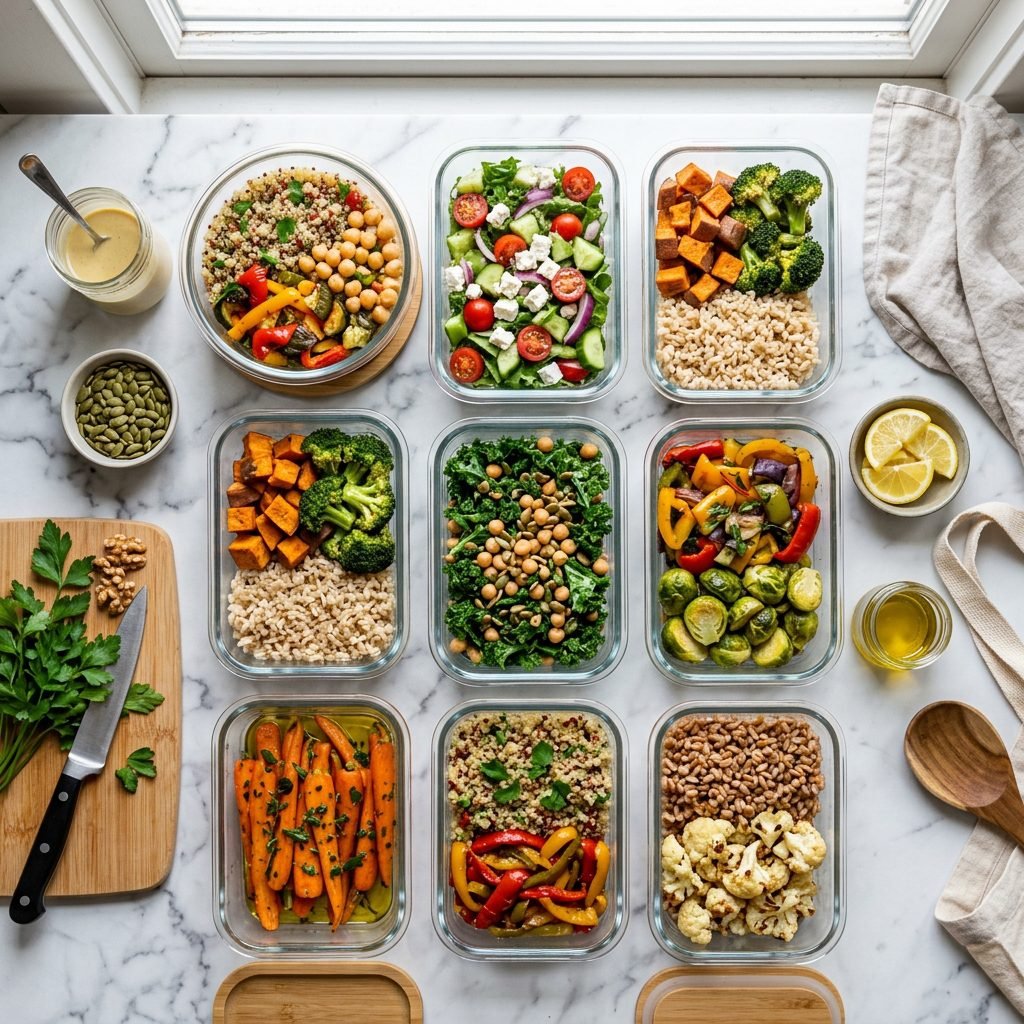
A Week of Nourishment
This plan is designed to provide approximately 2,200 to 2,500 calories per day, which is the sweet spot for many mamas in their second and third trimesters. If you are in your first trimester and struggling with nausea, don’t force it—eat what stays down and return to this when you feel stronger.
| Day | Breakfast | Lunch | Dinner | Snacks |
|---|---|---|---|---|
| Monday | Greek yogurt with walnuts, chia seeds, and berries. | Quinoa salad with chickpeas, cucumbers, and lemon-tahini dressing. | Baked salmon with roasted asparagus and brown rice. | Apple slices with almond butter. |
| Tuesday | Scrambled eggs (2) with spinach and whole-grain toast. | Turkey and avocado wrap (heat turkey to steaming) on whole wheat. | Lentil soup with a side of kale salad and sunflower seeds. | Cottage cheese with pineapple chunks. |
| Wednesday | Overnight oats with flaxseed, milk, and sliced bananas. | Grilled chicken breast over a large mixed green salad with vinaigrette. | Beef or tofu stir-fry with broccoli, bell peppers, and snap peas. | A handful of walnuts and 2 dried figs. |
| Thursday | Whole-grain pancakes topped with almond butter and strawberries. | Baked sweet potato stuffed with black beans, avocado, and salsa. | Whole-wheat pasta with marinara and lean turkey meatballs. | Hummus with carrot and celery sticks. |
| Friday | Smoothie: Spinach, frozen mango, protein powder, and coconut water. | Tuna salad (canned light) on a bed of spinach with whole-grain crackers. | Roasted chicken thighs with quinoa and sautéed zucchini. | Hard-boiled egg and an orange. |
| Saturday | Avocado toast on sourdough with a poached egg and hemp seeds. | Vegetable frittata with a side of whole-grain toast. | Ground beef or lentil tacos with cabbage slaw and lime. | Greek yogurt with a drizzle of honey. |
| Sunday | Berry and spinach omelet (or savory) with a side of melon. | Leftover tacos or stir-fry for an easy prep day. | Baked cod with sweet potato mash and steamed green beans. | Smoothie or a small piece of dark chocolate and nuts. |
Doula Tip: Prep for Success
I always tell my clients: ‘Future You’ will thank you if you do a little bit of prep on Sunday. Wash your greens, hard-boil a few eggs, and cook a big batch of a grain like quinoa or brown rice. When the pregnancy fatigue hits at 5:00 PM on a Tuesday, you’ll be so glad you have healthy options ready to grab.
Managing Cravings, Aversions, and Morning Sickness

When Food Doesn’t Sound Good
Let’s be real: sometimes the most ‘nutritionist-approved’ meal in the world sounds absolutely repulsive. If you are dealing with ‘lightning crotch,’ nausea, or a sudden hatred for broccoli, you aren’t failing. You are just pregnant.
Strategies for Aversions
- The Cold Food Trick: Hot foods often have stronger aromas that trigger nausea. Try cold sandwiches, salads, or smoothies instead.
- Hide the Greens: If you can’t stand the sight of kale, blend it into a fruit smoothie with blueberries. The color will be dark, but the taste will be all fruit!
- The 15-Minute Rule: If you’re feeling overwhelmed, tell yourself you only have to eat for 15 minutes. Often, once you start, the blood sugar stabilizes and you feel better.
Affirmation: I listen to my body’s cues. If I need rest, I rest. If I need a simple cracker, I eat a simple cracker. I am doing my best.
Healthy Swaps for Common Cravings
Cravings are often your body’s way of asking for a specific nutrient. If you’re craving something salty, you might need more minerals or hydration. If you’re craving sweets, your blood sugar might be dipping.
| If You Crave… | Try This Healthier Swap | Why It Works |
|---|---|---|
| Potato Chips | Lightly salted popcorn or roasted chickpeas. | Provides fiber and protein while satisfying the crunch. |
| Ice Cream | Frozen Greek yogurt with berries. | Higher protein and calcium with less refined sugar. |
| Candy/Sweets | Dates stuffed with peanut butter. | Natural sugars with fiber to prevent a sugar crash. |
| Soda | Sparkling water with a splash of pomegranate juice. | Hydrating without the excessive sugar or caffeine. |
Hydration and Digestive Health: The Unsung Heroes
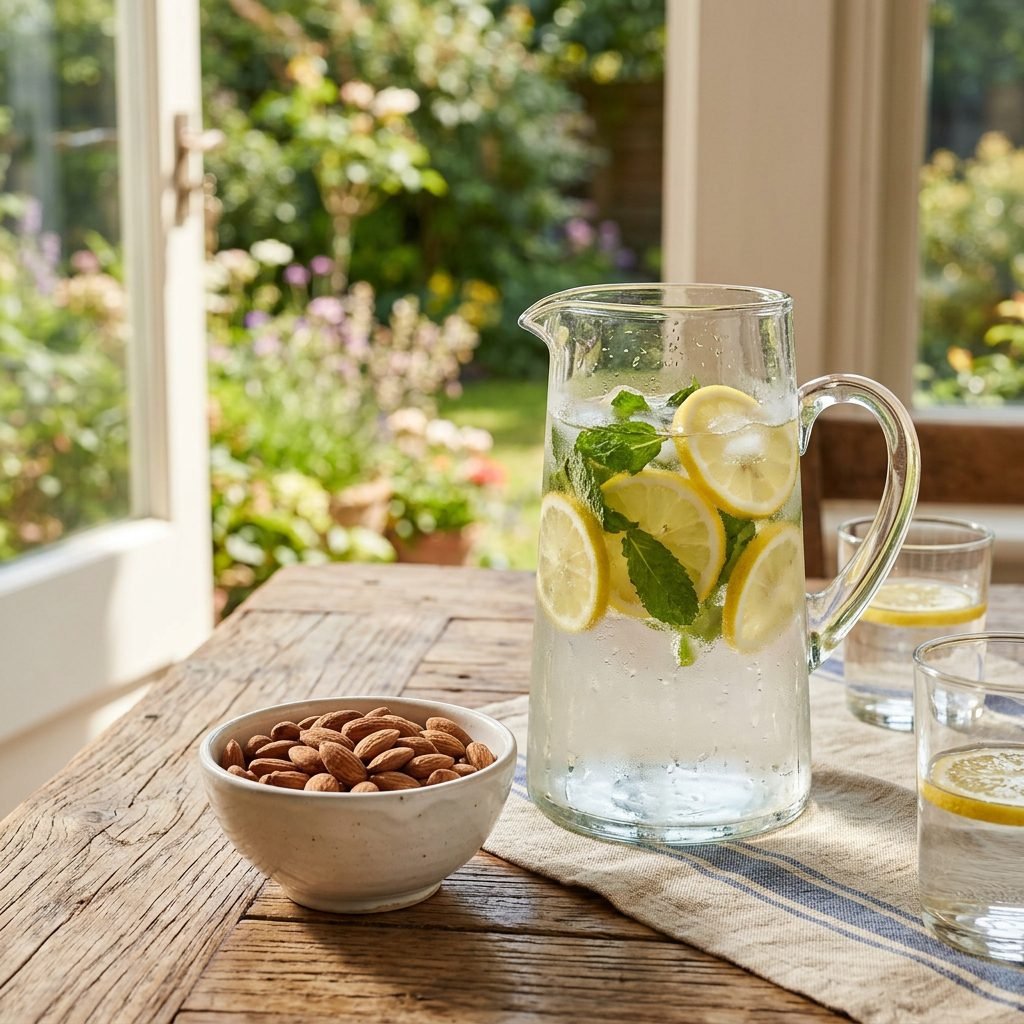
Water: Your Best Friend
Hydration is critical for maintaining your amniotic fluid levels and supporting your increased blood volume. Aim for 8 to 12 cups of water a day. If plain water is boring, try infusing it with cucumber, mint, or lemon.
Managing the ‘Pregnancy Slowdown’
Progesterone is a wonderful hormone that keeps your pregnancy safe, but it also slows down your digestive tract, leading to the dreaded pregnancy constipation. To keep things moving:
- Increase Fiber: Aim for 25–30 grams of fiber daily through beans, whole grains, and fruits.
- Move Your Body: A gentle 20-minute walk can stimulate digestion.
- Magnesium-Rich Foods: Pumpkin seeds, almonds, and spinach can help relax the digestive muscles.
If you find that your weight gain is lagging, focus on ‘healthy fats.’ Adding half an avocado to your lunch or a tablespoon of olive oil to your veggies can add 200–300 calories of high-quality fuel without making you feel overly full.
The Fourth Trimester: Eating for Recovery

Looking Ahead
While this plan focuses on your pregnancy, the habits you build now will carry you through the postpartum period. Your body will need even more calories (about 500 extra) if you choose to breastfeed. Postpartum recovery is an athletic event, and your nutrition is your training fuel.
The Postpartum Pantry Essentials
- Oats: Known to support milk supply and provide steady energy.
- Bone Broth: Rich in collagen to help heal tissues and easy on a tired digestive system.
- Warm Foods: In many cultures, the first 40 days postpartum focus on warm, soft foods like stews and congees to support healing.
Don’t be afraid to ask for help. When people ask, ‘What can I bring you?’, send them a link to a recipe from this plan. People love to help, and feeding a new mother is one of the oldest traditions we have.
Conclusion
You Are Doing a Beautiful Job
Nourishing your body during pregnancy is an act of love. Some days you will eat the perfect balance of macronutrients, and other days you will eat toasted bagels for three meals straight because that’s all you can manage. Both days are okay. The goal of this nutritionist-approved plan isn’t perfection; it’s to provide you with a roadmap that makes healthy weight gain feel achievable and delicious.
Trust your instincts, listen to your body, and remember that you are already the best mother for your baby. You are strong, you are capable, and you are providing everything your little one needs to thrive. Keep nourishing that beautiful soul of yours, mama.