
The Best Belly Bands For Plus Size Moms (No Rolling Down)
Welcome Home, Mama!
If you are reading this, chances are you’ve already experienced the ‘Great Roll-Down’ of 2024. You know the one—you’re walking through the grocery store, feeling like a goddess, when suddenly your belly band decides it would rather be a belt, or worse, a rolled-up hula hoop around your hips. As a doula and a fellow sister in this journey, I want you to know: it is not your body’s fault. Our beautiful, plus-size curves deserve support that actually works with us, not against us. A belly band shouldn’t just be an accessory; it should be your secret weapon for comfort, posture, and confidence.
In this guide, we are going deep into the world of maternity support designed specifically for our bodies. We’ll talk about why the roll-down happens, what features are non-negotiable for plus-size comfort, and how to style these pieces so you feel as amazing as you look. Whether you’re dealing with round ligament pain, back aches, or just want to bridge the gap between your favorite pre-pregnancy jeans and your growing bump, I’ve got you covered. Let’s find you that perfect fit that stays exactly where it belongs.
“Your body is doing the most incredible work right now. You deserve to feel supported, held, and comfortable every single step of the way.”
The Physics of the Plus-Size Bump: Why Support Matters
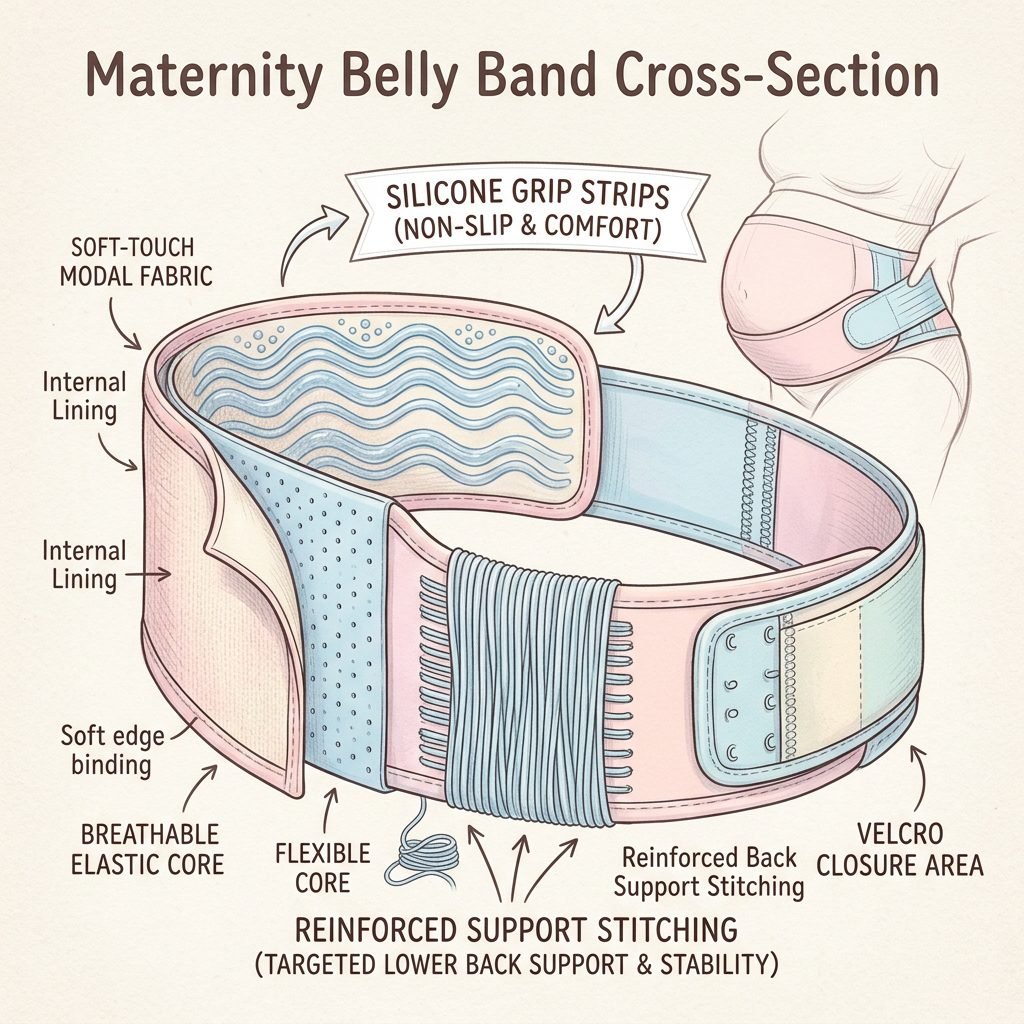
Being a plus-size mama-to-be often means our bumps carry weight a little differently. We might have a ‘B-belly’ shape, or our weight might be distributed more toward our hips and lower abdomen. This is beautiful, but it does change the center of gravity significantly. As your baby grows, the strain on your lower back and pelvic floor increases. This is where a high-quality belly band comes in to save the day.
Relieving the Strain
A good band acts like an extra set of hands, gently lifting the weight of the bump to take the pressure off your bladder and pelvic floor. It also helps stabilize the sacroiliac (SI) joints, which can become quite loose during pregnancy due to the hormone relaxin. For my plus-size sisters, this stabilization is key to preventing that ‘waddle’ that eventually leads to hip pain.
The ‘No-Roll’ Science
Why do most bands roll? Usually, it’s a combination of thin fabric and a lack of ‘grip.’ When a band is too narrow, it gets caught in the natural crease of our waist or hips. To combat this, we look for wider bands with silicone stay-put strips. These strips are the ‘secret sauce’ that keeps everything in place while you move, sit, and breathe.
| Feature | Why It Matters for Plus Sizes |
|---|---|
| Width | Distributes pressure evenly and prevents the band from cutting into the skin. |
| Silicone Strips | Provides a gentle grip against the skin or clothing to prevent sliding. |
| Fabric Blend | High elastane content ensures the band stretches without losing its shape over time. |
| Compression Level | Targeted compression helps with back support without feeling restrictive. |
The ‘No-Roll’ Checklist: What to Look For Before You Buy
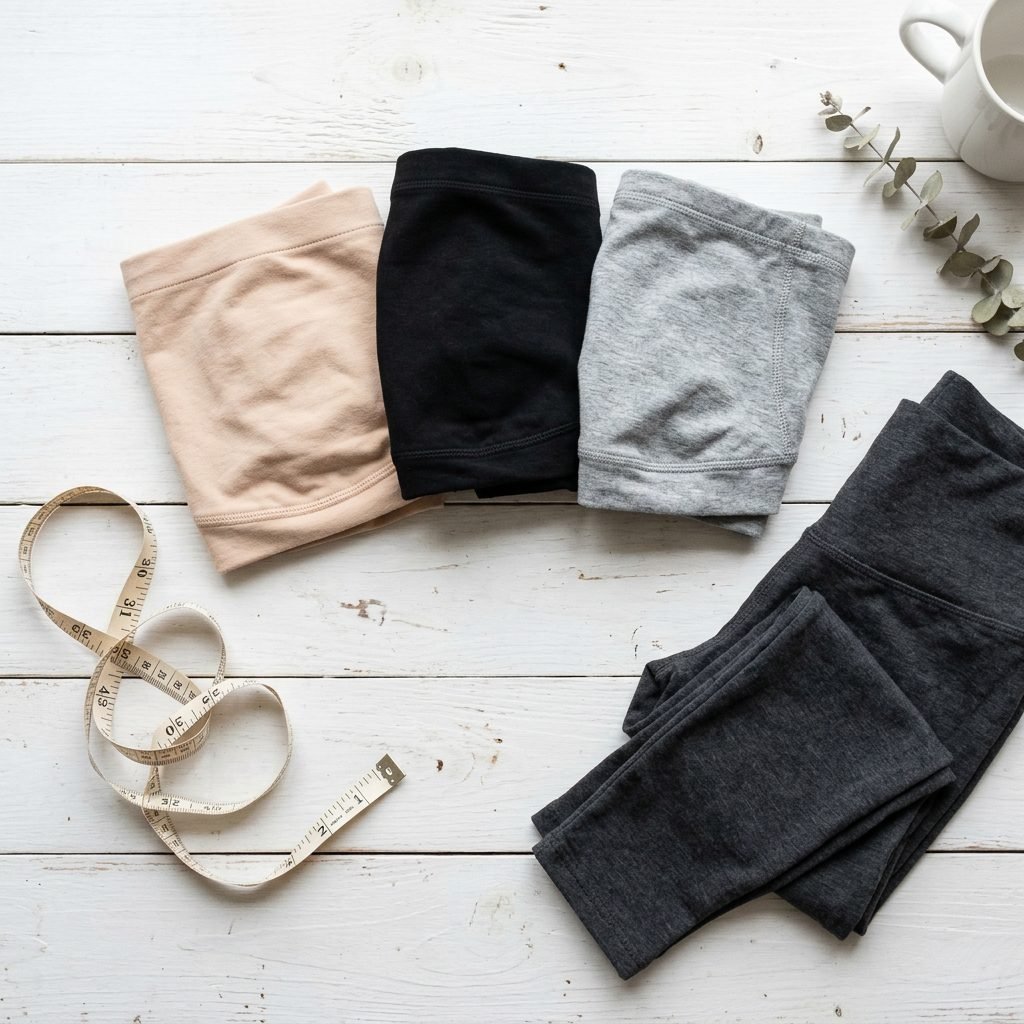
I’ve spent years helping moms pick out their maternity wardrobes, and I’ve seen it all. When you’re shopping for a belly band as a plus-size woman, you cannot simply go by the ‘S/M/L’ labels. You need to look at the construction. Here is my doula-approved checklist for finding a band that won’t let you down (literally).
- Look for ‘Full Coverage’ Designs: Avoid the thin, belt-like bands unless you are specifically looking for medical-grade SI support. For daily wear, a wider band that covers from the pubic bone to above the navel is best.
- Check the Material: You want a blend of Nylon and Spandex (or Elastane). Look for at least 15-20% Spandex for that ‘hug’ feeling that doesn’t sag by noon.
- Seamless Construction: Seams are the enemy of plus-size comfort. They can chafe or create visible lines under your clothes. Seek out seamless knits that transition smoothly over your curves.
- Size Inclusivity: If a brand stops at 2XL, they might not truly understand plus-size proportions. Look for brands that offer 3XL to 5XL and provide specific measurements for hip and waist circumferences.
“Pro-Tip: Always measure your hips at their widest point, not just your belly. This ensures the band has enough room to anchor itself without squeezing you too tight at the bottom.”
Top Recommendations: The Best Bands for Our Curves

Not all bands are created equal! Depending on your daily activity level, you might need something different. Here is a breakdown of the best types of bands for plus-size moms, categorized by their ‘superpower.’
1. The ‘Daily Hug’ Band
This is your everyday essential. It’s light enough to wear all day but strong enough to keep your pants up. Look for brands like Ingrid & Isabel (The Bellaband) or Baobei. These are famous for their stay-put silicone strips. They are perfect for bridging the gap when your pre-pregnancy jeans won’t button anymore.
2. The Heavy-Duty Support Band
If you are struggling with severe back pain or SPD (Symphysis Pubis Dysfunction), you need a band with more structure. These often have adjustable Velcro straps. While they are bulkier, they provide a level of ‘lift’ that seamless bands can’t match. NeoTech Care and FitSplint offer excellent plus-size options that focus on medical-grade support.
3. The Smoothing Fashion Band
Sometimes you just want to smooth things out under a bodycon maternity dress. These bands are usually thinner and focus more on aesthetics than physical support. They are great for photo shoots or special events where you want a streamlined silhouette.
| Activity Level | Recommended Type | Best Feature |
|---|---|---|
| Low (Lounging/Errands) | Seamless Knit Band | Ultra-comfort and soft stretch. |
| Medium (Work/Walking) | Silicone-Grip Band | Stays in place during movement. |
| High (Exercise/Pain Relief) | Adjustable Velcro Support | Maximum lift and stabilization. |
Styling Your Bump: The Capsule Wardrobe Matrix
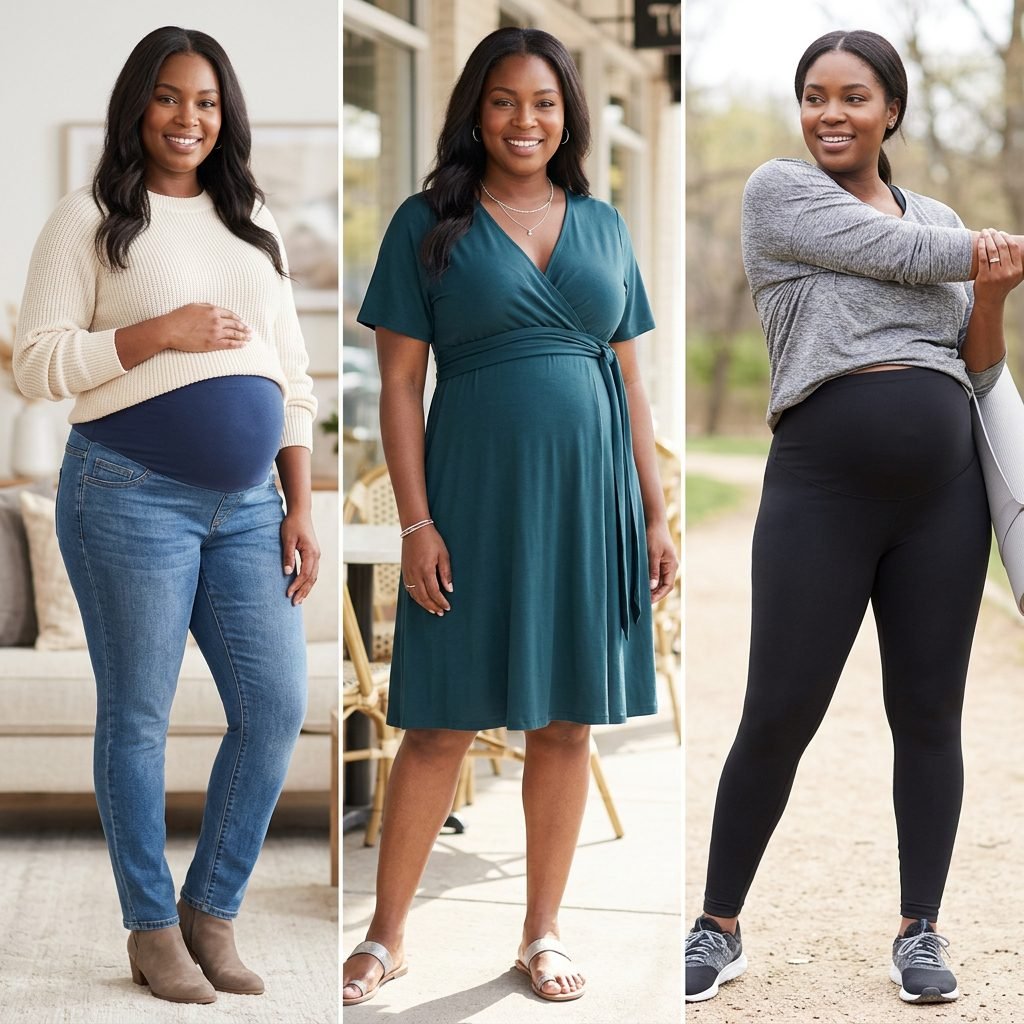
Let’s talk style, mama! You don’t have to hide under oversized tunics just because you’re plus-size and pregnant. A belly band is actually a styling tool that unlocks so many outfit possibilities. It allows you to wear your ‘normal’ tops longer and keeps your maternity leggings from sagging at the crotch (we’ve all been there!).
The ‘Jean Bridge’ Formula
Take your favorite pre-pregnancy jeans, leave them unzipped, and fold the belly band over the waistband. This creates a smooth transition and holds the denim in place. Pair this with a cute graphic tee or a soft cardigan for an effortless look.
The ‘Legging Anchor’
Maternity leggings can sometimes slide down as the day goes on. Wearing a thin belly band *over* your leggings but *under* your shirt acts as an anchor, keeping the leggings high on your waist and preventing that annoying sagging.
| Outfit Component | How to Use the Band | The Result |
|---|---|---|
| Pre-Pregnancy Jeans | Folded over the unzipped fly. | Saves money on new clothes! |
| Maternity Leggings | Worn over the waistband. | No more ‘saggy crotch’ syndrome. |
| Bodycon Dresses | Worn underneath as a base layer. | A smooth, confident silhouette. |
| Flowy Skirts | Tucked into the top of the band. | Keeps the skirt from sliding down. |
Postpartum Recovery: The Gentle Transition
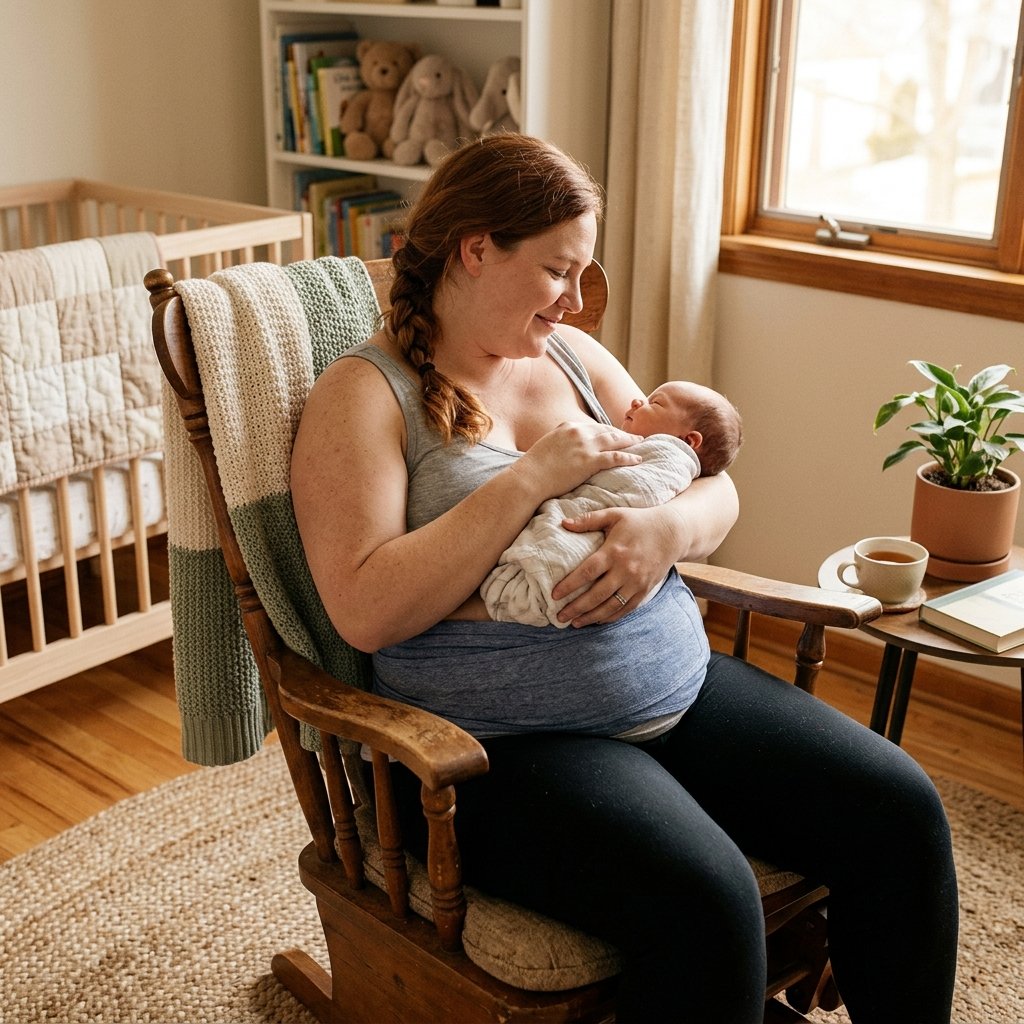
Your belly band’s job isn’t over once baby arrives! In the ‘fourth trimester,’ your body goes through a massive shift. Your organs are moving back into place, and your abdominal muscles (the transverse abdominals) need a little help feeling ‘held.’
The ‘Holding It Together’ Feeling
Many moms feel a sense of ’emptiness’ or instability in their midsection after birth. A gentle belly band provides light compression that can make moving around much more comfortable, especially if you’ve had a C-section. It protects the incision and reduces the ‘jiggle’ that can be painful during those first few weeks of healing.
You Are Not Alone
Postpartum is a vulnerable time. Please remember that your body just ran a marathon that lasted nine months. If you feel like you’re ‘falling apart’ physically, it is normal. Using a support band is a form of self-care. It’s not about ‘snapping back’—it’s about feeling safe and supported while you heal.
“Be as gentle with yourself as you are with your new baby. Your recovery matters just as much as their growth.”
Pro-Tips for Care: Making Your Band Last
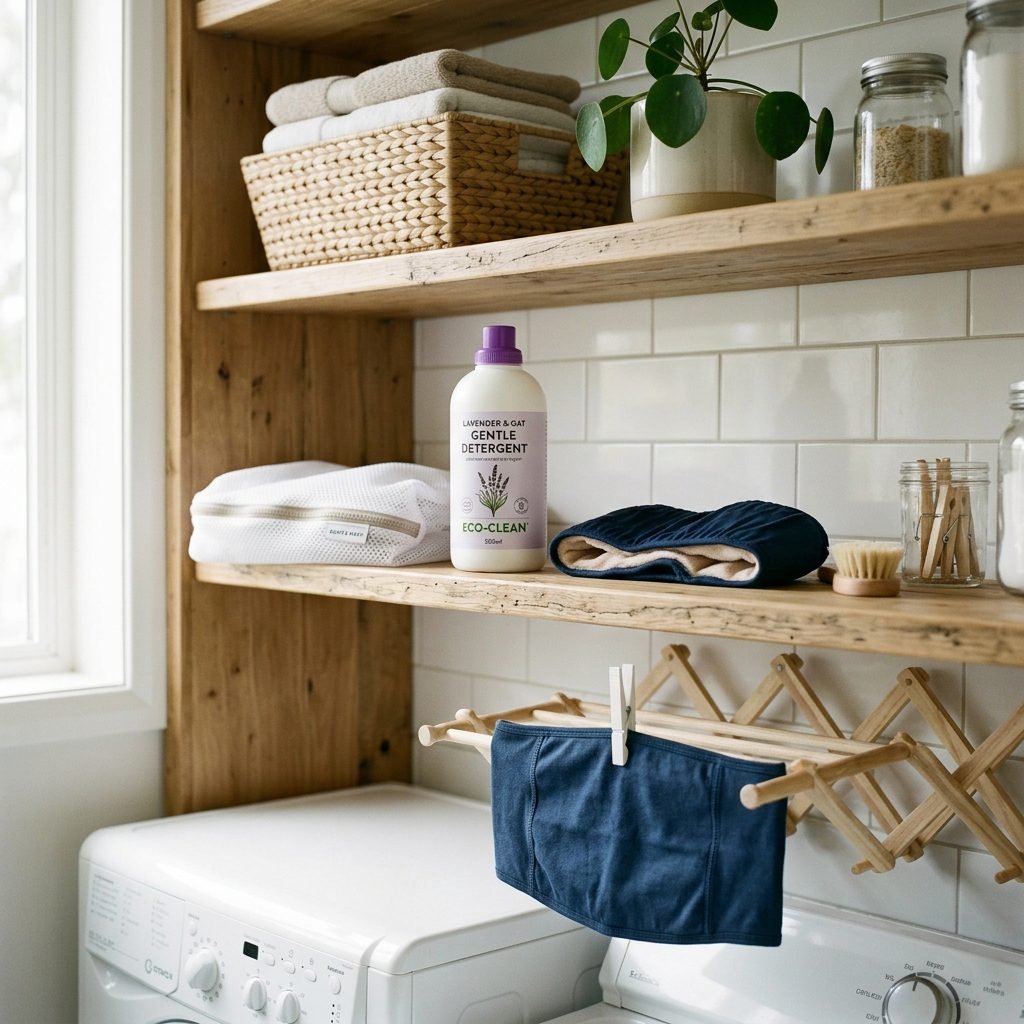
Since a good plus-size belly band is an investment, you want to make sure it lasts through your entire pregnancy (and maybe the next one!). Here are my top care tips:
- Wash in a Mesh Bag: To prevent the silicone strips from picking up lint or getting damaged by other clothes, always use a delicate laundry bag.
- Air Dry Only: Heat is the enemy of elastic. Never put your belly bands in the dryer. Hang them to dry to preserve that ‘snap-back’ stretch.
- Clean the Silicone: If the silicone strips stop being ‘sticky,’ wipe them down with a little rubbing alcohol or warm soapy water to remove skin oils and lotions.
- Rotate Your Bands: Just like a good bra, your belly band needs a ‘rest’ day to let the fibers recover their shape. Having two bands—one to wear and one to wash—is the ideal setup.
Conclusion
You’ve Got This, Mama!
Finding the right belly band is about more than just fashion—it’s about honoring your body’s needs and giving yourself the grace to move through pregnancy with less pain and more joy. For my plus-size sisters, the right fit is out there. Don’t settle for bands that roll, pinch, or make you feel anything less than the incredible woman you are. Invest in quality, look for those silicone strips, and remember that your comfort is a priority.
As you continue this journey, keep listening to your body. If a band feels too tight, take it off. If you need more support, ask for it. You are doing a wonderful job, and I am so proud of you. Now, go put on that supportive band and take on the day with confidence!