The Gradual Fading Sleep Method: How to Help Your Baby Fall Asleep Independently
Welcome to the Gentle Path of Sleep
Oh, mama, I see you. I see the heavy eyelids, the fourth cup of lukewarm coffee, and the deep, soul-aching love you have for that beautiful little human who just… won’t… sleep. If you are reading this in the quiet hours of the night or during a frantic naptime search, know that you are doing an incredible job. Sleep is not just a luxury; it is the foundation of your recovery, your mental health, and your ability to show up as the mother you want to be. As a doula and sleep consultant, I have sat in those dark rooms with many families, and I want to tell you: there is a middle ground between the ‘cry-it-out’ methods and the ‘I-will-rock-you-until-college’ reality.
The Gradual Fading Sleep Method (often called the ‘Chair Method’ or ‘Parental Presence’) is a beautiful, empathetic way to teach your baby the skill of independent sleep. It is about slowly, lovingly reducing your level of intervention as your baby gains confidence in their own ability to drift off. We aren’t leaving them to figure it out alone; we are holding their hand—literally, then figuratively—as they cross the bridge to dreamland. In this guide, we will walk through the science of sleep associations, the physical setup of a sleep-inducing sanctuary, and a step-by-step plan to reclaim your evenings while keeping your baby’s heart full and secure.
The Science of Sleep Associations: Why We Fade
Before we dive into the ‘how,’ we need to understand the ‘why.’ Every human, from newborns to grandmothers, has sleep associations. These are the conditions we require to fall asleep. For you, it might be a specific pillow or a cool room. For your baby, it is often something external: a breast, a bottle, a rocking motion, or the warmth of your chest.
Understanding Sleep Cycles
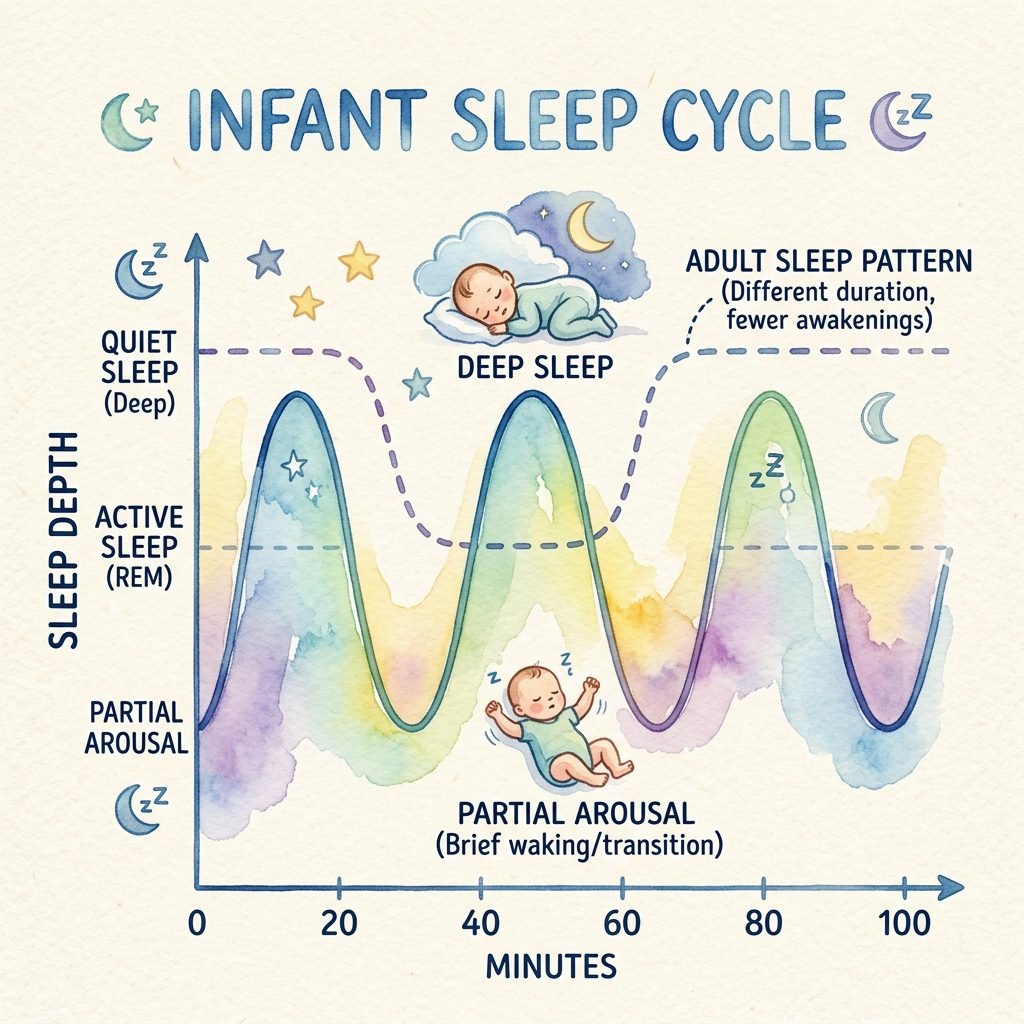
Babies have much shorter sleep cycles than adults, typically lasting 40 to 50 minutes. When they transition from one cycle to the next, they enter a ‘partial arousal’ state. If they fell asleep in your arms and wake up in a crib, it’s like you falling asleep in your bed and waking up on the front lawn—you’d be startled and cry for help! The Fading Method works by ensuring the environment they fall asleep in is the exact same one they wake up in.
| Type of Association | Description | Impact on Sleep |
|---|---|---|
| Parent-Dependent | Rocking, feeding to sleep, holding. | Requires parent intervention every 45 minutes. |
| Environmental | White noise, dark room, sleep sack. | Sustainable and helps baby bridge sleep cycles. |
| Self-Soothing | Hand-sucking, rubbing the mattress, humming. | The ultimate goal of the Fading Method. |
Your baby isn’t being difficult; they are simply reacting to a change in their environment. Our goal is to make their ‘falling asleep’ environment identical to their ‘waking up’ environment.
Creating the Ultimate Sleep Sanctuary: The Doula’s Checklist
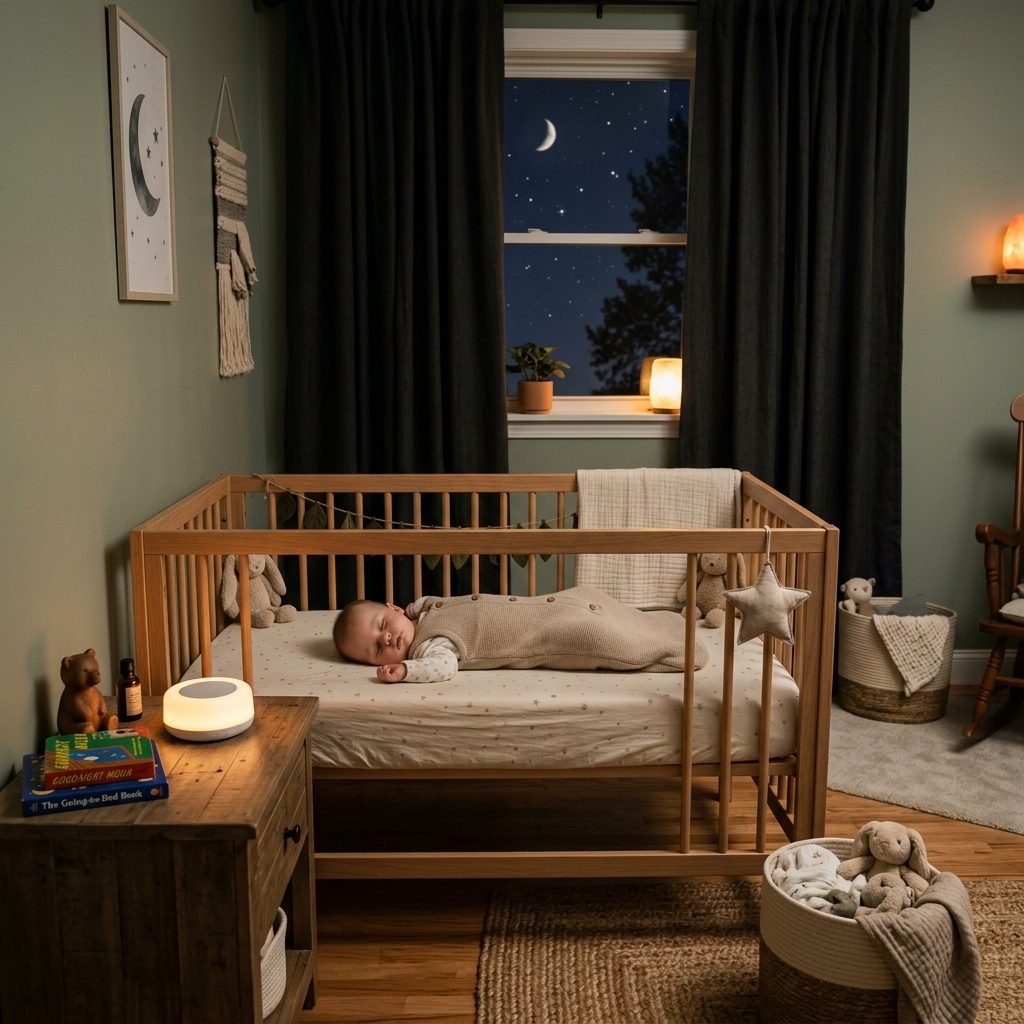
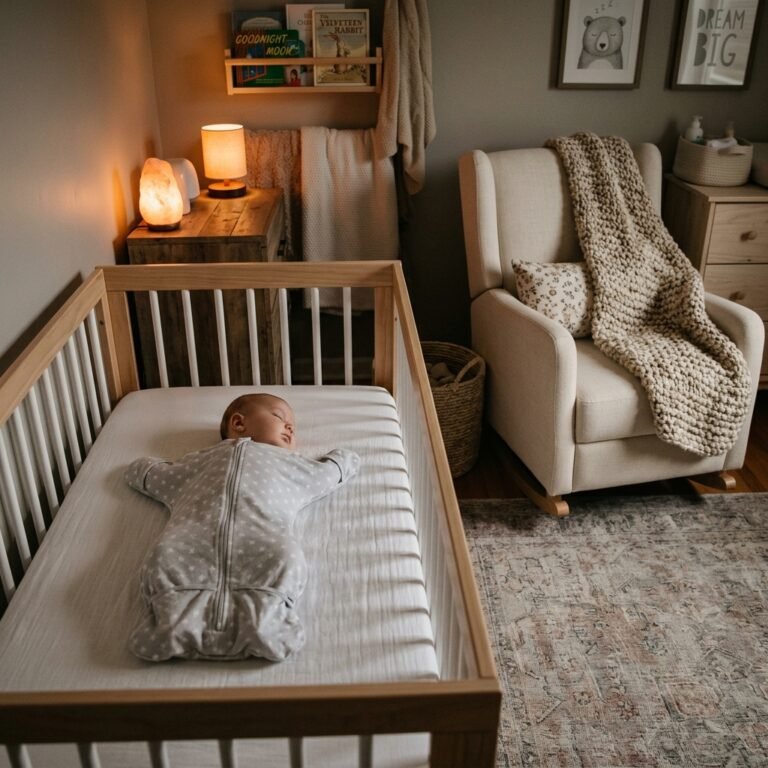
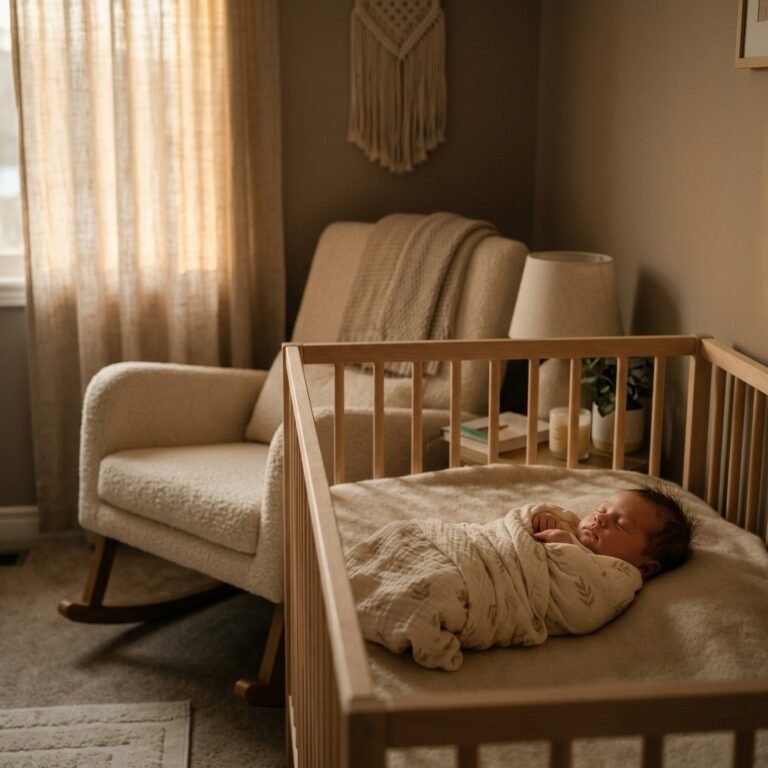
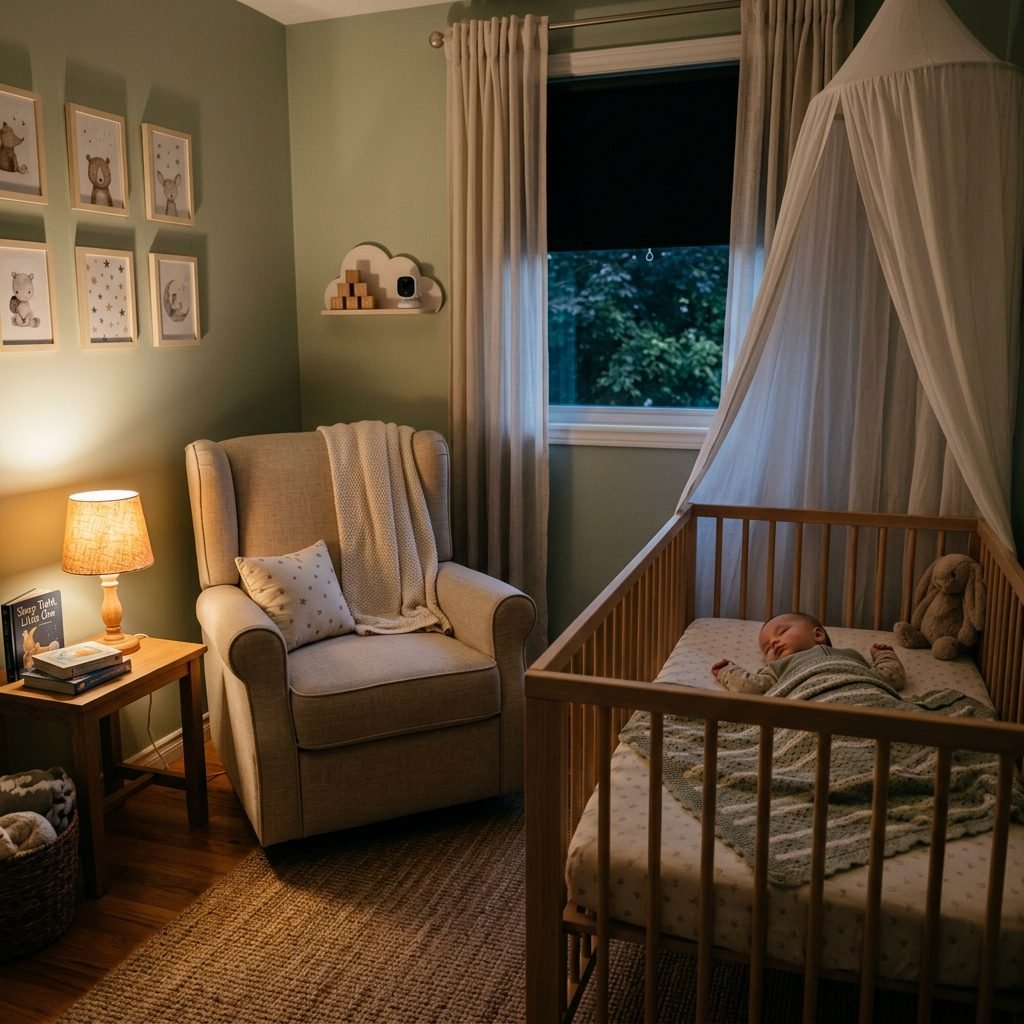
We cannot expect a baby to master a new skill if the environment is working against them. Before you start the Fading Method, we must optimize the nursery. This isn’t just about aesthetics; it’s about biology. We want to trigger the production of melatonin, the ‘sleep hormone,’ and minimize cortisol, the ‘stress hormone.’
- Total Darkness: Use blackout curtains. If you can see your hand in front of your face, it’s too bright. Darkness signals the brain to produce melatonin.
- White Noise: A consistent, low-frequency hum (like a rain shower or a vacuum) masks household noises and mimics the sounds of the womb.
- Optimal Temperature: Keep the room between 68 and 72 degrees Fahrenheit. A slightly cool room promotes deeper sleep.
- Safe Sleep Surface: A firm mattress with a tight-fitting sheet, free of blankets, pillows, or bumpers. A high-quality sleep sack is your best friend for warmth and security.
As a maternal stylist, I also recommend a ‘uniform’ for sleep. Use 100% organic cotton or bamboo sleepers. These fabrics are breathable and prevent the overheating that can lead to wakefulness. When your baby feels physically comfortable, their brain is much more willing to let go of the day.
Phase 1: The Chair Method (Nights 1-3)
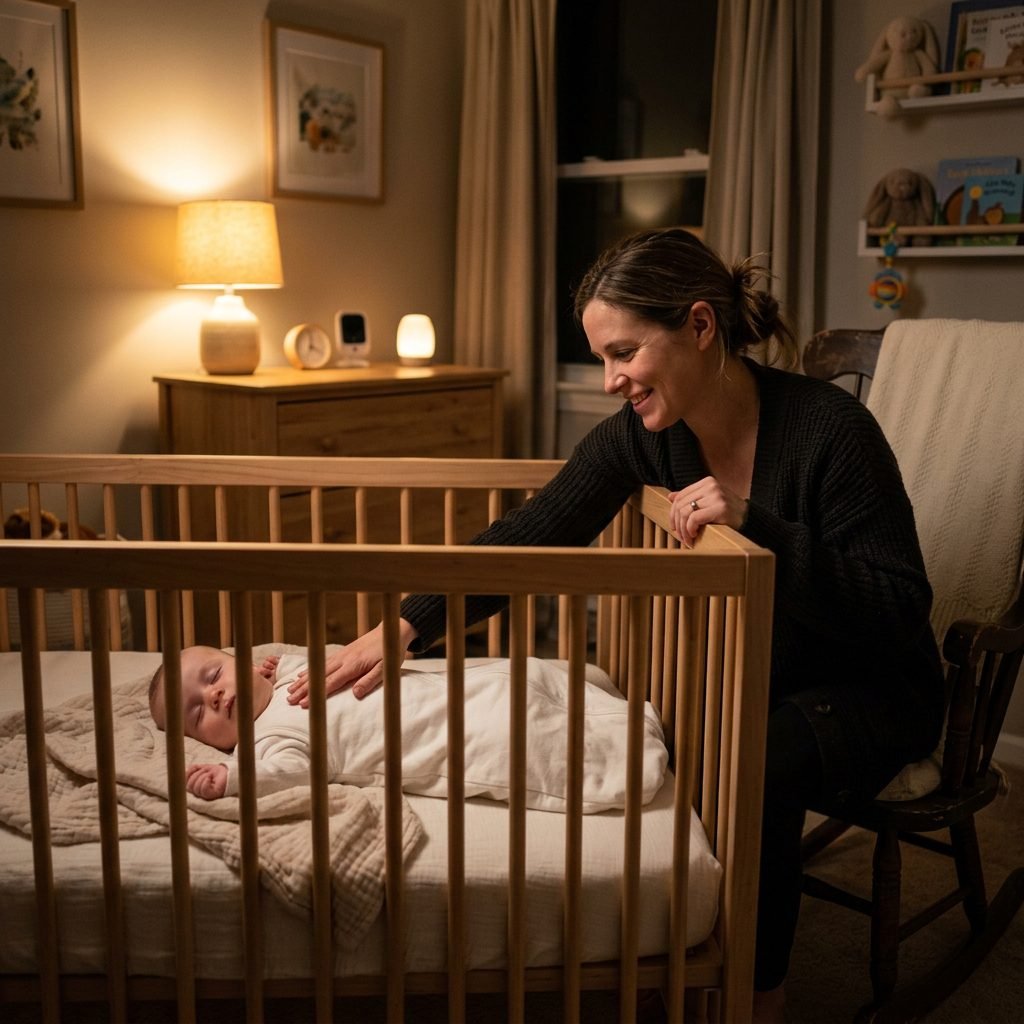
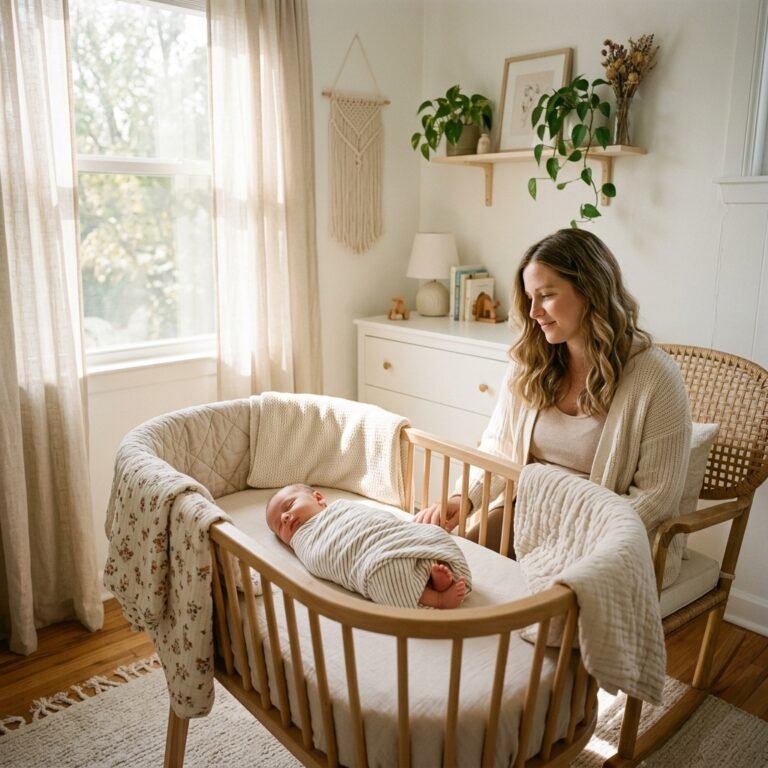
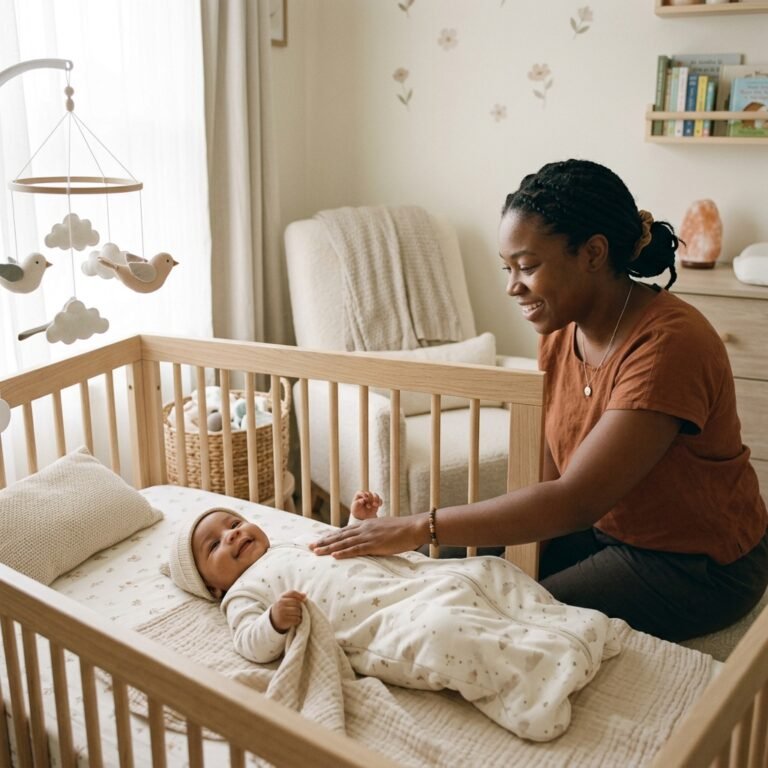
The first phase of the Gradual Fading Method is about being physically present but reducing the intensity of your help. Instead of rocking your baby to sleep, you will place them in the crib drowsy but awake and sit right next to them.
- The Bedtime Routine: Perform a consistent 20-30 minute routine (bath, pajamas, feeding, book).
- The Placement: Place your baby in the crib. Offer a gentle ‘I love you, it’s time for sleep’ and sit in a chair immediately next to the crib.
- The Response: If they cry, you can offer verbal reassurance or a gentle pat. Avoid picking them up unless they become inconsolable. Your presence is the ‘bridge.’
- The Goal: They fall asleep knowing you are there, but without the motion of rocking or the comfort of a nipple.
| Night | Parent Position | Level of Touch |
|---|---|---|
| 1-3 | Right next to the crib. | Frequent patting, shushing, hand-holding. |
| 4-6 | Halfway to the door. | Minimal touch, mostly verbal shushing. |
| 7-9 | In the doorway. | No touch, occasional verbal reassurance. |
| 10+ | Outside the door (monitoring). | Independent sleep achieved. |
Phase 2: The Art of the ‘Pat and Pause’
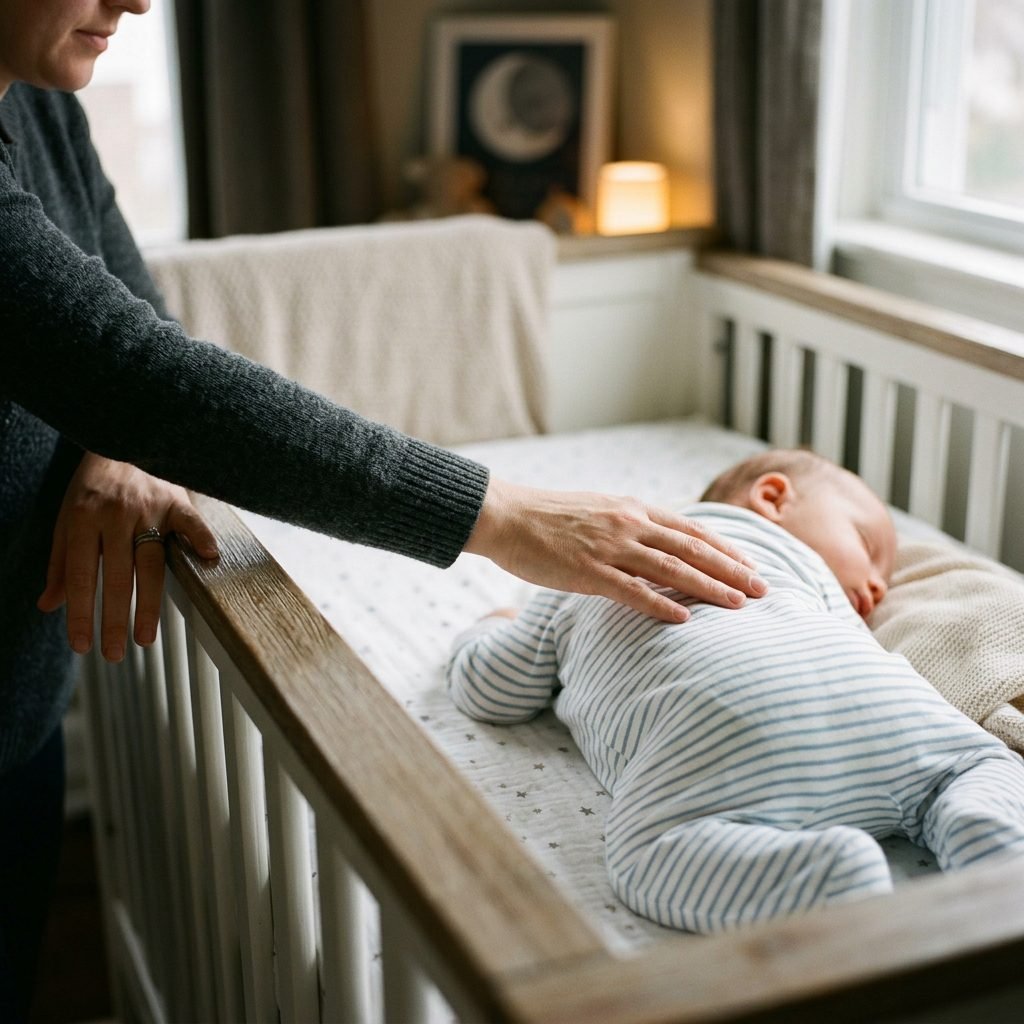
As you move into the middle nights of the process, we use a technique I call the ‘Pat and Pause.’ This is where the ‘fading’ really happens. We are moving from active soothing to passive observation. This is often the hardest part for mamas because our instinct is to jump in the second we hear a whimper.
How to Execute the Pat and Pause
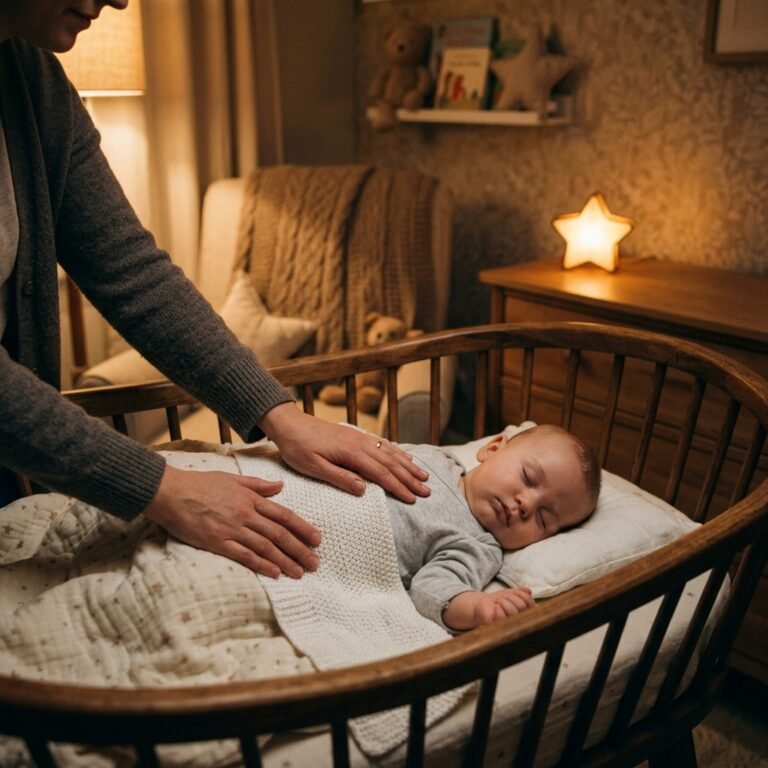
When your baby begins to fuss, wait 30 to 60 seconds. This feels like an eternity, I know! But this gap allows your baby to try out their own soothing skills. If the fussing escalates, lean over and provide rhythmic pats on their chest or bottom (if they are tummy sleepers) while shushing loudly. Once they calm down—but before they are fully asleep—stop the patting and sit back in your chair.
Affirmation: ‘I am giving my baby the space to learn. My presence is their safety, but their sleep is their own accomplishment.’
If they start up again, repeat the process. You are teaching them that you are a ‘safety net,’ not a ‘prop.’ By fading the physical touch, you are letting their brain take over the heavy lifting of falling asleep.
Troubleshooting Regressions and Night Wakings
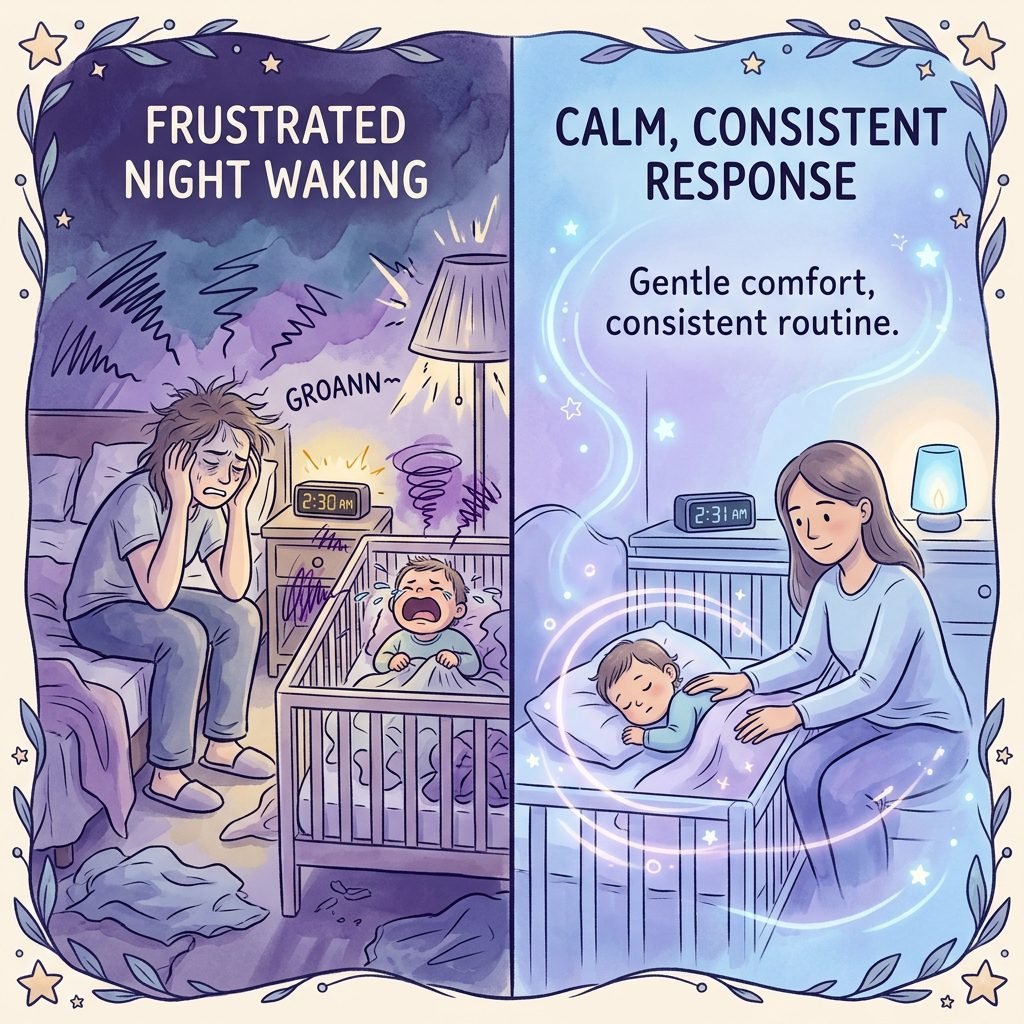
The Fading Method isn’t always a straight line. There will be nights where it feels like you’ve taken two steps back. This is normal! Whether it is a 4-month sleep regression, teething, or a new milestone like crawling, your baby’s brain is busy, and sleep is often the first thing to suffer.
Handling Night Wakings
When your baby wakes at 2:00 AM, apply the same ‘fading’ logic. If you are on Night 5 and your chair is in the middle of the room, don’t go back to rocking them at 2:00 AM. Sit in your chair in the middle of the room. Consistency is the key to preventing confusion. If you change the rules in the middle of the night, the baby will hold out for the ‘best’ offer (usually rocking or feeding).
| Challenge | The ‘Doula’ Solution |
|---|---|
| Teething | Offer comfort, perhaps a dose of pain relief (consult your pediatrician), then return to the method. |
| Rolling Over | Practice rolling during the day! Ensure they are in a sleep sack that allows arm movement. |
| Separation Anxiety | Increase ‘floor time’ and connection during the day so their ’emotional cup’ is full. |
A Gentle Schedule for Sleep Success
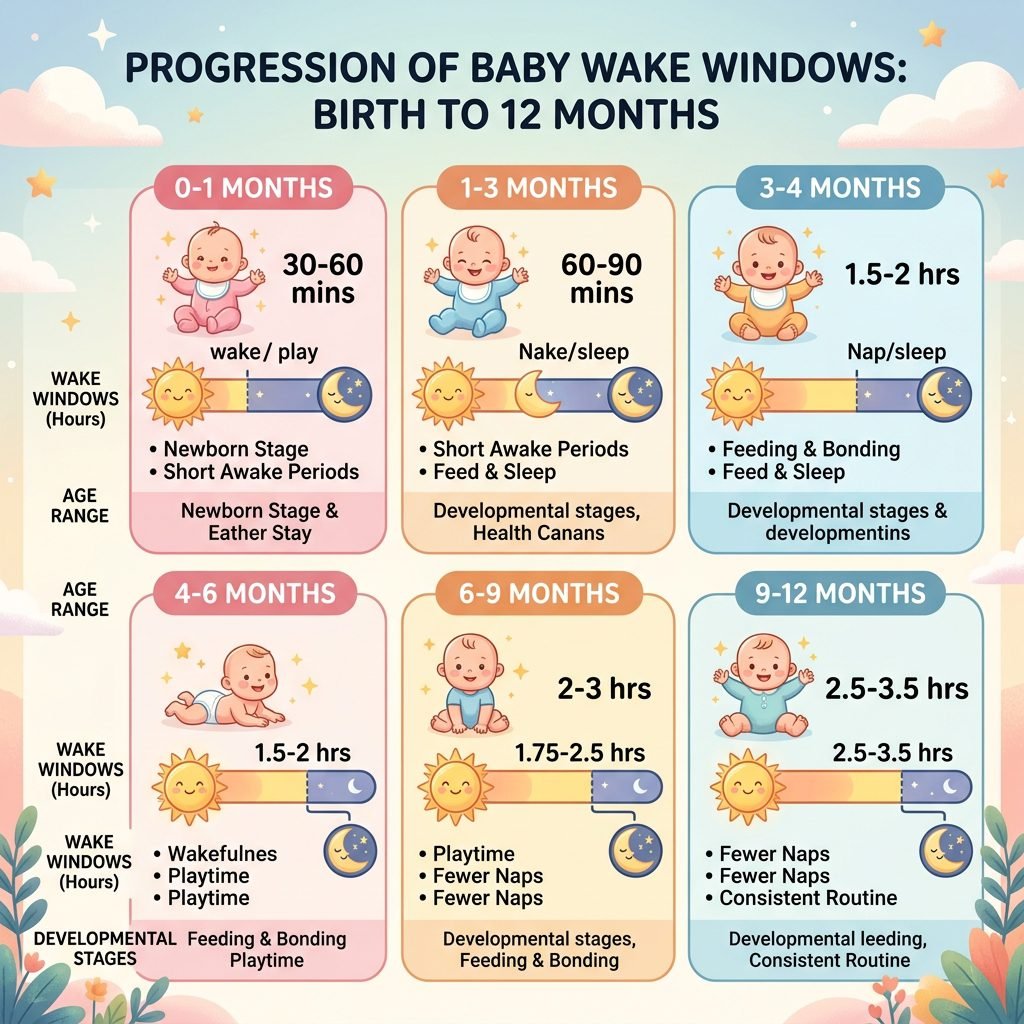
You cannot force a baby to sleep if they aren’t tired, and you definitely can’t if they are overtired. Overtiredness leads to a spike in cortisol, which makes it nearly impossible for a baby to settle. Following age-appropriate wake windows is the ‘secret sauce’ to making the Fading Method work.
Sample Wake Windows by Age
Use these as a guide to time your ‘Fading’ sessions. Put your baby down about 15 minutes before the end of their wake window.
| Age | Wake Window Length | Typical Number of Naps |
|---|---|---|
| 4-5 Months | 1.5 – 2.5 Hours | 3 – 4 Naps |
| 6-8 Months | 2.5 – 3 Hours | 2 – 3 Naps |
| 9-12 Months | 3 – 4 Hours | 2 Naps |
| 13-18 Months | 4 – 6 Hours | 1 Nap |
By aligning your fading efforts with your baby’s natural circadian rhythm, you reduce the amount of crying and struggle. A well-timed bedtime is half the battle won!
Conclusion
You’ve Got This, Mama
The journey to independent sleep is a marathon, not a sprint. The Gradual Fading Method is a testament to your patience and your respect for your baby’s developmental pace. There will be nights of tears (yours and theirs), and there will be nights of incredible breakthroughs. Remember that you are teaching a skill that will serve them for a lifetime. By providing a consistent, loving presence while slowly stepping back, you are building a foundation of trust and confidence.
Be kind to yourself during this process. If one night goes off the rails, just start fresh the next day. You aren’t ‘failing’ at sleep training; you are learning your baby’s unique language. Soon, you will find yourself sitting in your living room, enjoying a quiet evening, knowing your little one is safely and independently drifting through the stars. Sleep well, sweet mama. You’ve earned it.