
Can’t Sleep? The Secret To Stopping Restless Legs In Their Tracks Tonight
The Midnight Wiggle: When Your Legs Have a Mind of Their Own
Oh, sweet mama, I see you. It is 2:00 AM, the house is quiet, and you are exhausted. You finally found a comfortable position for your growing belly, but then it starts—that maddening, jittery, ‘creepy-crawly’ sensation deep inside your calves. You stretch, you kick, you pace the hallway, but the moment you lie back down, the restless dance begins again. If you feel like you are losing your mind to your own limbs, please know you are not alone. Restless Leg Syndrome (RLS) affects nearly one-third of expectant mothers, usually peaking in the third trimester. As a doula, I have sat with countless women through these twitchy nights, and I am here to tell you that there is a way out. This isn’t just ‘part of the process’ you have to endure; it is your body whispering (or shouting) that it needs a little extra support. Tonight, we are going to dive into the root causes of those jitters and, more importantly, the ‘secret’ protocols that can stop them in their tracks so you can finally get the restorative sleep you and your baby deserve.
Understanding the ‘Why’ Behind the Wiggle
The Biological Root of Restless Legs
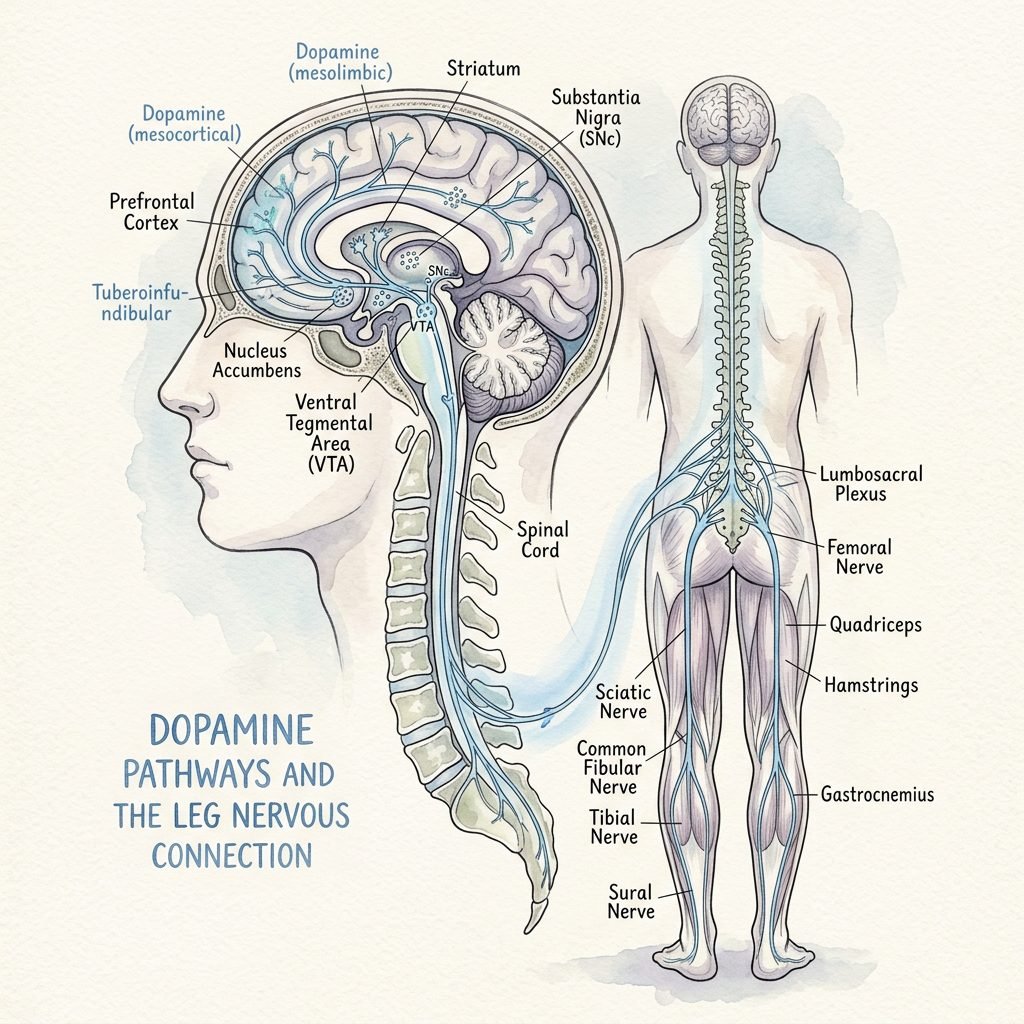
Before we can fix it, we have to understand why your nervous system is firing off these ‘move now!’ signals. During pregnancy, your body is undergoing a massive internal renovation. Your blood volume increases by nearly 50%, which puts extra pressure on your circulatory system. Additionally, the high levels of estrogen can affect dopamine levels—the neurotransmitter responsible for smooth, controlled muscle movements. When dopamine is slightly out of balance, your nerves start sending static-like signals to your legs.
The Nutrient Connection
Most often, RLS is a sign of a nutritional gap. Your baby is a beautiful little sponge, and they are currently soaking up your stores of iron, folate, and magnesium to build their own nervous system and blood supply. If your levels dip too low, your legs are the first to tell you. Low iron is the most common culprit, as iron is a key co-factor in producing that dopamine we just talked about. We also have to look at magnesium, the ‘relaxation mineral.’ Without enough of it, your muscle fibers stay in a state of semi-contraction, leading to that ‘need to jump’ feeling.
Remember, Mama: Your body isn’t failing you; it’s communicating with you. These sensations are just a request for more minerals and a little more love.
The Secret Weapon: The Magnesium Protocol

Why Topical Magnesium is a Game Changer
If there is one ‘secret’ that doulas swear by, it is Topical Magnesium. While oral supplements are great, they have to pass through your digestive tract, which can be slow and sometimes cause ‘loose stools’ (the last thing a pregnant mama needs!). When you apply magnesium oil or lotion directly to your skin, it bypasses the gut and absorbs straight into the tissue that needs it most. Within 20 minutes, most mothers feel a profound ‘heaviness’ and calm spreading through their legs.
How to Use It Tonight
- Step 1: Take a warm (not hot) shower to open your pores.
- Step 2: Spray 5-10 pumps of magnesium chloride oil onto your calves and thighs.
- Step 3: Gently massage it in using upward strokes toward your heart.
- Step 4: If it tingles (which is normal if you are deficient), wait 10 minutes and then apply a layer of lavender-scented coconut oil on top to soothe the skin.
Dietary Support for Long-Term Relief
While the spray works for immediate relief, you want to fuel your body with magnesium-rich foods throughout the day. Focus on pumpkin seeds, spinach, black beans, and dark chocolate (yes, really!). Aim for at least 350-400mg of magnesium daily through a combination of food and supplements, as cleared by your provider.
Physical Relief: Movements That Quiet the Nerves
The ‘Legs Up The Wall’ Reset
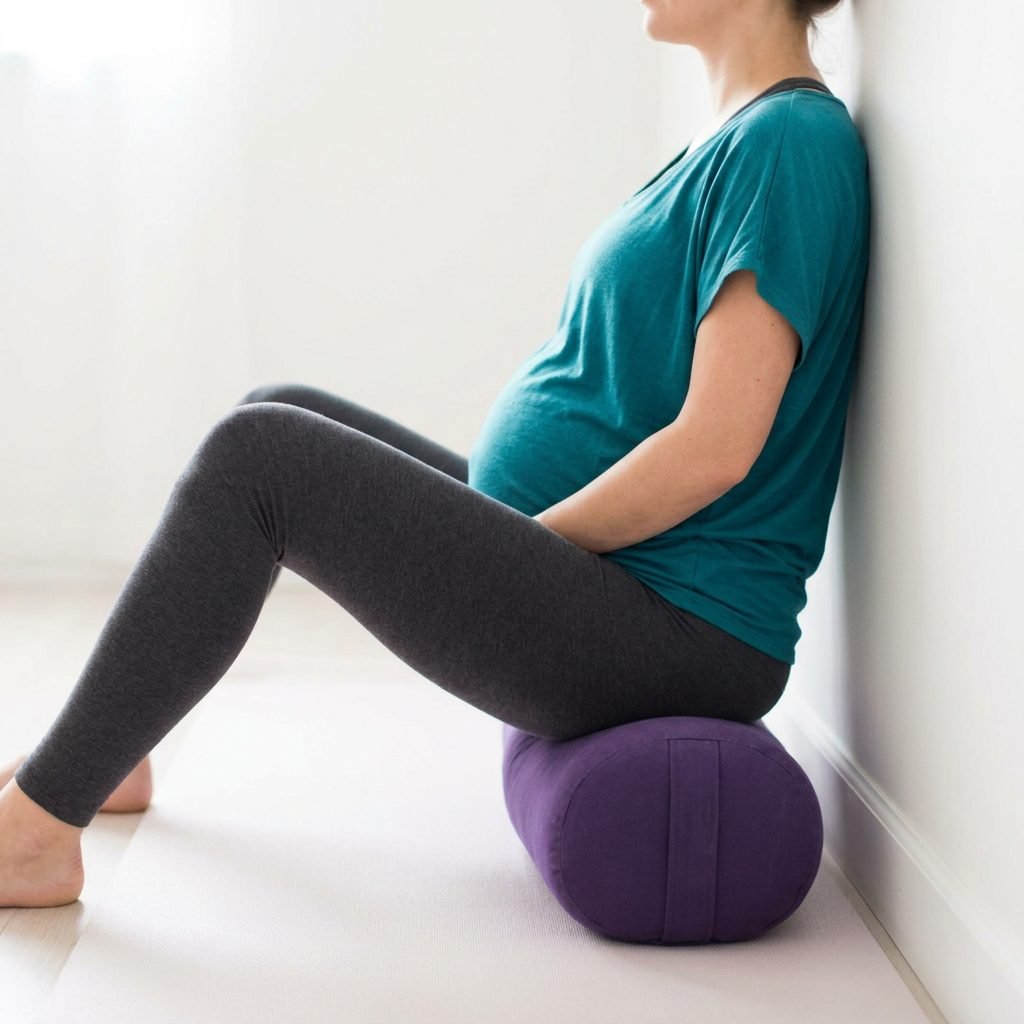
One of the most effective ways to calm the nervous system and drain excess fluid from the legs is the Viparita Karani pose, or ‘Legs Up The Wall.’ This simple inversion shifts your body from the ‘fight or flight’ sympathetic nervous system into the ‘rest and digest’ parasympathetic mode. How to do it safely: Sit sideways against a wall, then gently pivot your hips as you swing your legs up. Use a firm pillow under your hips for comfort and stay there for 10 to 15 minutes before bed. If you feel lightheaded, simply roll to your left side immediately.
Targeted Stretching Routine
Tight muscles can compress nerves, worsening the RLS sensation. Try this 3-step routine every evening:
- The Wall Calf Stretch: Stand facing a wall, one foot forward and one foot back. Keep the back heel pressed firmly into the floor for 30 seconds per side.
- The Seated Hamstring Reach: Sit on the edge of your bed with one leg extended. Flex your toes toward your nose until you feel a gentle pull.
- The Ankle Circle: While lying down, rotate your ankles 20 times in each direction to encourage blood flow.
| Remedy | Status | Why? |
|---|---|---|
| Magnesium Glycinate | Safe & Recommended | Easier on the tummy and highly absorbable for nerve health. |
| Heavy Exercise at Night | Avoid | Can overstimulate the nerves and trigger RLS flares. |
| Iron-rich Foods | Safe & Recommended | Essential for dopamine production; pair with Vitamin C. |
| Excessive Caffeine | Avoid | A major trigger that dehydrates muscles and irritates nerves. |
The Bedtime Ritual: Creating a Sensory Sanctuary

Temperature Control and Hydrotherapy
Temperature plays a massive role in nerve conduction. For many women, cooling the legs provides instant relief. Try a ‘cold plunge’ for your feet in the bathtub for 2 minutes before bed, or use a cooling gel infused with peppermint. Conversely, if your RLS feels more like an ache, a warm Epsom salt bath (using 2 cups of salts) can provide the heat and minerals needed to force the muscles to let go.
The Power of Compression
Don’t underestimate the power of 20-30 mmHg compression socks. While they are often recommended for swelling (edema), the gentle, constant pressure can ‘drown out’ the jittery nerve signals. It’s like a weighted blanket specifically for your calves. Wear them for the last 3-4 hours of your day, but take them off right before you tuck into bed to allow for natural circulation while you sleep.
Partner Massage Script
If you have a partner nearby, ask for a ‘Deep Pressure Massage.’ Use this script:
‘Could you please use the heels of your hands to apply firm, downward pressure from my knees to my ankles? Avoid light, ticklish strokes—I need deep, grounding pressure to help my nerves settle.’
Postpartum RLS: Why It Lingers and How to Heal

The Hormonal Crash and Nerve Sensitivity
Many mothers are surprised when RLS follows them into the postpartum ‘fourth trimester.’ This is usually due to the rapid drop in progesterone and the significant blood loss that can occur during birth, which plummets your ferritin (iron) levels. If you are breastfeeding, your body is also prioritizing calcium and magnesium for your milk, potentially leaving your own muscles depleted.
Healing the Nervous System Post-Birth
Postpartum recovery is about replenishment. To stop the restless legs now, focus on hydration with electrolytes. Plain water isn’t enough; you need sodium, potassium, and magnesium to ensure the electrical signals in your nerves are firing correctly. A daily ‘Adrenal Cocktail’ (orange juice, coconut water, and a pinch of sea salt) can be a miracle worker for the postpartum jitters. Be patient with yourself, sister. Your body has just performed a miracle, and it takes time for your nervous system to find its new ‘quiet’ baseline.
Conclusion
Sleep is Your Superpower
Restless Leg Syndrome is more than just a nuisance; it is a thief of the rest you so desperately need. But by using the magnesium secret, prioritizing your iron intake, and implementing a calming bedtime ritual, you can reclaim your nights. You are doing the hard work of growing and nurturing a human life, and you deserve to do so with a body that feels at peace. Try one of these techniques tonight—perhaps the magnesium spray or the legs-up-the-wall stretch—and see how your body responds. Sweet dreams, Mama. You’ve got this.