
My Legs Looked Awful Until I Tried These 5 Varicose Vein Hacks
Oh, Mama, I See You.
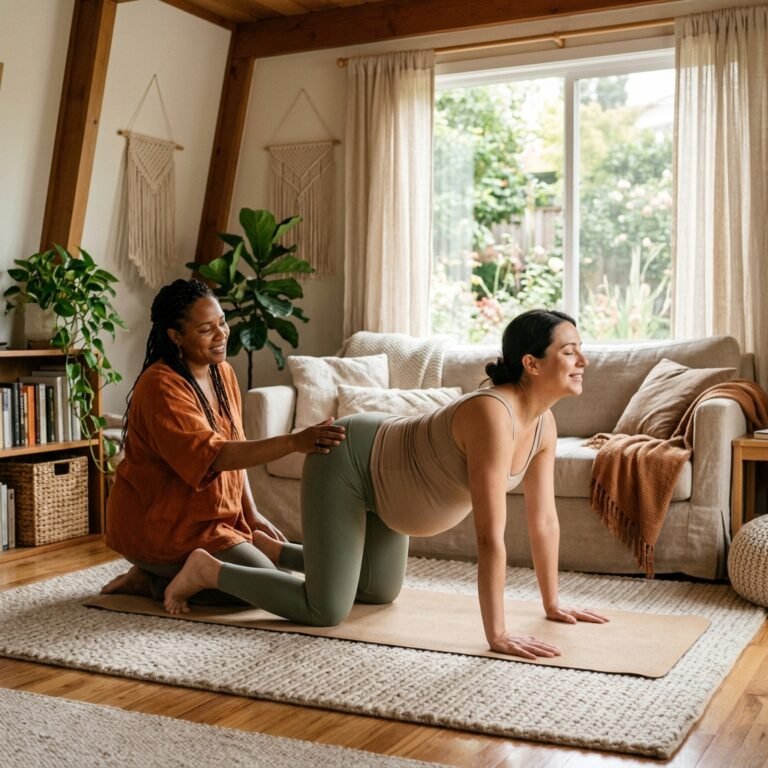
I know that feeling all too well. You look down at your legs—the legs that used to carry you through miles of hiking or hours of dancing—and suddenly, they look like a roadmap of blue and purple squiggles. It can be startling, even a little bit heartbreaking, to feel like your body is becoming unrecognizable. Whether you are currently nurturing a growing life inside you or you are in the thick of postpartum healing, those bulging veins can feel heavy, itchy, and, let’s be honest, quite frustrating. As a doula, I want to wrap you in a virtual hug and tell you: you are not alone, and your body is doing something miraculous.
Varicose veins are incredibly common during the transition into motherhood. Between the massive increase in blood volume (we’re talking 50% more blood, mama!) and the hormone progesterone relaxing your vein walls, your circulatory system is working overtime. But while they might be common, you don’t have to just ‘suffer through’ the discomfort. I’ve gathered the five most effective, gentle, and practical hacks that I share with my clients to help soothe the ache and improve the appearance of those ‘angry’ veins. Let’s get your legs feeling light and lovely again.
The Science of the Swell: Why This Happens
Understanding the Pressure
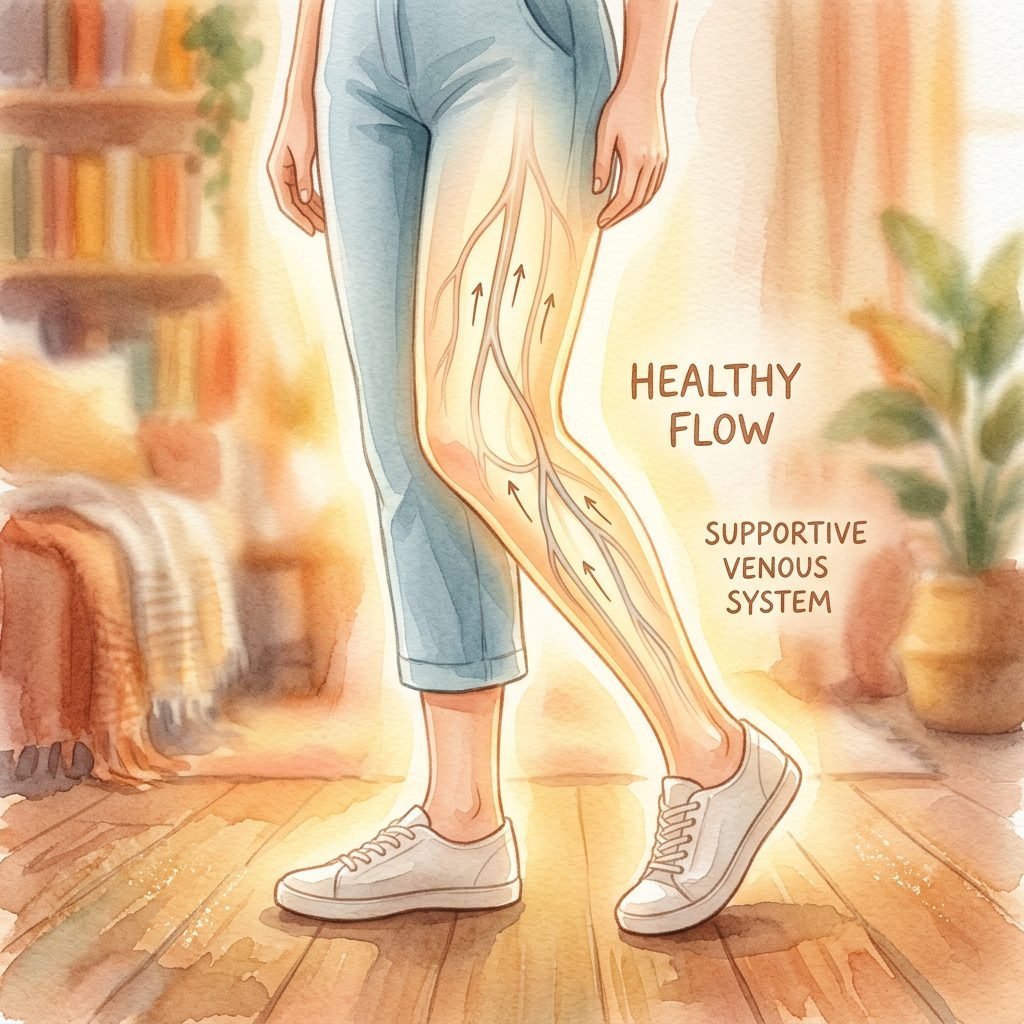
Before we dive into the hacks, let’s talk about why your legs are feeling the strain. During pregnancy, your uterus grows and begins to put pressure on the inferior vena cava, the large vein on the right side of your body that carries blood from your lower limbs back to your heart. When this ‘highway’ gets a bit congested, blood can pool in the smaller veins of your legs, causing them to stretch and become visible. Combine that with the softening effect of hormones on your vein valves, and you have the perfect storm for varicosities.
Safe vs. What to Avoid
When we look at managing these symptoms, safety is our top priority. Not every ‘remedy’ you find online is suitable for a pregnant or postpartum body. Here is a quick guide to help you navigate your choices safely.
| What is Safe & Recommended | What to Avoid or Be Cautious Of |
|---|---|
| Graduated Compression (15-20 mmHg) | High Heels or Very Flat Unsupportive Shoes |
| Elevating Feet Above Heart Level | Crossing Your Legs While Sitting |
| Gentle Walking and Ankle Pumps | Standing or Sitting for More Than 30 Minutes |
| Cool Compresses and Witch Hazel | Hot Tubs or Very Hot Long Baths |
| Increasing Vitamin C and Bioflavonoids | Heavy Lifting Without Support |
“Your body is not failing you; it is adapting to the most profound transformation a human can undergo. Be gentle with the skin you are in.”
Hack 1: The ‘Heel-First’ Compression Secret
Not Your Grandma’s Stockings
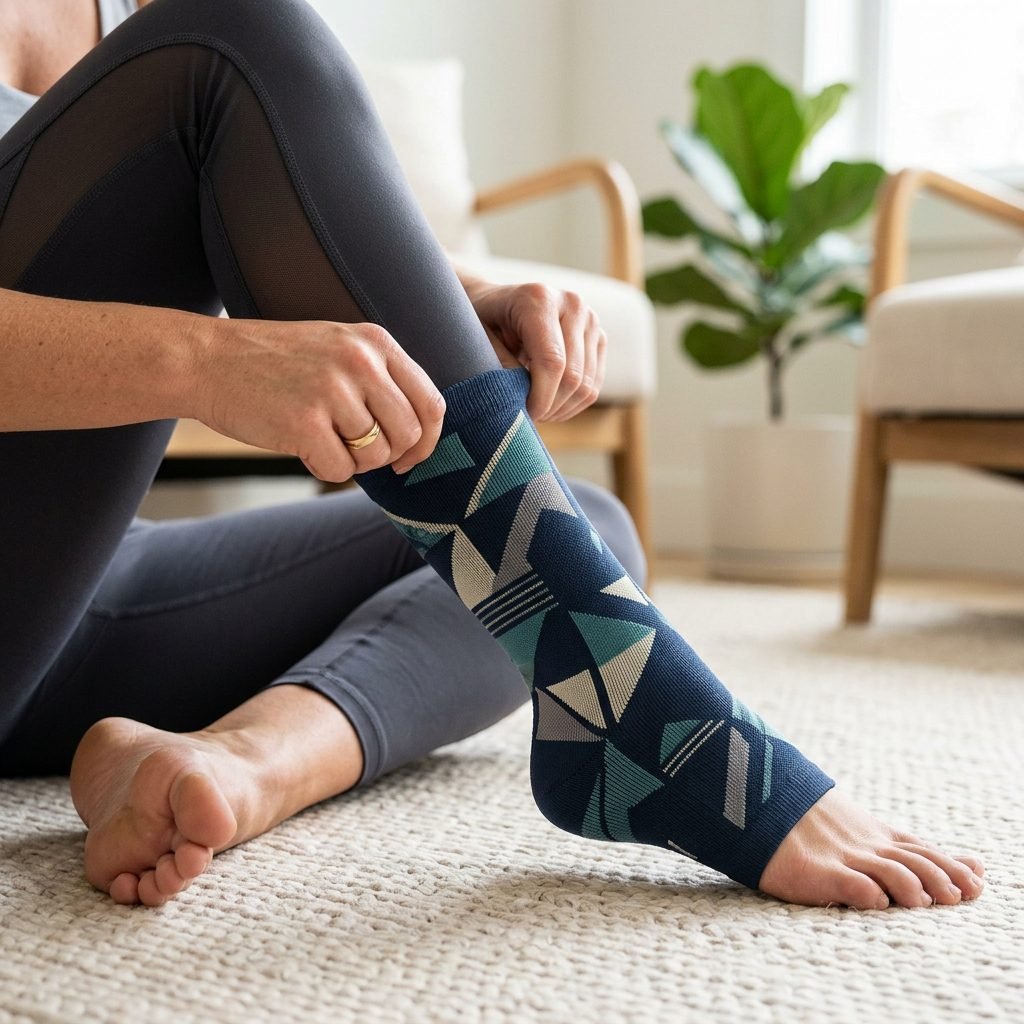
I know, I know. The word ‘compression’ usually brings to mind thick, beige, itchy stockings. But listen to your doula: modern compression wear is a game-changer. The key to making this hack work is choosing graduated compression. This means the pressure is tightest at the ankle and gradually loosens as it moves up the leg, physically assisting the blood in its journey back up to your heart.
How to Wear Them Without the Struggle
The biggest complaint I hear is how hard they are to put on. Here is my pro-tip: Put them on first thing in the morning before you even get out of bed. Your legs are at their least swollen then. Turn the stocking inside out down to the heel, tuck your foot in, and then slowly roll it up. Look for brands that offer ‘maternity’ styles with a soft, stretchy belly panel so you don’t feel constricted around your little one.
- Choose 15-20 mmHg for daily comfort and prevention.
- Choose 20-30 mmHg if you are already experiencing significant bulging or pain (consult your provider first!).
- Style Tip: Look for compression socks in fun patterns or sheer black tights that look like high-end hosiery.
Hack 2: Master the Inversion (Legs Up the Wall)
The Power of Gravity
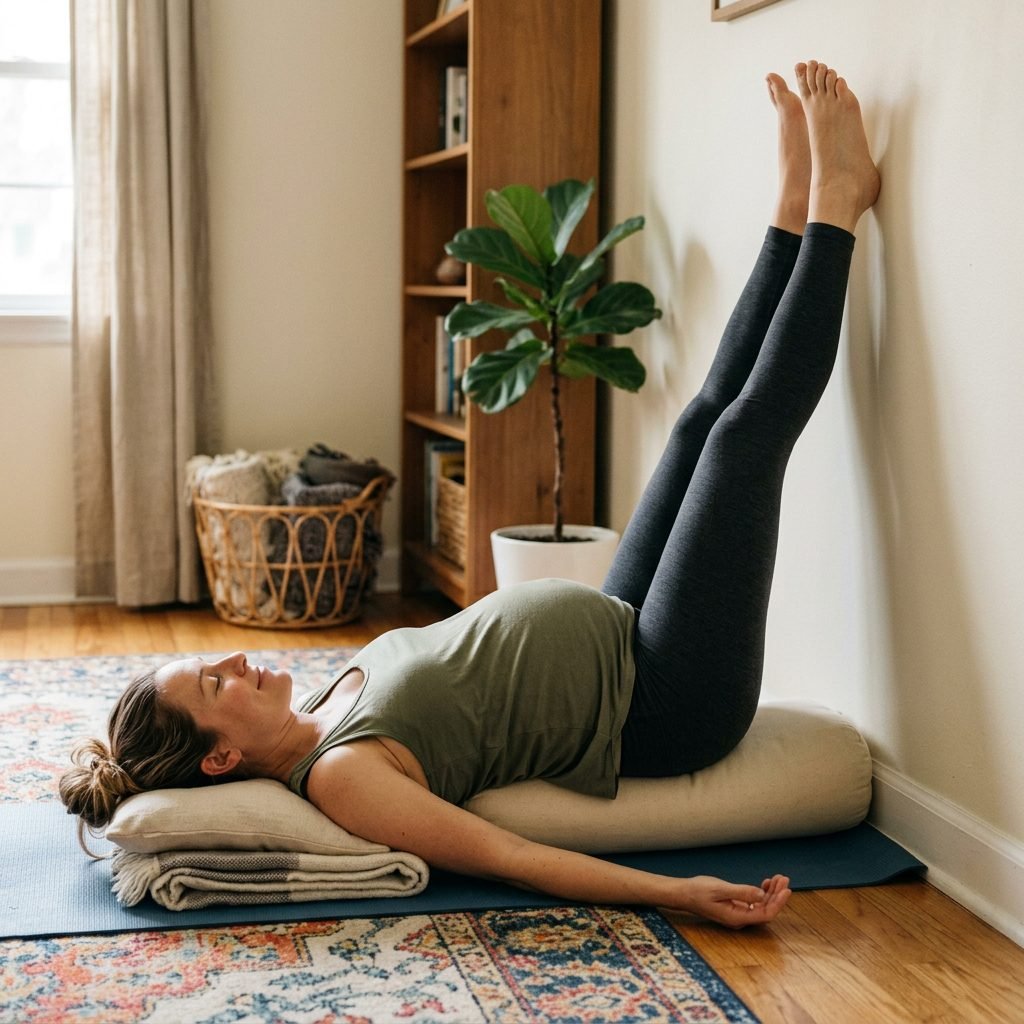
If you do nothing else, do this. In the yoga world, this is called Viparita Karani, but in the doula world, we call it ‘The Great Reset.’ By simply reversing the flow, you give your vein valves a much-needed break from fighting gravity all day. It reduces edema (swelling) and can instantly dull the throbbing sensation that often comes at the end of the day.
The 10-Minute Routine
- Find a clear wall space and place a small pillow or folded blanket about 6 inches away from the baseboard.
- Sit sideways against the wall, then gently swing your legs up while lowering your back to the floor.
- Rest your hips on the pillow. If you are in your third trimester, ensure you are propped up at a slight angle with extra pillows behind your back to avoid lying flat on your vena cava.
- Stay here for 10 to 15 minutes. Breathe deeply into your belly.
Pro-Tip: While your legs are up, do some ‘Ankle Alphabets.’ Trace the letters of the alphabet with your toes. This engages the calf muscles—often called the ‘second heart’—to pump blood even more effectively.
Hack 3: The Cold Water Ritual & Witch Hazel Soaks

Constrict to Comfort
Heat is the enemy of varicose veins because it causes blood vessels to dilate (widen), which allows more blood to pool. Cold, however, is a vasoconstrictor. This doesn’t mean you need to suffer through a freezing shower, but a targeted cold water ritual can work wonders for the ‘awful’ look and feel of your legs.
The Doula’s ‘Cooling’ Recipe
At the end of your shower, turn the water to a cool (not freezing) temperature and spray it directly on your calves for 60 seconds. Move the spray from your ankles upward toward your knees. This ‘hydrotherapy’ stimulates the vein walls to contract. After your shower, try a Witch Hazel soak:
- Soak two washcloths in chilled, alcohol-free Witch Hazel.
- Wrap them around your most symptomatic areas.
- Witch hazel is a natural astringent that can help temporarily shrink the appearance of surface veins and soothe itching.
Hack 4: The ‘Three-Minute’ Movement Rule
Keep the Pump Primed
One of the hardest parts of pregnancy or early motherhood is the ‘stagnation.’ We are either standing for too long (doing dishes, rocking a baby) or sitting for too long (nursing, working at a desk). To keep your legs looking and feeling better, you must follow the Three-Minute Movement Rule.
Simple Desk & Nursery Exercises
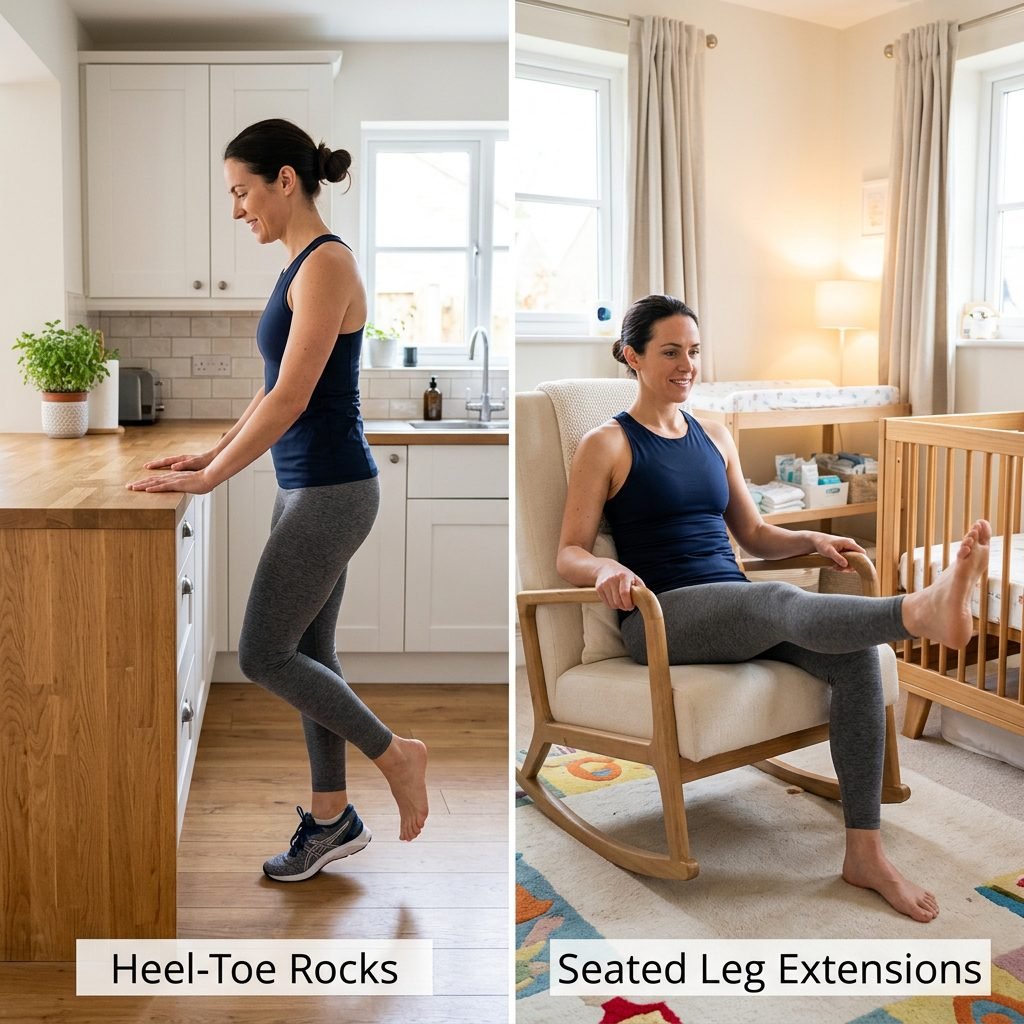
Every 30 minutes, you must move for at least three minutes. If you are stuck in a chair, try these:
- Heel-Toe Rocks: While standing, slowly rock back onto your heels, then up onto your tiptoes. Repeat 20 times.
- Seated Knee Extensions: While sitting, straighten one leg out in front of you and flex your foot hard. Hold for 5 seconds and switch.
- The Piston Walk: If you are standing, march in place, bringing your knees up high to engage the deep veins in the thighs.
These movements act as a mechanical pump, forcing blood out of the lower extremities and back toward the heart, preventing the ‘pooling’ that makes veins look prominent.
Hack 5: Eat for Elasticity (The Flavonoid Boost)

Internal Support for External Beauty
What you put into your body directly affects the integrity of your blood vessels. To help your veins stay strong and elastic, we want to focus on Bioflavonoids. These are compounds found in brightly colored fruits and vegetables that strengthen the walls of the veins and reduce inflammation.
The ‘Vein-Strong’ Grocery List
Focus on these specific nutrients to help your legs recover their tone:
- Vitamin C: Essential for collagen production, which keeps vein walls flexible. Think bell peppers, strawberries, and citrus.
- Rutin: A powerful bioflavonoid specifically known for protecting blood vessels. Found in buckwheat, asparagus, and unpeeled apples.
- Fiber: This might seem odd, but preventing constipation is crucial! Straining during bowel movements increases internal pressure, which can worsen varicose veins and hemorrhoids.
- Hydration: Aim for 8-10 glasses of water a day. When you are dehydrated, your blood becomes ‘thicker’ and harder to move.
When to Call Your Provider

While these hacks are wonderful for comfort and appearance, it is vital to know when your veins need professional medical attention. Pregnancy and the postpartum period increase the risk of Deep Vein Thrombosis (DVT), which is a serious condition.
The ‘Red Flag’ Checklist
Please call your midwife or doctor immediately if you experience:
- Sudden, severe swelling in only one leg.
- A specific area on your calf that is red, hot to the touch, and very painful.
- Pain that worsens when you flex your foot upward.
- Shortness of breath or chest pain (this is an emergency—call 911).
Always remember, mama: your health is the foundation for your baby’s well-being. Never hesitate to ask for a professional opinion if something feels ‘off.’
Conclusion
You Are Doing Great, Mama.
I know it’s hard to look in the mirror and see changes that feel ‘awful’ or uncomfortable. But I want you to remember that those legs are the pillars of your family. They have carried you through the marathon of pregnancy and will carry you through thousands of miles of motherhood. By using these 5 varicose vein hacks—compression, elevation, cold therapy, movement, and nutrition—you aren’t just ‘fixing’ a look; you are honoring your body’s need for care.
Be patient with yourself. Many pregnancy-related veins will naturally fade in the 3 to 12 months following birth as your blood volume returns to normal. Until then, keep your feet up, keep your water bottle full, and keep your heart full of the knowledge that you are doing an incredible job. You’ve got this, sister.