

7 Reasons Eating Salmon Will Boost Your Baby’s Brain Development
Welcome to Your Nourishment Journey, Mama
Oh, sweet mama, I am so glad you are here. Whether you are currently cradling a beautiful baby bump, planning for your future little one, or navigating the wild and wonderful days of postpartum recovery, I want you to take a deep breath and feel the incredible work your body is doing. As your doula and sister in this journey, I know that the pressure to ‘eat perfectly’ can feel overwhelming. You want the absolute best for that tiny human growing inside you, but between the morning sickness and the conflicting advice online, it is easy to feel lost. Today, we are going to simplify things. We are focusing on one powerhouse ingredient that is a literal building block for your baby’s future: Salmon.
Think of your baby’s brain as a magnificent architecture project. To build a sturdy, high-functioning structure, you need the highest quality materials. Salmon provides these in abundance. It is more than just a meal; it is a concentrated dose of brain-boosting nutrients that can influence everything from your baby’s IQ to their ability to sleep through the night later on. In this guide, we are going to dive deep into the seven transformative reasons why incorporating salmon into your weekly routine is one of the best gifts you can give your child. We will also talk about how to do it safely, because I know those mercury concerns are real. Sit back, grab a glass of lemon water, and let’s talk about nourishing that brilliant little mind.
Remember, mama: Every bite of nourishing food you take is a love letter to your baby. You are building a legacy of health, one meal at a time.
1. The DHA Powerhouse: Building the Brain’s Foundation
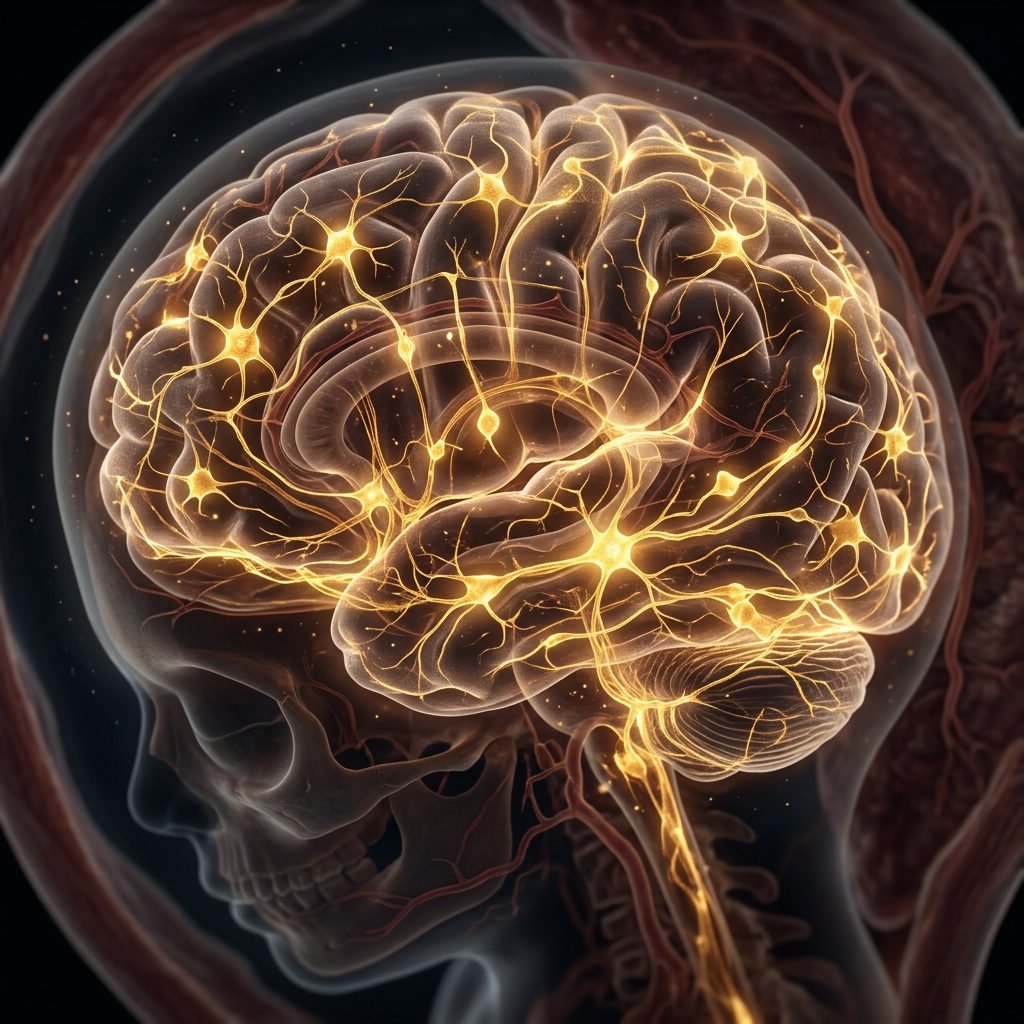
When we talk about brain development, the conversation always starts and ends with DHA (Docosahexaenoic acid). Did you know that approximately 60% of the human brain is composed of fat? It is not just any fat, though; it is specifically long-chain polyunsaturated fatty acids like the ones found in cold-water fish. Salmon is arguably the most accessible and potent source of DHA available to us. During the third trimester, your baby’s brain undergoes a massive growth spurt, requiring an immense amount of DHA to form the neural pathways that will govern their thoughts, movements, and personality.
How DHA Crosses the Placenta
Your body is incredibly smart. It actually prioritizes the transfer of DHA to your baby through the placenta, often depleting your own stores to ensure the baby has what they need. This is why it is so vital to replenish your levels. By eating salmon, you are providing a direct supply of the ‘bricks’ needed for the cerebral cortex—the part of the brain responsible for higher-order functions like language and social emotional processing. As a doula, I often tell my clients to think of DHA as the insulation on the wires of a house. Without it, the signals can’t travel efficiently. Salmon ensures those ‘wires’ are well-protected and ready to fire.
2. Elevating Cognitive Function and Future IQ

Every mother dreams of her child being bright, curious, and capable. While genetics play a role, nutrition is a powerful environmental factor that we can influence. Multiple longitudinal studies have shown a direct correlation between high seafood consumption during pregnancy and higher cognitive scores in children later in life. We are talking about improvements in verbal IQ, fine motor skills, and social-communication skills by the time the child reaches school age.
The Science of Smart Seafood
Research published in renowned medical journals like The Lancet has highlighted that children whose mothers ate at least 8 to 12 ounces of low-mercury fish per week (like salmon) scored significantly higher on developmental tests than those whose mothers avoided fish. This isn’t just about ‘being smart’ in an academic sense; it’s about the brain’s ability to process information, solve problems, and adapt to new environments. When you enjoy that salmon fillet, you are literally fueling the complex processes of neurogenesis—the birth of new neurons. It is a practical, delicious way to give your little one a cognitive head start before they even take their first breath.
3. Vision Development: The Brain-Eye Connection

It might surprise you to learn that the retina of the eye is actually considered an extension of the central nervous system. Because the eyes are so closely linked to the brain, the nutrients required for one are essential for the other. The high concentration of DHA found in salmon is a primary structural component of the retina. Without adequate levels of these fatty acids during gestation, a baby’s visual acuity—the clarity and sharpness of their vision—may not develop to its full potential.
Seeing the World Clearly
During the final weeks of pregnancy, the baby’s eyes begin to process light and prepare for the visual feast of the outside world. By ensuring you have enough Omega-3s from salmon, you are supporting the development of the photoreceptor cells that allow your baby to see colors and shapes. I’ve seen firsthand how babies with optimal prenatal nutrition seem more ‘alert’ and ‘focused’ in those early weeks. They are better able to track your face and lock eyes with you during those precious first nursing sessions. It’s all connected, mama—the brain, the eyes, and that beautiful bond you’re building.
4. Emotional Resilience and Maternal Mood Regulation

This reason is a ‘two-for-one’ special! Eating salmon doesn’t just help the baby; it is a lifeline for you, too. We cannot talk about the baby’s brain without talking about the environment that brain is growing in—and that environment is you. Omega-3 fatty acids are well-known for their role in regulating mood and reducing inflammation in the brain. For expectant and postpartum mothers, this is a critical defense against the ‘baby blues’ and postpartum depression (PPD).
The Happy Hormone Connection
Salmon contains nutrients that facilitate the transport of serotonin—our ‘feel-good’ hormone. When your serotonin levels are stable, you are better equipped to handle the hormonal shifts of pregnancy and the sleep deprivation of the fourth trimester. A regulated, calm mother provides a more stable hormonal environment for the developing baby. Furthermore, some research suggests that babies born to mothers with high Omega-3 intake have better emotional regulation themselves as they grow. As your doula, I want you to feel strong and resilient. Salmon is a tool in your mental health toolkit, helping you stay grounded so you can enjoy this journey.
5. The Iodine Factor: Thyroid and Neurological Growth
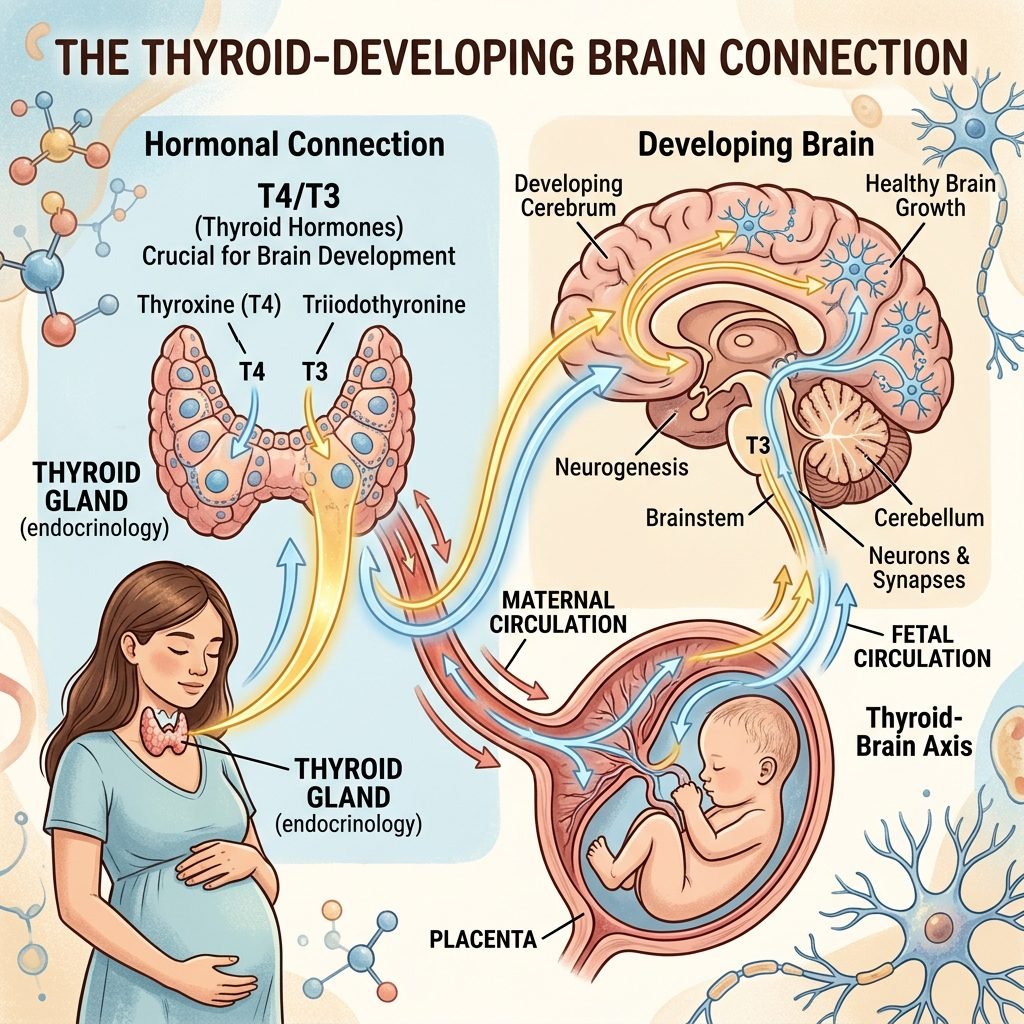
While DHA gets all the glory, salmon is also a fantastic source of Iodine. This is a mineral that many pregnant women are actually deficient in, yet it is absolutely vital for the development of the fetal thyroid gland. Why does the thyroid matter for the brain? Because thyroid hormones are the ‘conductors’ of the neurological orchestra. They dictate how neurons migrate to their proper places in the brain and how they differentiate into specific types of cells.
Preventing Developmental Delays
Severe iodine deficiency is a leading cause of preventable intellectual disabilities worldwide, but even mild deficiency can impact a child’s processing speed and hearing. Salmon provides a safe, natural way to meet your iodine requirements. It supports the metabolic processes that keep the brain growing at the correct pace. When you pair the healthy fats of salmon with its iodine content, you are creating a synergistic effect that protects your baby’s neurological integrity. It’s about ensuring every part of the ‘computer’ is programmed correctly from the start.
6. Vitamin D and Neuroprotection
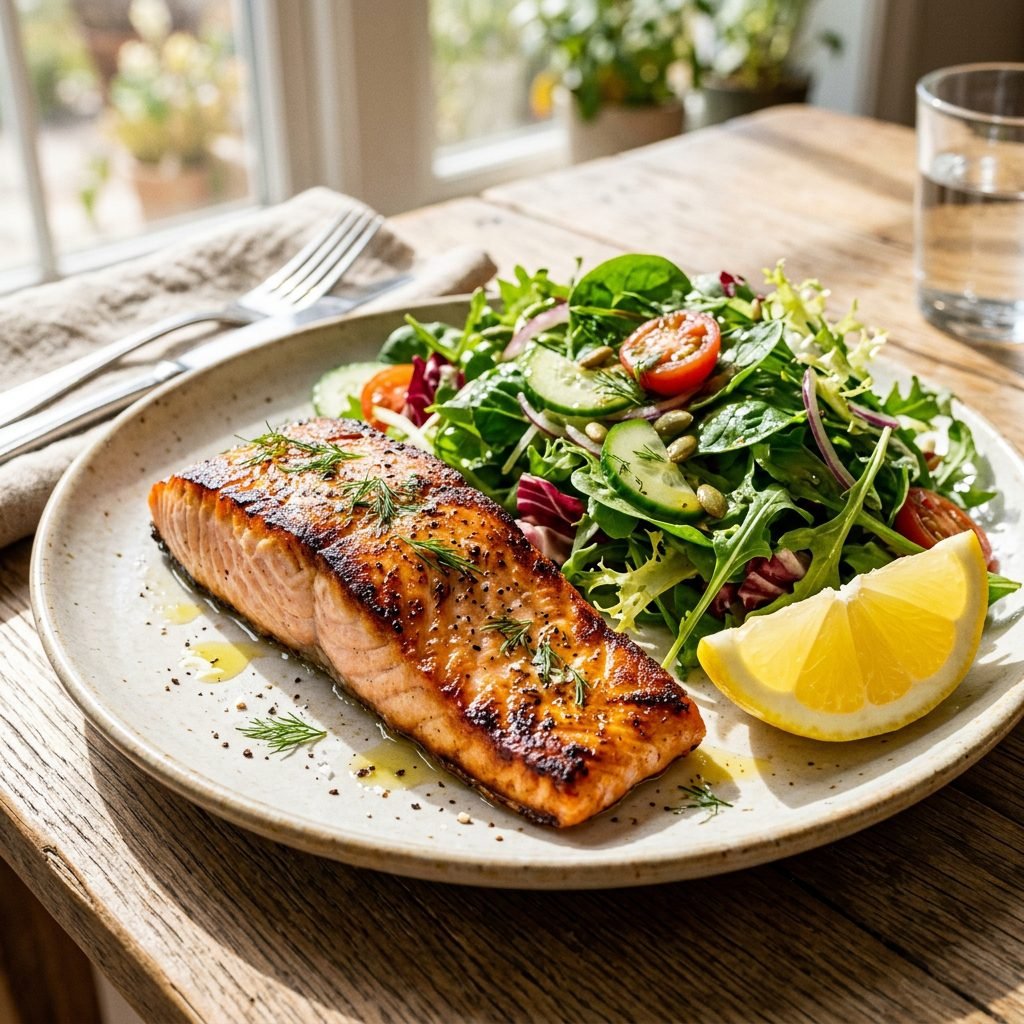
Salmon is one of the few natural food sources of Vitamin D, often called the ‘sunshine vitamin.’ While we usually think of Vitamin D for bone health, it actually functions as a neurosteroid in the brain. It is involved in signaling pathways that protect brain cells from damage and support the growth of the nervous system. Low levels of Vitamin D during pregnancy have been linked to an increased risk of neurodevelopmental conditions later in childhood.
A Shield for the Nervous System
Think of Vitamin D as the guardian of the brain. It helps regulate the expression of genes that are crucial for brain structure. Since many of us spend our time indoors or live in climates with limited sun, eating Vitamin D-rich foods like salmon is a delicious insurance policy. It ensures that your baby’s nervous system is not just growing, but is being protected as it develops. It’s about building a brain that is resilient and strong. Plus, Vitamin D helps your body absorb calcium, which we know is essential for those tiny growing bones and teeth!
7. Better Sleep Patterns for Baby (and You!)

Yes, you read that correctly! There is fascinating research suggesting that higher levels of DHA in a mother’s diet can lead to better sleep patterns in her newborn. This is because DHA influences the production of melatonin, the hormone that regulates our sleep-wake cycles. Babies who have had a steady supply of these essential fats in utero often show more mature sleep-state patterns shortly after birth.
The Gift of Rest
As a sleep consultant, I can tell you that a baby who can regulate their sleep-wake cycle is a gift to the entire family. When a baby’s brain is well-nourished with the fats found in salmon, their nervous system is generally more ‘settled.’ They are less likely to be overstimulated and more likely to transition smoothly between sleep cycles. While no food is a ‘magic wand’ for a full night’s sleep (we have to be realistic, mama!), providing the biological foundations for healthy sleep is a huge advantage. You are essentially helping your baby’s brain learn how to rest.
Safety First: The Salmon Selection Guide
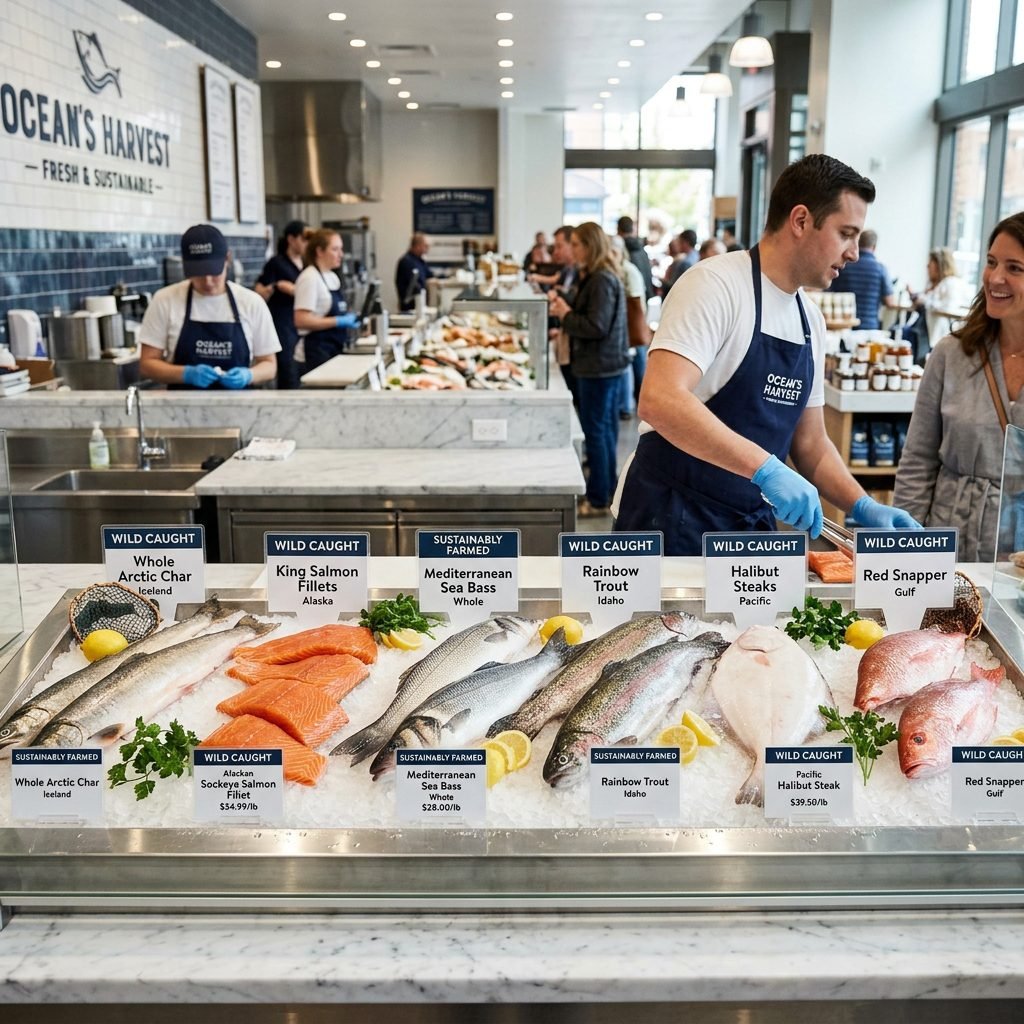
I know what you are thinking: ‘But what about the mercury?’ It is the number one question I get. The good news is that salmon is consistently ranked as a ‘Best Choice’ by the FDA and EPA because it is naturally low in mercury and high in nutrients. However, not all salmon is created equal. To get the most benefits with the least risk, you want to be intentional about what you buy.
Wild-Caught vs. Farmed
Whenever possible, reach for wild-caught Alaskan salmon (Sockeye or King). Wild salmon typically has a cleaner nutrient profile and higher levels of Omega-3s. If you choose farmed salmon, look for ‘Atlantic Salmon’ that is responsibly sourced (look for ASC or MSC certifications) to ensure it is free from excessive antibiotics or pollutants. Aim for 2 to 3 servings (8-12 oz total) per week to hit that ‘sweet spot’ for brain development.
| Fish Type | Safety Status | Why? |
|---|---|---|
| Wild Salmon | Green Light | Low mercury, highest DHA/EPA levels. |
| Sardines / Anchovies | Green Light | Very low on the food chain, extremely safe. |
| Canned Light Tuna | Yellow Light | Lower mercury than Albacore, limit to 6oz/week. |
| Swordfish / Shark | Red Light | High mercury levels; avoid during pregnancy. |
| Pollock / Catfish | Green Light | Low mercury, good variety option. |
Preparation Tips for Mamas
- Cook it through: Ensure salmon reaches an internal temperature of 145°F to kill any potential parasites or bacteria.
- Avoid Raw: Save the sashimi for your ‘push present’ meal after the baby arrives!
- Keep it Simple: A little olive oil, lemon, and sea salt is all you need. If you have a strong nose right now, try baking it in parchment paper (en papillote) to trap the smell.
Conclusion
Your Path to a Brilliant Beginning
Mama, you are doing an incredible job. The fact that you are even reading this shows how much you care about your little one’s future. Incorporating salmon into your diet is a simple, powerful, and delicious way to support that growing brain, protect your own mood, and set the stage for a healthy life. Don’t feel like you have to be a gourmet chef—even a simple salmon salad or a quick grilled fillet once or twice a week makes a world of difference. Trust your body, lean into the nourishment, and know that with every bite, you are giving your baby the very best start. You’ve got this, sister!