
Is It Safe? The Relaxing Bath Routine Every Pregnant Mom Needs
Oh, mama, I see you. Your back is aching, your ankles feel like they belong to someone else, and that sweet little bump is starting to feel a lot heavier by the end of the day. As your doula and your sister in this journey, I know exactly what you’re craving: a long, quiet, steamy soak in the tub. But then, that little voice of worry kicks in. Is it safe for the baby? Will I get too hot? Is this bath bomb okay?
Let’s take a deep breath together. The short answer is: Yes, you can absolutely enjoy a bath while pregnant! In fact, hydrotherapy is one of the oldest and most effective tools we have for prenatal comfort. However, there are a few “doula secrets” and safety guardrails we need to put in place to ensure both you and your little one stay perfectly safe. In this guide, we are going to walk through the science of bath safety, the best ingredients for your skin and soul, and a step-by-step routine that will turn your bathroom into a sanctuary of healing.
The Golden Rule: Temperature and Hyperthermia
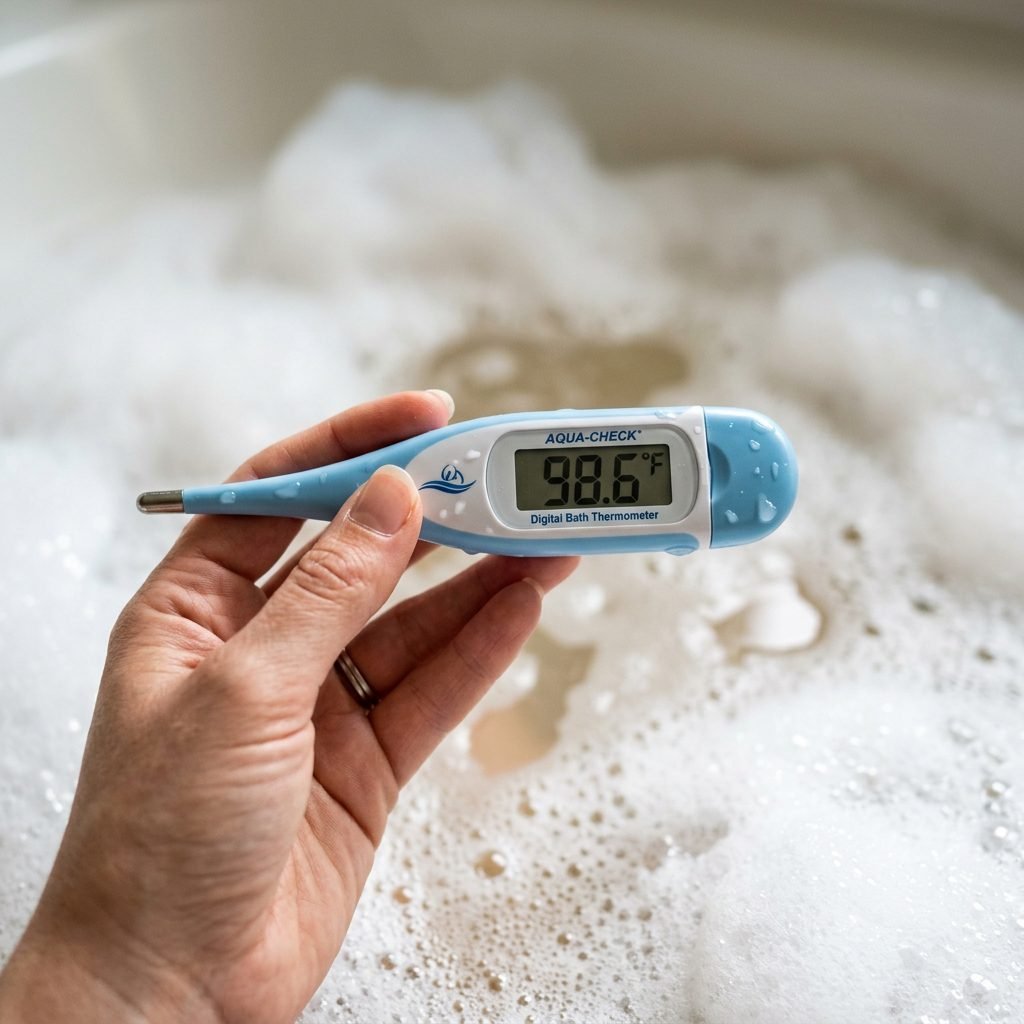
The number one concern when it comes to pregnancy baths is your core body temperature. While you might have loved a scalding hot soak in your pre-pregnancy life, your baby relies on you to regulate their environment. If your body temperature rises above 102.2°F (39°C) for an extended period, it can lead to a condition called hyperthermia, which has been linked to developmental risks, especially in the first trimester.
How to Keep it Safe
As your doula, I always recommend using a water thermometer—yes, the same one you’ll use for the baby later! Aim for water that is between 98°F and 100°F. If you don’t have a thermometer, the “elbow test” is your best friend. The water should feel comfortably warm, not hot enough to turn your skin red or make you sweat. If you start to feel lightheaded, dizzy, or notice you’re sweating, that is your body’s signal to step out and cool down immediately.
| Temperature Range | Safety Status | Effect on Body |
|---|---|---|
| 97°F – 99°F | Perfectly Safe | Relaxing, mimics body temp, no risk of overheating. |
| 100°F – 101°F | Cautionary | Safe for short durations (under 15 minutes). |
| 102°F and Above | Avoid | Risk of hyperthermia and decreased blood flow to the placenta. |
“Remember, mama: if the water makes your skin turn pink, it’s too hot for the passenger on board. Keep it cozy, not cooked!”
What’s in Your Water? Safe vs. Unsafe Ingredients
Your skin is your largest organ, and during pregnancy, it becomes significantly more absorbent and sensitive. Those high-fragrance, neon-colored bath bombs might look fun, but they often contain phthalates and synthetic dyes that can disrupt your hormones or cause a pesky yeast infection (which we definitely want to avoid right now!).
The Power of Magnesium
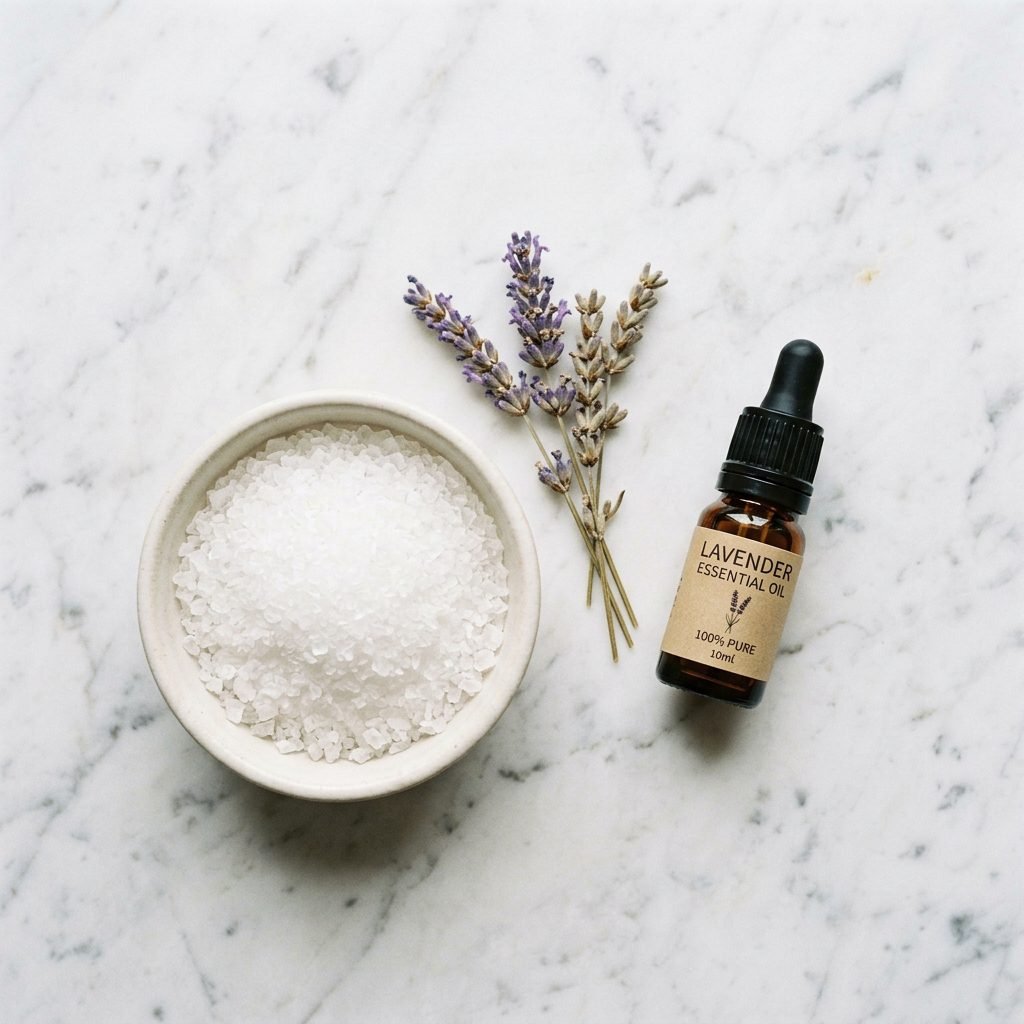
Instead of synthetic bubbles, I want you to reach for Epsom salts (Magnesium Sulfate). Magnesium is a miracle mineral for pregnant women. It helps soothe restless leg syndrome, reduces swelling, and can even help with those middle-of-the-night calf cramps. Adding 2 cups of Epsom salts to your bath is a doula-standard recommendation for physical recovery.
Essential Oil Safety
Not all oils are created equal during pregnancy. While some are wonderful for nausea and anxiety, others can stimulate uterine contractions. Stick to high-quality, therapeutic-grade oils and always dilute them in a carrier oil (like coconut or jojoba) before adding them to the water.
| Safe & Soothing | Avoid During Pregnancy |
|---|---|
| Lavender (Calming) | Clary Sage (Can stimulate contractions) |
| Chamomile (Anti-inflammatory) | Rosemary (May increase blood pressure) |
| Ylang Ylang (Reduces stress) | Jasmine (Often avoided until full term) |
| Sweet Orange (Uplifting) | Cinnamon (Skin irritant) |
The Step-by-Step ‘Zen Mama’ Ritual
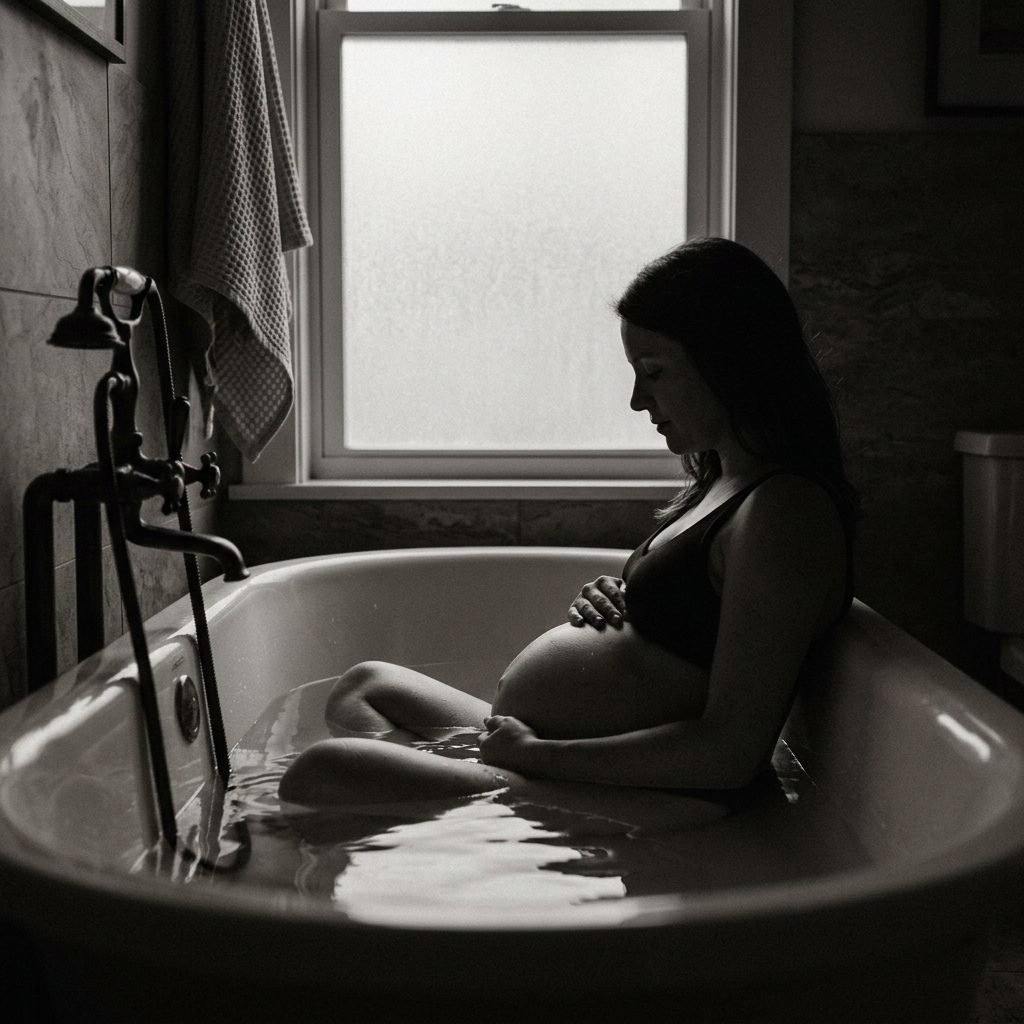
Let’s build your routine. This isn’t just a bath; it’s a ceremonial pause in your busy day to connect with your baby. Follow these steps for the ultimate relaxing experience:
- Hydration First: Drink a full 8-ounce glass of water before you get in. Baths can be dehydrating, and we want to keep that amniotic fluid levels optimal.
- Set the Atmosphere: Dim the lights. Use battery-operated tea lights if you’re worried about candle fumes. Play a guided pregnancy meditation or some soft “alpha waves” music.
- The Entry: Your center of gravity is shifting. Always have a non-slip mat inside and outside the tub. Sit on the edge first, then swing your legs in one at a time.
- The Soak: Limit your soak to 15–20 minutes. This is the sweet spot for muscle relaxation without over-elevating your core temperature.
- The Belly Connection: While you soak, place your hands on your bump. Visualize your baby floating in their own warm bath, feeling your heartbeat and your calm energy.
- The Exit: Move slowly! Pregnancy hormones like relaxin make your joints looser, and the warm water can lower your blood pressure momentarily. Stand up slowly, holding onto a sturdy grab bar or the edge of the tub.
“This is your time to pour into your own cup so you have more to give when baby arrives. You are doing a great job, mama.”
Targeting Pregnancy Aches: Hydrotherapy Techniques
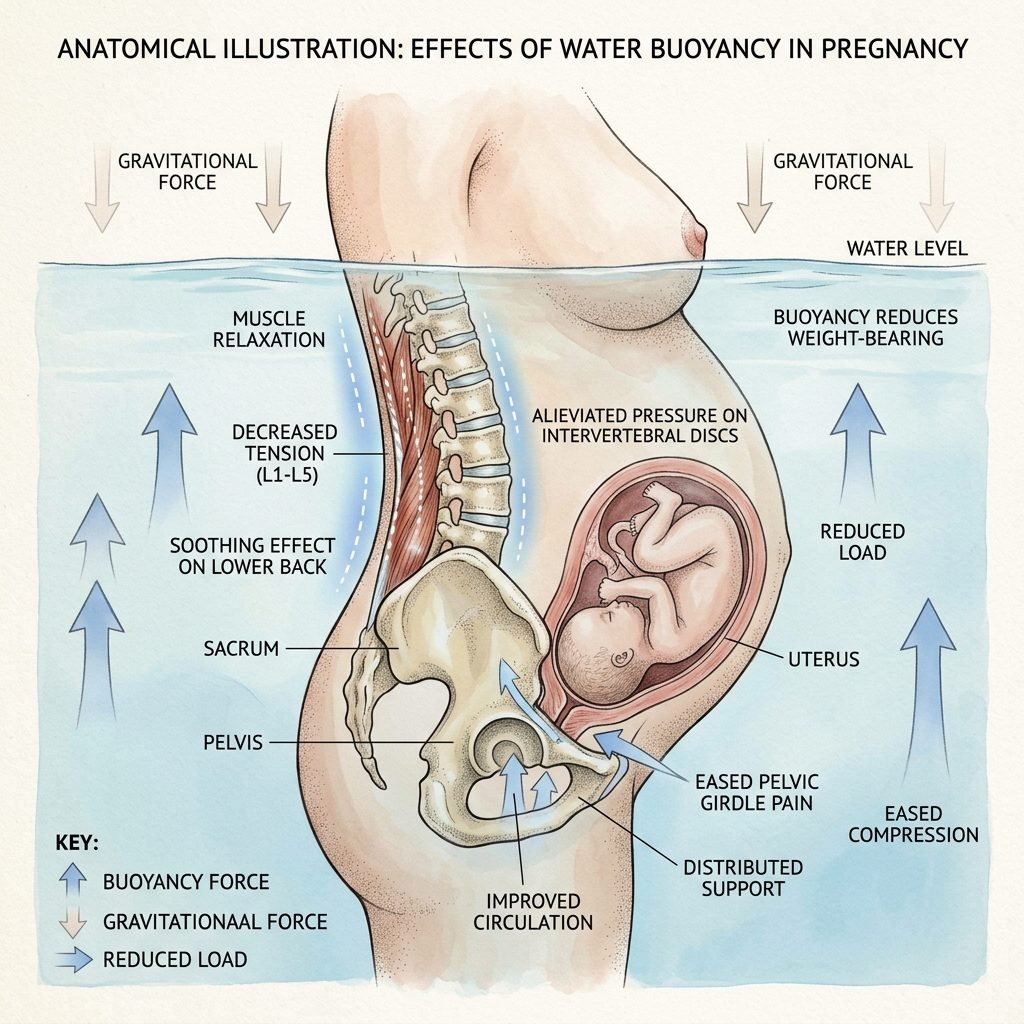
Did you know that when you are submerged in water up to your neck, you lose about 90% of your body weight? This buoyancy is a massive relief for your pelvic floor and lower back. If you are struggling with specific pains, try these targeted bath movements:
For Round Ligament Pain
Gently sway your hips from side to side while seated in the water. The warmth helps the ligaments stretch more comfortably, while the water supports the weight of the uterus.
For Swollen Ankles (Edema)
While soaking, perform gentle ankle circles and point/flex your toes. The hydrostatic pressure of the water actually helps push excess fluid back into your lymphatic system to be processed.
For Sciatica Relief
If you have a large enough tub, try to bring one knee toward your chest (as much as the bump allows) and hold it for 30 seconds. The warmth of the water acts like a heating pad that wraps around the entire nerve.
Post-Bath Care: Sealing in the Glow
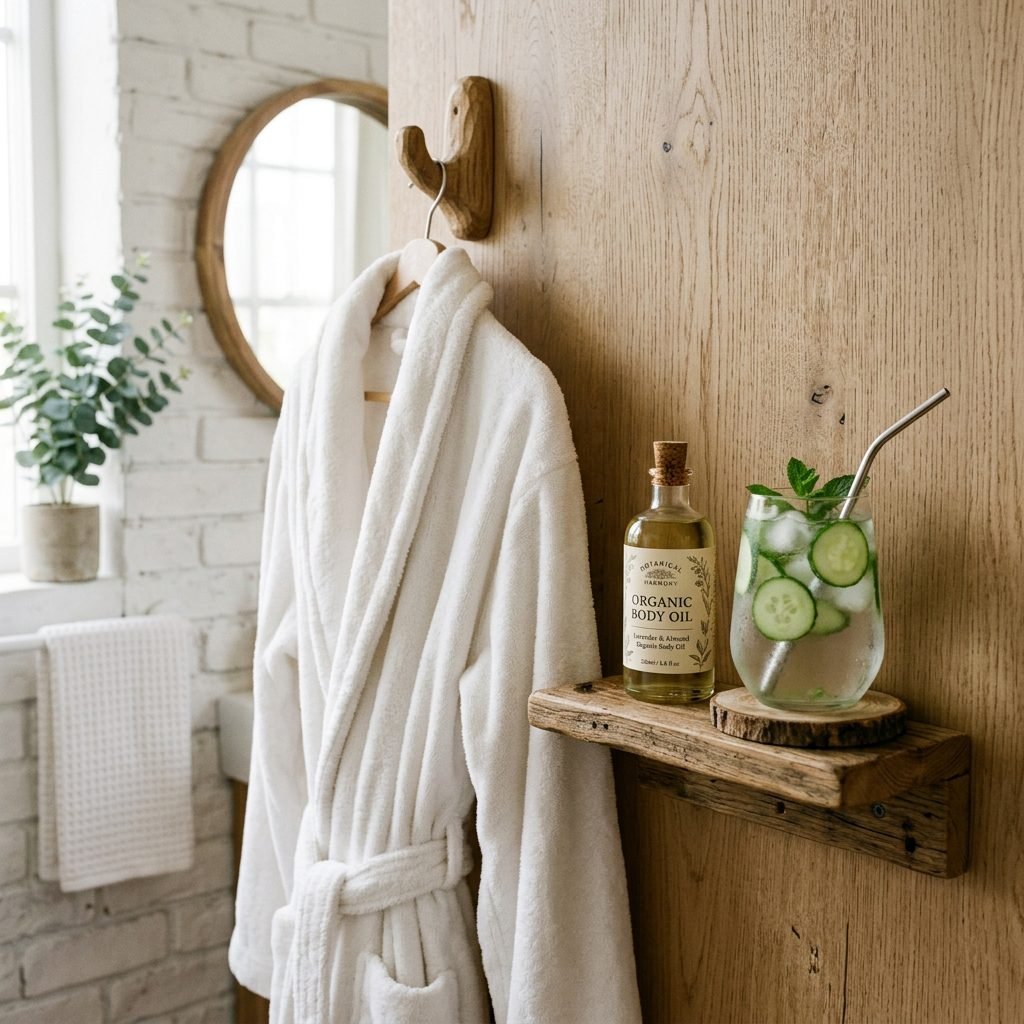
Once you’ve patted yourself dry (don’t rub!), your pores are open and ready for nourishment. This is the best time to apply your stretch mark oils or thick body butters. Look for products containing Shea Butter, Cocoa Butter, or Vitamin E.
Because your blood vessels have dilated from the warmth, you might feel a bit chilled after exiting. Have a plush, organic cotton robe waiting for you. Finish your ritual with another glass of water—perhaps with a slice of lemon or cucumber this time—to replenish any fluids lost through mild perspiration. This is also the perfect time to do a quick kick-count if you are in your third trimester, as babies often get quite active after a mom relaxes in the bath!
Conclusion
Taking a bath while pregnant isn’t just about hygiene; it’s about mental health, physical relief, and honoring the incredible work your body is doing every single second. By keeping the temperature under 100°F, choosing natural salts, and moving with mindfulness, you can turn your tub into a safe haven. You deserve this rest, sister. Go ahead, turn on the faucet, let the world fade away, and enjoy this beautiful moment of connection with your little one. You’ve got this!