
Don’t Get Bit: The Best Pregnancy Safe Bug Sprays For Summer Evenings
Hey there, sweet mama. There is nothing quite like those balmy summer evenings, is there? The way the golden hour light hits your growing bump, the slight breeze that finally cools the day—it’s pure magic. But as your doula and sister-in-motherhood, I also know the reality: you’re basically a walking, glowing beacon for every mosquito in the neighborhood. It’s not just your imagination; science actually tells us that pregnant women are more attractive to mosquitoes due to increased body heat and the extra carbon dioxide we exhale.
I know you’re navigating a million ‘can I use this?’ questions right now. From sushi to skincare, the list of safety checks feels endless. When it comes to bug spray, the stakes feel high because we aren’t just protecting our own skin; we are protecting the precious life growing inside. You want to avoid those itchy, miserable welts, but you also want to ensure that no harsh chemicals are crossing the placental barrier. Take a deep breath, mama. I’ve done the deep diving for you. In this guide, we’re going to walk through exactly what is safe, what to skip, and how to enjoy your summer evenings without the ‘buzz’ of worry.
The Mosquito Magnet: Why Pregnancy Changes the Game
Have you noticed you’re getting nibbled on more than your partner lately? You aren’t crazy! During pregnancy, your body undergoes physiological changes that turn you into a high-end buffet for biting insects. Understanding this helps us realize that protection isn’t just a luxury—it’s a necessity for your comfort and health.
Increased Breath and CO2
Mosquitoes use carbon dioxide to find their targets from a distance. Because you are breathing for two, your metabolic rate increases, and you actually exhale about 21% more CO2 than non-pregnant women. It’s like sending out a homing signal to every bug in a fifty-foot radius.
The Radiant Heat Factor
We’ve all heard of the ‘pregnancy glow,’ but that glow comes with actual physical heat. Your body temperature is slightly higher when you’re expecting, and mosquitoes are highly sensitive to thermal signatures. You are quite literally the warmest, most inviting spot in the garden.
“Remember, mama: your body is doing incredible work right now. If the bugs are noticing you, it’s only because you are literally radiating life and energy. We just need to put up a little ‘do not disturb’ sign for the local pests!”
Decoding the Label: What’s Safe vs. What to Avoid
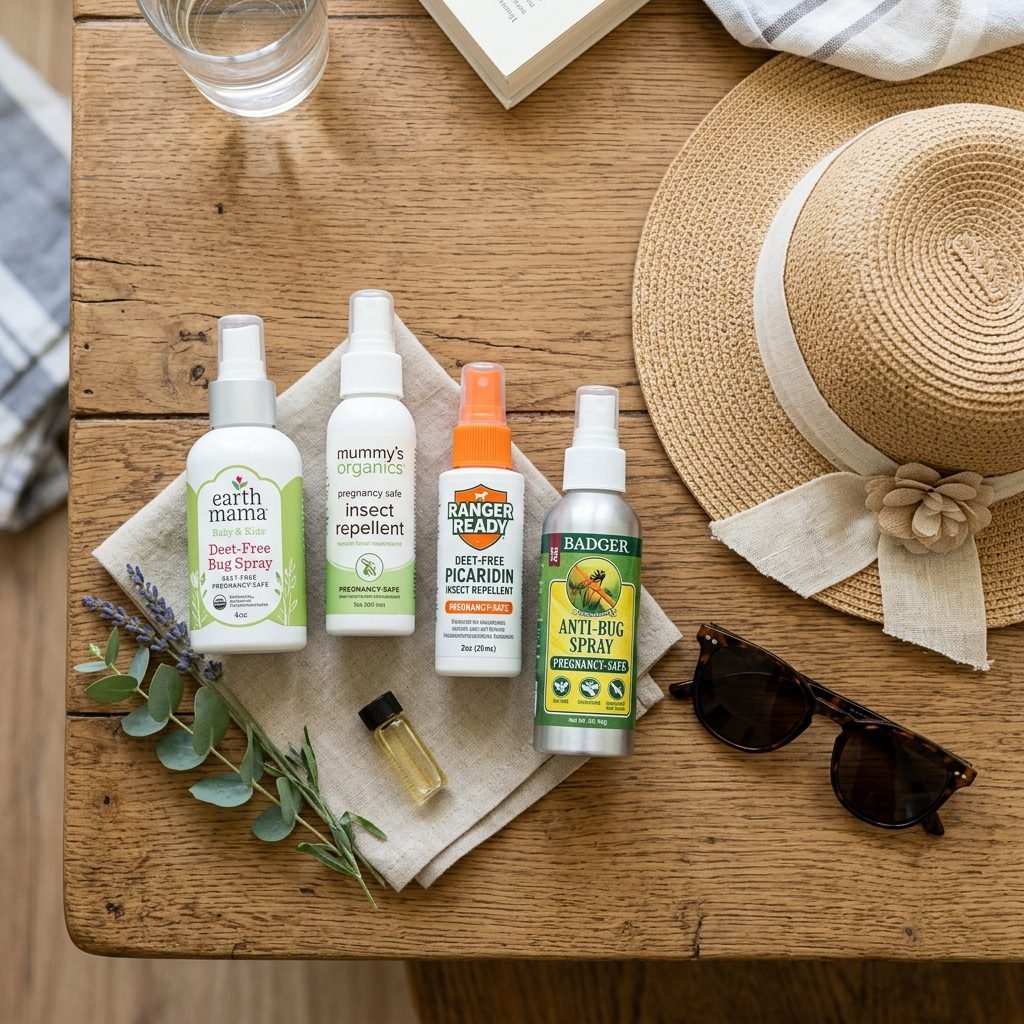
When you’re standing in the pharmacy aisle, the labels can be overwhelming. As a doula, I always recommend looking for products that are EPA-registered. This ensures they’ve been studied for both efficacy and safety. However, not all EPA-registered ingredients are created equal for the prenatal period.
The Truth About DEET
DEET is the gold standard for many, and while the CDC and ACOG (American College of Obstetricians and Gynecologists) generally consider it safe in concentrations of 20% to 30%, many mamas prefer to look for alternatives during the first trimester. If you use it, less is more.
The ‘Avoid’ List
We want to steer clear of heavy synthetic fragrances and certain ‘undisclosed’ chemicals that act as endocrine disruptors. Below is a quick-reference guide to help you shop with confidence.
| Ingredient | Safety Status | Doula’s Notes |
|---|---|---|
| Picaridin | Safe & Recommended | Mimics a pepper plant compound; non-greasy and very effective. |
| IR3535 | Safe & Recommended | A synthetic amino acid that is very gentle on sensitive skin. |
| DEET (under 30%) | Generally Safe | Use sparingly; avoid high-concentration ‘woodsman’ formulas. |
| Oil of Lemon Eucalyptus (OLE) | Safe for Mom | Very effective, but do not use on children under 3 once baby arrives. |
| Permethrin | Safe for Clothing | Great for shoes and gear; do not apply directly to skin. |
| Synthetic Fragrances | Avoid | Can cause skin irritation and contain hidden phthalates. |
Top 3 Pregnancy-Safe Ingredients You’ll Love
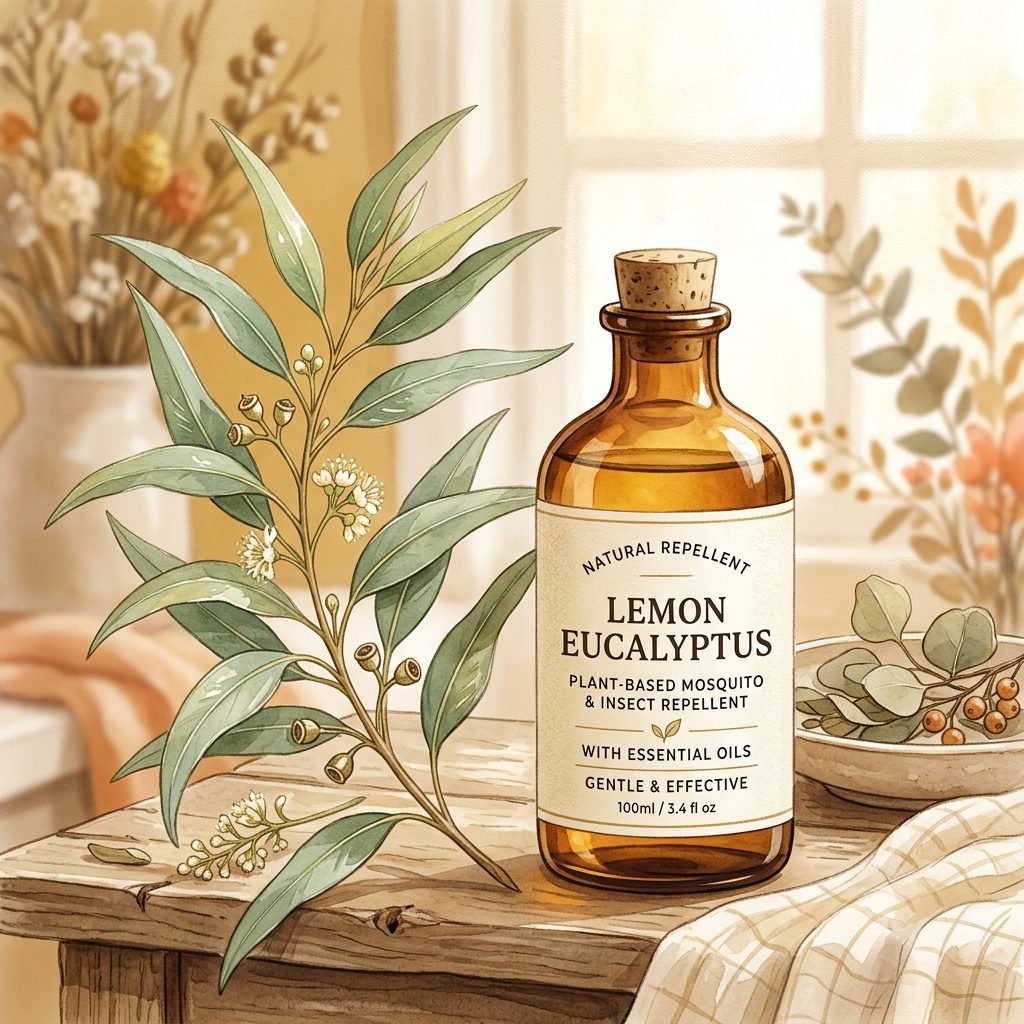
If you’re looking for the best balance between ‘actually works’ and ‘peace of mind,’ these three ingredients are the winners in the maternal wellness world.
1. Picaridin: The Modern Favorite
Picaridin is a synthetic version of a compound found in pepper plants. Unlike DEET, it isn’t oily, it doesn’t smell like a chemical factory, and it won’t damage your plastic sunglasses or maternity leggings. It is highly effective against both mosquitoes and ticks (which carry Lyme disease—something we definitely want to avoid while pregnant).
2. IR3535: The Gentle Protector
This is an amino acid derivative. It’s been used in Europe for decades with an excellent safety profile. It’s often found in ‘family-friendly’ lotions. If your skin has become extra sensitive during pregnancy (thanks, hormones!), this is often the best choice for avoiding rashes.
3. Oil of Lemon Eucalyptus (OLE)
Not to be confused with ‘Lemon Eucalyptus Essential Oil,’ OLE is a plant-based repellent that has been refined to concentrate the bug-fighting compounds. It is the only plant-based ingredient recommended by the CDC for high-risk areas. Note: It has a very strong scent, so if you’re still dealing with morning sickness or scent aversions, give this a ‘sniff test’ before slathering it on!
Safe Application 101: A Doula’s Step-by-Step Guide
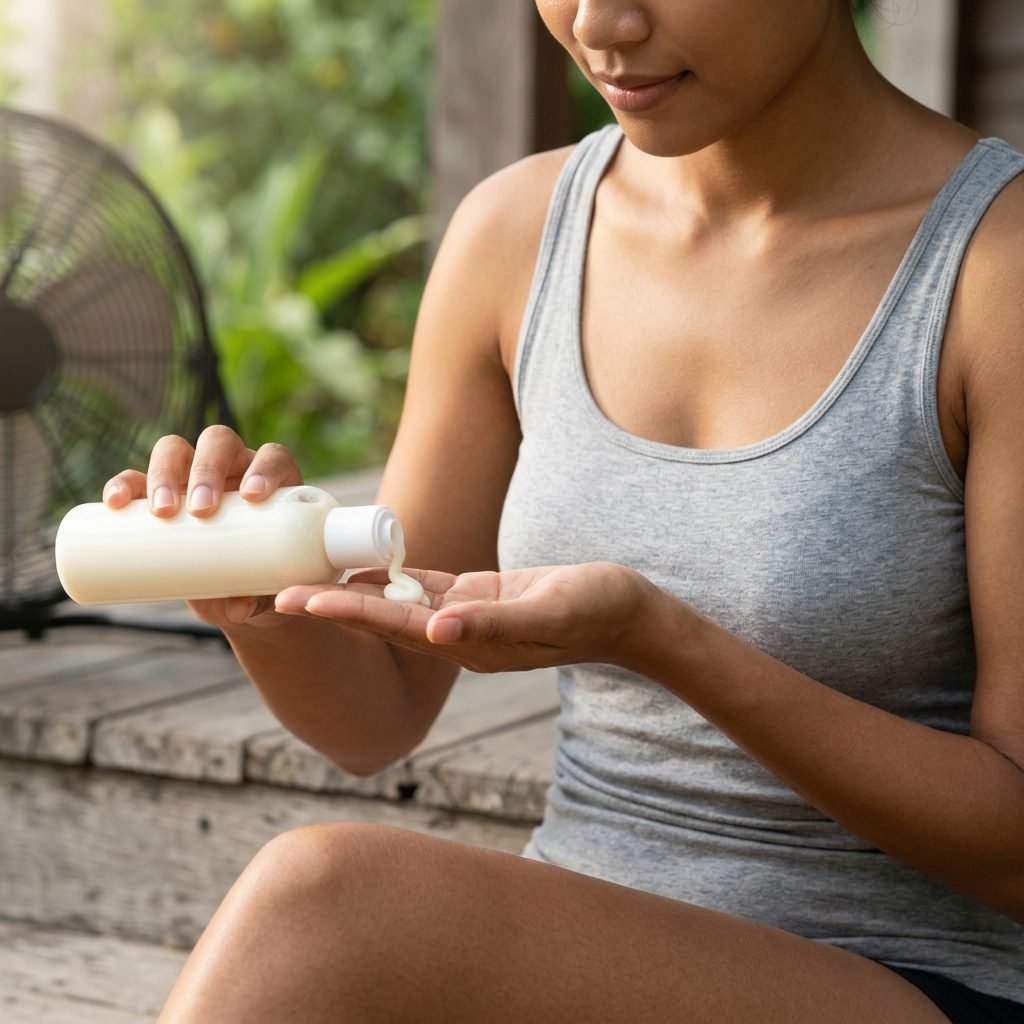
It’s not just about what you use, but how you use it. Your skin is your largest organ, and during pregnancy, it’s more porous and sensitive than ever. Follow these steps to minimize absorption while maximizing protection.
- Apply to Clothing First: Whenever possible, spray your clothes instead of your skin. This creates a barrier without direct contact.
- The ‘Hand-to-Face’ Method: Never spray your face directly. Spray a small amount into your palms and then gently pat it onto your face, avoiding your eyes and mouth.
- Wash Upon Re-entry: Once you come inside for the night, wash the repellent off your skin with warm, soapy water. There’s no need for the chemicals to sit on your skin while you sleep.
- Avoid Broken Skin: Pregnancy can sometimes lead to itchy skin or ‘prurigo’ bumps. Never apply repellent over scratched or broken skin.
- The Fan Trick: If you’re sitting on a porch, use a plug-in floor fan. Mosquitoes are weak fliers; a simple breeze is often more effective than any chemical!
“Treat your skin like the sacred barrier it is. A little bit of product goes a long way when you’re also using smart physical barriers like fans and linen layers.”
Natural Alternatives and Backyard Hacks

If you are in a low-risk area (where Zika or West Nile aren’t a major concern) and want to go 100% natural, you have options! These are wonderful for a quiet evening on the patio.
Citronella and Soy Candles
Soy-based candles with high-quality citronella oil can help clear a small area. Look for ‘clean burning’ options to ensure you aren’t inhaling paraffin soot, which isn’t great for your lungs or the baby’s.
The Power of Apparel
I am a huge fan of maternity linen. Long-sleeved linen shirts and wide-leg linen pants are breathable enough for the summer heat but thick enough to keep bugs off your skin. Light colors are best, as mosquitoes are attracted to dark, heat-absorbing fabrics.
Essential Oil Blends
While not as long-lasting as Picaridin, blends of peppermint, cedarwood, and geranium oil can offer short-term protection. Just remember to always dilute essential oils in a carrier oil (like coconut or jojoba) because pregnancy skin is prone to contact dermatitis.
What if I Get Bit? Pregnancy-Safe Itch Relief
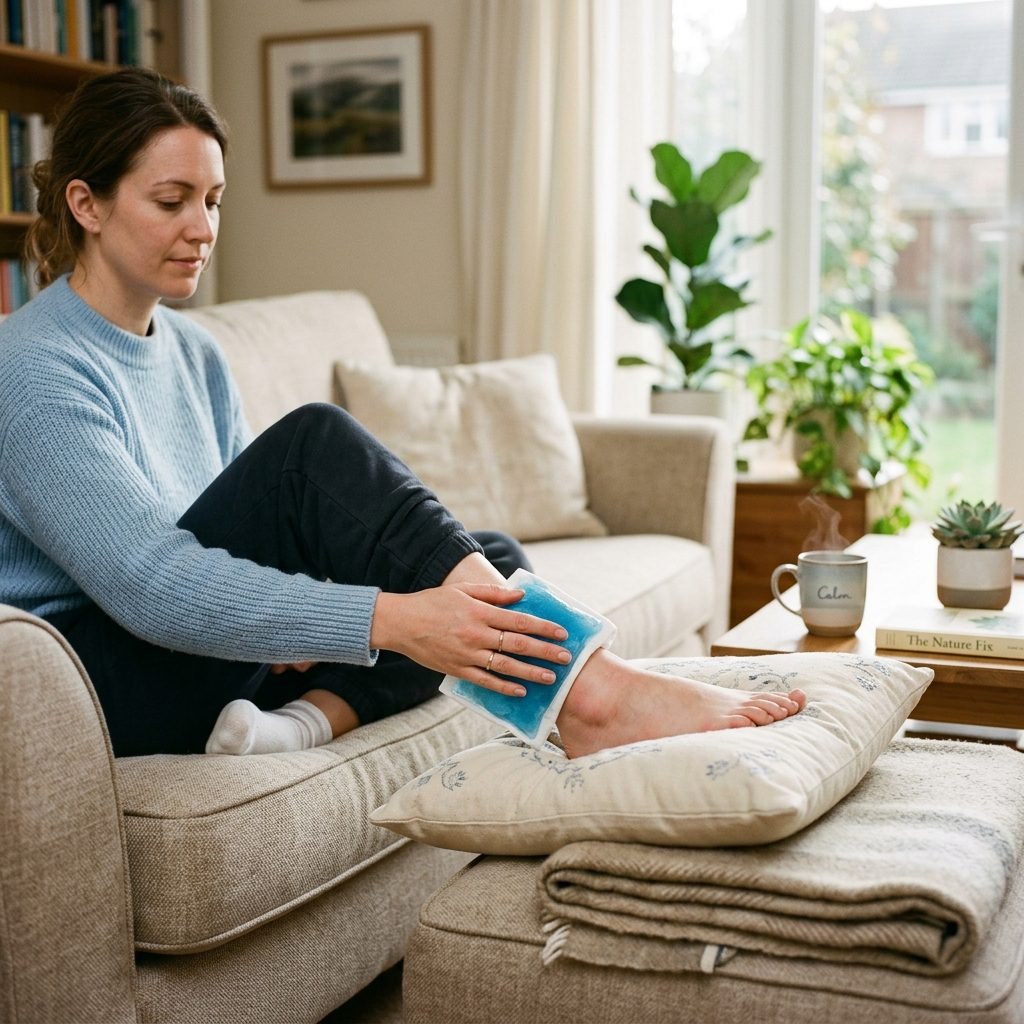
Even with the best prep, a rogue mosquito might find its way to you. Don’t panic! Scratching can lead to skin infections, so we want to soothe that itch fast.
- Cold Compress: A simple ice pack or a cold cloth can numb the area and reduce swelling instantly.
- Baking Soda Paste: Mix a little baking soda with water to create a thick paste. Apply it to the bite for 10 minutes to neutralize the sting.
- Colloidal Oatmeal: If you have multiple bites, a lukewarm bath with colloidal oatmeal (like Aveeno) is a lifesaver for itchy pregnancy skin.
- Calamine Lotion: This old-school remedy is perfectly safe for pregnancy and works wonders for drying out bites.
- Witch Hazel: A dab of witch hazel on a cotton ball can provide cooling relief and act as a mild antiseptic.
Conclusion
Mama, summer should be a time of joy and relaxation before your little one arrives. Don’t let the fear of bugs—or the fear of bug sprays—keep you trapped indoors. By choosing EPA-registered ingredients like Picaridin or IR3535, practicing smart application habits, and embracing the breeze of a good porch fan, you can enjoy every sunset and firefly. You are doing a wonderful job protecting your baby, and that includes taking care of your own comfort. So go ahead, grab that mocktail, head out to the patio, and soak up these quiet moments. You’ve earned them!