The Cheese Cheat Sheet: Which Soft Cheeses Are Actually Safe To Eat?
Welcome to the Safe Snack Zone, Mama!
Oh, sweet mama, I know exactly what you are going through. You’re standing in the grocery store aisle, staring at a beautiful wedge of Brie or a container of crumbly Feta, and suddenly, your brain is a whirlwind of questions. Is it safe? Will it hurt the baby? Did I read somewhere that soft cheese is off-limits? First, take a deep breath. It is completely normal to feel this ‘food anxiety.’ As your doula, I’m here to tell you that you don’t have to give up your love for cheese entirely; you just need a little bit of knowledge to navigate the deli counter with confidence.
The reason we talk so much about cheese in the pregnancy world isn’t just to be party poopers. It’s all about a tiny, pesky bacterium called Listeria monocytogenes. While rare, Listeria can be quite serious for expectant mothers because our immune systems are naturally suppressed to protect our growing little ones. But here is the good news: most of the cheese sold in modern supermarkets is actually perfectly fine! This guide is your sisterly ‘cheat sheet’ to help you distinguish between the ‘green light’ treats and the ‘wait-until-the-push-party’ indulgences. Let’s dive into the delicious details together.
The Science of the Squeeze: Why Listeria Matters
Understanding Your Protective Shield
During pregnancy, your body undergoes a miraculous transformation. To ensure your body doesn’t reject the beautiful ‘foreign’ life growing inside you, your immune system dials back its intensity. This is a brilliant biological move, but it does leave you slightly more vulnerable to foodborne illnesses like Listeriosis. Pregnant women are about 10 times more likely to get a Listeria infection than the general population.
Listeria is a hardy bug; unlike many other bacteria, it can actually grow in the cold temperatures of your refrigerator. It loves moisture and low-acid environments, which is exactly what some soft cheeses provide. If contracted, it can cross the placenta, which is why we take these precautions so seriously. However, I want to reassure you: cases are extremely rare. By following a few simple rules, you can protect your baby while still enjoying a nourishing, calcium-rich diet.
Remember, mama: Knowledge isn’t meant to scare you; it’s meant to empower you. You are doing a great job protecting your little sprout!
The Golden Rule: Pasteurization is Your Best Friend
The Magic of 161 Degrees
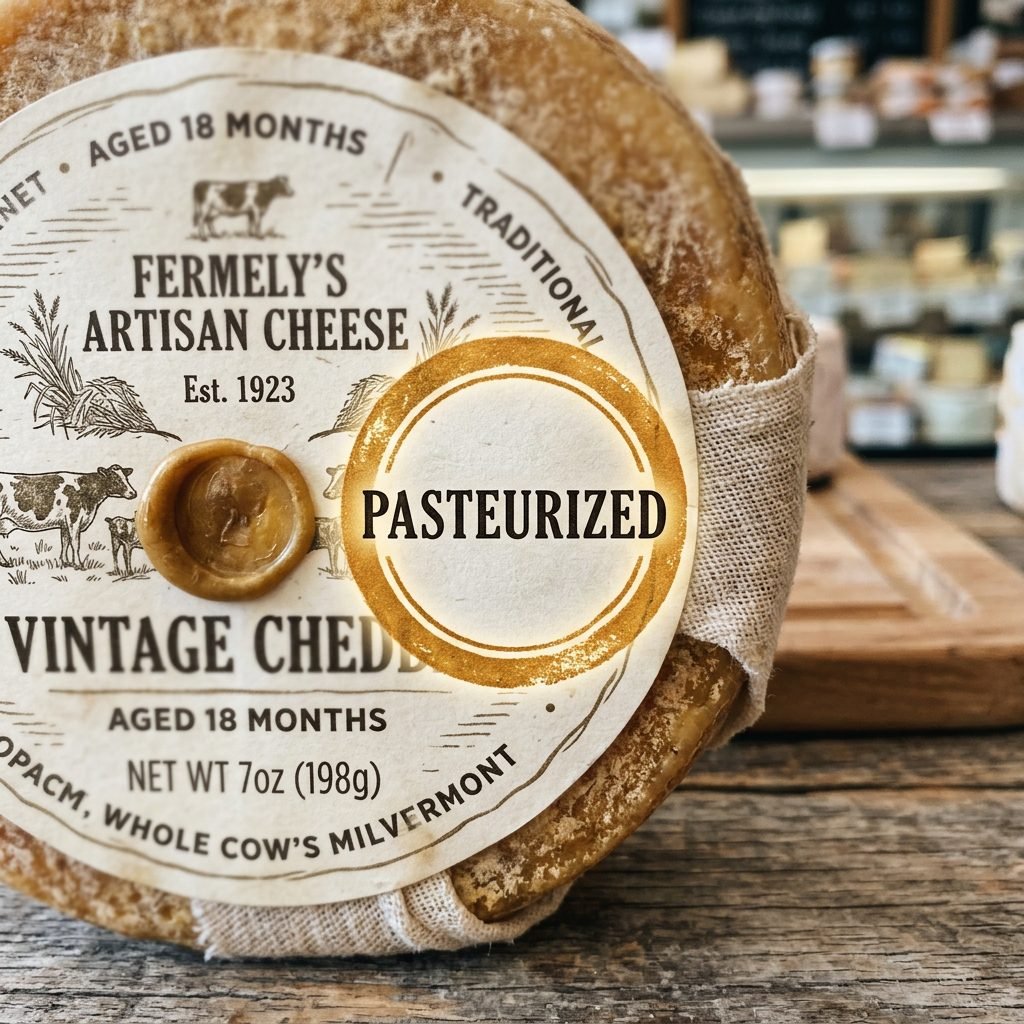
If you remember only one thing from this guide, let it be this: Pasteurization is the ultimate game-changer. Pasteurization is the process of heating milk to a specific temperature (usually 161°F for 15 seconds) to kill off harmful bacteria, including Listeria. In the United States, the FDA has very strict regulations, and the vast majority of soft cheeses sold in mainstream grocery stores are made with pasteurized milk.
How to Read the Label Like a Pro
When you pick up a package of cheese, turn it over and look at the ingredient list. You are looking for the words ‘Pasteurized Milk.’ If you see those words, the risk of Listeria is drastically reduced. If a cheese is ‘Raw’ or ‘Unpasteurized,’ it’s best to leave it on the shelf for now. In many countries, including the US, it is actually illegal to sell unpasteurized soft cheeses that haven’t been aged for at least 60 days (which kills bacteria), but ‘fresh’ raw cheeses are the ones we truly want to avoid.
| Cheese Category | Safe Choice (Pasteurized) | Riskier Choice (Raw/Unpasteurized) |
|---|---|---|
| Mexican Style | Commercial Queso Fresco | ‘Bathtub’ or Homemade Queso |
| French Style | Pasteurized Brie/Camembert | Raw Milk Brie de Meaux |
| Greek Style | Pasteurized Feta in Brine | Raw, Farm-Fresh Feta |
| Italian Style | Pasteurized Mozzarella/Ricotta | Unpasteurized Gorgonzola |
The ‘Green Light’ List: Cheeses You Can Enjoy Today
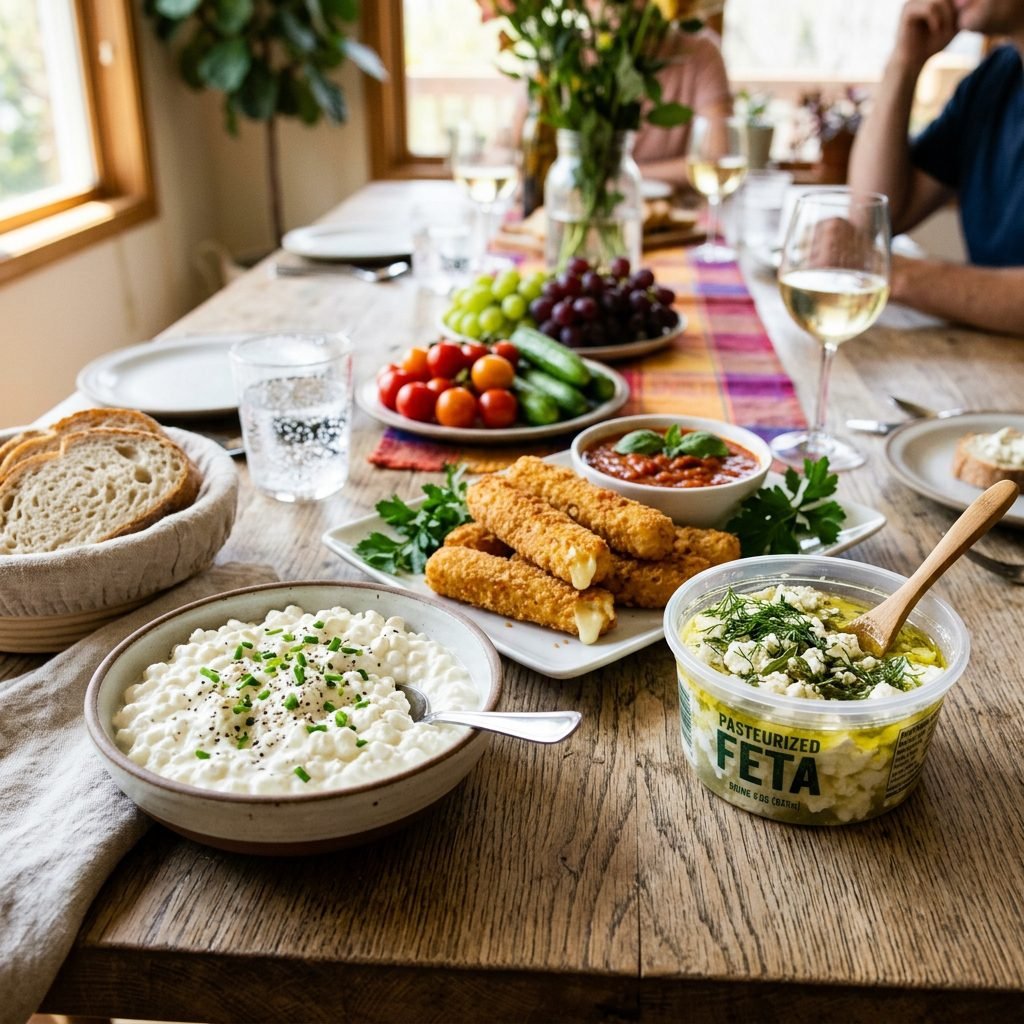
Soft Cheeses That Are Generally Safe
You’ll be happy to know that many of your favorites are likely back on the menu! Because they are almost always made with pasteurized milk in commercial settings, the following are generally considered safe for you and your bump:
- Cream Cheese and Neufchâtel: Perfect for your morning bagel. These are highly processed and safe.
- Cottage Cheese: A fantastic source of protein for that second-trimester hunger!
- Mascarpone and Ricotta: Go ahead and enjoy that lasagna or cannoli filling.
- Processed Mozzarella: The kind on your pizza or in string-cheese form is a gold-star snack.
- Pasteurized Feta: Most Feta sold in plastic tubs in the US is pasteurized. Just check the label!
- Pasteurized Goat Cheese (Chèvre): Spread it on some whole-grain crackers for a sophisticated, safe snack.
A Note on Storage
Even safe cheeses can become contaminated if they sit in your fridge for too long. Always consume soft cheeses within 5-7 days of opening, and make sure your refrigerator is set to 40°F (4°C) or colder. Cleanliness in your kitchen is just as important as the cheese itself!
The ‘Yellow Light’ List: Proceed with Caution
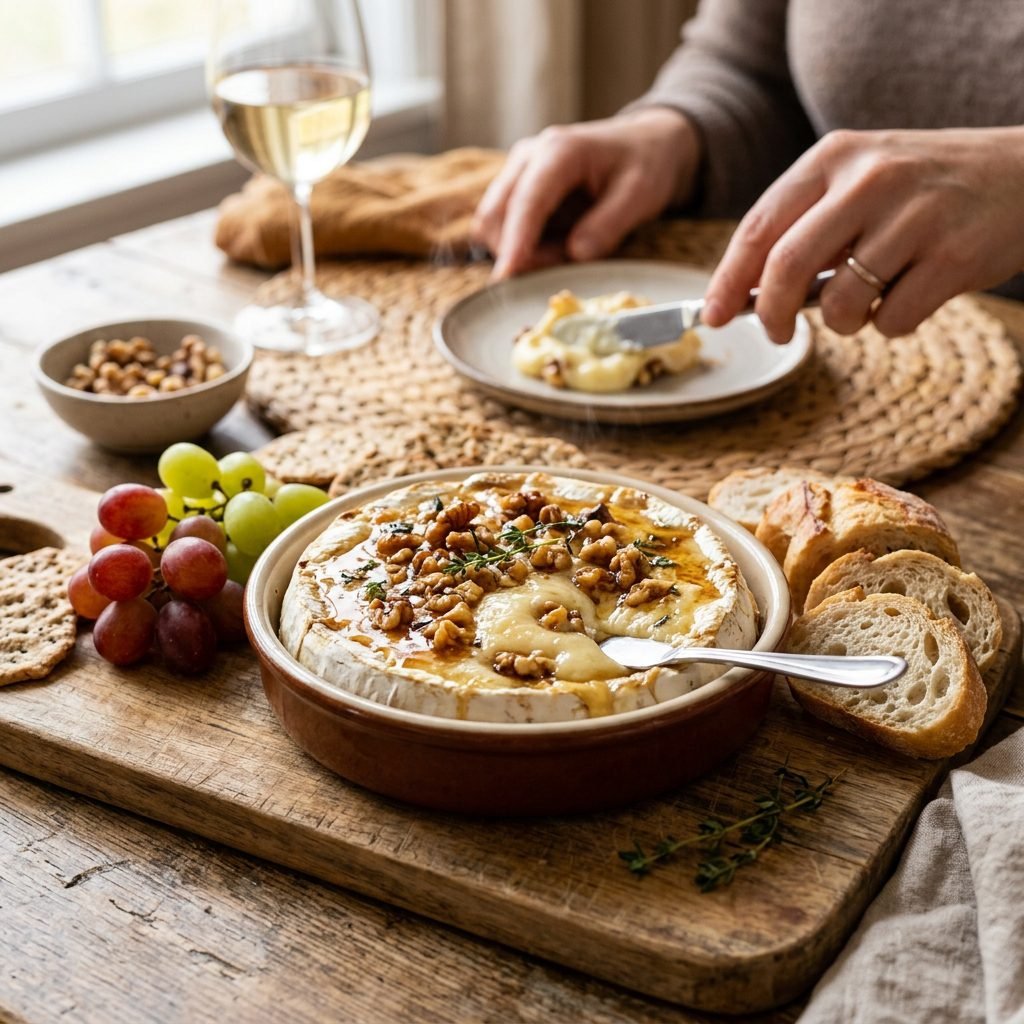
The Brie and Camembert Conundrum
This is where things get a little tricky, mama. Technically, if Brie or Camembert is made with pasteurized milk, it is ‘safe.’ However, many doctors and midwives suggest extra caution. Why? Because these cheeses have a white, bloomy rind made of mold. This rind is moist and has low acidity, which can potentially allow Listeria to grow if it is introduced after the pasteurization process (cross-contamination at the deli, for example).
How to Make It 100% Safe
If you are craving that gooey, buttery goodness, there is a simple trick: Cook it! Listeria is killed by high heat. If you bake your Brie until it is bubbling and hot all the way through (reaching an internal temperature of 165°F), it is perfectly safe to eat. A beautiful baked Brie with cranberry sauce? Yes, please!
Pro Tip: When shopping for soft cheeses with rinds, buy pre-packaged versions rather than having them sliced at the deli counter to minimize the risk of cross-contamination from shared knives.
The ‘Red Light’ List: What to Avoid Until Postpartum
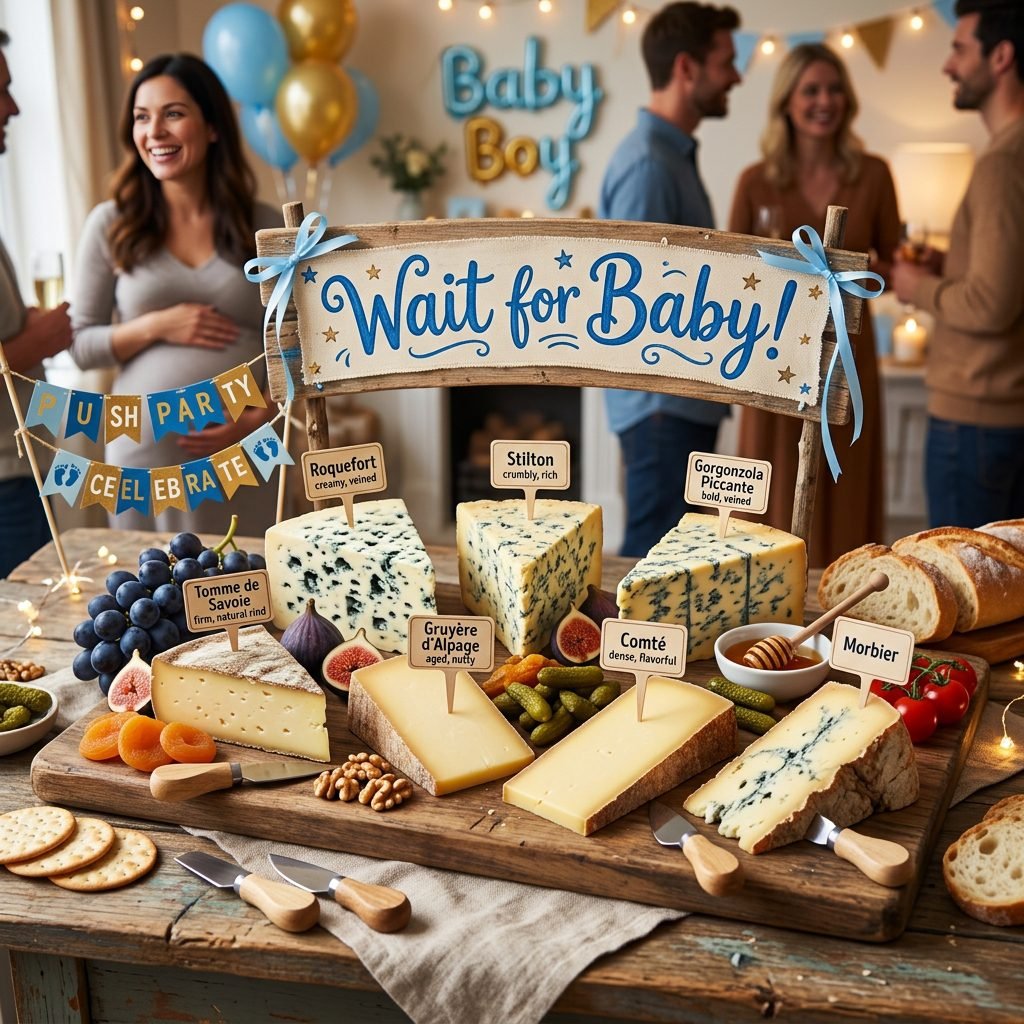
The True No-Gos
While we want to be flexible, there are a few items that are best saved for your celebratory ‘Push Party’ meal after the baby arrives. These carry a higher risk because of how they are aged or the moisture content they hold:
- Raw Milk Soft Cheeses: Any soft cheese explicitly labeled ‘raw’ or ‘unpasteurized.’
- Blue-Veined Cheeses: Cheeses like Danish Blue, Roquefort, and Gorgonzola. Even if pasteurized, the mold veins and high moisture can be a breeding ground for bacteria. (Note: Cooked blue cheese sauce is okay if heated to boiling!)
- Queso Fresco and Queso Blanco: Unless they are commercially produced and clearly labeled pasteurized. Avoid ‘authentic’ versions sold at farmer’s markets or by individuals, as these are historically linked to Listeria outbreaks.
What About Hard Cheeses?
Good news! Hard cheeses like Cheddar, Parmesan, Swiss, and Gouda are almost always safe, even if made with unpasteurized milk. This is because they have low moisture and high salt content, which makes it nearly impossible for Listeria to survive the long aging process. Grate that Parm on your pasta with total peace of mind!
Your Safe Snacking Strategy: A Doula’s Checklist

Practical Tips for the Grocery Store
To keep you and your little one thriving, follow this simple checklist every time you shop:
- Check the Label: Look for ‘Pasteurized Milk’ as the first or second ingredient.
- Check the Date: Never buy cheese that is close to its expiration date. Freshness is key!
- Avoid the Deli Counter: Opt for factory-sealed packages to avoid cross-contamination from slicers.
- Temperature Check: Ensure the cheese feels cold to the touch when you pick it up from the refrigerated case.
- The 165°F Rule: If you’re unsure, cook it until it’s piping hot.
You are doing such a wonderful job navigating all these new rules. It can feel overwhelming, but remember that these choices are a beautiful act of love for your baby. You’re already a fantastic mother!
Conclusion
Eat Well and Rest Easy, Mama
So, can you have your cheese and eat it too? In most cases, the answer is a resounding YES! By sticking to pasteurized varieties, keeping an eye on storage dates, and opting for the ‘baked’ version of your favorite rinded cheeses, you can satisfy those cravings safely. Pregnancy is a journey of a thousand tiny choices, and you are handling them with grace and wisdom. Keep nourishing that body, keep listening to your instincts, and know that I am cheering you on every step of the way. Soon enough, you’ll be holding your little one, and you can celebrate with the biggest, most ‘unpasteurized’ cheese board your heart desires! You’ve got this, mama.