How to Make DIY Organic Cotton Baby Washcloths (An Easy No-Sew Tutorial)
Embracing the Gentle Touch: Why Hand-Crafted Matters
Hello, sweet mama. If you are in the thick of your nesting phase, or perhaps you are a doula looking for the perfect, heartfelt gift for a client, you know that the items touching a newborn’s skin carry a special significance. A baby’s skin is 30% thinner than an adult’s, making it incredibly sensitive to textures and chemicals. As a doula and maternal wellness advocate, I often see parents overwhelmed by the sheer volume of synthetic baby products on the market. That is why I am so passionate about returning to basics with organic cotton.
Creating your own baby washcloths is not just a budget-friendly hack; it is a mindful ritual. It allows you to control exactly what touches your little one during their most vulnerable and precious moments—like that very first sponge bath or the soothing evening wind-down. This no-sew tutorial is designed for the busy mom who wants the best for her baby without needing to master a sewing machine. We are going to use high-quality organic textiles and a simple technique to create professional-looking, ultra-soft cloths that will last through hundreds of washes.
“In the quiet moments of preparation, we are not just making things; we are weaving love and safety into the very fabric of our baby’s new world.”
The Science of Softness: Why Organic Cotton is Essential
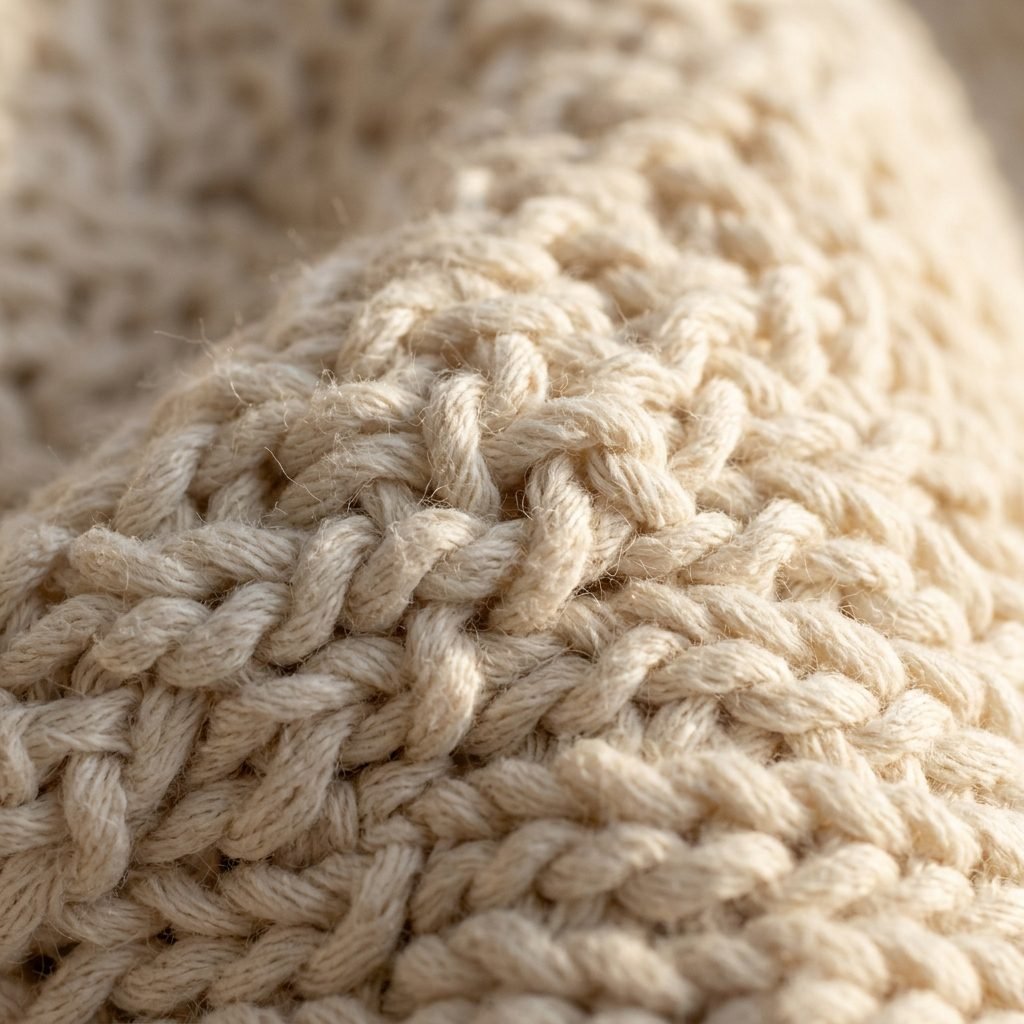
When we talk about ‘organic’ in the nursery, we aren’t just following a trend. We are prioritizing the health of your baby’s developing endocrine system and skin barrier. Conventional cotton is often treated with pesticides, heavy metals, and formaldehyde during the manufacturing process. These residues can linger in the fibers, potentially causing contact dermatitis or respiratory irritation in sensitive infants.
Understanding Textile Certifications
When shopping for your fabric, look for two specific gold standards:
- GOTS (Global Organic Textile Standard): This ensures the fabric is organic from seed to shelf, including fair labor practices.
- OEKO-TEX Standard 100: This certifies that every component of the fabric, from the thread to the dye, has been tested for harmful substances.
For this project, I recommend Organic Cotton Interlock Knit or Organic Bamboo/Cotton Fleece. These fabrics are thick, absorbent, and—most importantly for a no-sew project—they do not fray significantly when cut properly. They provide that cloud-like texture that makes bath time a sensory delight rather than a chore.
Materials and Budget Breakdown
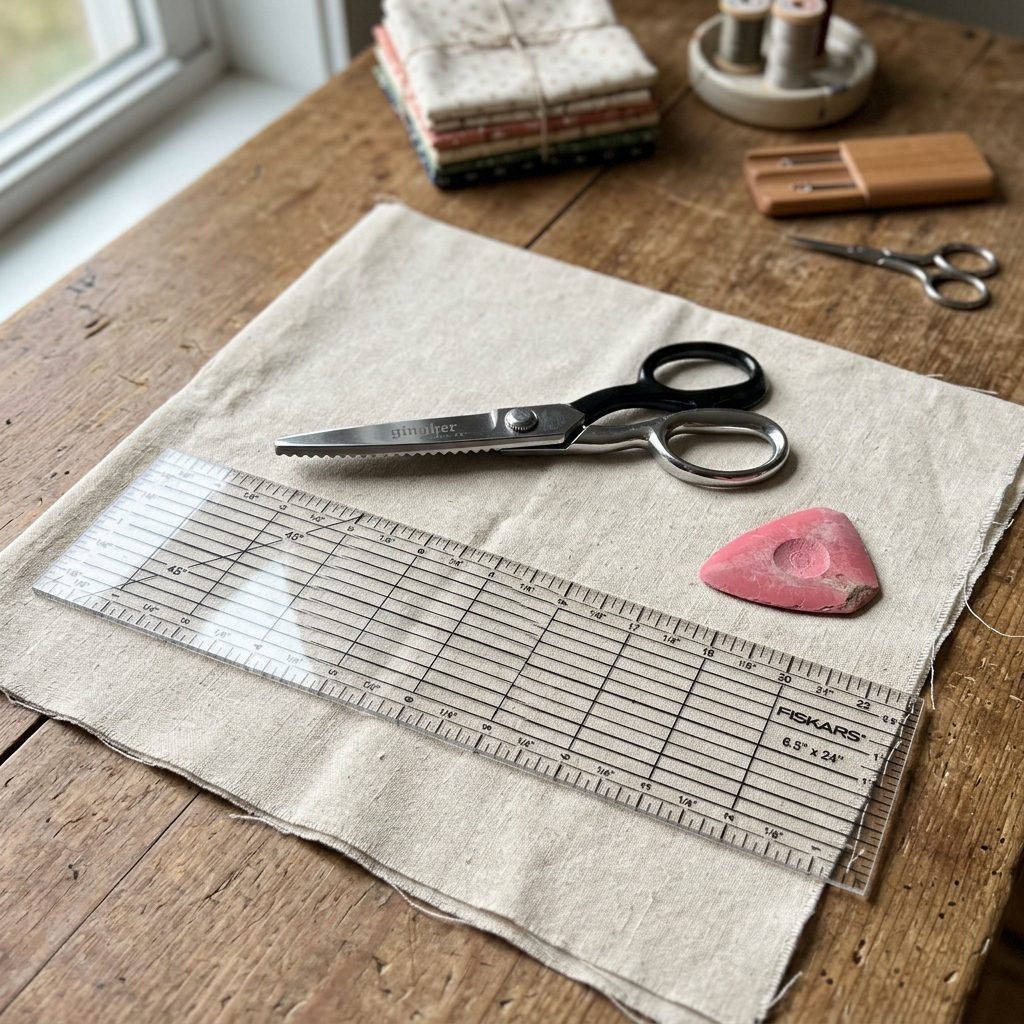
One of the most beautiful aspects of this DIY is how cost-effective it is compared to high-end boutique organic brands. You can often make 12 to 15 washcloths for the price of a single 3-pack from a luxury retailer. Below is everything you will need to get started.
| Item | Purpose | Estimated Cost |
|---|---|---|
| 1 Yard Organic Cotton Interlock | The main body of the washcloth | $15.00 – $22.00 |
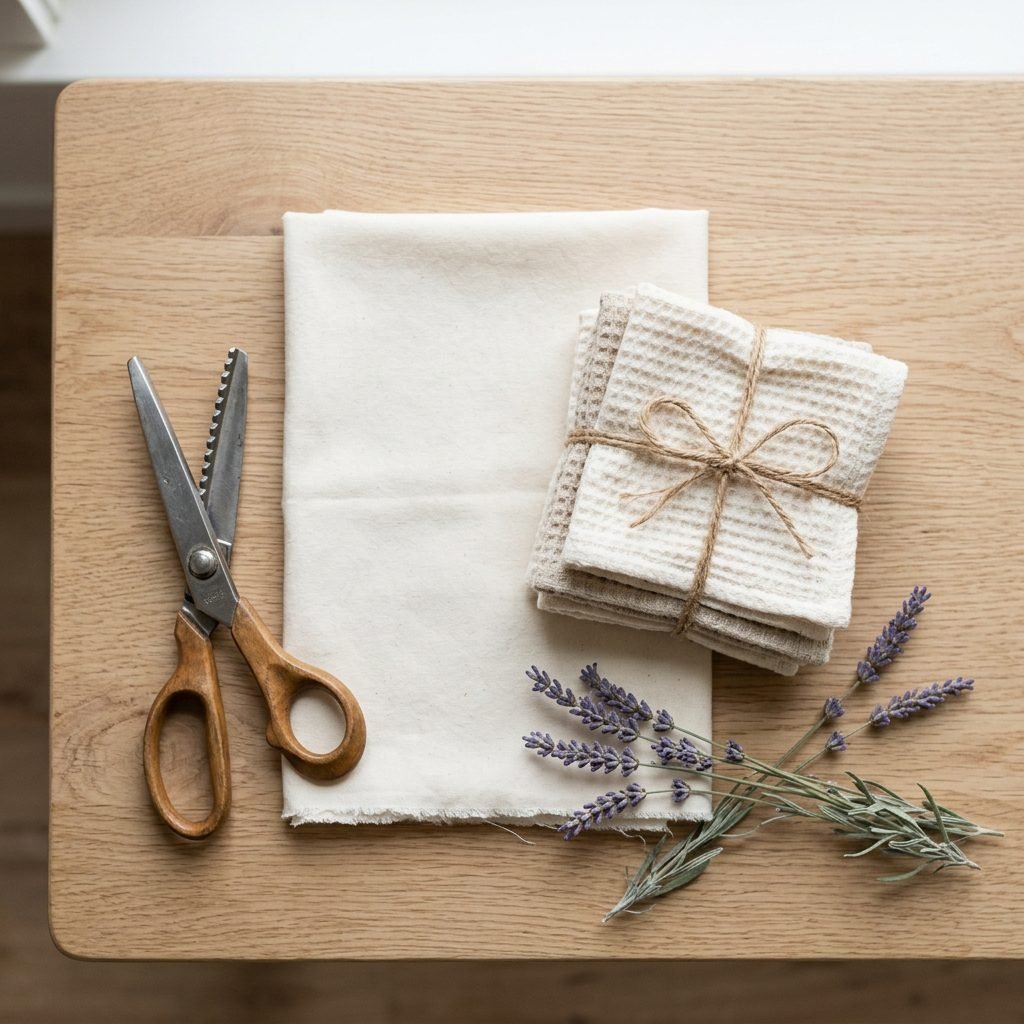
| Pinking Shears | Prevents fraying and adds a decorative edge | $12.00 – $18.00 |
| Fabric Chalk or Pencil | Marking your cutting lines | $3.00 |
| Acrylic Quilting Ruler | Ensuring perfectly square 8×8 cuts | $8.00 |
| Total Investment | Makes ~15-20 Cloths | ~$45.00 |
Pro Tip: If you already have pinking shears and a ruler, your cost per washcloth drops to just over $1.00! That is a massive saving for a premium, chemical-free product.
Step-by-Step No-Sew Tutorial
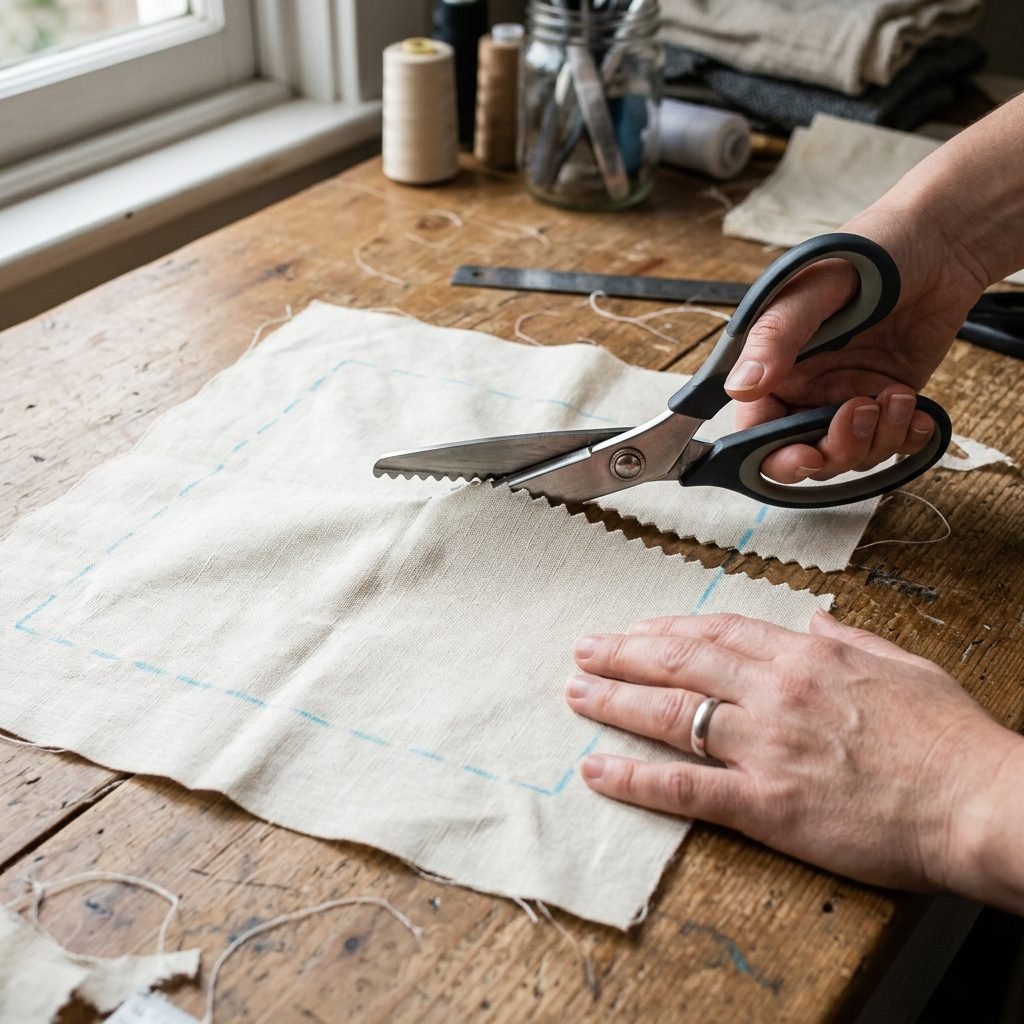
Ready to create? Follow these simple steps to craft your custom washcloth collection. This process is incredibly therapeutic—perfect for a quiet afternoon while the house is still.
- Pre-Wash Your Fabric: This is a non-negotiable step. Organic cotton can shrink up to 10%. Wash the fabric in hot water with a fragrance-free, baby-safe detergent and dry it on high heat before you begin cutting.
- Iron the Fabric: Once dry, iron your fabric flat. This ensures your measurements are accurate and your edges are crisp.
- Measure and Mark: Lay your fabric flat on a cutting mat or clean table. Using your quilting ruler and fabric chalk, mark out 8-inch by 8-inch squares. This is the standard size for a baby washcloth, providing enough surface area to clean rolls and folds without being too bulky.
- The Magic Cut: Use your pinking shears to cut along the chalk lines. The zigzag edge created by the shears is not just cute; it breaks the weave of the fabric in a way that significantly reduces fraying.
- Rounding the Corners (Optional): If you prefer a softer look, use a small glass or a thread spool to trace a curve at each corner, then carefully trim with your pinking shears.
“Don’t worry about perfection. Your baby won’t care if the lines are slightly crooked; they will only feel the softness and the love you put into making them.”
The Ritual of the First Bath: A Doula’s Guide
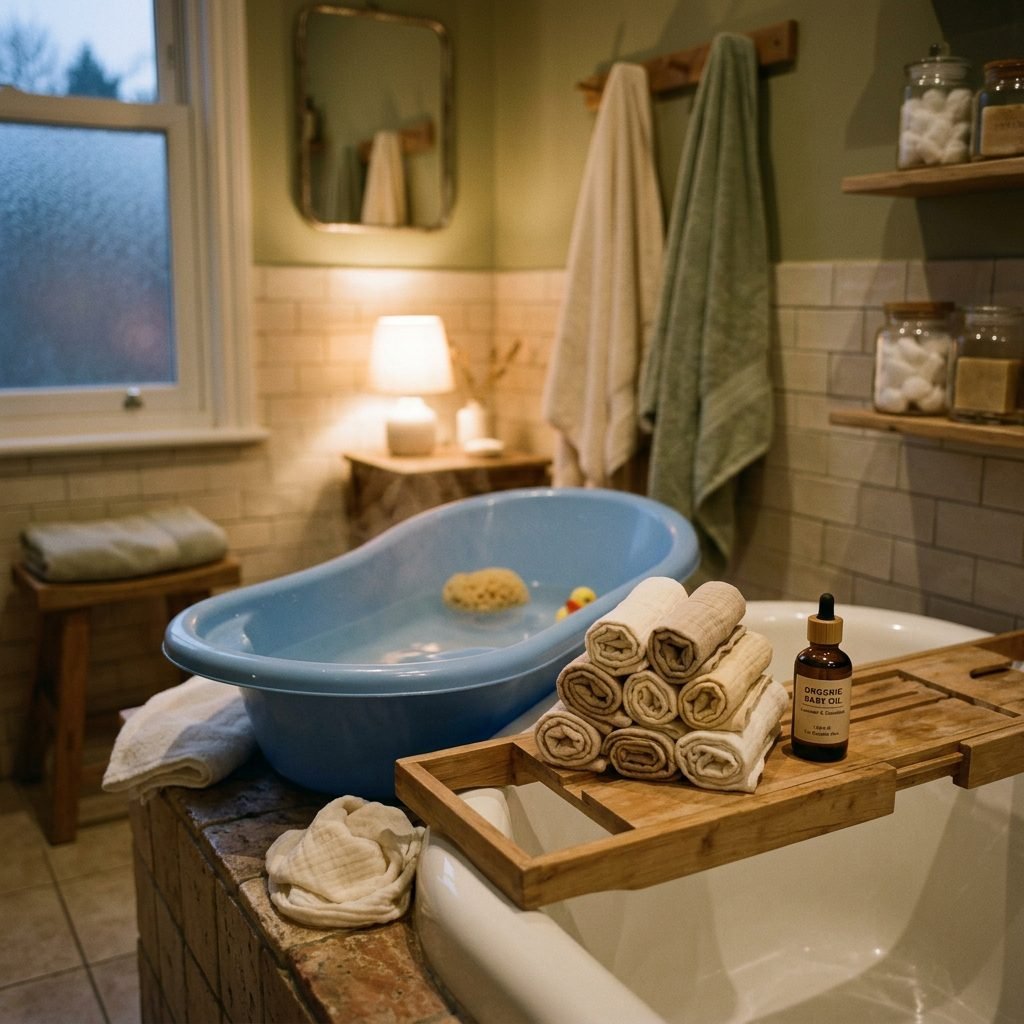
Now that you have your beautiful cloths, let’s talk about how to use them to create a calm, regulated environment for your baby. As a sleep consultant and doula, I recommend the ‘Swaddled Bath’ technique for newborns, which utilizes these soft cloths to prevent the startle reflex.
How to Perform a Swaddled Bath
- Warmth is Key: Ensure the room is 75-80°F. Fill a small tub with water at exactly 100°F.
- The Layering Technique: Dip two of your DIY washcloths in the warm water and lay them over your baby’s chest and tummy while they are in the tub. This keeps them feeling secure and warm.
- Gentle Cleansing: Use a third cloth to gently wipe from the inner corner of the eye outward. Use a different corner of the cloth for each eye to prevent any cross-contamination.
- Sensory Soothing: Use slow, rhythmic strokes. The texture of the organic cotton provides gentle tactile stimulation that helps with sensory processing.
Creative Uses & Gift Presentation
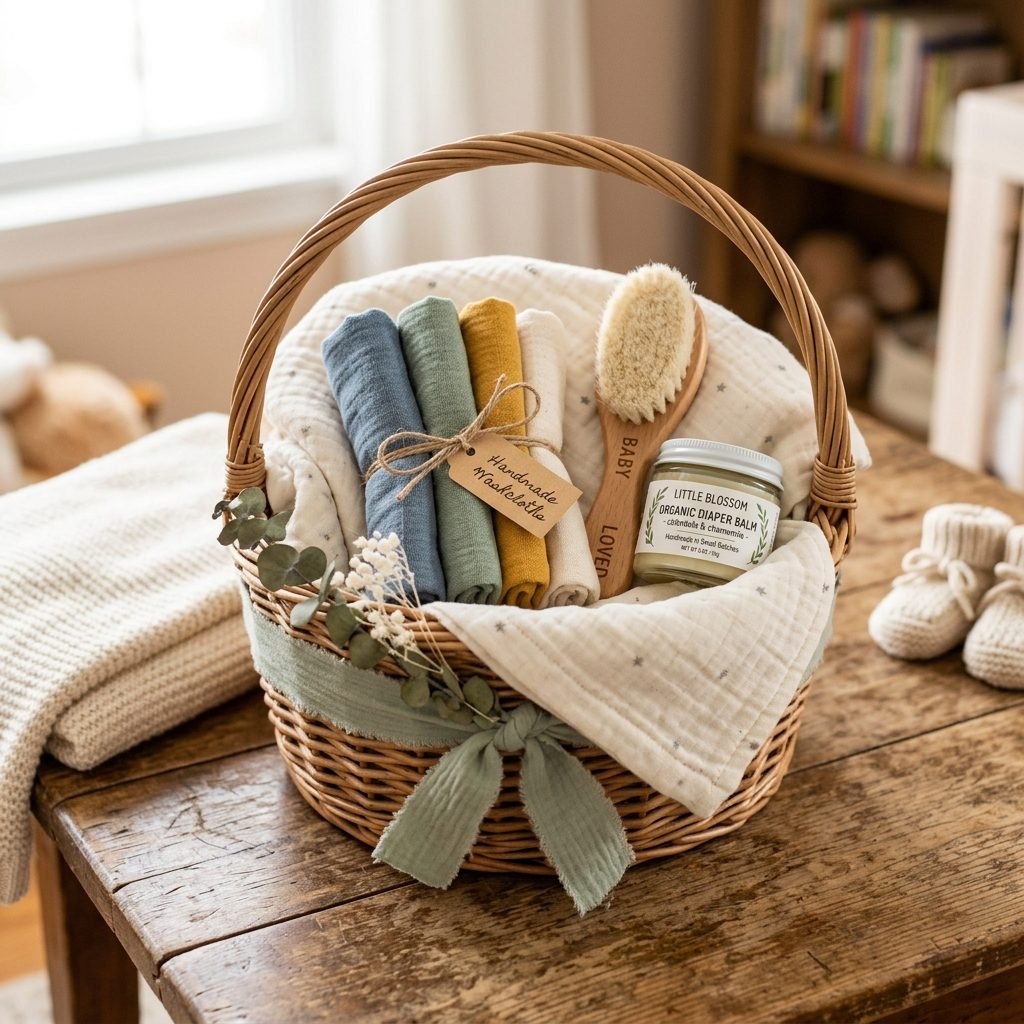
These cloths are the workhorses of the nursery. Beyond the bath, you will find yourself reaching for them constantly. Because they are no-sew and affordable, you can keep a stack in every room without stress.
Versatile Applications
- Teething Relief: Dip a cloth in chamomile tea or filtered water, wring it out, and freeze it for 30 minutes. The cold, textured cotton provides immense relief for inflamed gums.
- Nursing Compresses: For breastfeeding mamas, these are the perfect size for warm or cold breast compresses to help with let-down or engorgement.
- Eco-Friendly Wipes: Pair these with a simple spray of water and a drop of liniment for the ultimate chemical-free diaper change.
Gifting for Baby Showers
If you are making these for a friend, presentation is everything! Roll three cloths tightly and secure them with a piece of natural jute twine. Tuck a sprig of dried eucalyptus or a small wooden teething ring into the ribbon. Place them in a small wicker basket for a rustic, high-end look that any mama-to-be will cherish.
Care and Longevity
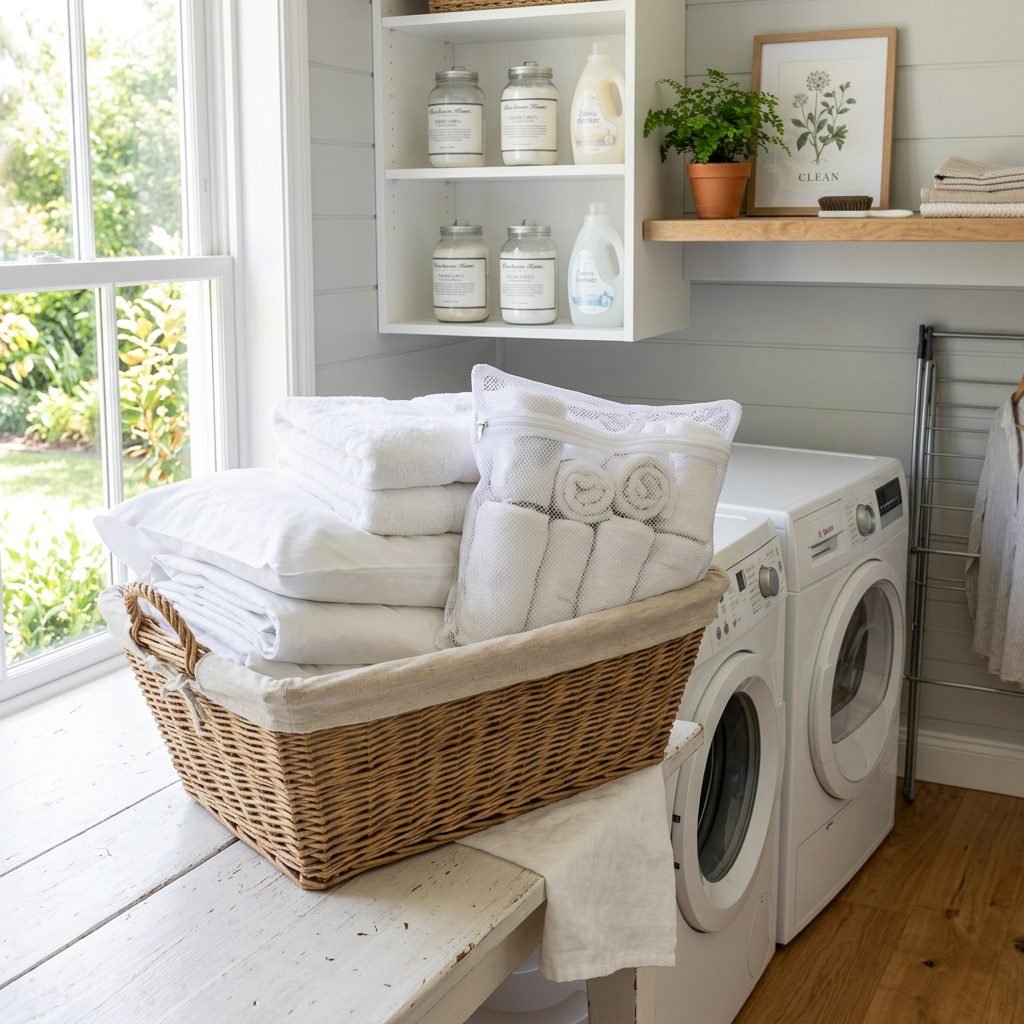
Because these are no-sew, you want to treat them with a little extra care to keep those pinked edges looking sharp. Organic cotton is durable, but it thrives with the right laundering routine.
| Do | Don’t |
|---|---|
| Use a mesh laundry bag for washing | Use fabric softeners (they reduce absorbency) |
| Wash with like colors in cool/warm water | Use bleach or harsh chemicals |
| Tumble dry on low or line dry in the sun | Over-dry, which can make fibers brittle |
Sisterly Tip: If the edges start to show a few loose threads after many washes, simply give them a quick ‘haircut’ with your pinking shears to refresh the zigzag edge. They will look brand new!
Conclusion
You’ve Got This, Mama
Creating these DIY organic cotton baby washcloths is a beautiful step toward a more intentional, low-tox lifestyle for your family. Whether you are using them for a soothing bedtime bath or gifting them to a dear friend, you are choosing quality, safety, and love. Remember, the transition into motherhood is a series of small, mindful choices. By choosing organic and taking the time to craft these yourself, you are already providing the very best for your little one.
Keep that nesting energy high, trust your instincts, and enjoy these tactile moments of preparation. You are doing an incredible job.