
I Swapped To Natural Deodorant For Pregnancy (Here’s What Happened)
Oh, mama, let’s talk about the one thing no one warns you about in the first trimester: the ‘super-sniffer’ and the sudden, inexplicable shift in your own body chemistry. One day you’re glowing and feeling like a goddess, and the next, you’re wondering if you accidentally skipped a shower for three days. Trust me, I have been exactly where you are. As a doula, I’ve walked this path with hundreds of women, and as a mother, I’ve lived through the ‘pit purge’ myself. When I found out I was pregnant, my entire perspective on what I put on my body shifted as much as what I was putting in it. The decision to swap to natural deodorant wasn’t just about a trend; it was about creating the safest possible environment for my growing tiny human and navigating the wild ride of pregnancy hormones.
You see, our skin is our largest organ, and those underarms are home to sensitive lymph nodes that are working overtime during pregnancy. When we use traditional antiperspirants, we are essentially plugging up our body’s natural cooling and detoxification system with aluminum salts. While the research is often debated, many of us feel a deep, maternal instinct to simplify. But let’s be real: swapping to natural deodorant while your hormones are raging is a brave move. It’s not always pretty, and it’s definitely not always odorless. In this guide, I’m going to pull back the curtain on what actually happens when you make the switch, how to handle the ‘detox’ phase without losing your mind, and which ingredients are your new best friends.
The Science of the Stink: Why Pregnancy Changes Your Scent

First things first: you are not imagining it. You actually do smell different, and you are more sensitive to smells. During pregnancy, your levels of estrogen and progesterone skyrocket, which can increase the blood flow to your skin and raise your basal body temperature. This makes you sweat more as your body tries to keep you and your baby cool. Additionally, your ‘apocrine’ glands—the ones responsible for the type of sweat that bacteria love to eat—become more active. It is a perfect storm of biological changes designed to help your baby recognize your unique scent the moment they are born, but in the meantime, it can leave you feeling a bit, well, fragrant.
The Super-Sniffer Phenomenon
Hyperosmia, or a heightened sense of smell, is a very real pregnancy symptom. Evolutionarily, this likely protected our ancestors from eating spoiled food or wandering into dangerous areas. Today, it just means you can smell the onion bagel your coworker ate three cubicles away—and you can definitely smell your own underarms. This is often the primary motivator for switching to natural products; the heavy, artificial fragrances in traditional deodorants can suddenly become nauseating or overwhelming.
Your body is doing the incredible work of growing a human; a little extra sweat is just your internal cooling system working overtime. Be gentle with yourself as you adapt to these changes.
Deciphering the Label: What to Avoid and What to Embrace
When you start reading labels in the ‘clean beauty’ aisle, it can feel like you need a chemistry degree. But don’t worry, sister, I’ve done the heavy lifting for you. The main goal of swapping to natural deodorant is to avoid endocrine disruptors and harsh chemicals that could potentially cross the placental barrier. While the FDA regulates cosmetics, the standards for ‘natural’ are often loose, so we have to be our own advocates.
The ‘No-Go’ List for Expectant Mamas
There are a few key ingredients we want to steer clear of during these 40 weeks and beyond. Aluminum is the big one, as it acts as a plug for your sweat ducts. Parabens are synthetic preservatives that can mimic estrogen in the body, and phthalates are often hidden under the vague term ‘fragrance’ or ‘parfum,’ linked to hormonal interference. Here is a quick breakdown to help you shop with confidence:
| Ingredient | Why We Avoid It | The Natural Alternative |
|---|---|---|
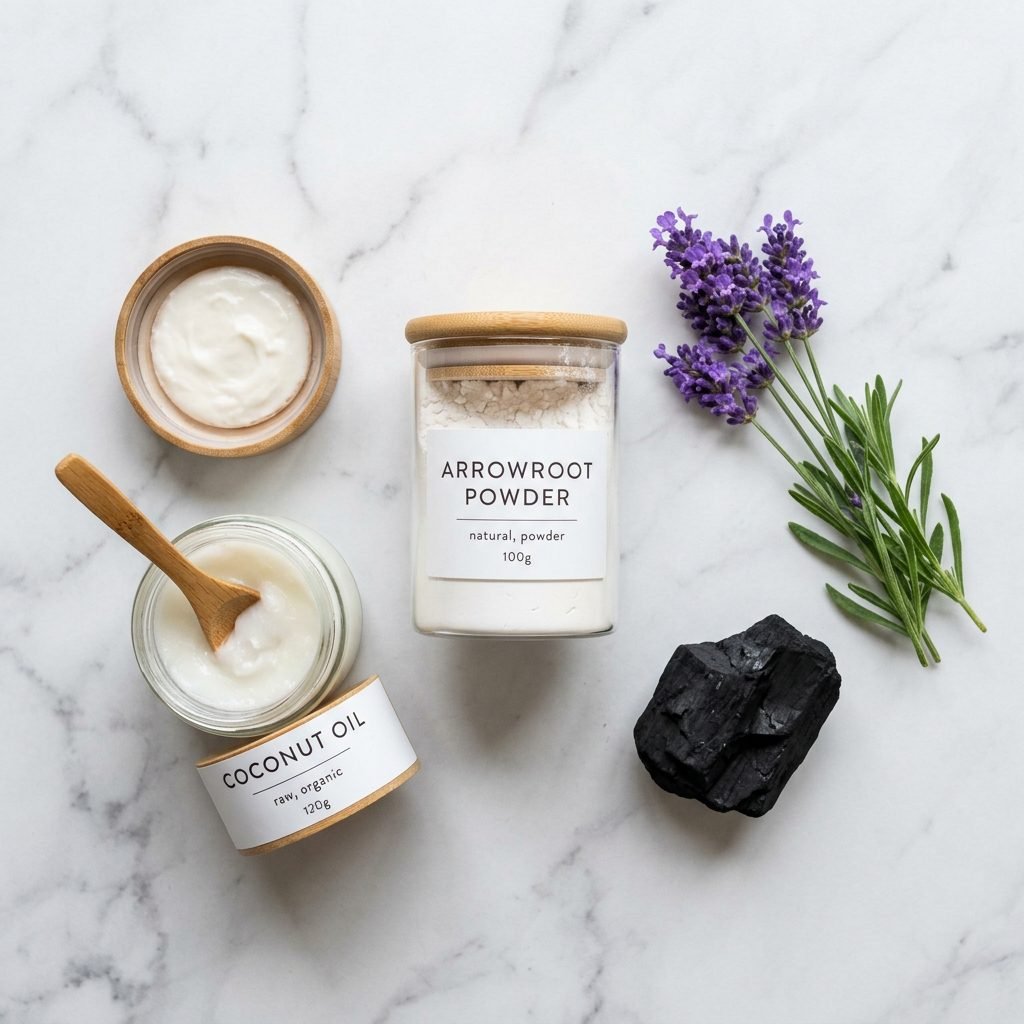
| Aluminum | Blocks sweat glands; potential neurotoxin concerns. | Magnesium or Arrowroot Powder (absorbs moisture naturally). |
| Parabens | Endocrine disruptors that mimic hormones. | Vitamin E or Rosemary Extract (natural preservatives). |
| Phthalates | Linked to reproductive developmental issues. | Essential Oils (though use these with caution!). |
| Propylene Glycol | Can cause skin irritation and contact dermatitis. | Vegetable Glycerin or Coconut Oil. |
| Triclosan | Antibacterial agent that can disrupt thyroid function. | Hops Extract or Tea Tree Oil (natural antibacterials). |
A Note on Baking Soda
Many natural deodorants use baking soda (sodium bicarbonate) to neutralize odor. While effective, it has a high pH that can be very irritating to the sensitive skin of a pregnant woman. If you develop a red, itchy rash, look for ‘baking soda-free’ formulas that use magnesium hydroxide instead. It’s much gentler on your skin’s natural acid mantle.
The 4-Week Detox: What to Expect During the Transition
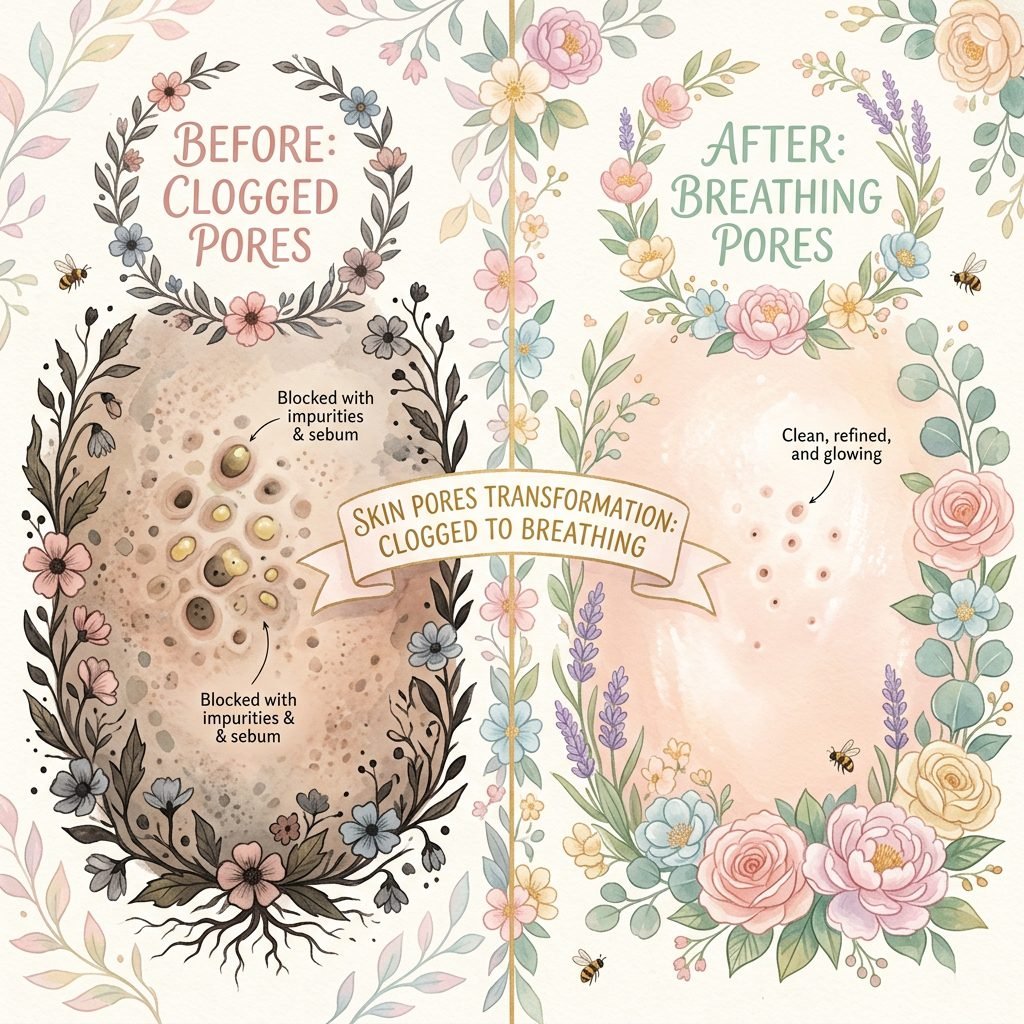
When I made the switch, I thought I’d just start using the new stick and be done with it. Oh, how wrong I was! There is a legitimate transition period often called the ‘pit purge.’ Since you’ve been using antiperspirants for years, your pores are literally clogged. Once you stop, your body finally has the chance to push out the buildup of bacteria, chemicals, and dead skin cells.
- Week 1: The Honeymoon. You feel great about your choice. The natural scent is lovely, and you aren’t sweating too much yet.
- Week 2: The Funk. This is the hardest part. You might notice a stronger-than-usual odor as the bacteria levels in your armpits shift. You are not naturally this smelly; it is just the detox process.
- Week 3: The Moisture. You will realize that natural deodorant is not an antiperspirant. You will feel wetness. This is normal and healthy! Your body needs to sweat to regulate temperature.
- Week 4: The Equilibrium. Your skin’s microbiome begins to balance out. You’ll find you smell less, even without product, than you did during week two.
To speed up this process, I highly recommend an underarm mask. Mix a little bentonite clay with apple cider vinegar and apply it to your pits for 10 minutes before your shower. It helps draw out impurities and balances the pH, making the transition much smoother.
My Doula-Approved Strategy for Staying Fresh
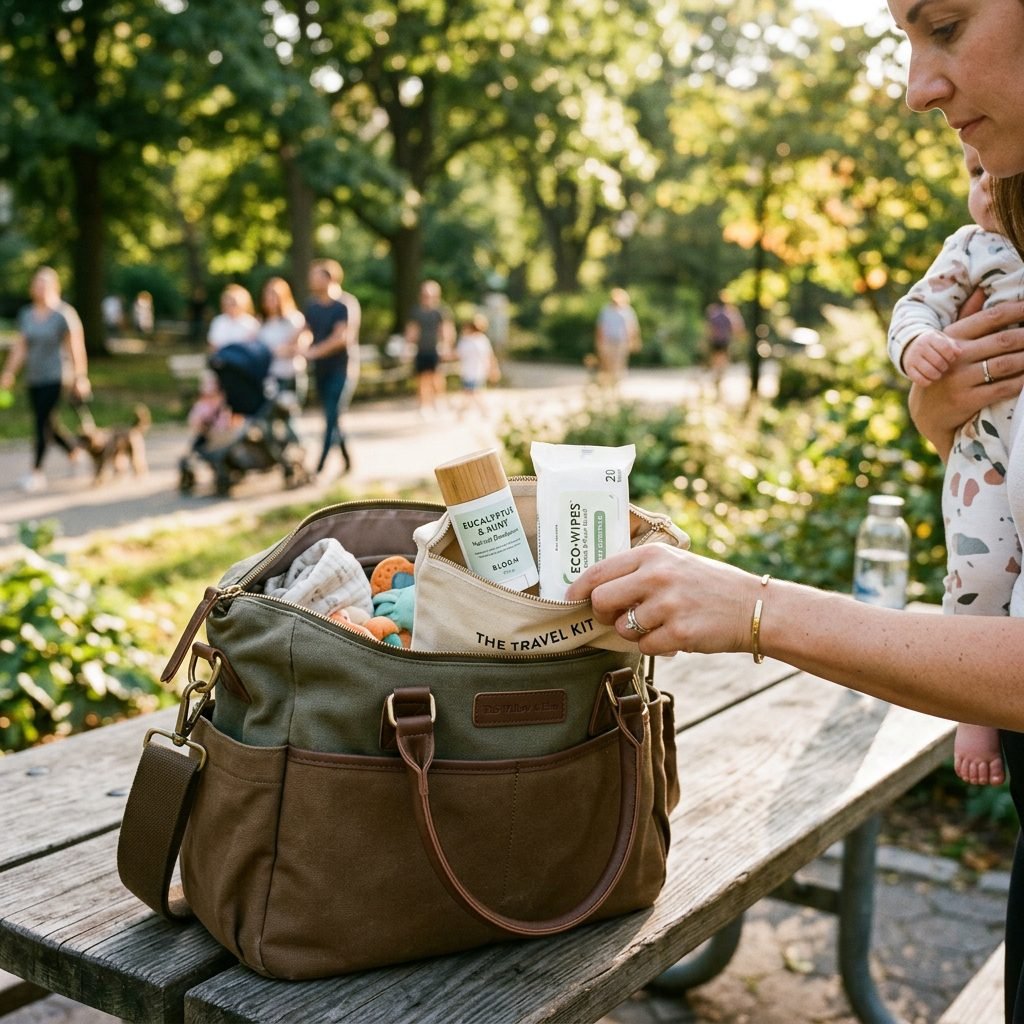
If you’re worried about smelling like a middle school locker room during your 20-week ultrasound, I’ve got you covered. Staying fresh with natural deodorant requires a slightly different approach than the ‘swipe and forget’ method of drugstore brands. It’s about managing the bacteria that cause the smell, rather than just masking it.
- Wash with an Antibacterial Bar: Use a gentle, natural soap with tea tree or charcoal to thoroughly cleanse the area every morning.
- Dry Completely: Bacteria thrive in damp environments. Pat your underarms completely dry before applying your deodorant.
- Reapply as Needed: Unlike 24-hour clinical strength brands, you may need to reapply your natural stick mid-day, especially if you’ve been active or are dealing with those third-trimester night sweats.
- Choose Natural Fibers: Wear cotton, linen, or bamboo. Synthetic fabrics like polyester trap sweat and bacteria against your skin, which will make any natural deodorant fail faster.
- Stay Hydrated: Drinking plenty of water helps flush toxins out of your system internally, which can actually improve the scent of your sweat.
Carry a small ‘refresh kit’ in your purse with some biodegradable bamboo wipes and a travel-sized natural deodorant. A quick wipe-down and re-application at noon can be a total game-changer for your confidence!
Postpartum and Breastfeeding: The Final Frontier

You might think that once the baby arrives, you can go back to your old ways. However, the postpartum period is actually the most important time to stick with natural options. Why? Because your baby spends a significant amount of time with their nose tucked right into your armpit while nursing or snuggling skin-to-skin. Their delicate respiratory system and brand-new skin are incredibly sensitive to the harsh perfumes and chemicals found in traditional sprays and sticks.
The Postpartum Sweat Surge
In the first few weeks after birth, your body is working hard to shed the extra fluid you carried during pregnancy. This often results in intense night sweats. You might wake up feeling like you ran a marathon in your sleep. During this time, look for deodorants with magnesium. Not only does it help with odor, but magnesium is also known to help with relaxation and muscle recovery, which every new mama needs. Just be aware that your hormones are still shifting, so if your ‘go-to’ natural brand suddenly stops working, don’t be afraid to try a different formula. Your body chemistry at 6 weeks postpartum is very different from what it was at 20 weeks pregnant.
Troubleshooting Common Issues and Rashes
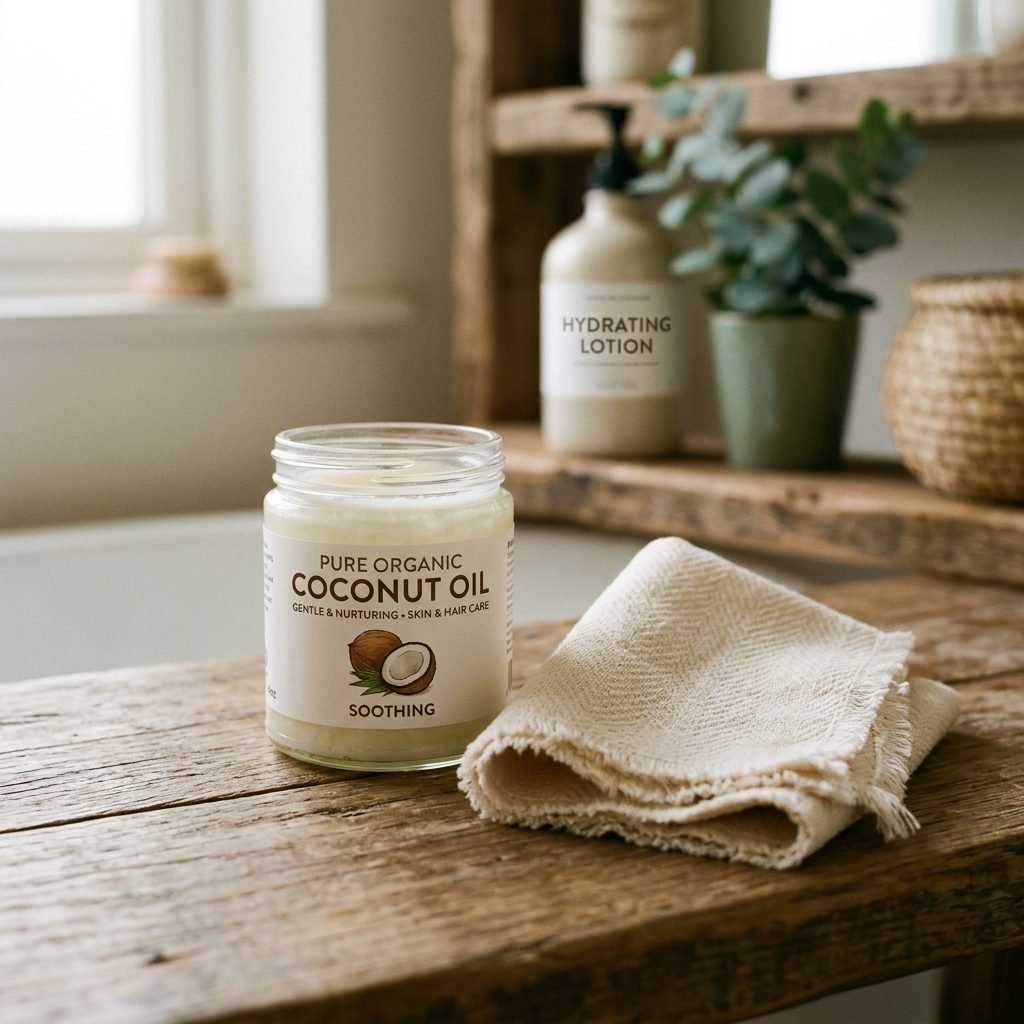
Sometimes the switch isn’t perfectly smooth, and that’s okay. If you experience irritation, it’s usually one of three things: a reaction to baking soda, a sensitivity to a specific essential oil, or friction from the skin being too dry. If you see a rash, stop use immediately and apply a thin layer of plain coconut oil or a diaper rash cream containing zinc oxide to soothe the area.
Is it a Detox or an Allergy?
It can be hard to tell the difference. A detox ‘smell’ is normal, but a red, bumpy, or painful rash is an allergic reaction or a pH imbalance. If the irritation persists for more than 3 days after stopping the product, check in with your dermatologist or midwife. Many mamas find that ‘unscented’ versions are the safest bet during pregnancy to avoid any essential oil sensitivities.
Conclusion
Swapping to natural deodorant during pregnancy is more than just a beauty choice; it’s an act of mindfulness for both you and your baby. Yes, there might be a few ‘stinky’ days in the middle of that second week, and yes, you might have to get used to the feeling of actual sweat on your skin again. But the peace of mind that comes from knowing you aren’t loading your system with unnecessary chemicals is worth every bit of the transition. Remember, mama, your body is a temple, a home, and a miracle-worker all at once. Treat it with the kindness and the clean ingredients it deserves. You are doing an incredible job, and you smell exactly like you should: like a mother. You’ve got this!