The Secret Crib Sheet Swap That Helps Your Newborn Sleep Longer
Welcome to the Sleep Revolution, Mama
If you are reading this at 3:00 AM while rocking a restless newborn, please know that I see you, I feel you, and I am holding space for you. As a doula, one of the most frequent whispers I hear from exhausted parents is, ‘How can I get just one more hour of sleep?’ Usually, we look at wake windows, feeding schedules, and white noise. But there is a hidden element in the nursery that often goes overlooked: the literal foundation of your baby’s rest. The Secret Crib Sheet Swap isn’t just about changing the laundry; it is about a strategic layering and material choice that preserves the ‘sleep environment’ even when life—or a leaky diaper—happens.
We are going to dive deep into the science of infant sensory processing and the practical magic of the ‘Double-Layer Sandwich.’ This method ensures that if your little one has a midnight mishap, you aren’t turning on bright lights, stripping a mattress, and fully waking a drowsy baby. Instead, you are performing a 10-second ‘silent swap’ that keeps the dream alive for both of you.
The ‘Double-Layer Sandwich’: The Ultimate Midnight Efficiency Hack
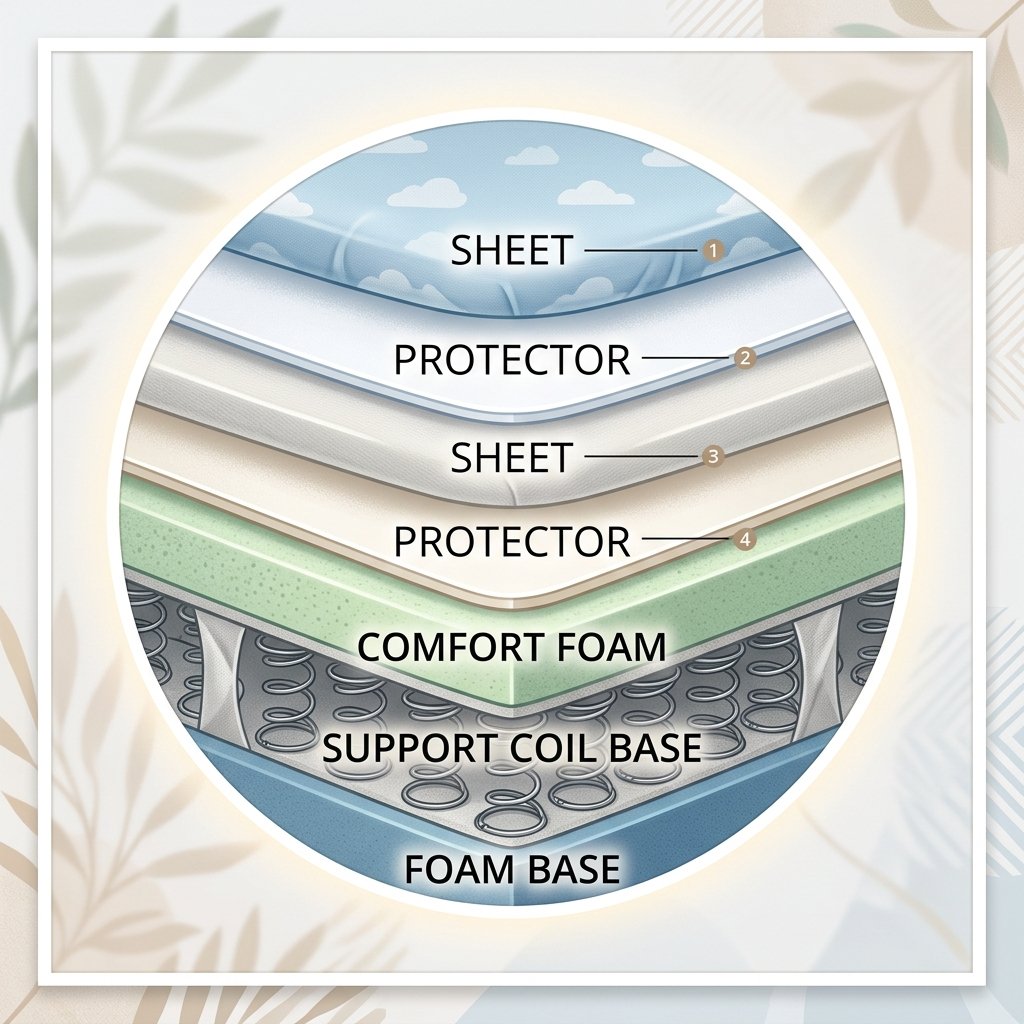
The biggest disruptor of newborn sleep during a diaper leak or spit-up isn’t just the wetness—it’s the commotion of the cleanup. When you have to remove the baby, turn on the overhead light, find a new sheet, and wrestle with a mattress corner, the baby’s nervous system fully resets to ‘awake mode.’ The secret swap involves layering your mattress ahead of time.
How to Build the Sleep Sandwich
This method allows you to peel away the top soiled layer to reveal a fresh, dry, and already-warmed sheet underneath. Here is the exact order of operations for your mattress:
- Base Layer: A high-quality, breathable waterproof mattress protector.
- Middle Layer: A soft, fitted crib sheet (preferably bamboo or organic cotton).
- Top Protector: A second waterproof mattress protector.
- Final Layer: The top fitted crib sheet your baby actually sleeps on.
When an accident happens, you simply unhook the top sheet and the top protector, toss them in the hamper, and lay the baby back down on the pre-prepared second layer. No searching the linen closet in the dark!
| Feature | Traditional Single-Sheet Method | The Double-Layer Swap Method |
|---|---|---|
| Change Time | 5-8 Minutes | 30-60 Seconds |
| Light Required | Full Room Light | Dim Nightlight Only |
| Baby Stimulation | High (Full Wakefulness) | Low (Drowsy State Maintained) |
| Stress Level | High | Minimal |
“Remember, mama: The goal of the night is to keep the ‘sleep bubble’ intact. Every second saved during a change is a minute earned back in your own bed.”
Fabric Science: Why Your Choice of Material Dictates Sleep Duration
Newborns have incredibly sensitive skin and an immature thermoregulation system. This means they cannot easily adjust their body temperature if they get too hot or too cold. Many standard polyester-blend sheets trap heat, leading to a sweaty, fussy baby who wakes up because they are uncomfortable.
The Power of Bamboo and Muslin
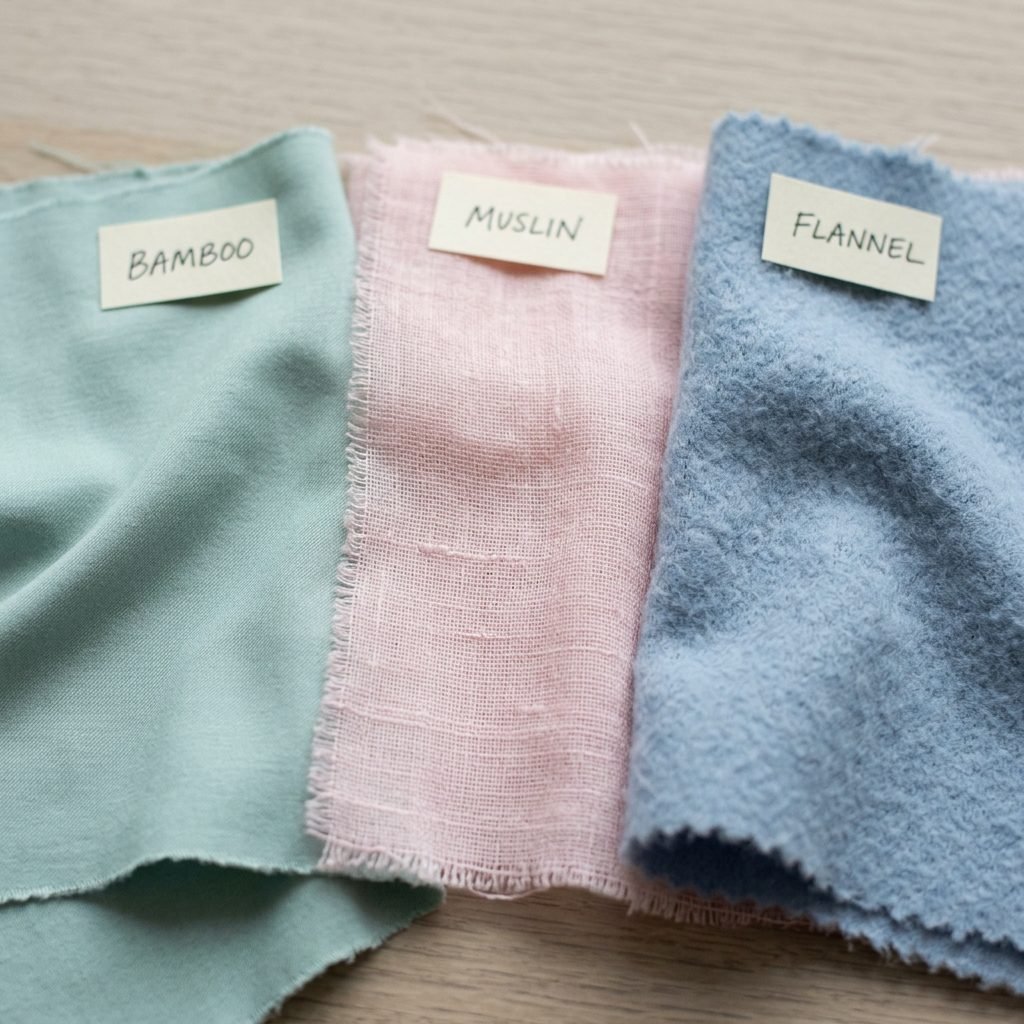
If you want to help your newborn sleep longer, the ‘swap’ might be moving away from standard cotton to Bamboo Viscose or Organic Cotton Muslin. Bamboo is naturally thermoregulating and moisture-wicking, meaning it feels cool in the summer and warm in the winter. It is also significantly softer than traditional cotton, reducing sensory irritation for babies with eczema or sensitive skin.
- Bamboo: Best for ‘hot’ babies who sweat during naps.
- Flannel: Best for winter babies in drafty rooms to prevent the ‘cold sheet’ shock when being laid down.
- Organic Cotton Muslin: Best for breathability and a textured feel that mimics the swaddle.
| Fabric Type | Breathability Rating | Softness Level | Best For… |
|---|---|---|---|
| Polyester Blend | Low | Medium | Durability (Not recommended for sleep) |
| 100% Cotton | Medium | High | Everyday use |
| Bamboo Viscose | Exceptional | Silky/Luxurious | Temperature Regulation |
| Cotton Flannel | Medium | Ultra-Cozy | Cold Climates |
The Scent Secret: Infusing the Sheet with ‘Mom’s Comfort’
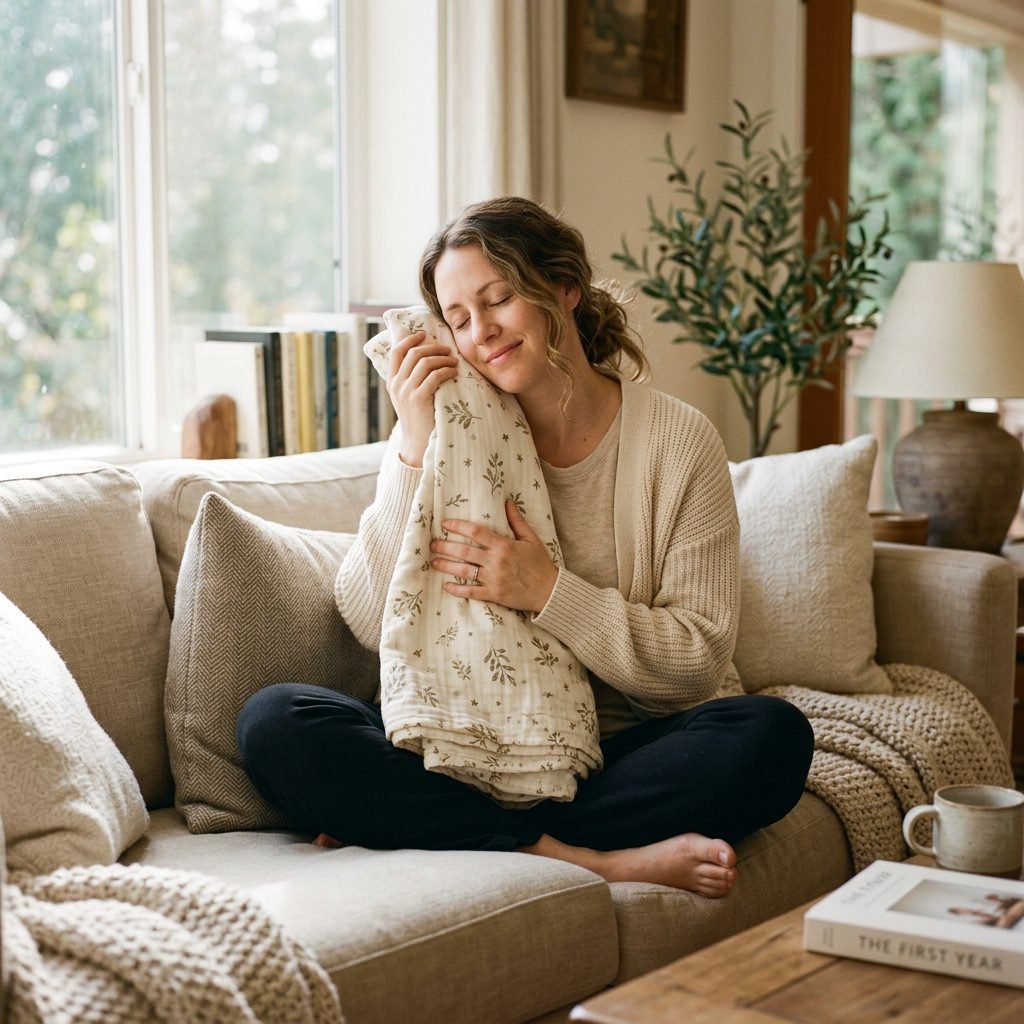
One of the reasons newborns wake the moment their back hits the crib is the loss of your scent. To a baby, your scent signifies safety and milk. A sterile, freshly laundered sheet can feel cold and ‘unsafe’ to a primitive newborn brain. The secret swap involves ‘priming’ the sheet before the baby ever touches it.
The ‘Wear It’ Technique
Before putting a fresh sheet on the crib (specifically the top layer of your sandwich), take that clean sheet and sleep with it in your own bed for one or two nights. You can even tuck it inside your shirt for an hour while lounging. This transfers your unique pheromones and scent profile to the fabric. When you lay the baby down, their olfactory senses tell them that ‘Mom is near,’ which can prevent the startle reflex and encourage a deeper transition into the next sleep cycle.
“You are your baby’s North Star. By leaving a bit of your scent on their sheets, you are providing a sensory ‘hug’ that lasts all night long.”
The Temperature Transition: Eliminating the ‘Cold Surface’ Startle
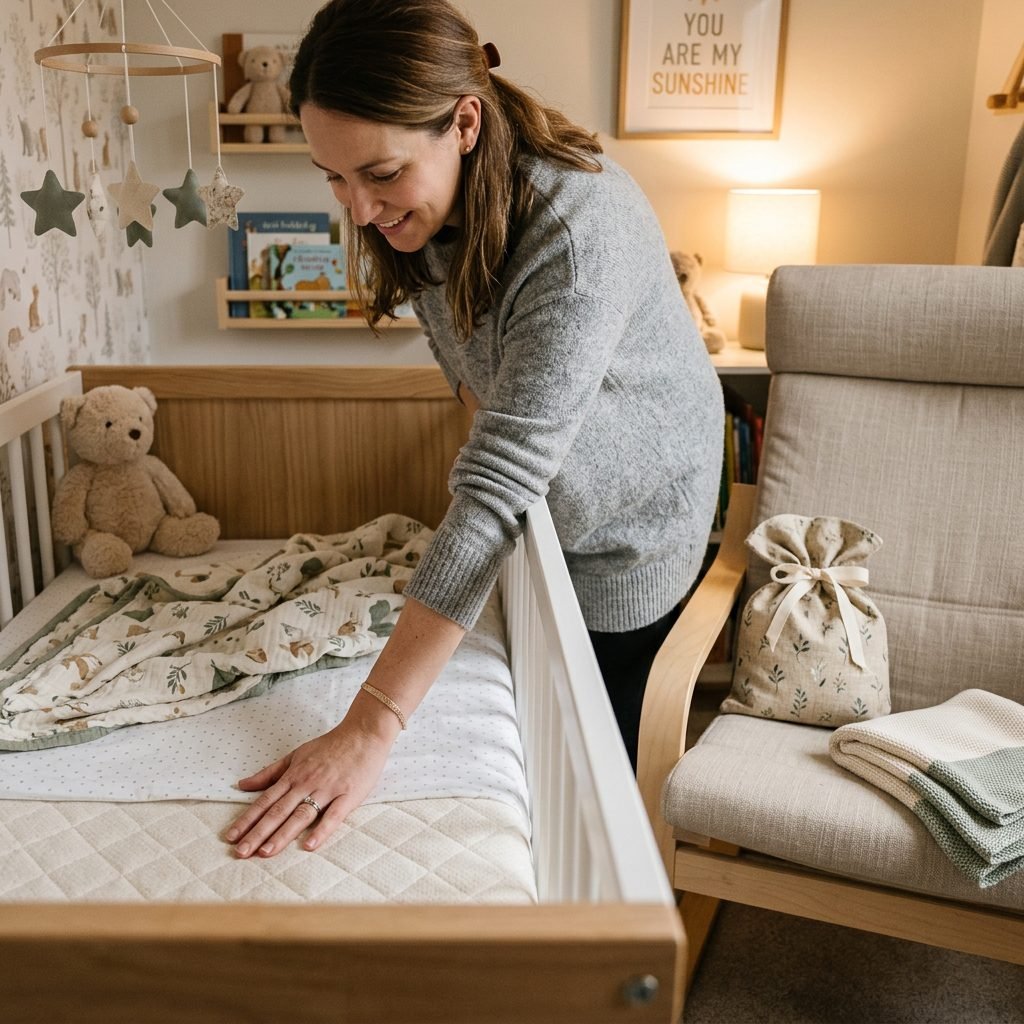
Have you ever noticed your baby is dead asleep in your arms, but the second they touch the crib, their eyes fly open? This is often due to the temperature differential. Your body is a steady 98.6 degrees; the crib sheet is likely 68-70 degrees. That cold shock triggers the Moro (startle) reflex.
The Warm Swap Method
While we never use heating pads or electric blankets with a baby in the crib, you can use a warm water bottle or a flaxseed heating pack to pre-warm the sheet while you are doing the final feeding. Crucial Safety Step: Always remove the heating element and check the sheet with your inner wrist to ensure it is just slightly warm—never hot—before laying the baby down. This ‘swap’ from a cold surface to a warm, cozy one makes the transfer from arms to mattress seamless.
Nursery Climate Control
Ensure the room temperature is between 68 and 72 degrees Fahrenheit (20-22°C). Use the crib sheet material to bridge any gaps in your home’s insulation.
Safe Sleep Standards: The Non-Negotiables
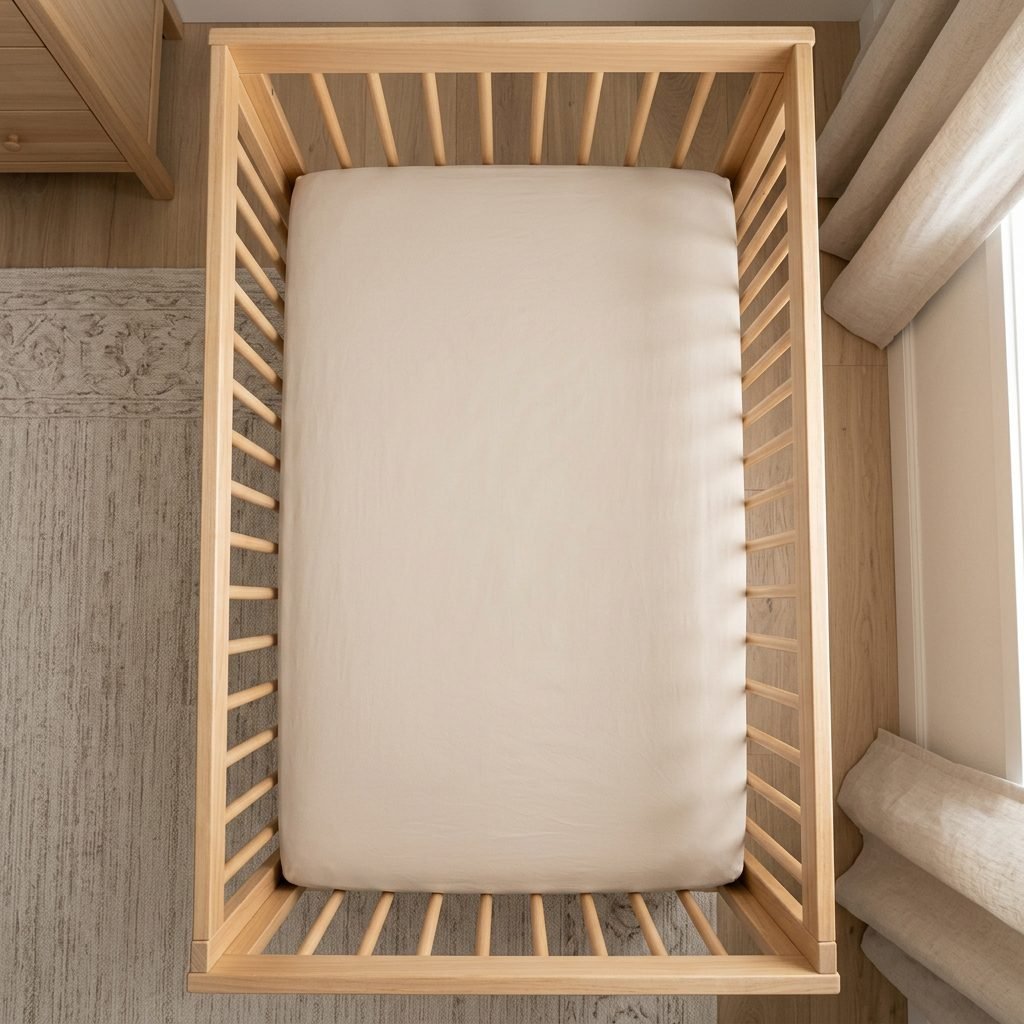
While we love hacks and swaps, safety is our absolute priority. As a doula, I must emphasize that no matter how many layers you use, the crib must remains a Safe Sleep Zone. The Secret Crib Sheet Swap must adhere to the American Academy of Pediatrics (AAP) guidelines to reduce the risk of SIDS.
- Firmness: The mattress must be firm. Layering two sheets and two thin protectors is safe, but do not add extra padding, foam toppers, or blankets between the layers.
- Tight Fit: Every layer must be a fitted sheet. Loose fabric is a suffocation hazard. If the ‘sandwich’ makes the sheets bunch up, you must use thinner protectors.
- Flat Surface: Ensure there are no lumps or bumps created by the layering.
- Bare is Best: No pillows, stuffed animals, or bumpers. Only the baby in a swaddle or sleep sack on those perfectly swapped sheets.
| Safe Sleep Do’s | Safe Sleep Don’ts |
|---|---|
| Use tightly fitted sheets | Use loose blankets or top sheets |
| Place baby on their back | Place baby on stomach or side |
| Use a firm, flat mattress | Use soft bedding or positioners |
| Keep crib empty of toys | Use padded crib bumpers |
Maintenance and Longevity: Caring for Your Sleep Foundation
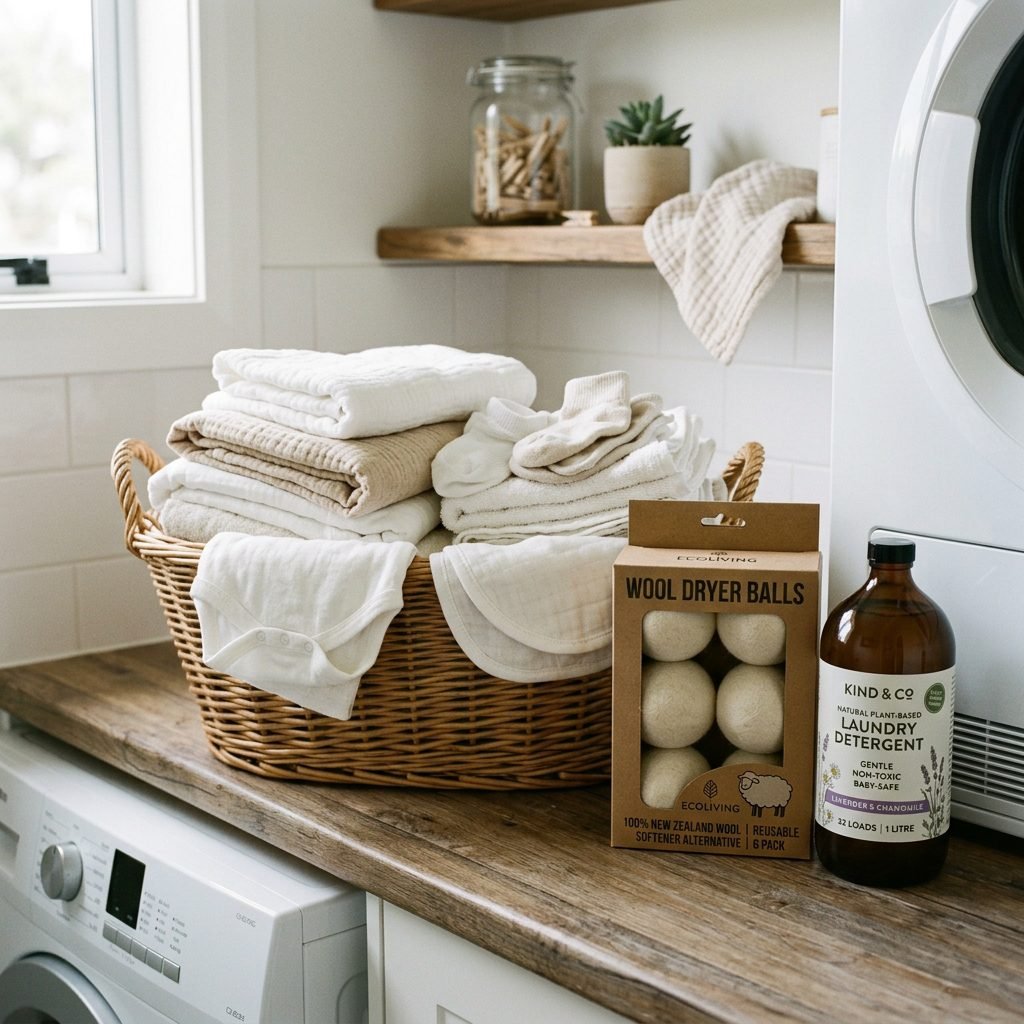
To keep these ‘secret’ sheets effective, you need to care for them properly. Natural fibers like bamboo and organic cotton can lose their thermoregulating properties if clogged with heavy detergents or fabric softeners. Softeners actually coat the fibers in a wax-like substance that reduces breathability—the exact opposite of what we want!
The Doula’s Laundry Routine
- Use a Clear & Free Detergent: Avoid fragrances that can irritate a newborn’s respiratory system.
- Skip the Fabric Softener: Use wool dryer balls instead to keep sheets fluffy and soft.
- Double Rinse: Especially for babies with sensitive skin, a second rinse cycle ensures all surfactants are removed.
- Sun Dry When Possible: Sunlight is a natural disinfectant and helps bleach out those yellow breastmilk or formula stains.
Conclusion
Sweet Dreams are Made of This
The journey of motherhood is paved with small, intentional shifts that lead to big wins. The Secret Crib Sheet Swap is more than just a laundry trick; it is a strategy to protect your baby’s rest and, by extension, your own mental health. By layering for efficiency, choosing fabrics for comfort, and using scent for security, you are creating a sanctuary for your little one.
Be patient with yourself as you learn your baby’s unique sleep cues. Some nights will be easier than others, but with your double-layered mattress and your scent-infused bamboo sheets, you are prepared for whatever the night throws your way. You are doing an incredible job, mama. Now, go get that extra hour of rest—you’ve earned it.