The Coziest Waffle Knit Matching Set: A Perfect Postpartum Going Home Outfit
Welcome to the Fourth Trimester, Mama
Take a deep breath, sweet friend. You are in the homestretch of pregnancy, or perhaps you are already holding your beautiful new baby in your arms, reading this from the quiet hum of a hospital room. Wherever you are in this miraculous journey, I want you to know one thing: your body has done, and is doing, something absolutely incredible.
As a doula and postpartum recovery nurse, one of the most common questions I get from expectant mothers is: “What on earth do I wear to go home from the hospital?” For decades, the media has painted an unrealistic picture of mothers leaving the maternity ward in pre-pregnancy jeans and a full face of makeup. Let’s gently but firmly toss that expectation out the window. Your going-home outfit should not be a test of how quickly you can “bounce back.” Instead, it should be a warm, comforting embrace for a body that has just performed a marathon.
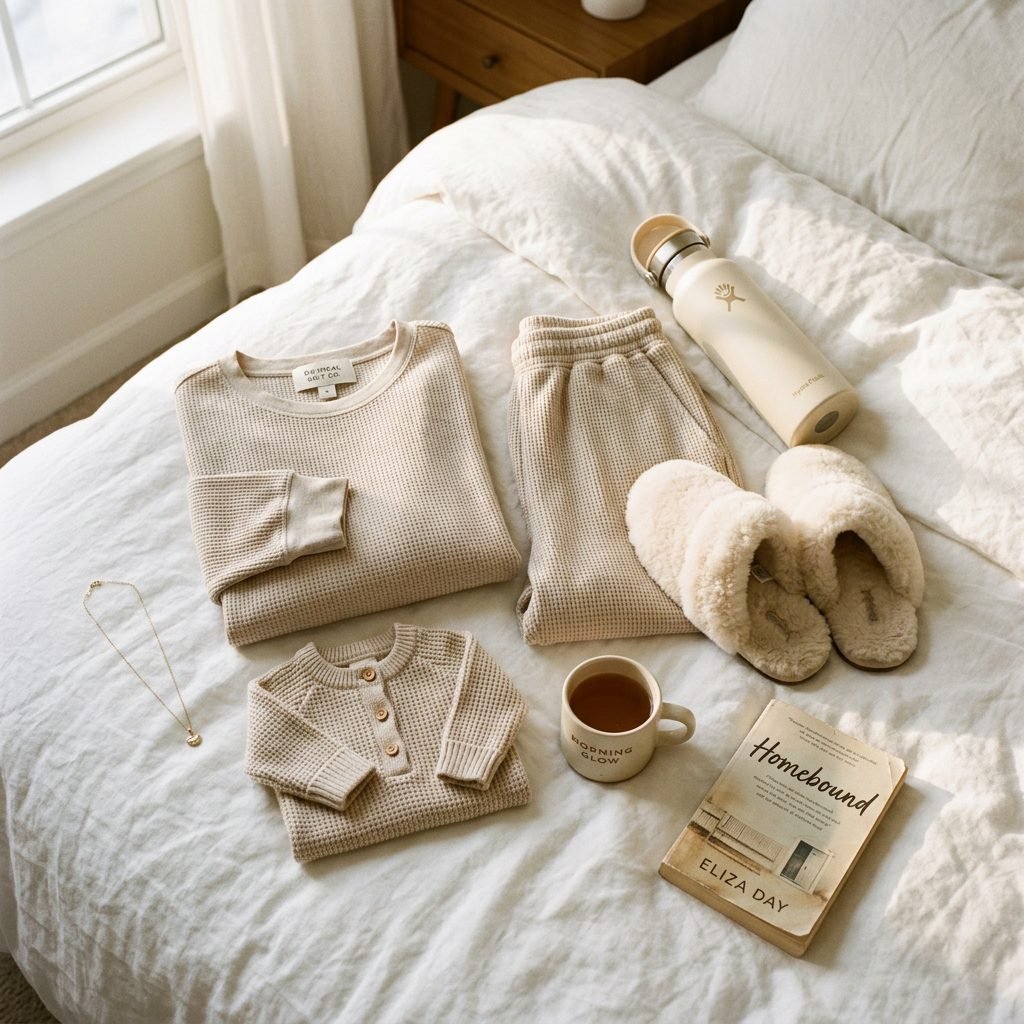
Enter the holy grail of postpartum fashion: the waffle knit matching set. This isn’t just a trendy loungewear choice; it is a meticulously functional, wildly comfortable, and deeply soothing uniform for your transition from hospital to home. In this comprehensive guide, we are going to dive into the physiology of postpartum recovery, why waffle knit fabric is scientifically suited for your healing body, how to choose the perfect set for nursing and incision care, and how to pack your hospital bag like a pro.
“Your postpartum body is not a “before” picture. It is a masterpiece of life-giving endurance. Dress it in softness, wrap it in grace, and prioritize your comfort above all else.”
So, grab a cup of red raspberry leaf tea, put your swollen feet up, and let’s plan the coziest, most supportive outfit for the day you bring your little one home.
The Science of Softness: Why Waffle Knit is a Postpartum Lifesaver
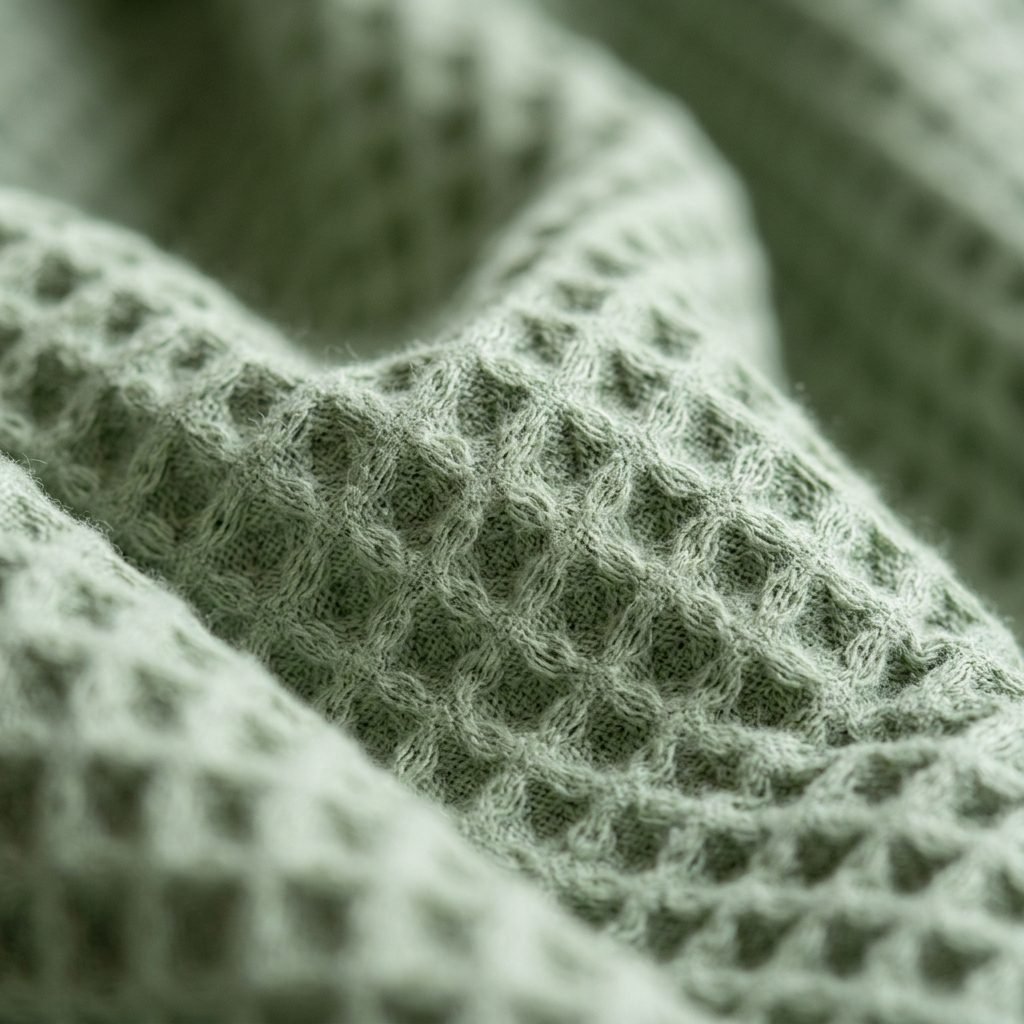
When we talk about postpartum recovery, we often focus on the obvious: perineal healing, c-section incisions, and uterine cramping. But there is a silent, sweaty symptom that catches almost every first-time mom off guard: the postpartum hormone dump and resulting night sweats.
Understanding Postpartum Fluid Shifts
During pregnancy, your body increases its blood and fluid volume by nearly 50% to support your growing baby. Once you deliver, your body no longer needs that excess fluid. How does it get rid of it? Through intense, drenching sweats (often at night) and frequent urination. This is where your clothing choices become critical.
- Breathability: Waffle knit fabric is traditionally woven with a grid-like pattern that creates tiny micro-pockets. These pockets allow air to flow freely against your skin, preventing you from feeling trapped in your own body heat.
- Moisture Wicking: High-quality waffle knits (especially those made from cotton or bamboo blends) absorb moisture quickly and dry fast. If you wake up shivering after a night sweat, a cotton waffle knit will keep you much drier than synthetic fleece or heavy polyester.
- Sensory Comfort: After birth, your skin can feel incredibly sensitive. The tactile, textured softness of a waffle knit provides a gentle sensory experience that doesn’t cling tightly to healing areas or engorged breasts.
As a doula, I always remind my clients that the first few days postpartum are a tender time. You want fabrics that stretch with you, breathe with you, and feel like a warm hug. Waffle knit checks every single box.
Anatomy of the Perfect Going Home Outfit
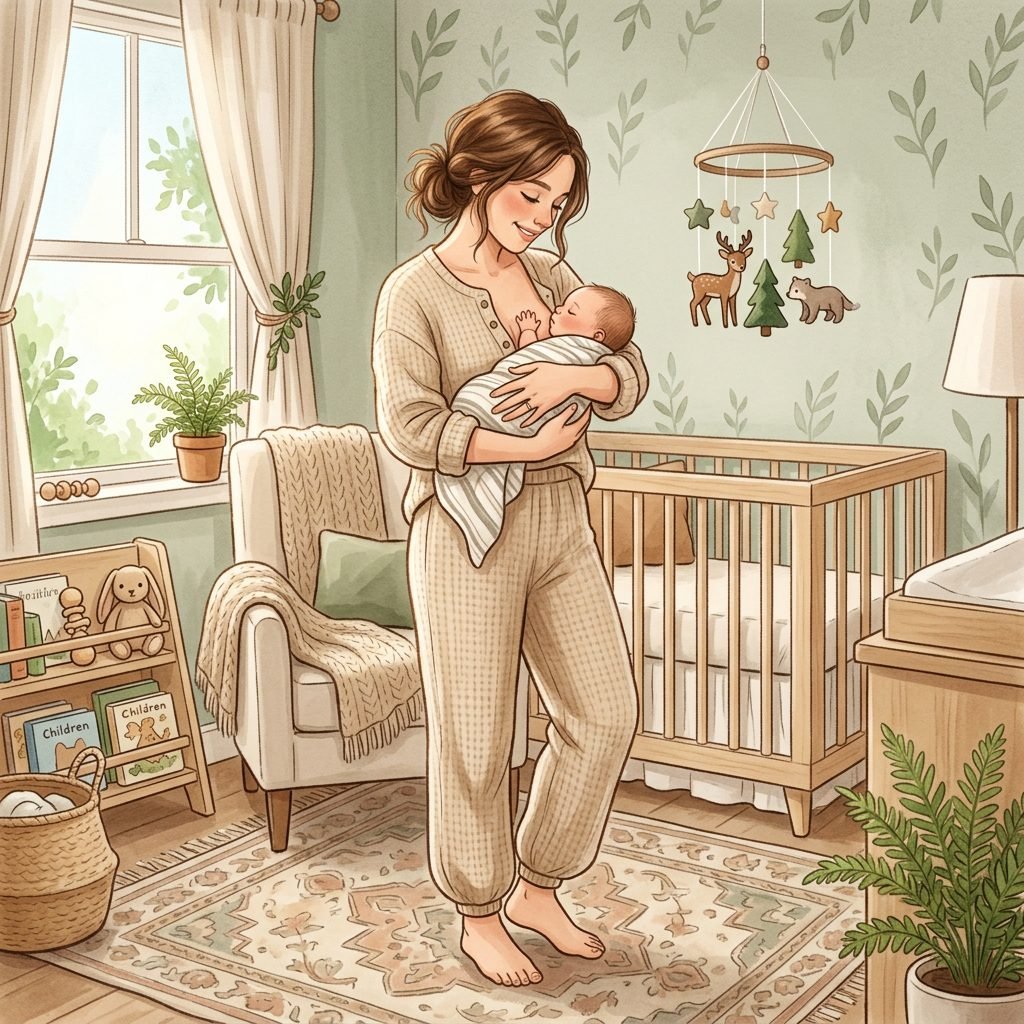
Not all matching sets are created equal, especially when it comes to the unique demands of a postpartum body. Whether you had an unmedicated vaginal delivery, a planned Cesarean, or an unexpected surgical birth, your clothing needs to accommodate medical realities like heavy lochia (postpartum bleeding), adult diapers, mesh underwear, shrinking uteruses, and highly sensitive surgical sites.
Key Features to Look For
When shopping for your waffle knit set, you need to be a strategic buyer. Let’s break down exactly what features will serve you best in those first few weeks at home.
| Outfit Feature | Why It Is Crucial for Postpartum Recovery |
|---|---|
| High-Waisted Pants | Provides gentle compression for a shrinking uterus and sits comfortably above a C-section (Pfannenstiel) incision, preventing painful rubbing. |
| Functional Drawstring | Your waistline will change daily as your uterus involutes (shrinks back to size). A drawstring allows for a customizable, non-restrictive fit. |
| Button-Down / Henley Top | Essential for instant chest access. Whether you are nursing, pumping, or just doing crucial skin-to-skin bonding, buttons are your best friend. |
| Darker Color Palette | Postpartum bleeding (lochia) is heavy in the first few days. Dark colors like charcoal, navy, or deep olive hide leaks and give you peace of mind. |
| Wide-Leg or Jogger Cut | Accommodates severe postpartum edema (swelling in the legs and ankles) which often peaks around day 3 or 4 after IV fluids. |
The C-Section Consideration
If you are recovering from a Cesarean birth, the waistband of your pants is the most important clothing decision you will make. You absolutely cannot wear anything that cuts across your lower abdomen. A waffle knit set with a wide, stretchy, high-rise waistband will sit securely around your natural waist (near your belly button), completely bypassing your tender incision site. Doula Tip: Pair your high-waisted pants with high-waisted disposable postpartum underwear for a double layer of soft protection.
Styling and Accessorizing for the Hospital Departure
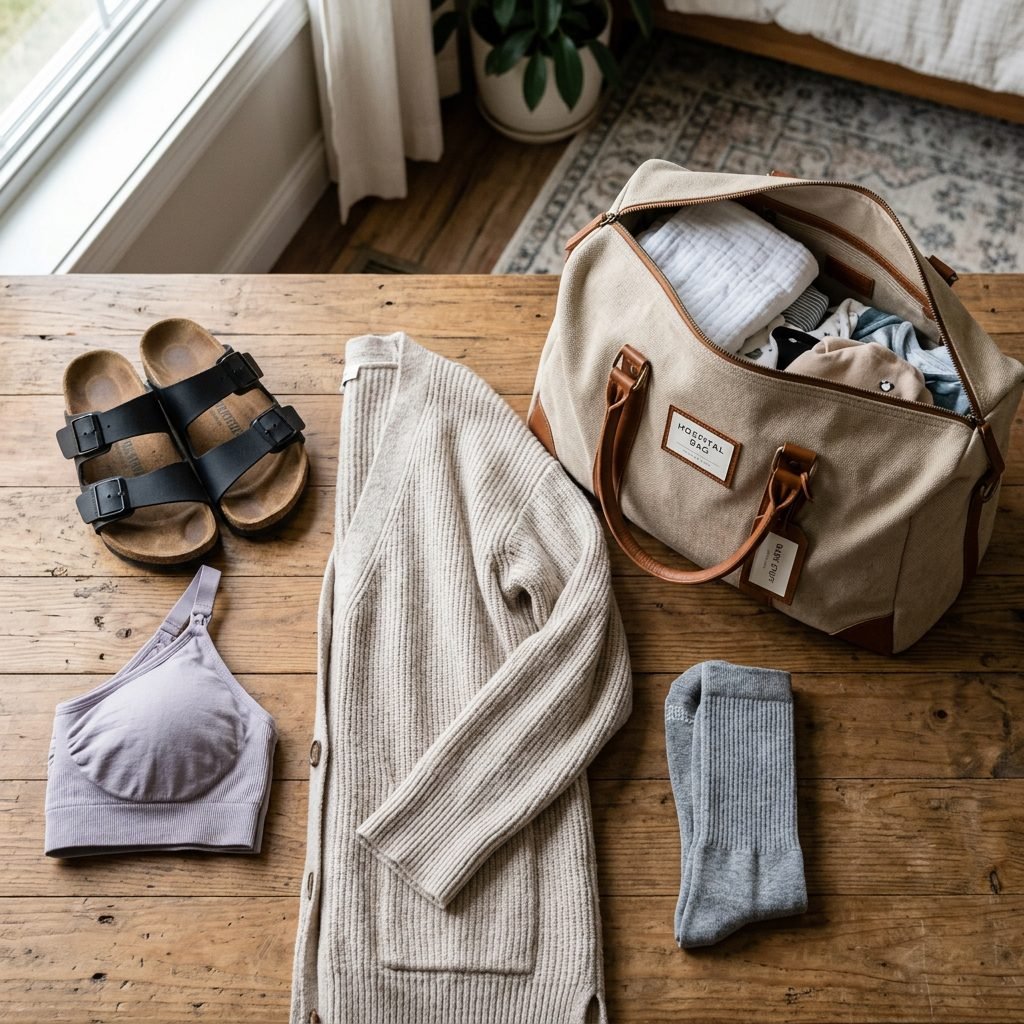
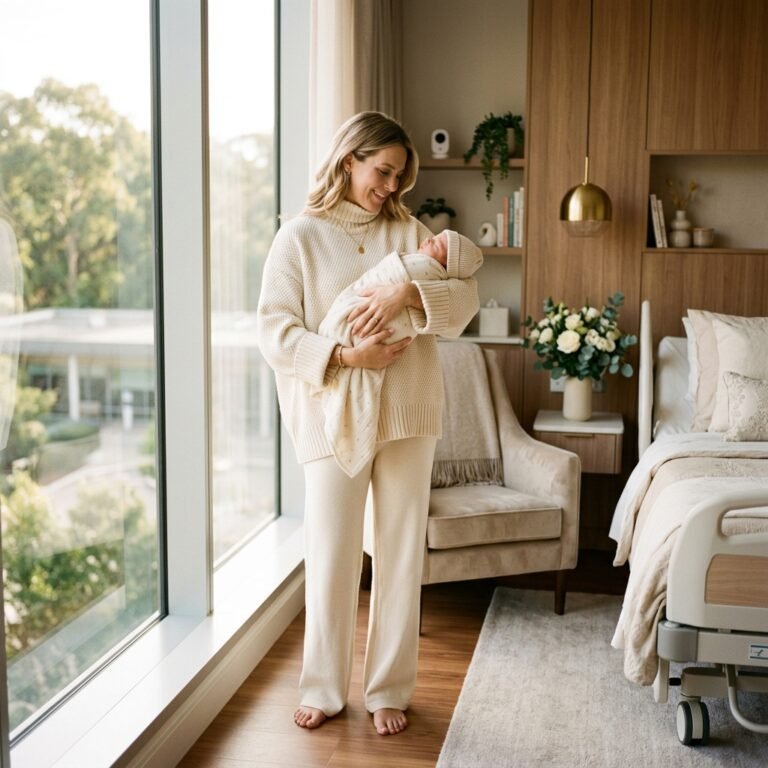
The journey from your hospital bed to your car is a monumental one. You will likely be pushed in a wheelchair holding your new baby in their car seat, navigating hospital corridors, elevators, and the outdoor weather. While the waffle knit set is the foundation of your outfit, how you accessorize it ensures maximum comfort.
Footwear: Prepare for the Swell
I cannot stress this enough: do not plan to wear your pre-pregnancy sneakers home. Postpartum edema (swelling) is incredibly common, especially if you received IV fluids during labor, had an epidural, or underwent a C-section. Your feet may be larger than they were at nine months pregnant!
- Slip-on Slides or Slippers: Choose footwear that requires zero bending over. Bending compresses your abdomen and can be excruciatingly painful after birth. Wide, adjustable slides or fuzzy slip-on clogs are perfect.
- Compression Socks: If your doctor recommends them, a pair of mild compression socks can help encourage fluid to leave your lower extremities. Put these on before your feet swell in the morning!
Layering for Temperature Control
Hospitals are notoriously freezing, but the postpartum hormone dump might have you sweating profusely by the time you reach the lobby. The key is strategic layering.
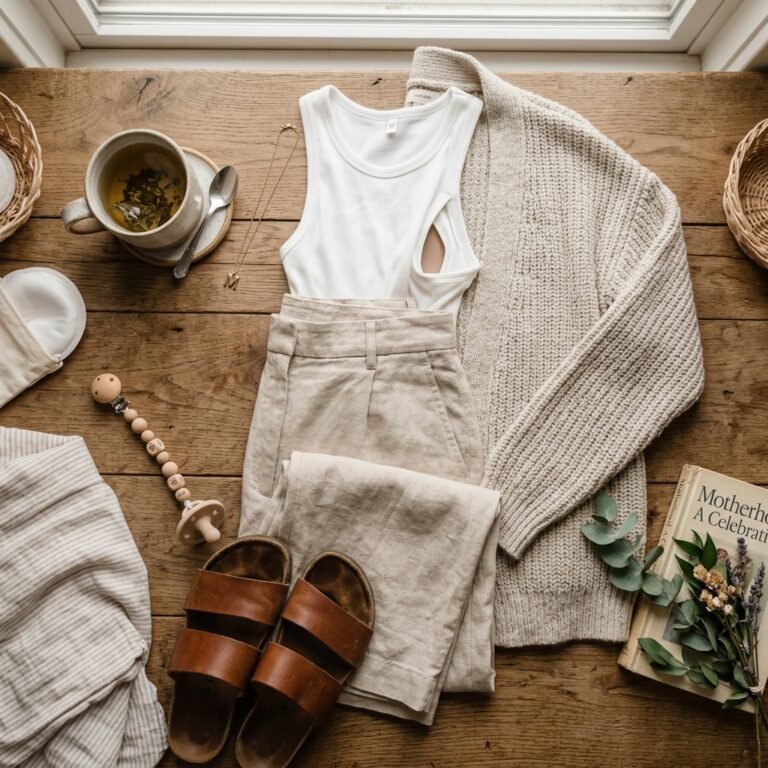
- Base Layer: A nursing bra or a soft, stretchy nursing tank top. Avoid underwire at all costs to prevent clogged milk ducts.
- Mid Layer: Your waffle knit henley or button-down long-sleeve top. Leave a few buttons undone for breathability.
- Outer Layer: A long, sweeping cardigan or a cozy robe. This adds a layer of warmth for the outdoors but can be easily shrugged off if you get a hot flash in the car.
“Remember, the goal of your going-home outfit is not to impress the hospital staff or look like a magazine cover. The goal is to feel safe, held, and physically unbothered as you step into your new life.”
The Ultimate Hospital Bag Checklist: Clothing Edition
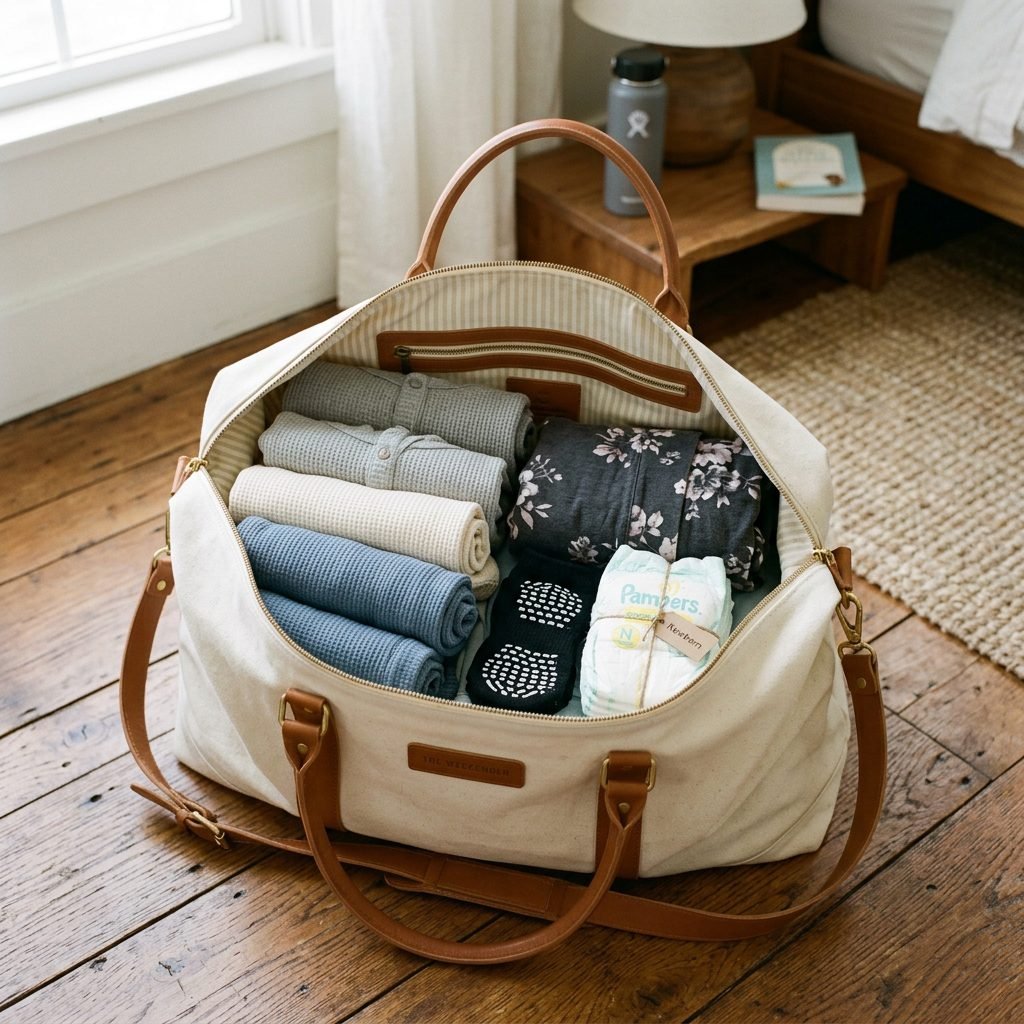
Packing your hospital bag can feel like preparing for a trip where you don’t know the destination, the weather, or how long you’ll be staying. As a maternal care expert, I always advise my clients to pack in “zones.” You need a zone for labor, a zone for recovery, and a zone for the baby.
What to Pack for Your Stay
While your waffle knit set is reserved for the triumphant ride home, you will need a few other specific clothing items during your 24 to 72-hour stay.
| Item | Quantity | Expert Doula Notes |
|---|---|---|
| Labor Gown / Robe | 1-2 | Hospitals provide gowns, but bringing your own soft, dark-colored delivery gown with back snaps (for epidural access) can make you feel much more human. |
| Nursing Bras / Tanks | 2-3 | Opt for crossover styles or clip-down cups. Your milk may not come in fully at the hospital, but your breasts will be tender from colostrum production. |
| Waffle Knit Matching Set | 1 | Your going-home outfit! Keep it folded neatly at the top of your bag so your partner can easily grab it when it’s time for discharge. |
| Grip Socks | 2 pairs | Hospital floors are slippery and cold. Grip socks keep you safe during those slow, shuffling walks to the bathroom. |
| Going Home Outfit (Baby) | 2 sizes | Pack one in Newborn size and one in 0-3 Months size. You never truly know how big they will be until they arrive! |
A Note on Postpartum Underwear
While the hospital will provide you with mesh panties and massive maternity pads, many modern moms prefer to pack their own adult incontinence underwear (like Always Discreet or Depends). They are incredibly soft, don’t shift around, and provide 360-degree leak protection. Your waffle knit joggers will slide perfectly over them without any visible bulk, giving you confidence as you waddle to the car!
Embracing Your Fourth Trimester Body with Radical Grace
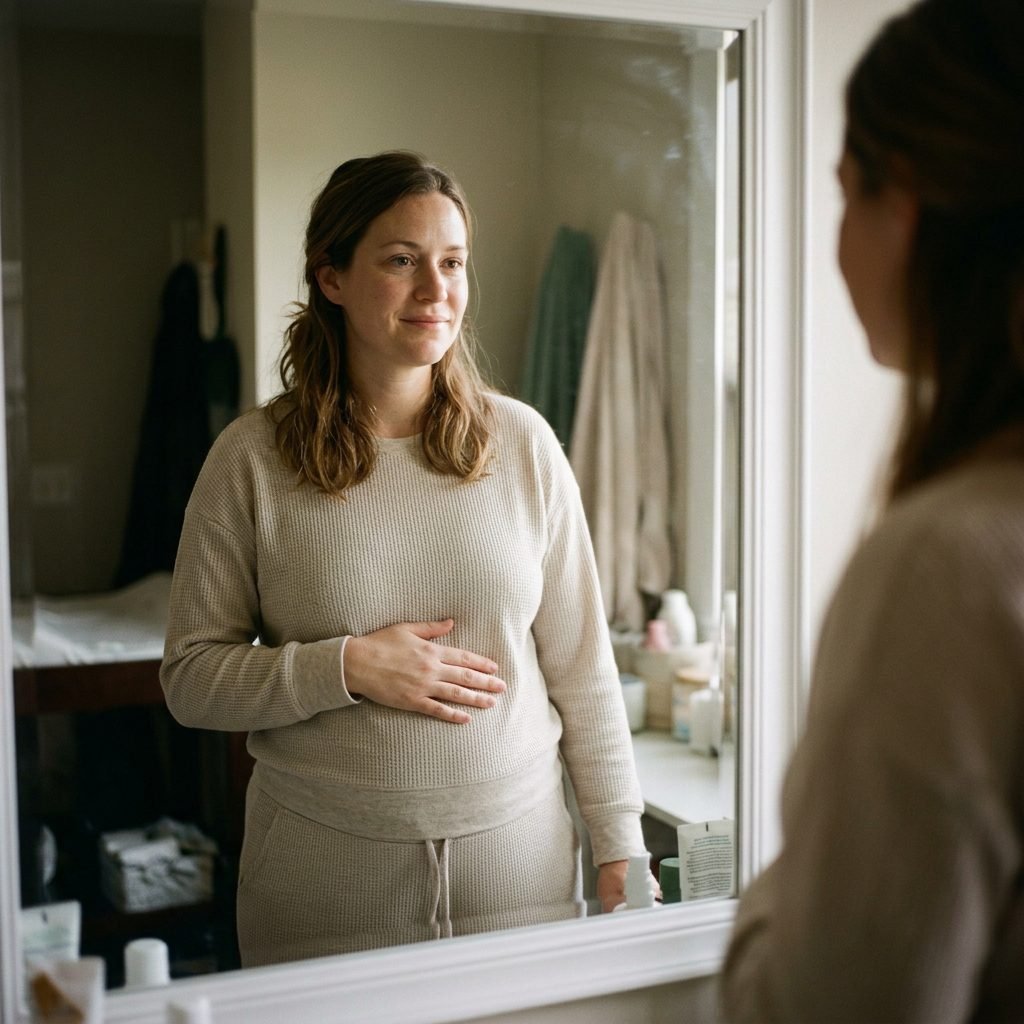
As you stand in the hospital bathroom, carefully stepping into your waffle knit pants and buttoning your soft top, you will likely catch a glimpse of yourself in the mirror. This is a profound, and sometimes vulnerable, moment for a new mother.
Your belly will still look pregnant. It takes weeks for the uterus to shrink back to its pre-pregnancy size behind the pelvic bone. Your breasts may feel heavy and unfamiliar. Your skin might be pale, your eyes tired. In this moment, I want you to practice radical self-compassion.
The Reality of the Postpartum Mirror
Society places an immense and unfair burden on women to “snap back” immediately after birth. But let’s look at the physiological truth: it took nearly 10 months to grow a human being, shift your organs, expand your ribcage, and alter your blood volume. It will take a minimum of a year for your body to fully recalibrate.
- Be gentle with your inner dialogue: When you look in the mirror, replace “I look messy” with “I look like a life-giver.”
- Dress for the body you have TODAY: This is why the stretchy, forgiving nature of a waffle knit set is so vital. It does not demand that you shrink to fit it; it expands to accommodate you.
- Prioritize healing over aesthetics: Every stitch, every cramp, every drop of milk is a sign of a body working overtime to heal and sustain life. Comfort is not a luxury right now; it is a medical necessity.
“My body is not broken; it is transitioning. I honor the space it took up to grow my child, and I honor the time it needs to heal. I am safe, I am strong, and I am exactly the mother my baby needs.”
— A Postpartum Affirmation to repeat as you dress to go home.
When you walk out of those hospital doors in your cozy matching set, holding the car seat that contains your whole world, hold your head high. You have just completed the most monumental physical and emotional marathon of your life. You deserve to be wrapped in the softest fabric, surrounded by the deepest love, and given the utmost grace.
Conclusion
Walking Out Those Doors and Into Motherhood
Choosing the perfect going-home outfit is about so much more than fashion; it is about setting the tone for your postpartum recovery. By selecting a high-waisted, button-down waffle knit matching set, you are actively choosing breathability, easy nursing access, incision protection, and profound comfort. You are telling your body, “I see how hard you worked, and I am going to take care of you now.”
As you pack your hospital bag, layer your cozy cardigans, and slip on those fuzzy slides, remember that the fourth trimester is a time of gentle transition. Allow yourself to rest in the softness of your clothes, the support of your partner, and the quiet, sacred bubble of those early days at home. You’ve got this, Mama. Welcome home.