
Edible Herb Garden Sensory Play: A Safe Texture & Smell Activity for Babies
Welcome to the World of Sensory Discovery, Mama
Oh, sweet mama, I see you. You are navigating the beautiful, messy, and sometimes overwhelming journey of early motherhood, looking for ways to engage your little one that feel both safe and meaningful. As a doula and a fellow traveler on this path, I know that the ‘mouth-everything’ phase can feel a bit daunting. You want to encourage exploration, but the thought of your baby ingesting plastic bits or non-toxic-but-not-exactly-food-grade glitters is enough to make any heart race.
That is where the magic of Edible Herb Garden Sensory Play comes in. This isn’t just an activity; it is a gentle invitation for your baby to commune with nature right on your living room floor. By using fresh, organic herbs, we create a ‘yes’ space—a place where your baby’s natural instinct to taste, touch, and smell is not only allowed but celebrated. This activity stimulates the olfactory system, encourages fine motor development, and provides a calming, aromatic experience for both you and your baby. Let’s dive into how we can set this up with love and intention.
The Science of the ‘Mouth-First’ Explorer
Why Babies Explore with Their Tongues
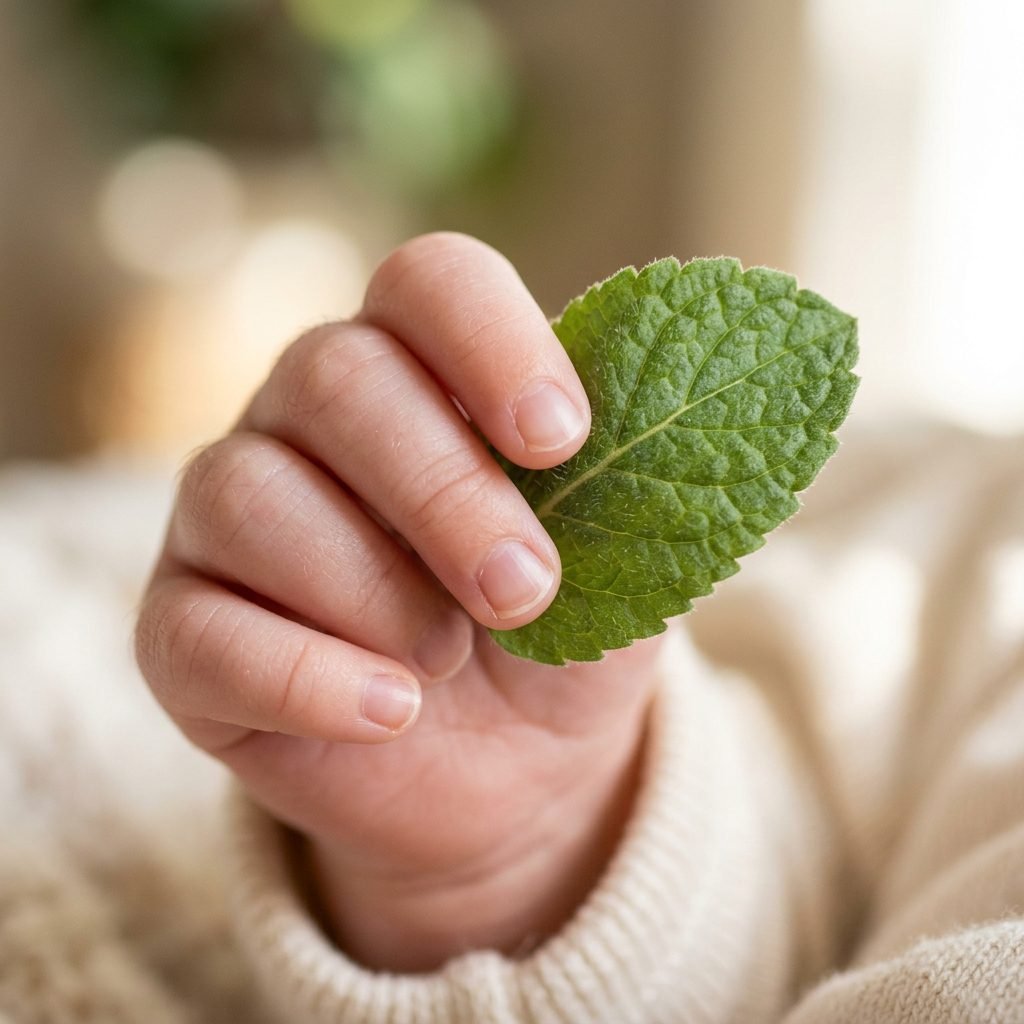
Have you ever wondered why the first thing your baby does with a new toy is shove it directly into their mouth? As a postpartum nurse and doula, I often remind parents that for a baby, the mouth is the most sensitive part of their body. It has more nerve endings per square millimeter than almost anywhere else. When they ‘taste’ a leaf of basil, they aren’t just eating; they are gathering data about texture, temperature, and density.
The Olfactory Connection
The sense of smell is the only sense with a direct link to the amygdala and hippocampus, the areas of the brain responsible for emotion and memory. When you introduce herbs like lavender or mint, you are literally helping to shape your baby’s emotional landscape. Evidence-based research suggests that early exposure to varied scents can improve sensory processing and even foster a more adventurous palate as they transition to solid foods. By engaging in herb play, you are supporting:
- Cognitive Mapping: Recognizing different scents and associating them with specific textures.
- Neural Pathways: Strengthening the brain’s ability to process multi-sensory input simultaneously.
- Self-Regulation: Certain scents, like chamomile or lemon balm, have natural calming properties that can help soothe a fussy baby.
“Every time your baby reaches for a leaf, they are writing a new story of discovery in their mind. You are the curator of their first laboratory.”
The Sensory Palette: Choosing Your Fragrant Ingredients
Selecting Safe and Aromatic Herbs
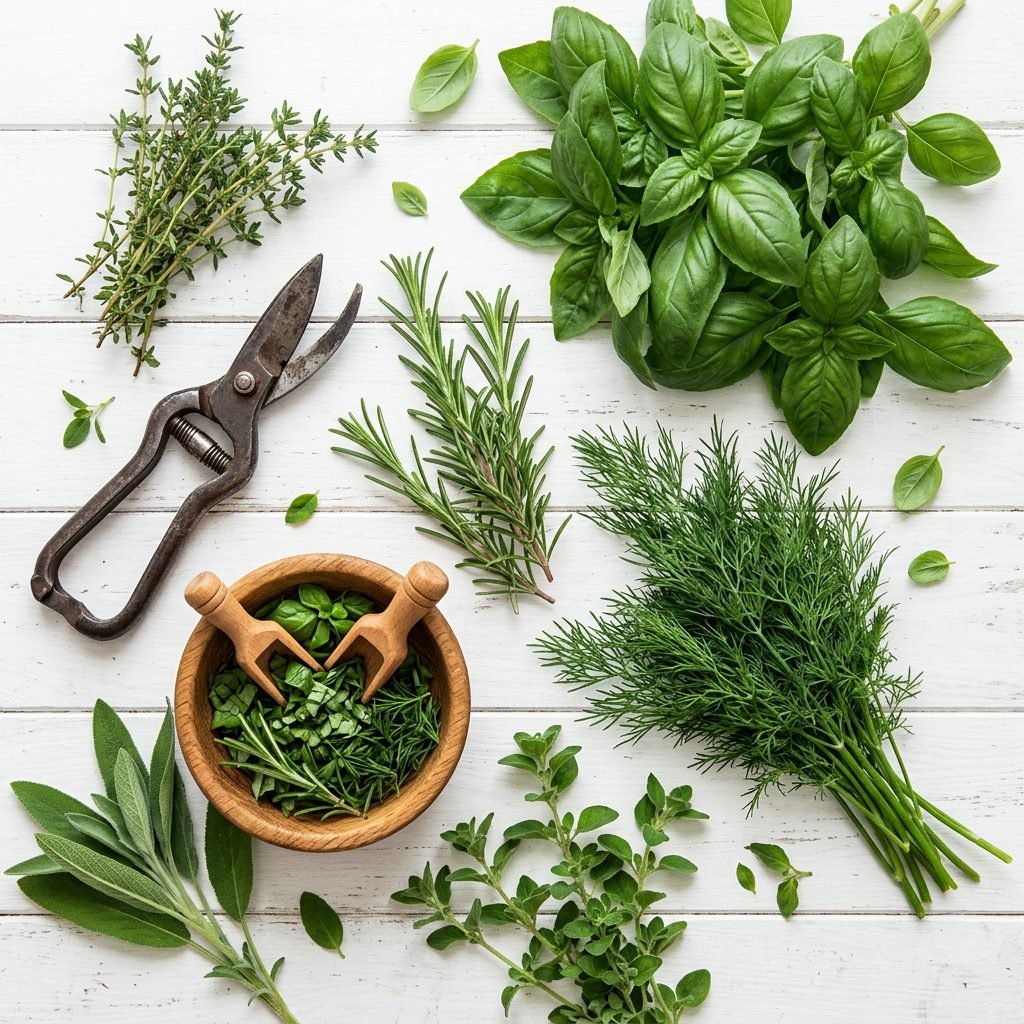
When curating your edible garden bin, quality is everything. I always recommend choosing organic herbs to ensure there are no lingering pesticides or chemicals. Think of this as a bouquet of wellness for your little one. Here are my favorite herbs for sensory play and why they are perfect for those tiny hands:
- Basil: Broad, smooth, and slightly cool to the touch. Its sweet aroma is instantly recognizable and very inviting.
- Mint: Provides a tingly, refreshing sensation. If your baby is teething, the natural cooling properties of mint can be very soothing if they take a little nibble.
- Rosemary: Offers a woodier, more structural texture. It is excellent for ‘prickly’ (but safe) tactile feedback.
- Cilantro: A very distinct, bright scent that challenges the olfactory system.
- Dill: Feathery and light, perfect for tickling toes and palms.
Herb Safety and Benefits Table
| Herb Name | Texture Profile | Developmental Benefit |
|---|---|---|
| Organic Basil | Smooth & Silky | Tactile discrimination & grasping |
| Fresh Mint | Fuzzy & Tingly | Olfactory stimulation & teething relief |
| Rosemary | Firm & Needle-like | Fine motor ‘pincer’ grasp practice |
| Parsley | Curly & Crinkly | Auditory ‘crunch’ and visual depth |
Step-by-Step: Creating Your Baby’s First Herb Garden Bin
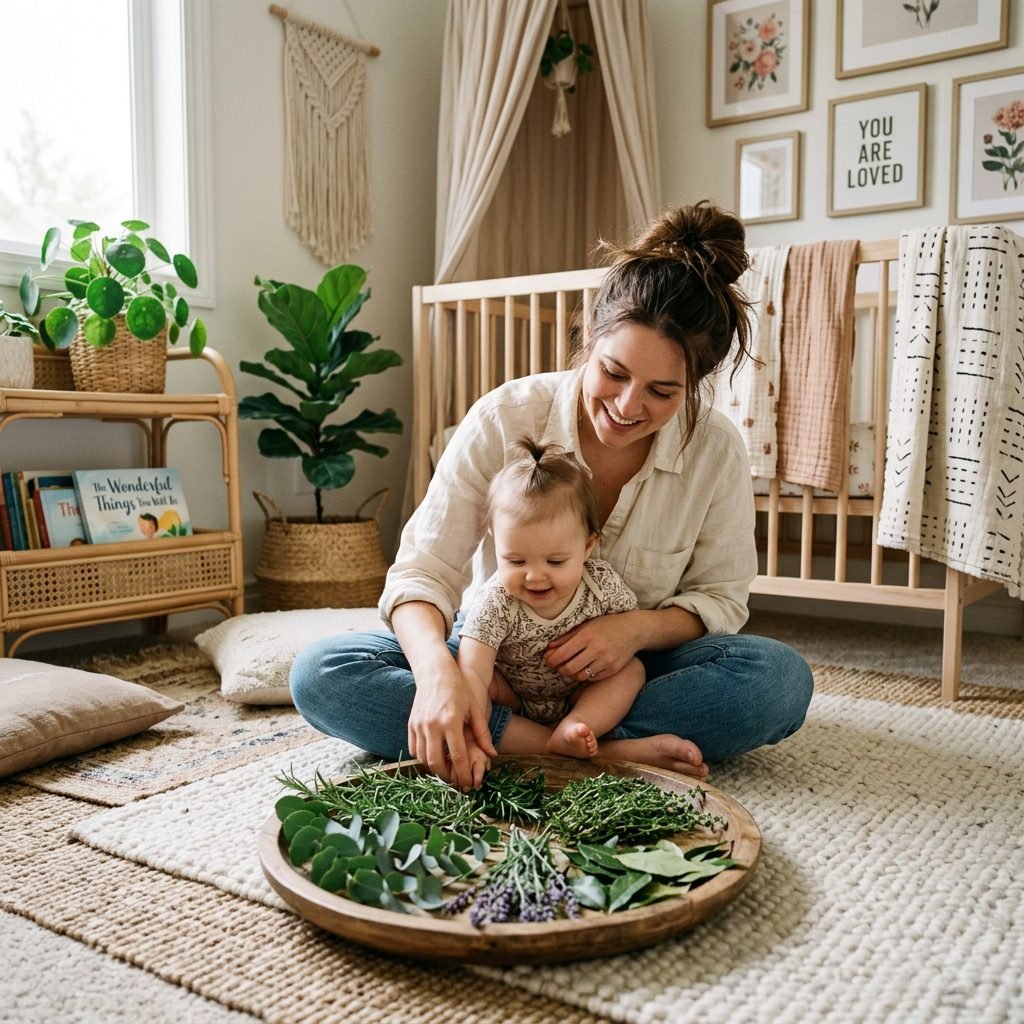
Setting the Stage for Messy Success
Ready to set up? Don’t worry about the mess, mama. Messy play is a sign of a happy, learning child. Here is how to create a stylish and functional sensory bin in minutes:
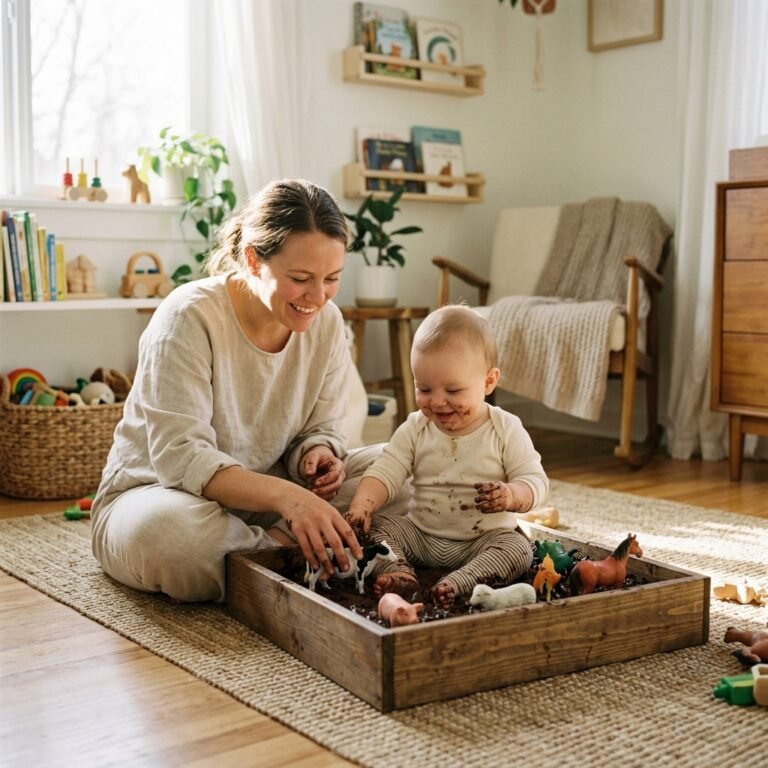
- Choose Your Vessel: I love using a low-profile wooden tray or a shallow, clear plastic bin. The goal is for the baby to reach in easily while sitting up or during tummy time.
- Prep the Herbs: Wash your herbs thoroughly in cool water. Pat them dry or leave them slightly damp to add a ‘water play’ element.
- Layer the Textures: Place the larger leaves (like basil) at the bottom and sprinkle the finer textures (like dill or parsley) on top.
- Add ‘Tools’: For babies over 8 months, add a large wooden spoon or a silicone whisk to encourage hitting and stirring motions.
- The Introduction: Sit on the floor with your baby. Place the bin between your legs. Gently pick up a leaf, smell it yourself, and then offer it to them. Let them lead the way.
“In the quiet moments of play, we find the deepest connections. Watch their eyes light up, and breathe in the scent of growth alongside them.”
Safety, Supervision, and the ‘Mouth-Everything’ Phase
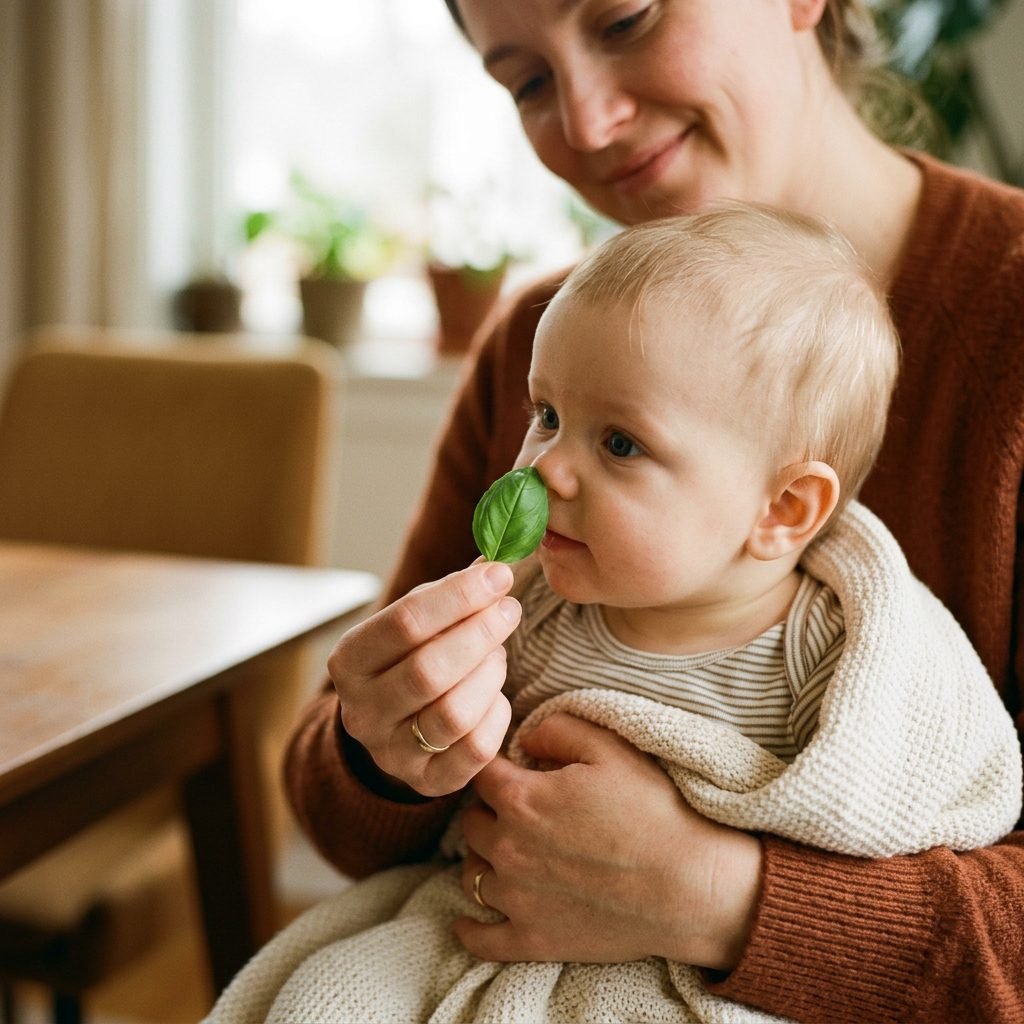
Keeping the Experience Gentle and Secure
As a doula, safety is my north star. While these herbs are ‘edible,’ this activity is about exploration, not a meal. Here are the golden rules for a safe herb garden session:
- Constant Supervision: Never leave your baby alone with the sensory bin. Stems can be a choking hazard if they are too long or woody.
- Check for Allergies: If your family has a history of food allergies, introduce one herb at a time. Watch for any redness around the mouth or skin irritation.
- Stem Management: Remove any thick, woody stems from the rosemary or thyme. Stick to the leaves for younger babies (6-9 months).
- Clean-Up Routine: Have a damp washcloth nearby. Herbs can get sticky, and small bits of green will inevitably end up in hair and between toes!
Budget Breakdown for Sensory Play
| Item | Estimated Cost | Source |
|---|---|---|
| Organic Herb Bundle | $5.00 – $8.00 | Local Farmers Market |
| Shallow Storage Bin | $2.00 – $5.00 | Household / Target |
| Linen Play Mat | $0.00 | Already Owned |
| Total Investment | $7.00 – $13.00 | A steal for 45 mins of play! |
The Doula’s Perspective: Mindful Play and Connection
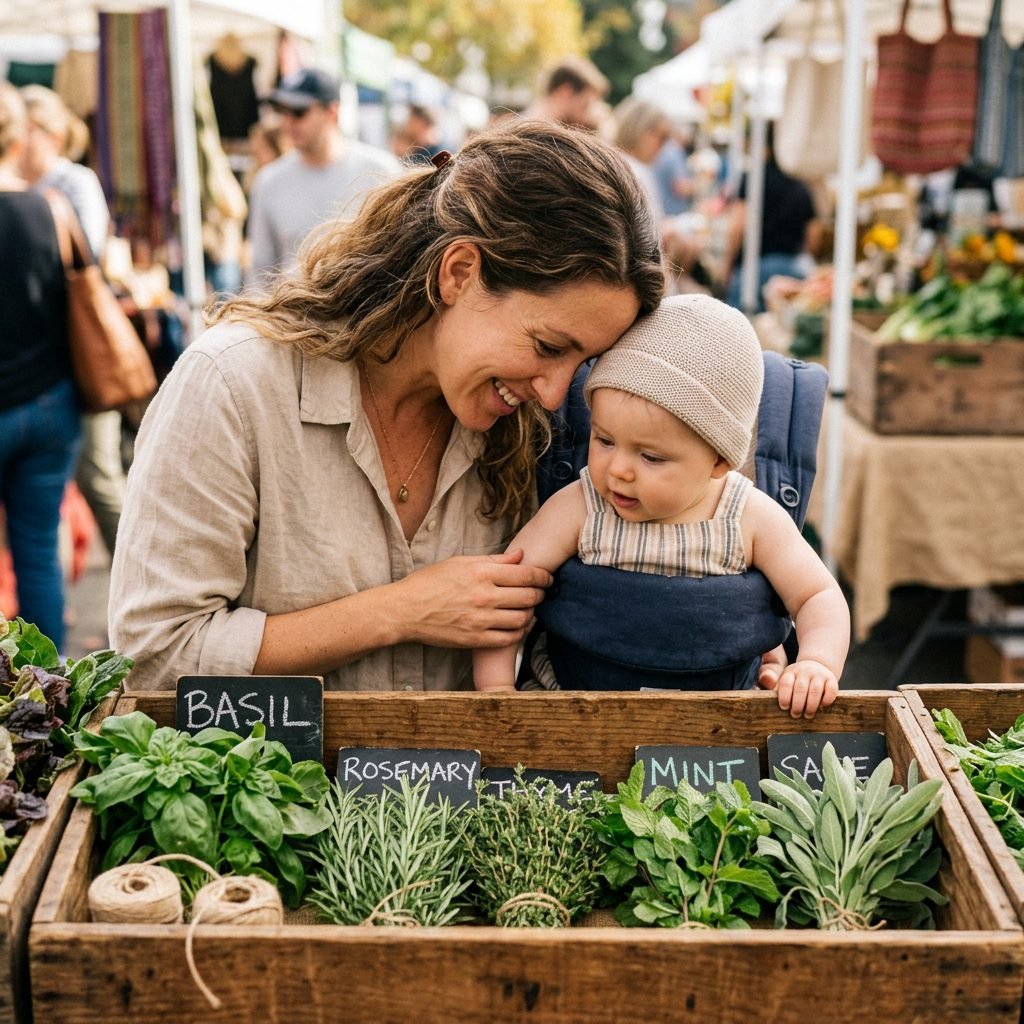
Feeding Your Soul While They Feed Their Senses
Mama, this activity is as much for you as it is for the baby. Postpartum recovery isn’t just physical; it’s emotional. Sitting on the floor, breathing in the scent of fresh mint and basil, can be a form of grounding mindfulness. When the days feel long and the nights feel longer, these sensory moments act as an anchor.
Try this: As your baby plays, take five deep breaths. Match the scent of the herb in your hand to your inhale. Rosemary for clarity. Mint for energy. Basil for peace. You are doing a wonderful job. This simple act of setting up a tray shows how much you care about their growth and your shared bond. You are teaching them that the world is a fragrant, beautiful place worth exploring.
“You are the first teacher, the first friend, and the ultimate safe space. This play is just a reflection of the love you pour out every day.”
Extending the Play: From Baby to Toddlerhood

How to Evolve the Herb Garden
One of the best things about this activity is that it grows with your child. As they move from the ‘mouth-everything’ baby stage into the ‘do-it-myself’ toddler stage, you can adapt the herb bin:
- Herb ‘Soup’: Add a splash of water and some plastic cups for pouring and scooping.
- The Mortar and Pestle: For toddlers (2+), provide a small wooden mortar and pestle to ‘grind’ the herbs, releasing even more scent.
- Color Sorting: Mix in some edible flowers like pansies or marigolds to practice color recognition.
- Kitchen Assistant: Use the play as a bridge to cooking. ‘Remember that basil we played with? Now it’s going on our pizza!’
This longevity makes the ‘Edible Herb Garden’ one of the most versatile tools in your parenting toolkit. It transitions from a tactile experience to a culinary and scientific one seamlessly.
Conclusion
Growing Together, One Scent at a Time
Mama, I hope this guide inspires you to clear a little space on the floor today and bring the garden inside. Edible Herb Garden Sensory Play is a testament to the fact that the best developmental tools aren’t expensive plastic gadgets—they are found in nature, in your kitchen, and in the intentional moments you spend with your child. By engaging their senses safely, you are building a foundation of curiosity and confidence that will last a lifetime.
Take a deep breath of that minty air, watch those tiny fingers work their magic, and remember: you are exactly the mother your baby needs. Happy playing!