Fresh & Modern: Abstract Botanical Nursery Decor Ideas for a Calm Space
Welcome to Your Peaceful Haven, Mama
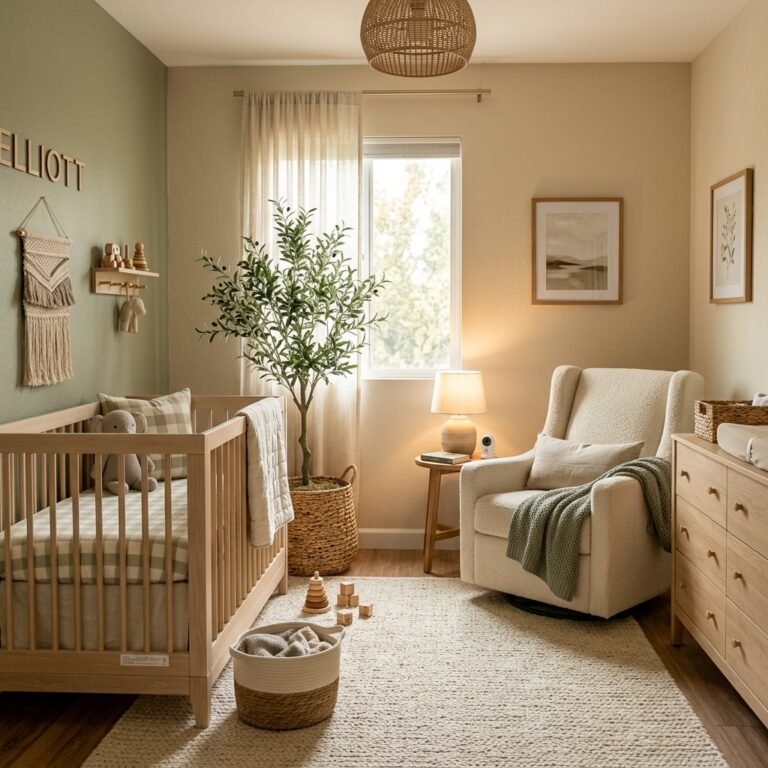
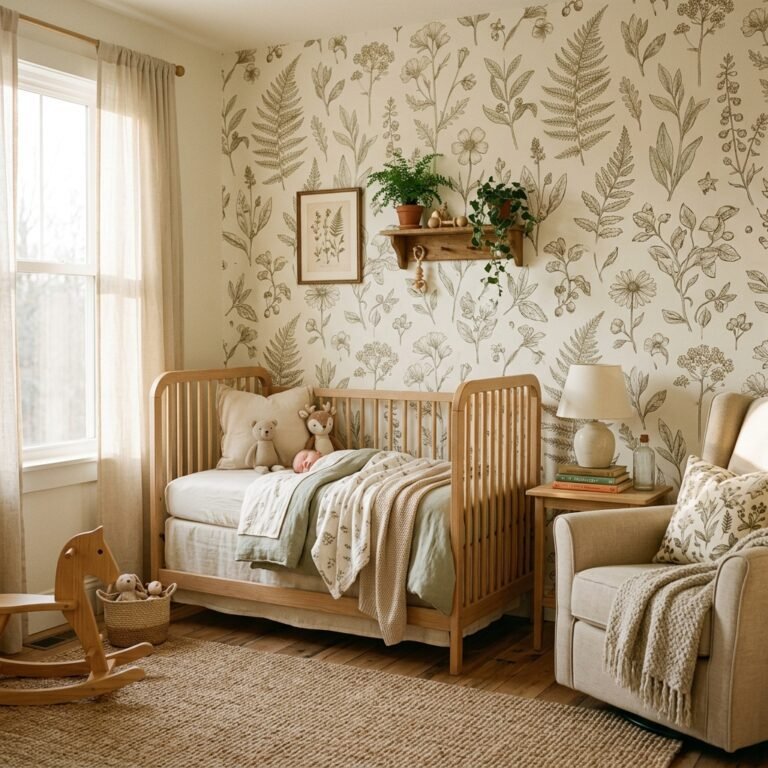
Oh, sweet mama, I know exactly where your heart is right now. You’re nesting, dreaming, and perhaps feeling a little overwhelmed by the sheer volume of ‘baby themes’ out there. You want a space that feels fresh and modern, but also a place that whispers peace when you’re rocking your little one at 3:00 AM. Enter the Abstract Botanical nursery. Unlike the literal, cartoonish forest themes of the past, abstract botanicals focus on organic shapes, muted earthy tones, and a sophisticated connection to nature. As a doula and a mama who has designed more than a few ‘calm corners,’ I can tell you that the environment you create for your baby also serves as a sanctuary for you. Let’s walk through how to build this botanical dream from the floor up, ensuring every corner is as functional as it is beautiful.
Rooting Your Vision: Why Abstract Botanicals Create a Peaceful Nervous System
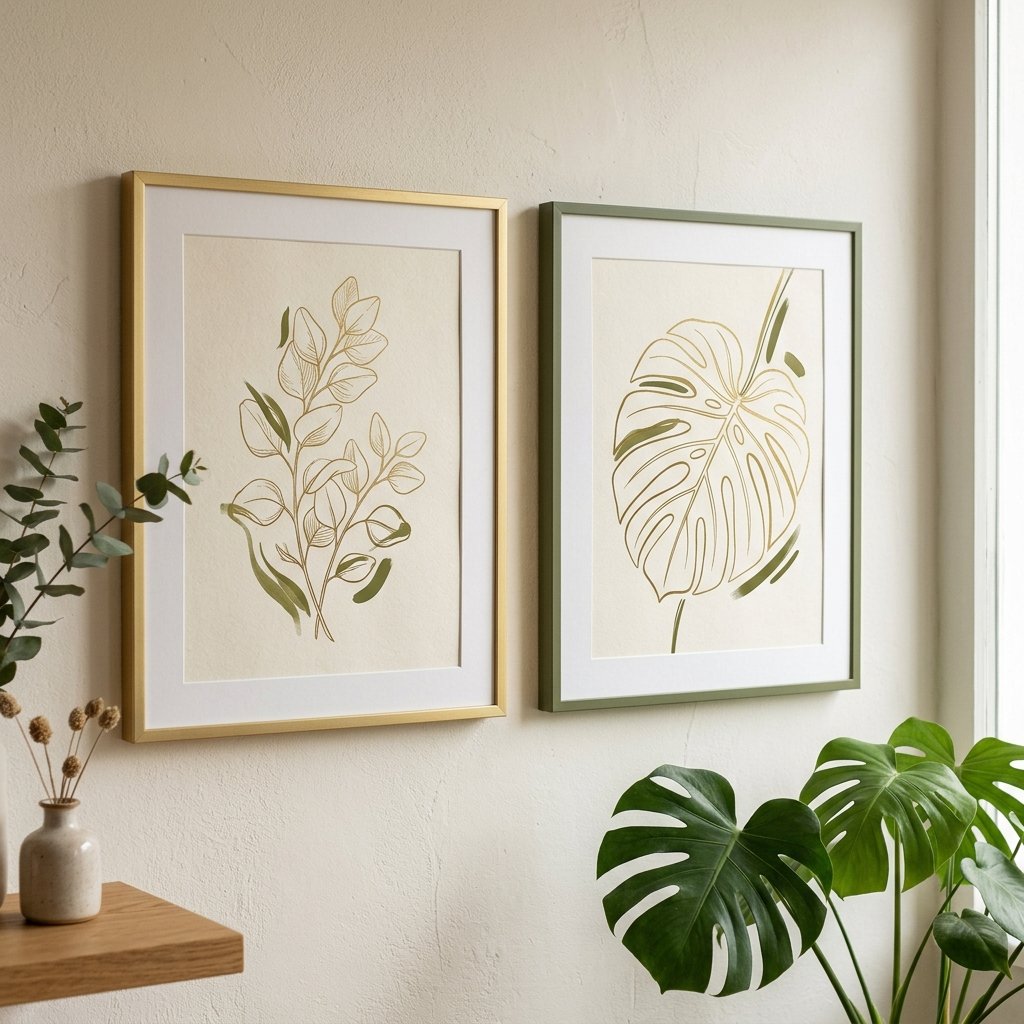
When we talk about ‘abstract botanicals,’ we’re moving away from perfect illustrations of flowers and toward the essence of nature. Think soft, flowing lines that mimic a leaf’s curve or the dappled light of a forest floor. This design choice isn’t just about aesthetics; it’s about the nervous system. For a newborn, high-contrast black and white is great for development, but for the overall room vibe, we want ‘soft minimalism.’ Soft colors and rounded shapes reduce visual noise, which can help both you and baby feel more grounded during those high-intensity postpartum weeks.
The Benefits of Abstract Nature in the Nursery
- Visual Longevity: This style grows with your child, transitioning easily from a nursery to a toddler room.
- Gender Neutrality: Botanical shapes work beautifully for any baby, focusing on nature rather than stereotypes.
- Maternal Calm: A sophisticated space helps you feel like ‘you’ again, even amidst the diapers and onesies.
Remember, mama: This room is your workspace and your sanctuary just as much as it is your baby’s first home. Design it to hold you both.
The Earthy Palette: Curating Colors for Sleep and Serenity
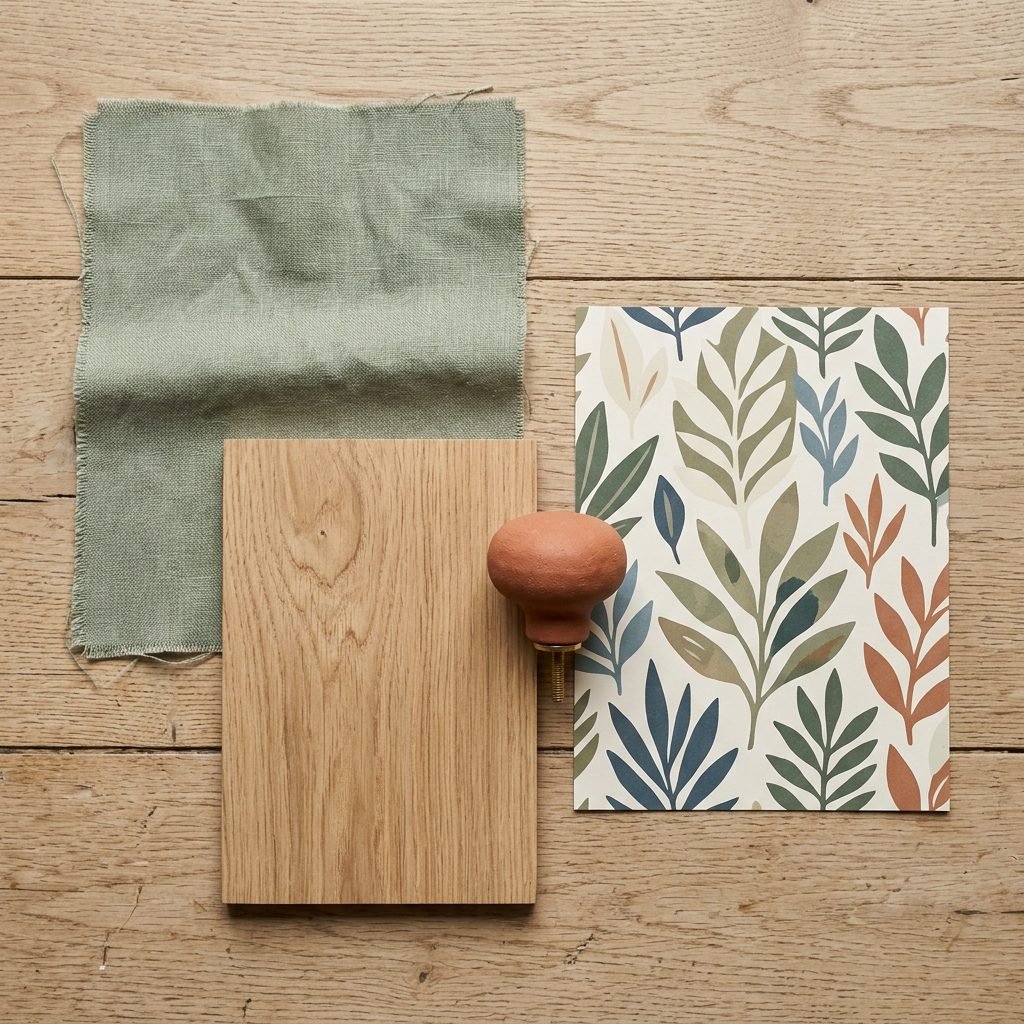
Choosing your color palette is the first step in setting the ‘temperature’ of the room. For a fresh and modern botanical look, we lean into ‘New Neutrals.’ We’re looking for colors that feel like they were pulled directly from a garden at dusk. Think sage green, terracotta, dusty rose, and warm sand. These colors are scientifically shown to promote relaxation and can actually help signal to the brain that it’s time to wind down.
| Color Tone | Psychological Effect | Botanical Element |
|---|---|---|
| Sage & Olive | Calming, reduces anxiety | Leaves and Stems |
| Terracotta & Clay | Grounding, warmth, security | Earth and Pots |
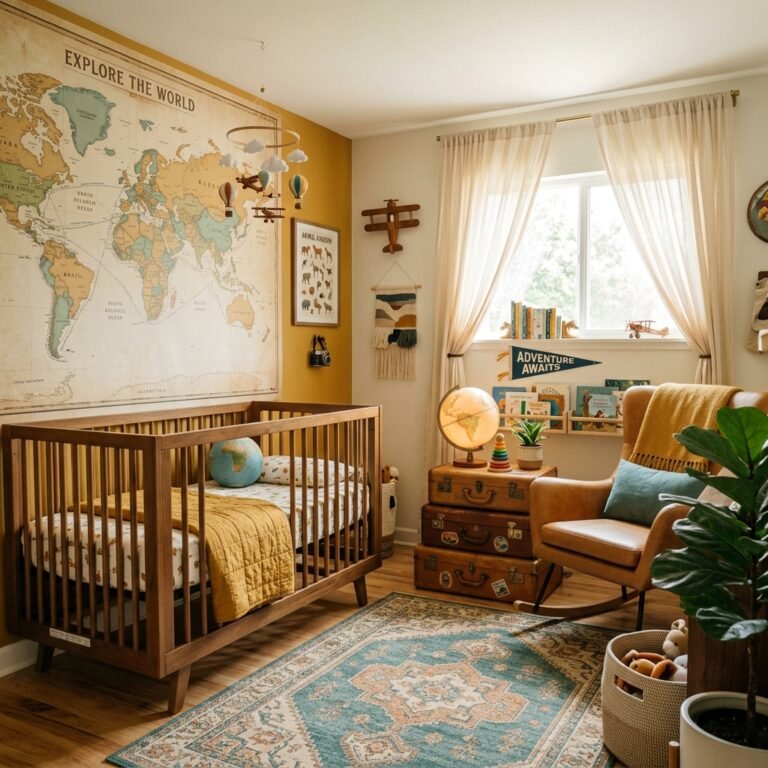
| Mustard & Ochre | Happiness, gentle stimulation | Wildflowers and Sunsets |
| Cream & Oatmeal | Clarity, openness, peace | Dried Grasses and Linen |
When mixing these colors, try the 60-30-10 rule: 60% of the room in a primary neutral (like cream), 30% in a secondary botanical color (like sage), and 10% in a bold accent (like terracotta or gold hardware).
Modern Foundations: Selecting Furniture that Grows with Your Little Sprout
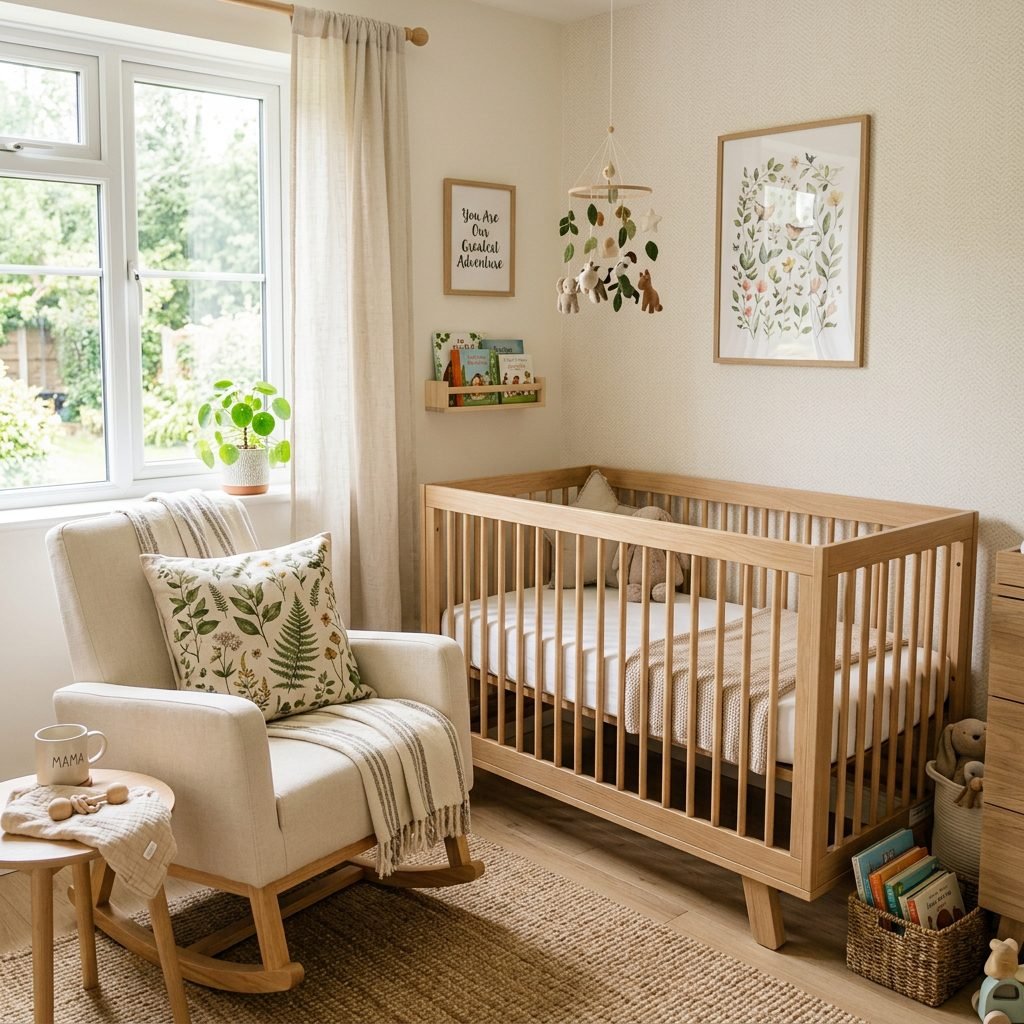
In a modern botanical nursery, the furniture should act as a clean canvas. I always recommend natural wood finishes—think light oak, birch, or pine. These materials bring an organic warmth that white or dark-painted furniture sometimes lacks. Look for pieces with tapered legs (Mid-Century Modern style) to keep the room feeling airy and open, which is especially important if you’re working with a smaller space.
Essential Furniture Checklist
- The Convertible Crib: Choose a 3-in-1 or 4-in-1 model. It’s an investment that lasts for years.
- The Performance Glider: You will spend hours here. Look for stain-resistant fabric in a neutral ‘oatmeal’ or ‘stone’ color.
- The Double Dresser: This doubles as a changing station. Pro-tip: Use a removable changing pad so the dresser remains a standard piece of furniture later.
Safety Note: Always anchor your heavy furniture to the wall. As your little sprout starts to climb, those ‘abstract’ leaves won’t be the only things growing upwards!
Taming the Overgrowth: Smart Storage Solutions for Small Spaces
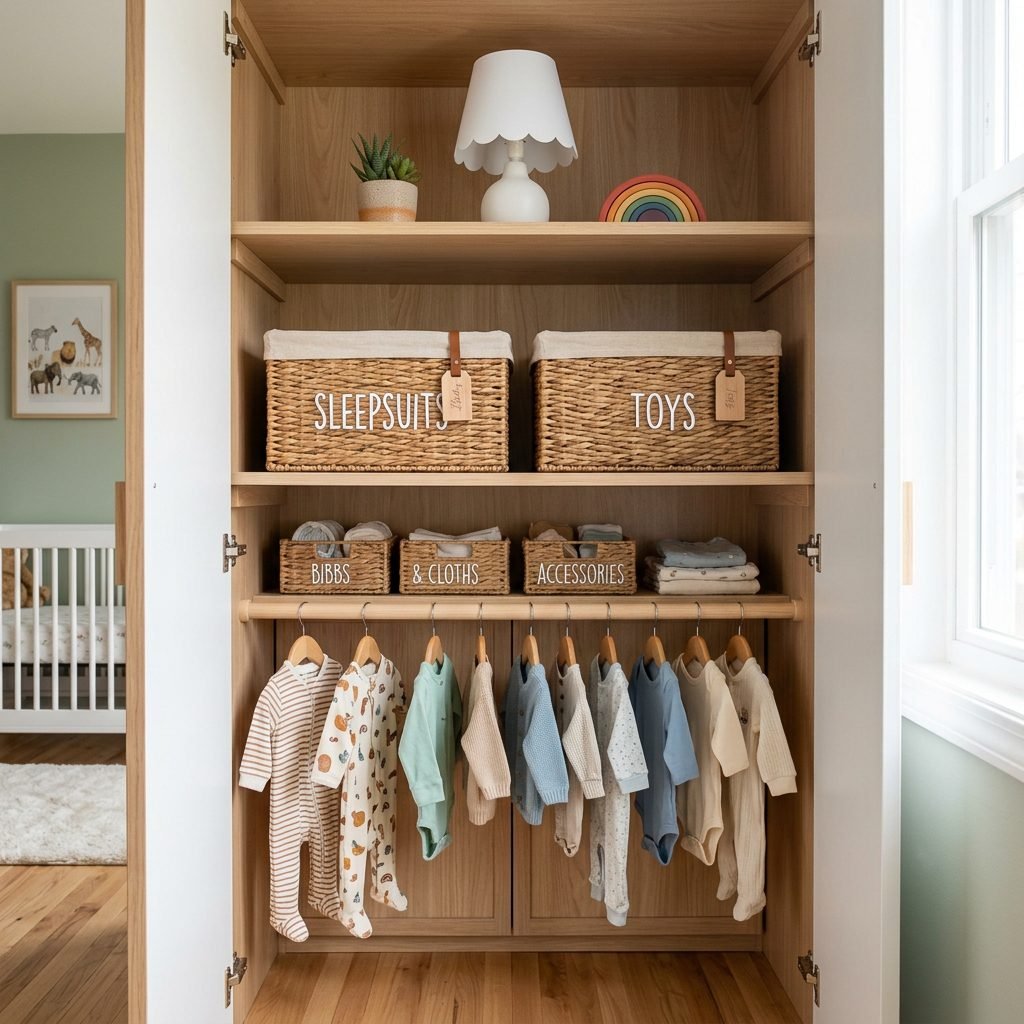
A cluttered room leads to a cluttered mind, and as a new mom, you have enough on your plate! To keep your botanical sanctuary calm, we need hidden storage. I love the IKEA Kallax hack for this. By adding wicker or seagrass baskets to the cubbies, you hide the colorful (and often messy) plastic toys while maintaining that organic, earthy aesthetic.
| Storage Type | Items to Store | Organization Hack |
|---|---|---|
| Woven Baskets | Blankets, plushies, laundry | Use labels with icons for easy sorting. |
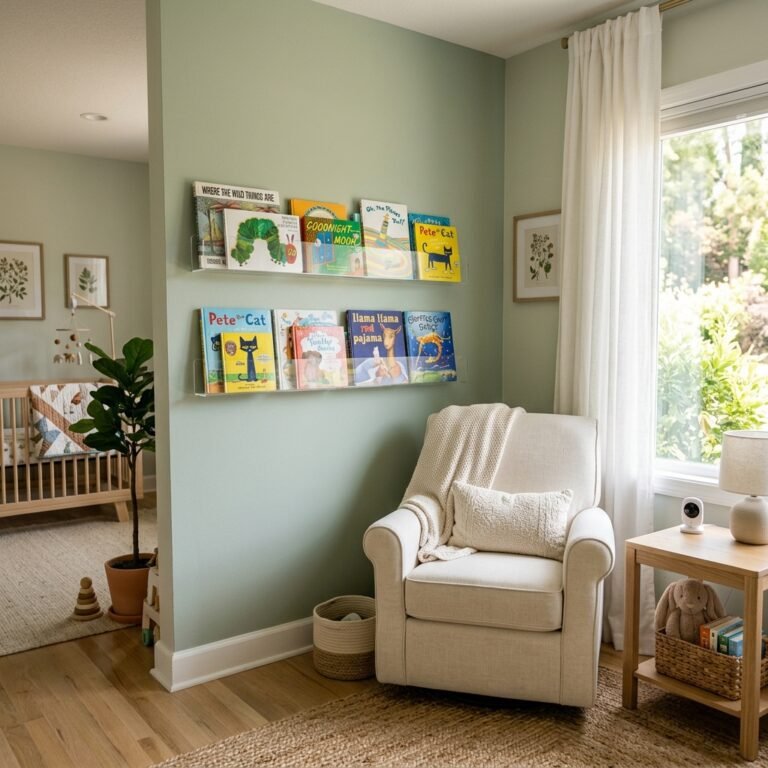
| Acrylic Shelves | Children’s books, small decor | Display books with beautiful ‘botanical’ covers as art. |
| Drawer Dividers | Onesies, socks, bow ties | File-fold clothes to see everything at once. |
| Hanging Organizers | Diapers, wipes, creams | Keep them at waist height near the changing pad. |
Don’t forget the vertical space! Use floating shelves to keep breakables or sentimental items out of reach of curious toddlers while adding to the ‘layered’ look of your botanical walls.
The DIY Botanical Art Gallery: Creative Projects for the Crafty Mama
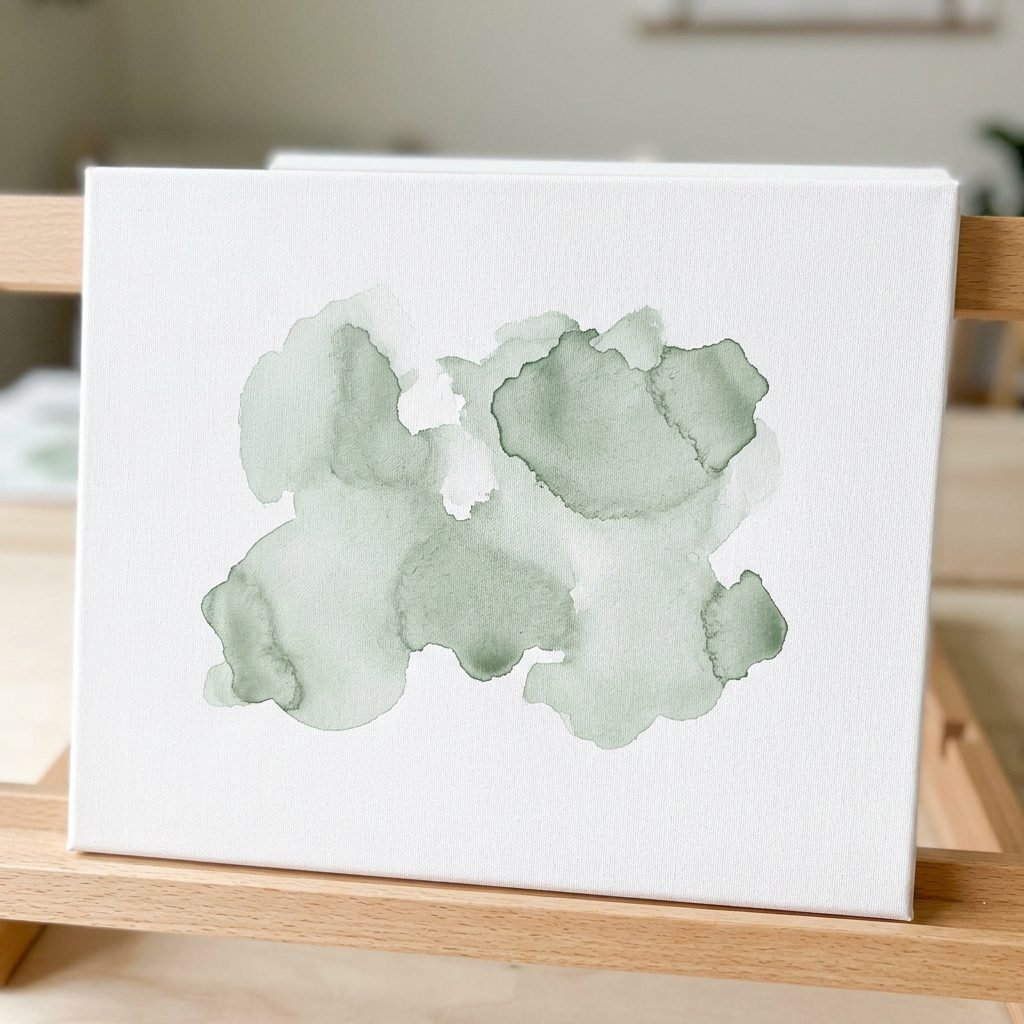
You don’t need to be a professional artist to create stunning abstract botanical decor. In fact, some of the most beautiful nurseries I’ve seen featured ‘Mama-made’ art. One of my favorite projects is the Pressed Leaf Canvas. It’s a meditative process that connects you to the nursery before the baby even arrives.
How to Create Abstract Leaf Art
- Collect: Find 3-5 leaves with interesting shapes (Ferns and Eucalyptus work best).
- Press: Place them inside a heavy book for 7 days until completely dry.
- Paint: Take a plain white canvas and paint a few large ‘blobs’ of sage or terracotta paint in a watercolor style.
- Mount: Use a tiny drop of clear glue to attach your pressed leaves over the dried paint.
- Frame: Use a simple light wood frame to pull the look together.
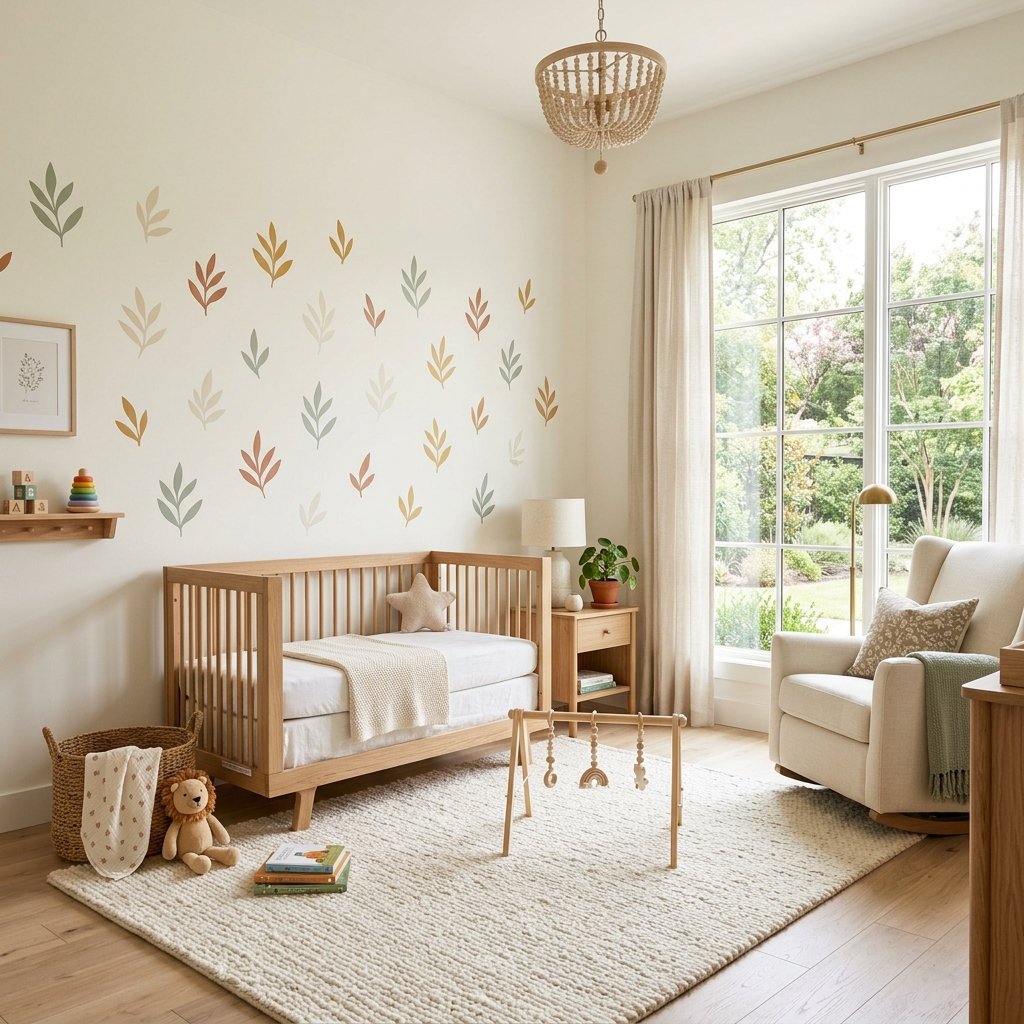
If you aren’t feeling crafty, peel-and-stick decals are your best friend. Look for oversized, watercolor-style leaf decals. They are easy to apply, easy to move, and won’t damage your walls—perfect for renters or mamas who like to change their minds!
Bringing the Outside In: Safe Greenery and Sensory Textures
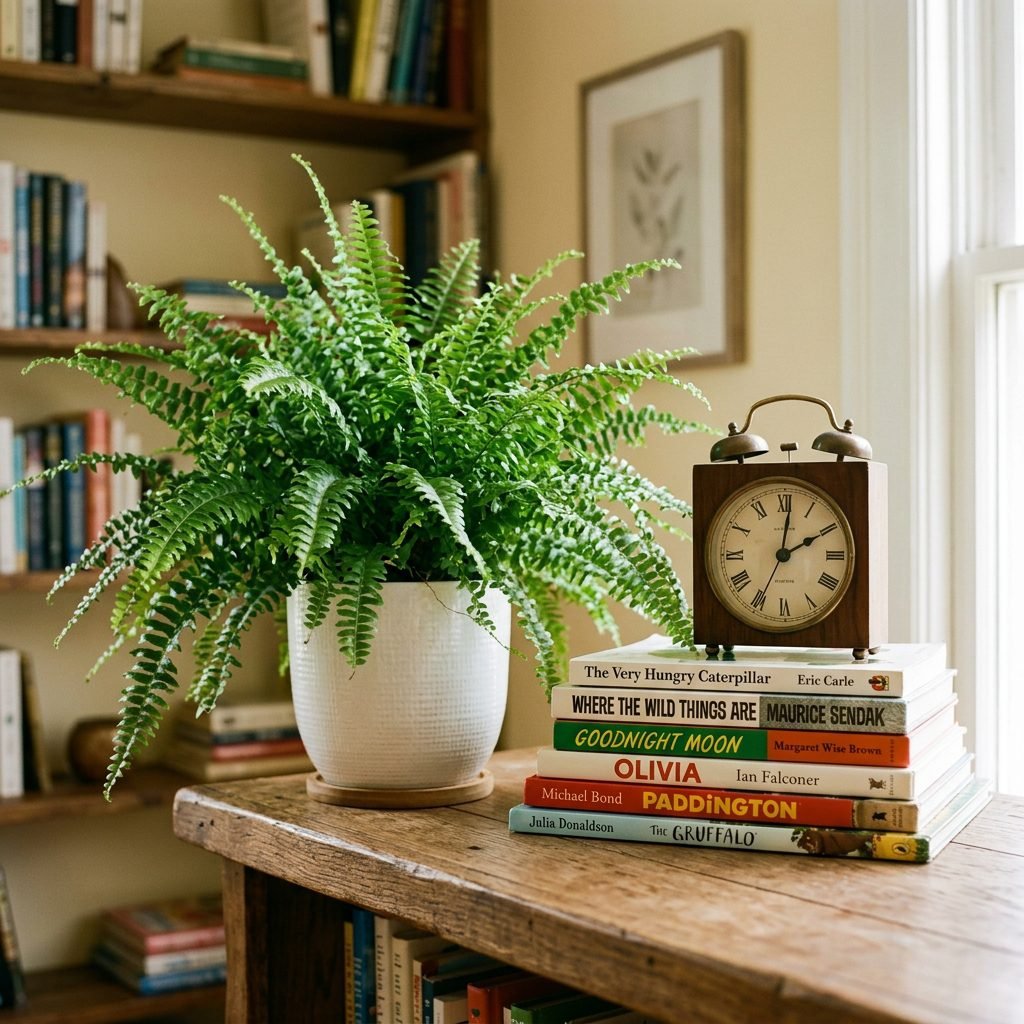
No botanical nursery is complete without actual greenery, but we have to be smart about it. Real plants act as natural air purifiers, but they must be non-toxic to babies and pets. Beyond plants, think about sensory textures. A nursery should feel ‘touchable.’ Incorporate muslin blankets, chunky knit throws, and perhaps a jute rug for that earthy feel underfoot.
Baby-Safe Indoor Plants
- Spider Plant: Hardy, non-toxic, and great for air purification.
- Parlor Palm: Adds a tropical botanical vibe without the danger.
- Boston Fern: Soft, bouncy leaves that look beautiful on a high shelf.
Safety Warning: Avoid plants like Lilies, Philodendrons, or Pothos if they are within reach, as they can be irritating if ingested. Always place real plants on high shelves or in hanging macramé planters to keep them away from little hands once they start crawling.
Conclusion
Your Sanctuary Awaits
Mama, as you put the finishing touches on your abstract botanical nursery, take a deep breath and look around. This space is more than just a room; it’s the backdrop for your first smiles, your first snuggles, and even those tough, teary nights. By choosing a fresh, modern, and nature-inspired design, you’ve created a soft place for your baby to land and a serene space for you to grow into your new role. Trust your instincts, keep it simple, and remember that the most important part of this room is the love you bring into it. You’ve got this!