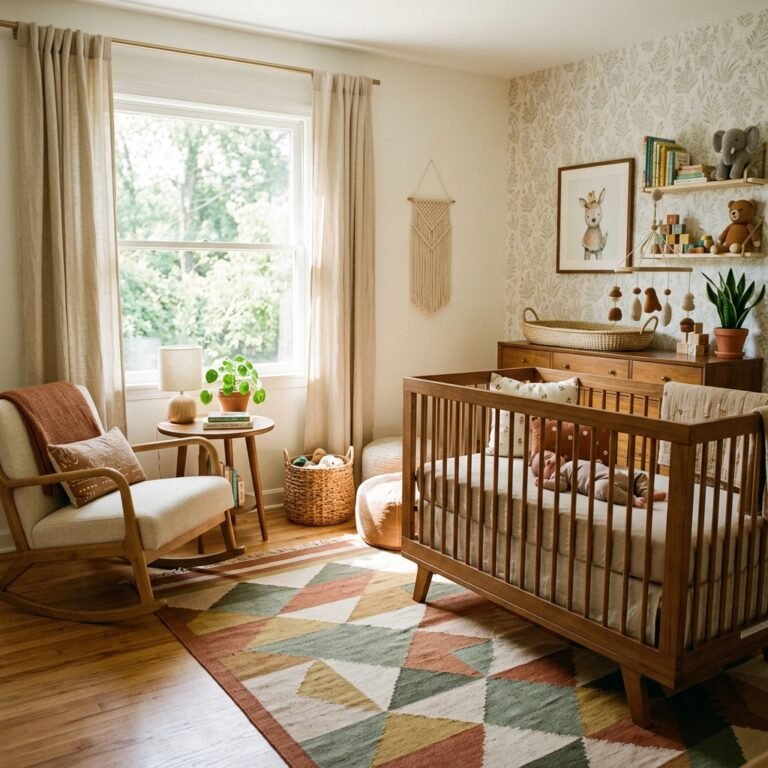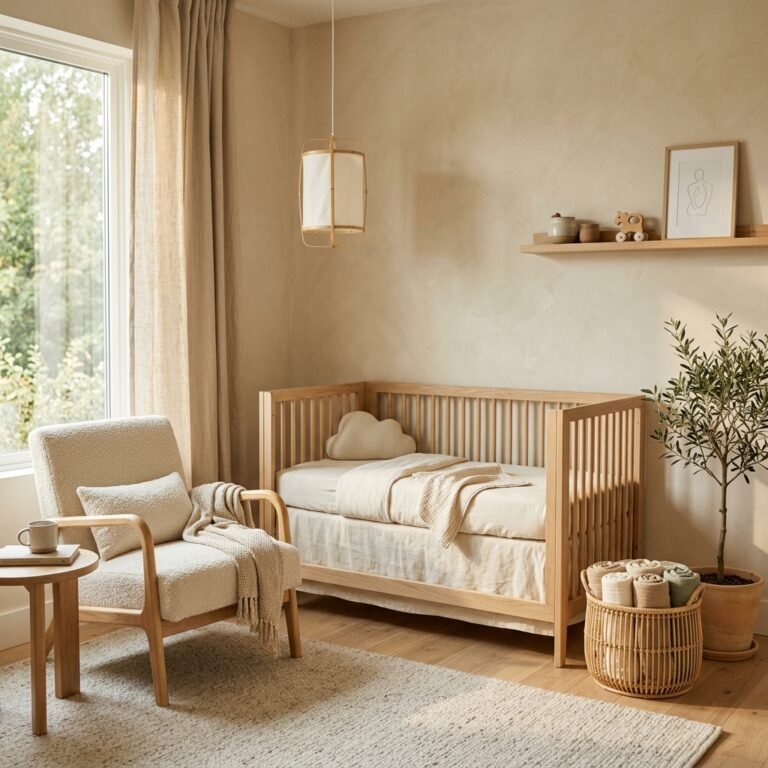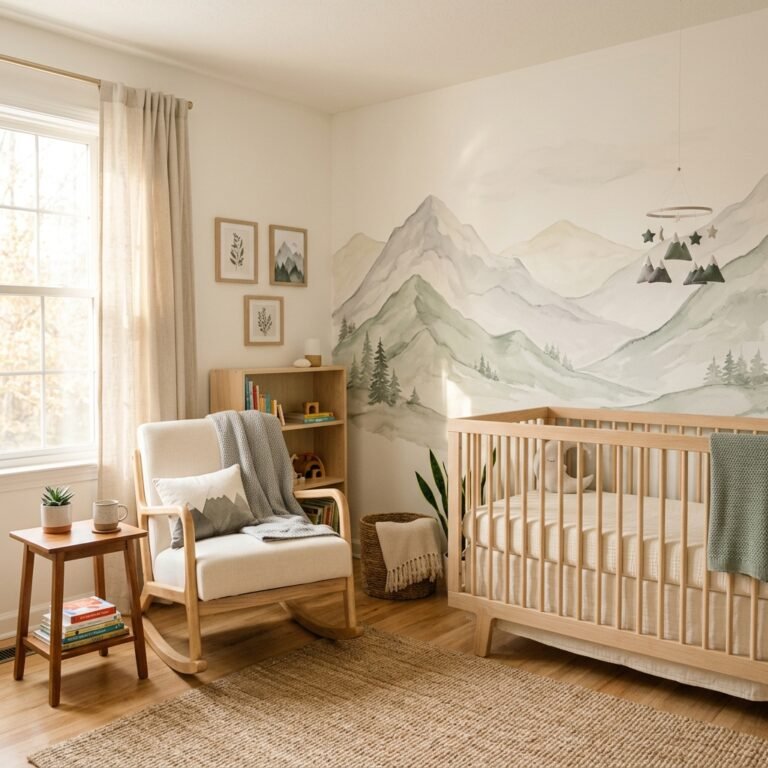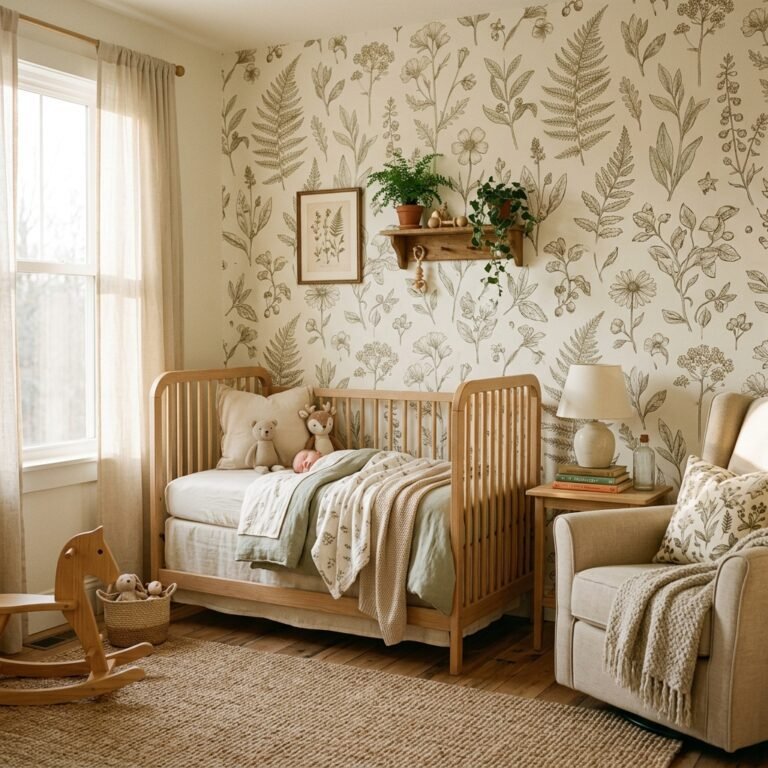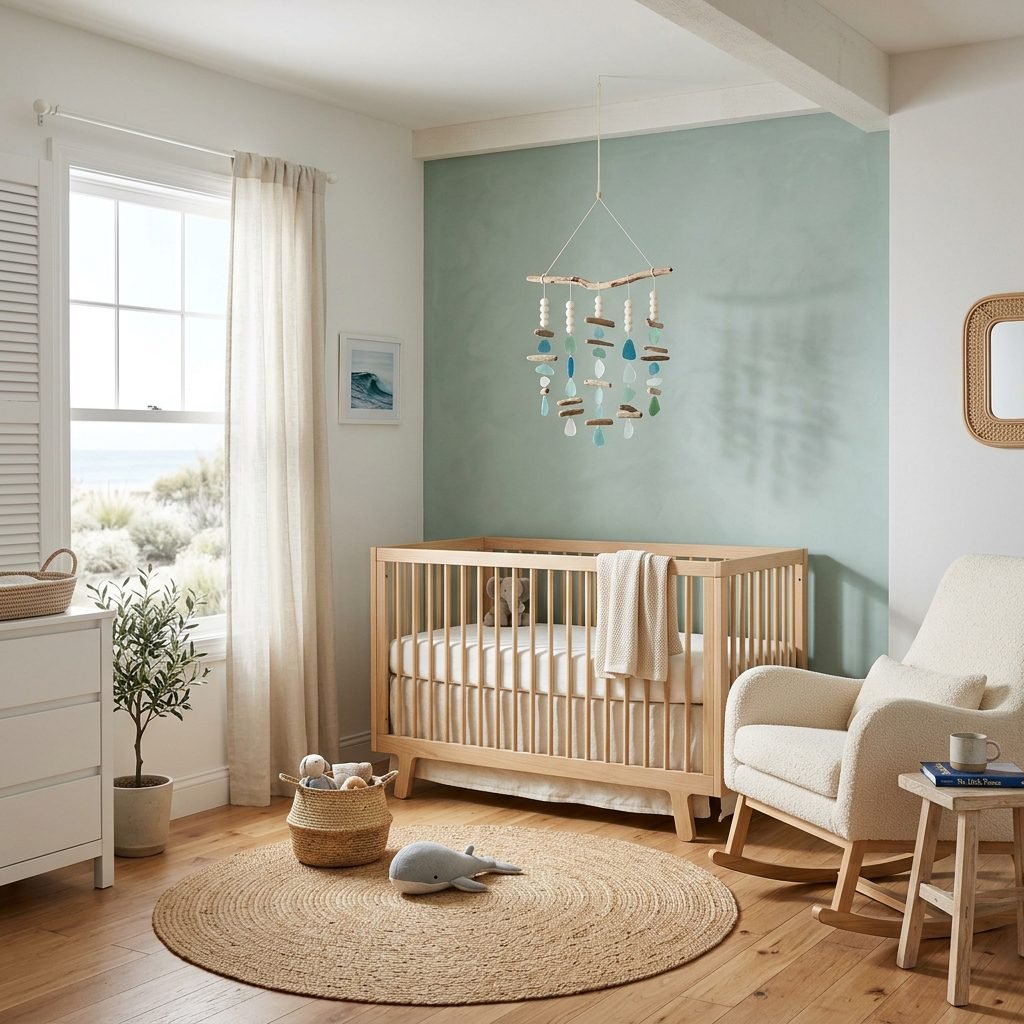
Calm & Cool: How to Design a Minimalist Scandinavian Coastal Nursery
Hello, beautiful mama. If you are currently in the thick of your nesting phase, sorting through tiny socks and feeling the overwhelming urge to prepare your home for your little one’s arrival, take a deep, grounding breath. You are doing a wonderful job.
As an expectant mother, it is entirely natural to want your baby’s room to be perfect. But as a doula and pediatric sleep consultant, I want to gently shift your focus: your baby’s nursery isn’t just a room for them—it is a sanctuary for you. In those hazy, beautiful, and sometimes challenging postpartum weeks, you will be spending countless hours in this space. At 3:00 AM, when you are cluster feeding or rocking a fussy baby, the last thing your tired eyes and nervous system need is visual clutter.
This is exactly why the Minimalist Scandinavian Coastal design aesthetic is taking the maternal wellness world by storm. It marries the highly functional, clutter-free, and cozy elements of Scandinavian design (hello, hygge) with the breezy, soothing, nature-inspired palette of coastal living. It is not about harsh, sterile minimalism; it is about intentional, warm, and breathable spaces. Together, we are going to design a nursery that feels like a cool ocean breeze on a warm day—a space that supports your baby’s sleep science and your own postpartum healing.
“Your nursery is not just a room for the baby; it is a sanctuary for the mother. A calm environment breeds a calm mind, and a calm mama is exactly what your baby needs most.”
Grab a cup of red raspberry leaf tea, put your feet up, and let’s walk step-by-step through creating your dream Scandi-Coastal nursery.
The Psychology of Scandi-Coastal: Why This Blend Works for Postpartum
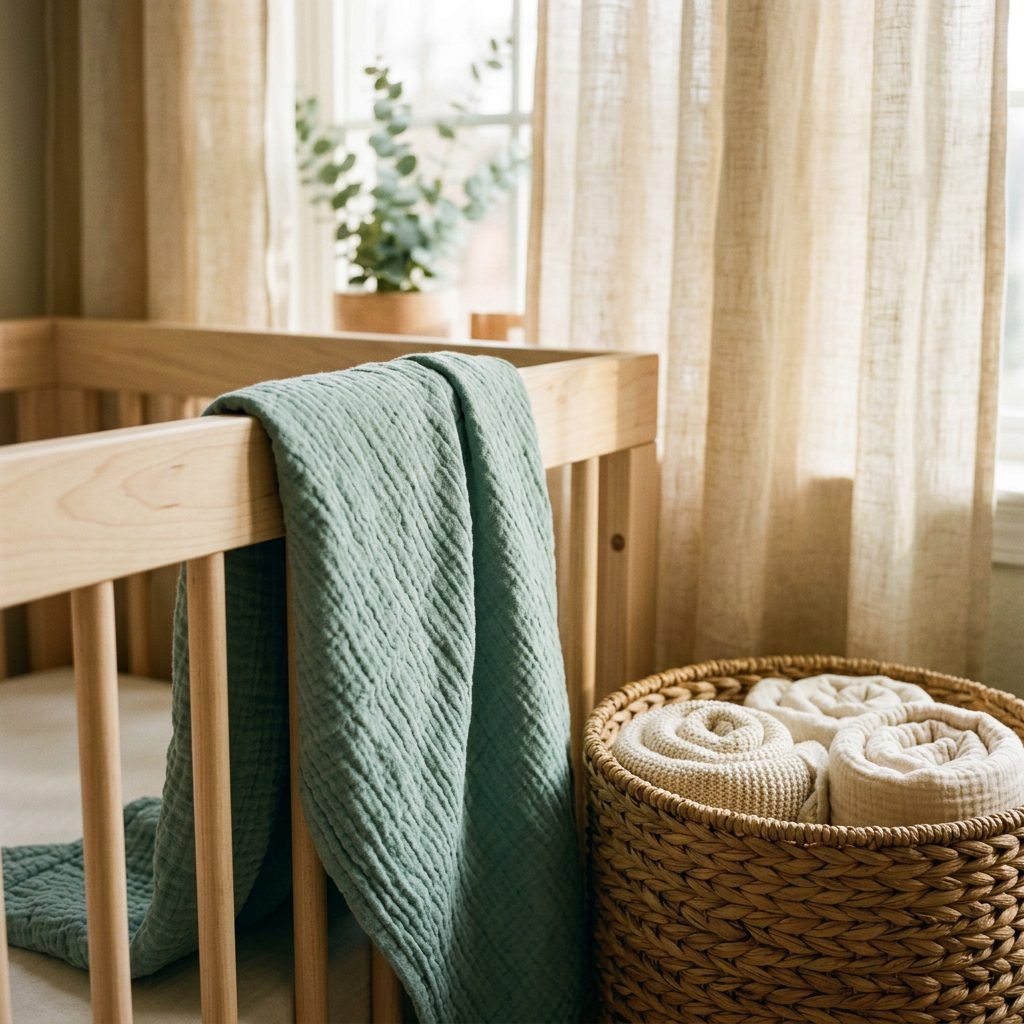
Before we start picking out paint colors and crib sheets, let’s talk about the why. When you bring your baby home, your hormones will be shifting dramatically. Postpartum anxiety and sensory overload are incredibly common. A cluttered space can subconsciously signal to your brain that your work is “unfinished,” spiking cortisol levels exactly when you need to be resting.
The Scandinavian Influence
Scandinavian design is rooted in the concept of form meeting function. Every item in the room serves a purpose, either practical or emotional. It embraces light woods, clean lines, and the beautiful Danish concept of hygge—a feeling of cozy contentment and well-being. For a nursery, this means furniture that doesn’t overwhelm the room and soft, touchable textiles that make late-night feedings feel like a warm hug.
The Coastal Influence
When we say “coastal,” we aren’t talking about kitschy anchor prints or bright nautical reds and blues. We are talking about organic coastal minimalism. Think of the beach on an overcast day: muted sea glass greens, pale driftwood grays, soft sand tones, and the texture of dried dune grass. Biophilic design (bringing nature indoors) has been scientifically proven to lower heart rates and reduce stress. By blending Scandi functionality with Coastal serenity, we create the ultimate calming environment.
Setting the Foundation: Color Palettes and Wall Treatments
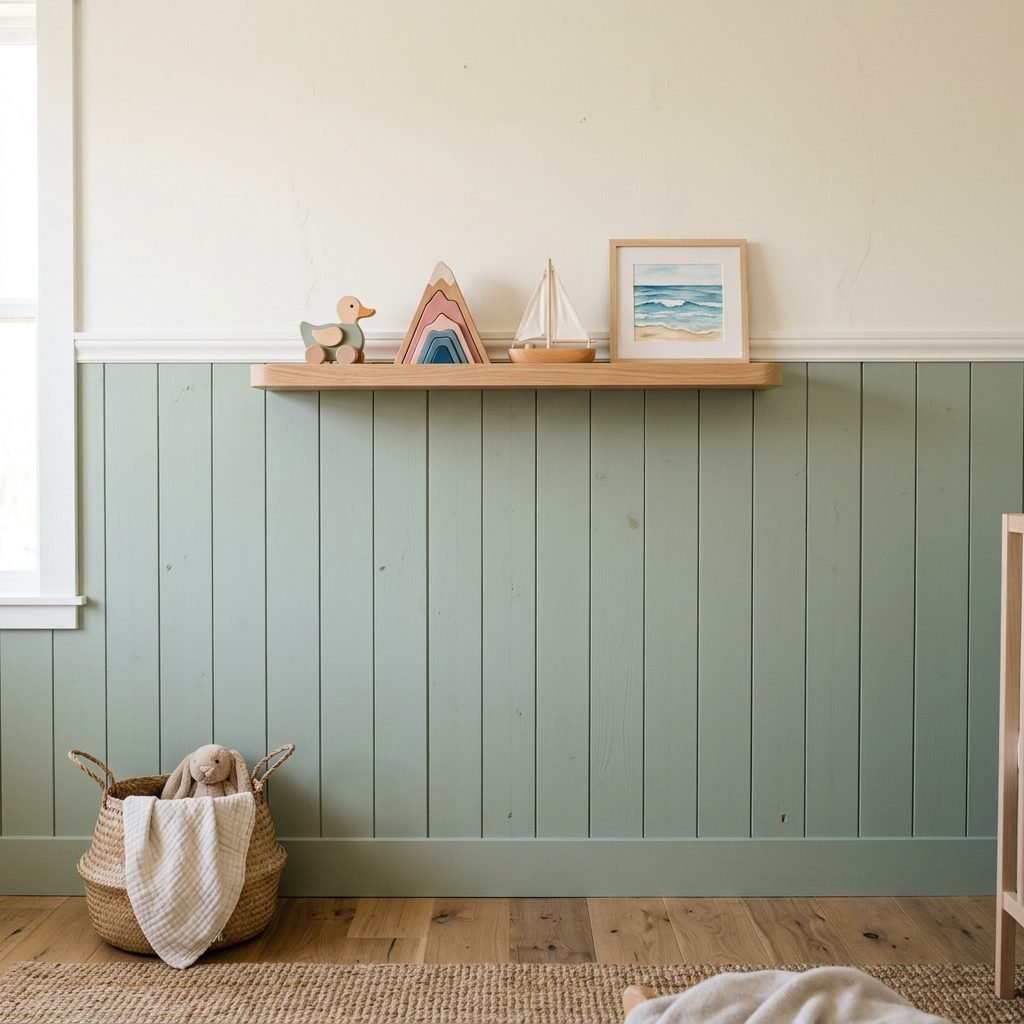
The foundation of your nursery sets the tone for everything else. In a Scandi-Coastal space, we want to maximize natural light while keeping the foundational colors incredibly soothing. Babies are easily overstimulated by bright, high-contrast colors in their sleep space. While black-and-white contrast cards are great for playtime, the sleep environment should be muted.
The Perfect Scandi-Coastal Palette
- Base Colors: Warm whites (think whipped cream, not hospital white), soft oatmeals, and pale warm grays.
- Coastal Accents: Muted sage, sea glass green, dusty slate blue, and faded terracotta.
- Wood Tones: Light ash, birch, white oak, and bleached pine. Avoid heavy, dark cherry or mahogany woods, which can visually weigh down a small room.
Wall Treatments
If you want to add character without adding clutter, consider a subtle wall treatment. A half-wall of vertical shiplap painted in a soft sea salt green, topped with a warm white above, draws the eye upward and mimics the horizon line of the ocean. Alternatively, a subtle, watercolor-style removable wallpaper featuring abstract waves or soft pine trees can add visual interest without feeling busy.
Functional Minimalism: Choosing Your Anchor Furniture
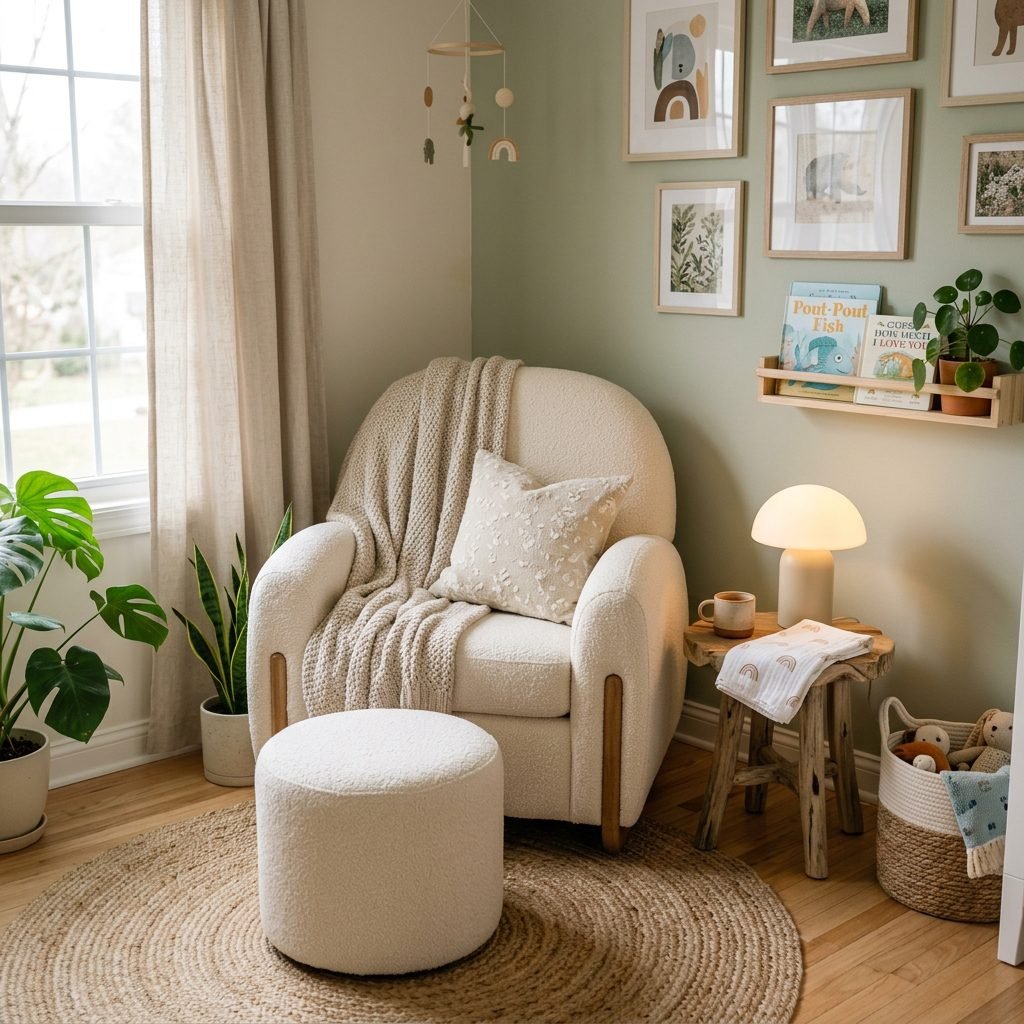
In a minimalist nursery, you only need three main anchor zones: The Sleep Zone (crib), The Changing/Storage Zone (dresser), and The Feeding/Soothing Zone (glider). By keeping furniture to a minimum, you allow energy and light to flow through the room.
The Sleep Zone
Opt for a crib with clean, open spindles. Acrylic and wood combinations are beautiful, but a simple, light oak spindle crib is timeless. Remember the golden rule of pediatric sleep safety: the crib should be completely empty. No bumpers, no blankets, no stuffed animals. Just a firm mattress and a tightly fitted sheet. To bring in the coastal vibe, choose a fitted sheet in a soft, textured linen-cotton blend in a muted ocean hue.
The Feeding Zone
Mama, this is your throne. Do not skimp on your glider. Look for a nursing chair in a durable, wipeable fabric like a cream bouclé or a performance linen. It should have a high enough back to rest your head during 3 AM feeds. Pair it with a small, raw-wood stump side table—perfect for holding your water bottle, a burp cloth, and a dimmable touch lamp.
| Nursery Item | Traditional Cluttered Approach | Scandi-Coastal Minimalist Approach |
|---|---|---|
| Crib | Heavy, dark wood sleigh crib with solid ends | Light ash or birch wood spindle crib with open, airy lines |
| Changing Station | Standalone changing table with exposed, messy shelves | A wide, light-wood dresser with a removable changing tray on top |
| Rug | Bright, busy, cartoon-themed synthetic rug | Natural jute, washable soft wool, or a muted vintage-wash runner |
| Lighting | Harsh overhead ceiling fan light | Layered lighting: Paper lantern pendant, plus a warm-toned dimmable lamp |
| Decor | Every surface covered in knick-knacks and loud toys | A few intentional pieces: a driftwood mobile, a potted snake plant, one piece of art |
Clever Storage: Hiding the Mess to Keep Your Zen
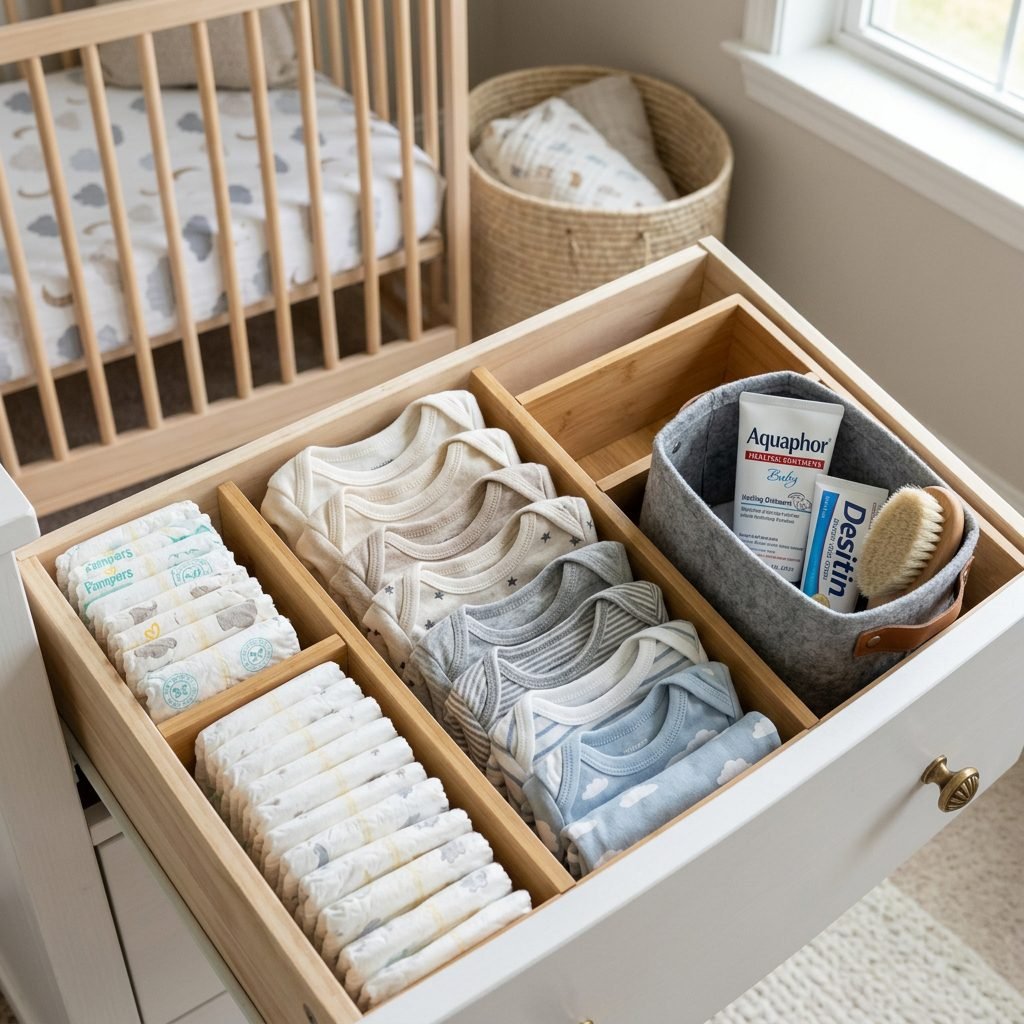
The secret to minimalism isn’t owning fewer necessary items (babies need a lot of diapers and wipes!); the secret is hidden, organized storage. Visual clutter leads to mental clutter. Let’s organize your nursery so that everything is exactly where you need it, but out of sight when you don’t.
The Dresser Organization Strategy
Using a wide dresser as your changing table is the ultimate space-saving hack. Here is how to organize the top drawer (your most accessed zone) using the file-folding method and drawer dividers:
- Measure and Divide: Purchase spring-loaded bamboo drawer dividers or soft felt storage bins that fit snugly into your top drawer.
- Zone 1 (Left): Diapering Essentials. Stack diapers vertically so you can grab one with one hand while keeping your other hand on the baby. Place a sleek wipes dispenser and a tube of diaper cream right next to them.
- Zone 2 (Middle): Immediate Changes. File-fold (fold so they stand upright) plain white short-sleeve bodysuits and a few zip-up sleepers. If there is a blowout, you want a fresh outfit within arm’s reach.
- Zone 3 (Right): Care & Grooming. Use a small felt bin to hold the thermometer, nail clippers, a soft hairbrush, and baby lotion.
The IKEA Kallax Hack for Toys and Books
For toys and books, the IKEA Kallax unit is a Scandi-staple. Turn a 4-cube unit on its side to create a low, Montessori-style shelf. Fill the bottom two cubes with natural woven seagrass or rattan baskets to hide brightly colored plastic toys and extra swaddles. Use the top two cubes to display a curated selection of beautiful, wooden toys and high-contrast board books. This keeps the room looking pristine while keeping essentials accessible.
Pediatric Sleep Consultant Secrets: Lighting, Sound, and Airflow
As a pediatric sleep consultant, I always look at a nursery through the lens of sleep science. A beautiful room means nothing if your baby can’t sleep in it. The Scandi-Coastal aesthetic naturally lends itself to a great sleep environment, but we need to nail the functional details.
Mastering the Light
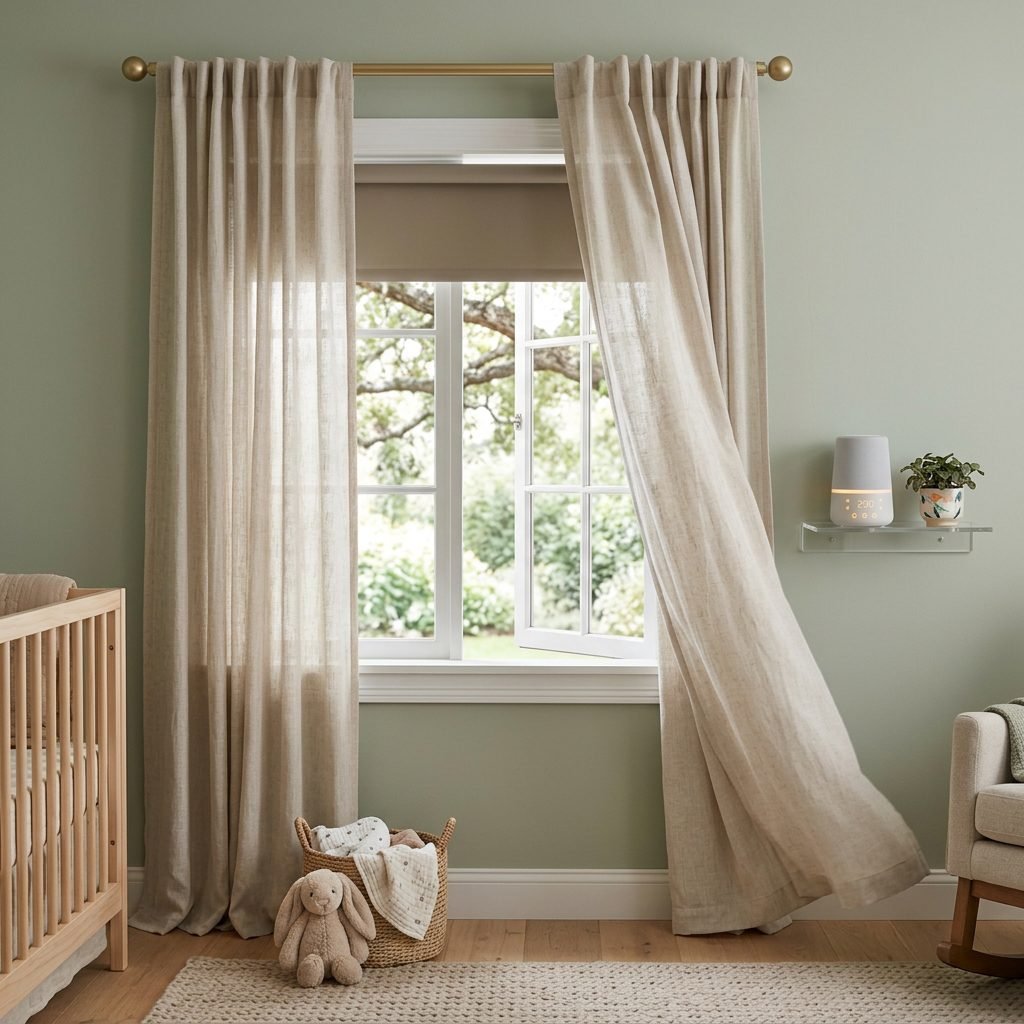
Newborns do not have a developed circadian rhythm. To help them learn the difference between day and night, we need to control the light. During the day, pull back your breezy linen curtains to let the natural light flood in. But for naps and nighttime, you need blackout solutions.
Pro-Tip: Layer your window treatments. Install a blackout cellular shade inside the window frame, and hang beautiful, floor-length, oatmeal-colored linen curtains on the outside. This gives you the soft coastal look with 100% light-blocking functionality.
Sound and Air
White noise is essential for mimicking the loud, swooshing environment of the womb. Place your sound machine across the room from the crib (never right next to the baby’s head) to create a blanket of sound that blocks out household noise. To maintain the aesthetic, look for a sound machine with a sleek, minimalist design or hide it subtly on a floating acrylic shelf.
Finally, ensure good airflow. A ceiling fan on a low setting not only keeps the room cool (a cooler room is proven to reduce the risk of SIDS), but the gentle circulation of air mimics the fresh coastal breeze we are designing around.
Sensory Decor & Crucial Safety Checks
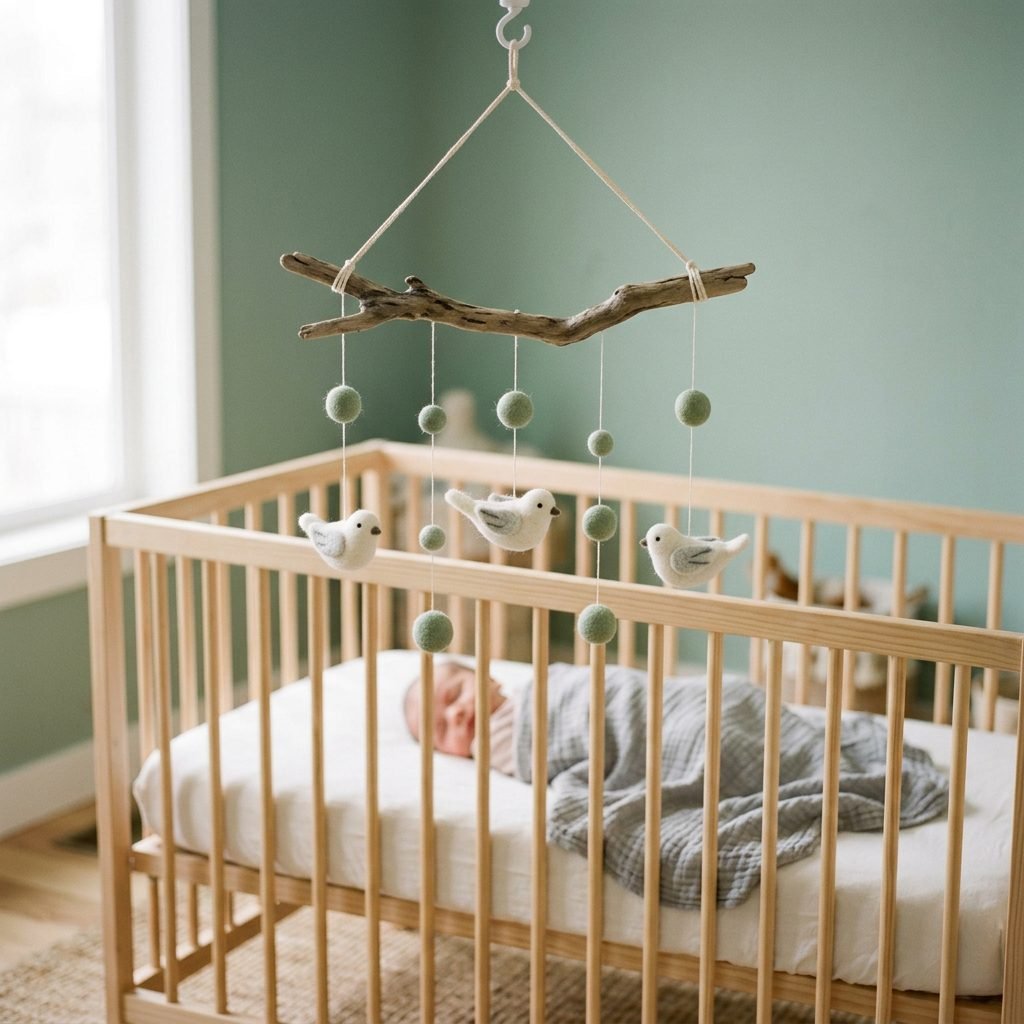
Now for the fun part—bringing the room to life with decor! In a Scandi-Coastal nursery, we rely on texture rather than loud patterns to create visual interest. This is brilliant for your baby’s developing senses, as they learn through touch and high-contrast shapes.
Textural Decor Elements
- The Mobile: Instead of a plastic, battery-operated mobile, hang a lightweight mobile made of natural driftwood and soft, felted wool seagulls or simple geometric shapes. The gentle movement from the room’s airflow will captivate your baby naturally.
- Rugs: Layering is very Scandi. Place a large, natural jute rug as your base, and layer a smaller, washable, ultra-soft faux sheepskin rug near the crib or glider for your bare feet during night feeds.
- Wall Art: Keep it minimal. One large, framed print of a calm ocean horizon or a simple, abstract watercolor in soothing blues and greens is all you need. Use a light ash wood frame to tie into the furniture.
Doula & Nurse Safety Reminders
Before we finish, mama, let’s put on our safety hats. A minimalist room is inherently safer because there are fewer hazards, but you must still follow these non-negotiable rules:
Safety First Checklist:
1. Anchor ALL furniture (dresser, bookshelves, side tables) to the wall studs. Babies will eventually pull up on everything.
2. Keep the crib at least three feet away from any windows, curtains, or blind cords.
3. Ensure your baby monitor cord is securely pinned to the wall and completely out of arm’s reach from the crib.
4. Keep all heavy wall art securely anchored and never hang heavy frames directly above the crib.
Creating Your Peaceful Haven
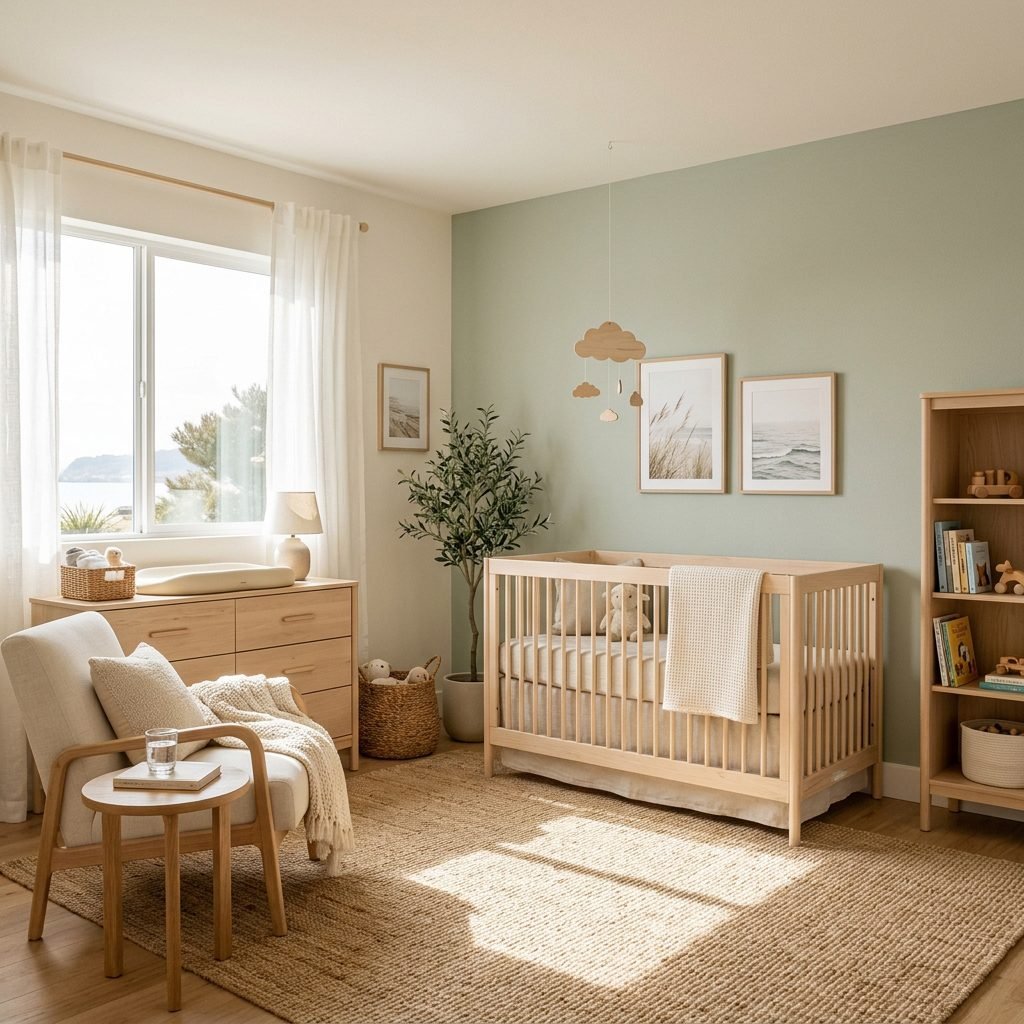
Designing your baby’s nursery is one of the most beautiful rites of passage in pregnancy. By choosing a Minimalist Scandinavian Coastal theme, you are doing so much more than decorating a room; you are intentionally crafting an environment of peace, breathability, and calm for both you and your little one.
Remember, mama, the most beautiful thing in that nursery won’t be the perfect crib or the expertly organized dresser drawers. The most beautiful thing in that room will be the profound, unconditional love you have for your baby. Give yourself grace as you set up this space. It doesn’t have to be completed perfectly before the baby arrives—it just needs to be safe, warm, and ready to welcome you both.
Take a step back, admire your handiwork, and trust that you are already doing an incredible job preparing for this next beautiful chapter. You’ve got this.
Conclusion
Designing your baby’s nursery is one of the most beautiful rites of passage in pregnancy. By choosing a Minimalist Scandinavian Coastal theme, you are doing so much more than decorating a room; you are intentionally crafting an environment of peace, breathability, and calm for both you and your little one.
Remember, mama, the most beautiful thing in that nursery won’t be the perfect crib or the expertly organized dresser drawers. The most beautiful thing in that room will be the profound, unconditional love you have for your baby. Give yourself grace as you set up this space. It doesn’t have to be completed perfectly before the baby arrives—it just needs to be safe, warm, and ready to welcome you both.
Take a step back, admire your handiwork, and trust that you are already doing an incredible job preparing for this next beautiful chapter. You’ve got this.