Vintage Botanical Sketch Nursery Theme: The Timeless, Gender-Neutral Decor Trend We Love
Oh, mama. If you are in the thick of the nesting phase, feeling that primal, beautiful urge to create a safe haven for your little one, take a deep, grounding breath. You are doing beautiful work. As a doula and someone who has spent countless hours in nurseries helping families transition into parenthood, I can tell you a secret: the nursery isn’t just for the baby. It is for you. It is the room where you will rock, sway, feed, and sometimes cry in the quiet hours of the night. It needs to be your sanctuary just as much as it is theirs.
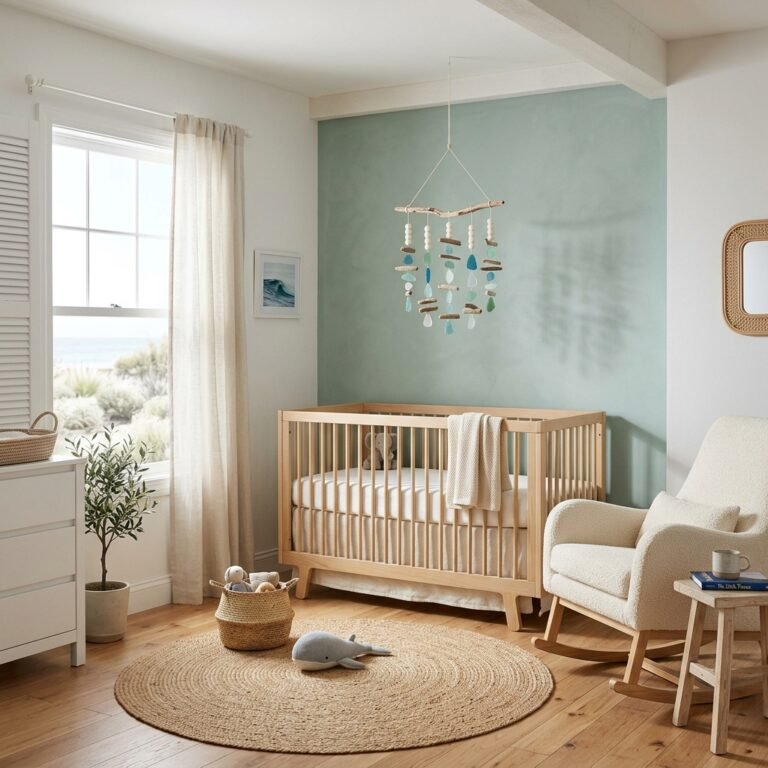
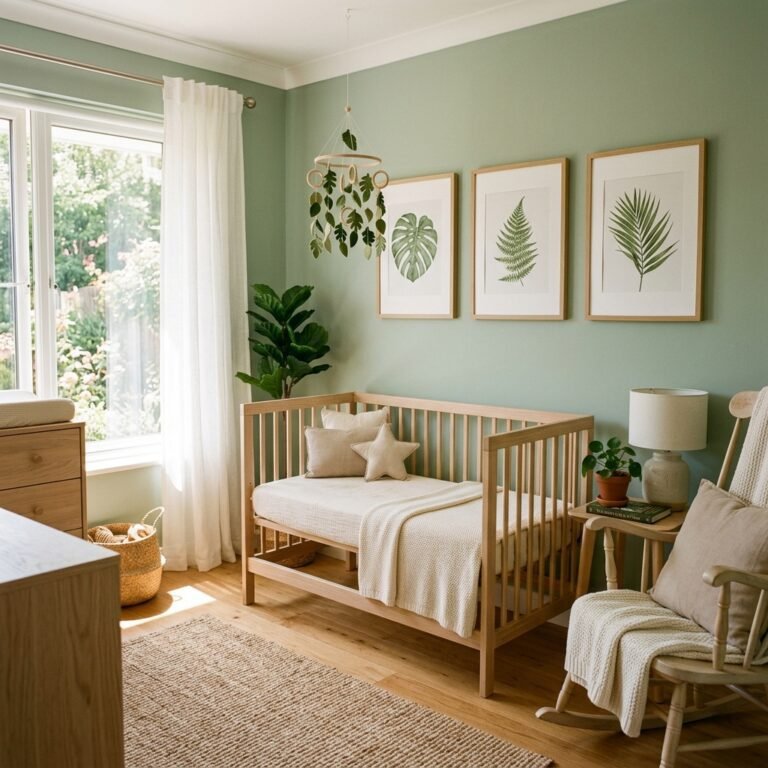
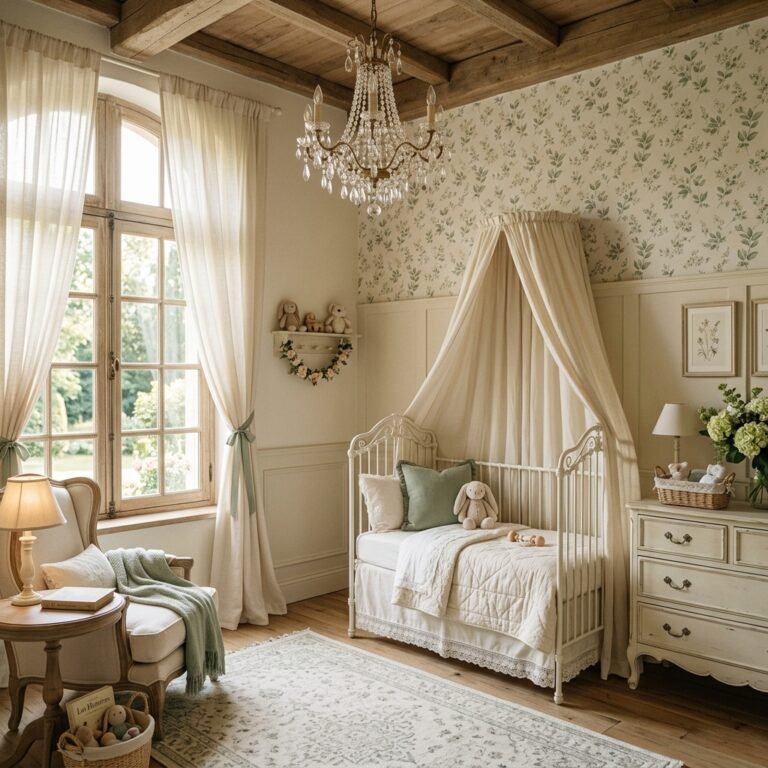
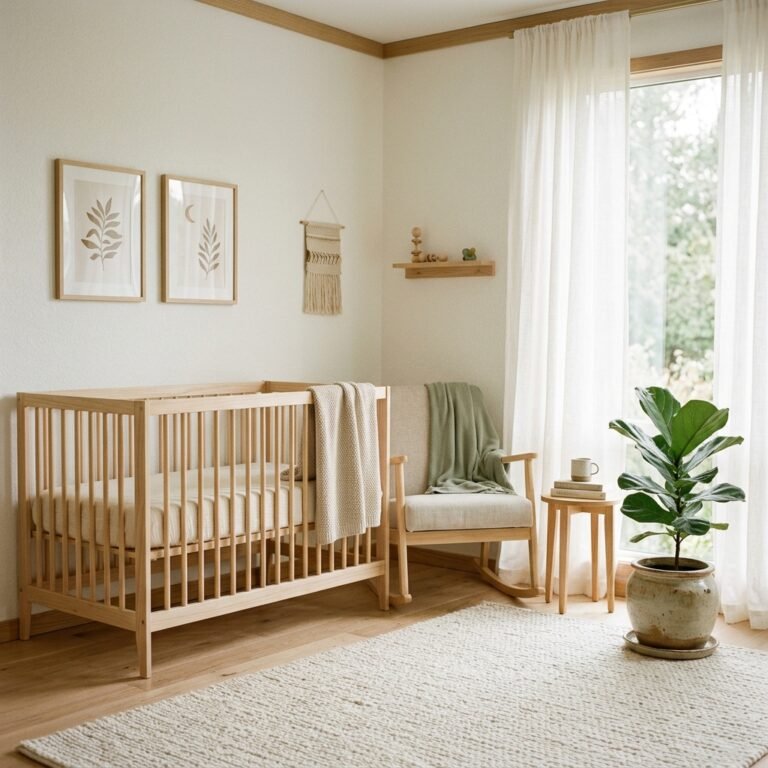
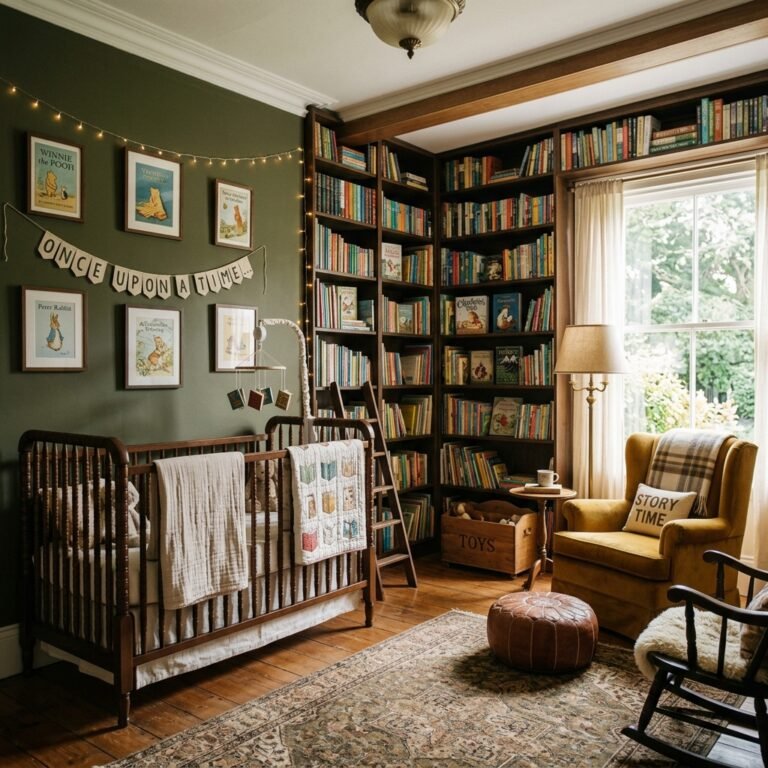
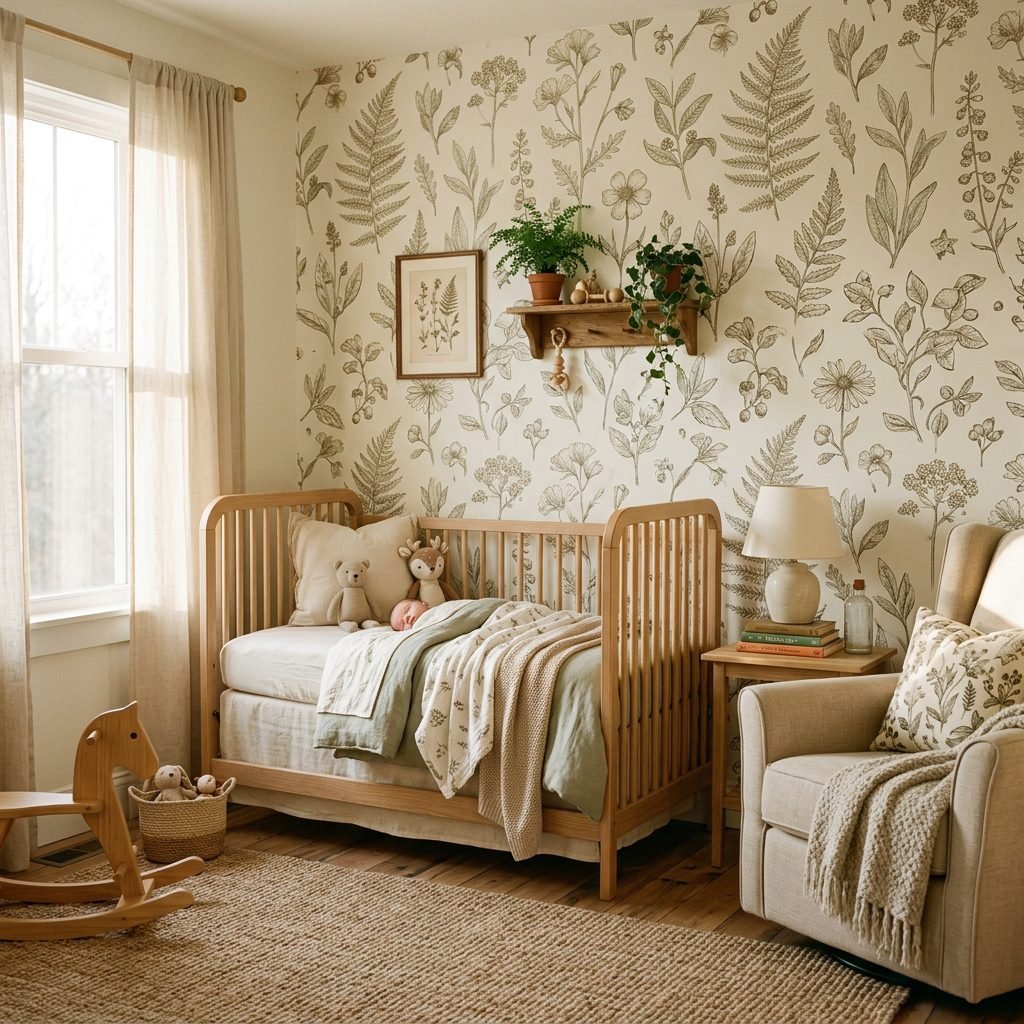
Enter the Vintage Botanical Sketch Nursery Theme. This timeless, gender-neutral decor trend is sweeping the maternal wellness and interior design worlds, and for profound reasons. Moving away from overstimulating primary colors and chaotic patterns, the vintage botanical aesthetic draws on the calming, restorative power of nature. Think antique field guides, delicate charcoal fern sketches, sepia-toned flora, and soft sage greens. It is grounding, sophisticated, and incredibly peaceful.
Whether you are waiting to find out your baby’s gender, planning for a room that can easily transition into a toddler space, or simply craving a room that feels like a warm hug, this guide is for you. We are going to walk through exactly how to bring this aesthetic to life, from wall treatments and textiles to clever, doula-approved storage hacks that keep your space functional and beautiful.
The Psychology of a Nature-Inspired Nursery
Before we dive into paint swatches and crib skirts, let’s talk about the nervous system. Both yours and your sweet baby’s. The postpartum period is a time of immense hormonal shifts and sleep deprivation. When you step into your nursery at 3:00 AM for a feeding, the environment plays a massive role in how quickly you can settle back into a state of rest.
Why Neutral and Natural Works
Pediatric sleep consultants and maternal health experts agree that overly bright, highly contrasting colors can be overstimulating for an infant trying to wind down, and equally jarring for a sleep-deprived parent. The vintage botanical theme utilizes a biophilic design approach—meaning it connects us to nature. This connection has been shown to lower heart rates and reduce stress.
- Visual Calm: The muted tones of vintage sketches (charcoals, sepias, faded greens) provide gentle visual interest without overwhelming developing eyes.
- Longevity: Unlike overly “babyish” themes, botanical sketches age beautifully. This room will easily transition into a sophisticated toddler and child’s room, saving you money and energy down the line.
- Gender Flexibility: It is the ultimate neutral. It feels earthy and grounded, making it perfect for baby boys, baby girls, or shared sibling spaces.
“Design your nursery to be the calmest room in your house. When the nights are long, the walls around you should feel like a deep, reassuring breath.”
Building Your Botanical Color Palette and Textures
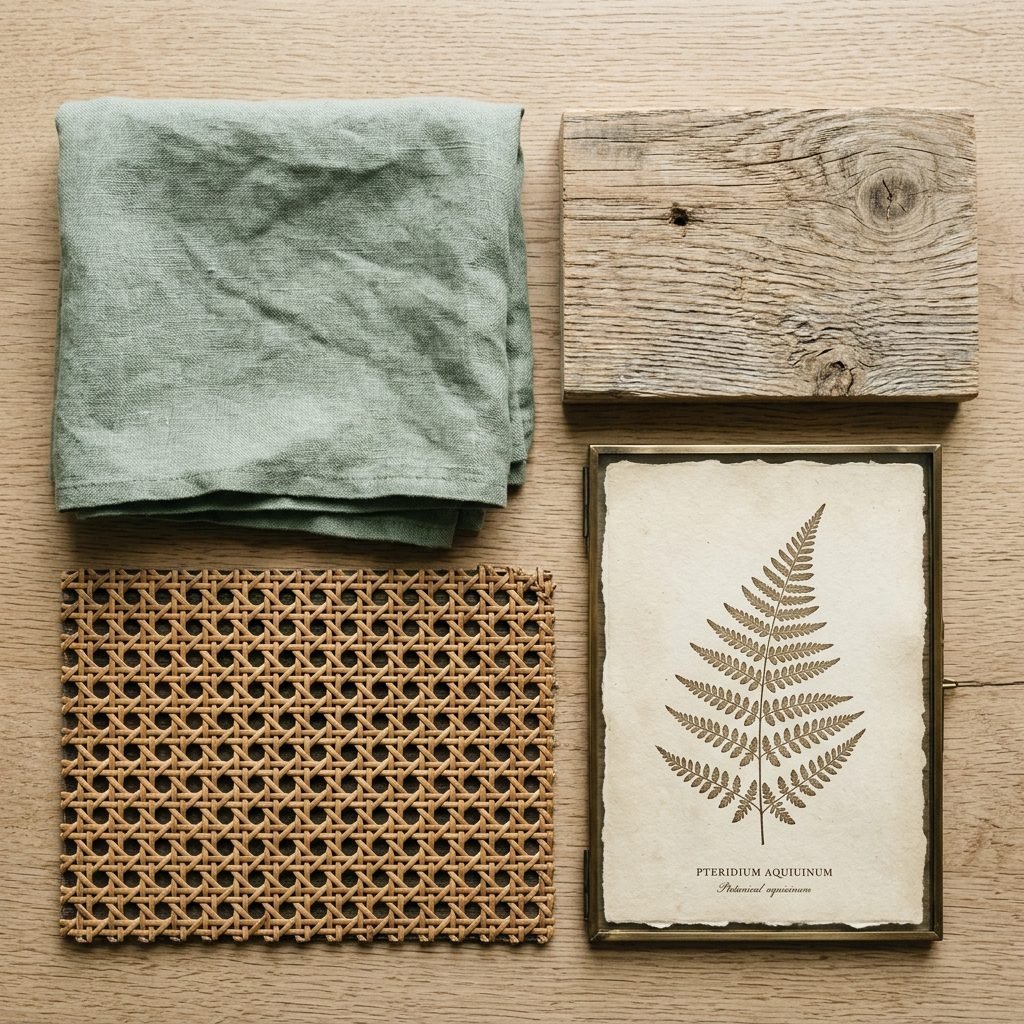
To nail the vintage botanical sketch vibe, we need to focus on layering organic textures and a muted, earthy color palette. The goal is to make the room feel like an antique greenhouse or a cozy, sunlit conservatory.
The Core Color Palette
Start with a warm, neutral base and layer in your nature-inspired tones. Avoid stark, hospital whites; instead, lean into creamy, warm undertones.
- Oatmeal & Linen: Your foundational colors for walls, curtains, and large upholstery.
- Sage & Olive Green: Bring in the greenery. These shades represent life, growth, and tranquility.
- Sepia & Charcoal: The colors of the sketches themselves. Use these for picture frames, drawer pulls, and accent pillows.
- Warm Terracotta or Mustard: Just a pinch of these warm tones (perhaps in a throw blanket or a small rug detail) adds depth and keeps the room from feeling too cool.
Layering Organic Textures
In a neutral room, texture is everything. Since we are drawing inspiration from nature, your materials should reflect the outdoors.
- Natural Woods: Opt for raw, matte, or lightly stained woods over heavily painted or glossy finishes. A spindle crib in natural oak or walnut is a showstopper.
- Cane & Rattan: Incorporate cane webbing on closet doors or a rattan side table next to your nursing chair. It adds a beautiful, vintage texture.
- Linen & Muslin: For curtains, crib sheets, and swaddles, choose breathable, organic cotton muslin and linen. They wrinkle beautifully and look effortlessly lived-in.
Wall Treatments: Wallpaper, Decals, and Gallery Walls
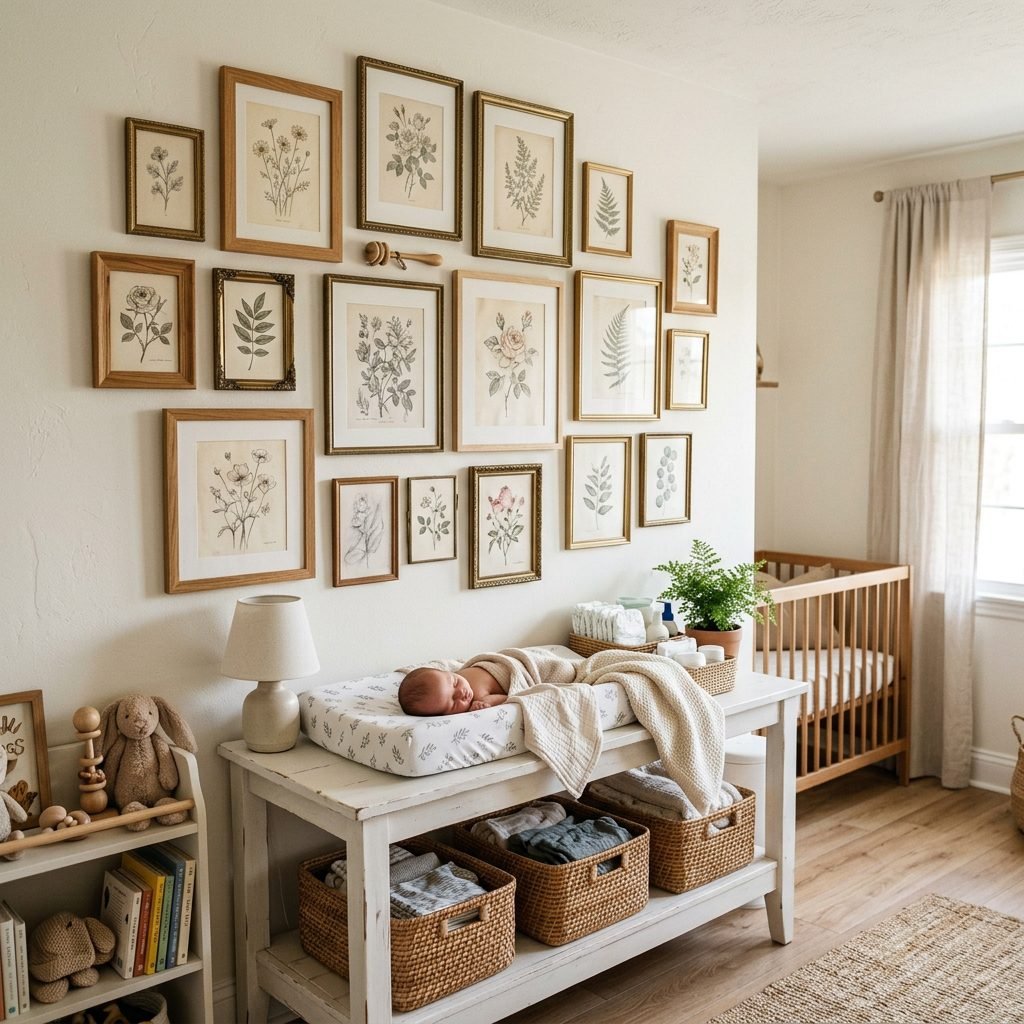
The walls are the canvas for your vintage botanical theme. Depending on your budget, energy levels (listen to your body, mama!), and whether you are renting or owning, there are three stunning ways to execute this.
1. The Statement Wallpaper
If you want a truly immersive experience, a vintage botanical wallpaper on a single accent wall (usually behind the crib) is breathtaking. Look for large-scale, muted floral or leaf sketches that look like they were drawn with charcoal or faded ink. Pro Tip: Opt for peel-and-stick wallpaper. It is much easier to install for expectant parents and can be removed without damaging the drywall.
2. Wall Decals for Subtle Charm
If wallpaper feels like too big of a commitment, matte-finish wall decals are a fantastic alternative. You can place individual fern or wildflower sketch decals cascading down from the ceiling or framing the changing station. They give the illusion of hand-painted murals with zero artistic skill required.
3. The Public Domain Gallery Wall
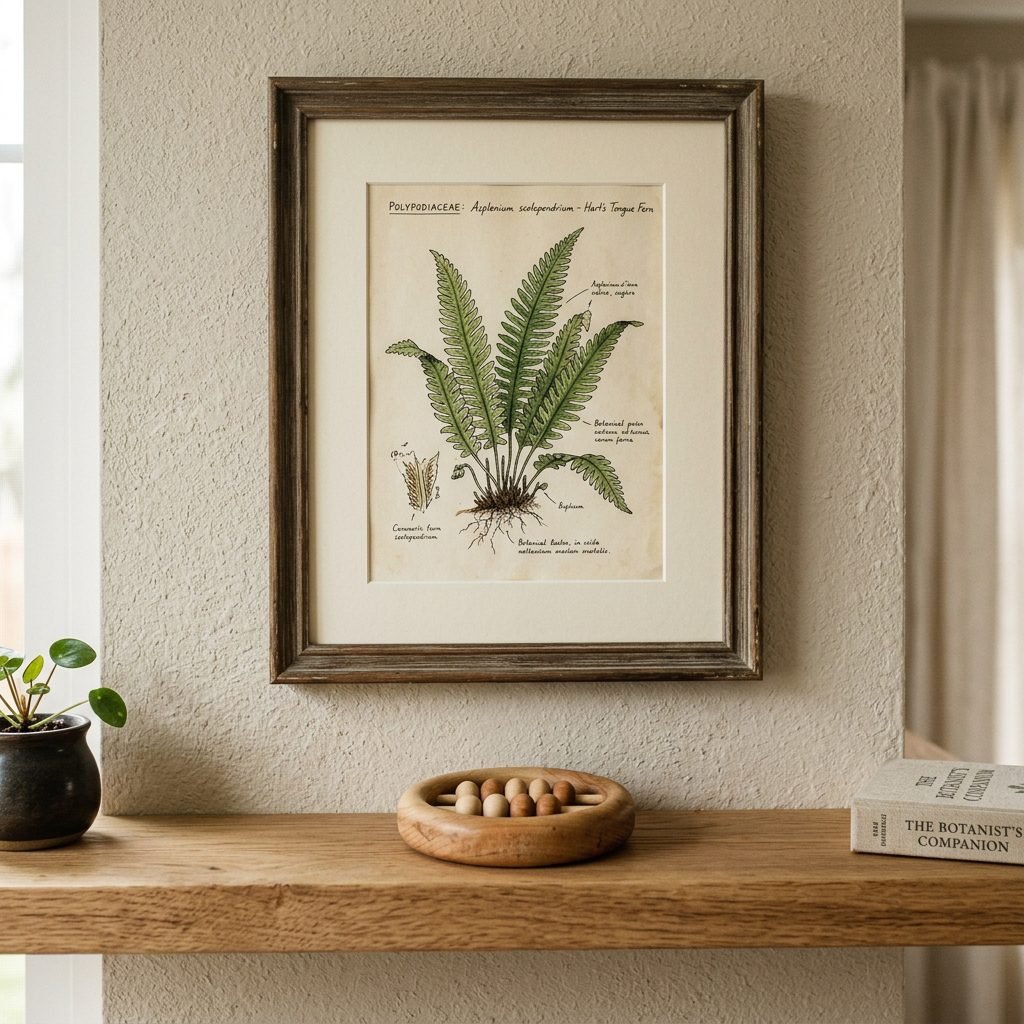
This is my absolute favorite, budget-friendly hack for crafty moms. Did you know there are thousands of vintage botanical illustrations available for free in the public domain? Institutions like the Biodiversity Heritage Library have digitized centuries-old field guides.
- Search for “public domain vintage botanical sketches” online.
- Download high-resolution images of ferns, wildflowers, and trees.
- Print them on high-quality, matte, textured paper (watercolor paper works beautifully) at your local print shop.
- Frame them in a mix of antique brass, distressed wood, and simple black frames.
- Arrange them in a loose, organic gallery wall above your dresser or nursing nook.
Clever Storage & Organization for the Botanical Nursery
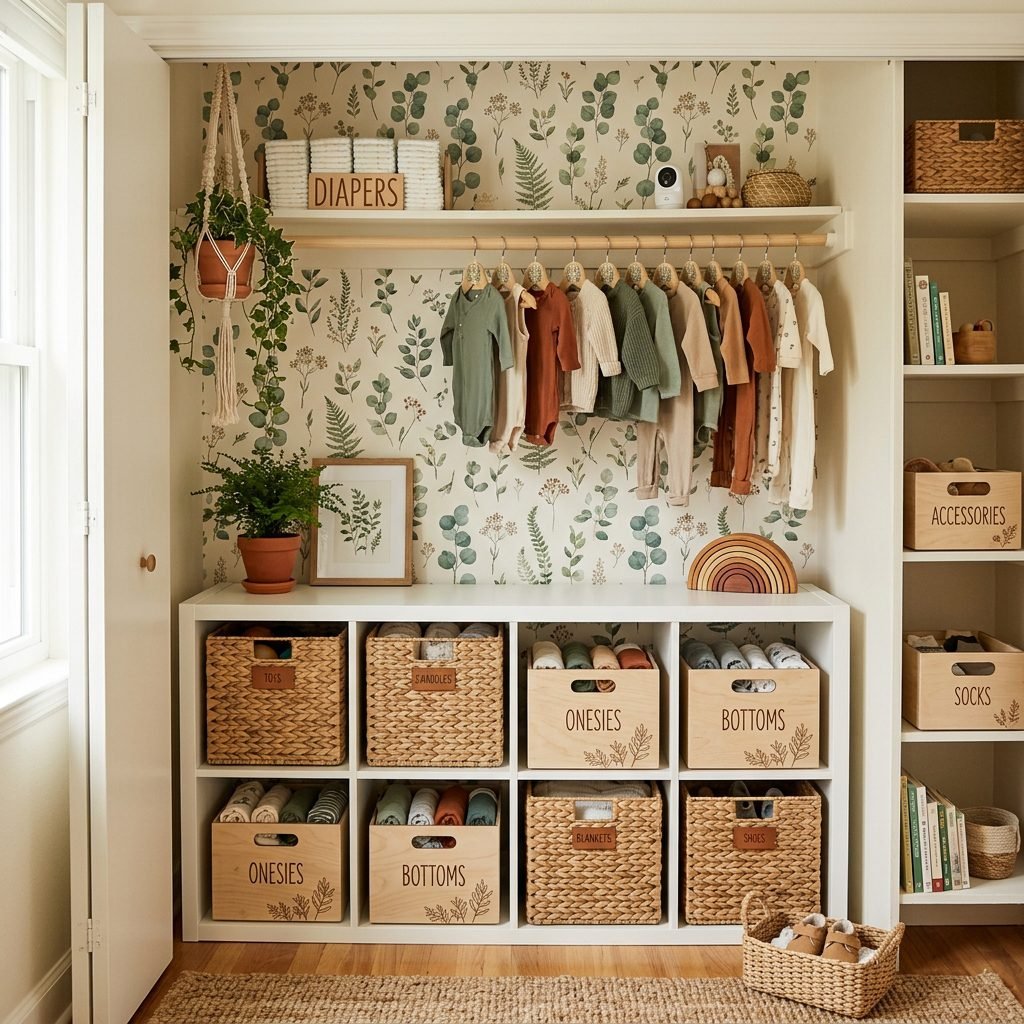
As a doula and postpartum expert, I cannot stress this enough: a beautiful nursery must also be a highly functional one. When you are operating on two hours of sleep and holding a squirmy, blowout-covered baby, you need to know exactly where the wipes, fresh onesies, and burp cloths are. We can achieve immaculate organization while maintaining our vintage botanical aesthetic.
IKEA Hacks for the Natural Nursery
You do not need to spend thousands on custom cabinetry. The beloved IKEA Kallax or Hemnes dresser can be easily elevated to fit your theme. Swap out standard knobs for antique brass cup pulls or wooden botanical-shaped knobs. Use woven water hyacinth baskets in the cubbies instead of plastic bins to maintain that earthy feel.
The Organizational Breakdown
Here is a practical guide to hiding the modern plastic realities of baby gear inside beautiful, nature-inspired storage solutions.
| Nursery Item | Standard Storage | Vintage Botanical Alternative |
|---|---|---|
| Diapers & Wipes | Plastic Caddy | Woven seagrass basket with linen lining |
| Burp Cloths & Bibs | Stuffed in drawers | Rolled neatly in a vintage wooden dough bowl on the dresser |
| Dirty Laundry | Nylon Hamper | Tall rattan or wicker basket with a canvas liner |
| Pacifiers & Creams | Left on top of dresser | Small antique brass or glass apothecary jars |
| Board Books | Standard bookcase | Clear acrylic floating shelves to display beautiful botanical book covers |
Postpartum Prep Tip: Create a “Mama Basket” next to your glider. Use a beautiful woven basket to hold your giant water bottle, lip balm, nipple cream, one-handed snacks, and an extra burp cloth. You will spend hours in that chair; make sure you have everything you need within arm’s reach.
Furniture & Textiles: Grounding the Space
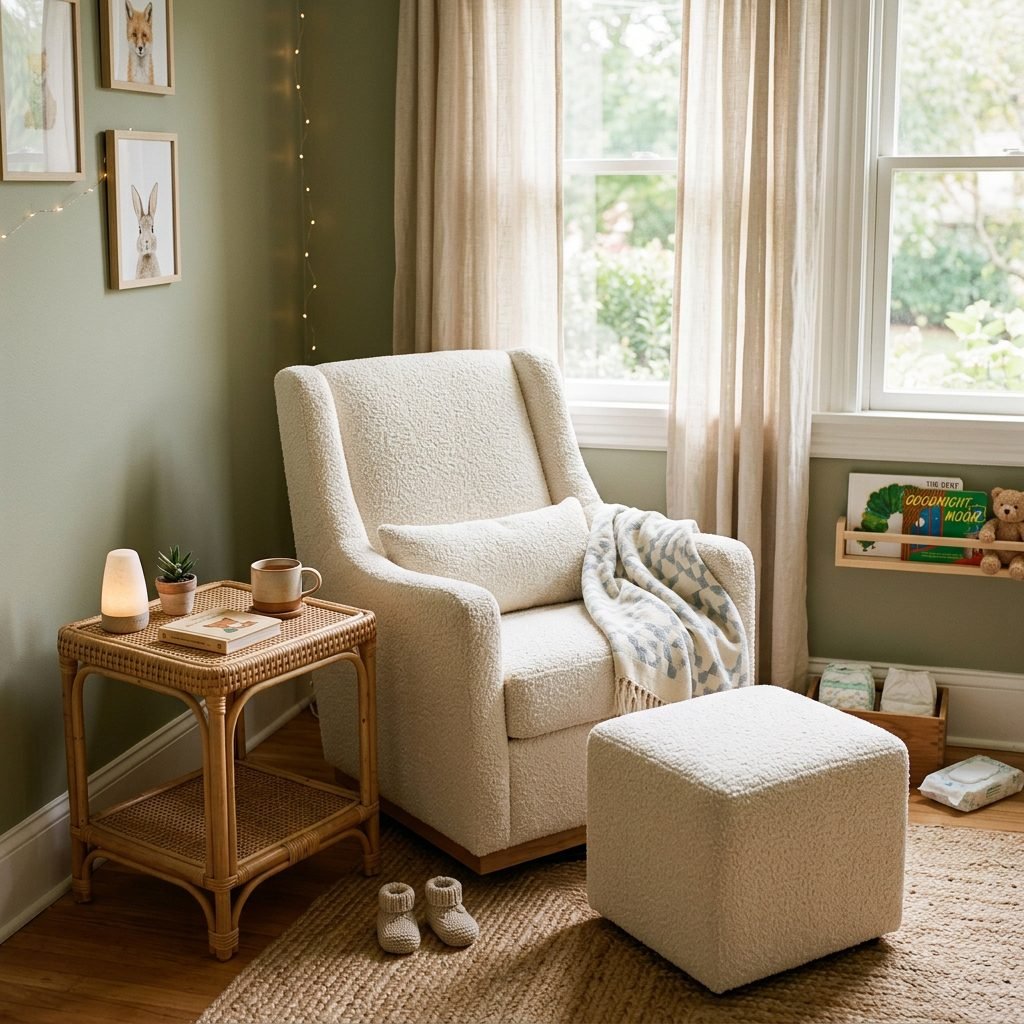
When selecting the large pieces of furniture for your vintage botanical nursery, prioritize safety, comfort, and natural materials. These pieces will anchor the room.
The Crib
A spindle crib, often referred to as a Jenny Lind style crib, is the quintessential choice for a vintage-inspired nursery. The turned wood details evoke a sense of history and craftsmanship. Whether you choose natural wood, painted sage, or warm white, it will look stunning against your botanical walls.
The Nursing Chair
Mama, do not compromise on the comfort of your glider or rocker. You need proper lumbar support and armrests that are the right height for nursing or bottle-feeding. To keep it in theme, look for upholstery in creamy boucle, oatmeal linen, or soft velvet. Drape a chunky knit, moss-green throw blanket over the back for texture and warmth during chilly night feeds.
Rugs and Curtains
Ground the room with a vintage-inspired, distressed rug. Look for Persian or Turkish style rugs in faded olive, rust, and cream tones. They are incredibly forgiving when it comes to inevitable spills and stains. For curtains, floor-to-ceiling linen panels will make the room feel taller and softer. Crucial reminder: Always ensure you have high-quality blackout shades behind those beautiful linen curtains to help your little one establish healthy sleep rhythms.
Safety First: Doula & Nurse Reminders for Nursery Setup
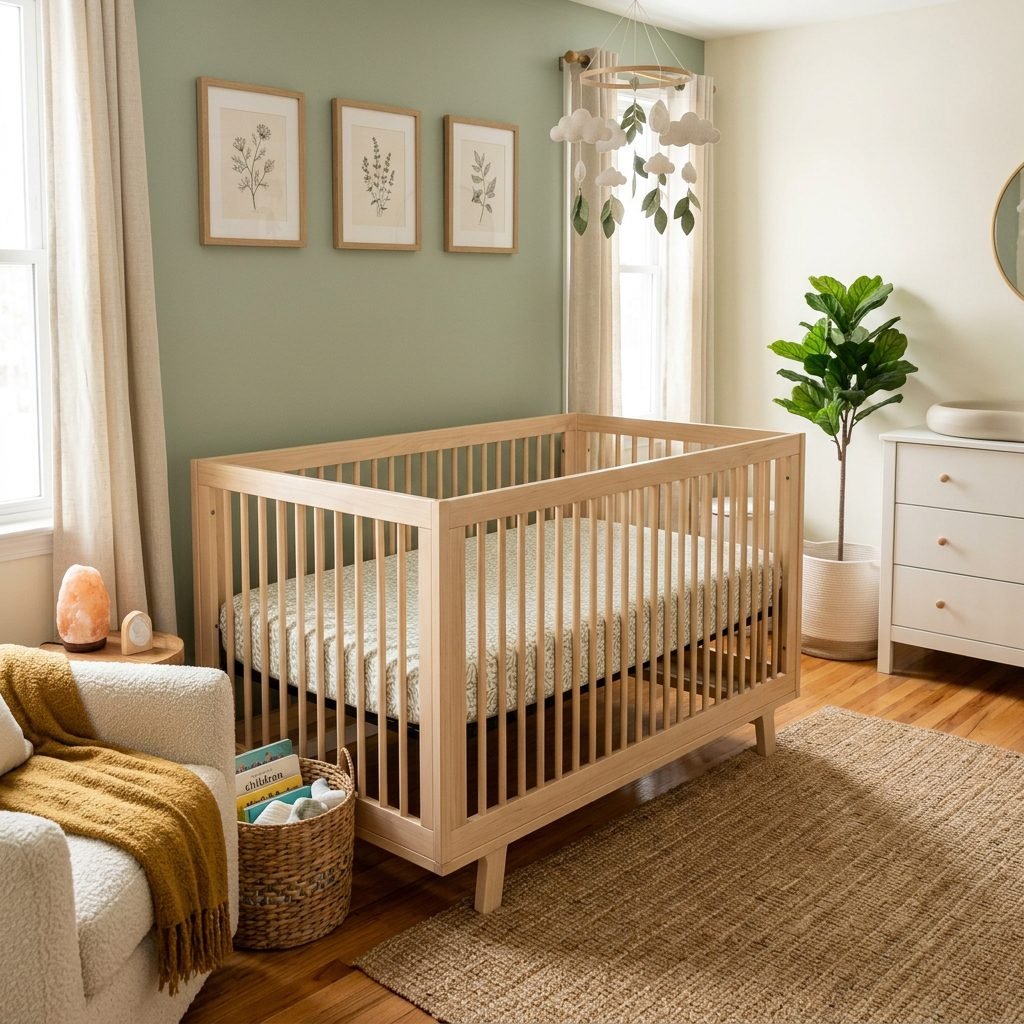
As we wrap up our beautiful design plans, we have to put on our safety hats. Creating a safe sleep environment is the most important part of nesting. You can have a Pinterest-perfect vintage botanical nursery that is also 100% compliant with safe sleep guidelines.
Anchor Everything
As your baby grows from a sleepy newborn to a curious, pulling-up toddler, heavy furniture becomes a hazard. Every single dresser, bookshelf, and changing table must be anchored to the wall studs. This is non-negotiable. Most new furniture comes with anti-tip kits; use them.
Safe Sleep Zone
While vintage botanical crib bumpers and heavy quilts might look beautiful in photos, they have no place in a baby’s crib. The safest sleep environment is a firm mattress with a fitted sheet. Nothing else. You can still bring the theme into the crib by choosing organic cotton fitted sheets with delicate, watercolor leaf patterns or subtle charcoal sketches.
Mind the Wall Art
If you are creating that stunning botanical gallery wall, ensure it is not directly over the crib. If there is an earthquake, or if a toddler learns to stand and reach, you do not want heavy frames falling into the sleep space. Keep the area directly above the crib clear, or use lightweight, unframed canvas banners or lightweight wall decals instead.
“A safe nursery is a beautiful nursery. Peace of mind is the greatest luxury you can give yourself as a new mother.”
Conclusion
Creating a vintage botanical sketch nursery is about so much more than following a design trend. It is about intentionally crafting a space of peace, grounding, and natural beauty for you and your baby to begin your journey together. As you hang those delicate fern prints, fold those tiny sage green onesies, and arrange your nursing cart, remember to pause and honor the incredible work your body is doing.
The days will be long, but the years are short. Soon, this beautiful, serene room will be filled with the sounds of coos, giggles, and the pitter-patter of toddler feet. By choosing a timeless, nature-inspired theme, you have created a sanctuary that will grow right alongside your sweet baby. Happy nesting, mama. You’ve got this.