
Can’t Stop Chewing Ice? The Dangerous Mineral Deficiency It Reveals
Oh, mama, I see you. It’s 2:00 AM, and while the rest of the house is quiet, you’re standing in the kitchen, hovering over the freezer, hunting for those specific, soft, crunchy ice nuggets. Maybe you’ve even started frequenting certain fast-food drive-thrus just because they have the “good ice.” You might think it’s just one of those quirky pregnancy things—like wanting pickles on ice cream—but as your doula and sister-in-health, I want to gently pull back the curtain on this particular craving.
The intense, almost uncontrollable urge to chew ice is actually known as pagophagia. While it might seem harmless, your body is a brilliant communicator, and this frozen obsession is often its way of waving a red flag. Most often, it is the primary clinical sign of Iron Deficiency Anemia. In the world of maternal wellness, we don’t just look at symptoms as annoyances; we look at them as whispers from your body telling us what it needs to thrive. Today, we are going to dive deep into why this happens, why it matters for you and your little one, and how we can get your mineral levels back to where they belong so you can feel energized and ready for birth.
Understanding Pagophagia: When Cravings Become Communication
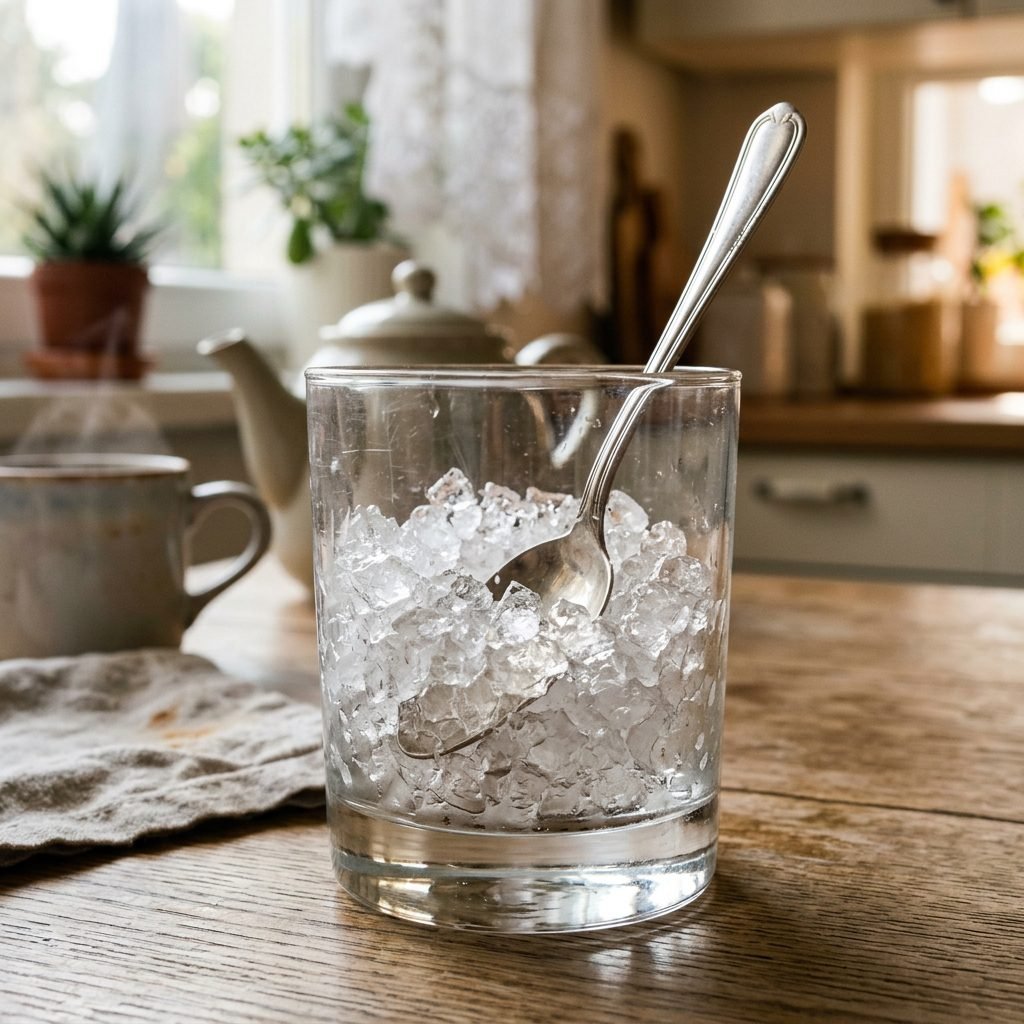
When we talk about pregnancy cravings, we usually think of flavors. But pagophagia is a form of pica—a condition where people crave substances with no nutritional value. In your case, it’s ice. Scientists believe that chewing ice might actually trigger a physical response that increases blood flow to the brain, providing a temporary boost in alertness for someone struggling with the profound fatigue of anemia.
The Science Behind the Crunch
Why ice? While the exact biological mechanism is still being studied, the leading theory is that the coldness and the act of chewing help to soothe the glossitis (tongue inflammation) that often accompanies low iron. It also provides a sensory ‘wake-up call’ to a brain that is feeling foggy due to decreased oxygen transport. If you find yourself unable to finish a meal without a bowl of ice cubes, your body isn’t just thirsty—it’s likely starving for iron.
“Your body isn’t being ‘weird’ or ‘difficult.’ It is being incredibly smart. It is finding a way to cope with a deficiency, and our job is to listen and provide the right support.”
The Root Cause: Iron Deficiency Anemia in Pregnancy
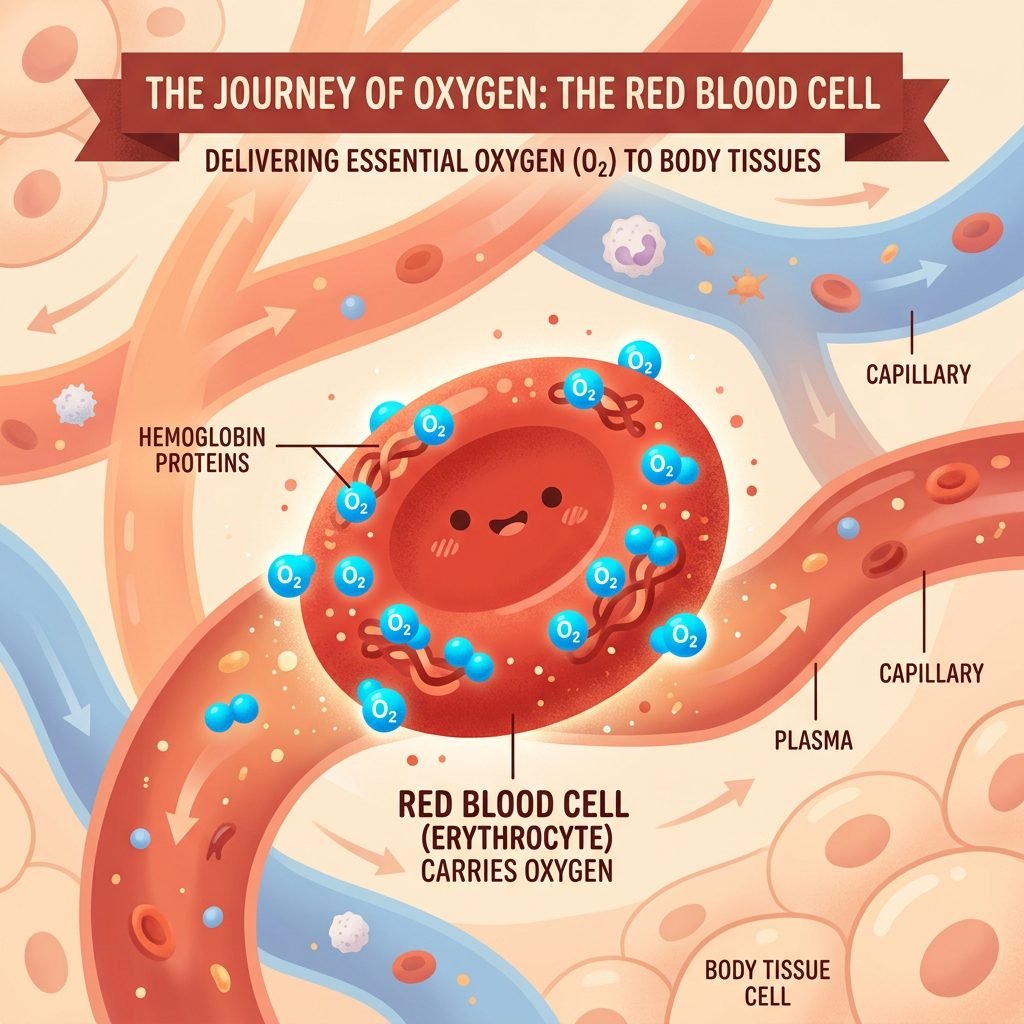
During pregnancy, your blood volume increases by nearly 50%. This incredible feat requires a massive amount of iron to produce hemoglobin, the protein in red blood cells that carries oxygen to your tissues and your baby. If you don’t have enough iron stores, you become anemic.
Common Symptoms to Watch For
- Extreme Fatigue: More than just the usual ‘pregnancy tired.’
- Pale Skin: Especially visible in the lower eyelids or nail beds.
- Shortness of Breath: Feeling winded after walking up a single flight of stairs.
- Dizziness: Feeling lightheaded when standing up quickly.
- Cold Hands and Feet: A sign of poor circulation.
It is vital to distinguish between ‘normal’ pregnancy symptoms and those that indicate a deficiency. To help you navigate this, I’ve put together a comparison table of what to look for.
| Symptom | Normal Pregnancy Variation | Potential Anemia Warning |
|---|---|---|
| Energy Levels | Feeling sleepy in the afternoon. | Waking up exhausted after 8+ hours of sleep. |
| Breath | Slightly out of breath during exercise. | Gasps for air during normal conversation. |
| Cravings | Wanting salty or sweet snacks. | Compulsive chewing of ice, dirt, or clay. |
| Heart Rate | Slightly elevated resting heart rate. | Heart palpitations or ‘pounding’ in ears. |
Why Iron is Your ‘Super Mineral’ for Birth and Beyond

Iron isn’t just about stopping the ice chewing; it’s about preparing your body for the marathon of labor and the marathon of motherhood. Low iron levels can lead to several complications that we want to avoid for both you and your baby.
Risks of Untreated Anemia
- Preterm Labor: Anemic mothers have a higher risk of delivering before 37 weeks.
- Low Birth Weight: Baby needs iron for their own growth and to build their own stores for the first six months of life.
- Postpartum Hemorrhage: If your blood counts are low going into birth, your body has less ‘reserve’ if you experience bleeding during delivery.
- Postpartum Depression: There is a significant clinical link between low iron levels and the severity of the ‘baby blues’ and PPD.
As a doula, I want you to have the most vibrant recovery possible. When your iron is optimal, your mood is more stable, your healing is faster, and you have the physical stamina to bond with your newborn.
The Iron-Rich Kitchen: What to Eat (and What to Avoid)
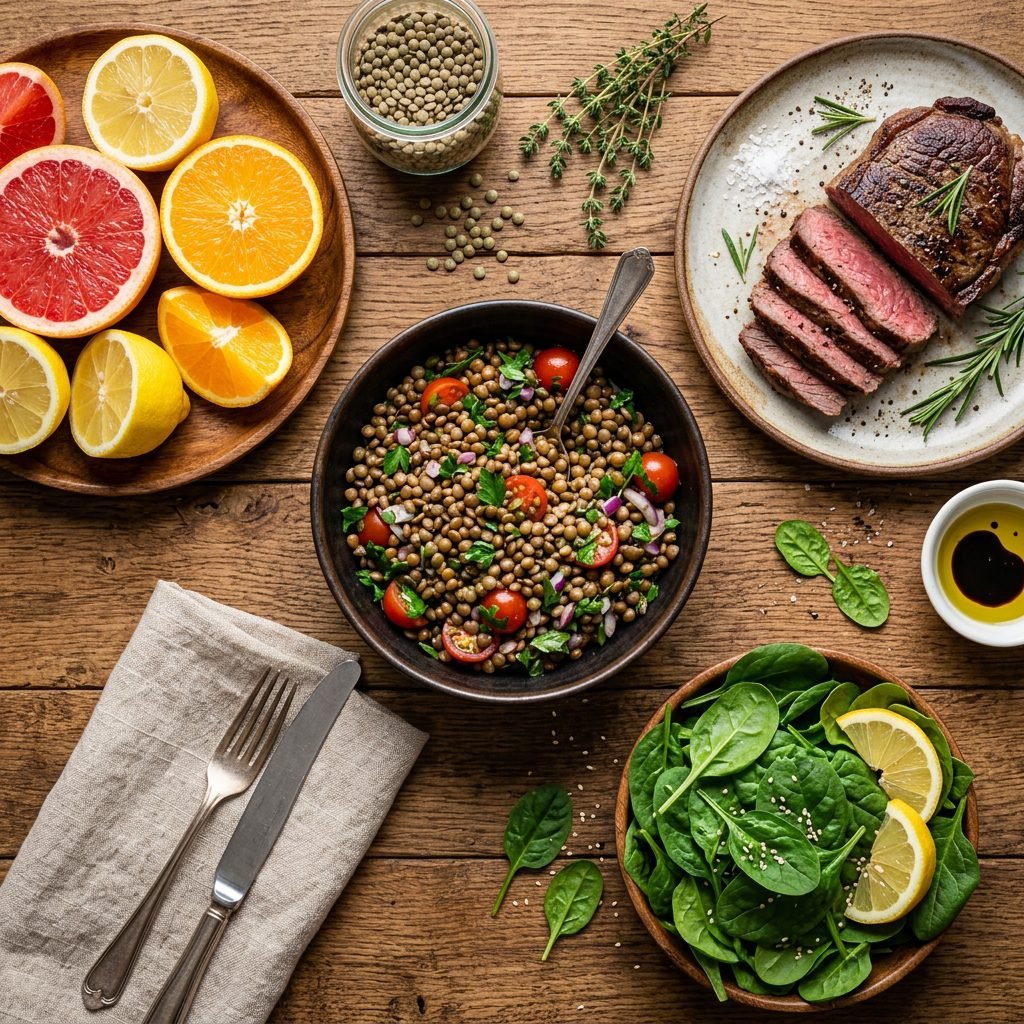
Boosting your iron isn’t just about taking a pill; it’s about how you nourish yourself daily. There are two types of iron: Heme (from animal sources) and Non-Heme (from plant sources). Heme iron is absorbed much more efficiently by your body.
The Best Food Sources
| Food Group | High-Iron Options | Absorption Tip |
|---|---|---|
| Proteins | Grass-fed beef, lamb, dark meat chicken, sardines. | Cook in a cast-iron skillet to add extra minerals. |
| Plant-Based | Lentils, spinach, pumpkin seeds, quinoa. | Always pair with Vitamin C (lemon, bell peppers). |
| Fortified | Organic iron-fortified cereals or oats. | Avoid eating with dairy (calcium blocks iron). |
The ‘Absorption Blockers’
This is a big one, mama! You could be eating all the steak in the world, but if you are washing it down with certain drinks, you aren’t absorbing the iron. Tannins in tea and caffeine in coffee can decrease iron absorption by up to 60-90%. Try to wait at least an hour after eating before enjoying your decaf latte.
The Supplement Struggle: Tips for Sensitive Tummies
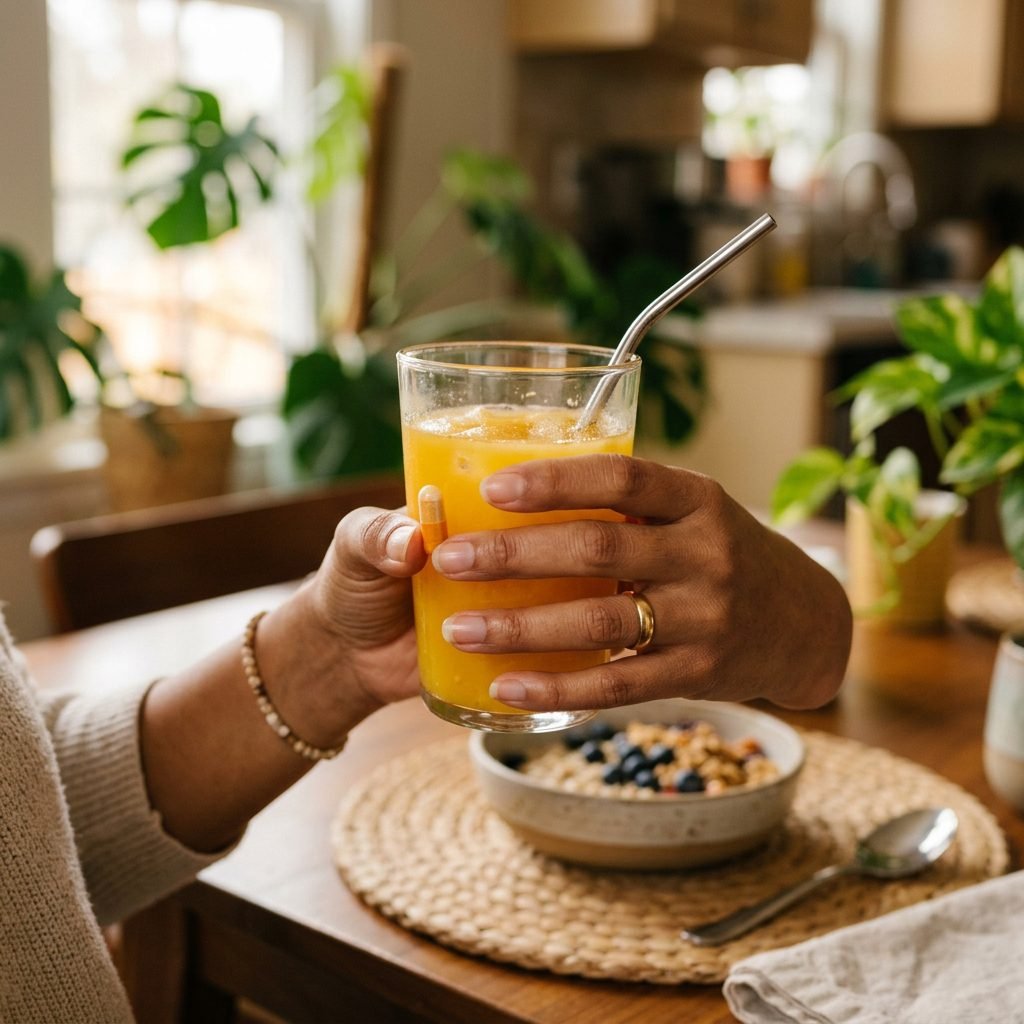
If your provider recommends an iron supplement, you might be worried about the dreaded ‘iron constipation.’ It’s a real concern, but we have ways to manage it!
A Doula’s Guide to Taking Iron
- Choose the Right Form: Ask your midwife about Iron Bisglycinate. It is a chelated form that is much gentler on the stomach than standard ferrous sulfate.
- Timing is Everything: Take your iron on an empty stomach with a glass of orange juice for maximum absorption. If it makes you nauseous, take it right before bed.
- Hydrate and Fiber: Increase your water intake and consider a daily magnesium supplement or prune juice to keep things moving.
- Liquid Gold: If pills are too much, liquid iron supplements (like Floradix) are often better tolerated and highly absorbable.
“Consistency is key. It takes about 2-3 weeks of consistent supplementation to start feeling the energy shift, and several months to fully replenish your stores.”
Your Advocacy Checklist: Talking to Your Provider
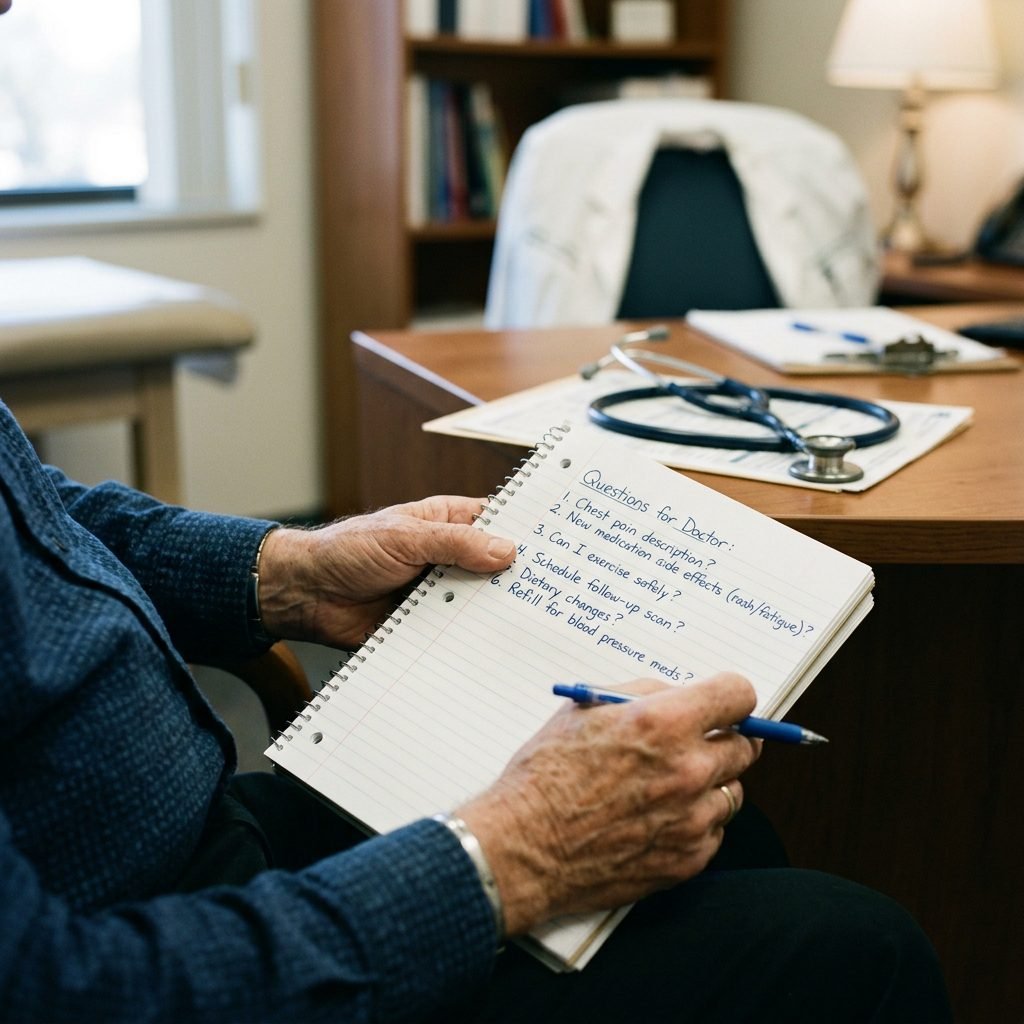
Don’t wait for your next routine blood draw if you are crunching ice today. You are your own best advocate. Here is a script and a checklist for your next appointment.
What to Ask For
- Full Iron Panel: Don’t just check Hemoglobin. Ask for Ferritin levels (this shows your actual iron stores).
- CBC (Complete Blood Count): To look at the size and health of your red blood cells.
A Script for Your Appointment
“I’ve noticed a significant, compulsive urge to chew ice lately, and I’m feeling more fatigued than usual. I’m concerned about my iron levels. Can we run a full iron panel, including ferritin, to see where I stand?”
Conclusion
Mama, if you’re currently eyeing the ice dispenser, please know that you aren’t alone and you aren’t ‘weird.’ Your body is simply speaking a language of deficiency, and now you have the tools to translate it. By addressing your iron levels now, you are setting yourself up for a safer birth, a more energetic postpartum period, and a healthier start for your baby. Put down the ice cup for a moment, take a deep breath, and reach out to your care provider. You deserve to feel vibrant, strong, and fully nourished. You’ve got this!