Stop Drinking Just Water: 9 Pregnancy Safe Teas That Boost Hydration And Curb Nausea
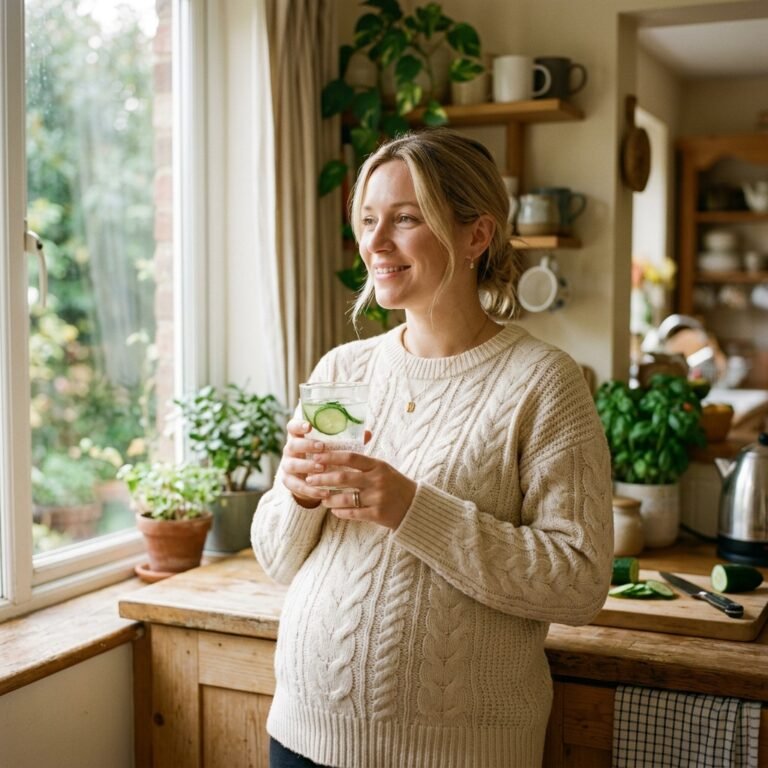
Oh, mama, I see you. You’re standing in front of your kitchen sink, staring at a glass of water, and your stomach is doing somersaults just at the thought of taking a sip. Whether it’s that metallic pregnancy taste in your mouth or the full-blown waves of morning sickness (which we all know is actually all-day sickness), plain water can sometimes feel like the enemy. But as your doula, I’m here to tell you that staying hydrated is one of the kindest things you can do for your body and your growing little one right now.
During pregnancy, your blood volume increases by nearly 50%. You’re also busy creating amniotic fluid, supporting a whole new organ (the placenta!), and keeping your own kidneys humming along. When plain water feels impossible to choke down, herbal teas can be your absolute saving grace. Not only do they provide that much-needed hydration, but many of them carry gentle, plant-based properties that can soothe a queasy tummy, calm your racing mind, and even prep your body for labor.
In this guide, we’re going beyond the basic glass of H2O. We’re diving into the world of pregnancy-safe herbal infusions that taste delicious and serve a purpose. Grab your favorite mug, mama, and let’s find your new favorite brew.
The Science of the Sip: Why Plain Water Fails and Tea Wins
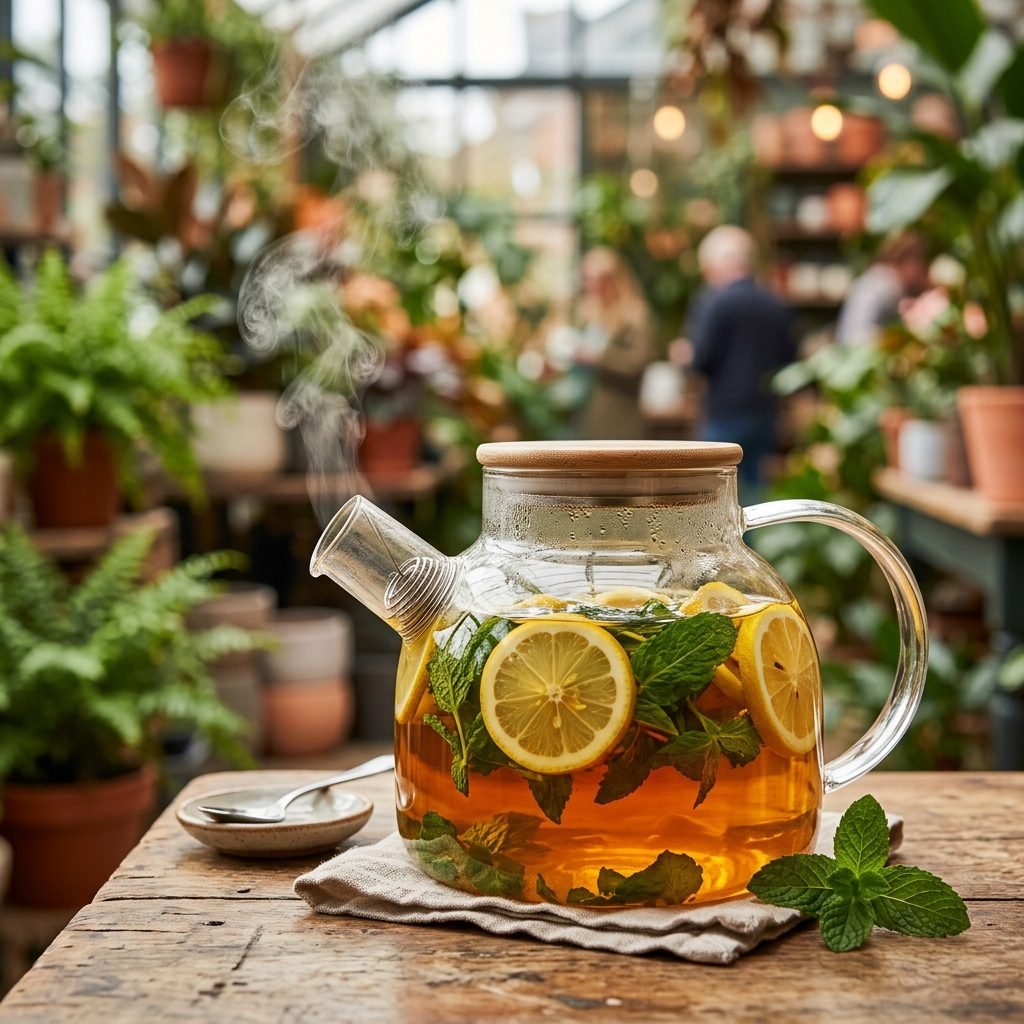
It sounds strange to anyone who hasn’t been pregnant, but water aversion is a very real, very frustrating symptom. Hormonal shifts, particularly the rise in hCG and estrogen, can alter your sense of taste and smell. For many women, plain water starts to taste like pennies or feels ‘heavy’ in the stomach, leading to a cycle of dehydration and increased nausea.
The Hydration-Nausea Loop
When you are dehydrated, your blood pressure can drop and your nausea can actually intensify. It’s a vicious cycle! By switching to herbal teas, you’re introducing gentle flavors that can mask that metallic taste and provide electrolytes and minerals that plain filtered water might lack. Plus, the ritual of sipping something warm or iced can be incredibly grounding during a season of life where everything feels like it’s changing.
“Sweet mama, your body is a vessel of creation. If water doesn’t feel right today, don’t force it. Listen to your intuition and find the flavors that help you feel nourished and whole.”
The ‘Big 9’ Pregnancy-Safe Teas for Every Trimester
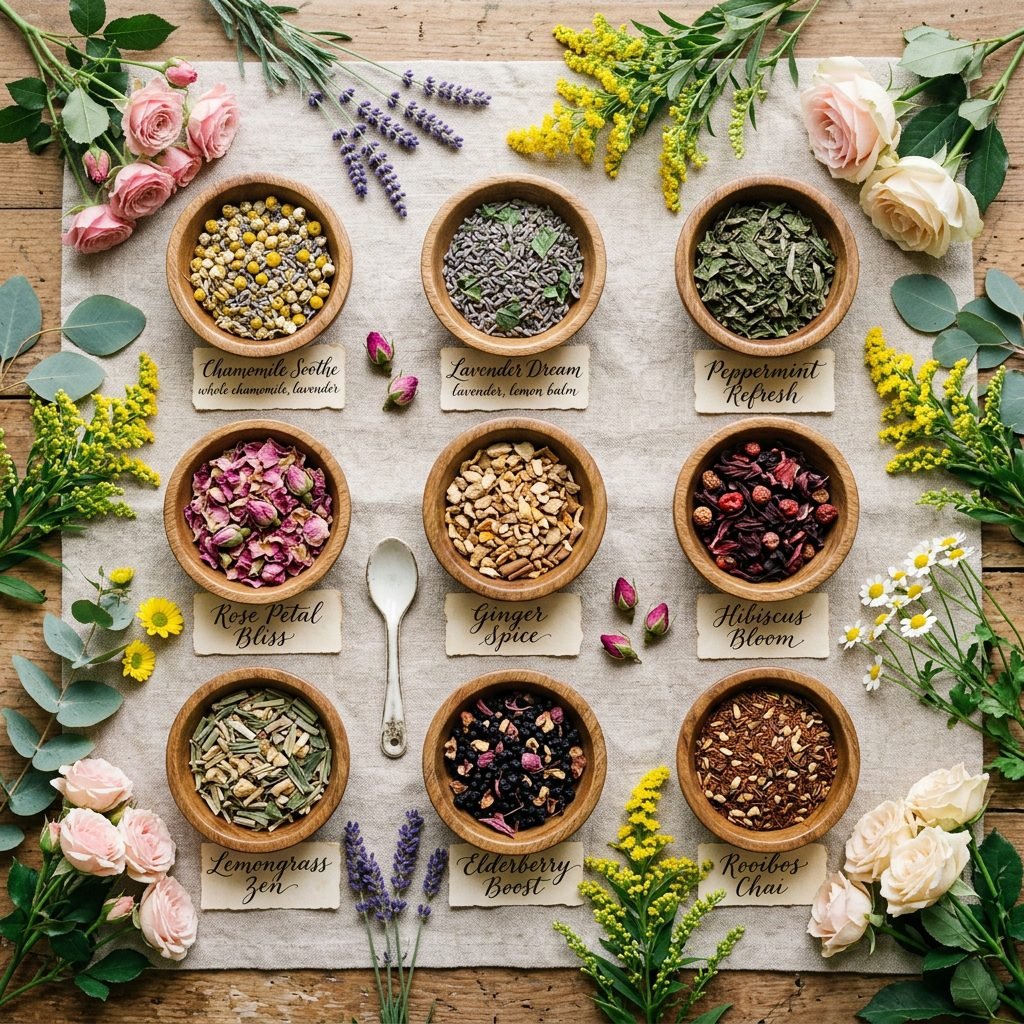
Not all teas are created equal when you’re growing a human. While we want to avoid high-caffeine options and certain medicinal herbs, these nine selections are widely celebrated by doulas and midwives for their safety and efficacy.
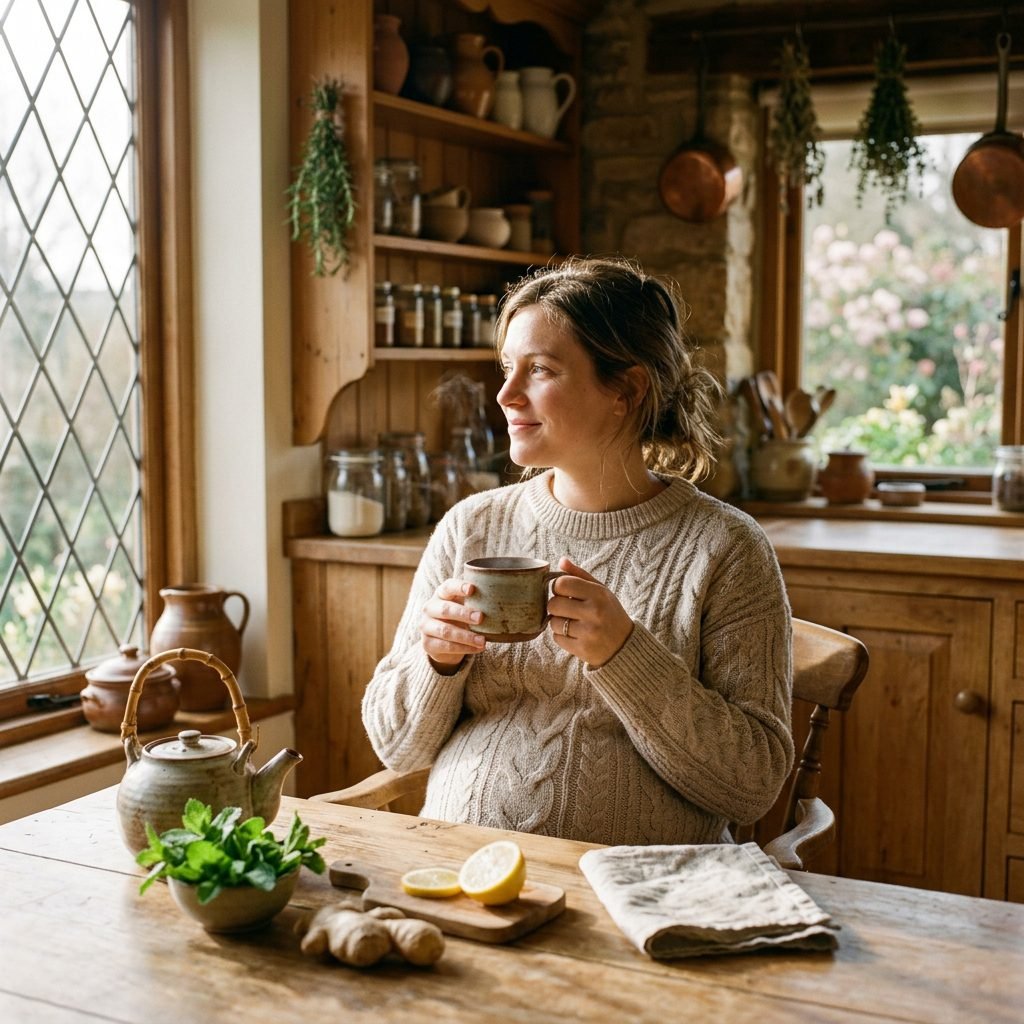
1. Ginger Tea: The Nausea Warrior
Ginger is the gold standard for morning sickness. It contains compounds called gingerols and shogaols that help speed up gastric emptying, meaning food doesn’t sit in your stomach as long, which reduces that ‘green’ feeling. If you find the taste too spicy, try adding a splash of honey.
2. Peppermint Tea: The Digestive Soother
Peppermint is a natural antispasmodic. It relaxes the muscles in your digestive tract, making it a dream for bloating, gas, and that pesky pregnancy heartburn. It’s also incredibly cooling if you’re dealing with those first-trimester hot flashes.
3. Red Raspberry Leaf Tea: The Uterine Tonic
Often called the ‘woman’s herb,’ this tea is rich in vitamins and minerals like iron, magnesium, and calcium. Most doulas recommend starting this in the second or third trimester to help tone the uterine muscles in preparation for labor. Note: Always check with your provider before starting this in the first trimester.
4. Lemon Balm Tea: The Anxiety Calmer
Pregnancy hormones can leave you feeling ‘wired but tired.’ Lemon balm is a gentle nervine that helps soothe the nervous system without making you feel drugged. It’s perfect for those nights when ‘baby brain’ won’t let you sleep.
5. Rooibos Tea: The Antioxidant Powerhouse
Naturally caffeine-free and rich in Vitamin C, Rooibos is a fantastic alternative to black tea. It helps support your immune system and can even help with skin issues like pregnancy acne or eczema.
6. Rosehip Tea: The Vitamin C Boost
Rosehips are one of the best plant sources of Vitamin C. This is vital for collagen production (hello, stretching skin!) and helps your body absorb iron more effectively.
7. Chamomile Tea: The Sleep Aid
A classic for a reason. A cup of chamomile before bed can help relax your muscles and prepare your mind for rest. Use it in moderation, as it is a mild sedative.
8. Nettle Tea: The Mineral Well
Nettle is packed with Vitamin K, Iron, and Chlorophyll. It’s like a liquid prenatal vitamin. It helps support the kidneys and can reduce the incidence of leg cramps.
9. Dandelion Root Tea: The Bloat Buster
If you’re struggling with swollen ankles or water retention, dandelion root acts as a gentle diuretic that supports liver function without depleting your electrolytes.
Safety First: What to Sip and What to Skip
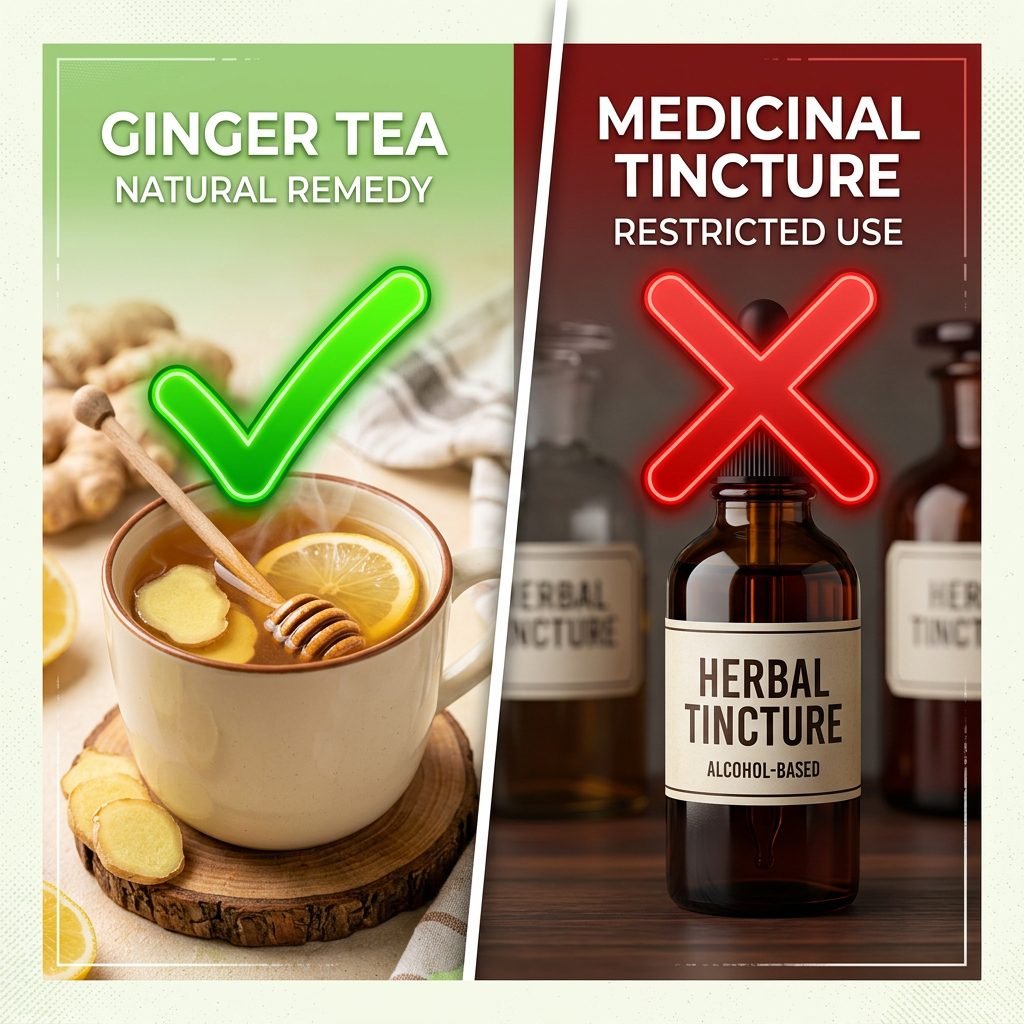
While herbs are natural, they are also powerful. During pregnancy, we want to avoid herbs that can cause uterine contractions or interfere with hormones. Below is a quick guide to help you navigate your tea cabinet safely.
| Safe & Encouraged | Use With Caution | Avoid Entirely |
|---|---|---|
| Ginger, Peppermint | Chamomile (Limit to 1-2 cups) | Pennyroyal |
| Rooibos, Rosehip | Red Raspberry Leaf (Late pregnancy) | Mugwort |
| Lemon Balm | Nettle (Ensure it’s leaf, not root) | Blue/Black Cohosh |
| Fruit-based teas | Dandelion Leaf | Licorice Root (High amounts) |
Always remember, mama: Moderation is key. Even the safest teas should be enjoyed as part of a varied diet. Aim for 2-3 cups of herbal tea maximum per day, and keep your primary focus on a variety of hydrating fluids.
Brewing the Perfect Cup: A Doula’s Technique

To get the most medicinal benefit out of your herbs, you can’t just ‘dunk and go.’ You want to extract all those lovely minerals and oils.
- Use Fresh, Filtered Water: Since we’re trying to avoid that metallic taste, the quality of your water matters.
- Temperature Control: For delicate herbs like Lemon Balm or Chamomile, use water just under boiling (about 190°F). For roots like Ginger or Dandelion, a rolling boil is fine.
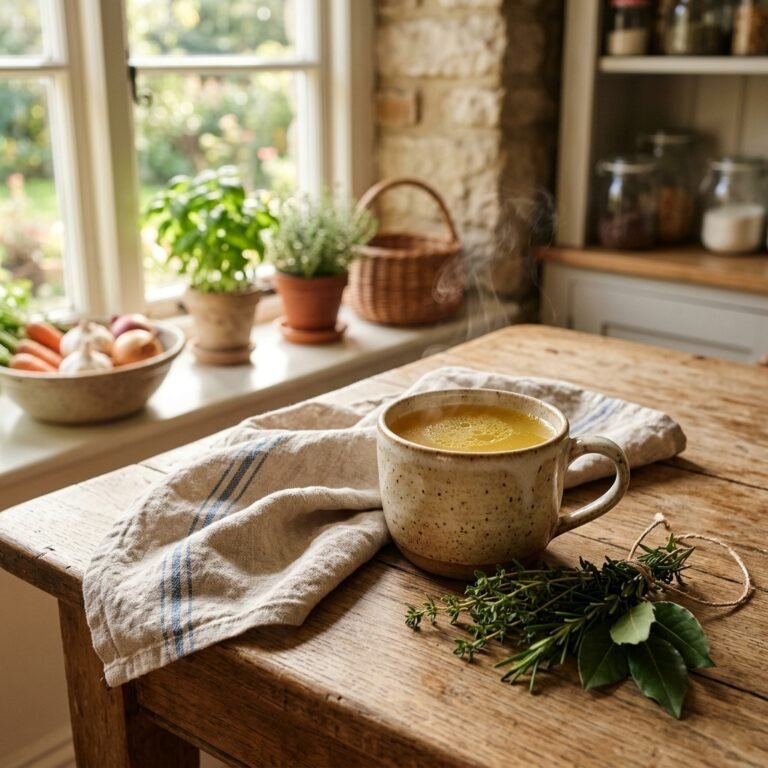
- The ‘Covered Steep’: This is the secret! Many of the beneficial properties of tea are in the volatile oils. If you don’t cover your mug, those oils escape with the steam. Cover your cup with a saucer while it steeps for 5-10 minutes.
- Sweeten Mindfully: If nausea is high, a little honey or maple syrup can provide a quick glucose boost to help stabilize your blood sugar.
“Take these ten minutes of steeping time to breathe. Place one hand on your heart and one on your belly. You are doing a beautiful job.”
The ‘Nausea-Nix’ Tea Mocktail Recipe

Sometimes, a hot drink is the last thing you want when you feel sick. This iced tea mocktail is a lifesaver for those hot afternoons or rough mornings.
The Ginger-Mint Sparkler
- 1 cup strong brewed Ginger tea (chilled)
- 1/2 cup sparkling mineral water
- 1 tablespoon fresh lime juice
- A sprig of fresh peppermint
- Optional: 1 teaspoon of agave or honey
Mix the chilled ginger tea and lime juice in a tall glass. Fill with ice, top with sparkling water, and slap the mint leaves between your palms before dropping them in (this releases the oils!). The carbonation helps settle the stomach, while the ginger and mint work their magic on your nausea.
Hydration Strategy: Sipping vs. Gulping

When you’re pregnant, how you drink is just as important as what you drink. If you gulp down a huge glass of liquid, your stomach might stretch too quickly, triggering a gag reflex. Instead, try the ‘Doula Sip’ method.
The Doula Sip Method
- Keep a 24oz insulated tumbler with you at all times.
- Take small, frequent sips every 10-15 minutes rather than drinking a whole glass at mealtime.
- Try to stop drinking large amounts of fluid about 2 hours before bed to minimize those midnight bathroom runs.
- If you’re struggling with morning sickness, try having a few sips of room-temperature ginger tea before you even get out of bed in the morning.
Conclusion
Mama, pregnancy is a marathon, not a sprint, and your body is doing incredible work every single second. If water doesn’t taste good right now, don’t beat yourself up. By incorporating these 9 pregnancy-safe teas, you aren’t just hydrating; you’re nourishing your nervous system, soothing your digestion, and taking a moment of much-needed self-care. Whether it’s a spicy ginger brew to settle your morning stomach or a calming cup of lemon balm before bed, these herbal allies are here to support you. Stay hydrated, stay gentle with yourself, and keep sipping your way to a more comfortable pregnancy. You’ve got this!