The Best Smocked Bodice Midi Dresses for Easy Postpartum Nursing
Embracing the Fourth Trimester with Style and Grace
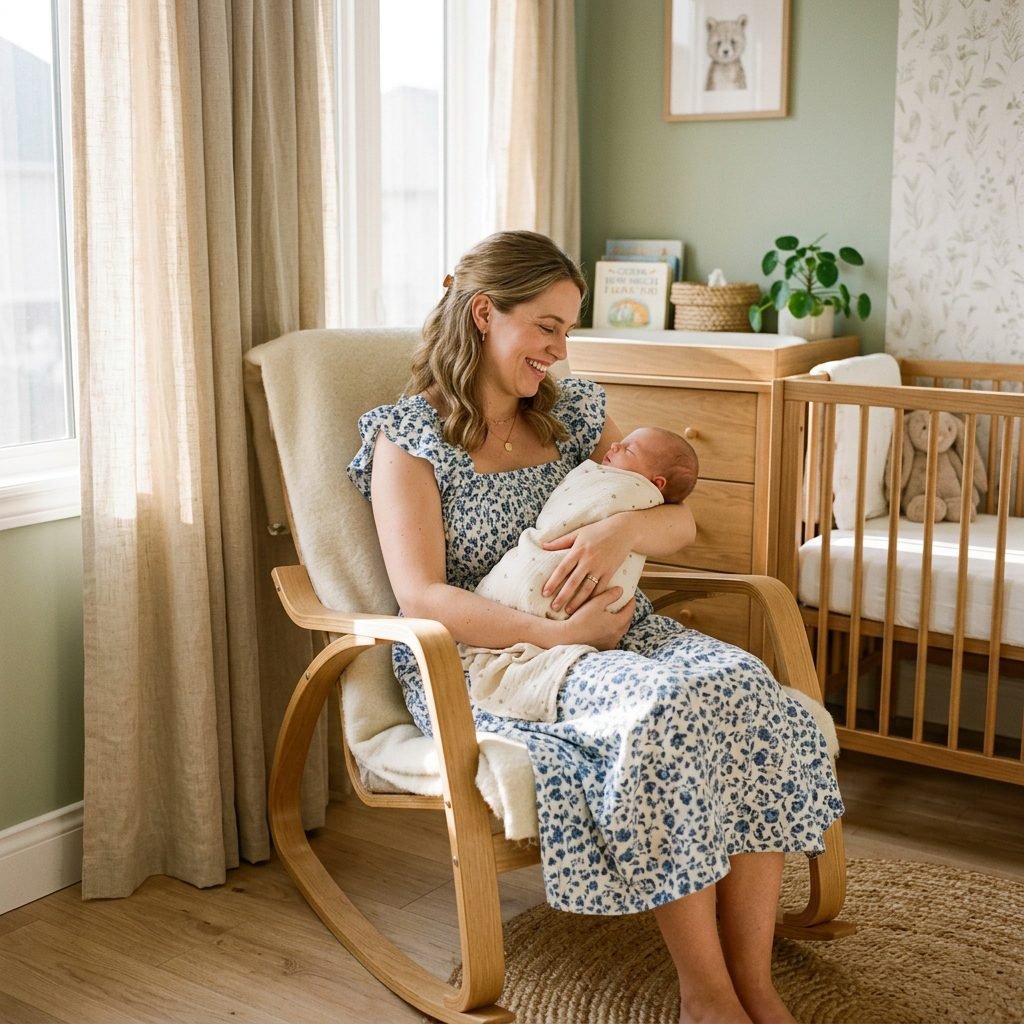
Oh, sweet mama, welcome to the beautiful, blurry, and often overwhelming world of the fourth trimester. Your body has just performed the ultimate miracle, and now you are navigating the tender waters of postpartum recovery, newborn snuggles, and the frequent demands of nursing or pumping. During this time, the last thing you should have to worry about is an uncomfortable waistband or a dress that requires a Herculean effort to unfasten for a hungry baby. Enter the smocked bodice midi dress—the unsung hero of the maternal wardrobe. As a doula and a fellow mama, I’ve seen firsthand how the right piece of clothing can shift your entire mood. This isn’t just about fashion; it’s about functional dignity. A smocked dress offers the perfect intersection of elasticity for your changing bust size, softness against healing skin, and the ‘pull-down’ ease that makes breastfeeding in public or at home a breeze. In this guide, we are going to dive deep into why this specific silhouette is a postpartum essential and how you can style it to feel like the radiant woman you are, even on three hours of sleep.
The Magic of the Smock: Why Your Postpartum Body Will Thank You
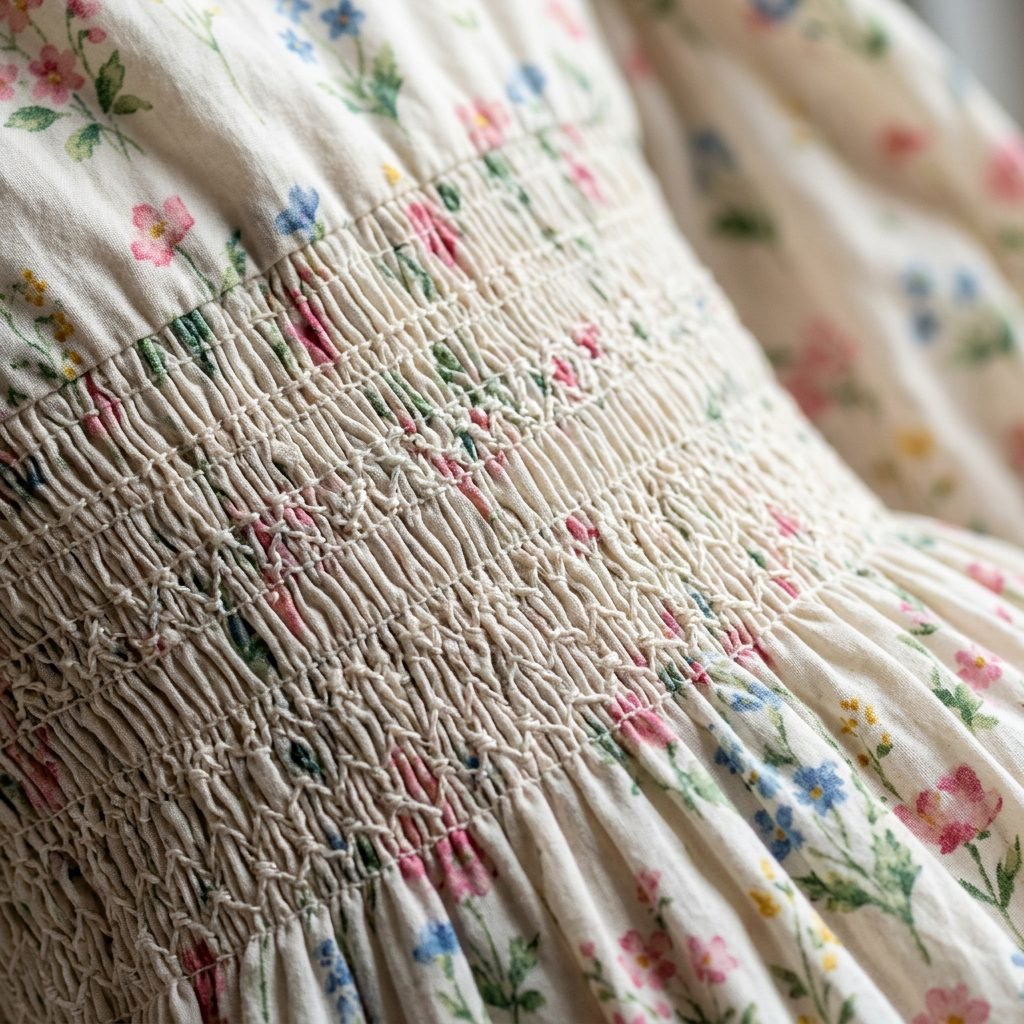
The technical term for that stretchy, gathered fabric across the chest is ‘shirring,’ but to a postpartum mama, it’s simply known as pure comfort. After birth, your body undergoes rapid changes. Your milk comes in, your uterus is contracting back to its original size, and your skin may feel extra sensitive. Traditional zippers and rigid buttons can feel like an enemy during this phase. The smocked bodice is designed to expand and contract with you. It provides gentle support without the restrictive feel of an underwire bra, which is crucial for preventing clogged ducts and mastitis. Flexibility is the name of the game.
Top Benefits for New Mothers
- Adaptive Fit: Whether you are engorged before a feed or soft after one, the smocking adjusts to your current volume.
- Texture Camouflage: Let’s be honest, mama—leaks happen. The gathered texture of smocking is incredibly forgiving at hiding small damp spots or wrinkles.
- Gentle Compression: Many moms find the slight hug of a smocked bodice to be reassuring for the abdominal area during early recovery.
Your body is a sanctuary that just housed a soul. Be patient with it, dress it with kindness, and remember that you are doing a magnificent job.
Fabric Matters: Navigating Postpartum Night Sweats and Sensitive Skin
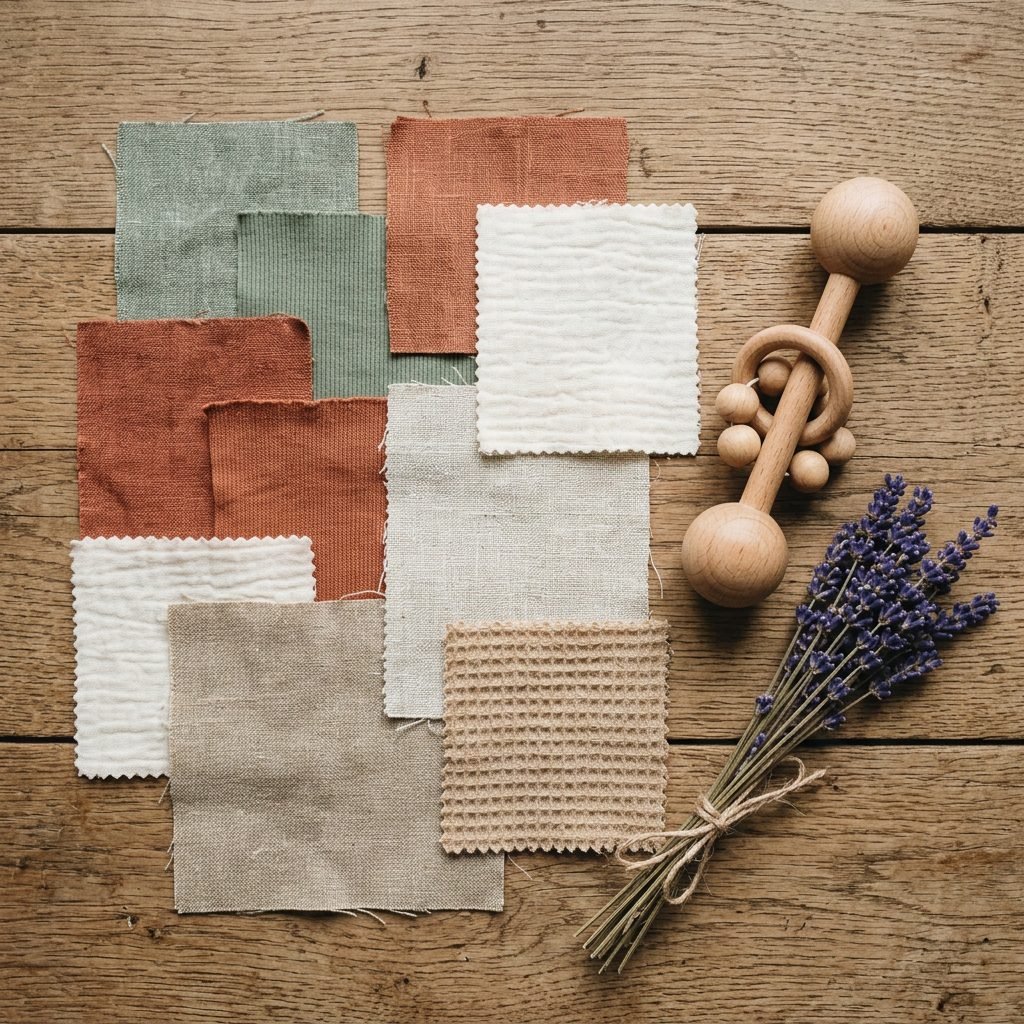
When you are choosing your nursing-friendly midi, the material is just as important as the cut. Postpartum hormones can lead to intense ‘night sweats’ that often bleed into the daytime. Additionally, your baby’s skin is incredibly thin and absorbent; whatever you wear, they will be pressing their face against for hours every day. You want to prioritize natural, breathable fibers. Avoid synthetic polyesters that trap heat and moisture, which can lead to skin irritation for both you and your little one.
| Fabric Type | Pros for Postpartum | Cons to Consider |
|---|---|---|
| Organic Cotton | Breathable, hypoallergenic, and gets softer with every wash. | Can wrinkle easily if not hung up immediately. |
| Linen/Linen Blends | The ultimate cooling fabric; moisture-wicking and durable. | Has no natural stretch (rely on the smocking for that!). |
| Tencel / Lyocell | Silky smooth, eco-friendly, and very absorbent. | Can be more expensive than standard cotton. |
| Bamboo Viscose | Incredibly soft and naturally antibacterial. | Needs gentle washing to avoid pilling. |
Always look for OEKO-TEX certified fabrics when possible, ensuring no harmful chemicals are present in the dyes. This gives you peace of mind during those long skin-to-skin sessions.
The Ultimate Postpartum Style Matrix: Dressing Up and Down
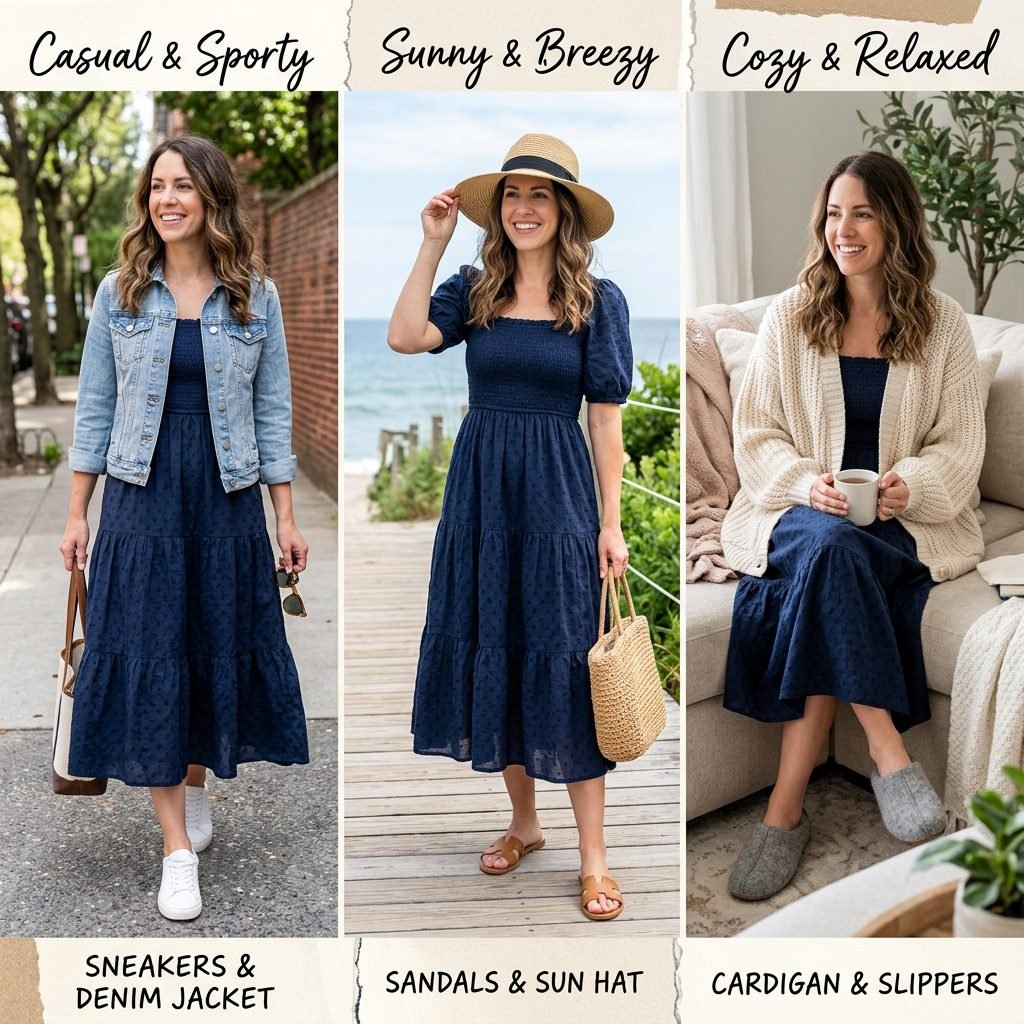
One of the reasons I recommend the smocked midi dress to all my doula clients is its incredible versatility. You can wear the same dress to a pediatrician appointment, a grocery run, and your best friend’s baby shower. The key is in the layering and accessories. Because the midi length provides coverage for those days you didn’t have time to shave (or even look at) your legs, it’s a total ‘one-and-done’ outfit. Here is how to build a capsule wardrobe around your smocked midi.
The Mix-and-Match Formula
| Occasion | Outerwear Layer | Footwear Choice | The ‘Mom’ Accessory |
|---|---|---|---|
| The Coffee Run | Oversized Denim Jacket | Supportive White Sneakers | Large Canvas Diaper Tote |
| Baby’s First Dr. Visit | Long Knit Cardigan | Leather Mules | Hands-free Crossbody Bag |
| Evening Outing | Tailored Linen Blazer | Block Heel Sandals | Statement Earrings |
| Home Nesting | Soft Silk Kimono | Barefoot or Wool Socks | A High-Quality Nursing Bra |
Pro Tip: Look for dresses with pockets! When you are carrying a baby, a pacifier, and your phone, having a place to tuck a burp cloth is a lifesaver.
Nursing Mechanics: Mastering the ‘Pull-Down’ Access
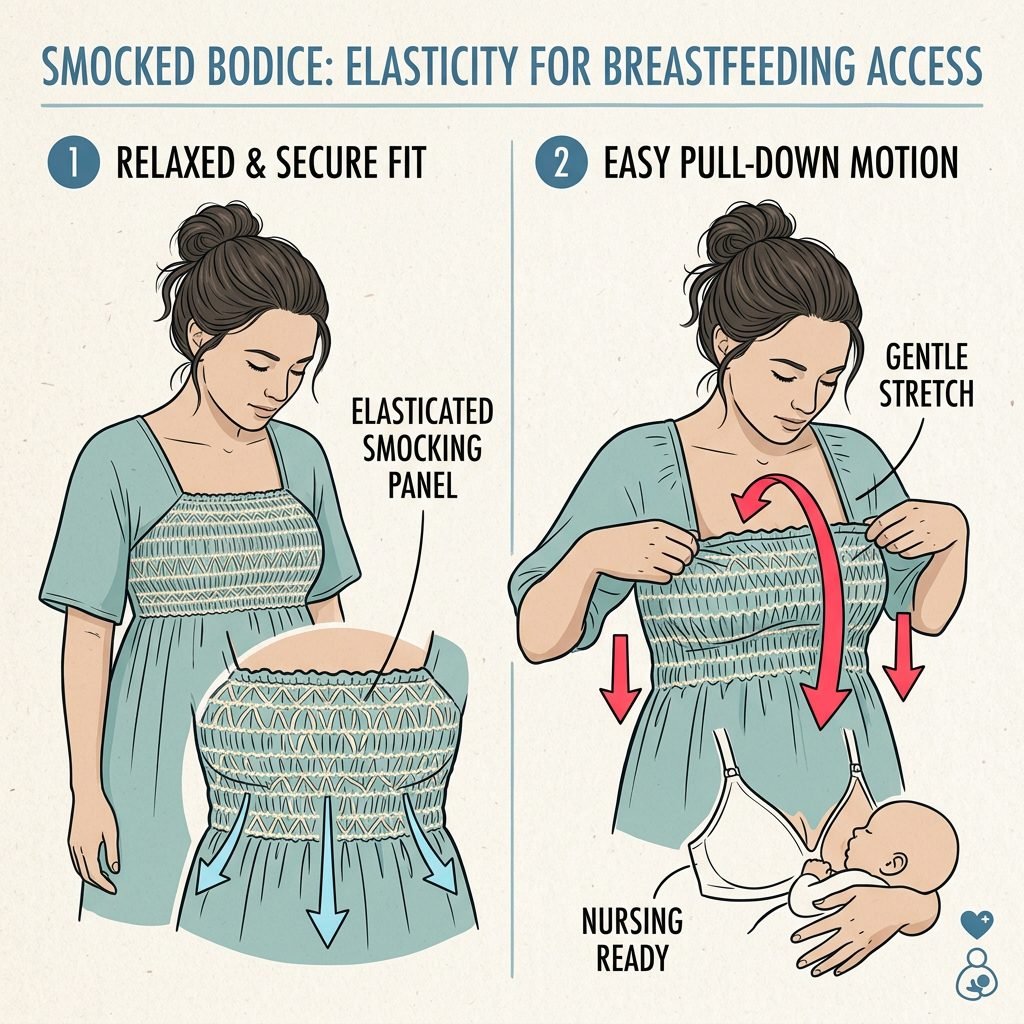
Many moms think they need specialized ‘nursing clothes’ with hidden zippers or flaps. While those are great, a smocked bodice dress often works better because the entire neckline is elasticized. This allows for instant access without fumbling with tiny zippers while a baby is crying. Here is the step-by-step for a discreet and comfortable feed:
- Position your baby: Get into a comfortable seated position with a nursing pillow (like a Boppy or My Brest Friend) to support the baby’s weight.
- The Pull-Down: Simply hook your thumb under the elasticized neckline and pull it down under your breast. The smocking will hold itself in place.
- The Latch: Bring the baby to the breast, ensuring a deep latch. The soft fabric of the dress will rest gently against the baby’s chin.
- Post-Feed: Once finished, the bodice snaps right back into its original shape without being stretched out or saggy.
Affirmation: My milk is enough. My body is capable. I am providing everything my baby needs to thrive.
The Emotional Wardrobe: Why Feeling Beautiful Matters
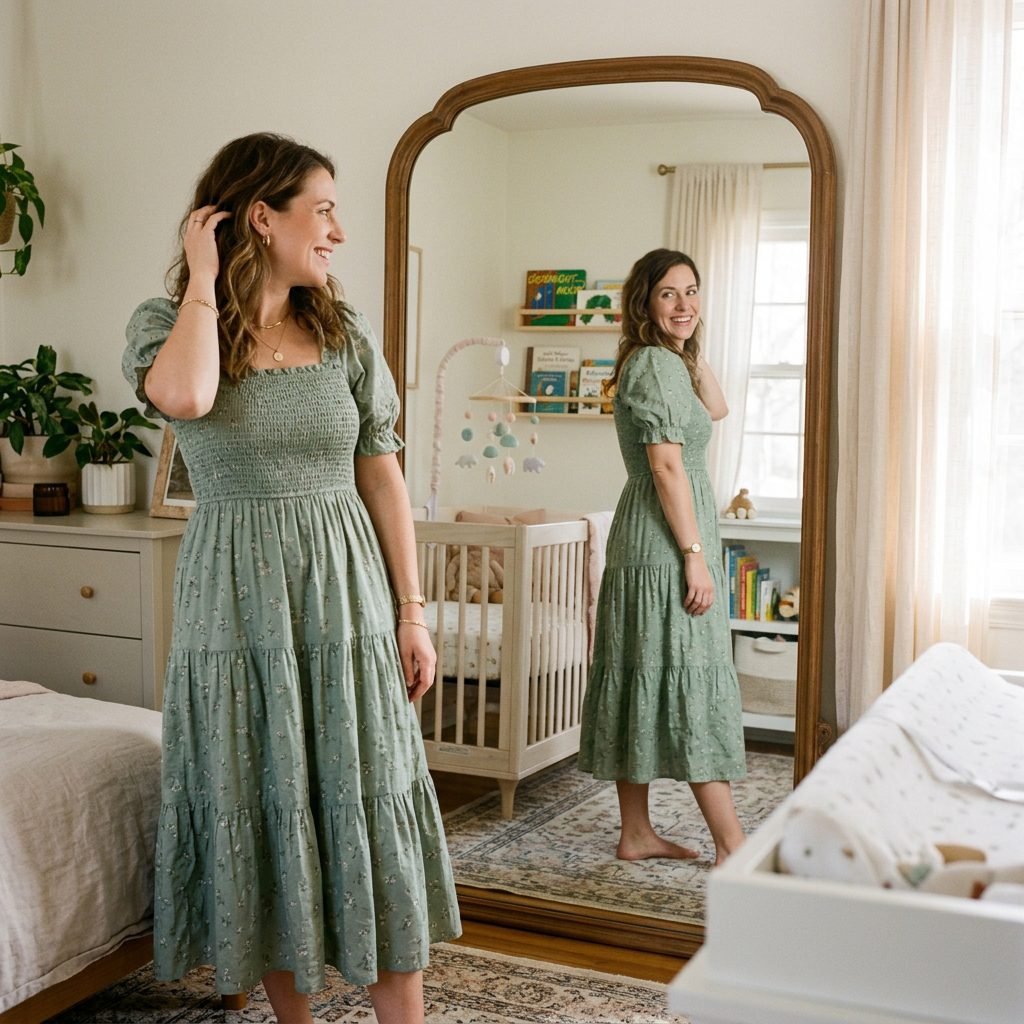
Postpartum depression and anxiety are real, and while a dress cannot cure them, self-care through style can be a powerful tool in your mental health toolkit. When you look in the mirror and see a version of yourself that feels put-together, it can provide a much-needed boost of dopamine. This is what we call ‘Matrescence’—the process of becoming a mother. It is a transition as significant as adolescence. Choosing clothes that honor your new shape rather than trying to squeeze into your ‘pre-baby’ jeans is an act of radical self-acceptance.
Don’t wait until you ‘lose the baby weight’ to buy something beautiful. You deserve to feel comfortable and stylish right now. A midi dress with a flowing skirt allows for airflow, which is helpful for healing after a vaginal birth or a C-section (as there is no waistband rubbing against your incision). Choose colors that make you feel calm—soft blues, warm ochres, or gentle florals.
Conclusion
You Are the Heart of the Home, Mama
As you navigate these early months, remember that you are the sun around which your baby’s world orbits. Taking a few minutes to slip into a dress that makes you feel like yourself is not vanity—it is vital. The smocked bodice midi dress is more than a trend; it is a practical solution for the modern mother who refuses to choose between style and function. Whether you are nursing on a park bench or swaying a fussy infant to sleep at 3:00 AM, do it in something that breathes with you. You are doing the hard, holy work of raising a human. Let your wardrobe be your support system. You’ve got this, sister.