

Terrified of Morning Sickness? A Survival Guide for Emetophobia Moms
Hey there, sweet mama. Let us take a deep, slow breath together. If you clicked on this article, chances are you are staring down the barrel of a positive pregnancy test, and instead of pure, unadulterated joy, you are feeling a gripping, icy wave of panic. You are not alone. For mothers-to-be with emetophobia—the intense, irrational fear of vomiting—the first trimester can feel less like a magical journey and more like a ticking time bomb. The cultural narrative tells us that morning sickness is just a cute, quirky rite of passage, but for you, it is a source of profound, paralyzing terror.
As a doula and maternal wellness expert, I want to look you in the virtual eye and tell you this: Your fear is incredibly valid, but your suffering is not mandatory. Emetophobia is a recognized, powerful anxiety disorder, and adding the unpredictable hormonal cocktail of pregnancy to the mix is undeniably overwhelming. But you are stronger than this fear, and you have more control than you realize. You do not have to white-knuckle your way through the next few weeks in silent dread. This guide is your sisterly, judgment-free survival manual. We are going to demystify the science of pregnancy nausea, separate the anxiety from the physical symptoms, and build an ironclad, proactive toolkit to keep you feeling safe, grounded, and in control of your body. You can do this. Let us reclaim your peace of mind.
Validating the Fear: When Emetophobia Meets Pregnancy
Before we can tackle the physical symptoms of morning sickness, we have to address the psychological elephant in the room. Emetophobia thrives on the loss of control. Pregnancy, by its very nature, is a profound surrender of bodily autonomy. When these two forces collide, the result is a vicious cycle: you feel a twinge of normal pregnancy nausea, your brain perceives it as a mortal threat, your body releases a flood of adrenaline (the fight-or-flight response), and that very adrenaline causes your stomach to churn even more. The anxiety actually mimics and amplifies the nausea.
Many emetophobic women spend years meticulously avoiding situations that might trigger illness, only to feel trapped in their own bodies once they conceive. You might be analyzing every burp, every hunger pang, and every subtle shift in your digestion. This hyper-vigilance is exhausting. The first step to surviving this season is radical self-compassion. Stop judging yourself for not glowing with carefree bliss. Acknowledge that you are doing something incredibly brave by growing a life while facing your deepest phobia.
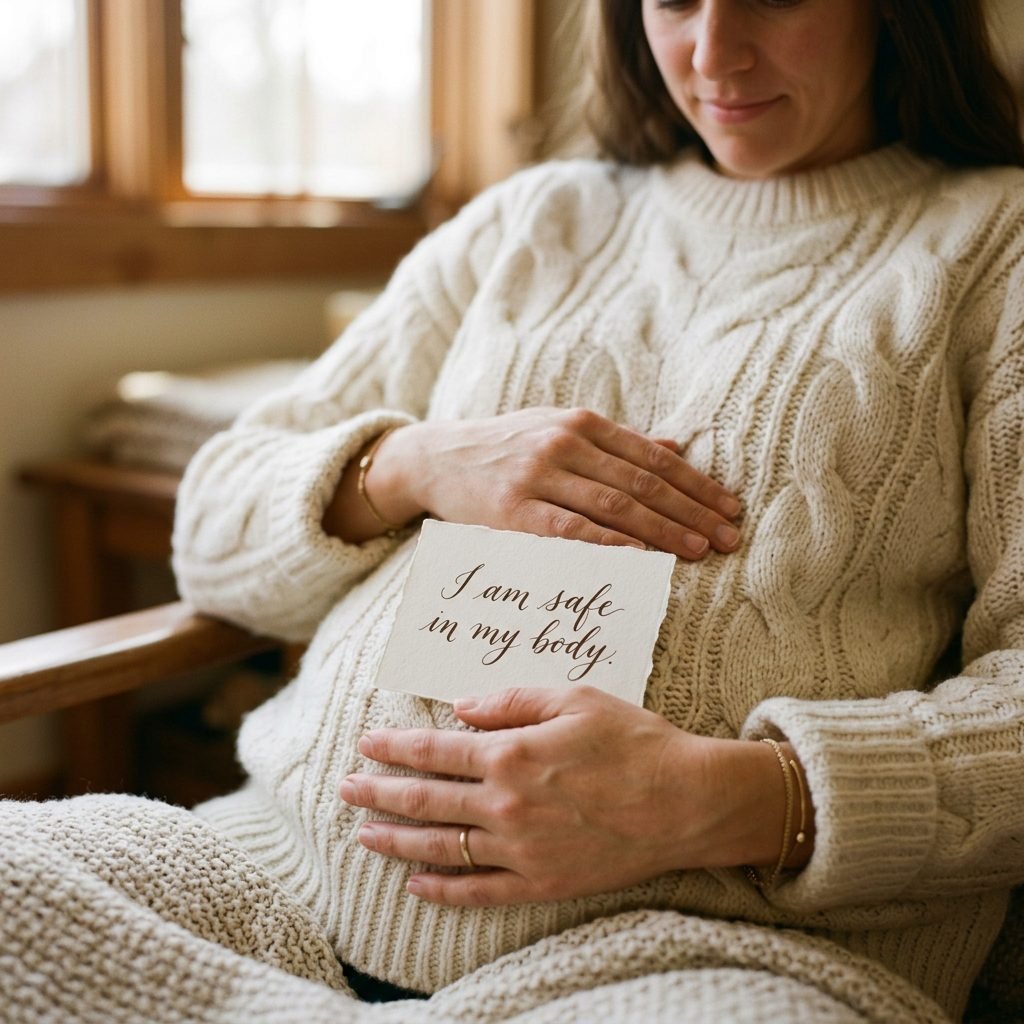
I am safe in my body. My body knows how to protect me and my baby. Nausea is just a sensation, not a mandate. I have the tools to handle whatever comes my way.
Write that affirmation down. Put it on your bathroom mirror, save it as your phone wallpaper, and repeat it when the panic begins to swell. Separating the fear of the symptom from the symptom itself is your first line of defense.
The Science Behind the Quease: Demystifying Morning Sickness

Knowledge is power, especially when it comes to anxiety. When you understand exactly what is happening under the hood, the symptoms become less mysterious and less terrifying. What we call morning sickness (a terrible misnomer, as you likely already know) is primarily driven by three physiological changes.
First, there is Human Chorionic Gonadotropin (hCG), the hormone that tells your body to sustain the pregnancy. Levels of hCG double every few days in the first trimester, peaking around weeks 8 to 10. High levels of hCG stimulate the nausea center in the brain. Second, elevated Estrogen levels significantly enhance your sense of smell. Suddenly, your partner’s coffee or the scent of the refrigerator can trigger a gag reflex simply because your olfactory nerves are in overdrive. Third, Progesterone, the hormone responsible for relaxing your uterine muscles to prevent early contractions, also relaxes the smooth muscles of your digestive tract. This slows down digestion, leading to bloating, excess gas, and a feeling of fullness that can easily be misinterpreted as nausea.
Understanding this means you can logically remind yourself: I am not sick. I have not caught a bug. My body is just heavily saturated in hormones designed to keep my baby safe, and my digestive system is temporarily moving at a snail’s pace. Reframing the sensation from illness to hormonal adjustment can significantly dial down your phobic response.
Staying One Step Ahead: Proactive Nausea Prevention

The golden rule of managing pregnancy nausea, especially for emetophobic mothers, is this: Never let your stomach get completely empty, and never let it get completely full. Nausea thrives in the extremes. When your blood sugar drops, nausea spikes. When you overeat and stretch a slow-moving digestive tract, nausea spikes. Your goal is to maintain a completely flat, steady blood sugar curve all day long.
The 2-Hour Grazing Protocol
Instead of three large meals, you must transition to micro-meals. Here is a step-by-step physical routine to implement immediately:
- The Nightstand Stash: Before you even lift your head off the pillow in the morning, reach for a dry, bland carbohydrate. Saltine crackers, dry Cheerios, or a plain rice cake. Chew it slowly while lying completely flat. Wait 15 minutes before sitting up. This absorbs overnight stomach acid.
- The Protein Anchor: Every time you eat a carbohydrate, pair it with a tiny amount of protein or fat to slow down the blood sugar spike. Think: half a green apple with a smear of almond butter, or a few crackers with a cube of mild cheddar cheese.
- The 120-Minute Rule: Set a gentle timer on your phone for every two hours. You must take a few bites of food, even if you do not feel hungry. Staying ahead of the hunger is how you stay ahead of the nausea.
- The Bedtime Snack: Right before you go to sleep, eat a high-protein snack. A handful of almonds, a hard-boiled egg, or a spoonful of Greek yogurt. This stabilizes your blood sugar through the long night, preventing that awful morning crash.
Hydration Hacks
Dehydration is a massive trigger for nausea, but chugging a glass of water can make a sensitive stomach rebel. The trick is to sip constantly. If plain water makes you gag (a very common symptom due to the metallic taste in early pregnancy), try ice-cold water with a heavy squeeze of fresh lemon, or chew on crushed ice chips. The cold temperature numbs the stomach lining slightly, which can be incredibly soothing.
Building Your Safe Space: The Emetophobia Survival Toolkit

When you have emetophobia, feeling unprepared is a trigger in itself. Building a physical toolkit that you carry with you everywhere can provide an immense psychological safety net. Just knowing you have your anti-nausea arsenal in your purse can lower your baseline anxiety enough to keep the nausea at bay. Let us break down what should be in your toolkit and what common triggers you need to ruthlessly eliminate from your environment.
| Comforting & Safe Remedies (The Toolkit) | Common Triggers to Avoid (The Saboteurs) |
|---|---|
| Ice Cold / Sour Flavors: Lemon drops, sour green apples, frozen grapes, popsicles. | Hot / Spicy / Rich Foods: Heavy curries, greasy fried foods, warm milk, or anything overly sweet. |
| Ginger & Peppermint: Ginger candies (Gin Gins), peppermint tea, or peppermint essential oil rollers. | Strong Odors: Garlic, onions, raw meat, strong perfumes, and scented trash bags. |
| Acupressure Wristbands: Sea-Bands worn on the P6 pressure point of both wrists. | Tight Clothing: Anything restricting the waist or ribcage. Opt for loose, flowing fabrics. |
| Alcohol Prep Pads: Sniffing these provides an instant, scientifically-proven anti-nausea effect. | Prenatal Vitamins on an Empty Stomach: The iron can be brutal. Take them at night with food. |
| Vitamin B6 & Unisom: The gold-standard OTC combo (consult your OB first). | Scrolling on your Phone in the Car: Motion sickness compounds pregnancy nausea exponentially. |
The Magic of the Alcohol Prep Pad: This is a closely guarded secret among labor and delivery nurses. If a wave of intense nausea hits you out of nowhere, tear open a standard isopropyl alcohol prep pad (the kind they use before a shot) and take three slow, deep sniffs. The isopropyl alcohol vapor works rapidly on the olfactory system to interrupt the nausea signal to the brain. Keep a handful of these in your pocket, your car, and your nightstand.
When the Wave Hits: Grounding Techniques for Panic and Nausea

Even with the best preparation, there will be moments when a wave of nausea hits, and your emetophobia brain immediately sounds the alarm. Your heart races, you start to sweat, and you feel the urge to flee. In these moments, you must manage the anxiety before you can manage the stomach. You need to pull your nervous system out of fight-or-flight and stimulate the vagus nerve, which commands the parasympathetic nervous system (your rest-and-digest mode).
Vagus Nerve Cooling Technique
If you feel panic rising, grab an ice pack, a frozen bag of peas, or a washcloth soaked in freezing water. Place it directly on the back of your neck, or right in the center of your chest (on your sternum). The sudden, intense cold shocks your vagus nerve, forcing your heart rate to drop and breaking the cycle of panic. Focus entirely on the sensation of the cold.
The 5-4-3-2-1 Sensory Grounding Method
While the ice pack is working, force your brain to process external stimuli instead of internal physical sensations. Say out loud:
- 5 things you can see: (e.g., The pattern on the rug, the doorknob, a cloud outside, my shoes, a picture frame.)
- 4 things you can feel: (e.g., The soft blanket, the cold ice pack, the floor beneath my feet, the fabric of my shirt.)
- 3 things you can hear: (e.g., The hum of the refrigerator, a car driving by, my own breathing.)
- 2 things you can smell: (e.g., The peppermint roller on my wrist, the fresh air from the window.)
- 1 thing you can taste: (e.g., The sour lemon drop in my mouth.)
By the time you finish this exercise, your adrenaline will have crested and begun to recede, taking the sharpest edge of the nausea with it.
Releasing the Guilt: When to Ask for Medication

I need you to hear this loud and clear: There is no trophy for suffering through pregnancy unmedicated. As a doula, I see so many mothers try to martyr themselves because they believe medication means they are failing their baby. This is entirely false. If your emetophobia is causing you to stop eating, stop drinking, or live in a constant state of debilitating terror, the stress hormones flooding your body are far more taxing than a safely prescribed anti-emetic.
If the proactive grazing, the B6/Unisom combination, and the sensory tricks are not keeping your head above water, it is time to call your OB or Midwife. You do not have to wait until you are severely dehydrated to ask for help. When you call, advocate for yourself clearly. Say: I have severe emetophobia. The nausea is causing extreme anxiety and preventing me from functioning. I would like to discuss prescription options before this escalates.
Your provider has a whole ladder of safe medications they can offer. Diclegis or Bonjesta are time-released prescription versions of B6 and Unisom that work beautifully for baseline nausea. If things are more severe, they may prescribe Zofran (Ondansetron), which is incredibly effective at stopping the vomiting reflex entirely, or Promethazine. Knowing that you have a prescription bottle of Zofran in your medicine cabinet can sometimes act as a psychological shield; you might not even need to take it every day, but knowing it is there is profoundly comforting for an emetophobic mind.
Remember, some women experience Hyperemesis Gravidarum (HG), a severe form of pregnancy sickness. If you are unable to keep liquids down for more than 12 hours, you must seek medical IV hydration. Getting fluids can instantly turn your symptoms around. Do not let fear keep you from getting the medical support you and your baby deserve.
Partner Support: How Your Village Can Protect Your Peace

You should not have to manage this intense emotional and physical load entirely on your own. Your partner, a trusted friend, or your doula needs to step up and act as your buffer during the first trimester. When you have emetophobia, even the thought of opening the refrigerator or cooking a meal can induce a panic attack. It is time to delegate.
Script for your partner: I am navigating a very intense phobia right now alongside my pregnancy hormones. I need you to take completely over the kitchen duties. Please do not cook strong-smelling foods like garlic or fish in the house. I need you to keep my nightstand stocked with crackers and fresh water, and please do not ask me ‘what sounds good for dinner’—just bring me small, bland snacks every two hours without me having to ask.
Having a partner who proactively brings you a plate of sliced apples and cheese, who takes out the trash before it smells, and who sits with you during a panic attack without judgment is invaluable. Let them be your safe harbor. You are doing the heavy lifting of growing a human; they can do the heavy lifting of managing the household triggers.
Conclusion
Sweet mama, navigating the first trimester with emetophobia is an absolute marathon of the mind and body. It is hard, it is scary, and it is exhausting. But I promise you this: it is also temporary. For the vast majority of women, the clouds part and the hormones stabilize between weeks 12 and 16. Until then, take this journey one hour, one cracker, and one deep breath at a time. Lean heavily on your toolkit, do not be afraid to ask for medical help, and give yourself endless grace. You are incredibly brave, your body is doing exactly what it needs to do, and you are going to get through this. Sending you the warmest, most reassuring sisterly hugs. You’ve got this.
Medical Disclaimer: The content provided in this article is for informational and educational purposes only and is not intended as medical advice. I am a doula and maternal wellness expert, but I am not your doctor. Always consult with your Obstetrician, Midwife, or a qualified healthcare provider regarding any severe nausea, vomiting, anxiety, or before starting any new medications, supplements, or dietary changes during pregnancy. If you cannot keep fluids down for more than 12 hours, please seek immediate medical attention.