
The ‘Mask of Pregnancy’: How to Treat Melasma Safely While Expecting
Welcome to Your Changing Skin, Mama
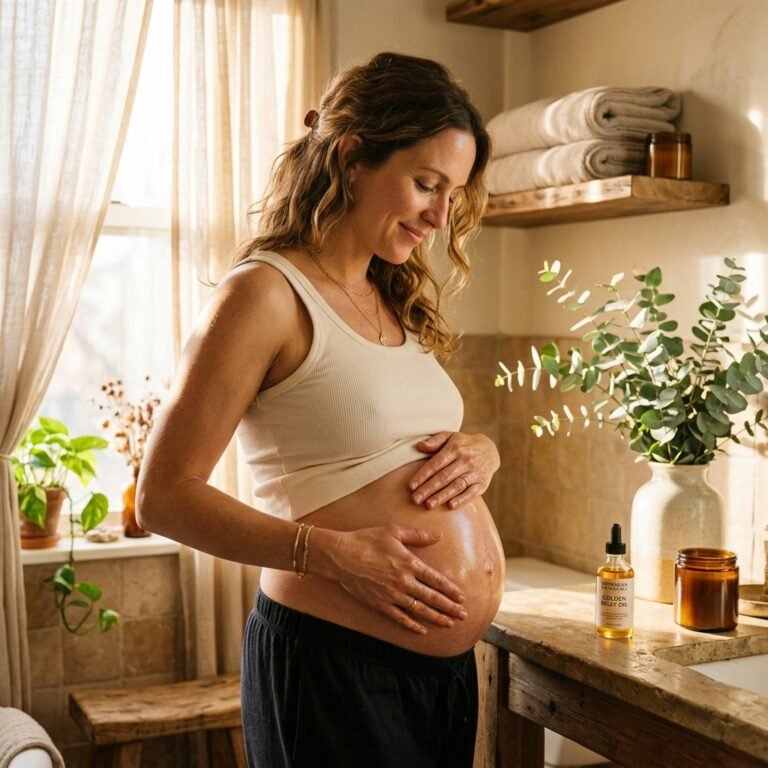
If you have recently looked in the mirror and noticed patchy, hyperpigmented spots appearing on your cheeks, forehead, or upper lip, I want you to take a deep, grounding breath. You were probably promised a radiant, flawless ‘pregnancy glow,’ and instead, you are dealing with sudden skin changes that feel entirely out of your control. As a doula and maternal wellness expert, I am here to wrap my arms around you and tell you this: You are not alone, and your body is doing exactly what it needs to do to grow your beautiful baby.
What you are experiencing is commonly known as the ‘Mask of Pregnancy,’ or clinically, melasma. It is an incredibly common, hormonally driven skin condition that affects anywhere from 50% to 70% of expecting mothers. While it can be emotionally frustrating to see your complexion change so drastically, it is a completely normal part of the miraculous, messy, and beautiful journey of motherhood.
“Your body is currently building a human life from scratch. Sometimes, that requires a massive surge of hormones that show up on our skin. Give yourself grace—you are beautiful, spots and all.”
Today, we are going to dive deep into exactly what causes this pigmentation, how to protect your skin, and most importantly, how to treat melasma safely while protecting your growing baby. We will swap the harsh chemicals for pregnancy-safe, nourishing alternatives, so you can feel confident, glowing, and deeply cared for during these nine months.
Understanding Melasma: Why Does the ‘Mask of Pregnancy’ Happen?

The Root Cause of Your Changing Complexion
To truly manage melasma, we first need to understand what is happening beneath the surface of your skin. Melasma presents as symmetrical, brownish or grayish patches, typically on the cheeks, bridge of the nose, forehead, chin, and above the upper lip. But why does it suddenly appear when you see that positive pregnancy test?
The Hormonal Symphony
During pregnancy, your body ramps up the production of estrogen and progesterone to sustain your baby’s growth. This incredible hormonal surge also stimulates your melanocytes—the cells in your skin responsible for producing melanin (pigment). Concurrently, your body produces higher levels of Melanocyte-Stimulating Hormone (MSH). When these hyperactive melanocytes are exposed to even small amounts of ultraviolet (UV) light or heat, they go into overdrive, producing excess pigment that rises to the surface of your skin as melasma.
Genetics and Heat Triggers
While hormones load the gun, sun exposure and heat pull the trigger. Yes, you read that right—heat. Many mamas are surprised to learn that it is not just UV rays that cause dark spots to flare; ambient heat from a hot yoga class, a steaming shower, or even sitting near a radiator can exacerbate melasma. Furthermore, genetics play a massive role. If your mother or sister experienced the mask of pregnancy, there is a higher statistical probability that you will, too.
The Skincare Edit: What’s Safe vs. What to Avoid
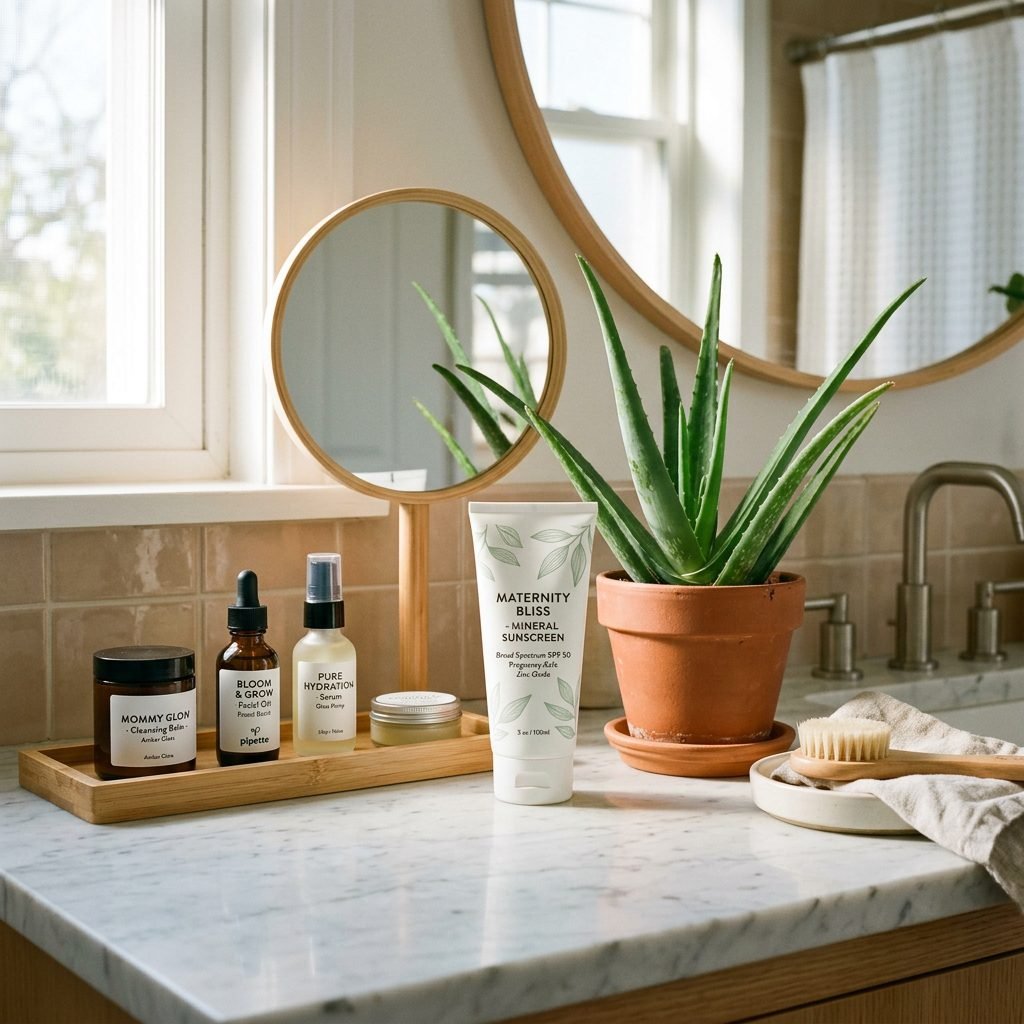
Curating Your Pregnancy-Safe Vanity
When you are expecting, your skin can absorb topically applied ingredients into your bloodstream, which means we have to be incredibly mindful of what we are using to treat hyperpigmentation. The gold standard treatments for melasma—like hydroquinone and retinoids—are strictly off-limits during pregnancy due to potential risks to fetal development. But do not worry, sister! There are plenty of potent, pregnancy-safe alternatives that can beautifully manage and brighten your skin.
| Skincare Ingredient | Status | Why It Is Safe or Unsafe |
|---|---|---|
| Hydroquinone | AVOID | High systemic absorption rate (up to 45%). Not considered safe for fetal development. |
| Retinoids (Retinol, Tretinoin) | AVOID | Linked to severe birth defects in high oral doses; topical use is strictly advised against by dermatologists and OBGYNs. |
| Vitamin C (L-Ascorbic Acid) | SAFE | A powerful antioxidant that safely blocks the enzyme tyrosinase, preventing excess melanin production while brightening the skin. |
| Azelaic Acid | SAFE | A naturally occurring acid that gently exfoliates and targets hyperactive melanocytes. Safe to use up to 15% concentration. |
| Bakuchiol | SAFE | A plant-based, gentle alternative to retinol that encourages cell turnover without the teratogenic risks of Vitamin A derivatives. |
| Chemical Sunscreens (Oxybenzone) | AVOID | Known endocrine disruptors that can mimic hormones and potentially affect fetal development. |
| Mineral Sunscreens (Zinc Oxide) | SAFE | Sits on top of the skin to physically block UV rays without being absorbed into the bloodstream. The ultimate defense against melasma! |
“When in doubt, bring your skincare bottles to your next prenatal appointment. Your OBGYN or midwife is always your best resource for clearing a product!”
A Pregnancy-Safe Daily Routine for Melasma

Step-by-Step Defense and Brightening
Consistency is your best friend when managing the mask of pregnancy. Because we are using gentler ingredients, it may take 4 to 8 weeks to see a noticeable brightening effect. Here is a doula-approved, dermatologist-backed daily routine to soothe, protect, and treat your skin safely.
Your Morning Protective Routine
- Gentle Cleanse: Start your morning by washing your face with a hydrating, sulfate-free cleanser. Your skin is more sensitive right now, so avoid harsh scrubbing.
- Antioxidant Serum: Apply 3 to 5 drops of a Vitamin C serum (10% to 15% concentration). This acts as a shield against free radicals and inhibits further pigment production.
- Safe Treatment Layer: Apply a thin layer of Azelaic Acid serum or cream. This will gently target existing dark spots.
- Moisturize: Seal in the active ingredients with a pregnancy-safe moisturizer containing hyaluronic acid and ceramides to keep the skin barrier strong.
- The Non-Negotiable SPF: Apply a generous layer (about 1/4 teaspoon for your face) of broad-spectrum Mineral Sunscreen with at least 20% Zinc Oxide. You must reapply every 2 hours if you are outdoors!
Your Evening Restorative Routine
- Double Cleanse: Use a pregnancy-safe cleansing balm to melt away the heavy mineral SPF, followed by your gentle water-based cleanser.
- Cellular Turnover: Apply a Bakuchiol serum. This plant-based wonder will help speed up cell turnover overnight, gently fading the pigmented layers of skin.
- Deep Hydration: Finish with a rich, nourishing night cream. Hydrated skin heals faster and functions better.
Holistic & Lifestyle Approaches to Managing Pigmentation
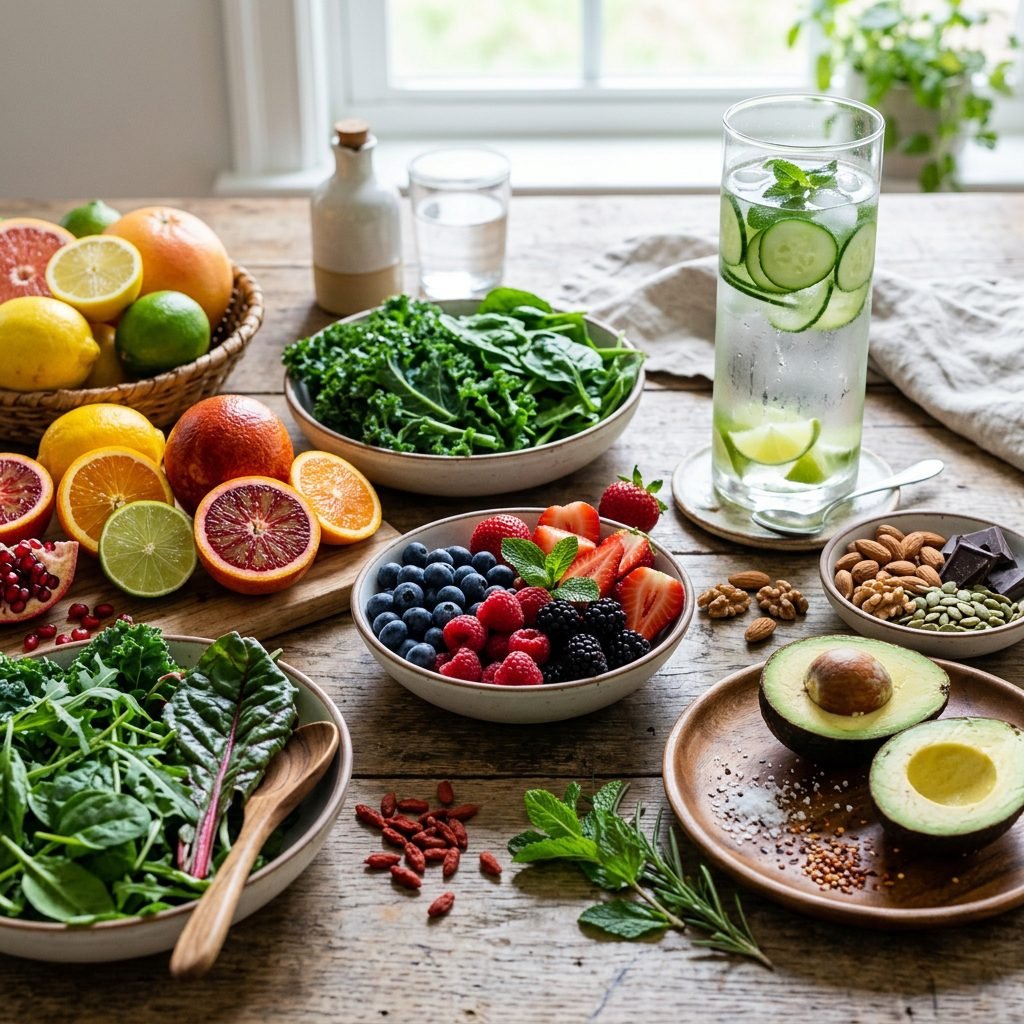
Cooling the Body and Nourishing from Within
As a doula, I always look at maternal wellness holistically. Skincare is only one piece of the puzzle. Because melasma is triggered by internal hormones, external UV rays, and ambient heat, we need to adapt our daily habits to keep the body cool, protected, and well-nourished.
Mastering Sun and Heat Avoidance
- Embrace the Wide-Brimmed Hat: A baseball cap will not cut it, mama. You need a hat with at least a 4-inch brim to physically shade your entire face, neck, and chest.
- Seek the Shade: If you are taking a walk or visiting a park, always position yourself in the shade. UV rays can penetrate clouds and bounce off pavement, so physical barriers are essential.
- Cool Down Your Workouts: If you love prenatal yoga or daily walks, try to exercise in air-conditioned spaces or during the early morning/late evening. Keep a cooling towel around your neck to prevent your core body temperature from spiking, which can trigger melanocytes.
Nutrition for Skin Health
What you eat can support your skin’s ability to fight off oxidative stress. Focus on a diet rich in antioxidants. Foods high in Vitamin C (like citrus, bell peppers, and strawberries) and Vitamin E (like almonds, spinach, and avocados) help your body naturally defend against cellular damage. Additionally, ensure you are drinking at least 80 to 100 ounces of water daily. Proper hydration flushes out toxins and keeps your skin plump, which can actually make hyperpigmentation look less severe.
The Postpartum Outlook: Will the Mask Fade?

Looking Forward: Healing After Birth
One of the most common questions I get from worried mamas is, ‘Will my face look like this forever?’ I want to offer you a massive dose of reassurance right now. For the vast majority of women, the mask of pregnancy is temporary.
The Postpartum Timeline
Once you deliver your placenta, your estrogen and progesterone levels will drop dramatically. As your hormones begin to regulate over the first few months postpartum, the overproduction of melanin will halt. You will likely notice your melasma starting to fade naturally within 3 to 6 months after giving birth. However, if you are breastfeeding, your hormones will remain somewhat altered, which means the fading process might take a little longer. Be patient with your body; it took nine months to build these hormone levels, and it will take time for them to settle.
When to Seek Professional Help
If your baby is celebrating their first birthday and your melasma is still deeply visible and bothering you, it is completely okay to seek out a board-certified dermatologist. Post-pregnancy (and after you have finished breastfeeding), you will have access to a much wider arsenal of treatments. Dermatologists can safely prescribe stronger topical treatments like hydroquinone, or perform in-office procedures such as chemical peels (like the Cosmelan peel) or gentle laser therapies (like Clear + Brilliant or Nd:YAG lasers) to break up stubborn pigment.
“Postpartum recovery is a journey of reclaiming your body. If treating your skin helps you feel more like ‘you’ again, that is a valid and worthy pursuit. Self-care is not selfish; it is essential maintenance for motherhood.”
Conclusion
Embracing Your Journey
Navigating the physical changes of pregnancy can be an emotional rollercoaster, and it is completely valid to mourn the loss of your pre-pregnancy complexion. But please remember, the ‘mask of pregnancy’ is a testament to the incredible, life-sustaining work your body is doing right now. By swapping out harsh chemicals for pregnancy-safe ingredients like Vitamin C, Azelaic Acid, and heavy-duty mineral SPF, you can safely manage and minimize melasma while keeping your little one perfectly safe.
Wear your wide-brimmed hat with pride, slather on that zinc oxide, and give yourself the grace you so deeply deserve. You are radiant, you are powerful, and you are doing an amazing job, mama.