
Winter Baby? The Specific Gear You Need To Add To Your Registry Now
Welcoming a new baby is a momentous occasion, and a winter birth adds a unique layer of magic and wonder. The world outside may be crisp and cool, but your home is about to be filled with the unparalleled warmth of a new life. As a doula and maternal health educator, I’ve supported countless families as they prepare for their little one’s arrival, and I know that parents expecting a winter baby often have specific questions and anxieties. How do you keep a tiny newborn warm but not too warm? How can you travel safely in icy conditions? What do you really need to combat dry air and the dreaded cold and flu season?
This guide is designed to ease those concerns and empower you with a comprehensive, expert-vetted checklist of winter-specific gear. We’ll move beyond the standard registry items to focus on the essentials that will help you create a safe, cozy, and joyful environment for your winter baby. Let’s build a registry that ensures you can confidently navigate the season and focus on what truly matters: bonding with your new arrival.
The Art of Layering: Essential Clothing for Your Winter Newborn
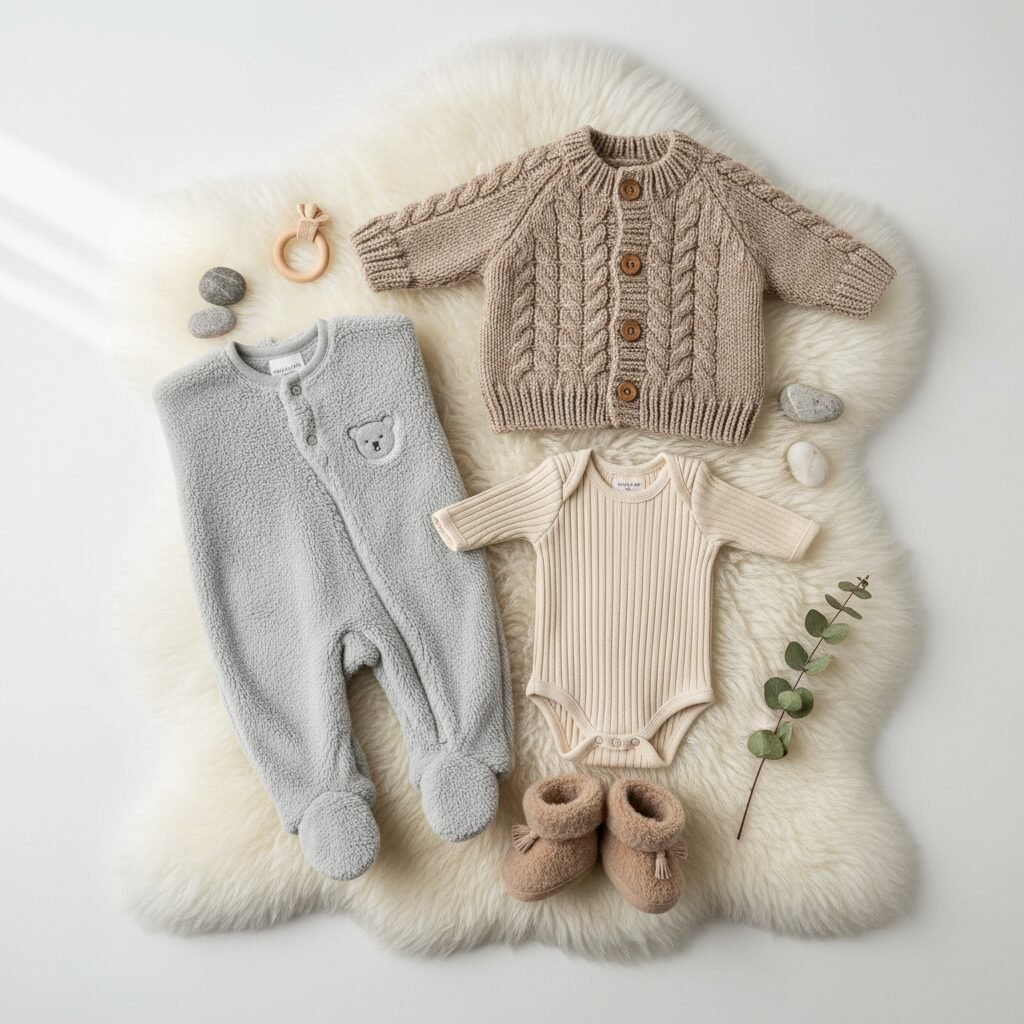
The single most important principle for dressing a winter baby is layering. Unlike adults, newborns are not yet efficient at regulating their own body temperature. Layering allows you to easily add or remove clothing to keep them comfortable, preventing both chilling and overheating, which is a risk factor for SIDS (Sudden Infant Death Syndrome). The goal is to dress your baby in one more thin layer than you would comfortably wear yourself in the same environment.
Core Wardrobe Staples:
- Long-Sleeved Bodysuits: These are the foundation of every outfit. Stock up on soft, breathable cotton bodysuits. For extra warmth without bulk, consider a few made from merino wool, which is excellent at temperature regulation.
- Footed Pajamas/Sleepers: Look for fleece or microfleece sleepers for maximum coziness during naps and overnight sleep. Zippers are often easier to manage than snaps during late-night diaper changes.
- Soft Pants or Leggings: To layer over bodysuits for daytime wear around the house.
- Sweaters or Cardigans: A few zip-up or button-up sweaters are perfect for adding an extra layer of warmth that can be quickly removed if the room is warm.
- Socks and Booties: Even with footed pajamas, tiny feet can get cold. Keep a good supply of warm socks. Soft-soled booties that stay on are also a great addition.
- Indoor Hats/Beanies: A lightweight, soft cotton beanie is important for the first few days and for maintaining warmth indoors, especially for smaller or premature infants.
A Critical Note on Car Seat Safety
This is a non-negotiable safety rule: Bulky winter coats, snowsuits, and puffy bunting bags should NEVER be worn by a baby in a car seat. In the event of a crash, the puffy material can compress, leaving the harness straps too loose to properly restrain your child, which can lead to severe injury. Instead, follow these steps for safe winter travel:
- Dress your baby in thin, snug layers, such as a long-sleeved bodysuit and fleece pajamas.
- Place your baby in the car seat and buckle the harness, ensuring the straps are snug. You should not be able to pinch any excess webbing at their collarbone.
- Once buckled, you can place a blanket over your baby or use a car seat cover that fits over the top of the seat like a ‘shower cap’ and does not interfere with the harness system.
Your baby’s safety is paramount. Remember: no puffy coats in the car seat. Thin, snug layers are the key to both warmth and security on the road.
Braving the Elements: Gear for Travel and Outdoor Excursions
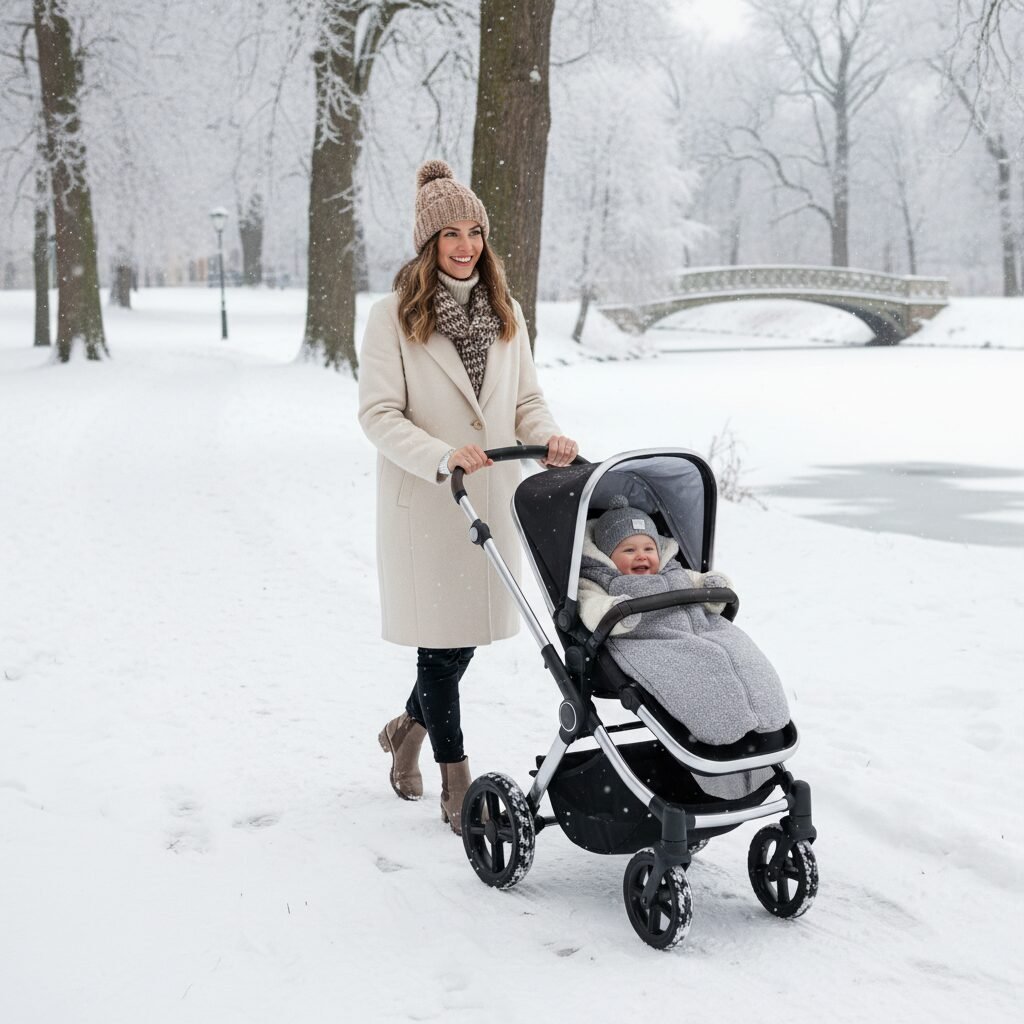
Cabin fever is real, especially for new parents. Getting out for fresh air is important for both your and your baby’s well-being. With the right gear, you can navigate the winter world with confidence and ease, keeping your little one protected from wind, snow, and cold temperatures.
Essential Outdoor Equipment:
- Car Seat Cover: As mentioned, a ‘shower cap’ style cover is a fantastic registry addition. It fits snugly over the infant carrier, creating a warm pocket of air without any material between the baby and the harness. Many have a zippered flap for easy access to your baby.
- Stroller Bunting Bag/Footmuff: This is essentially a sleeping bag for your stroller. It attaches to the stroller seat, and your baby is placed inside, allowing the stroller’s own harness to be buckled securely. It’s a safe and incredibly warm way to enjoy walks.
- Pram/Bassinet Weather Shield: If your stroller has a bassinet attachment, a fitted weather shield (often sold by the stroller brand) is invaluable for protecting your baby from wind, snow, and cold rain.
- Baby Carrier Cover: For parents who enjoy babywearing, a fleece or insulated cover that attaches to your carrier is a must. It keeps both you and the baby warm while sharing body heat.
- Warm Outerwear (for non-car seat use): A traditional snowsuit or puffy bunting bag is perfect for walks in the stroller or carrier, but remember to remove it before getting in the car.
| Gear Type | Primary Use | Key Safety Consideration |
|---|---|---|
| Car Seat Cover (‘Shower Cap’ Style) | Keeping baby warm in an infant car seat during transport. | Must not have any material underneath the baby or behind their back; it should only stretch over the top of the seat. |
| Stroller Bunting Bag/Footmuff | Keeping baby warm during stroller walks. | Ensure it has appropriate slots to thread the stroller’s 5-point harness through for a secure fit. |
| Baby Carrier Cover | Keeping baby warm while babywearing. | Ensure baby’s face is uncovered and airways are clear at all times. The cover should not restrict breathing. |
The Winter Nest: Keeping Your Home Warm, Safe, and Comfortable
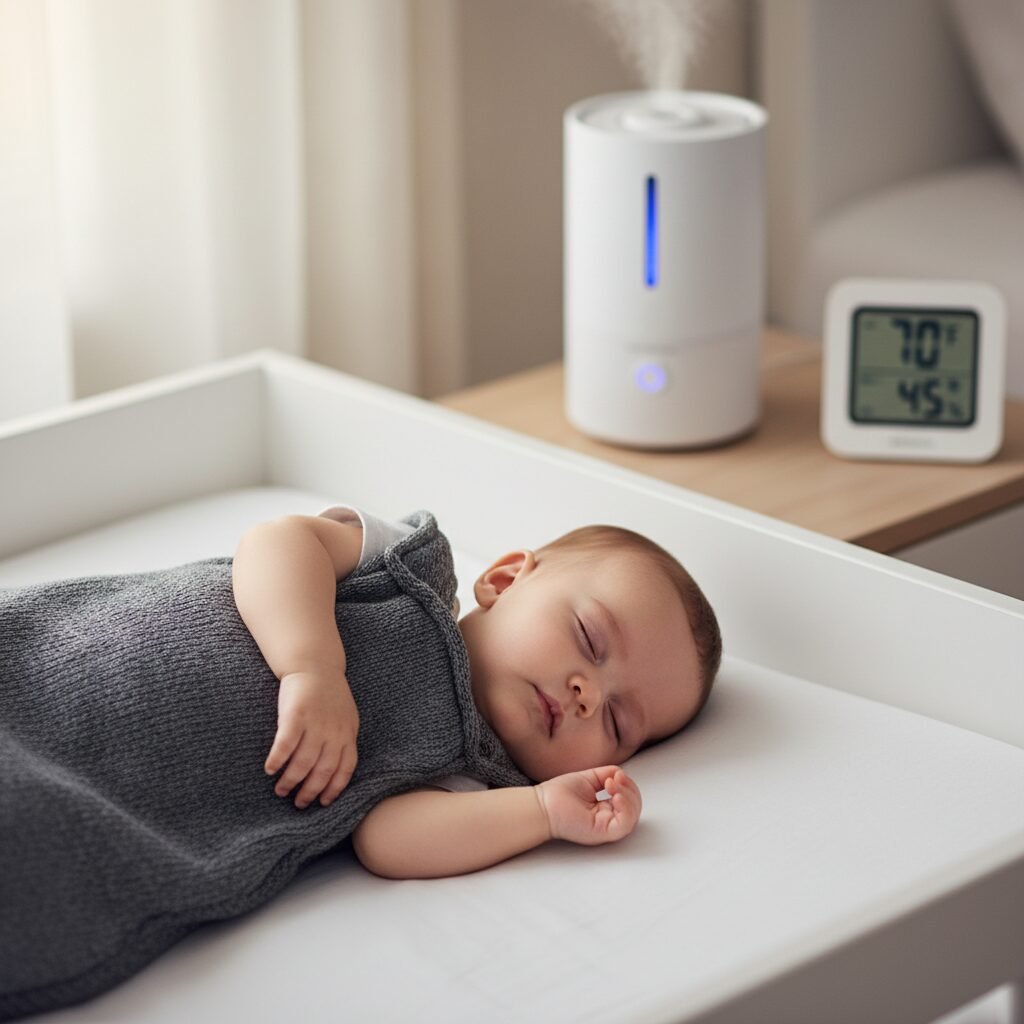
Creating a cozy indoor sanctuary is just as important as preparing for the outdoors. Central heating systems can make the air extremely dry, which can irritate a newborn’s delicate skin and respiratory passages. Here’s how to optimize your home environment for a winter baby.
Nursery and Home Essentials:
- Cool-Mist Humidifier: This is a top-tier registry item for a winter baby. A humidifier adds moisture back into the air, helping to prevent dry skin, chapped lips, and nasal congestion. A cool-mist version is recommended to avoid the risk of burns associated with warm-mist models.
- Wearable Blankets (Sleep Sacks): The American Academy of Pediatrics recommends against loose blankets in the crib to reduce the risk of SIDS. Sleep sacks are the perfect solution. They are worn over pajamas and keep your baby warm without posing a suffocation hazard. For winter, look for fleece or microfleece options, or consider a wool sack. Pay attention to the TOG (Thermal Overall Grade) rating—a higher TOG (e.g., 2.5) is designed for colder rooms.
- Room Thermometer: Take the guesswork out of temperature control. A simple digital room thermometer will help you maintain the ideal temperature for a baby’s room, which is between 68-72°F (20-22°C).
- Thermal or Blackout Curtains: These can help insulate the nursery, preventing cold drafts from windows and keeping the room at a more consistent temperature.
- Gentle, Hydrating Skincare: Cold, dry air can be harsh on a newborn’s sensitive skin. Add a fragrance-free, hypoallergenic baby lotion or balm to your registry to soothe and protect their skin after baths.
Health and Wellness: Navigating Cold & Flu Season with a Newborn
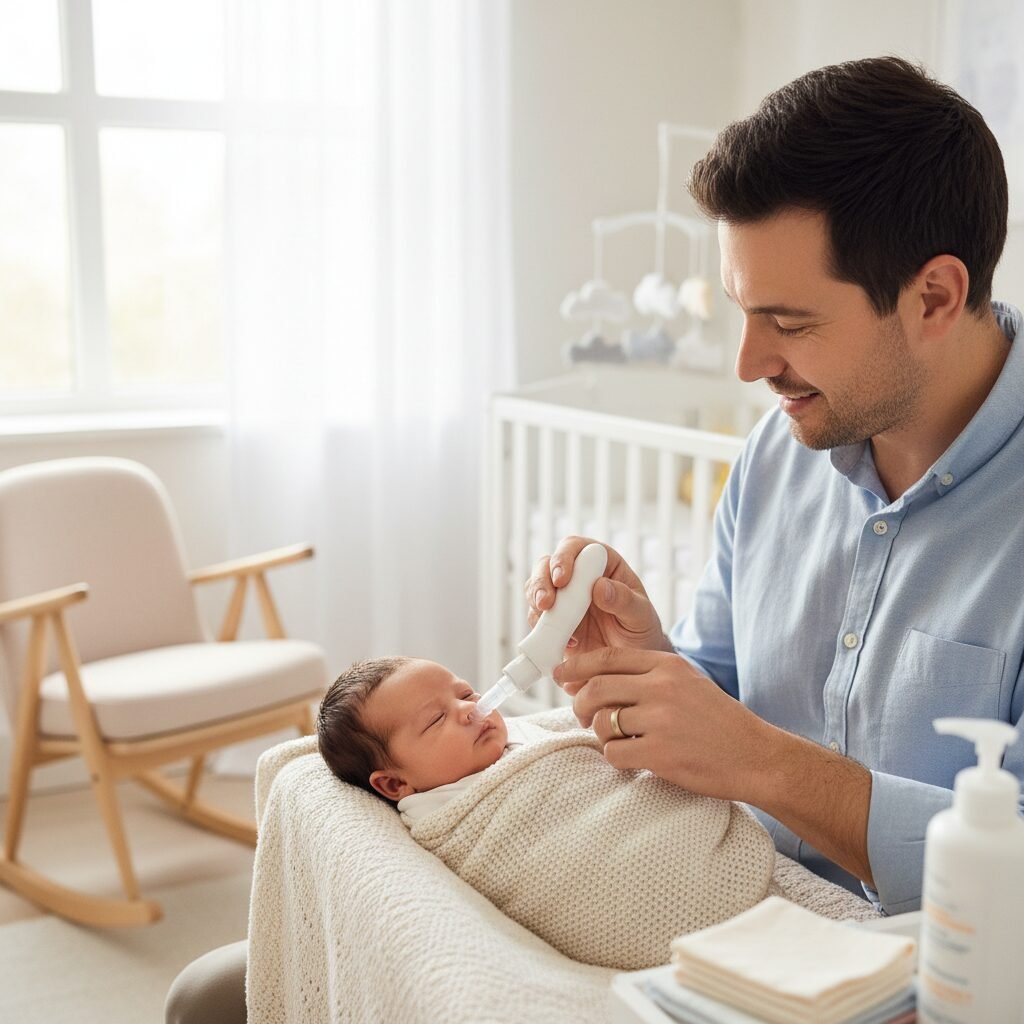
Bringing home a newborn during peak cold and flu season can feel daunting. Their immune systems are still developing, making them more vulnerable. Being prepared with the right tools and establishing clear boundaries for visitors can make a significant difference in keeping your baby healthy.
Your Home Health Toolkit:
- Nasal Aspirator: Babies are ‘obligate nose breathers,’ meaning they primarily breathe through their noses. When they get congested, it can interfere with feeding and sleeping. A good nasal aspirator (whether a simple bulb syringe or a more advanced model like the NoseFrida) is absolutely essential.
- Saline Nasal Drops/Spray: Used in conjunction with an aspirator, sterile saline drops help loosen and thin mucus, making it much easier to clear your baby’s nasal passages.
- A Reliable Thermometer: For infants under 3 months, a rectal temperature is considered the most accurate. Have a good quality digital thermometer on hand. A fever in a newborn (a rectal temperature of 100.4°F or 38°C) requires an immediate call to your pediatrician.
- Hand Sanitizer and Visitor Policy: It is perfectly acceptable and wise to establish a ‘no sickness’ policy for visitors. Politely ask anyone who feels unwell to postpone their visit. For all guests, insist on thorough hand washing or sanitizing before they hold the baby.
Guide: What to Do for Baby’s First Cold
- Stay Calm: Most colds are viral and simply need to run their course. Your calm presence is comforting to your baby.
- Use Saline and Suction: Before feedings and sleep, use saline drops and a nasal aspirator to clear congestion.
- Run the Humidifier: Keep the cool-mist humidifier going to help soothe their nasal passages.
- Offer Small, Frequent Feeds: A stuffy baby may tire more easily during feedings. Offer breastmilk or formula more frequently to ensure they stay hydrated.
- Monitor for Warning Signs: Call your pediatrician immediately if your baby has a fever, shows signs of labored breathing (nostrils flaring, chest retracting), seems unusually lethargic, or is not feeding well.
Nurturing the Caregivers: Winter Essentials for New Parents

While everyone is focused on the new baby, it’s crucial to remember the parents. The postpartum period, often called the ‘fourth trimester,’ is a time of immense physical and emotional adjustment. Winter can add the challenge of feeling isolated or cooped up. Preparing for your own comfort and well-being is not a luxury; it’s a necessity for a healthy family.
Add These to Your ‘Parent Registry’:
- Cozy, Functional Loungewear: You will be spending a lot of time at home. Invest in comfortable, warm loungewear. If you plan to breastfeed, look for nursing-friendly sweaters and tops.
- High-Quality Thermos: A good thermos that keeps drinks hot for hours is a small but significant luxury. Fill it with herbal tea, bone broth, or hot water with lemon to stay hydrated and warm throughout the day.
- Meal Support: Arrange a meal train with friends or add gift cards for food delivery services to your registry. Not having to cook is one of the greatest gifts for new parents.
- A Therapy Light (SAD Lamp): The shorter, darker days of winter can sometimes contribute to postpartum mood challenges or Seasonal Affective Disorder (SAD). A therapy light, which mimics natural sunlight, can help boost mood and energy levels.
- Good, Non-Slip Footwear: Whether it’s a pair of warm slippers for inside or sturdy, non-slip boots for venturing out, having practical footwear is essential for safety and comfort.
- A Plan to Combat Cabin Fever: Before the baby arrives, research local indoor, baby-friendly places like library story times, parent-and-baby coffee mornings, or indoor walking tracks at a local mall. Having a list of potential outings can make it easier to get out of the house when you feel ready.
Conclusion
Preparing for a winter baby is an act of love and foresight. While this list of gear may seem extensive, it’s about equipping yourselves with the tools to feel confident and secure, so you can fully immerse yourselves in the joy of your new arrival. By focusing on the principles of safe layering, creating a comfortable home environment, preparing for travel, and—most importantly—caring for yourselves, you are building a warm and nurturing foundation for your growing family.
Embrace the quiet intimacy of the season. Let the snow falling outside be a gentle reminder to slow down, to cuddle, and to savor these fleeting newborn moments. You are ready for this beautiful journey.
Disclaimer: The information provided in this article is for educational purposes only and is not a substitute for professional medical advice, diagnosis, or treatment. Always seek the advice of your pediatrician or other qualified health provider with any questions you may have regarding a medical condition.